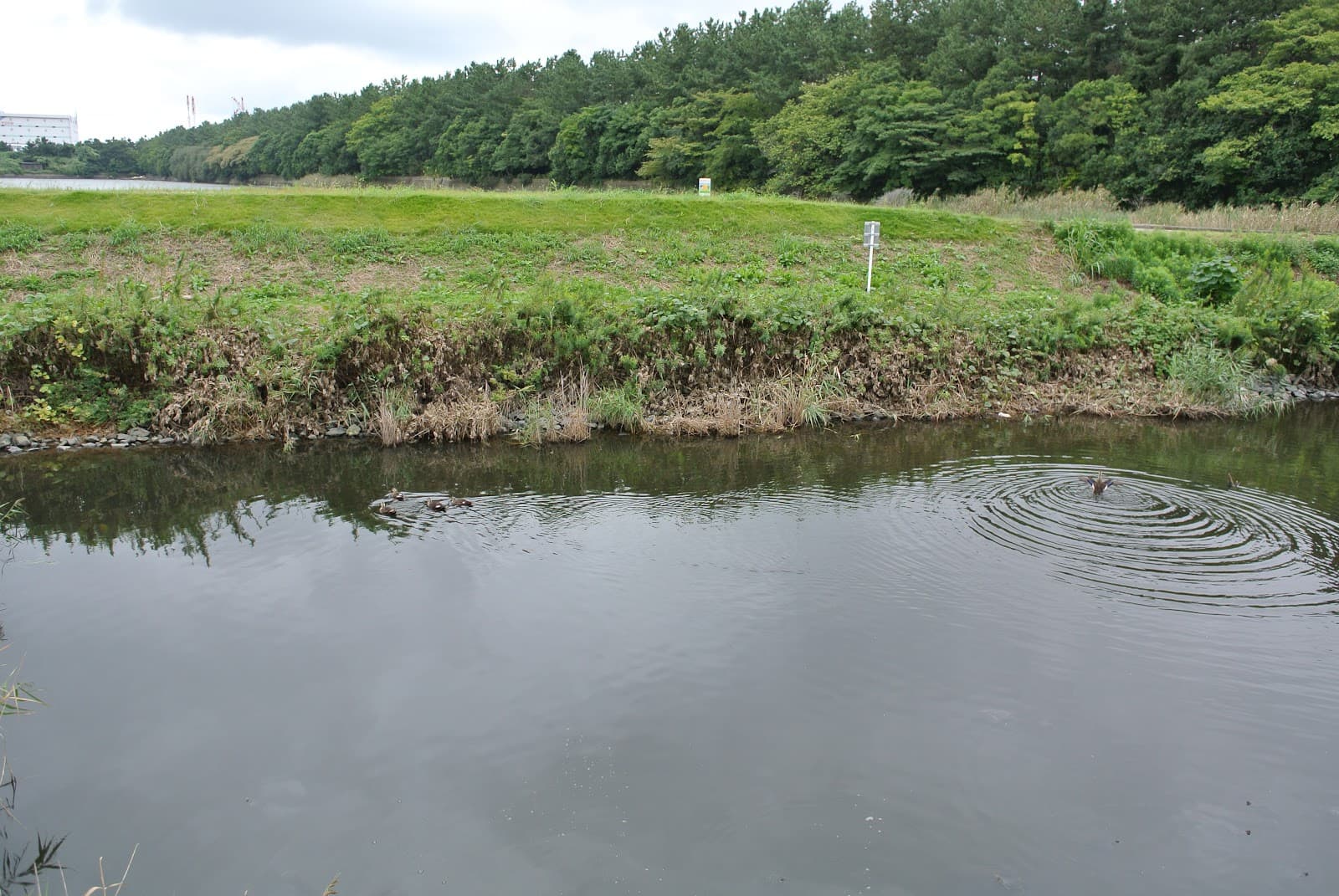
Gyotoku Wildlife Sanctuary
A peaceful urban sanctuary for birdwatching, famous for its large cormorant colony and accessible nature trails.
Highlights
Must-see attractions

Social
From TikTok & Reddit
Best Time
Peak bird migration
Gyotoku Wildlife Sanctuary
Best Time
Peak bird migration
Highlights
Must-see attractions
A peaceful urban sanctuary for birdwatching, famous for its large cormorant colony and accessible nature trails.
"You can enjoy bird watching even in the city. "

Bring Binoculars! 🔭
Essential for spotting the incredible number of cormorants and other birds. Makes the experience much richer!
Wear Comfortable Shoes 👟
You'll be doing a fair bit of walking around the sanctuary grounds. Enjoy the peaceful strolls.

Quick Facts
Hours
Rating
3.9 · 54 reviews
Type
Wildlife Refuge
Highlights
Discover the most iconic attractions and experiences
Cormorant Colony
Sanctuary grounds
Witness a surprisingly large colony of cormorants. Binoculars reveal a stunning sight of these black birds.
Birdwatching Paths
Around the sanctuary
Enjoy a peaceful walk and observe various bird species in their natural habitat, even within the city.

Wild Bird Hospital
Sanctuary grounds
Visit the open wild bird hospital to learn about avian conservation efforts and see injured birds.
Plans like a pro.
Thinks like you
Planning Your Visit
Best Time for Birdwatching
Getting There & Accessibility
Best Times
Insider Tips
from TikTok, Instagram & Reddit
Tokyo area animal tourism?
I want to surprise my husband with a tour or some sort for valentines day when we are there and I was thinking of the fox farm but I've heard some pretty awful things about how they treat them. Are there any recommended animal centric things to do around/within an hour of tokyo…
Bring Binoculars! 🔭
Essential for spotting the incredible number of cormorants and other birds. Makes the experience much richer!
Wear Comfortable Shoes 👟
You'll be doing a fair bit of walking around the sanctuary grounds. Enjoy the peaceful strolls.
Check Renovation Status 🚧
The observation building may be under renovation, but paths and the bird hospital are usually accessible.
Be Mindful of Smell/Droppings 👃
Cormorant colonies can be pungent. Be prepared, especially if sensitive.
Tips
from all over the internet
Bring Binoculars! 🔭
Essential for spotting the incredible number of cormorants and other birds. Makes the experience much richer!
Wear Comfortable Shoes 👟
You'll be doing a fair bit of walking around the sanctuary grounds. Enjoy the peaceful strolls.
Check Renovation Status 🚧
The observation building may be under renovation, but paths and the bird hospital are usually accessible.
Be Mindful of Smell/Droppings 👃
Cormorant colonies can be pungent. Be prepared, especially if sensitive.
What Travellers Say
Reviews Summary
Visitors find Gyotoku Wildlife Sanctuary a peaceful escape for birdwatching, particularly appreciating the large cormorant colony and pleasant walking paths. However, some note the presence of droppings and a distinct smell associated with the birds, which can be a concern for nearby residents and sensitive individuals.
"Very peaceful and nice for bird watching, in the right season! A place for families and small children!"
Joao Ponces
"Nice place for bird watching."
Vitaliy Madonov
"Good place"
R-Family
What People Like
What People Dislike
Frequently Asked Questions
🚇 🗺️ Getting There
Take the Tozai Line to Minami Gyotoku Station. From there, it's about a 30-minute walk to the sanctuary.
Yes, it's accessible via the Tozai Line to Minami Gyotoku Station, followed by a walk.
The walk from Minami Gyotoku Station to the sanctuary is approximately 30 minutes.
Information on parking is limited, but public transport is the recommended method of arrival.
The paths are generally nice, but check for any specific accessibility information if needed.
🎫 🎫 Tickets & Entry
Entry to the sanctuary grounds is generally free, making it an accessible nature spot.
Specific opening hours can vary, but it's generally accessible during daylight hours for walks.
While the sanctuary is free to roam, it's best to check if the wild bird hospital has any associated costs or donation suggestions.
Yes, weekends are a popular time for families and birdwatchers to visit.
No booking requirements are typically mentioned for general access to the sanctuary.
🎫 🐦 Onsite Experience
You can see a large colony of cormorants, and depending on the season, various migratory birds.
Yes, it's a nice place for families and small children to enjoy nature and observe birds.
Binoculars are highly recommended for the best viewing experience.
Restroom availability is not explicitly mentioned, and cafe facilities are unlikely within the sanctuary itself.
Photography is generally allowed, but be respectful of the wildlife and other visitors.
🎫 👃 Smell & Environment
Some visitors note a smell and droppings due to the large cormorant colony.
Being aware of the possibility and perhaps bringing a mask can help if you are sensitive.
For some, it can be a concern, but many still find the birdwatching experience rewarding.



Social
from TikTok, Instagram & Reddit