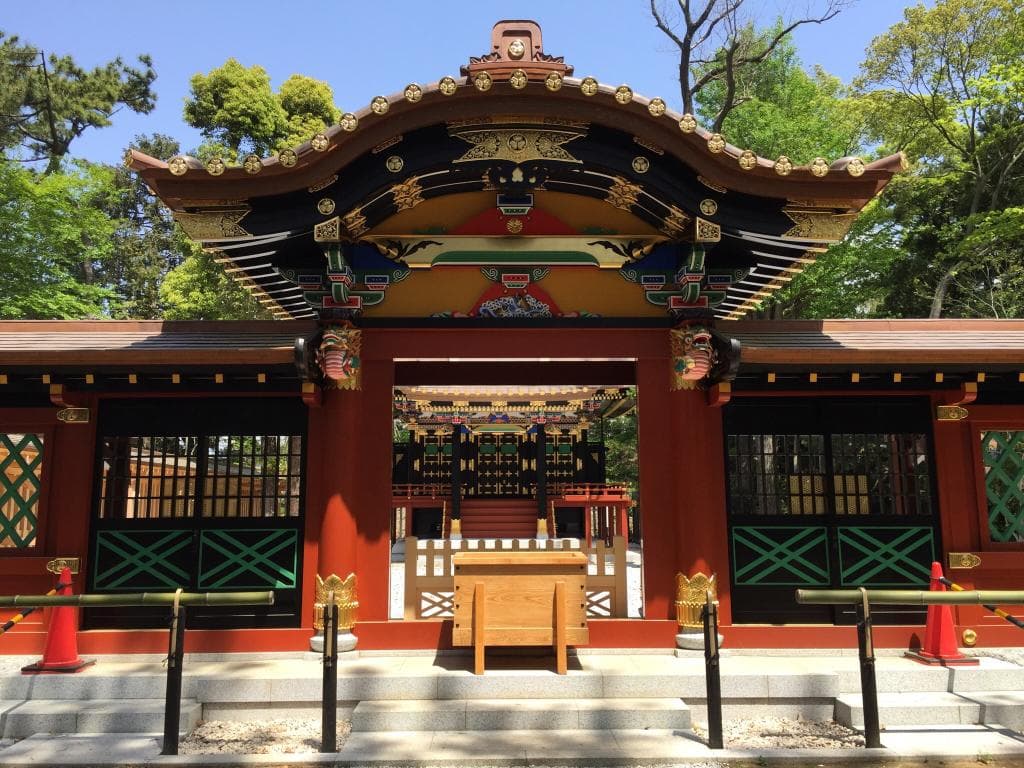
Hoten Shrine
A historic Shinto shrine complex featuring an Edo-era lighthouse and an ancient sumo ring, famous for its October festival.
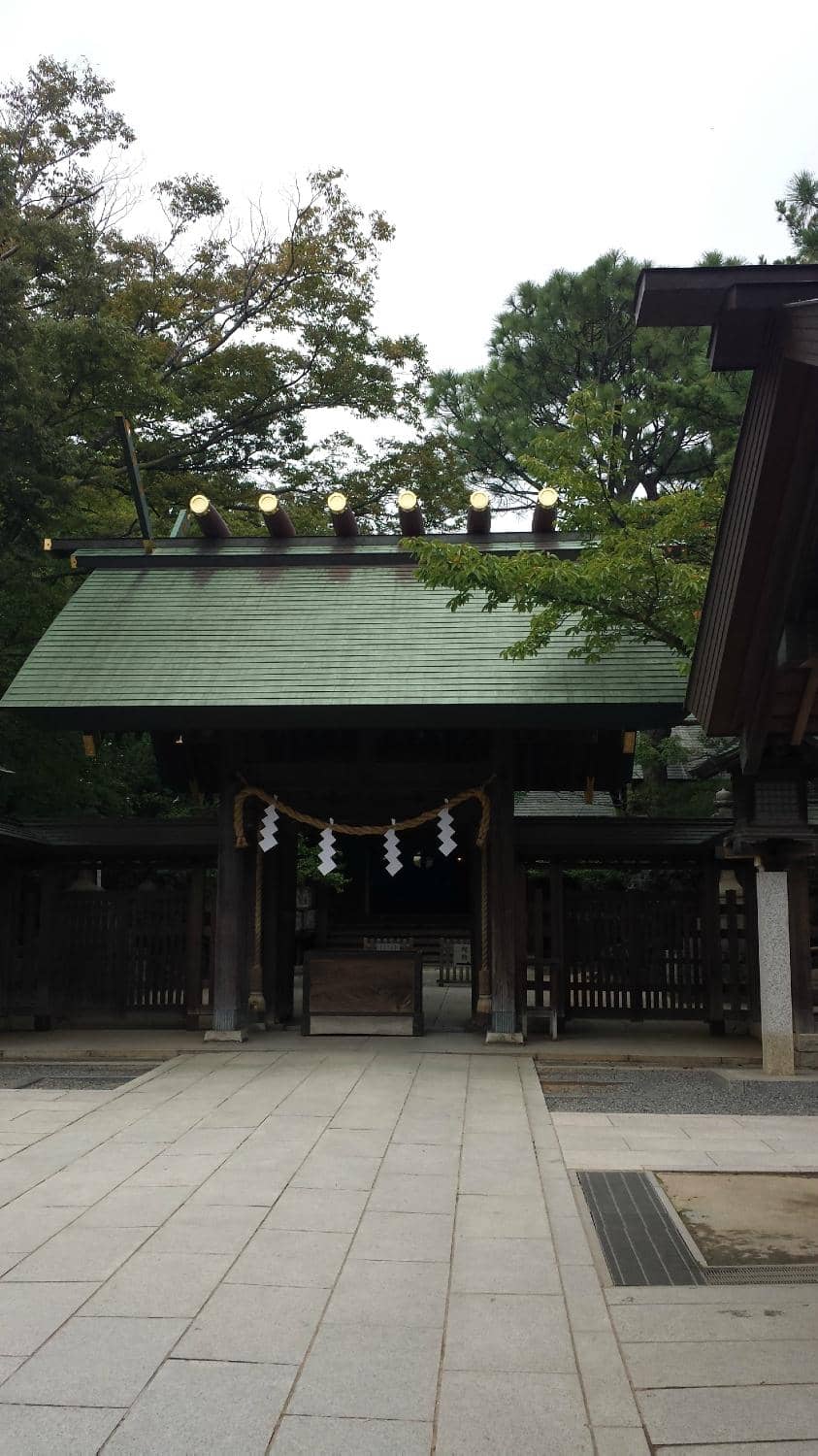
Highlights
Must-see attractions

Social
From TikTok & Reddit
Best Time
Experience the vibrant Sumo festival
Hoten Shrine
Best Time
Experience the vibrant Sumo festival
Highlights
Must-see attractions
A historic Shinto shrine complex featuring an Edo-era lighthouse and an ancient sumo ring, famous for its October festival.
"A great Shinto Shrine complex with many shrines and an old sumo dohyo, well-kept and a short walk from the station."
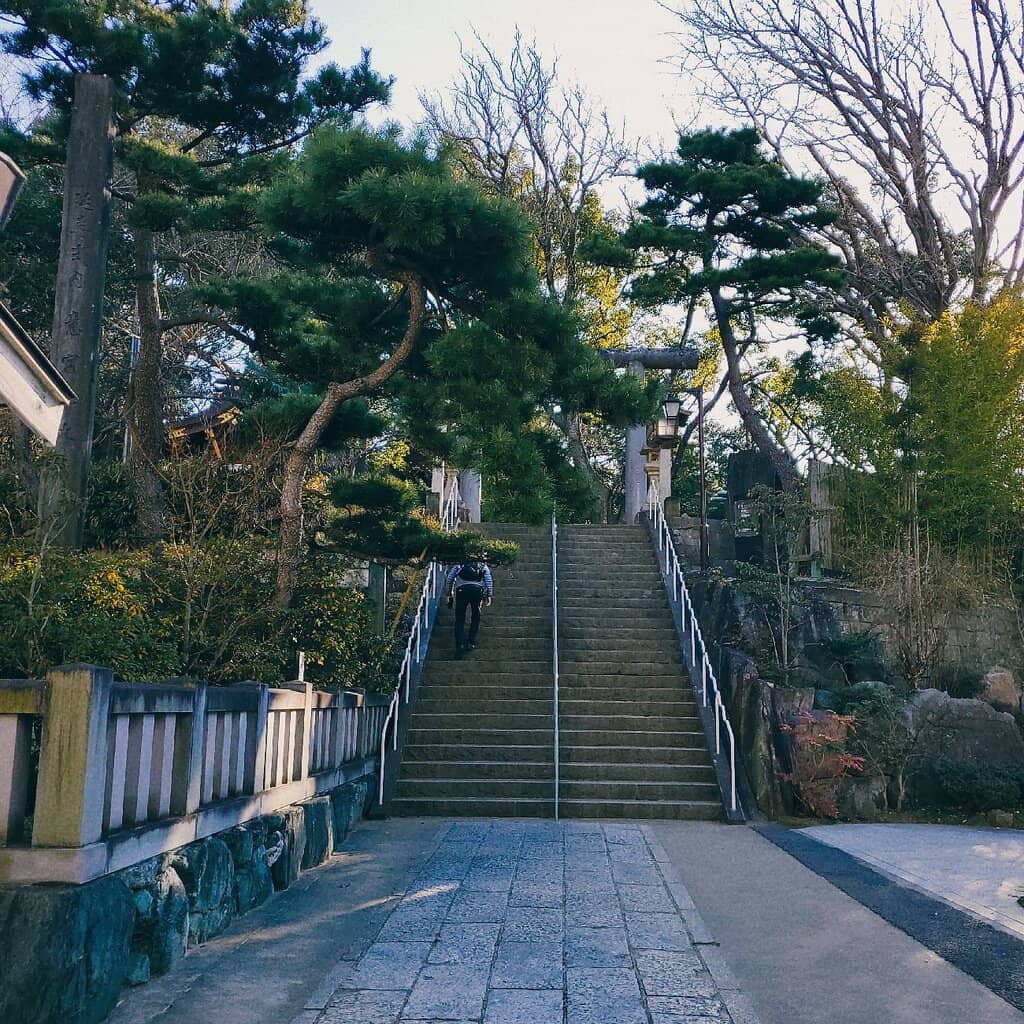
👟 Comfortable Footwear is Key
The shrine grounds are extensive; wear comfortable shoes for exploring all the smaller shrines and paths .
📅 Check Festival Dates
Plan your visit around the October Sumo festival or New Year's for a lively experience .
Quick Facts
Hours
Rating
4.2 · 2,177 reviews
Type
Place of Worship
Highlights
Discover the most iconic attractions and experiences
Edo Period Lighthouse
Within the shrine complex
A historical beacon from the late Edo period, offering a glimpse into maritime history.
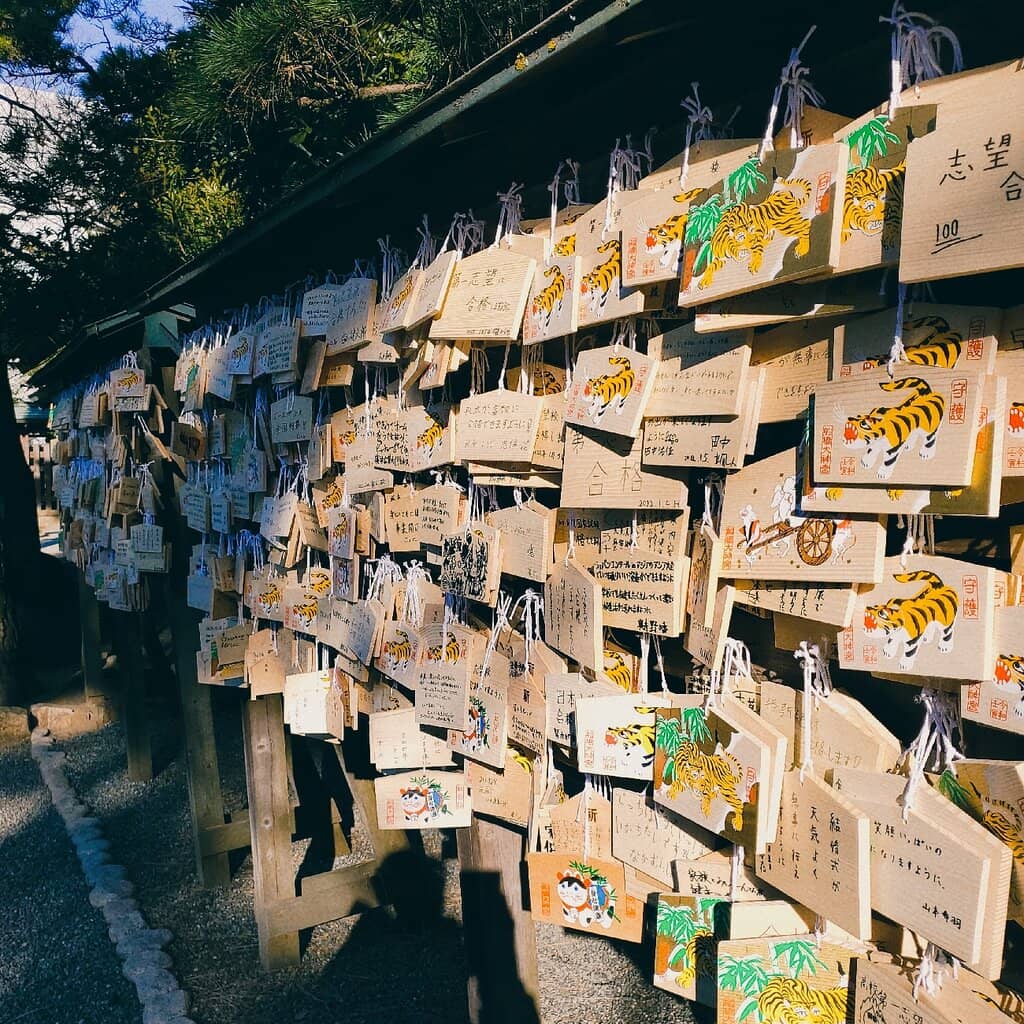
Sumo Dohyo
Ancient sumo ring
Step onto the grounds of an old sumo ring, a unique historical feature within the shrine.
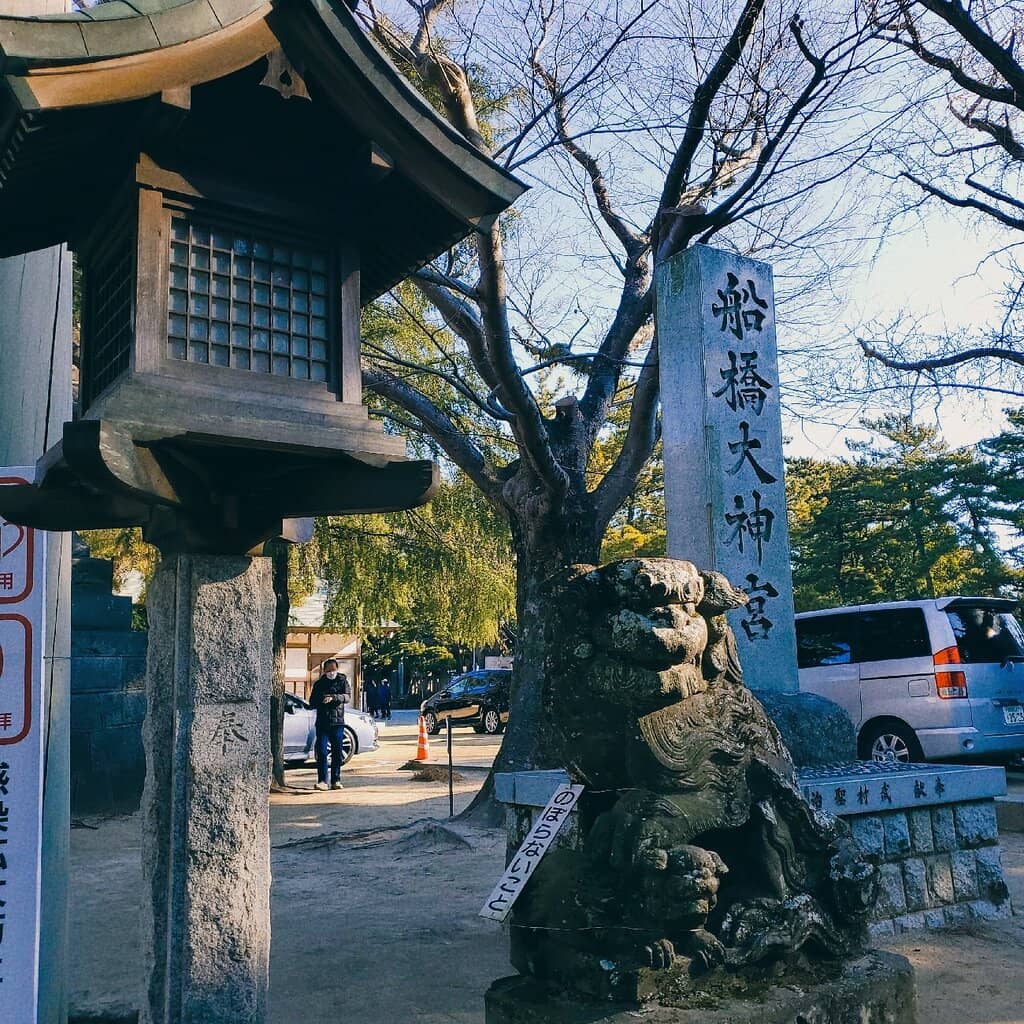
October Sumo Festival
Shrine grounds
Experience a vibrant cultural event with traditional sumo performances and festivities.
Plans like a pro.
Thinks like you
Planning Your Visit
Timing Your Visit to Hoten Shrine
Exploring the Shrine Grounds
Best Times
Insider Tips
from TikTok, Instagram & Reddit
👟 Comfortable Footwear is Key
The shrine grounds are extensive; wear comfortable shoes for exploring all the smaller shrines and paths.
📅 Check Festival Dates
Plan your visit around the October Sumo festival or New Year's for a lively experience.
⛩️ Explore Beyond the Main Shrine
Don't miss the historical lighthouse and the ancient sumo ring.+1
🚗 Parking Availability
While accessible by train, check parking options if driving, especially during peak festival times.
Tips
from all over the internet
👟 Comfortable Footwear is Key
The shrine grounds are extensive; wear comfortable shoes for exploring all the smaller shrines and paths.
📅 Check Festival Dates
Plan your visit around the October Sumo festival or New Year's for a lively experience.
⛩️ Explore Beyond the Main Shrine
Don't miss the historical lighthouse and the ancient sumo ring.+1
🚗 Parking Availability
While accessible by train, check parking options if driving, especially during peak festival times.
What Travellers Say
Reviews Summary
Visitors praise Hoten Shrine for its expansive grounds, historical significance, and well-maintained facilities. Highlights include the unique Edo period lighthouse and the ancient sumo ring. It's a great spot for a peaceful walk, especially outside of festival times.
"This is a great Shinto Shrine complex. There is a famous lighthouse here from around the end of the Edo period. Many large medium and small shrines here. Large area and there is a shrine office here. Very well kept and a short walk from the station. Check it out if you’re in the area."
Daniel Scott
"A branch of Ise Jingu. The precincts are fairly large, but the shrine is small. Another name is Funabashi daijinguu"
Yosh โยชิ Nak
"Famous & Great Shrine at Funabashi. It called “Daijingu”"
SANU
What People Like
What People Dislike
Frequently Asked Questions
🚇 🗺️ Getting There
Hoten Shrine is easily accessible by train. It's a short walk from the nearest station, making it convenient for visitors. If driving, inquire about parking availability, especially during major festivals.
Yes, Hoten Shrine is located in Funabashi, which is part of the greater Tokyo metropolitan area, making it a feasible destination for day trips from the city center.
From Narita Airport, you can take a train towards Funabashi. The journey typically involves a transfer but is a straightforward way to reach the shrine.
🎫 🎫 Tickets & Entry
Generally, there is no entrance fee to explore the grounds of Hoten Shrine. However, specific events or areas might have separate charges.
The shrine grounds are typically open from early morning until late afternoon. It's advisable to check the official website or local listings for precise hours, especially around holidays.
Yes, visiting during the New Year's holiday is very popular for Hatsumode, the first shrine visit of the year. Be prepared for large crowds and long waiting times.
Hoten Shrine is known for its October Sumo festival and the New Year's Hatsumode. Keep an eye on local event calendars for other seasonal activities.
🎫 🧭 Onsite Experience
The precincts of Hoten Shrine are quite large, featuring a main shrine, numerous smaller shrines, and historical sites like an old sumo ring and a lighthouse.+1
The ancient sumo dohyo (ring) is a historical feature within the shrine, offering a unique connection to Japan's traditional sport and its cultural heritage.
Yes, Hoten Shrine is also known as Funabashi Daijinguu and is considered a branch of Ise Jingu, one of Japan's most sacred Shinto shrines.
The October Sumo festival is a major event featuring sumo performances and a lively atmosphere with many visitors enjoying the cultural celebration.
Yes, there is a shrine office and typically other facilities available for visitors within the large complex. It's well-maintained.
🍽️ 🍽️ Food & Dining
During major festivals like New Year's, you can expect numerous food stalls offering traditional Japanese festival foods. During regular days, dining options might be limited within the immediate shrine vicinity.
The area around the nearest train station will likely have various dining options, from casual eateries to more formal restaurants, offering Japanese cuisine.
📸 📸 Photography
The iconic red torii gates, the historical lighthouse, the sumo ring, and the various smaller shrines offer excellent photographic opportunities. The surrounding nature also provides beautiful backdrops.
Photography is generally allowed within the shrine grounds, but it's always respectful to be mindful of ongoing rituals or prayers. Avoid intrusive photography during ceremonies.
Early mornings or late afternoons often provide softer light and fewer crowds, making them ideal for capturing the serene beauty of the shrine.


Social
from TikTok, Instagram & Reddit