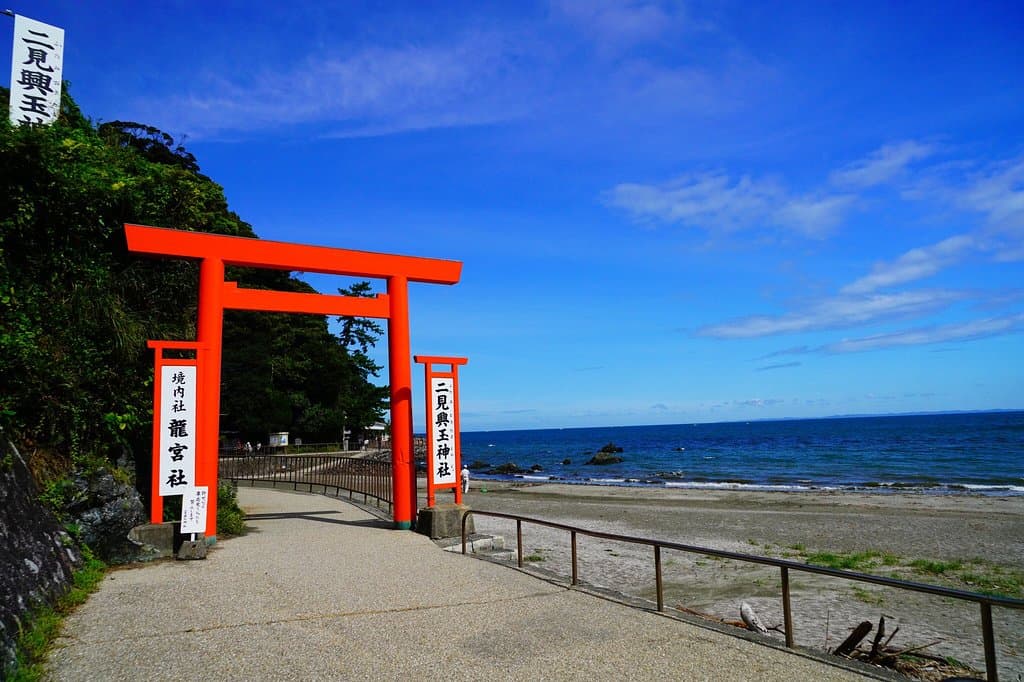
Futami Okitama Shrine Ise-Shima Japan
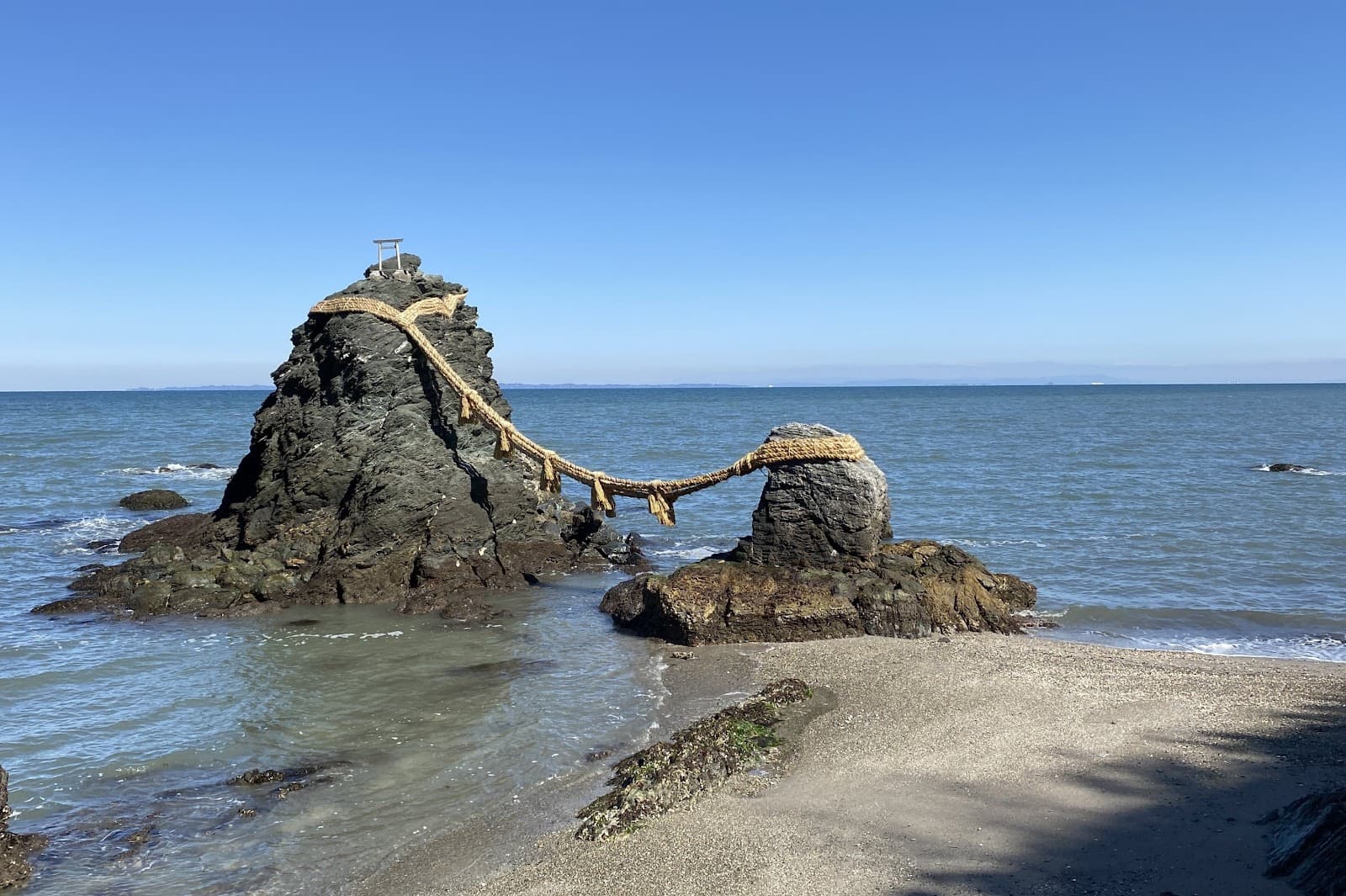
A serene Shinto shrine on Ise Bay, famous for the 'wedded rocks' (Meoto Iwa) and countless lucky frog sculptures.

Highlights
Must-see attractions

Social
From TikTok & Reddit
Best Time
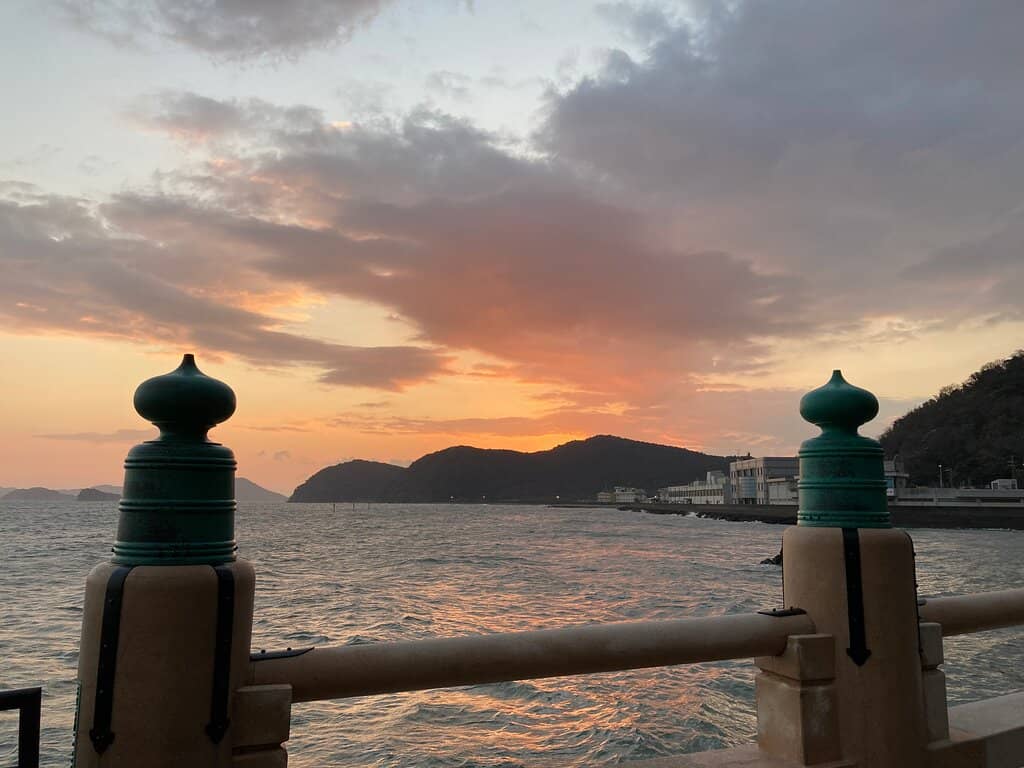
Golden light on the ocean
Futami Okitama Shrine Ise-Shima Japan
Best Time
Golden light on the ocean
Highlights
Must-see attractions
A serene Shinto shrine on Ise Bay, famous for the 'wedded rocks' (Meoto Iwa) and countless lucky frog sculptures.
"A spiritually uplifting and visually stunning spot, perfect for those seeking tranquility and connection to Japan's roots."
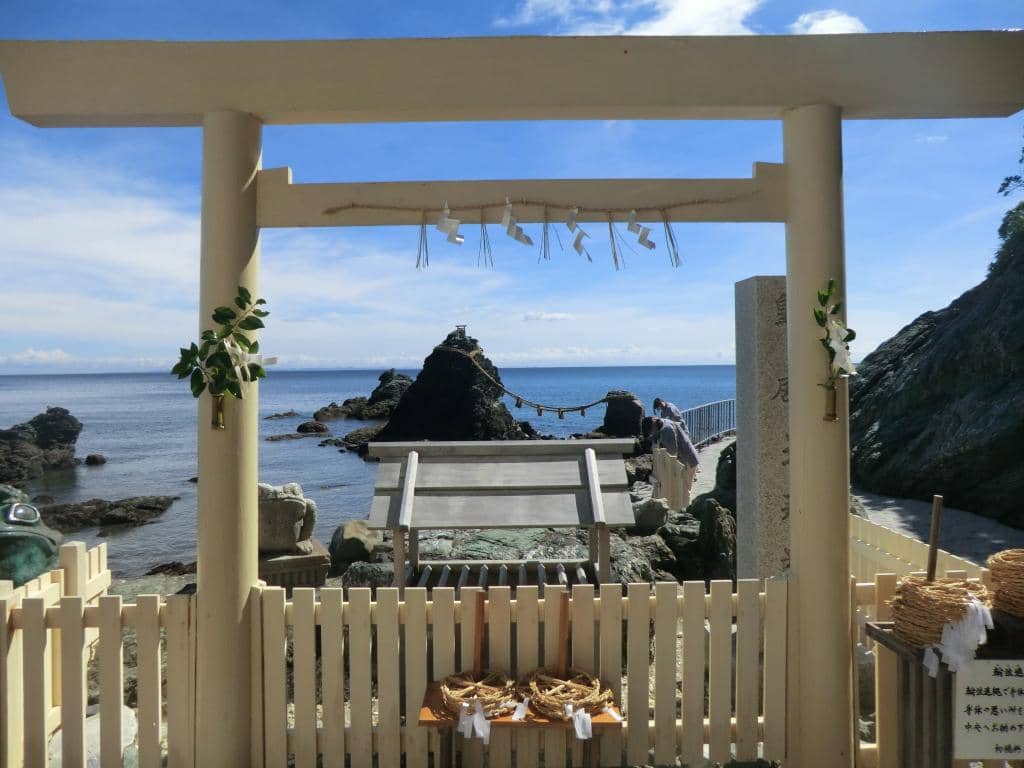
🌅 Catch the Sunrise/Sunset
Plan your visit for sunrise or sunset for the most breathtaking views of Meoto Iwa.
🐸 Froggy Fortune
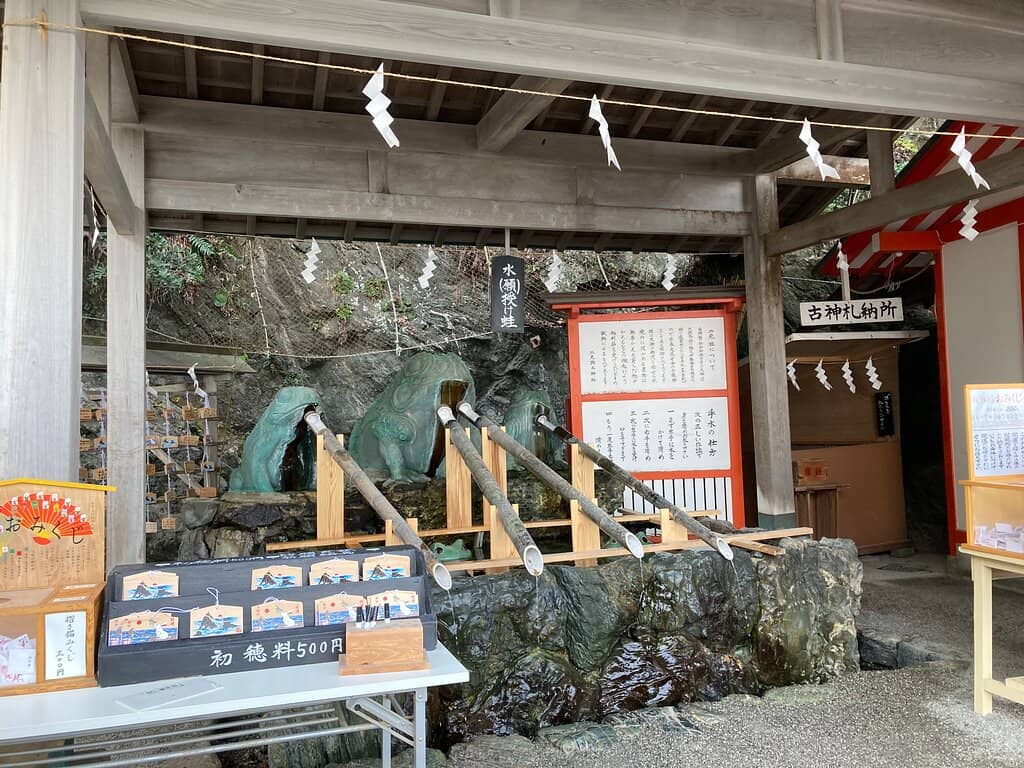
Admire the many frog statues; they symbolize safe journeys and good luck!
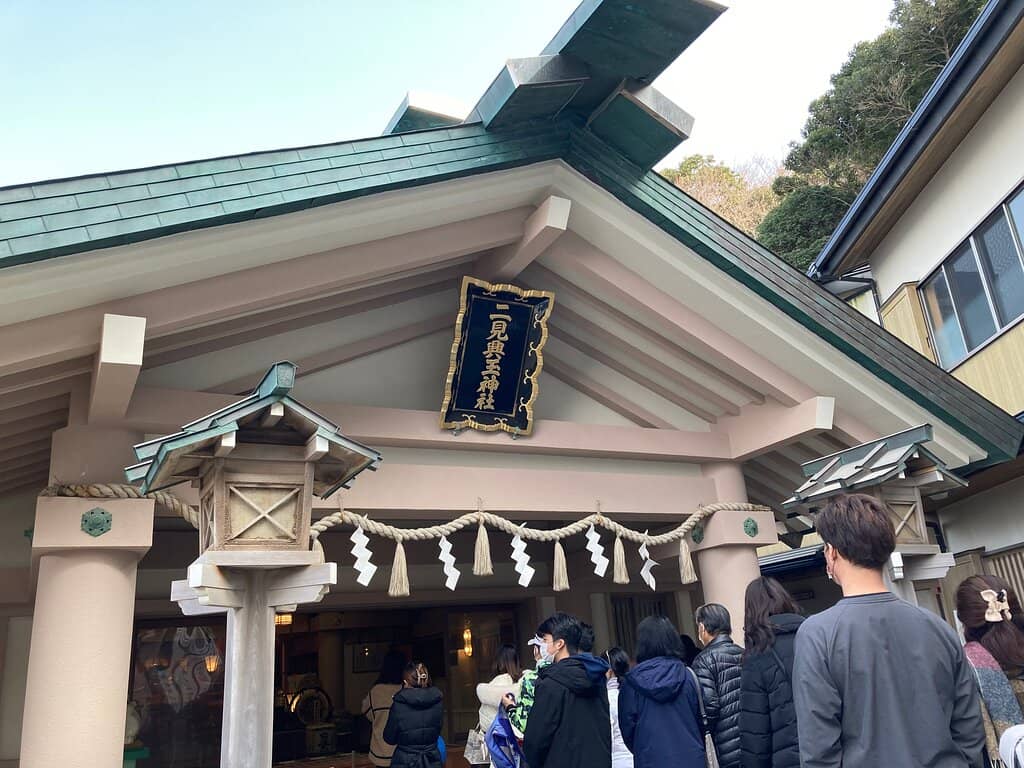
Quick Facts
Hours
Rating
4.4 · 11,962 reviews
Type
Shinto Shrine
Highlights
Discover the most iconic attractions and experiences
Meoto Iwa (Wedded Rocks)
Offshore from the shrine
Iconic sacred rocks symbolizing marital harmony, bound by a massive shimenawa rope.
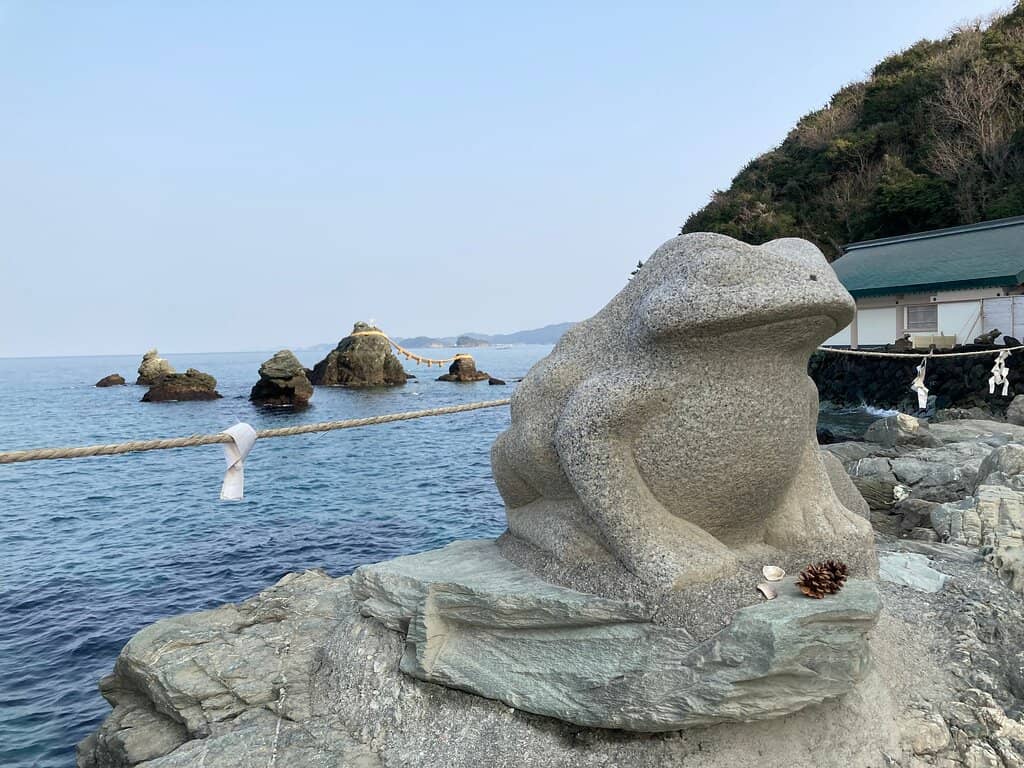
Frog Sculptures
Throughout the shrine grounds
Numerous frog statues, believed to bring safe returns and good fortune.
Hinode Worship Site
Offshore
A sacred submerged stone said to hold divine power, offering a sense of reverence.
Plans like a pro.
Thinks like you
Planning Your Visit
Timing Your Visit for the Best Views
Purification and Pilgrimage Tradition
Best Times
Insider Tips
from TikTok, Instagram & Reddit
🌅 Catch the Sunrise/Sunset
Plan your visit for sunrise or sunset for the most breathtaking views of Meoto Iwa.
🐸 Froggy Fortune
Admire the many frog statues; they symbolize safe journeys and good luck!
🧂 Sacred Salt Purification
Participate in the 'Mukushiobarai' ritual for a spiritual connection.
🚗 Limited Parking
Parking is available but limited; consider public transport if possible.
Tips
from all over the internet
🌅 Catch the Sunrise/Sunset
Plan your visit for sunrise or sunset for the most breathtaking views of Meoto Iwa.
🐸 Froggy Fortune
Admire the many frog statues; they symbolize safe journeys and good luck!
🧂 Sacred Salt Purification
Participate in the 'Mukushiobarai' ritual for a spiritual connection.
🚗 Limited Parking
Parking is available but limited; consider public transport if possible.
📜 Goshuin Seals
Get a unique sticker or a bookable seal (goshuin) for a souvenir.
What Travellers Say
Reviews Summary
Futami Okitama Shrine is lauded for its serene coastal beauty, particularly the iconic Meoto Iwa (Wedded Rocks), and its deep spiritual significance as a traditional purification site for pilgrims. Visitors appreciate the charming frog sculptures and the opportunity to connect with ancient Shinto traditions. While parking can be limited, the overall experience is described as uplifting and visually stunning.
"We visited the shrine on a weekday late morning. We drove in and used the free parking space right next to the entrance – although we had to wait about 10 minutes for a spot. The car parking has around 20 spaces. Due to the narrow streets, it's a good idea to bring a smaller car. The shrine itself was stunning, beautifully situated right by the water. We also spotted another entrance on the opposite side."
K K
"🌊⛩️ Futami Okitama Shrine, standing by the sea in Ise✨
Famous for the “Meoto Iwa” — the Wedded Rocks — this sacred place is known for blessings of love, marriage, and good fortune💑
You’ll find cute frog statues 🐸 all around the shrine, symbolizing safe returns and happiness💫
Watching the sunrise between the two rocks feels truly divine☀️✨
Before visiting Ise Grand Shrine, pilgrims have long purified themselves here at Futami Beach — a tradition called Hama-miyamairi🌅"
KIICHIRO KOBORI
"Futami Okitama Shrine is a serene and spiritually enriching destination that beautifully blends natural beauty with deep Shinto traditions. Nestled along the stunning shores of Ise Bay, the shrine offers breathtaking views of the iconic Meoto Iwa (Wedded Rocks), a pair of sacred rocks bound by a massive shimenawa rope, symbolizing marital harmony and the union of divine forces . The coastal setting provides a tranquil atmosphere, especially at sunrise or sunset, when the golden light reflects off the ocean, creating a mesmerizing scene .
One of the highlights is the shrine’s proximity to Ise Jingu, Japan’s most sacred Shinto site. Historically, pilgrims would purify themselves here before visiting Ise Jingu, a tradition that continues today with symbolic rituals like "Mukushiobarai" (purification with sacred salt) . The spiritual energy of the place is palpable, whether you’re walking among the many frog statues (symbols of safe returns and good fortune) or standing before the Hinode Worship Site, where a sacred stone submerged offshore is said to hold divine power .
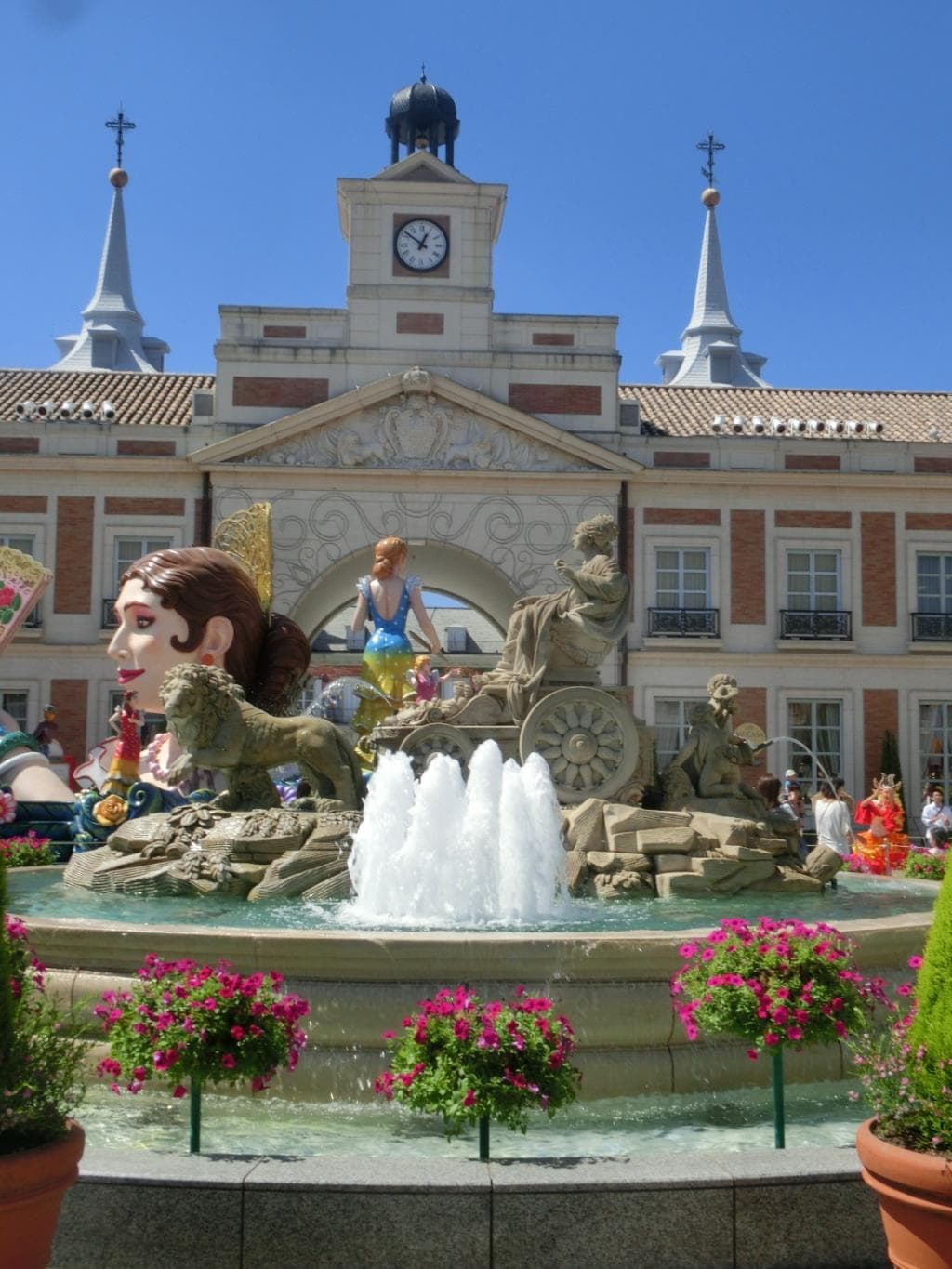
A short distance away, Spain Village (Shima Spain Mura) adds a fun contrast to the spiritual journey, offering a whimsical European-themed park for those seeking a lighthearted break . However, the true magic lies in the shrine’s seaside mystique—the rhythmic waves, the sacred rocks, and the lingering sense of reverence make it a must-visit for anyone exploring Ise.
While the shrine itself is free to enter, some areas (like the rope-changing ceremonies in May, September, and December) add seasonal charm . The only minor drawback is the limited parking, but the short walk from JR Futaminoura Station is pleasant and scenic .
A spiritually uplifting and visually stunning spot, perfect for those seeking tranquility, cultural depth, and a connection to Japan’s ancient Shinto roots. Don’t miss the chance to soak in the ocean views and the sacred aura of this unique shrine."
Royals
What People Like
What People Dislike
Frequently Asked Questions
🚇 🗺️ Getting There
You can take the JR Futaminoura Station, which is about a 15-minute walk to the shrine. Alternatively, the Mie Kotsu Bus CAN bus (or Bus 41 from Iseshi station towards Toba) goes to 'Ise Sea Paradise Mae', followed by a short walk.
Yes, there is a free parking lot, but spaces are limited, especially during peak times like sunset.
While possible, it's a significant travel time. It's more commonly visited as part of a larger itinerary in the Ise-Shima region.
You can use local buses or trains. Many pilgrims historically purified at Futami Okitama before heading to Ise Jingu.
Yes, both JR trains and local buses serve the area, making it accessible for visitors without a car.
🎫 🎫 Tickets & Entry
The shrine grounds are free to enter, allowing visitors to enjoy the natural beauty and spiritual atmosphere without charge.
The shrine is generally accessible throughout the day, but specific ritual times or facilities might have set hours. It's best to check locally for any specific timings.
Yes, you can buy amulets for marital harmony and other blessings. A sticker version of the goshuin (temple seal) is available, or you can purchase a book for a written one.
Yes, rope-changing ceremonies occur in May, September, and December, adding seasonal charm to the shrine.
No advance booking is required as the shrine grounds are freely accessible to all visitors.
🎫 🧭 Onsite Experience
These two sacred rocks, connected by a shimenawa rope, symbolize marital harmony and the union of divine forces in Shintoism.
The numerous frog statues are symbols of safe returns and good fortune, and some believe pouring water on them can make dreams come true.
It's a purification ritual using sacred salt, historically performed by pilgrims before visiting Ise Jingu.
Sunrise and sunset offer the most dramatic lighting for photographing the Meoto Iwa and the surrounding ocean.
Absolutely. Historically, it was a starting point for pilgrims to Ise Jingu, offering a spiritual prelude to your visit.
🍽️ 🍽️ Food & Dining
Yes, there are dining options in the vicinity, including restaurants within the Ise Sea Paradise shopping area and in the town itself.
The region is known for its fresh seafood, particularly oysters and Ise lobster, as well as local specialties.
While not always explicitly advertised, many Japanese restaurants can accommodate dietary needs with advance notice or by offering vegetable-based dishes.
Small shops and vending machines are typically available in tourist areas like this, offering convenience.
It's a matter of preference, but many visitors enjoy a meal in the area after their shrine visit, especially to enjoy local seafood.
📸 📸 Photography
The coastline offering views of the Meoto Iwa, the shrine entrance, and the numerous frog sculptures provide excellent photo opportunities. 
Generally, photography is permitted in most outdoor areas of the shrine, but always be respectful and check for any specific signage.
From May to July, the sunrise appears between the rocks. From November to January, the full moon aligns between them.
Drone usage is typically restricted in and around religious sites and coastal areas for safety and privacy reasons. It's best to assume it's not allowed unless explicitly stated otherwise.
A wide-angle lens is great for capturing the expansive coastal views and the Meoto Iwa. A telephoto lens can be useful for details.
Social
from TikTok, Instagram & Reddit