Gokurakuji Temple
A serene, historic Buddhist temple founded in 1259, offering a peaceful escape with beautiful landscaped grounds and significant cultural heritage.
Highlights
Must-see attractions

Social
From TikTok & Reddit
Best Time
Fewer crowds, peaceful atmosphere
Gokurakuji Temple
Best Time
Fewer crowds, peaceful atmosphere
Highlights
Must-see attractions
A serene, historic Buddhist temple founded in 1259, offering a peaceful escape with beautiful landscaped grounds and significant cultural heritage.
"A tranquil escape with historical depth, perfect for quiet contemplation away from the crowds."
🚊 Easy Enoden Access
Take the Enoden line to Gokurakuji Station; the temple is just a 3-min walk away.
🚶♀️ Explore Gokurakuji-zaka
Walk the historic slope leading to the temple for a glimpse of old Kamakura.
Quick Facts
Hours
Rating
4.1 · 954 reviews
Type
Buddhist Temple
Highlights
Discover the most iconic attractions and experiences
Niomon Gate
Temple Entrance
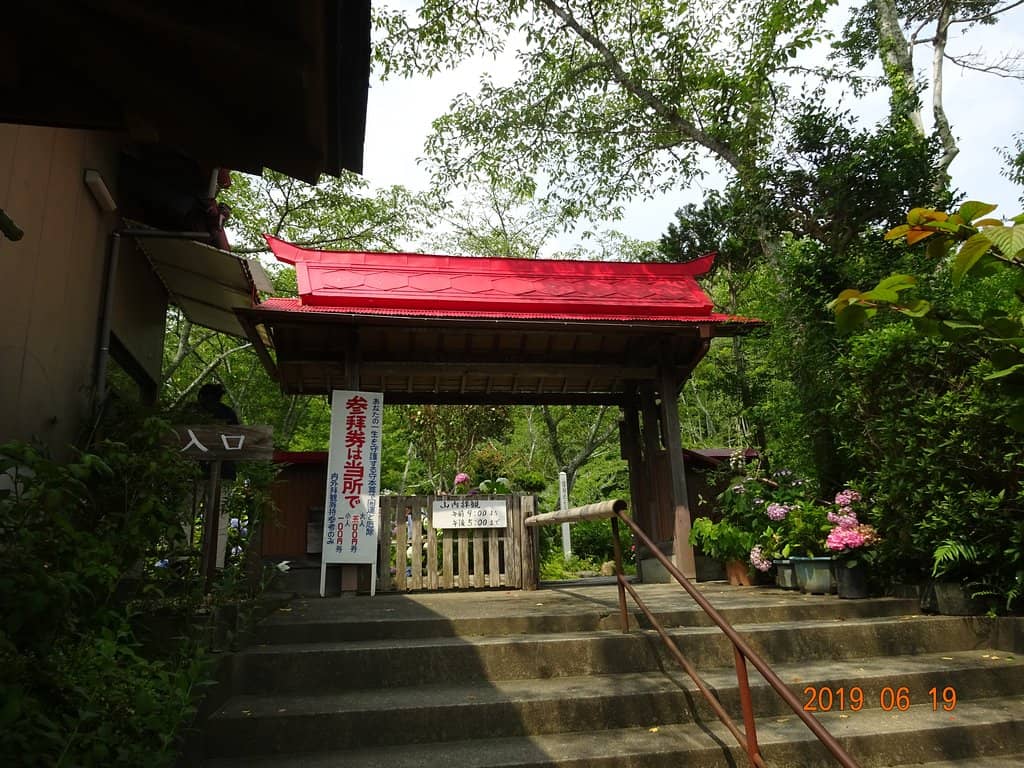
Imposing gate with powerful Ni'o guardian statues, a designated cultural property. A solemn welcome.
Amida Nyorai Statue
Main Hall
Serene statue from the late Heian period, radiating peace and warmth. A spiritual centerpiece.
Temple Grounds & Gardens
Throughout the temple
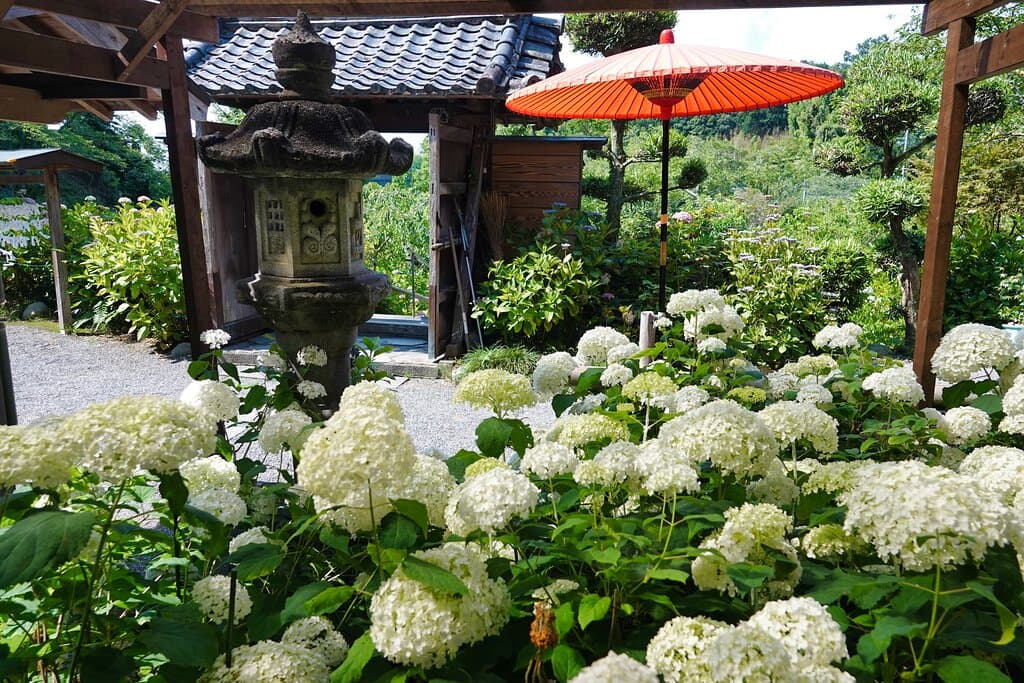
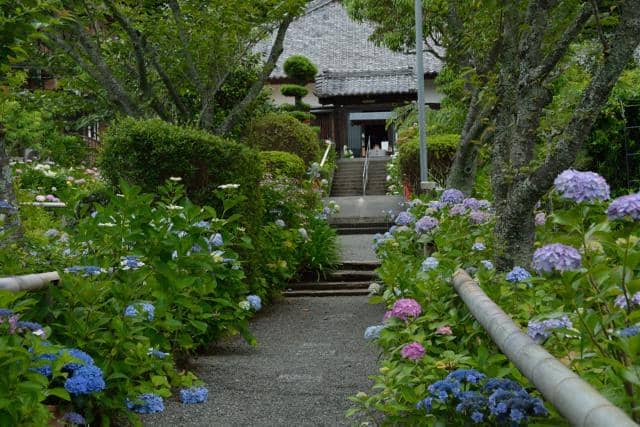
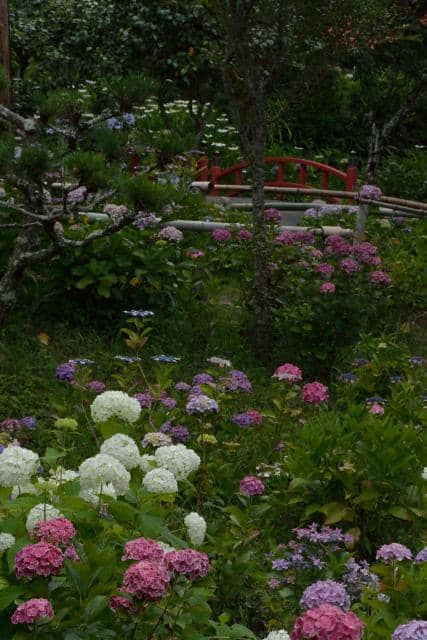
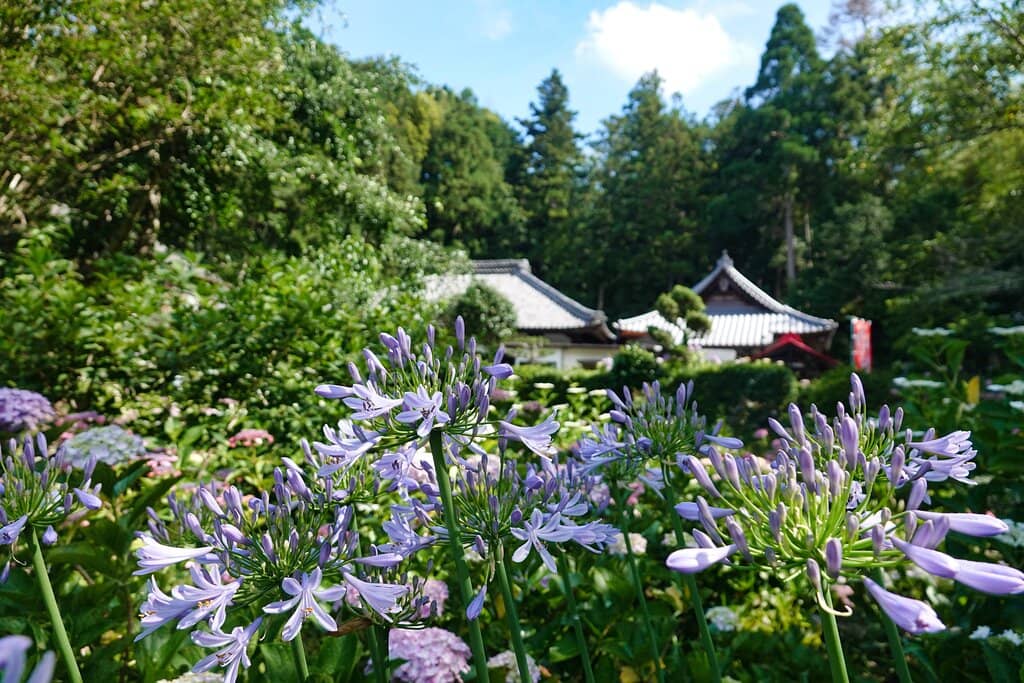
Tranquil landscaped grounds offering a peaceful retreat. Beautiful during hydrangea season.
Plans like a pro.
Thinks like you
Planning Your Visit
Timing is Key for Tranquility
Embrace the Enoden Experience
Best Times
Insider Tips
from TikTok, Instagram & Reddit
🚊 Easy Enoden Access
Take the Enoden line to Gokurakuji Station; the temple is just a 3-min walk away.
🚶♀️ Explore Gokurakuji-zaka
Walk the historic slope leading to the temple for a glimpse of old Kamakura.
Half day trip to Kamakura?
I'm in Tokyo for a few days next month before heading to kyoto and Osaka. I was planning to do a day trip to Kamakura to enjoy the ocean and walk around. I don't want to do too many touristy things, and I'm okay with taking the first train to Kamakura early in the morning.…
memorable Kamakura in one day
almost impossible to find any part of Japan not memorable, but I'll be spending a day in Kamakura with someone special and wanted to see how much we can go through at a relaxing pace keeping in mind the time we'll be there will be in February so not too much outdoors if possible…
🌸 Hydrangea Season Beauty
Visit in June to see the temple grounds adorned with beautiful hydrangeas.
🤫 Quiet Contemplation
Enjoy the temple's serene atmosphere; it's less crowded than other Kamakura spots.
Day trip to Kamakura from Tokyo
I'll be in Japan mid-March. Last time I was in Japan I didn't plan ahead and learned the hard way that Japan is not a country you wing if you want to travel efficiently. This time around I'm being extra diligent! --- My ***revised*** itinerary is as follows: **8:00AM Arrive…
Tips
from all over the internet
🚊 Easy Enoden Access
Take the Enoden line to Gokurakuji Station; the temple is just a 3-min walk away.
🚶♀️ Explore Gokurakuji-zaka
Walk the historic slope leading to the temple for a glimpse of old Kamakura.
🌸 Hydrangea Season Beauty
Visit in June to see the temple grounds adorned with beautiful hydrangeas.
🤫 Quiet Contemplation
Enjoy the temple's serene atmosphere; it's less crowded than other Kamakura spots.
🆓 Free Admission
Entry to the temple grounds is free, making it an accessible cultural experience.
What Travellers Say
Reviews Summary
Visitors appreciate Gokurakuji Temple for its tranquil atmosphere and historical significance, noting its peaceful gardens and the impressive Niōmon gate. Its convenient location near the Enoden train line and free admission are also highlighted as positives. Some reviewers mention that certain areas might be closed or that it's a smaller, less grand temple compared to others in Kamakura.
"The garden is beautiful
Unfortunately everything is closed"
Paola Carla Ranzoni
"Gokurakuji, located in Kamakura, is an ancient temple founded during the Kamakura period. It is one of the temples that greatly influenced the politics and culture of the Kamakura Shogunate and is known as a representative historic temple of Kamakura.
Although it has a historical and cultural background, Gokurakuji also played an important role in social welfare activities. Its quiet atmosphere and historical significance offer a different charm compared to other tourist destinations in Kamakura.
Gokurakuji was founded in 1259 during the Kamakura period by the Hōjō clan. The temple’s founding priest was the renowned monk Ninshō, and Gokurakuji at that time functioned as a social welfare facility. Ninshō established hospitals and relief facilities to aid the poor and the sick, with particular efforts focused on supporting those suffering from leprosy. As a result, Gokurakuji was more than just a religious institution—it was a center of social welfare activities.
During the Kamakura period, Gokurakuji flourished as a large temple complex with seven main halls, but its size was reduced by several fires and wars. Although the current Gokurakuji does not reflect its former grandeur, its historical significance remains profound.
One of the most notable features of the temple is the Niōmon (Gate of the Two Kings). Designated as an Important Cultural Property of Kamakura City, this gate features powerful statues of the Niō guardians, who solemnly welcome visitors to the temple.
In the main hall, the statue of Amida Nyorai, representing the Pure Land of Bliss, is enshrined. This statue, believed to have been made in the late Heian period, has a warm and peaceful expression that leaves a lasting impression.
Also scattered throughout the temple grounds are the graves of figures closely associated with the temple, such as Ninshō and Hōjō Shigetoki, giving visitors a sense of Kamakura's deep historical roots.
The slope leading to Gokurakuji is known as Gokurakuji-zaka, an old road with historical significance.
Although located in the famous tourist city of Kamakura, Gokurakuji retains a relatively quiet and serene atmosphere. This makes it an ideal place for those who want to escape the hustle and bustle and visit the temple in peace.
Access to Gokurakuji is very convenient as part of a Kamakura sightseeing tour. You can take the Enoshima Electric Railway (Enoden), get off at Gokurakuji Station, and walk about 3 minutes to the temple. The Enoden is a local train that runs from Kamakura to Enoshima and Fujisawa, so you can stop along the way and enjoy sightseeing around Shichirigahama or Enoshima."
Hideaki Nakamura
"Gokurakuji Temple is a tranquil place to enjoy the hydrangea season. It is also the important cultural property of Japan."
朱伯駿
What People Like
What People Dislike
Frequently Asked Questions
🚇 🗺️ Getting There
The easiest way to reach Gokurakuji Temple is by taking the Enoshima Electric Railway (Enoden) and alighting at Gokurakuji Station. From there, it's a short 3-minute walk to the temple. This scenic train line connects Kamakura to Enoshima and Fujisawa, offering beautiful coastal views along the way.
While driving is possible, parking near smaller temples like Gokurakuji can be challenging. The Enoden train is highly recommended for a more convenient and scenic arrival.
Absolutely! Gokurakuji Temple is conveniently located on the Enoden line, making it easy to visit alongside other popular Kamakura spots like Hase-dera Temple or the Great Buddha at Kotoku-in.
The Enoden is a charming local train that offers picturesque views of the coastline and local towns. It's a popular way to explore the Kamakura area and adds to the overall travel experience.
Yes, Gokurakuji Station is very close to the temple, just a short 3-minute walk away, making it incredibly convenient for visitors.
🎫 🎫 Tickets & Entry
No, the entrance to Gokurakuji Temple grounds is free of charge, making it an accessible and budget-friendly cultural experience for all visitors.
While specific hours can vary, temples in Japan generally open in the morning and close in the late afternoon. It's advisable to check for any seasonal changes or specific temple hours before your visit, though many visitors report it being open during daylight hours.
Yes, Gokurakuji Temple is open year-round. However, the experience might differ slightly with the seasons, with hydrangea season in June being particularly beautiful.
As a place of worship, visitors are expected to be respectful. Dress modestly and maintain a quiet demeanor. There are no specific entry restrictions for general visitors.
While the main temple buildings may have specific visiting hours or be closed at certain times, the temple grounds and the Niomon Gate are generally accessible.
📸 📸 Photography
Photography is generally allowed in the temple grounds, but it's always a good idea to be mindful of any posted signs or areas where photography might be restricted, especially inside main halls.

The Niomon Gate with its guardian statues offers a dramatic photo opportunity. The tranquil gardens, especially during hydrangea season, are also very picturesque. The Amida Nyorai statue in the main hall is a subject of serene beauty.
Drone usage is typically prohibited at religious sites and historical landmarks to ensure the peace and safety of visitors and the preservation of the site. It's best to assume drones are not permitted.
Late afternoon often provides beautiful soft light for photography, creating a serene ambiance. Morning light can also be lovely for capturing the peaceful atmosphere.
The contrast between the ancient temple architecture and the surrounding nature, especially the hydrangeas, makes for unique shots. Capturing the quiet reverence of the grounds is key.
🎫 🌿 Onsite Experience
Gokurakuji Temple is known for its tranquil and serene atmosphere, offering a peaceful escape from the busier tourist spots in Kamakura. It's a place for quiet contemplation and appreciation of history.
Founded in 1259, Gokurakuji was a significant religious and social welfare institution during the Kamakura period, influencing politics and culture. It housed hospitals and relief facilities for the poor and sick.
While it's a historical temple, basic amenities like restrooms might be available. It's a place focused on spiritual and historical experience rather than extensive visitor facilities.
Gokurakuji-zaka is the historic slope leading up to the temple, an old road that carries the weight of Kamakura's past. Walking it offers a sense of stepping back in time.
Yes, its quiet nature makes it ideal for visitors seeking a relaxing and contemplative experience away from the usual tourist hustle.



Social
from TikTok, Instagram & Reddit