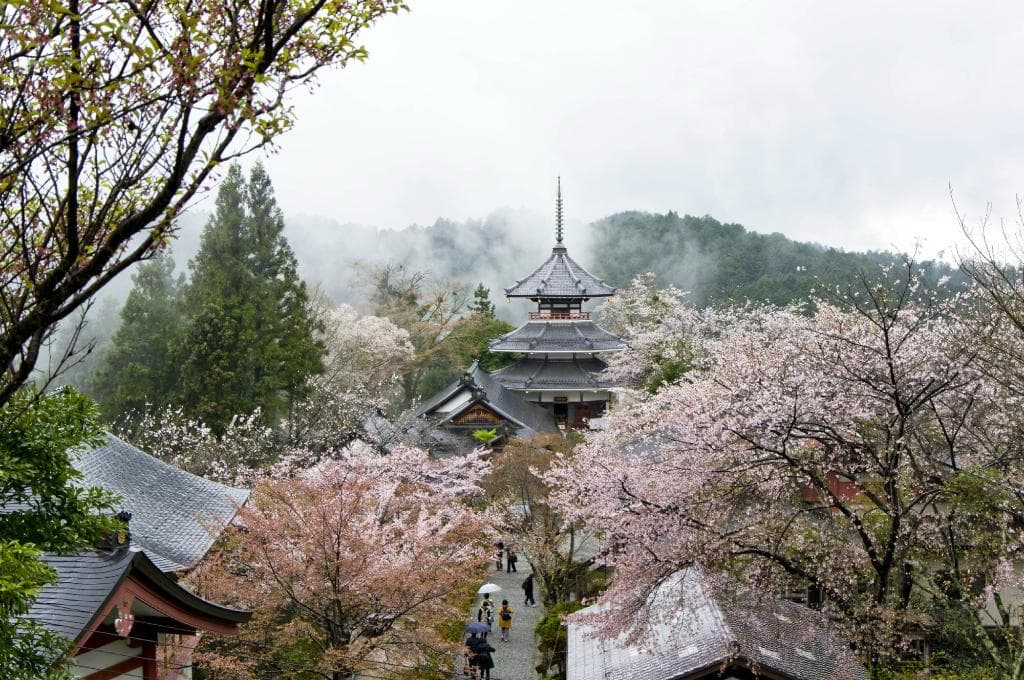
Yoshino-Kumano National Park Yoshino
A vast national park on the Kii Peninsula, blending dramatic coastlines, deep gorges, ancient pilgrimage routes, and lush forests.
Highlights
Must-see attractions

Social
From TikTok & Reddit
Best Time
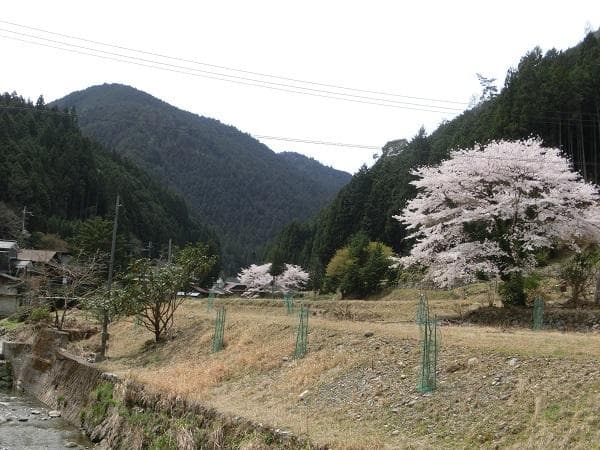
Cherry blossoms and fresh air
Yoshino-Kumano National Park Yoshino
Best Time
Cherry blossoms and fresh air
Highlights
Must-see attractions
A vast national park on the Kii Peninsula, blending dramatic coastlines, deep gorges, ancient pilgrimage routes, and lush forests.
"It is one of the most amazing places in Japan, a harmony of nature with great trekking, culture, history, and wonderful scenes."
👟 Pack for Hiking
Be prepared for elevated walking and uneven terrain. Comfortable, sturdy shoes are a must for exploring the park's trails .
💰 Carry Cash
Many smaller establishments don't accept cards. Keep enough Japanese Yen handy for purchases .
Highlights
Discover the most iconic attractions and experiences
Doro Gorge
Nara Prefecture
A stunning gorge with dramatic cliffs and emerald waters, perfect for scenic boat rides and hiking.
Onigajo Cliff
Mie Prefecture
Rugged coastal cliffs shaped by the sea, offering dramatic views and a sense of ancient legend.
Fudonanae Waterfall
Zenki
A breathtaking seven-tiered waterfall cascading through tranquil mountain scenery.
Kumano Kodo Pilgrimage Routes
Nara, Mie, Wakayama Prefectures
Ancient pilgrimage trails offering a deep dive into history, spirituality, and natural beauty.
Plans like a pro.
Thinks like you
Planning Your Visit
Embrace the Journey
Cash is King
Best Times
Insider Tips
from TikTok, Instagram & Reddit
👟 Pack for Hiking
Be prepared for elevated walking and uneven terrain. Comfortable, sturdy shoes are a must for exploring the park's trails.
💰 Carry Cash
Many smaller establishments don't accept cards. Keep enough Japanese Yen handy for purchases.
🚌 Check Bus Schedules
Bus services can be infrequent, especially on weekdays. Plan your transport in advance.
📸 Capture the Views
From dramatic cliffs to serene waterfalls, the park offers endless photo opportunities.
Tips
from all over the internet
👟 Pack for Hiking
Be prepared for elevated walking and uneven terrain. Comfortable, sturdy shoes are a must for exploring the park's trails.
💰 Carry Cash
Many smaller establishments don't accept cards. Keep enough Japanese Yen handy for purchases.
🚌 Check Bus Schedules
Bus services can be infrequent, especially on weekdays. Plan your transport in advance.
📸 Capture the Views
From dramatic cliffs to serene waterfalls, the park offers endless photo opportunities.
🍦 Enjoy Local Treats
Discover delicious and affordable food options, including plenty of ice cream!
What Travellers Say
Reviews Summary
Visitors rave about Yoshino-Kumano National Park's stunning natural beauty, from dramatic coastlines and gorges to serene waterfalls and ancient pilgrimage routes. The harmony of nature, culture, and history is frequently praised, with many highlighting the friendly locals and delicious, affordable food. Some note the need for good fitness and careful planning regarding transportation.
"It is one of the most amazing places in Japan. I strongly recommend visiting this national #park. It is the harmony of nature with great trekking opportyunity, culture, history and wonderful scenes."
B. A.
"This place is full of scenic sites that are just amazing. I recommend this is a stop that you make with kids they also enjoyed it as well. Just make sure that you bring extra cash because some of the places don’t take card. Even was a very little Japanese language we are able to easily navigate through all the different sites. There are lots of places to eat and lots of ice cream along the way. The people here are very friendly we had a great experience.  The waterfall was breathtaking and the surrounding town was awesome. The coastline was just amazing and there’s lots of restaurants along the route. "
Sarah and Chris Elder
"This place is simply beautiful, even without the sakura.
Word of caution, to make full use of this place, it is best to designate at least a full day or half a day and be fit enough to hike all the way down south. There are buses, but some do not operate on weekdays and outside of the cherry blossom period
Please check the bus schedule.
You do need to be reasonably fit to make the most of this place. Going into the town is nice, but to be able to go to all the local shrines is a must imo.
There is alot of elevated walking, so pack light if you can, or better still stay the night to continue your hiking.
Shops here are very different and the food here is amazing, cheaper and better than those found in cities."
Gohan4
What People Like
What People Dislike
Frequently Asked Questions
🚇 🗺️ Getting There
Accessing Yoshino-Kumano National Park often involves a combination of trains and buses. Major entry points can be reached from cities like Osaka or Nagoya. For instance, you can take a train to Yoshino Station or Shingu Station, and then utilize local bus services to reach specific areas within the park. It's crucial to check train and bus schedules in advance, as they can vary significantly by day and season.
Navigating within the park can be challenging due to its vastness and varied terrain. While buses connect some key locations, they may not operate daily or frequently, especially outside peak tourist seasons. Renting a car can offer more flexibility, but be prepared for narrow, winding roads. Many visitors opt to focus on specific regions or trails within the park.
Key access points include Yoshino town in Nara Prefecture, known for its cherry blossoms and temples, and Shingu city in Wakayama Prefecture, a gateway to the Kumano Kodo pilgrimage routes. The Osugidani Valley in Mie Prefecture is another significant area. Each offers different natural landscapes and attractions.
Yes, guided tours are available, particularly for the Kumano Kodo pilgrimage routes. These tours can provide valuable insights into the history, culture, and natural environment of the park. Local tourism information centers in towns like Yoshino or Shingu can offer information on available tours.
Public transport is feasible but requires careful planning. Trains connect to gateway towns, and buses serve some of the park's attractions. However, reliance on buses means you must meticulously check timetables, as services can be limited, especially on weekdays and during off-peak seasons.
🎫 🎫 Tickets & Entry
Yoshino-Kumano National Park itself is a natural park and generally does not require an entrance fee. However, specific attractions within or near the park, such as museums, certain temples, or boat tours in areas like Doro Gorge, may have their own admission fees.
Opening hours vary greatly depending on the specific attraction. Natural sites like waterfalls and coastal cliffs are generally accessible at all times. However, visitor centers, museums, and some historical sites will have set operating hours, typically during daylight. It's best to check the specific hours for any planned stops.
The park is beautiful year-round. Spring (late March to April) is famous for cherry blossoms in Yoshino, while autumn (October to November) offers stunning fall foliage. Summer can be hot but offers refreshing sea breezes along the coast.
As the park itself is free to enter, there are no specific park passes. However, if you plan to use extensive public transport, consider regional rail passes. For specific attractions, look for combination tickets or local discount programs if available.
While possible, a day trip would likely only allow you to see a small portion of the park due to its size and the travel time involved. To truly appreciate the diverse landscapes and historical sites, dedicating at least one full day, or ideally an overnight stay, is highly recommended.
🎫 🏞️ Onsite Experience
Key highlights include the dramatic Doro Gorge with its boat tours,
Activities include hiking and trekking along the Kumano Kodo trails,
Yes, many areas are suitable for families. While some hikes might be challenging, places like the coastal areas, accessible parts of the Kumano Kodo, and scenic spots like Fudonanae Waterfall can be enjoyed by children. The park offers a great opportunity for kids to experience nature and history.
Comfortable, sturdy walking shoes are essential due to the terrain. Bring layers of clothing as weather can change, especially in mountainous areas. Sunscreen, insect repellent, and a hat are recommended for warmer months. Don't forget your camera and a portable charger for your phone.
Yes, there are restaurants, cafes, and rest stops, particularly in gateway towns and near popular attractions like Doro Gorge and Onigajo. Some traditional inns (ryokan) also offer dining. However, in more remote hiking areas, it's advisable to pack snacks and water.
🍽️ 🍽️ Food & Dining
You can expect a variety of Japanese cuisine, with a focus on fresh, local ingredients. Seafood is prominent along the coast, while mountain vegetables and regional specialties are common inland. Many restaurants offer affordable and delicious meals, often better than those found in larger cities.
Finding strictly vegetarian or vegan options might require some effort, especially in smaller, traditional eateries. It's advisable to learn a few basic Japanese phrases to communicate dietary needs. Many dishes can be adapted, and places offering temple cuisine (shojin ryori) might be a good option.
Look for restaurants in gateway towns like Yoshino, Shingu, and along the coast near Shirahama. Cafes and rest stops are also available near major attractions like Doro Gorge and Onigajo. Traditional inns (ryokan) often serve excellent meals.
Generally, dining in Yoshino-Kumano National Park is more affordable than in major Japanese cities. You can find delicious meals at reasonable prices, especially at local eateries and markets.
In the Yoshino area, try dishes featuring local ingredients. Along the coast, fresh seafood is a must. Many visitors also enjoy the local ice cream and snacks available throughout the park.
📸 📸 Photography
Iconic spots include the dramatic coastal formations at Onigajo Cliff
Early mornings and late afternoons often provide the best light for photography, with softer shadows and warmer tones. Sunrise over the coast or sunset casting dramatic light on the cliffs can be stunning. Midday can be harsh, but can work well for capturing the vibrant colors of the gorges and waterfalls.
Drone usage is generally restricted in national parks in Japan to protect wildlife and ensure visitor safety. It's essential to check specific regulations for the areas you plan to visit, as unauthorized drone flights can lead to penalties.
A versatile camera with a good zoom lens is recommended to capture both wide landscapes and detailed shots. A wide-angle lens is great for dramatic cliffs and gorges, while a telephoto lens can be useful for distant views or wildlife. A tripod can be beneficial for low-light conditions or capturing waterfall motion.
Focus on capturing the atmosphere of the ancient trails – the moss-covered stones, towering trees, and spiritual ambiance. Look for shafts of light filtering through the canopy. Be mindful of other hikers and respect the serene nature of the pilgrimage routes.
For Different Travelers
Tailored advice for your travel style
👨👩👧 Families with Kids
Coastal areas like Onigajo Cliff provide dramatic scenery that can spark children's imaginations, and boat tours in places like Doro Gorge offer a fun and unique way to see the landscape.
Remember to pack plenty of snacks, water, and ensure everyone has comfortable shoes. The friendly locals and the availability of ice cream along the way are definite bonuses for younger travelers.🚶♀️ Hikers and Trekkers
+1Be prepared for varied terrain, including stone steps and uneven paths. It's advisable to carry a map, sufficient water, and snacks. Many hikers choose to stay overnight in traditional inns along the routes to break up longer treks and fully immerse themselves in the experience.
📸 Photographers
+2 The Fudonanae Waterfall offers a chance to capture the beauty of cascading water, while Doro Gorge presents dramatic geological formations best viewed from a boat.+1Don't overlook the Kumano Kodo trails for atmospheric shots of ancient forests, moss-covered stones, and shafts of light filtering through the trees.
Consider bringing a wide-angle lens for sweeping vistas and a telephoto lens for details. A tripod can be useful for capturing the motion of waterfalls or for low-light conditions in the forests.Deep Dives
In-depth insights and expert knowledge
Exploring the Kumano Kodo
Visitors can choose from various routes, ranging from short, accessible walks to multi-day treks. The Nakahechi route is the most popular, offering a good balance of historical sites and scenic beauty. Hikers can expect to traverse stone-paved paths, forest trails, and mountain passes. It's important to be reasonably fit and prepared for varied terrain, carrying essentials like water, snacks, and a map. Staying overnight in traditional inns (minshuku or ryokan) along the route enhances the experience, allowing for deeper immersion in the local culture and a more relaxed pace.
Many travelers describe the experience of walking the Kumano Kodo as deeply spiritual and rejuvenating. The sense of history, combined with the tranquility of the ancient forests and the occasional glimpses of the sea, creates a unique and unforgettable journey. The park's natural beauty, from towering cedar trees to moss-covered stones, adds to the magical atmosphere.
Coastal Wonders: Onigajo and Sandanbeki
+1 The sheer scale and the sound of the crashing waves make it a truly awe-inspiring sight.Nearby, Sandanbeki Rock Cliff offers another stunning coastal vista. These cliffs are known for their impressive height and the way the sea has carved intricate patterns into the rock over millennia. Visitors can often take boat tours from the base of these cliffs to explore sea caves and appreciate the geological formations from a different perspective.
The cool sea breezes here provide a welcome respite, especially during warmer months.These coastal attractions are not just visually striking but also steeped in local folklore and natural history. They offer a stark contrast to the mountainous interior of the park, showcasing the diverse beauty of the Kii Peninsula. Photographers will find ample opportunities to capture the raw power of nature and the unique geological features.
Waterfalls and Gorges: Nature's Masterpieces
Another significant natural wonder is the Fudonanae Waterfall. This magnificent cascade gracefully descends in seven distinct tiers, creating a mesmerizing spectacle. Tucked away in the tranquil mountains of Zenki, it's the largest waterfall in the area and a testament to the park's pristine natural beauty.
The surrounding environment is lush and serene, making it an ideal spot for quiet contemplation and enjoying the sounds of nature.These water features are not only visually stunning but also integral to the park's ecosystem. They offer visitors a chance to connect with the raw, untamed beauty of Japan's natural landscapes. The accessibility of these sites, whether by boat or hiking trails, makes them popular destinations for those seeking to experience the park's aquatic wonders.

Social
from TikTok, Instagram & Reddit