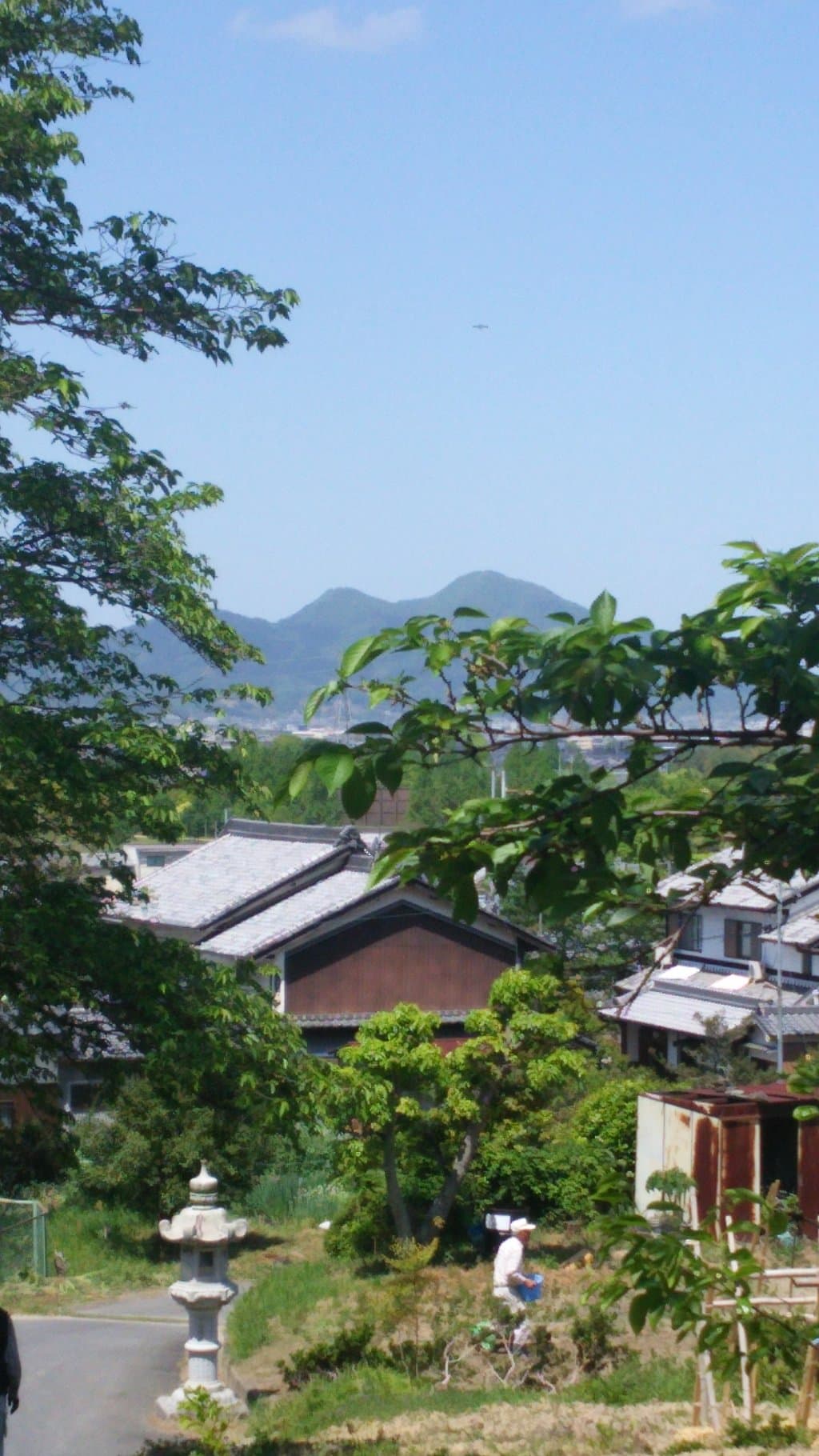
Yamato Sanzan Walking Route
Sacred peaks of ancient Yamato, revered in poetry and home to legendary palaces. A cultural and natural journey.
Highlights
Must-see attractions

Social
From TikTok & Reddit
Best Time
Pleasant weather, blooming nature
Yamato Sanzan Walking Route
Best Time
Pleasant weather, blooming nature
Highlights
Must-see attractions
Sacred peaks of ancient Yamato, revered in poetry and home to legendary palaces. A cultural and natural journey.
"These mountains are steeped in history and poetry, offering a unique spiritual and scenic experience."
👟 Don't Underestimate the Climb
Though under 100m, these mountains can be surprisingly tough. Wear good shoes and pace yourself!
📜 Embrace the Poetry
These peaks are featured in classical Japanese poetry. Reading some beforehand enhances the experience.
Quick Facts
Rating
4.4 · 15 reviews
Type
Natural Feature
Highlights
Discover the most iconic attractions and experiences
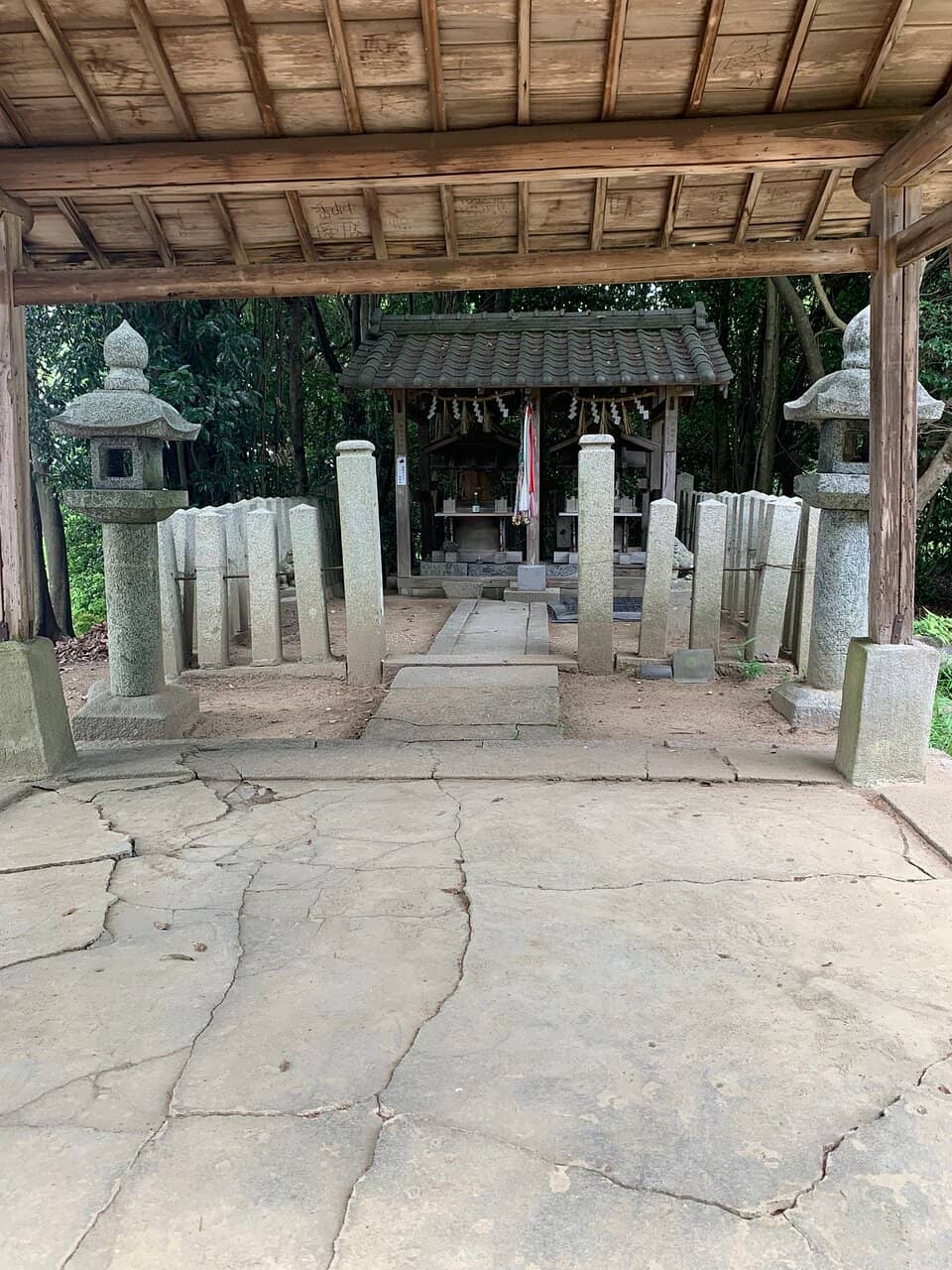
Mount Kagu
Nara Basin
Iconic isosceles triangle shape, steeped in poetry and ancient legends. A spiritual heartland.
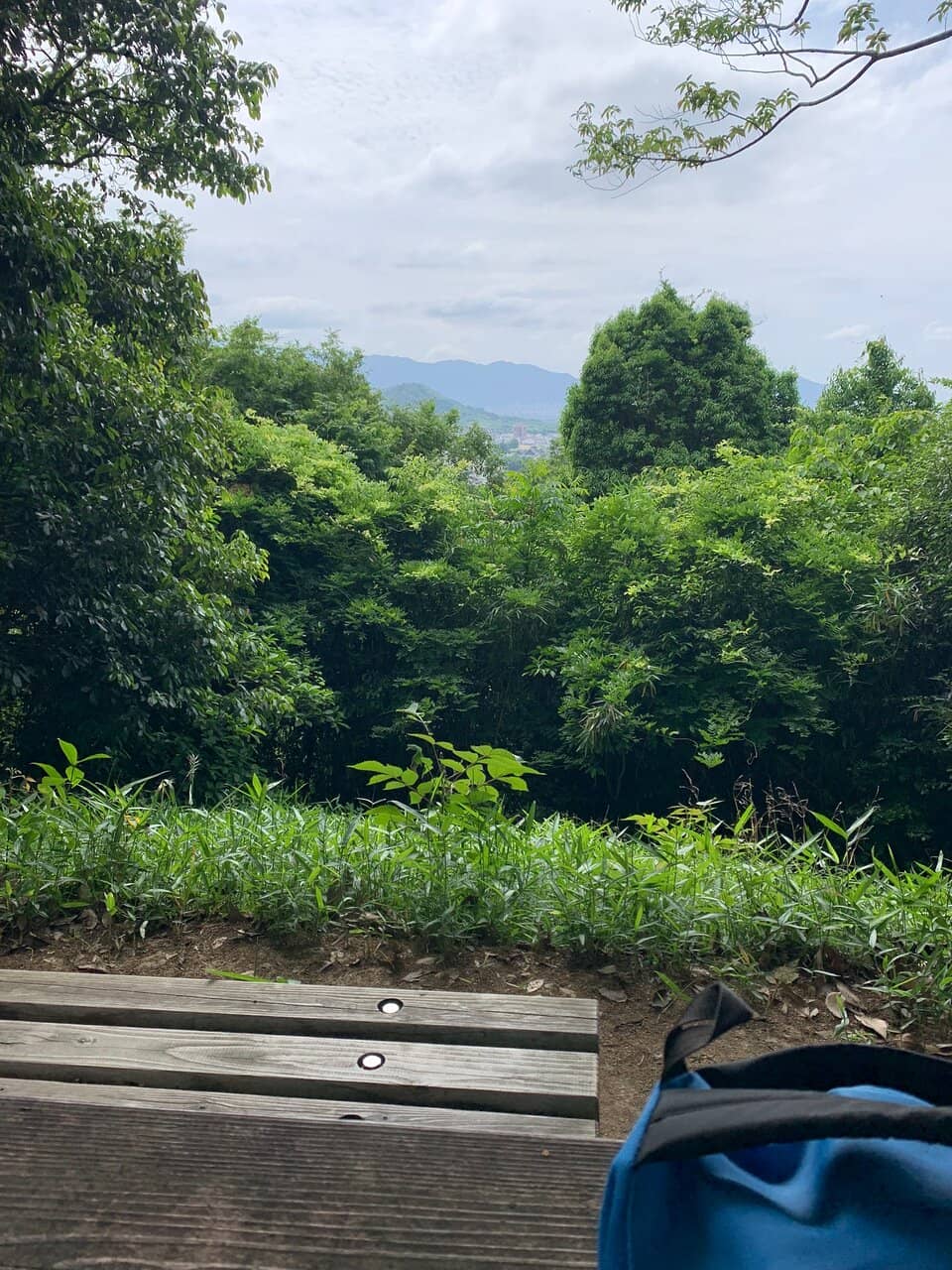
Mount Unebi
Nara Basin
Highest peak in the Setouchi volcanic belt, site of Emperor Jimmu's ancient palace.
Mount Miminashi
Nara Basin
Completes the sacred triangle, offering unique perspectives and historical resonance.
Plans like a pro.
Thinks like you
Planning Your Visit
Sacred Peaks, Ancient Roots
Poetic Landscapes & Spiritual Sites
Best Times
Insider Tips
from TikTok, Instagram & Reddit
👟 Don't Underestimate the Climb
Though under 100m, these mountains can be surprisingly tough. Wear good shoes and pace yourself!
📜 Embrace the Poetry
These peaks are featured in classical Japanese poetry. Reading some beforehand enhances the experience.
⛩️ Visit the Shrines
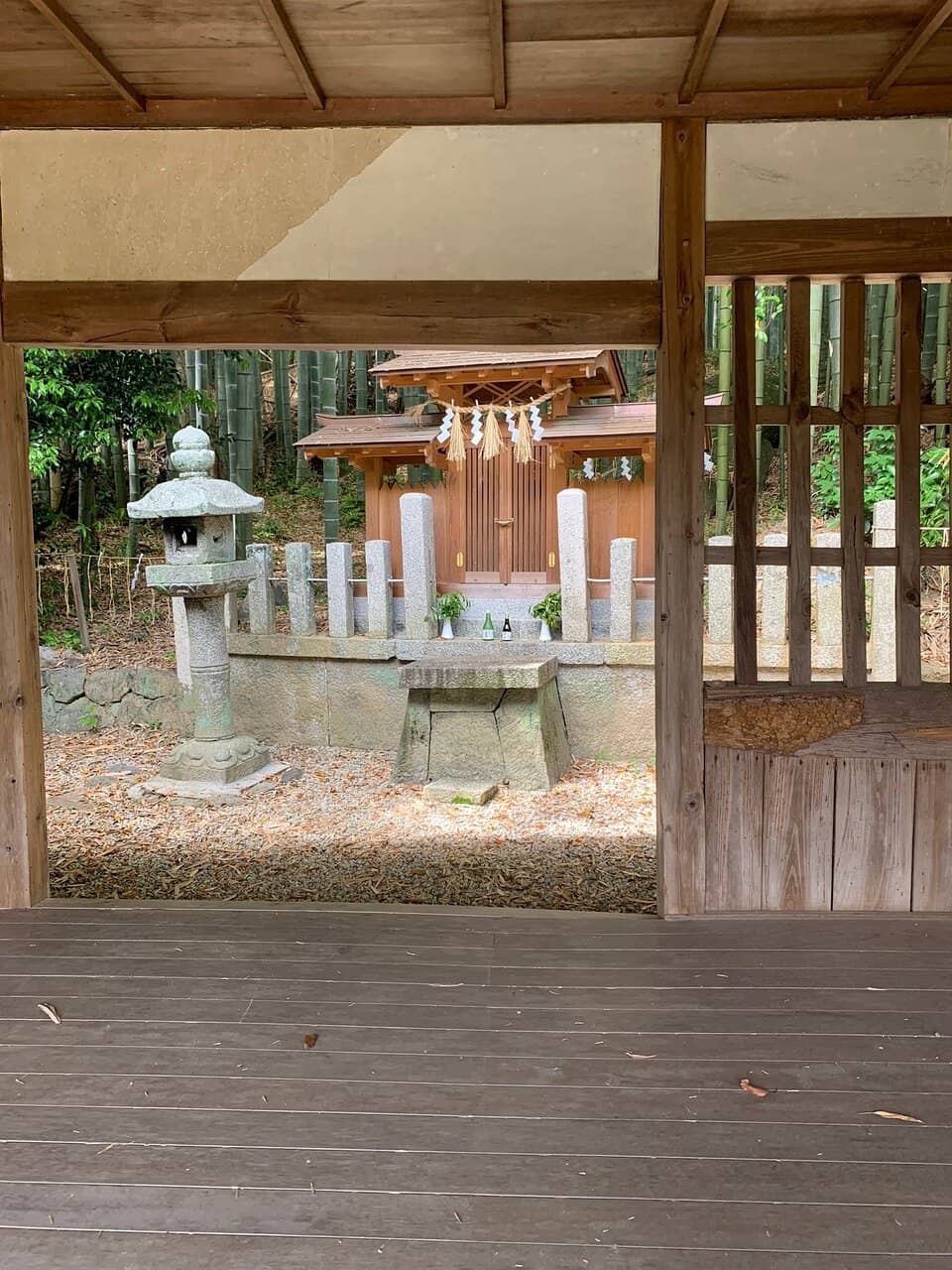
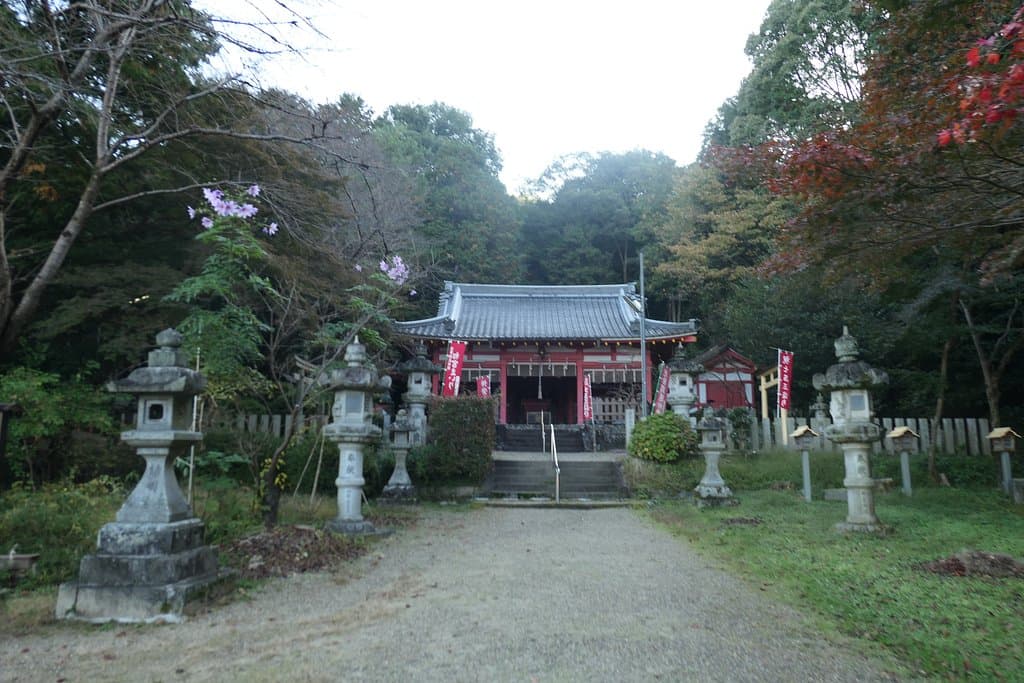
Discover ancient shrines like Tenzan Shrine, connecting with the spiritual history of the area.
🗺️ Plan Your Route
The three mountains form a triangle. Consider a multi-day hike or focus on one for a shorter visit.
Tips
from all over the internet
👟 Don't Underestimate the Climb
Though under 100m, these mountains can be surprisingly tough. Wear good shoes and pace yourself!
📜 Embrace the Poetry
These peaks are featured in classical Japanese poetry. Reading some beforehand enhances the experience.
⛩️ Visit the Shrines
Discover ancient shrines like Tenzan Shrine, connecting with the spiritual history of the area.
🗺️ Plan Your Route
The three mountains form a triangle. Consider a multi-day hike or focus on one for a shorter visit.
What Travellers Say
Reviews Summary
Visitors find the Yamato Sanzan to be historically significant and spiritually resonant, offering beautiful views of the Nara Basin. While the climbs are manageable, some find them tougher than expected. The lack of amenities on trails is a common point, and planning ahead is advised.
"Mount Kagu, Mount Unebi and Mount Miminari, located in the Nara Basin, are known as the Yamato Sanzan and have been considered sacred. They were revered as the places where the gods of powerful clans resided, and Tenzan Shrine, Unebiyamaguchiizumi Shrine and Miminariyamaguchi Shrine were built there. They were also involved in the construction of Fujiwara Palace, and were considered so important that they were even featured in utamakura poems. Mount Unebi is the highest peak in the Setouchi volcanic belt, and is said to have been the site of the palace of Emperor Jimmu. Its great historical importance is reflected in the Manyoshu anthology."
NU Chan
"A triangle of Mt. Amanogu, Mt. Miminashi, and Mt. Unebi. Looking south from Ajima, Tawara Town."
KZ Sawa
"Thank you! At the Jimmu Mausoleum, I finally saw prana for the first time in a long time.
Starting from there, the movements were completed automatically and autonomously. It felt like it was real, and I was half-amused by the theatrical feeling, and then I did an e-motion, like I was scooping up and drinking prana from somewhere.
As a side note, sometimes I get into a state where I can see a swarm of glowing white horseshoe crab larvae performing Brownian motion. It's like I enter that mode at the right location and timing. I forget about it until then, so I think it's purely a mode, not a technique. I was caught in a passing shower many times in heteronomous, situation-controlled situations.
I think the nature and functionality of heteronomous situation-controlled situations differs from person to person. For example, Yusa-san is currently dealing with an accident alone. I'm heading to Shimogamo alone on the train as originally planned. Kusakabe-san is relieved that I'm late and is expanding as usual. Each of us is recreating a completely heteronomous, situation-controlled situation at a completely imperceptible level in our own lives.
I realized this at the very edge of my consciousness, and I was able to breathe. To create a future-oriented butterfly effect while continuing to connect acrobatically requires sacrifice, solid technical experience, and repeated (and countless) reexaminations.
For now, I took the Kintetsu train to disrupt and ruin the heteronomous situation of B, which A had deepened.
I think we should all deeply understand and reconsider the nature of the world and its effects, the possibility and reality of opposition and manipulation, including the immature hen who cried out at noon.
For now, I'll stay up all night and replace it!"
ilu
What People Like
What People Dislike
Frequently Asked Questions
🚇 🗺️ Getting There
The Yamato Sanzan are accessible via Kintetsu Railway. Stations like Unebi-Goryo-mae or Yamato-Yagi are good starting points. Public transport is the most convenient way to reach the trailheads.
Limited parking may be available near some trailheads, but it's not guaranteed. Relying on public transport is generally recommended for ease of access and to avoid parking hassles.
Yes, the mountains form a triangle and are connected by walking paths. The distances between them are manageable for a day hike, but plan your route accordingly.
While trails are generally marked, having a reliable map or navigation app is advisable. Local signage can be helpful, but don't solely rely on it.
Local bus services might connect some areas, but they can be infrequent. Checking local schedules in advance is crucial if you plan to use buses for transit between peaks.
🎫 🎫 Tickets & Entry
No, hiking the Yamato Sanzan walking route is generally free. There are no admission fees for accessing the natural trails and surrounding areas.
The mountains are accessible year-round, 24 hours a day. However, it's best to hike during daylight hours for safety and enjoyment.
While not as common as for major attractions, local guides may offer tours focusing on the history and poetry of the Yamato Sanzan. Inquire at local tourist information centers.
Yes, shrines like Tenzan Shrine are open to visitors. Please be respectful of the sacred nature of these sites.
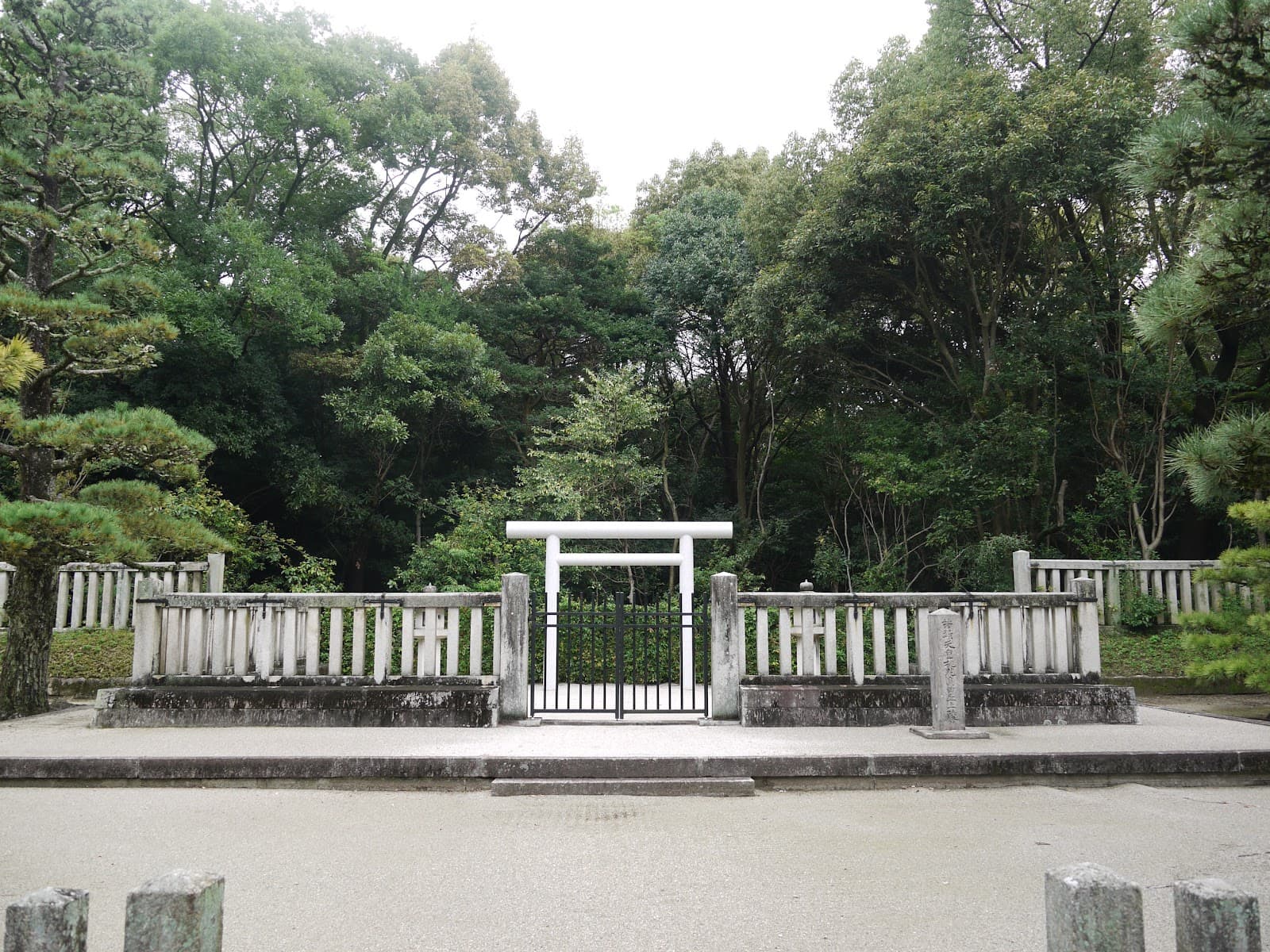
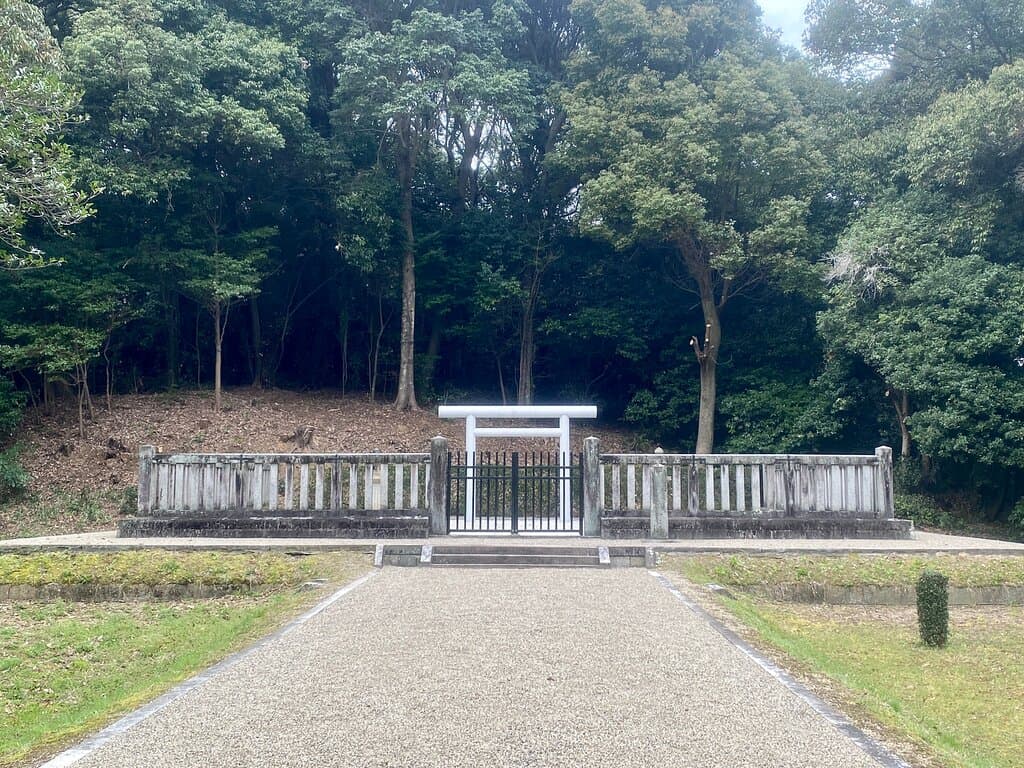
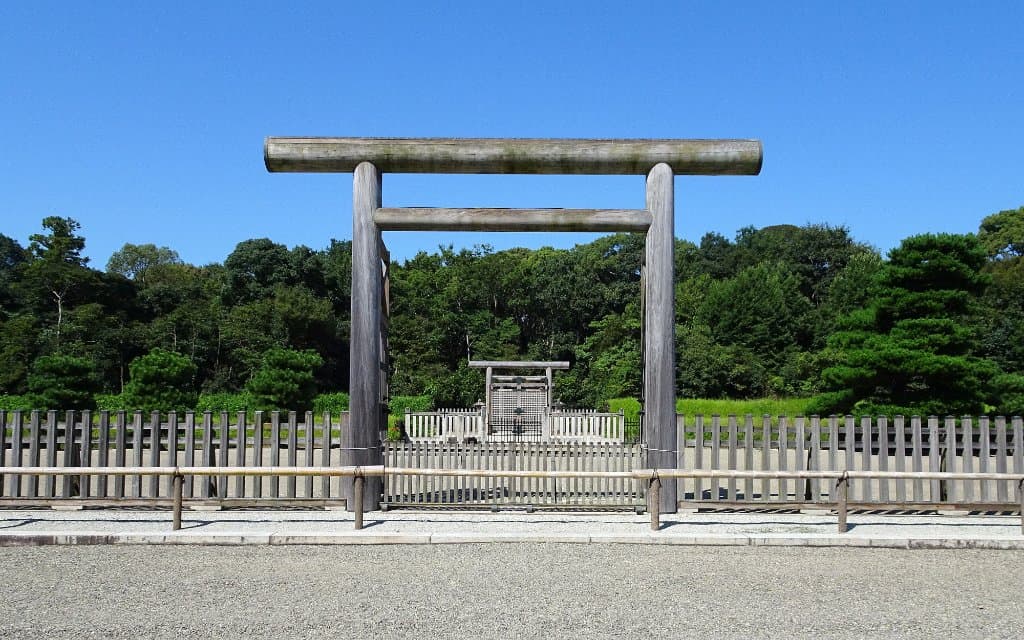
The Jimmu Mausoleum may have a separate entrance fee or require specific visiting hours. It's advisable to check current information before your visit.
🎫 🏞️ Onsite Experience
The mountains are relatively low, but the trails can be steep and challenging in parts. They are not considered strenuous hikes but require a moderate level of fitness.
Comfortable walking shoes or hiking boots are essential. Layers of clothing are recommended as weather can change. Bring rain gear just in case.
Facilities are limited on the trails themselves. Restrooms and water sources are more likely to be found near the base of the mountains or at major trail junctions. Carry sufficient water.
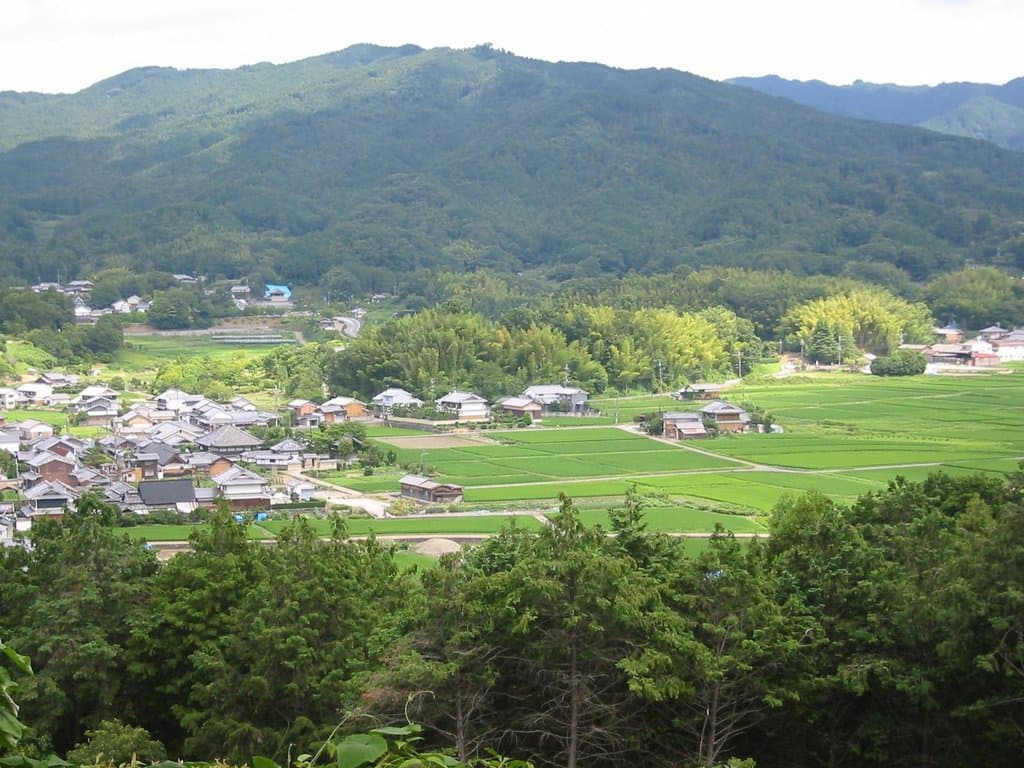
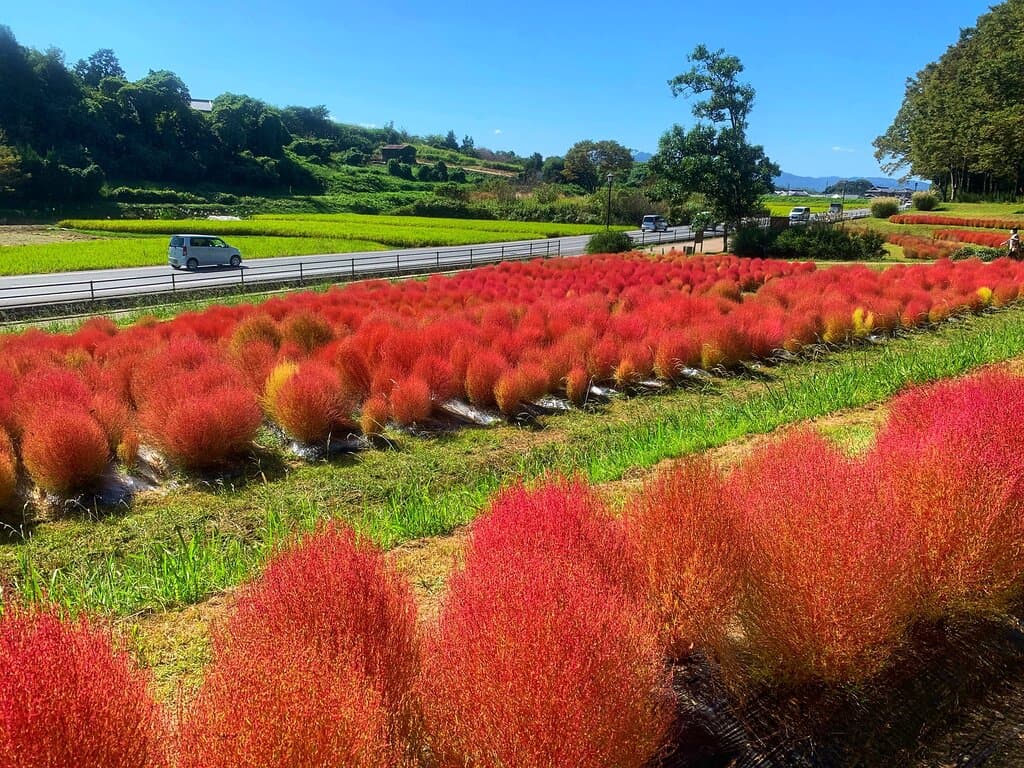
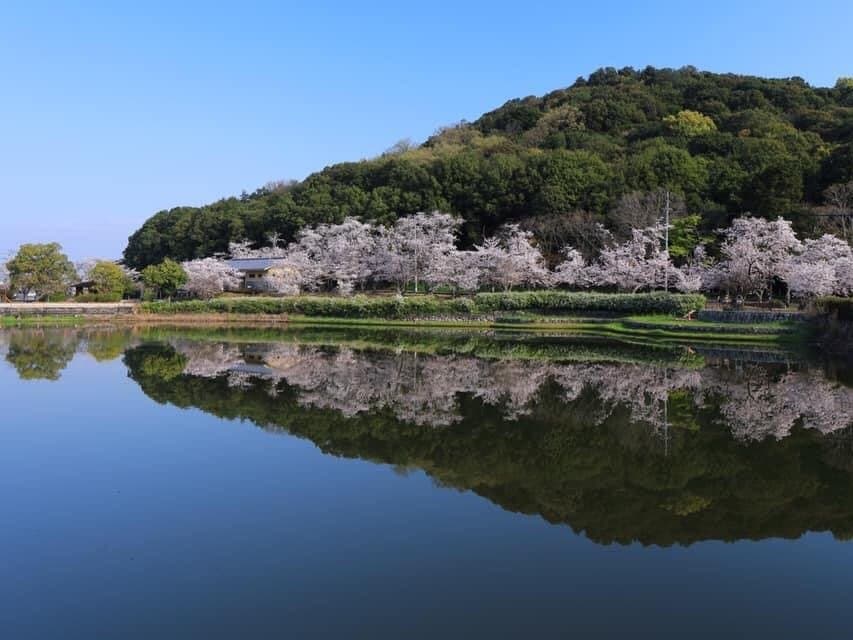
You can expect panoramic views of the Nara Basin, including the surrounding countryside and other mountains. The views are particularly beautiful during spring and autumn.
While possible, the steeper sections might be challenging for very young children. Consider the stamina of your children and choose shorter, less demanding routes.
🍽️ 🍽️ Food & Dining
Dining options are scarce directly on the mountain trails. It's best to eat before or after your hike in the nearby towns.
You'll find local Japanese cuisine, including udon, soba, and regional specialties, in towns like Kashihara or Asuka, which are accessible from the mountains.
Yes, bringing a picnic is a great idea. There are scenic spots where you can enjoy your meal while taking in the views. Remember to pack out all your trash.
Convenience stores are more likely to be found near train stations or in the main towns. Stock up on snacks and drinks before heading to the mountains.
Look for dishes featuring local Nara ingredients. Kakinoha-zushi (persimmon leaf sushi) is a regional specialty worth trying.
📸 📸 Photography
The summits offer panoramic views of the Nara Basin. Look for unique rock formations and ancient trees along the trails. The distinct triangular shapes of the mountains are also photogenic.
Sunrise and sunset offer dramatic lighting for landscape photography. Mid-day can be harsh, but good for capturing details of shrines and flora.
Drone usage is often restricted in natural parks and near cultural sites. Check local regulations before flying a drone to avoid fines or issues.
A wide-angle lens is great for landscapes. A telephoto lens can be useful for capturing distant details. A sturdy tripod is recommended for low-light conditions.
Photography is generally allowed at shrines, but be mindful of any posted restrictions, especially inside prayer halls. Always be respectful.

Social
from TikTok, Instagram & Reddit