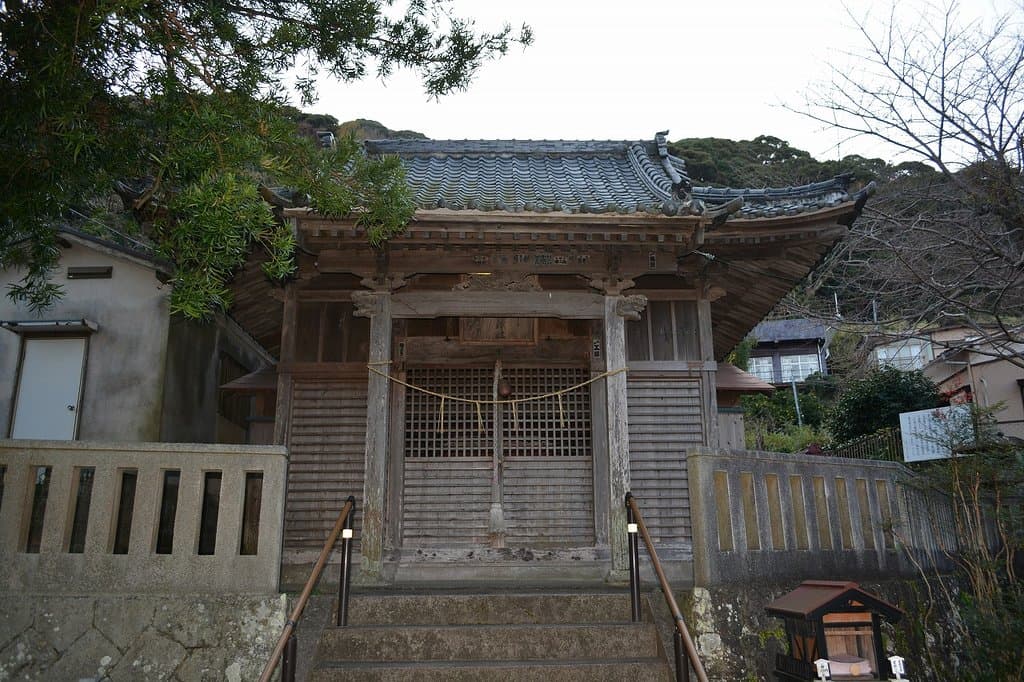
Kawazu Hachiman Shrine
A historic shrine linked to legendary figures, famous for early Kawazu cherry blossoms.
Highlights
Must-see attractions

Social
From TikTok & Reddit
Best Time
Catch the early Kawazu cherry blossoms
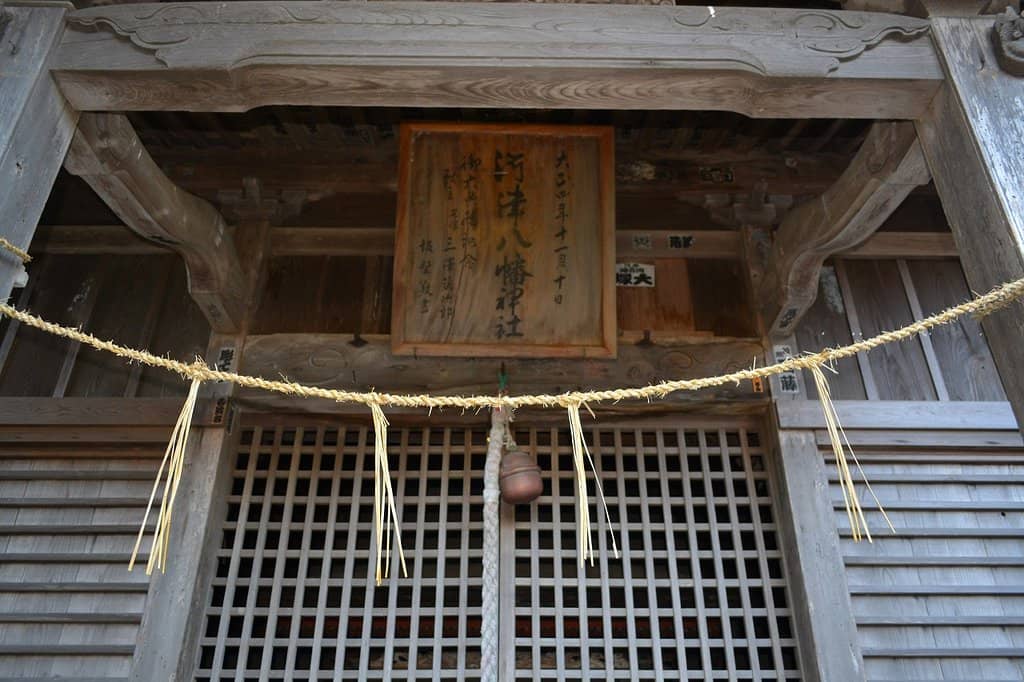
Kawazu Hachiman Shrine
Best Time
Catch the early Kawazu cherry blossoms
Highlights
Must-see attractions
A historic shrine linked to legendary figures, famous for early Kawazu cherry blossoms.
"Catch the first pink blooms of spring and connect with ancient legends at this charming shrine."
🌸 Blossom Season Alert
Visit late Feb to early March for the stunning Kawazu cherry blossoms!
💪 Test Your Strength
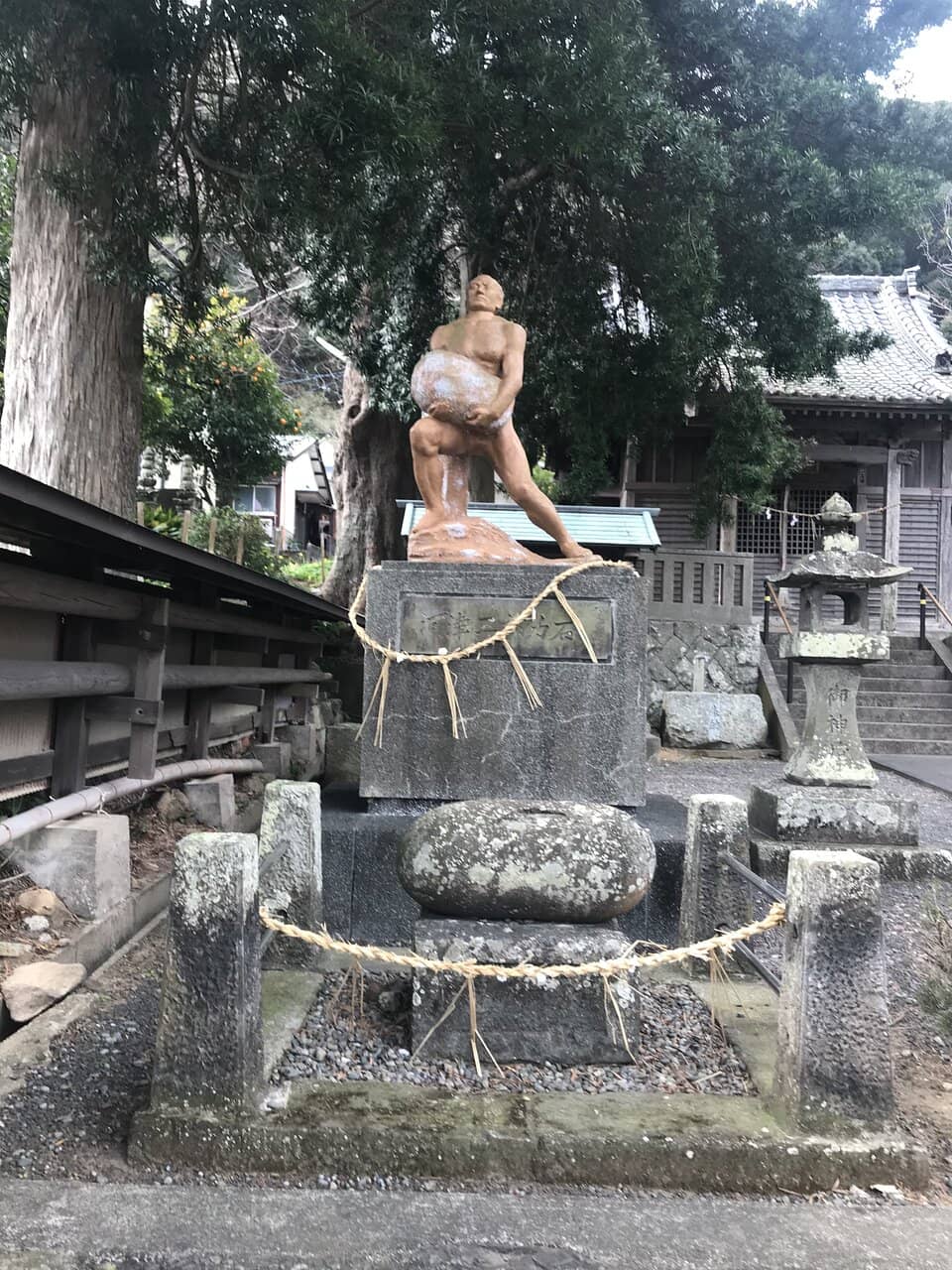
Try pushing the 320kg 'Chikaraishi' stone, used by Kawazu Saburo for training.
Quick Facts
Hours
Rating
3.9 · 31 reviews
Type
Place of Worship
Highlights
Discover the most iconic attractions and experiences
Kawazu Cherry Blossoms
Shrine grounds
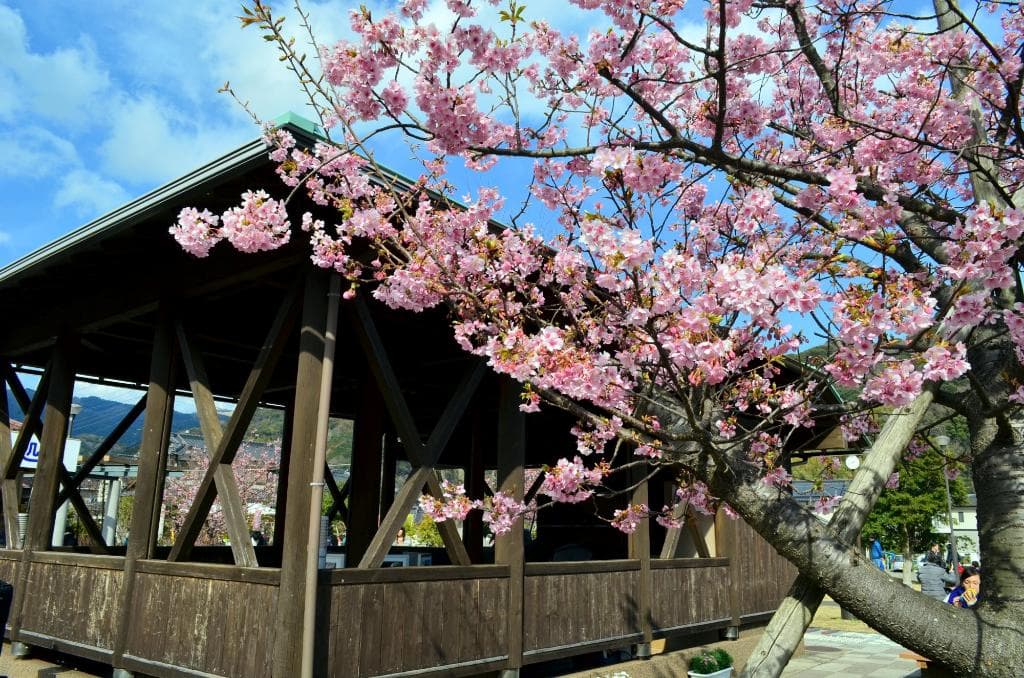
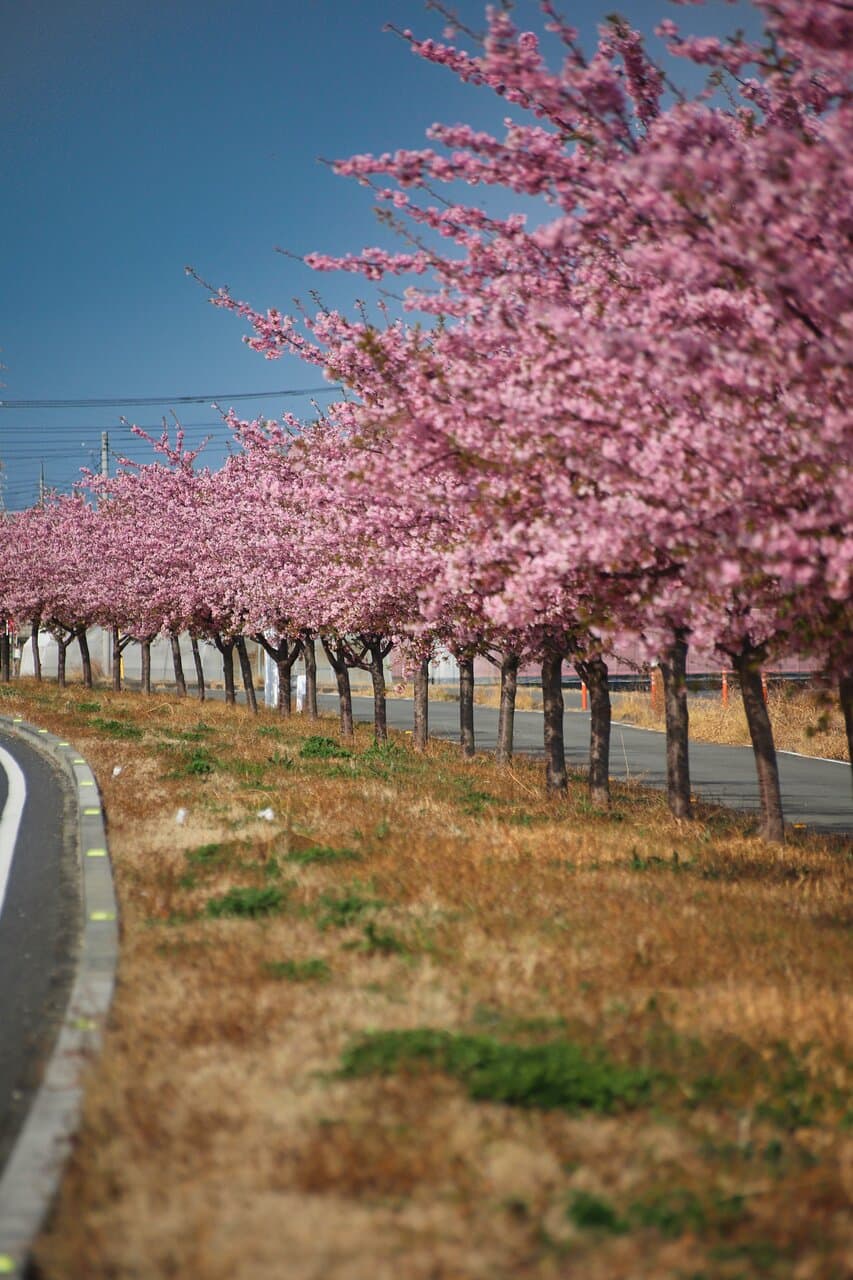
Vibrant pink blooms from late Feb to early March, offering Tokyo's first glimpse of spring.
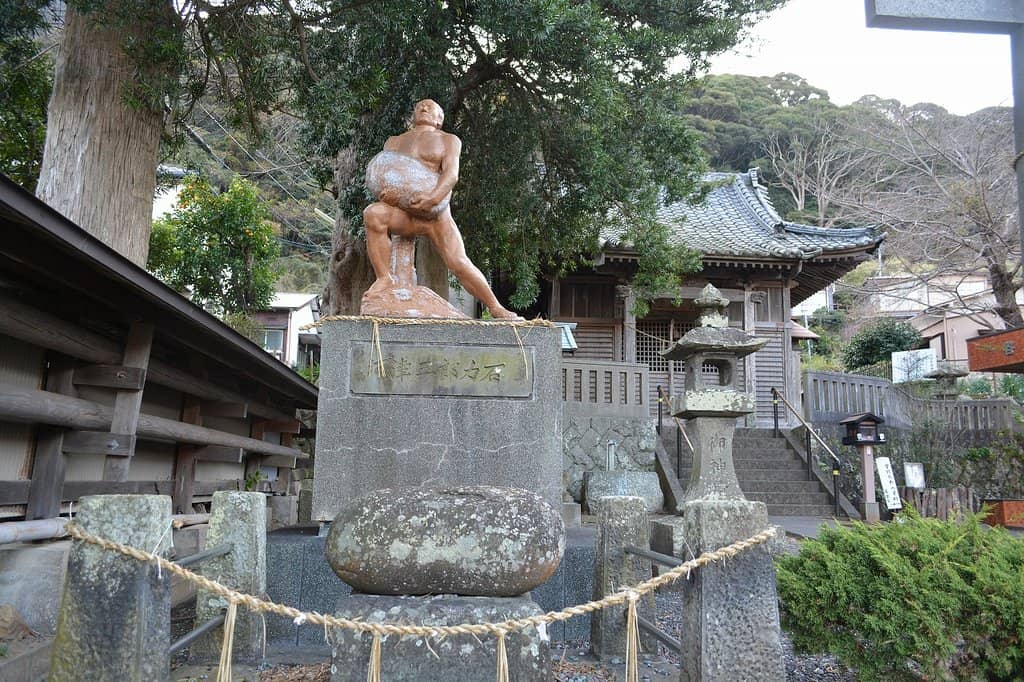
Kawazu Saburo's Strength Stone
Front of the shrine
A massive stone said to be used by Kawazu Saburo for sumo training. Test your strength!
Statues of the Soga Brothers
Opposite side of the shrine approach
Commemorating the legendary brothers, central figures in Japanese historical tales.
Plans like a pro.
Thinks like you
Planning Your Visit
Timing is Key for Early Blooms
Historical Significance & Local Lore
Best Times
Insider Tips
from TikTok, Instagram & Reddit
🌸 Blossom Season Alert
Visit late Feb to early March for the stunning Kawazu cherry blossoms! 
💪 Test Your Strength
Try pushing the 320kg 'Chikaraishi' stone, used by Kawazu Saburo for training.
📚 Historical Insights
Grab the affordable 'Kawazu Saburo and Soga Brothers' document for great context.
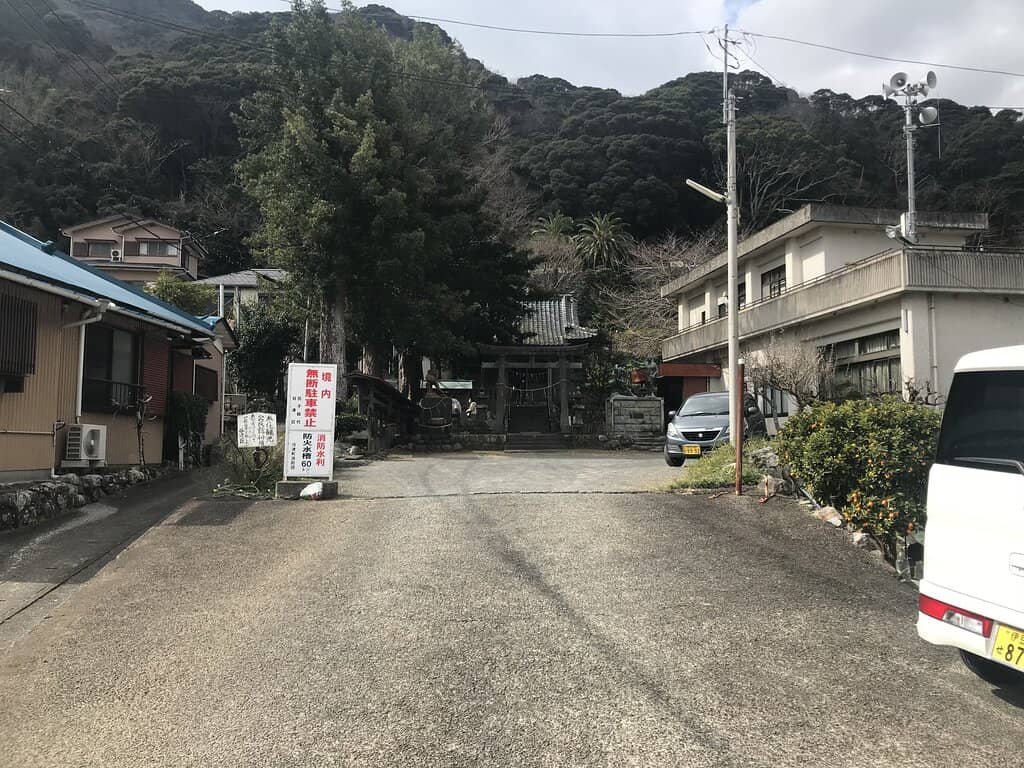
🚗 Limited Parking
Parking is available for only 2-3 cars, consider public transport.
Tips
from all over the internet
🌸 Blossom Season Alert
Visit late Feb to early March for the stunning Kawazu cherry blossoms!
💪 Test Your Strength
Try pushing the 320kg 'Chikaraishi' stone, used by Kawazu Saburo for training.
📚 Historical Insights
Grab the affordable 'Kawazu Saburo and Soga Brothers' document for great context.
🚗 Limited Parking
Parking is available for only 2-3 cars, consider public transport.
🚶♀️ Easy Access
A short 7-minute walk from Kawazu Station, across the red bridge.
What Travellers Say
Reviews Summary
Visitors appreciate the historical significance of Kawazu Hachiman Shrine, particularly its connection to Kawazu Saburo and the Soga brothers, with the strength stone and statues being notable features. The early-blooming Kawazu cherry blossoms from late February to early March are a major draw, offering beautiful scenery. However, some find the shrine small and note the limited parking and lack of a shrine office for services like goshuin stamps.
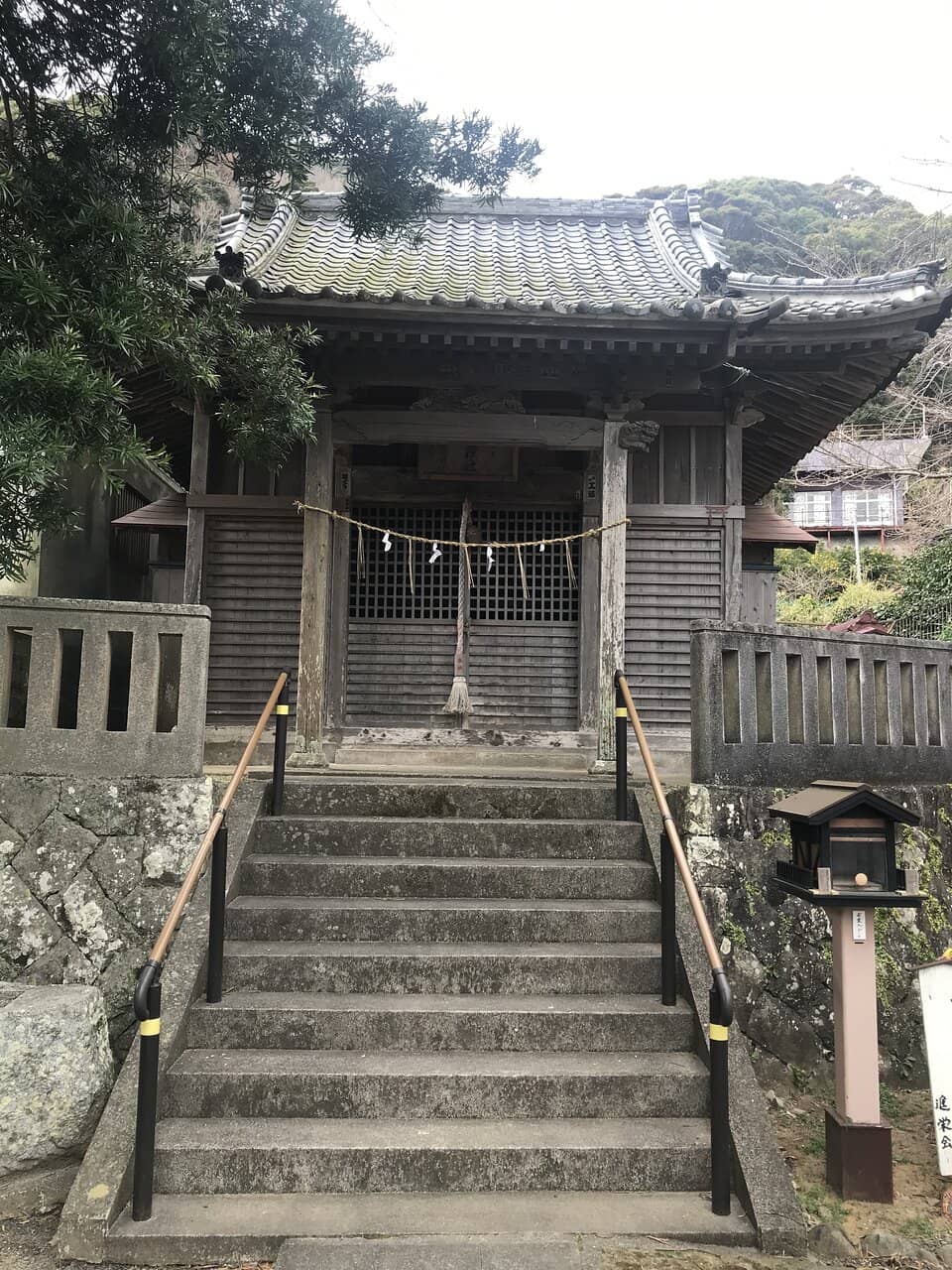
"This small shrine stands quietly on what is said to be the site of the mansion of Kawazu Saburo Sukeyasu, father of the Soga brothers, famous for their vendettas.
Although it is called Hachiman Shrine, the enshrined deity is Amakoyane no Mikoto, and it also enshrines Kawazu Saburo Sukeyasu and his sons, Kawazu Sukenari and Tokimune.
In front of the shrine is a strength stone that Sukeyasu is said to have used in his sumo training, and behind it is a statue of Kawazu Saburo holding the strength stone and training his body. The inscription on the statue was written by Futabayama, a great yokozuna of the Showa era. Statues of the brothers also stand on the opposite side of the approach to the shrine.
In one corner of the temple grounds is Yatsu Akiha Shrine, a subsidiary shrine. This Akiha Shrine was enshrined from Akiha Gongen during the Edo period. In fact, in 1838 (Tenpo 10) during the late Edo period, the surrounding village of Yatsu suffered a devastating fire, destroying 24 households, or roughly one-third of the village. The villagers sought assistance from Ota Sukemoto, lord of the Kakegawa domain in Enshu, who ruled the area, and are said to have been able to rebuild. Akiba Shrine is a fire-prevention deity in Totomi, so it was built here due to the lord's connection, and the people likely devoutly worshipped it to escape another fire.
But why did the Ota clan, who were based in Kakegawa Castle in the far-flung Totomi region (western Shizuoka Prefecture), rule this area, even though they were both in Shizuoka Prefecture?
In fact, in 1729 (Kyoho 13), when the Ota clan was still fiefdom-bound in Tatebayashi, Joshu (Gunma Prefecture), they were granted a territory of over 7,500 koku, including the Kamo and Naka counties of Izu. This Izu enclave temporarily left the Ota clan's hands when they were transferred in 1721, but was granted back to them in 1740.
The then head of the clan, Ota Suketoshi, moved from Tatebayashi to Kakegawa in 1746, but his Izu territory remained intact. Thus, the Ota clan, lords of the Kakegawa domain, held 29 villages totaling over 7,541 koku of land in the Kamo and Naka counties of Mamezu until the end of the Edo period. Most of present-day Kawazu Town was part of the former Kakegawa domain.
According to domain records, Yatsu Village at the time produced 152 koku of land, had 85 households, and a population of approximately 390. Of these, 24 households were destroyed in the fire, making it a devastating disaster that will remain in the memories of the villagers. A signboard explains that the village remains a place of worship to this day."
甲羅
"The stone that Kawazu Saburo, the inventor of the sumo finishing move "Kawazu-kake", is said to have used for training is called Chikaraishi and is placed in the shrine.
I tried pushing this stone (about 320 kg) a little, but it didn't budge.
Kawazu Saburo's Chikaraishi
This stone is the one that Kawazu Saburo used for training morning and evening, and it weighs about 320 kg. Saburo was a very strong sumo wrestler, and it is said that one of the 48 techniques called "Kawazu-kake" was invented by Saburo. Saburo's name was Ito Yuhei and he was a member of the Kano clan, whose ancestors were from the Fujiwara Minami family. Saburo's house was located in this area about 800 years ago."
柴犬村長
"I visited this place to see the remains of Kawazu Castle (Yatsu Castle). It seems the Soga brothers lived here until their mother remarried Soga Taro Sukenobu and they moved to Soga Castle in what is now Soga-Yatsu, Odawara City. Soga-Yatsu, Odawara City, is also home to various historical sites related to the Soga brothers, such as Jomae-ji Temple.
While it was great to visit this place, unfortunately the shrine appears to be undergoing restoration, with scaffolding set up and sheets hanging down, which was also a shame.
However, the "Kawazu Saburo and the Soga Brothers" document, which costs 50 yen per volume and can be found on the right just before the shrine stairs, is very easy to read, with furigana always included for names and place names, making it well worth the money."
chu “お城とお酒と一人旅”
What People Like
What People Dislike
Frequently Asked Questions
🚇 🗺️ Getting There
The shrine is easily accessible by public transport. It's about a 7-minute walk from Kawazu Station on the Izu Kyuko Line. You'll find it on the opposite bank of the Kawazu River, across the red bridge.
Yes, there is limited parking available for approximately two to three cars. Due to the small capacity, it's advisable to consider public transportation, especially during peak seasons.
Absolutely! Kawazu Hachiman Shrine is a short 7-minute walk from Kawazu Station, making it a convenient destination for train travelers.
From Shibuya, you can take a train to Kawazu Station. The shrine is then a quick 10-minute train ride from Shibuya, making it an accessible day trip.
Yes, the shrine is situated on the opposite bank of the Kawazu River, easily identifiable by the red bridge nearby.
🎫 🎫 Tickets & Entry
There are no admission fees to enter Kawazu Hachiman Shrine. It is a public shrine, and you can explore its grounds freely.
The shrine grounds are generally open to visitors throughout the day. There are no specific closing hours for the outdoor areas.
Unfortunately, there is no shrine office, so you cannot obtain a goshuin stamp at Kawazu Hachiman Shrine.
The Kawazu cherry blossoms bloom around the shrine and are freely accessible. There is no separate fee to enjoy the blossoms.
In the past, there have been reports of restoration work with scaffolding. It's advisable to check recent visitor information if this is a concern.
🎫 🧭 Onsite Experience
The shrine is dedicated to Kawazu Saburo Sukeyasu, father of the famous Soga brothers, who are central figures in Japanese historical tales like 'The Tale of Soga'.
The 'Chikaraishi' is a large stone, weighing about 320 kg, believed to have been used by Kawazu Saburo for sumo training. Visitors can try to push it.
Yes, you can see the 'Chikaraishi' stone and statues of Kawazu Saburo and the Soga brothers on the shrine grounds, offering a glimpse into their history.
The Yatsu Akiha Shrine, a subsidiary shrine, was built to appease the fire-prevention deity Akiba Gongen, especially after a devastating fire in the village during the Edo period.
Some visitors believe it's a power spot that can give you a 'push in the right direction' and help overcome challenges.
📸 📸 Photography
The vibrant Kawazu cherry blossoms in late February/early March are a major draw for photographers. The historical statues and the strength stone also make for unique shots.
Early mornings or late afternoons often provide softer light and fewer crowds, making them ideal for capturing the beauty of the blossoms.
Generally, photography is allowed on the shrine grounds. However, always be respectful of the sacred nature of the site.
A standard camera or smartphone is sufficient. If focusing on the blossoms, a macro lens can be useful, while a wider lens is good for capturing the shrine and its surroundings.
Yes, you can take photos of the strength stone and the statues of Kawazu Saburo and the Soga brothers.

Social
from TikTok, Instagram & Reddit