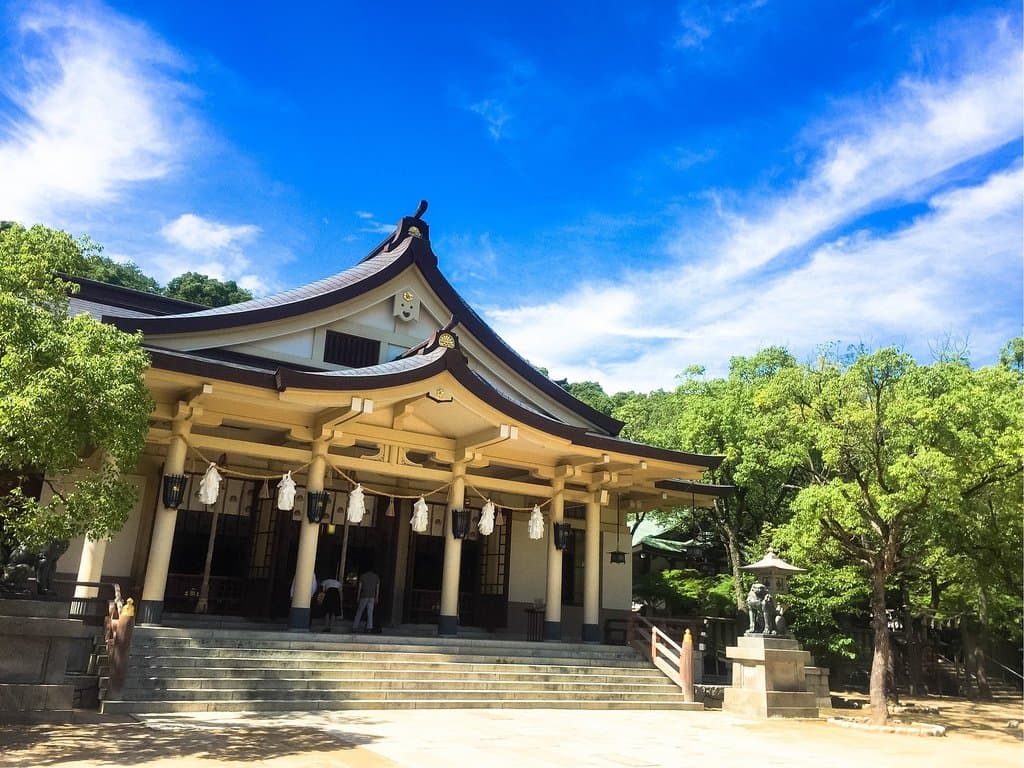
Minatogawa Shrine
A serene Shinto shrine rebuilt after WWII, dedicated to a 14th-century hero, featuring stunning ceiling art and golden lions.

Highlights
Must-see attractions

Social
From TikTok & Reddit
Best Time
Fewer crowds, peaceful atmosphere
Minatogawa Shrine
Best Time
Fewer crowds, peaceful atmosphere
Highlights
Must-see attractions
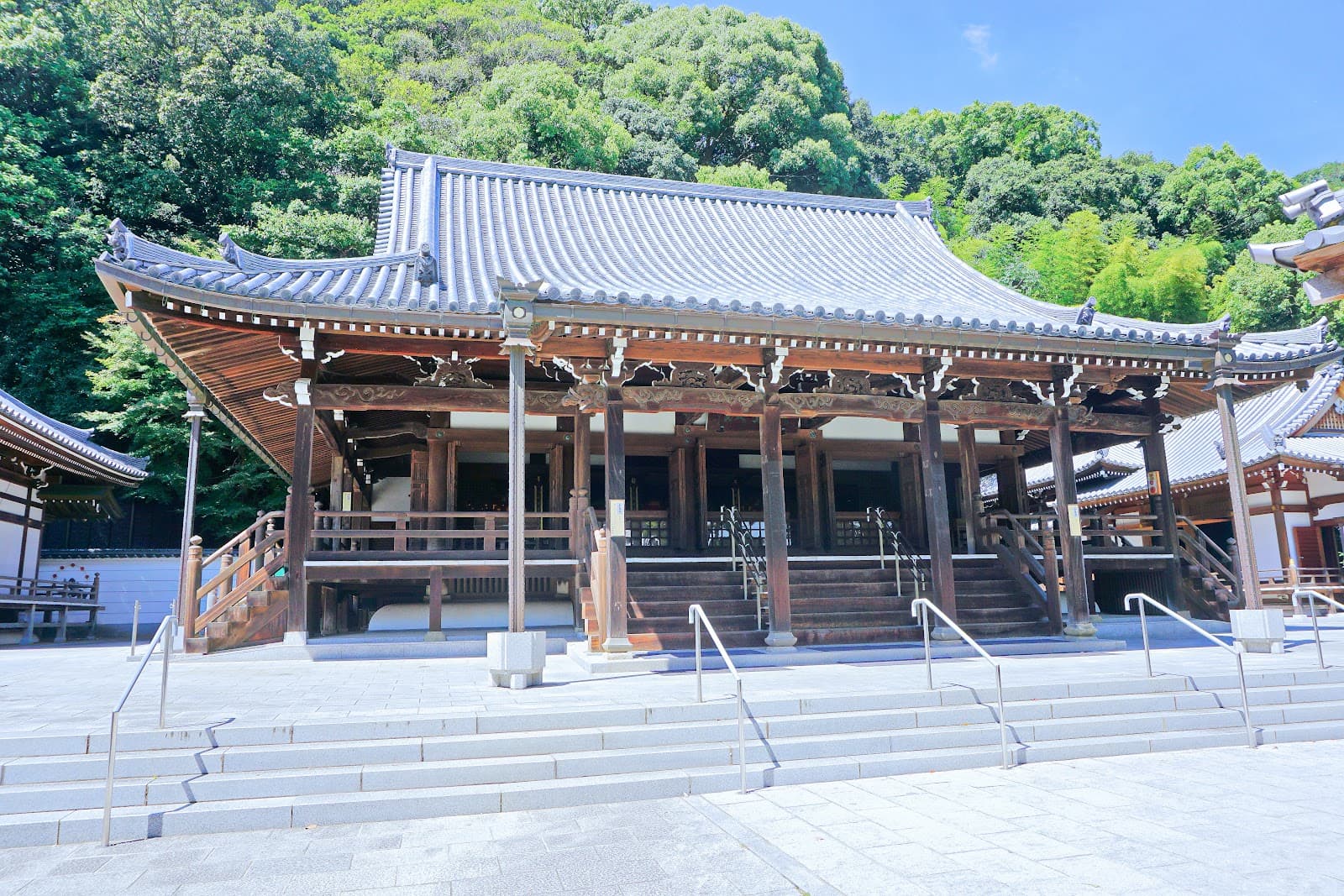
A serene Shinto shrine rebuilt after WWII, dedicated to a 14th-century hero, featuring stunning ceiling art and golden lions.
"A gorgeous, peaceful, and historically significant shrine just minutes from downtown Kobe."
🎯 Easy Access from Kobe
Just a short walk from Kosoku Kobe station, making it a convenient stop for day trips.
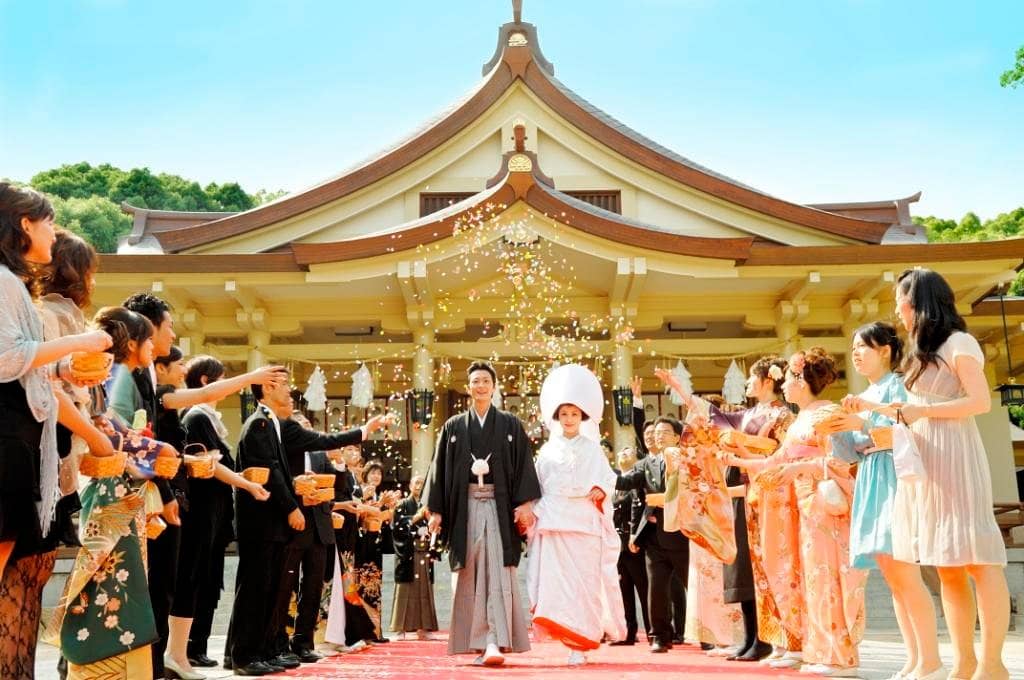
✨ Visit During Festivals
Experience lively summer festivals with food vendors and traditional dancing.
Quick Facts
Hours
Rating
4.3 · 4,438 reviews
Type
Place of Worship
Highlights
Discover the most iconic attractions and experiences
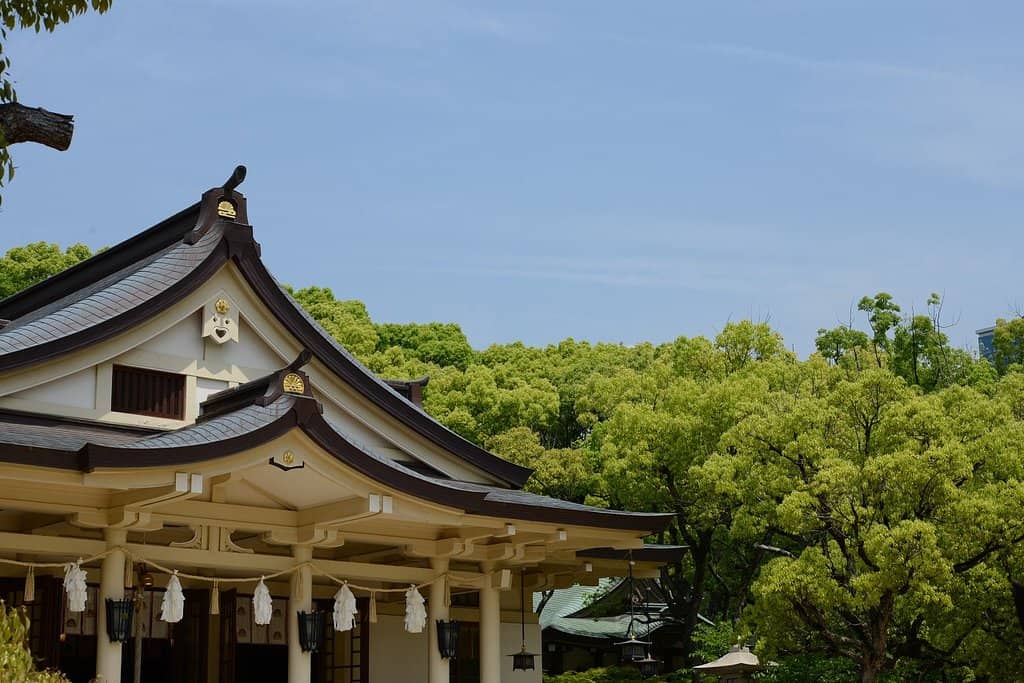
Main Hall Ceiling Art
Marvel at the intricate and vibrant artwork adorning the ceiling of the main hall, a stunning visual spectacle.
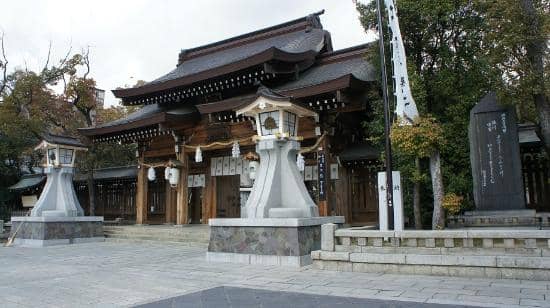
Golden Lion Statues
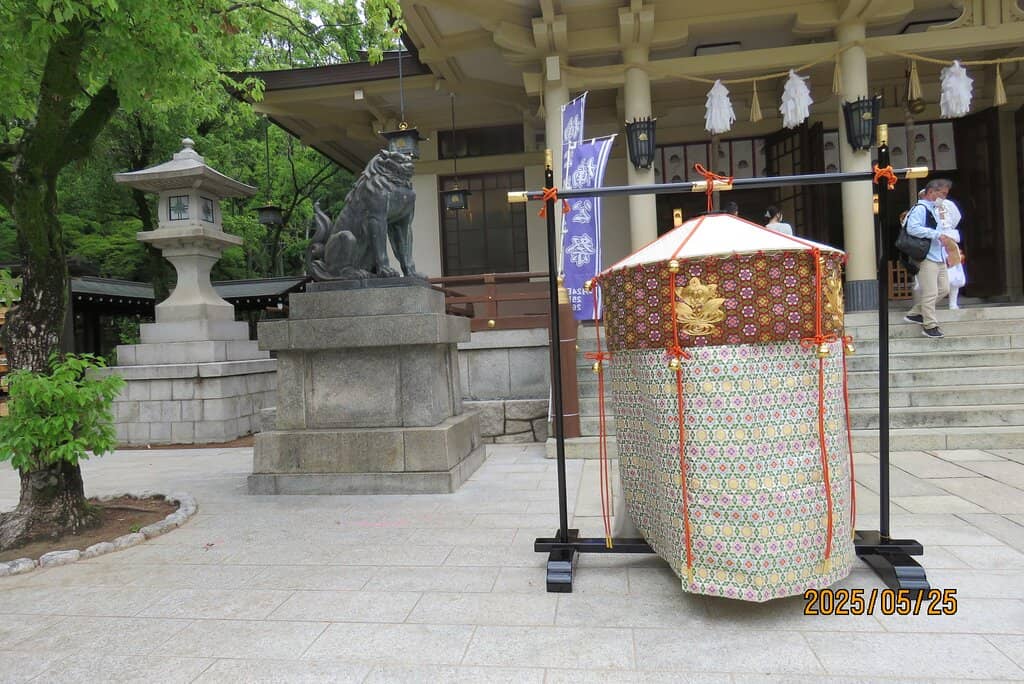
Entrance
Admire the majestic golden lion statues guarding the entrance, symbols of power and protection.
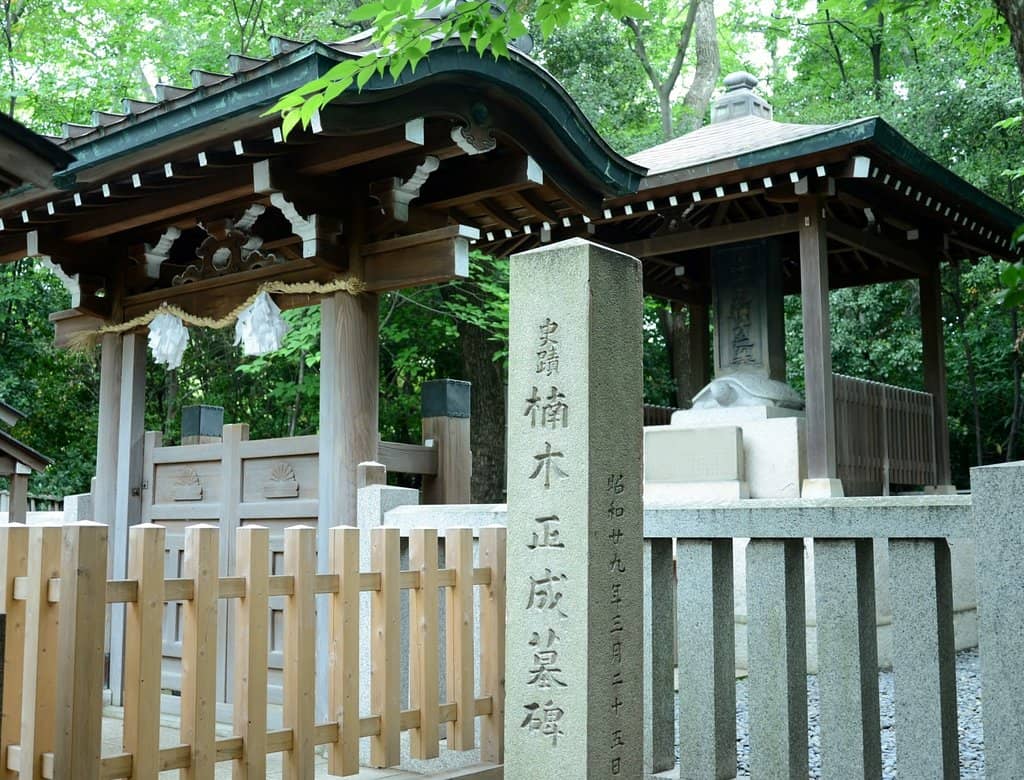
Graveyard of a 14th Century Hero
Back courtyard
Pay respects at the resting place of a respected 14th-century hero, adding historical depth to your visit.
Oldest Living Olive Tree
Shrine grounds
Discover the ancient olive tree, a symbol of peace and longevity, located within the shrine's serene grounds.
Plans like a pro.
Thinks like you
Planning Your Visit
Timing Your Visit for Tranquility

Understanding Shrine Etiquette
Best Times
Insider Tips
from TikTok, Instagram & Reddit
🎯 Easy Access from Kobe
Just a short walk from Kosoku Kobe station, making it a convenient stop for day trips.
✨ Visit During Festivals
Experience lively summer festivals with food vendors and traditional dancing.
📖 English Information Available
Digital displays offer information about the shrine and etiquette in English.
📸 Capture the Serenity
Early mornings or late afternoons offer beautiful light and fewer visitors for photos.
Tips
from all over the internet
🎯 Easy Access from Kobe
Just a short walk from Kosoku Kobe station, making it a convenient stop for day trips.
✨ Visit During Festivals
Experience lively summer festivals with food vendors and traditional dancing.
📖 English Information Available
Digital displays offer information about the shrine and etiquette in English.
📸 Capture the Serenity
Early mornings or late afternoons offer beautiful light and fewer visitors for photos.
📜 Seek a Shrine Stamp
If visiting for a shrine stamp (goshuin), check operating hours as they may close early.
What Travellers Say
Reviews Summary
Visitors praise Minatogawa Shrine for its peaceful atmosphere, historical significance, and beautiful architecture, particularly the ceiling art and golden lions. Its convenient location makes it an accessible and serene escape. Some visitors note that shrine stamp services may close early, and festivals can bring larger crowds.
"This is a gorgeous, peaceful and historically significant shrine just a few minutes from downtown Kobe, dedicated to a respected 14th century hero. His graveyard lies in the back courtyard. There are special ceremonies on May 25th and July 12th but the shrine is worth visiting anytime of the year. Don't miss seeing the ceiling of the main shrine. There's also a Noh theater here."
Sheila Flood
"Very big shrine, when I went there wasn’t any people. It was Saturday 5pm, sadly the gokushin was close and I couldn’t get my stamp."
Elgin Ng (Ginny)
"This was a very big nice shrine to do the first shrine visit of the year. Everything was well organized and things moved like clockwork. Getting to try some of the festival food was great as well. I was also able to get my shrine stamp too."
Scott Combs
What People Like
What People Dislike
Frequently Asked Questions
🚇 🗺️ Getting There
Minatogawa Shrine is conveniently located just a short walk from Kosoku Kobe station, making it easily accessible for day trips from Osaka or within Kobe.
Yes, the shrine is very accessible by public transport. It's a short walk from Kosoku Kobe station, and also reachable by bus.
While driving is possible, public transportation is generally recommended due to potential parking limitations in urban areas.
It's considered less crowded and visited by fewer tourists compared to some other major shrines, offering a more tranquil experience.
From Osaka, take a train to Kobe and then transfer to the local lines that lead to Kosoku Kobe station, which is a short walk away.
🎫 🎫 Tickets & Entry
Minatogawa Shrine is generally free to enter and explore its grounds. Special events or specific areas might have separate charges.
The shrine grounds are typically open during daylight hours. However, specific buildings like the Gokushin (where shrine stamps are issued) may have limited hours, often closing by 5 PM.
Yes, you can get a shrine stamp, but it's advisable to check the operating hours for the Gokushin as they can close early.
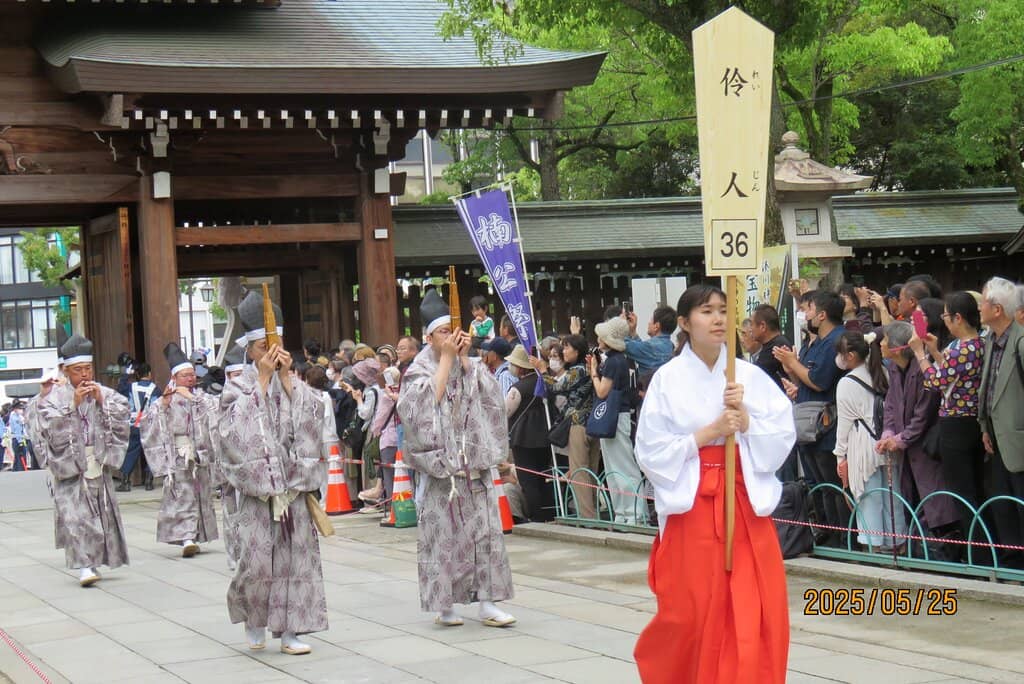
Yes, special ceremonies are held on May 25th and July 12th. Summer festivals, like Bon Odori, are also celebrated with vibrant activities.
No, advance booking is not typically required for general visits to Minatogawa Shrine as it is a public space.
🎫 🧭 Onsite Experience
Don't miss the stunning ceiling art in the main hall, the golden lion statues, the graveyard of a 14th-century hero, and the oldest living olive tree.
Absolutely! The serene atmosphere, beautiful architecture, and natural elements like the olive tree offer excellent photo opportunities, especially during the golden hour.
The shrine is dedicated to a respected 14th-century hero, making it a site of historical importance and a place for reflection on Japan's past.
Yes, the shrine has several facilities, including digital information kiosks that provide details about the shrine and visitor etiquette in English.
You can expect a peaceful and quiet atmosphere, especially if you visit outside of peak times or festival days. It's a less touristy option for a serene shrine experience.
🍽️ 🍽️ Food & Dining
During festivals, you can often find various vendors selling traditional festival foods. Some reels mention a beer garden operating inside the shrine during summer.
Festival food often includes popular Japanese street foods like takoyaki, yakisoba, and various sweets.
Being close to downtown Kobe, there are numerous dining options available in the surrounding area, ranging from casual eateries to more formal restaurants.
While not explicitly stated, it's generally advisable to consume food outside of the main prayer areas to maintain the sanctity of the shrine. Picnicking might be possible in designated outdoor areas.
Information about specific cafes or tea houses within the shrine is limited, but the presence of a summer beer garden suggests some hospitality services are available.
📸 📸 Photography
The main hall's ceiling art, the golden lion statues, the serene grounds with the ancient olive tree, and the torii gates are all excellent photo subjects.
Photography rules can vary. It's best to look for signage or ask shrine staff if photography is permitted inside the main hall, especially for the ceiling art.
Early mornings or late afternoons, during the 'golden hour,' provide soft, beautiful light and fewer crowds, making them ideal for photography.
Drone photography is generally prohibited at most shrines and temples in Japan to ensure the peace and safety of visitors. Always check local regulations.
Yes, festivals offer dynamic photo opportunities, but be mindful of crowds and respect the privacy of participants.



Social
from TikTok, Instagram & Reddit