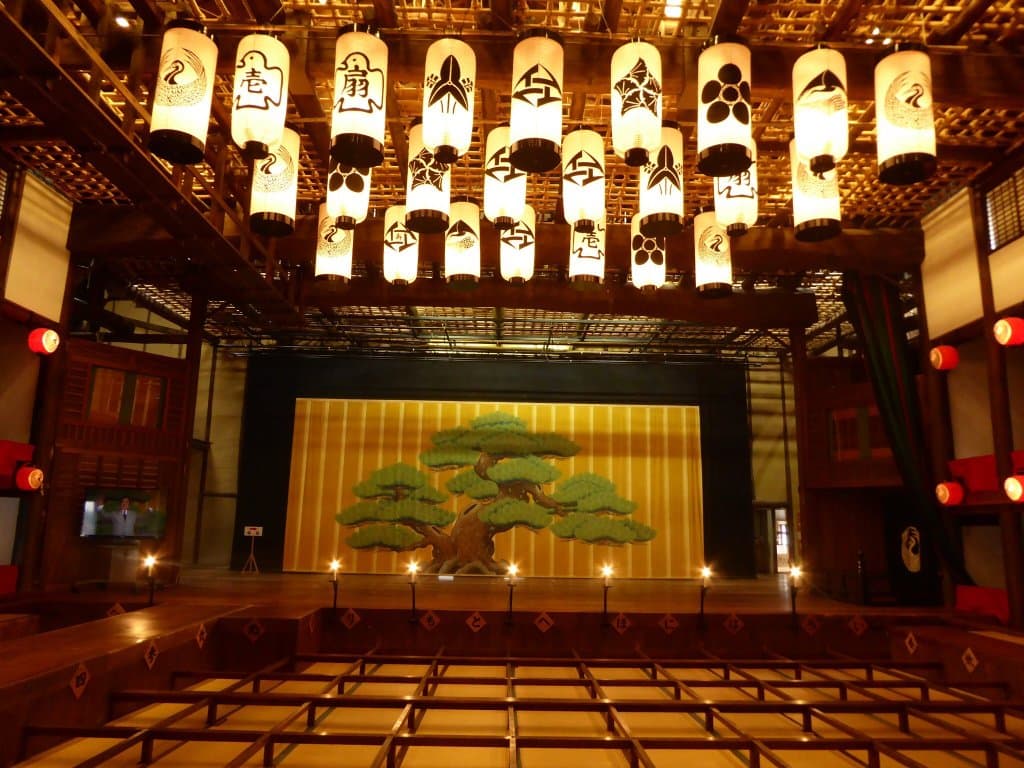
Kanamaruza (Konpira Grand Theatre)
Step back in time at Kanamaruza, Japan's oldest active Kabuki theater, marveling at its traditional architecture and ingenious backstage mechanics.
Highlights
Must-see attractions

Social
From TikTok & Reddit
Best Time
Chance to see live Kabuki
Kanamaruza (Konpira Grand Theatre)
Best Time
Chance to see live Kabuki
Highlights
Must-see attractions
Step back in time at Kanamaruza, Japan's oldest active Kabuki theater, marveling at its traditional architecture and ingenious backstage mechanics.
"The volunteer guides are the heart of Kanamaruza, bringing its history and secrets to life with passion."
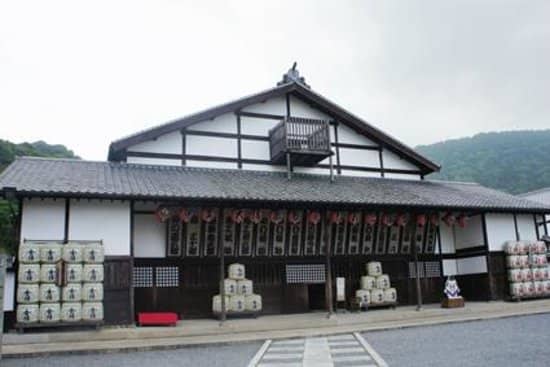
Book Kabuki tickets early
🎟️ April performances sell out fast! Secure your seats months in advance for the best experience.
Engage with guides
:speaking_head: Volunteer guides offer incredible insights. Ask questions and learn the theater's secrets!
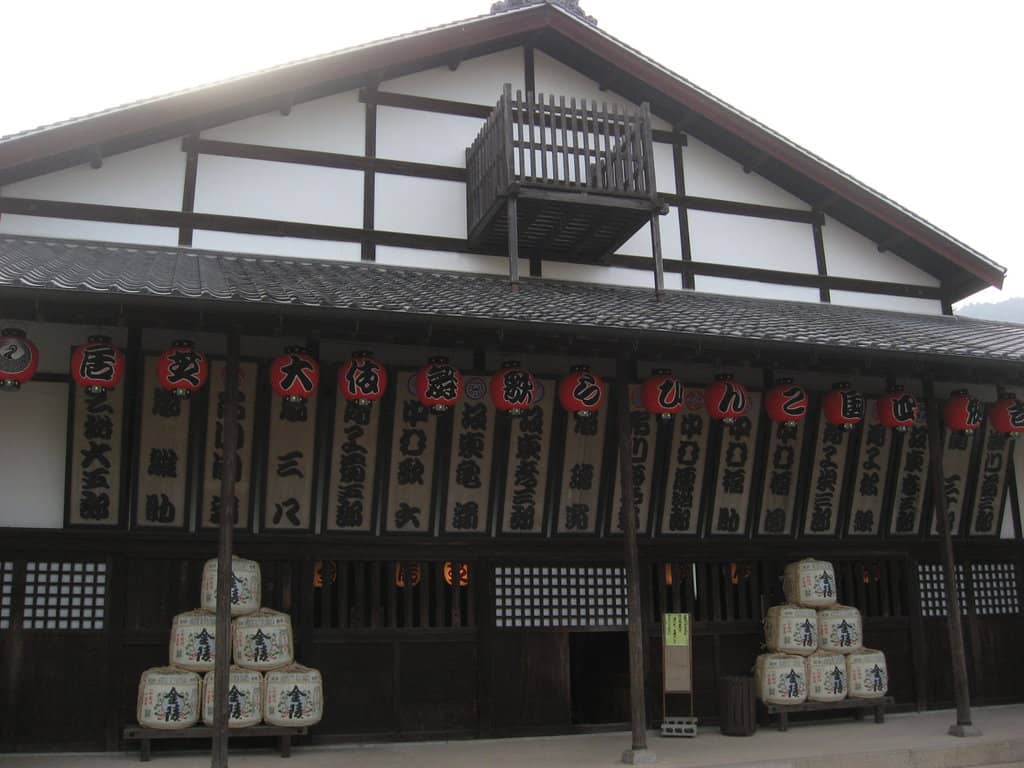
Quick Facts
Hours
Rating
4.4 · 900 reviews
Type
Performing Arts Theater
Highlights
Discover the most iconic attractions and experiences
The Grand Stage
Main Auditorium
Marvel at the oldest Kabuki theater in Japan, a masterpiece of traditional architecture and craftsmanship.
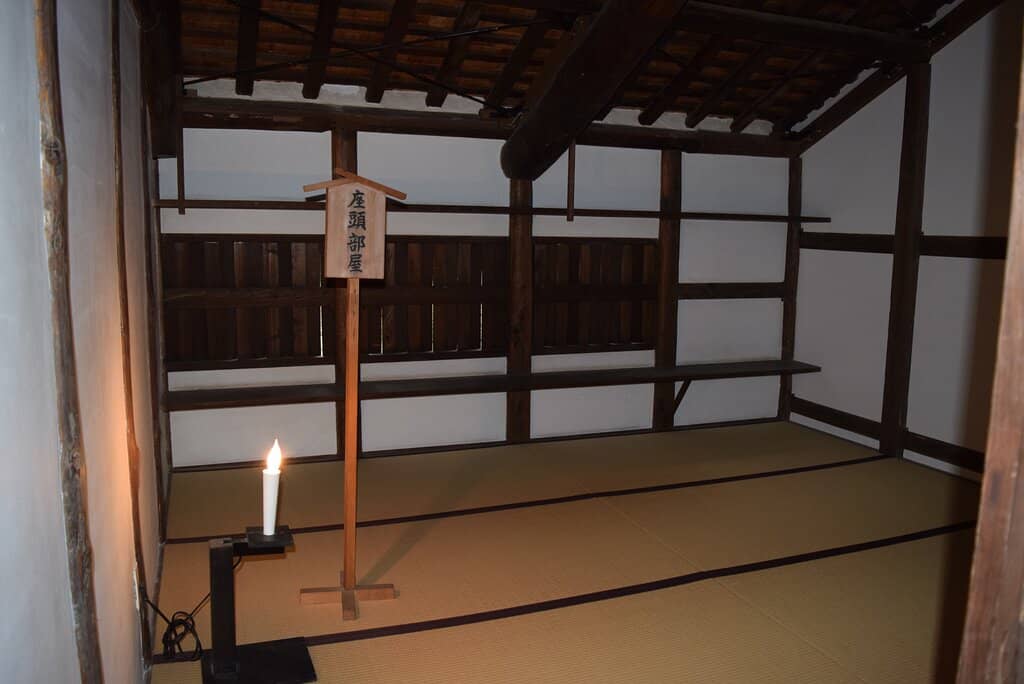
Backstage Wonders
Backstage Area
Discover the ingenious man-powered mechanisms and special effects that bring Kabuki performances to life.
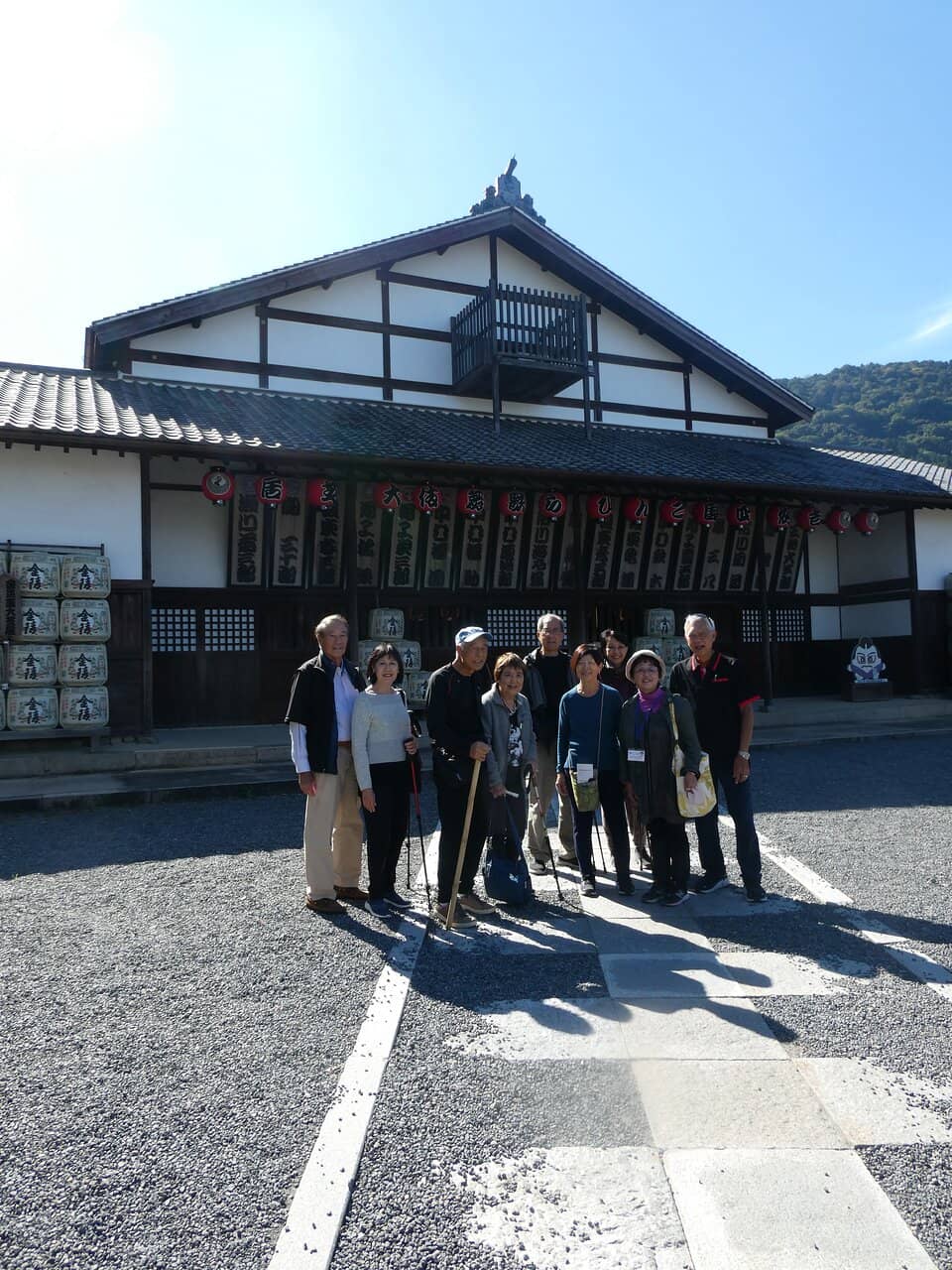
Live Kabuki Performance
Main Auditorium
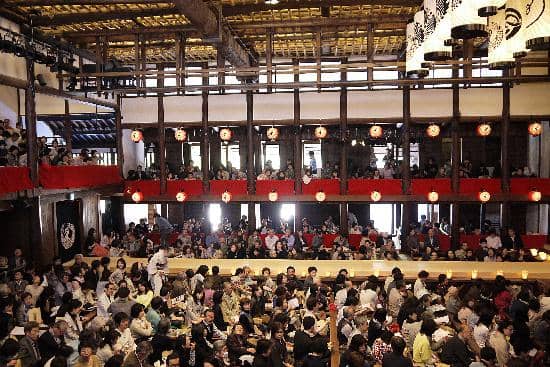
Experience the vibrant energy of a traditional Kabuki play during the annual April performances.
Plans like a pro.
Thinks like you
Planning Your Visit
Timing Your Visit
Embrace the Guided Tour
Best Times
Insider Tips
from TikTok, Instagram & Reddit
Book Kabuki tickets early
🎟️ April performances sell out fast! Secure your seats months in advance for the best experience.
Engage with guides
:speaking_head: Volunteer guides offer incredible insights. Ask questions and learn the theater's secrets!
Combine with Shrine visit
:shrine: Kanamaruza is near Kotohira-gu Shrine. Plan your visit to see both!
Explore backstage
⚙️ Don't miss the backstage and understage areas to see the unique mechanisms.
Tips
from all over the internet
Book Kabuki tickets early
🎟️ April performances sell out fast! Secure your seats months in advance for the best experience.
Engage with guides
:speaking_head: Volunteer guides offer incredible insights. Ask questions and learn the theater's secrets!
Combine with Shrine visit
:shrine: Kanamaruza is near Kotohira-gu Shrine. Plan your visit to see both!
Explore backstage
⚙️ Don't miss the backstage and understage areas to see the unique mechanisms.
What Travellers Say
Reviews Summary
Visitors consistently praise Kanamaruza for its historical significance as Japan's oldest Kabuki theater and its well-preserved traditional architecture. The highlight for many is the opportunity to explore the ingenious backstage mechanisms and the passionate, informative volunteer guides who bring the theater's history to life. While the April performances are a major draw, the theater offers a captivating experience year-round.
"Of course the Konpira Grand Theatre in itself is magnificent, a very interesting showcase of traditional architecture, craftsmanship, and art. But for me the highlight of the visit was the volunteer guide who showed me around the place, blending Japanese and English, to the best of his abilities, explaining plenty of little details the ordinary visitor would never notice alone."
Emiel Van Herck
"Kompira Grand Theatre "Kanamaru-za" is a must see in Shikoku, Japan. The theatre was built almost 200 years ago and is still used as a living stage for Kabuki plays in the spring. During the off Kabuki performances, you can visit the backstage area and see the interesting mechanisms of the man-powered structures. If you are visiting Kotohira-gu Shrine (Kompira-san), be sure to stop by."
Miki Upreti
"Fantastic. The oldest kabuki theater in Japan features a lot of hidden details and things to discover. You can move freely but the guides on-site will tell you a lot of great stories and share their background knowledge."
Taku N
What People Like
What People Dislike
Frequently Asked Questions
🚇 🗺️ Getting There
Kanamaruza is located in Kotohira, Kagawa Prefecture. The nearest train station is Kotohira Station on the JR Dosan Line. From the station, it's a short walk to the theater. Many visitors combine a trip to Kanamaruza with a visit to the nearby Kotohira-gu Shrine.
Yes, Kanamaruza is easily accessible by public transport. Kotohira Station is served by JR trains, making it convenient to reach from major cities in Shikoku.
While public transport is recommended, there are parking facilities available near the theater and Kotohira-gu Shrine for those traveling by car.
🎫 🎫 Tickets & Entry
Admission fees for visiting Kanamaruza vary. For general exploration outside of performance times, there is a modest entrance fee. Tickets for the annual Kabuki performances in April are separate and can be more expensive, often selling out quickly.
For general visits outside of performance season, advance booking is usually not required, but it's always a good idea to check their official website. For the highly popular April Kabuki performances, booking tickets months in advance is essential.
Opening hours for general visits typically align with daytime hours, but can vary. It's best to check the official Kanamaruza website for the most up-to-date information, especially regarding performance schedules and any potential closures.
Yes, Kanamaruza hosts Kabuki performances annually, usually in April. This is a highlight for many visitors, but tickets are in high demand and sell out rapidly.
Absolutely! Volunteer guides are a significant part of the Kanamaruza experience. They offer invaluable insights into the theater's history and mechanics, often in a mix of Japanese and English.
🎫 🧭 Onsite Experience
Kanamaruza is renowned as the oldest Kabuki theater in Japan, still in use today. Its traditional architecture, intricate craftsmanship, and unique man-powered stage mechanisms make it a fascinating historical and cultural site.
You can explore the main auditorium, admire the stage and seating, and crucially, visit the backstage and understage areas to see the ingenious mechanisms. Engaging with the volunteer guides is highly recommended for a deeper understanding.
Children can certainly appreciate the visual spectacle and the stories shared by guides. The backstage mechanisms might be particularly engaging for younger visitors interested in how things work.
A typical visit for exploring the theater and learning from guides can take 1-2 hours. If you are attending a Kabuki performance, the duration will be longer, depending on the play's length.
Photography policies can vary. Generally, photography for personal use is permitted in most areas, but flash photography might be restricted, especially during performances. It's best to check for signage or ask a staff member.
🍽️ 🍽️ Food & Dining
Kanamaruza itself typically does not have extensive dining facilities. However, the surrounding town of Kotohira offers various local restaurants and cafes where you can enjoy regional specialties before or after your visit.
In Kotohira, you can try Sanuki Udon, a famous local noodle dish. Many restaurants near the shrine and theater will offer this and other regional Kagawa cuisine.






Social
from TikTok, Instagram & Reddit