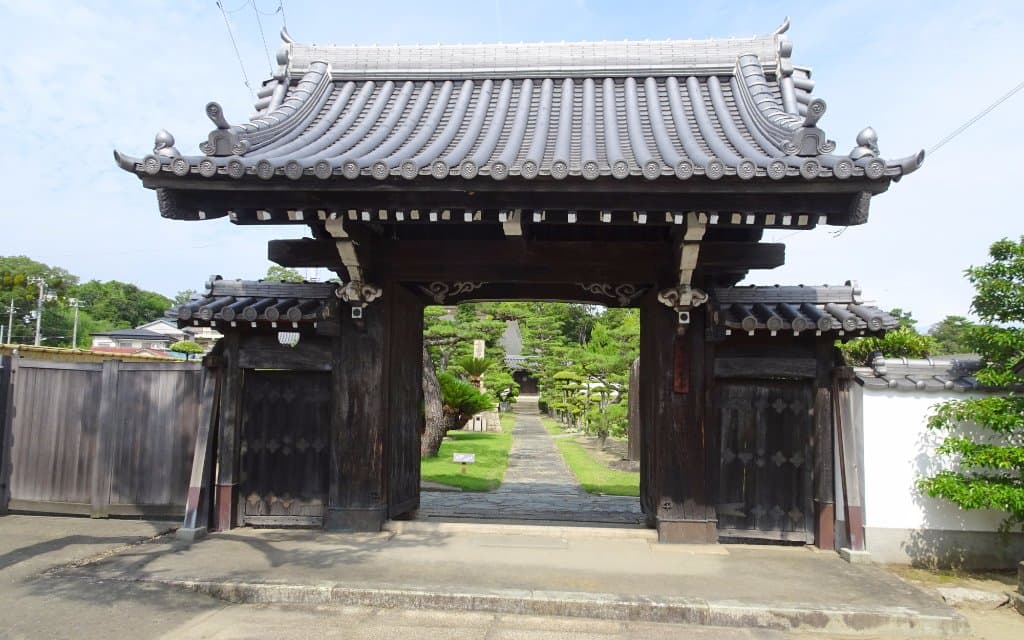
Kongobu-ji Temple Koyasan
Head temple of Shingon Buddhism on sacred Mt. Koya, featuring Japan's largest rock garden and rich history.
Highlights
Must-see attractions

Social
From TikTok & Reddit
Best Time
Beat the crowds
Kongobu-ji Temple Koyasan
Best Time
Beat the crowds
Highlights
Must-see attractions
Head temple of Shingon Buddhism on sacred Mt. Koya, featuring Japan's largest rock garden and rich history.
"Escape the crowded Osaka tourist vibe; Koya-san will realign you to nature and serenity."
👟 Wear Comfy Shoes
Lots of walking involved, mostly under shade. Comfortable footwear is a must!
💧 Bring Water & Sun Protection
Stay hydrated and protected from the sun, especially during warmer months.
Quick Facts
Hours
Rating
4.5 · 7,308 reviews
Type
Buddhist Temple
Highlights
Discover the most iconic attractions and experiences
Banryūtei Rock Garden
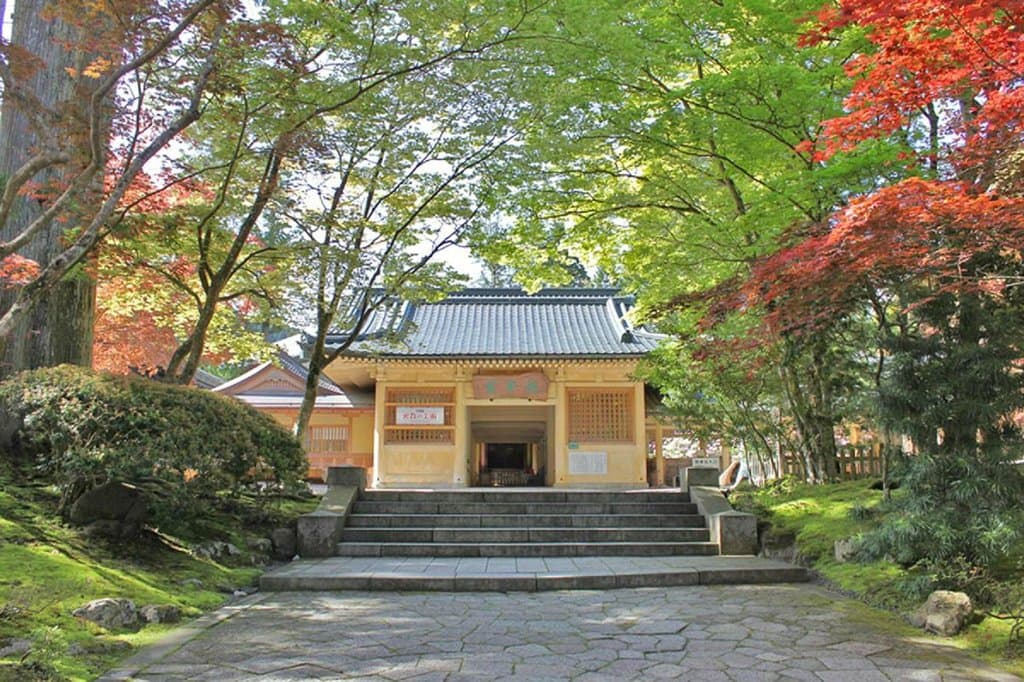
Kongobu-ji Temple
Japan's largest rock garden, featuring 140 granite stones depicting dragons emerging from clouds.
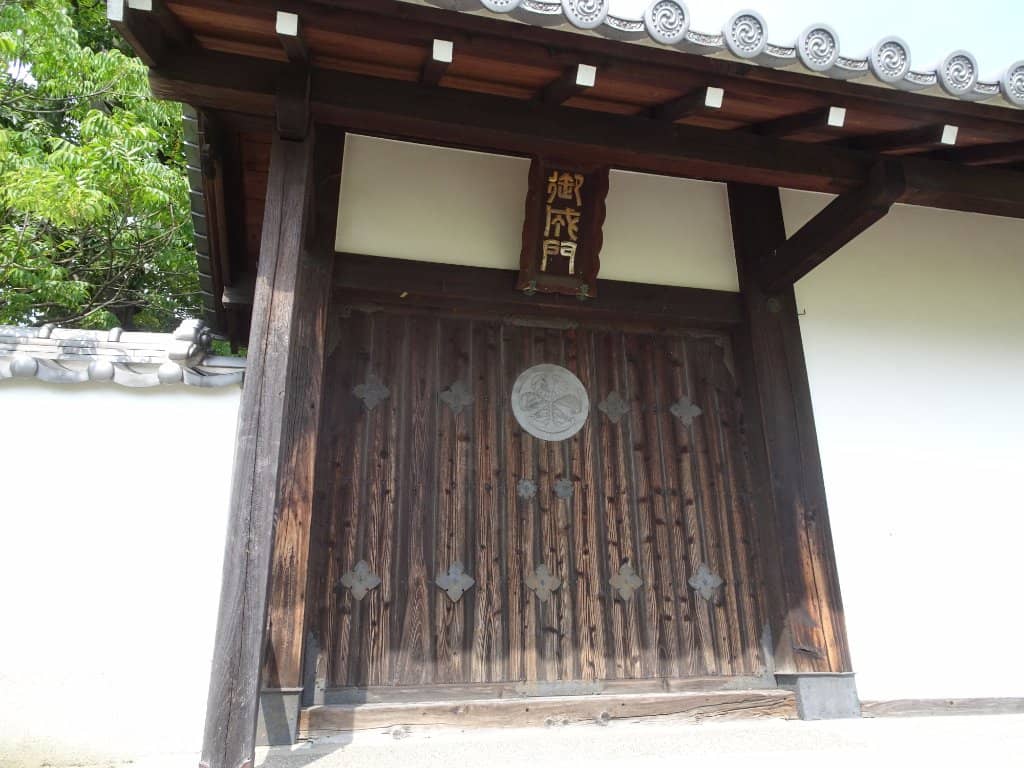
Kongobu-ji Temple Interior
Kongobu-ji Temple
Explore exquisite rooms adorned with ancient paintings and artifacts, offering a glimpse into monastic life.
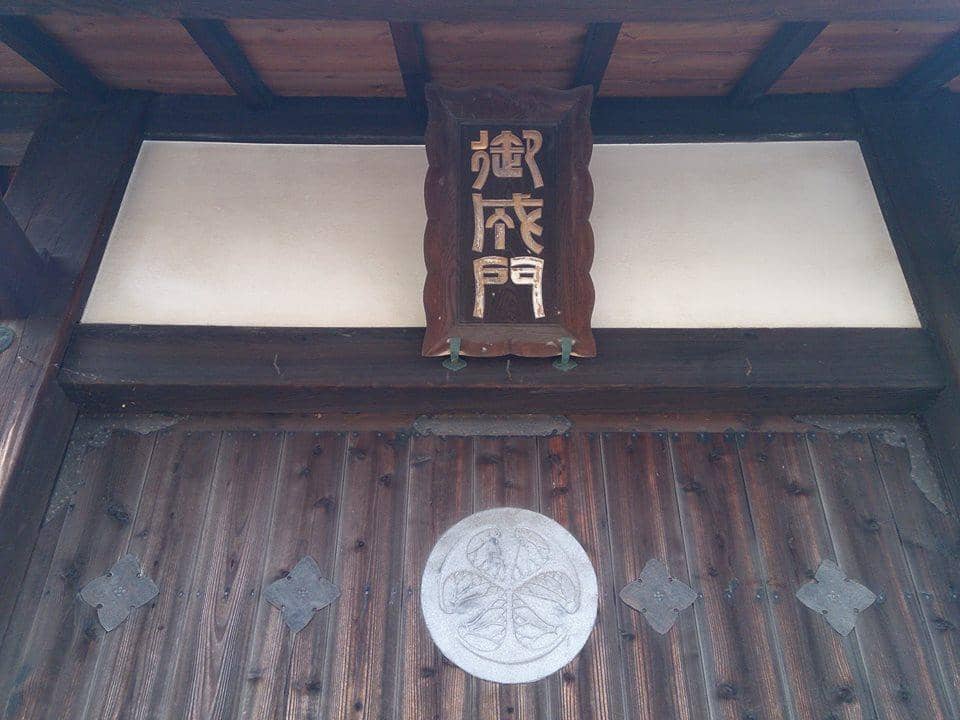
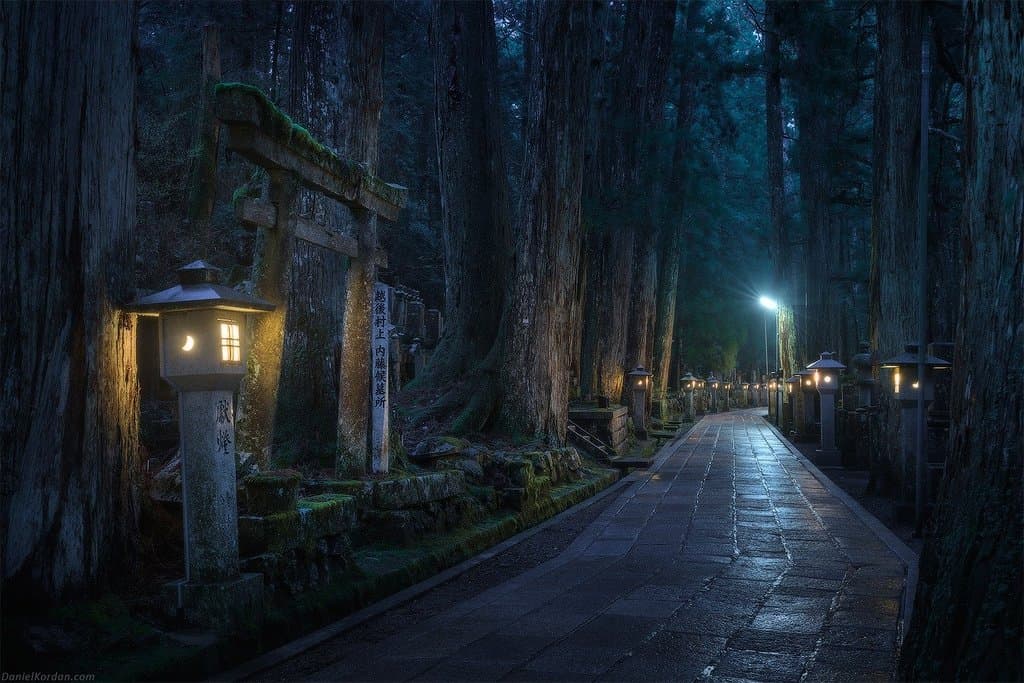
Koyasan's Sacred Atmosphere
Mount Koya
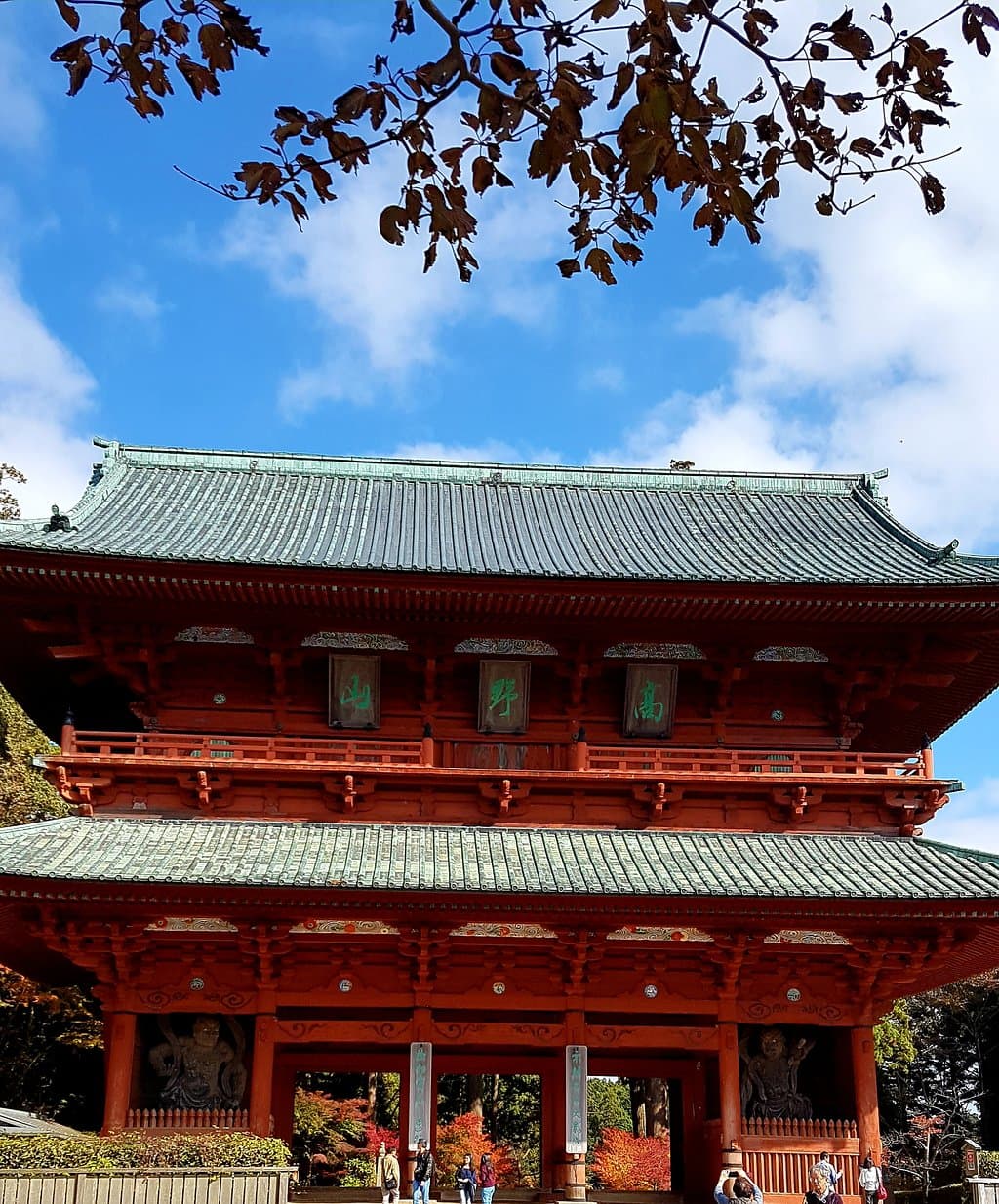
Experience the spiritual heart of Shingon Buddhism, a UNESCO World Heritage site offering peace and natural beauty.
Plans like a pro.
Thinks like you
Planning Your Visit
Getting to Koyasan: Plan Your Journey
Temple Stay & Entry Fees
Best Times
Insider Tips
from TikTok, Instagram & Reddit
👟 Wear Comfy Shoes
Lots of walking involved, mostly under shade. Comfortable footwear is a must!
💧 Bring Water & Sun Protection
Stay hydrated and protected from the sun, especially during warmer months.
🎫 Entry Fee & Slippers
There's an entry fee. Remember to take off your shoes inside; slippers are usually available.
🚶♀️ Explore Early
Arrive early to enjoy the tranquility before the main tourist and pilgrim groups arrive.
Tips
from all over the internet
👟 Wear Comfy Shoes
Lots of walking involved, mostly under shade. Comfortable footwear is a must!
💧 Bring Water & Sun Protection
Stay hydrated and protected from the sun, especially during warmer months.
🎫 Entry Fee & Slippers
There's an entry fee. Remember to take off your shoes inside; slippers are usually available.
🚶♀️ Explore Early
Arrive early to enjoy the tranquility before the main tourist and pilgrim groups arrive.
📸 Great for Photography
The temple grounds and gardens offer beautiful photo opportunities.
What Travellers Say
Reviews Summary
Visitors praise Kongobu-ji Temple for its serene atmosphere, historical significance as the head temple of Shingon Buddhism, and the impressive Banryūtei rock garden. Many find it a peaceful escape from busy cities and appreciate the opportunity for temple stays. Some note the journey can be a bit involved, and comfortable shoes are essential for exploring the grounds.
"It is the head temple of Kōyasan Shingon Buddhism, located on Mount Kōya, Wakayama Prefecture. Temple was first constructed as Seigan-ji Temple in 1593. The temple's modern rock garden is Japan's largest (2340 square meters), with 140 granite stones arranged to suggest a pair of dragons emerging from clouds to protect the temple. Popular place, need to go early. Fair bit of walking mostly under shade. Lots of locals, some tourists and pilgrims. Wear comfy shoes, take water, wear hat, sunscreen. Fee charged for entry. Great place for photography."
s vivekananda
"A very famous Japanese mountain, very famous for its temples. In any case, it's worth a visit. It's not easy to get there, but it's worth it. Beautiful nature with all those temples. More than 1000 m above the sea."
Mait Järvik
"An exquisite visit. If you want to escape the crowded Osaka tourist vibe, Koya-san will realign you to nature and serenity."
Deyto Abe
What People Like
What People Dislike
Frequently Asked Questions
🚇 🗺️ Getting There
To reach Kongobu-ji Temple on Mount Koya, you'll typically take a train from Osaka or Kyoto to Gokurakubashi Station, followed by a cable car up to Koyasan. Express buses are also an option from Kyoto. The journey is scenic but can take a couple of hours.
While it involves multiple transfers (train, cable car), many find the journey manageable and part of the experience. Planning your route in advance is recommended.
Yes, it's possible to visit Koyasan as a day trip from Osaka, but it's a long day. An overnight temple stay is often recommended to fully appreciate the atmosphere.
Once you're in Koyasan, walking is the primary way to explore the temples and sites. Comfortable shoes are essential.
Yes, there are local buses that can help you navigate between different areas of Koyasan, especially if you're not keen on extensive walking.
🎫 🎫 Tickets & Entry
There is an admission fee to enter Kongobu-ji Temple. The exact price can vary, but it's generally around 1000 yen.
Tickets can typically be purchased on-site. It's advisable to check the official website for any specific booking requirements or special events.
Opening hours can vary seasonally. It's best to check the official Kongobu-ji Temple website for the most up-to-date information before your visit.
Yes, you are required to remove your shoes before entering the temple buildings. Slippers are usually provided for use inside.
While there isn't a specific pass for just Kongobu-ji, consider the Koyasan World Heritage Ticket if you plan to visit multiple sites and use public transport extensively in the region.
📸 📸 Photography
Photography is generally allowed in most outdoor areas and some designated indoor spaces, but it's important to be respectful and check for any 'no photography' signs, especially in sacred areas.
The Banryūtei rock garden is a highlight for photographers. The temple's architecture and serene gardens also offer many picturesque opportunities.
Early mornings or late afternoons can offer softer light and fewer crowds, enhancing the photographic experience. The sunset views can also be stunning.
Drone usage is typically prohibited at religious sites and within national parks to maintain peace and respect. Always check local regulations.
A versatile lens (like a 24-70mm equivalent) is useful for capturing both landscapes and architectural details. A wide-angle lens can be great for the rock garden.
🎫 🌿 Onsite Experience
Banryūtei is the largest rock garden in Japan, located at Kongobu-ji Temple. It features 140 granite stones arranged to resemble a pair of dragons rising from clouds.
Yes, many temples in Koyasan offer Shukubo (temple lodging), providing an opportunity to experience monastic life, including vegetarian meals (shojin ryori) and morning prayers.
Shojin Ryori is traditional Japanese vegetarian cuisine served in Buddhist temples. It's known for its healthy, seasonal ingredients and mindful preparation.
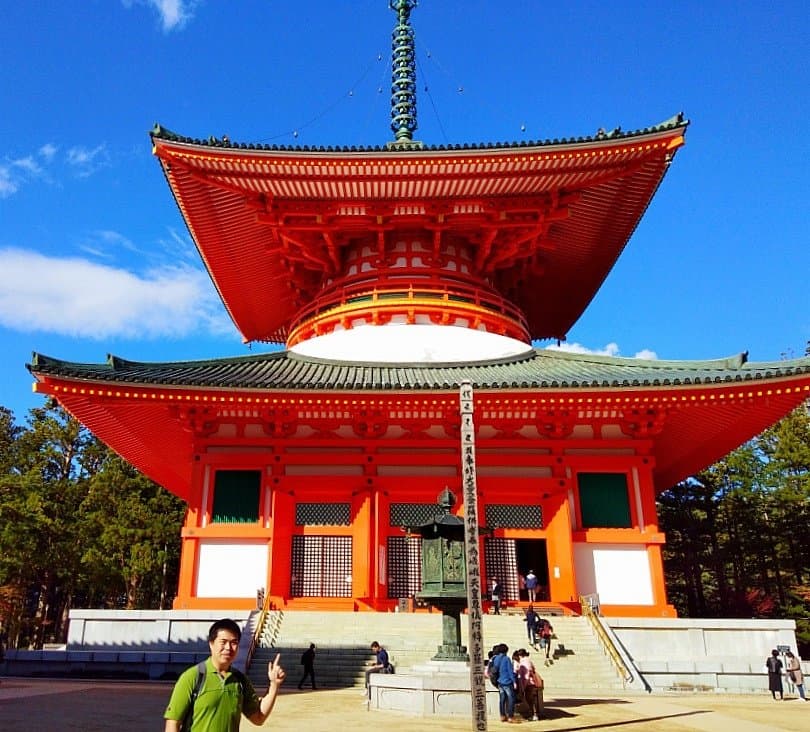
Kongobu-ji is the head temple of Shingon Buddhism and a central spiritual and administrative hub for over 100 temples on Mount Koya. It was founded by Kobo Daishi. 
Yes, Koyasan was registered as a UNESCO World Heritage Site in 2004 as part of the 'Sacred Sites and Pilgrimage Routes in the Kii Mountain Range'.

Social
from TikTok, Instagram & Reddit