Koto-in (Daitoku-ji) Kyoto
A serene sub-temple within Daitoku-ji, known for its tranquil Zen garden and striking bamboo-lined entrance.
Highlights
Must-see attractions

Social
From TikTok & Reddit
Best Time
Vibrant fall colors
Koto-in (Daitoku-ji) Kyoto
Best Time
Vibrant fall colors
Highlights
Must-see attractions
A serene sub-temple within Daitoku-ji, known for its tranquil Zen garden and striking bamboo-lined entrance.
"Koto-in is an epitome of tranquility and Zen elegance, offering a rewarding find for those seeking quietude."
🎯 Verify Opening Hours
Koto-in has experienced closures; confirm its status before visiting to avoid disappointment.
🚶 Explore Daitoku-ji
The larger Daitoku-ji complex offers many other beautiful sub-temples and gardens to discover.
Quick Facts
Rating
4.2 · 350 reviews
Type
Buddhist Temple
Highlights
Discover the most iconic attractions and experiences
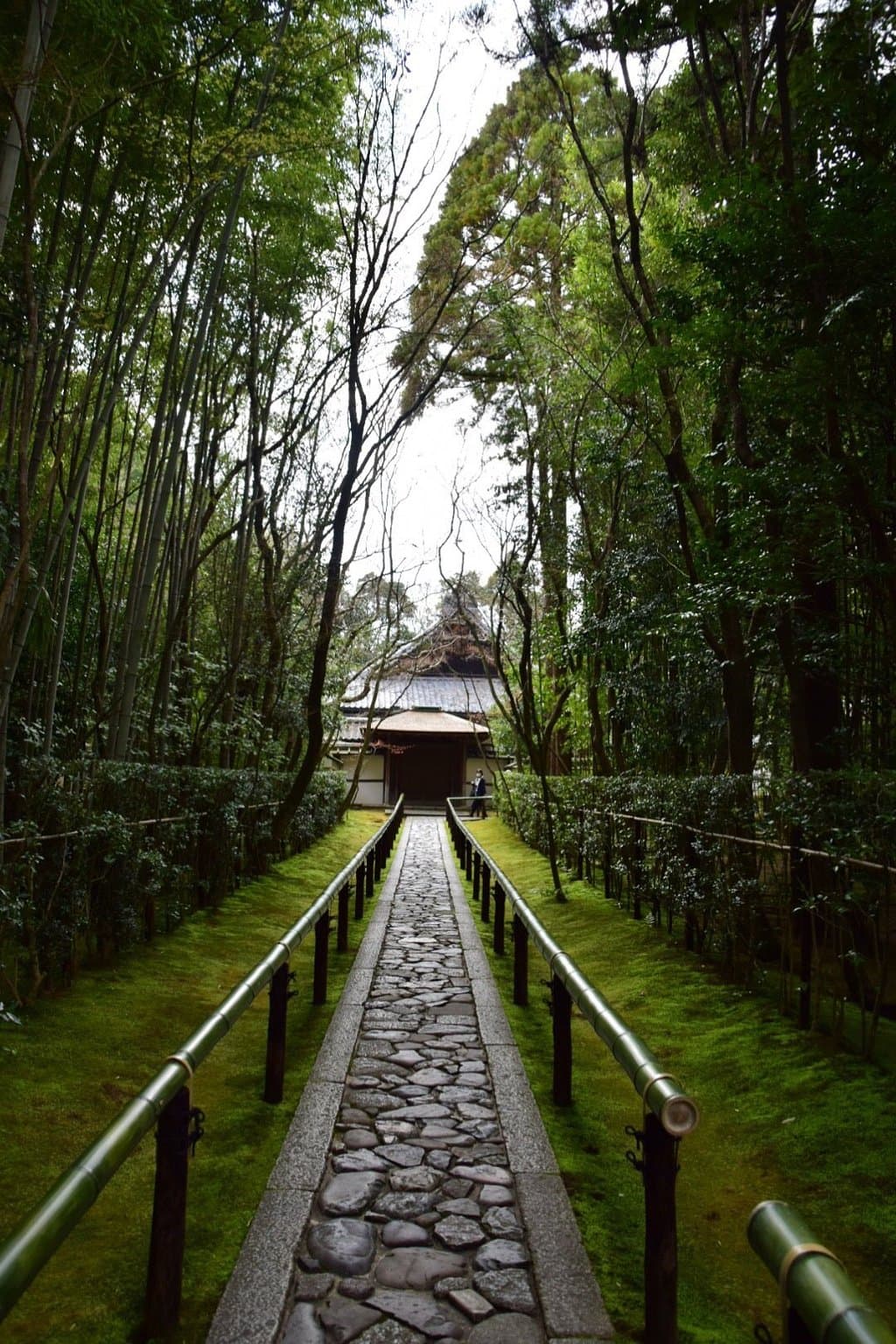
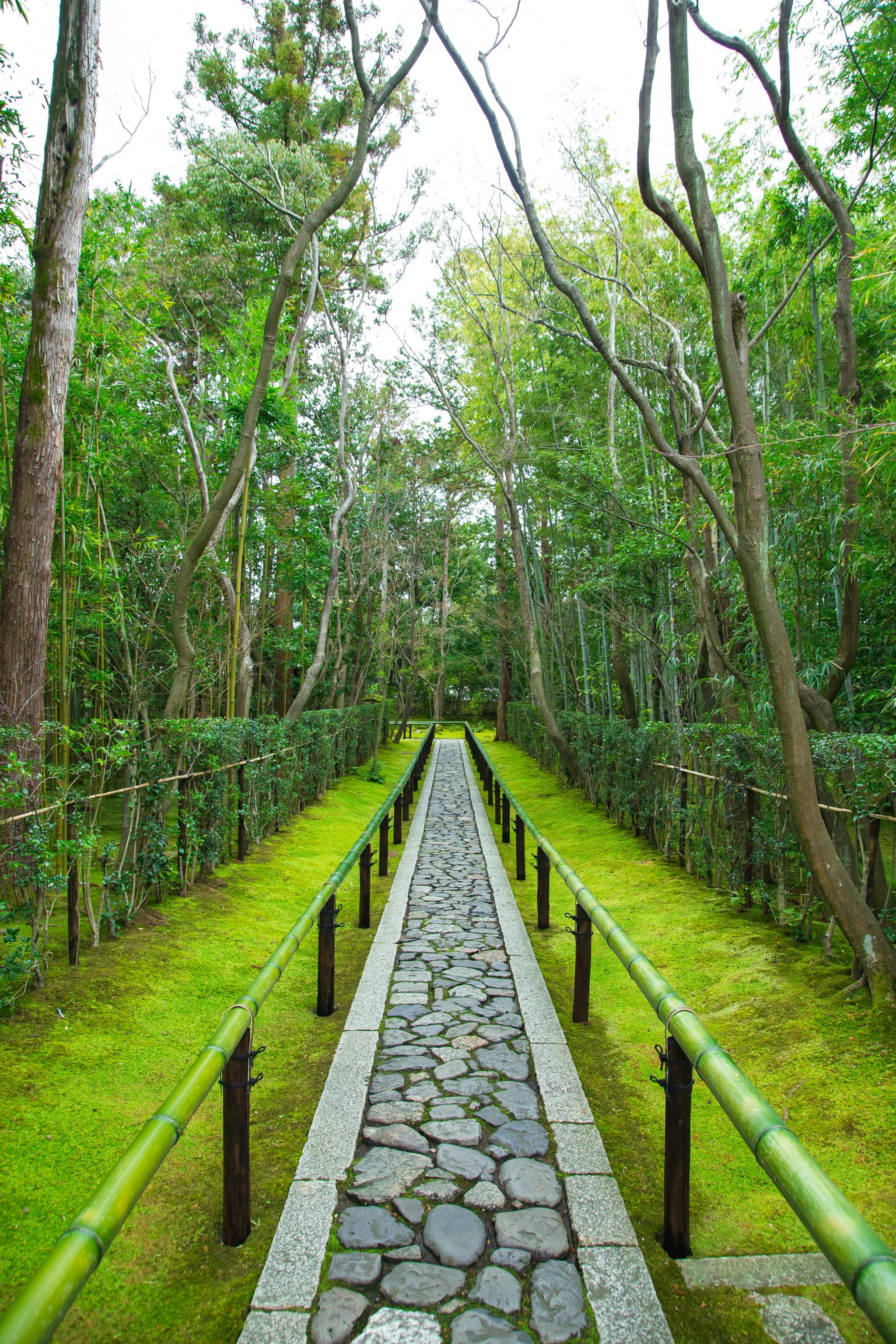
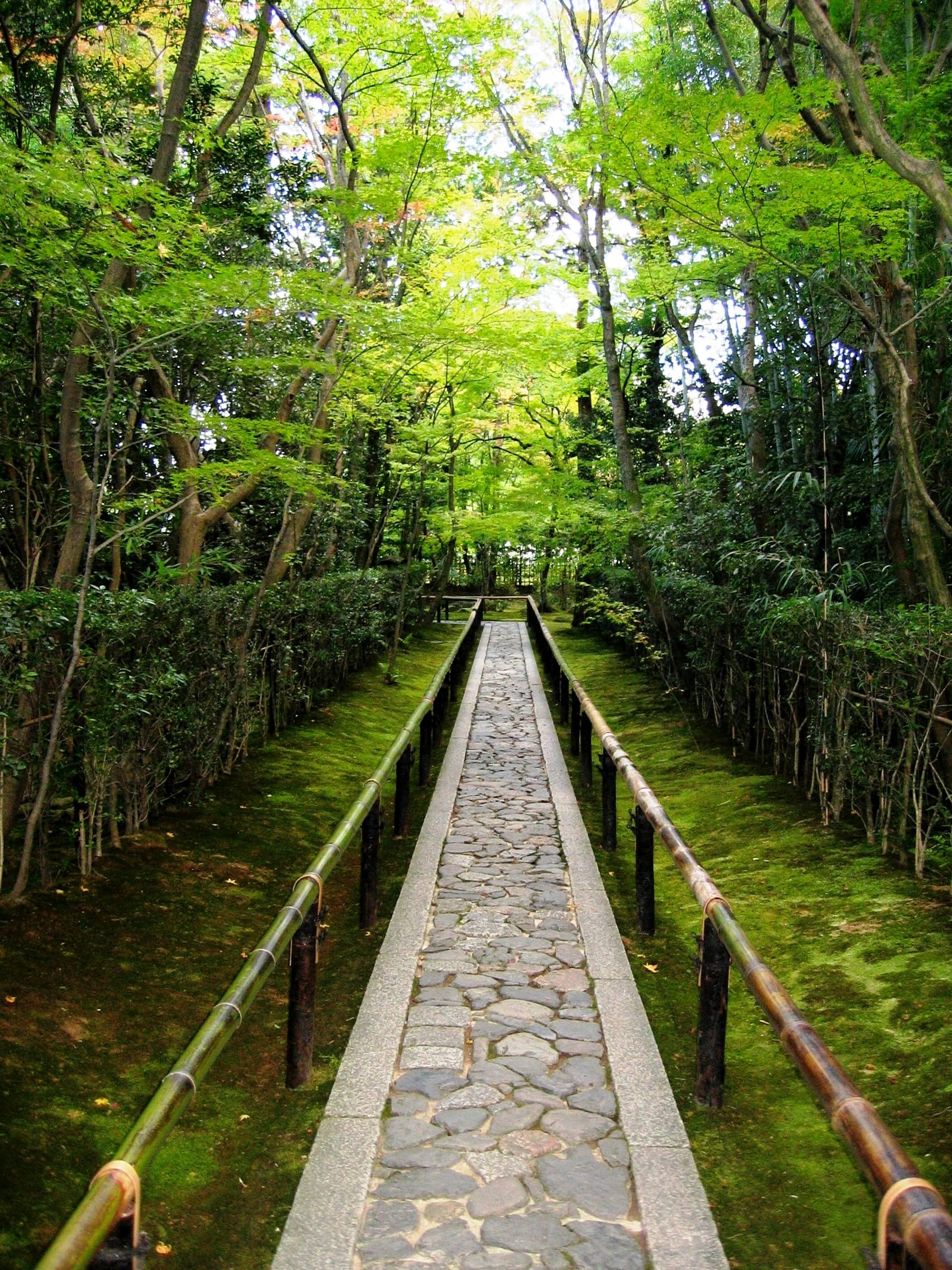
Bamboo-Lined Entrance Path
Entrance to Koto-in
A serene pathway flanked by towering bamboo, offering a tranquil prelude to the temple grounds.

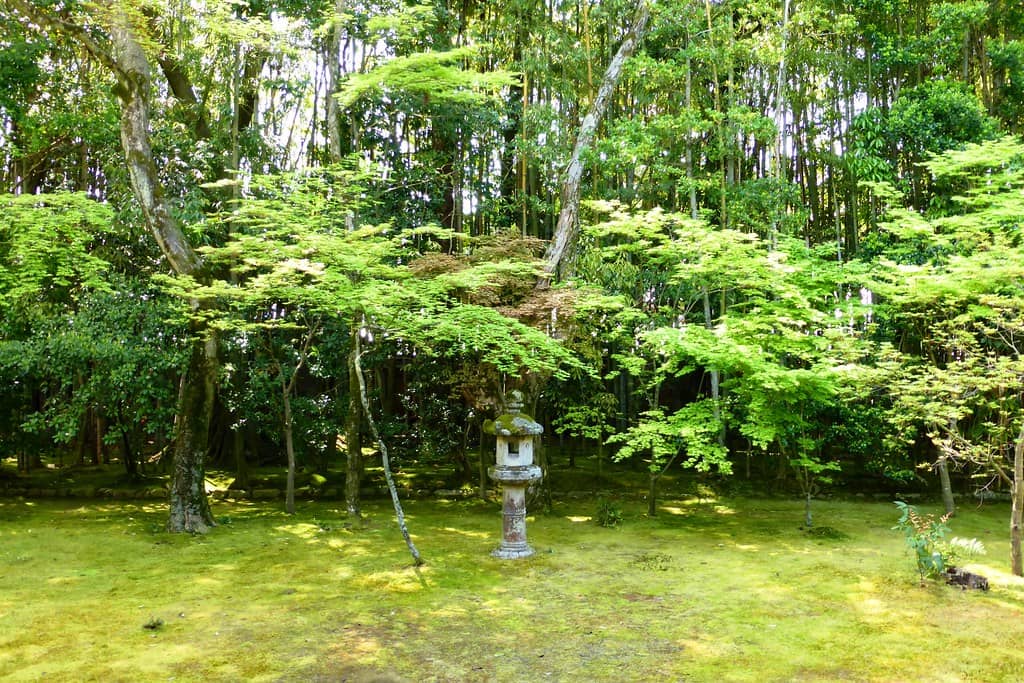
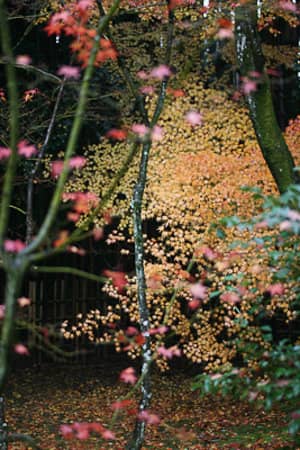
Autumn Maple Foliage
Koto-in Garden
Fiery maple leaves create a breathtaking contrast against lush green moss in the autumn.
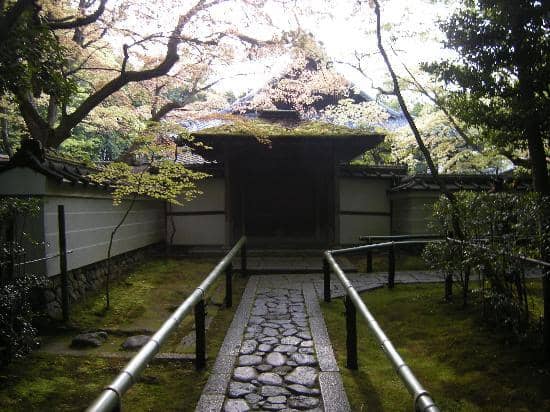
Zen Garden Serenity
Koto-in Garden
A masterful representation of Japanese landscaping with moss-covered stones and carefully pruned trees.
Plans like a pro.
Thinks like you
Planning Your Visit
Check Opening Status Before You Go
Explore the Wider Daitoku-ji Complex
Best Times
Insider Tips
from TikTok, Instagram & Reddit
🎯 Verify Opening Hours
Koto-in has experienced closures; confirm its status before visiting to avoid disappointment.
🚶 Explore Daitoku-ji
The larger Daitoku-ji complex offers many other beautiful sub-temples and gardens to discover.
🍁 Best for Autumn
The temple's maple leaves are particularly stunning during the fall season.
🤫 Seek Quiet
Visit early to experience the Zen garden's tranquility before crowds arrive.
Tips
from all over the internet
🎯 Verify Opening Hours
Koto-in has experienced closures; confirm its status before visiting to avoid disappointment.
🚶 Explore Daitoku-ji
The larger Daitoku-ji complex offers many other beautiful sub-temples and gardens to discover.
🍁 Best for Autumn
The temple's maple leaves are particularly stunning during the fall season.
🤫 Seek Quiet
Visit early to experience the Zen garden's tranquility before crowds arrive.
What Travellers Say
Reviews Summary
Koto-in is praised for its tranquil Zen elegance and beautiful garden, especially the bamboo-lined entrance and autumn foliage. However, its frequent closures to the public have led to disappointment for many visitors, making it essential to verify its accessibility before planning a trip.
"Sadly it was not open when we visited, which seems to be the norm. Please check before making a journey specifically. You can still access the entrance path and this is a beautiful example of its style, using bamboo railings along the path.
For now at least there are many other temples in the Daitoku-ji complex which you can visit, many with spectacular gardens and buildings."
Laurens Willis
"Koto-in has been closed to the public since 2018. Anyone writing a glowing review is recalling a visit before that time. (I myself visited in 2016.) Apparently, the temple is not willing to even suggest if it will ever open again or not. It is better to mark this as permanently closed, not "temporarily" closed."
Miss Laminatrix
"Kōtō-in Temple, one of the sub-temples within the sprawling Daitoku-ji complex in Kyoto, is an epitome of tranquillity and Zen elegance. Visiting the temple feels like stepping into a world of old-world charm, where time seems to pause momentarily. The pathway, flanked by towering bamboo groves, sets a serene prelude to what awaits within.
The temple garden is a masterful representation of Japanese landscaping, with moss-covered stones and carefully pruned trees framing views that feel like living paintings. Particularly in autumn, the fiery maple leaves create a breathtaking contrast against the lush green moss, offering a feast for the eyes and soul. While Kōtō-in might be lesser-known compared to Kyoto's headline attractions, it's this very quietude that makes it such a rewarding find. A visit here is a meditation in itself, revealing the profound beauty of simplicity."
Maxim Ross
What People Like
What People Dislike
Frequently Asked Questions
🚇 🗺️ Getting There
Koto-in is located within the Daitoku-ji temple complex in northern Kyoto. You can reach the Daitoku-ji area by bus (e.g., routes 1, 12, 59, 101, 102, 204, 205, 206) or by subway to Kitaoji Station, followed by a short bus ride or walk.
Yes, the Daitoku-ji complex, including Koto-in, is accessible by Kyoto's extensive bus network. From Kyoto Station, several bus lines can take you close to the temple.
Cycling is a popular way to explore Kyoto, and you can cycle to the Daitoku-ji complex. There are usually bicycle parking areas available.
While Daitoku-ji is a large complex, it's a bit of a walk from the nearest subway stations. Buses are generally a more direct option to get closer to the temple entrances.
While not strictly 'hidden,' exploring the smaller streets and paths within the Daitoku-ji complex can lead to a more secluded experience, especially if you're looking to avoid main thoroughfares.
🎫 🎫 Tickets & Entry
Historically, there has been a small admission fee, often around 500 yen, to enter Koto-in. However, it's crucial to check current information as the temple has experienced periods of closure.
Koto-in has had periods of closure to the public, with some reports indicating it has been closed since 2018. It is essential to verify its current opening status before visiting.
Official temple websites or local tourist information centers are the best sources for current opening hours. However, due to its intermittent closures, checking recent visitor reports or calling ahead might be necessary.
Online ticket purchasing is not typically available for Koto-in. Tickets are usually purchased on-site if the temple is open.
If Koto-in is closed, you can still explore the many other sub-temples within the Daitoku-ji complex, which offer equally beautiful gardens and historical insights. +1
📸 📸 Photography
Photography is generally allowed in the gardens and exterior areas of Koto-in, but it's always best to look for signage or ask temple staff if unsure.
The bamboo-lined entrance path and the garden, especially during autumn with the maple leaves, are highly photogenic.
Drone photography is typically prohibited at temples and religious sites in Japan to maintain peace and respect.
Early morning offers soft light and fewer crowds, ideal for capturing the serene atmosphere. Golden hour in the late afternoon can also provide beautiful lighting.
Be mindful of other visitors and avoid intrusive photography. Some areas within temples might have specific restrictions, so always be observant.
🎫 🌿 Onsite Experience
Koto-in is known for its tranquility and Zen elegance, offering a peaceful escape from the city bustle. It's a place for quiet contemplation. +1
If open, a visit to Koto-in itself might take 30-60 minutes. However, you can easily spend several hours exploring the wider Daitoku-ji complex.
Restroom facilities are usually available within the Daitoku-ji complex, though they might be basic.
Yes, the pathways and gardens are designed for peaceful strolls, offering a meditative experience.
Its intimate scale, the striking bamboo-lined entrance, and its historical connection as a family temple contribute to its unique charm, especially when it's open.
You may also like

Shosei-en Garden Kyoto

Katsura Imperial Villa Kyoto

Daisen-in Daitoku-ji Kyoto
Pontocho Alley Osaka

Kitano Tenmangu Shrine Kyoto

Kamishichiken District Kyoto
Shosei-en Garden Kyoto
Katsura Imperial Villa Kyoto
Daisen-in Daitoku-ji Kyoto
Pontocho Alley Osaka
Kitano Tenmangu Shrine Kyoto
Kamishichiken District Kyoto

Otagi Nenbutsu-ji Kyoto

Daitoku-ji Temple Complex Kyoto

Kibune–Kurama Hiking Trail Kyoto

Ryoan-ji Kyoto

Funaoka Castle Ruins & Kenkun Shrine Kyoto

Social
from TikTok, Instagram & Reddit