Nishijin Textile Center Kyoto
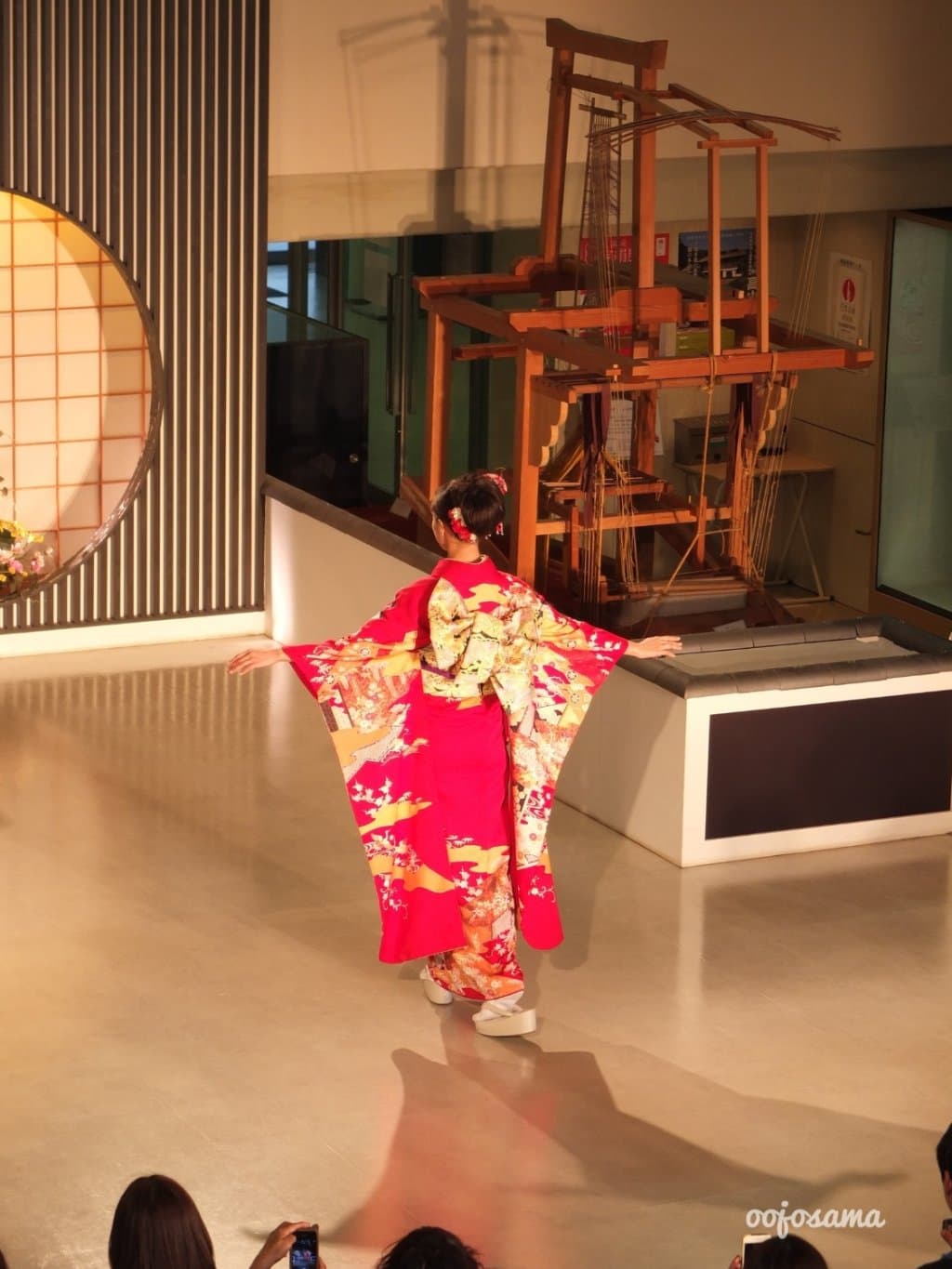
Discover Kyoto's ancient silk weaving tradition at the Nishijin Textile Center. Witness live demonstrations, enjoy kimono shows, and shop for exquisit...

Highlights
Must-see attractions

Social
From TikTok & Reddit
Best Time
Catch the vibrant kimono show!
Nishijin Textile Center Kyoto
Best Time
Catch the vibrant kimono show!
Highlights
Must-see attractions
Discover Kyoto's ancient silk weaving tradition at the Nishijin Textile Center. Witness live demonstrations, enjoy kimono shows, and shop for exquisite silk goods.
"A true gem for textile lovers, offering a glimpse into centuries of Japanese craftsmanship."
🎯 Check Kimono Show Times
Don't miss the spectacular kimono fashion shows! Check the daily schedule upon arrival for the best viewing experience.
🛍️ Souvenir Shopping
Find beautiful silk kimonos, obi, ties, and artwork. Great for unique gifts and personal keepsakes.
Quick Facts
Hours
Rating
3.8 · 1,660 reviews
Type
Shopping Mall
Highlights
Discover the most iconic attractions and experiences
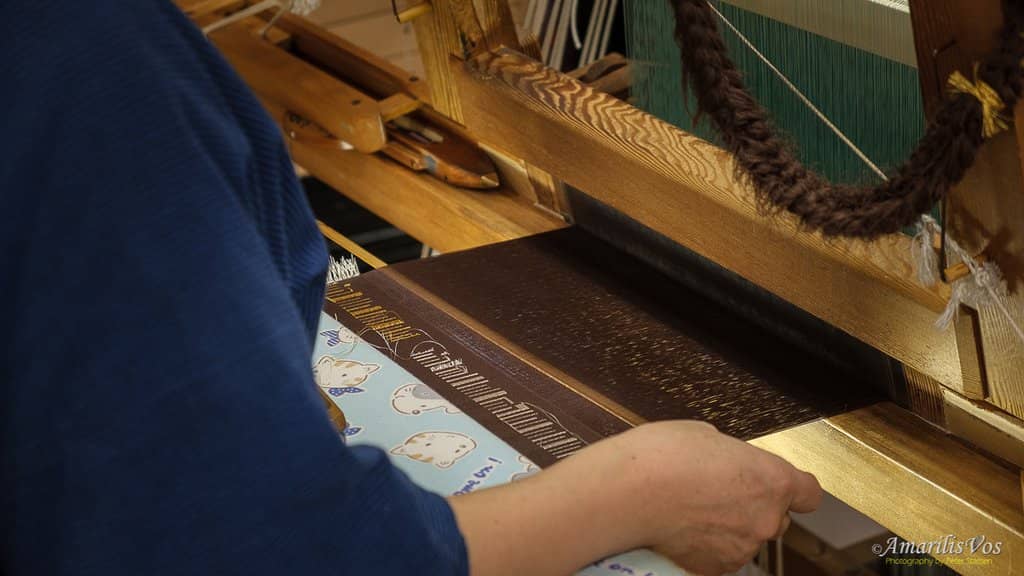
Live Weaving Demonstrations
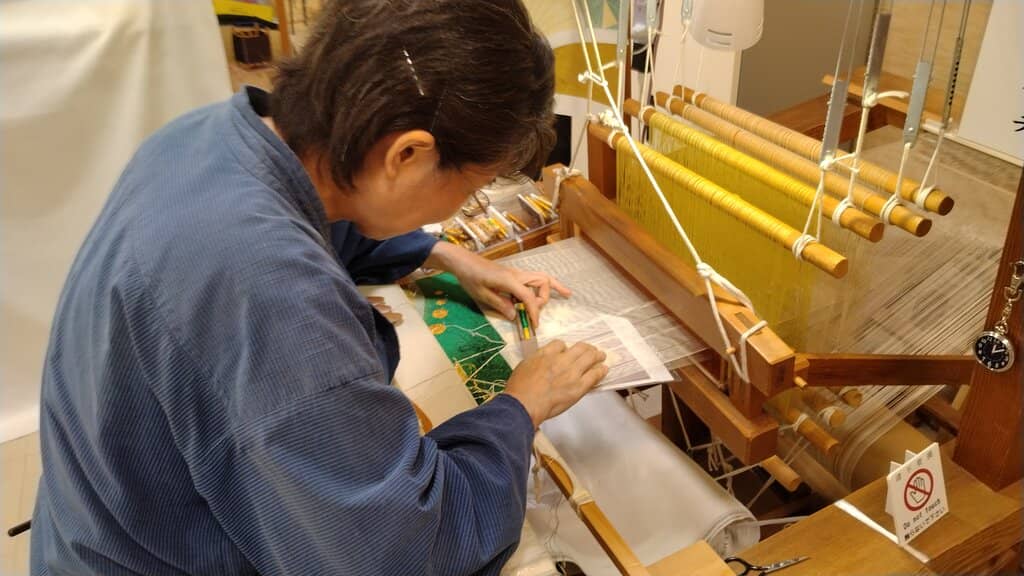
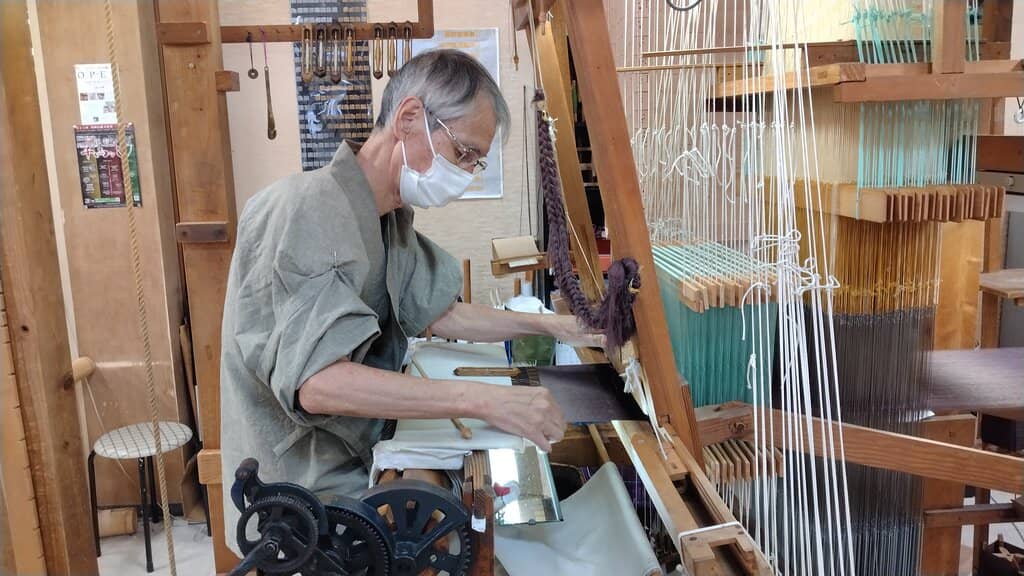
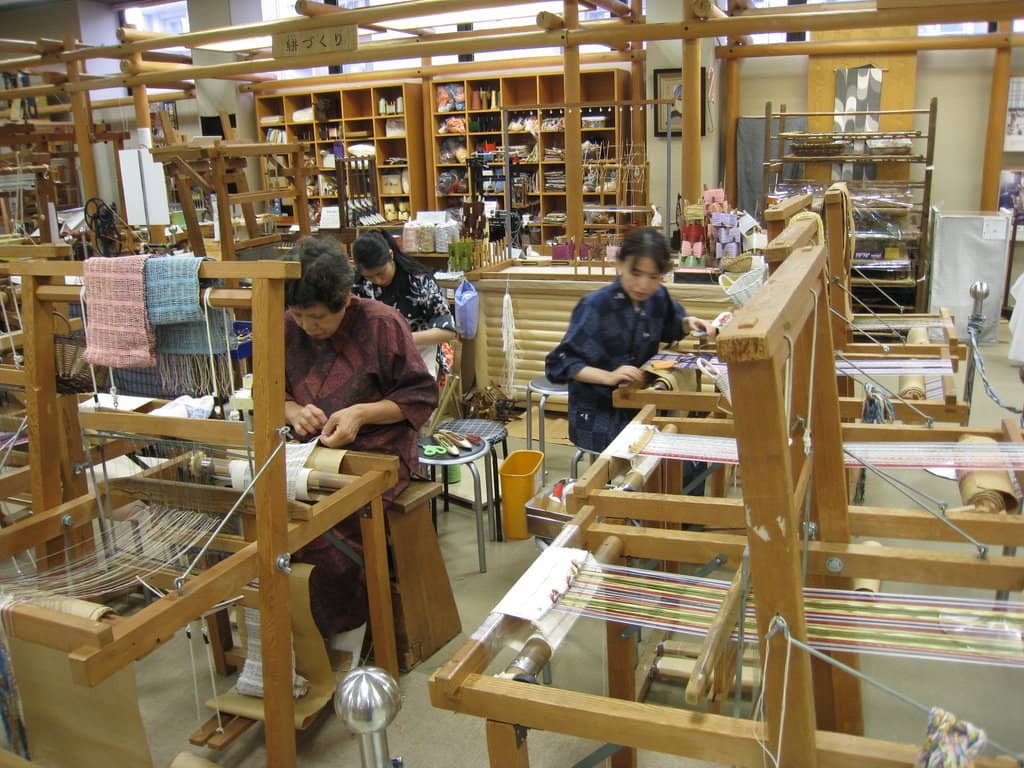
Witness skilled artisans at work, creating intricate Nishijin textiles right before your eyes. A true display of Japanese craftsmanship.
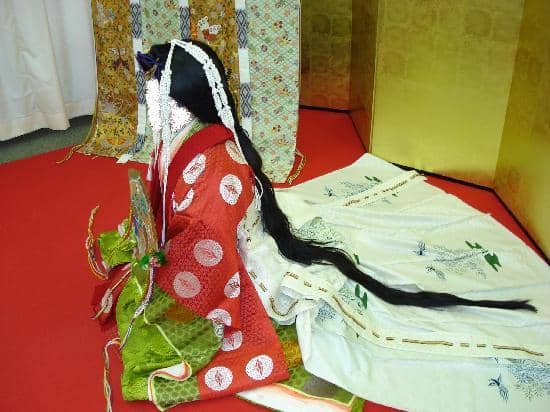
Kimono Fashion Show
Experience the elegance of traditional Japanese kimonos in a captivating runway show. A visual feast of color and design.
Textile Museum & Displays
Explore the history and evolution of Nishijin weaving through informative exhibits and videos. Learn about this ancient art form.

Marketplace Shopping
Browse a wide array of high-quality silk goods, including kimonos, obi, ties, bags, and artwork. Perfect for unique souvenirs.
Plans like a pro.
Thinks like you
Planning Your Visit
Embrace the Craftsmanship
Timing is Key for Shows
Best Times
Insider Tips
from TikTok, Instagram & Reddit
🎯 Check Kimono Show Times
Don't miss the spectacular kimono fashion shows! Check the daily schedule upon arrival for the best viewing experience.
🛍️ Souvenir Shopping
Find beautiful silk kimonos, obi, ties, and artwork. Great for unique gifts and personal keepsakes.

🧐 Learn About Weaving
Explore the museum exhibits and watch live demonstrations to understand the intricate Nishijin weaving process.
🚶♀️ Explore the District
The Nishijin district itself is historically significant for textiles. Wander around to soak in the atmosphere.
Tips
from all over the internet
🎯 Check Kimono Show Times
Don't miss the spectacular kimono fashion shows! Check the daily schedule upon arrival for the best viewing experience.
🛍️ Souvenir Shopping
Find beautiful silk kimonos, obi, ties, and artwork. Great for unique gifts and personal keepsakes.
🧐 Learn About Weaving
Explore the museum exhibits and watch live demonstrations to understand the intricate Nishijin weaving process.
🚶♀️ Explore the District
The Nishijin district itself is historically significant for textiles. Wander around to soak in the atmosphere.
💰 Free Entry!
Enjoy the demonstrations and museum exhibits without an admission fee. A great value for a cultural experience.
What Travellers Say
Reviews Summary
Visitors praise the Nishijin Textile Center for its free entry, live weaving demonstrations, and the captivating kimono fashion shows. The marketplace offers high-quality silk goods, making it a must-visit for textile enthusiasts. Some find it a bit touristy, but the educational value and artistry are widely appreciated.
"This is small center with a museum of silk weaving and a marketplace of high quality silk goods. I learned a lot from displays and videos. I shopped for tied, bags, hair pieces and scarves"
Tammy French
"This place was an absolute delight! I love textiles and to see the work being done onsite to make obis - wow. The obis and kimonos were stunning. The level of detail and workmanship. The building itself was also beautiful. It made my day.
They also sell obis, sample sections, and the paintings of the patterns. If you’re a textile geek like myself this is an absolute Must See!"
Shira Abel
"Dropped in after a very disappointing experience in the Raku Museum nearby and wow - free entry, live demonstrations of weaving and silk spinning, good explanations of the history of development of weaving in Japan, lots of staff on hand to demonstrate things, broad array of items in the shop.
No kimono show when we were visiting, but otherwise an ideal place to visit for an hour or so."
Jez
What People Like
What People Dislike
Frequently Asked Questions
🚇 🗺️ Getting There
The Nishijin Textile Center is accessible by bus from Kyoto Station. Take bus numbers 9, 12, 50, 51, or 101 and alight at the Horikawa Imadegawa stop. From there, it's a short walk. Taxis are also readily available.
While there might be some parking options nearby, it's generally recommended to use public transportation as parking can be limited and costly in central Kyoto.
Buses are a very convenient way to get around Kyoto, especially to areas like Nishijin. Consider purchasing a one-day bus pass for unlimited travel.
It depends on your starting point. It's a significant distance from areas like Gion or Fushimi Inari, so a bus or taxi is more practical.
Yes, several bus routes stop near the Nishijin Textile Center, including numbers 9, 12, 50, 51, and 101, with the Horikawa Imadegawa stop being the closest.
🎫 🎫 Tickets & Entry
No, entry to the Nishijin Textile Center is free! You can explore the museum, watch demonstrations, and browse the marketplace without purchasing a ticket.
The kimono fashion shows are typically included with your free entry to the center. It's best to check the daily schedule upon arrival to confirm show times.
The center is generally open daily from around 9:00 AM to 5:00 PM, but it's always a good idea to check their official website or call ahead for the most up-to-date hours, especially around holidays.
Absolutely! The marketplace is open during the center's operating hours, allowing you to shop for textiles and souvenirs at your leisure.
Demonstrations often run throughout the day, but the kimono fashion shows have specific scheduled times. Arriving earlier in the day might offer a less crowded experience for general browsing.
🎫 🛍️ Shopping & Souvenirs
You can find a wide variety of high-quality silk goods, including kimonos, obi (sashes), ties, scarves, bags, and traditional Japanese artwork.
Prices reflect the high quality and craftsmanship of Nishijin textiles. While some items can be an investment, you can also find more affordable options like ties and scarves.
Yes, the center is renowned for its authentic Nishijin woven kimonos. You can also find sample sections and fabric pieces.
While the focus is on finished goods, you might find sample sections or smaller fabric pieces suitable for crafts. For larger bolts, exploring specialized fabric shops in Kyoto might be necessary.
The center specializes in Nishijin weaving, so items featuring these traditional patterns and high-quality silk are unique to this region and its craftsmanship.
🎫 🎨 Crafts & Demonstrations
You can witness live demonstrations of traditional Nishijin weaving techniques, silk spinning, and sometimes other related textile crafts.
While primarily observational, the staff are often on hand to explain the process and answer questions, making it an engaging experience.
Demonstrations are ongoing throughout the day, allowing you to catch them at various times. The actual weaving process is continuous.
Yes, the center features displays and videos detailing the history and development of Nishijin weaving, a tradition over a thousand years old.
While direct participation in weaving might not be offered, the experience of watching the artisans and learning about the process is highly immersive.
📸 📸 Photography
Generally, photography is allowed for personal use in most areas, including the marketplace and demonstrations. However, always be respectful and check for any specific signage regarding photography, especially during shows.
Yes, the vibrant kimonos, intricate textiles, and the skilled artisans at work provide excellent photo opportunities. The fashion shows are particularly photogenic.
Photography is usually permitted during the fashion shows, but it's best to use your phone or a small camera and avoid flash to not disturb the performers or other guests.
The areas with live weaving demonstrations, the marketplace with colorful textiles, and the stage during the kimono fashion show offer the most visually appealing shots.
Drone photography is highly unlikely to be permitted inside any indoor venue like the Nishijin Textile Center due to safety and privacy concerns.
You may also like

Murin-an Garden Kyoto

Jonangu Shrine Kyoto

Kyoto Imperial Palace

Nijo Castle Kyoto

Okochi Sanso Villa Kyoto

Kitano Tenmangu Shrine Kyoto
Murin-an Garden Kyoto
Jonangu Shrine Kyoto
Kyoto Imperial Palace
Nijo Castle Kyoto
Okochi Sanso Villa Kyoto
Kitano Tenmangu Shrine Kyoto

Daitoku-ji Temple Complex Kyoto

Fushimi Jikkokubune Boat Ride Kyoto

Yasaka Shrine Kyoto

Funaoka Castle Ruins & Kenkun Shrine Kyoto

Kyoto National Museum Kyoto

Social
from TikTok, Instagram & Reddit