Aoishidatami-dori Mihonoseki
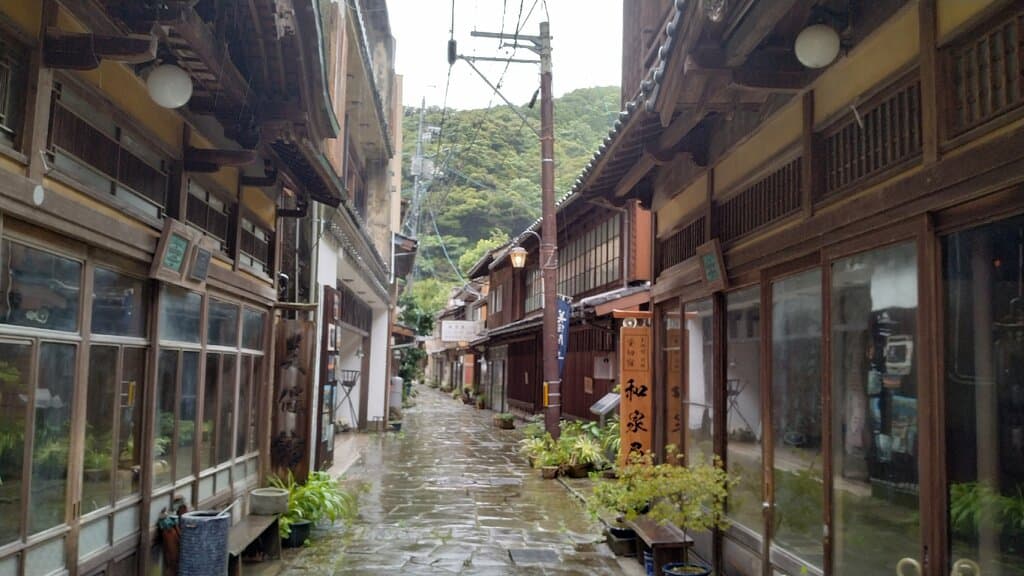
A historic Edo-period street paved with unique blue stones, leading to Miho Shrine, offering a glimpse into a prosperous port town's past.
Highlights
Must-see attractions

Social
From TikTok & Reddit
Best Time
Cobblestones shine, fewer crowds
Aoishidatami-dori Mihonoseki
Best Time
Cobblestones shine, fewer crowds
Highlights
Must-see attractions
A historic Edo-period street paved with unique blue stones, leading to Miho Shrine, offering a glimpse into a prosperous port town's past.
"The blue stone pavement glistens after rain, creating a magical, nostalgic atmosphere of a bygone era."
👟 Wear Comfortable Shoes
The stone pavement can be uneven. Sturdy, comfortable footwear is essential for exploring this historic street.
☔ Check Weather Forecast
The blue stones truly shine when wet, offering a unique visual experience after rain.
Quick Facts
Hours
Rating
4.2 · 220 reviews
Type
Historical Landmark
Highlights
Discover the most iconic attractions and experiences
The Blue Stone Pavement
Aoishidatami-dori Street
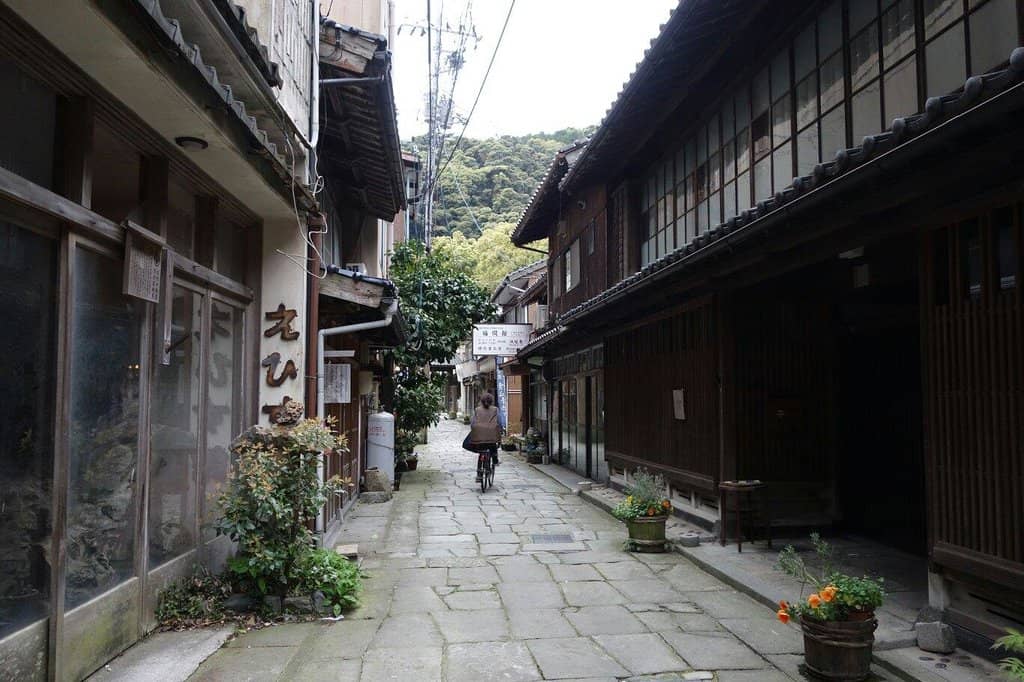
A 250-meter stretch of natural blue cobblestones, glistening especially after rain, evoking the Edo period.
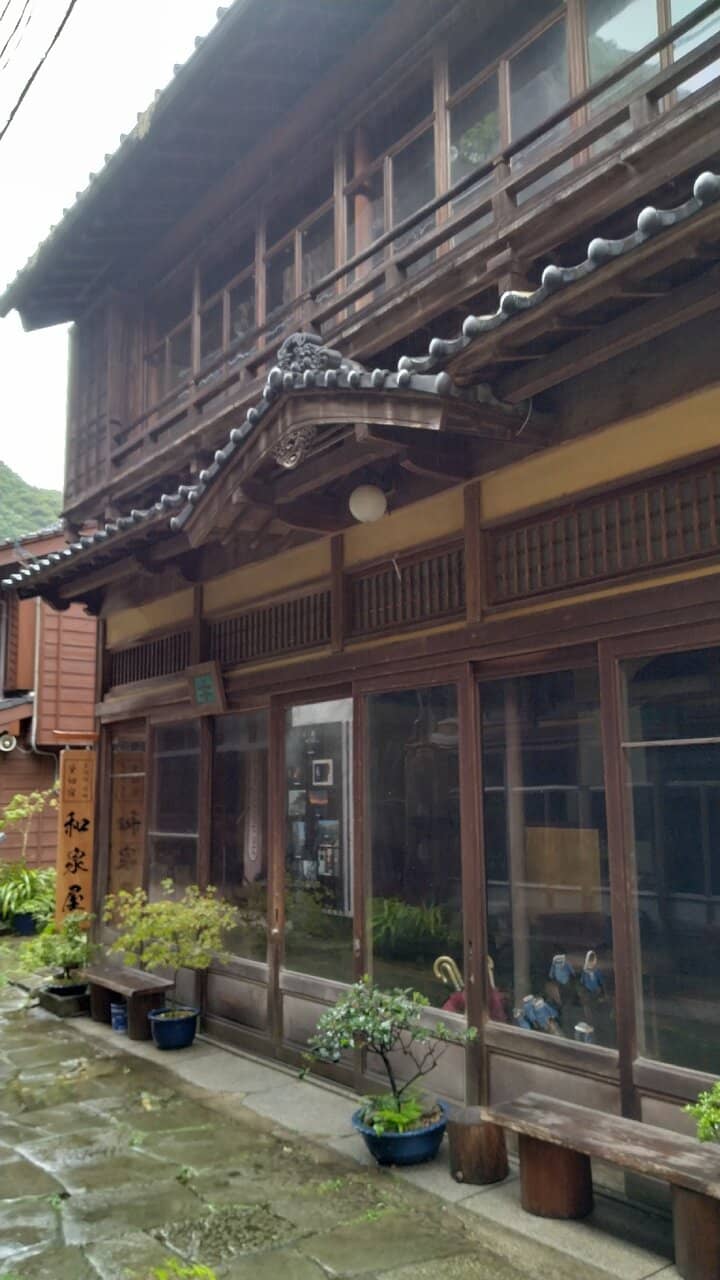
Historic Wooden Buildings
Both sides of Aoishidatami-dori
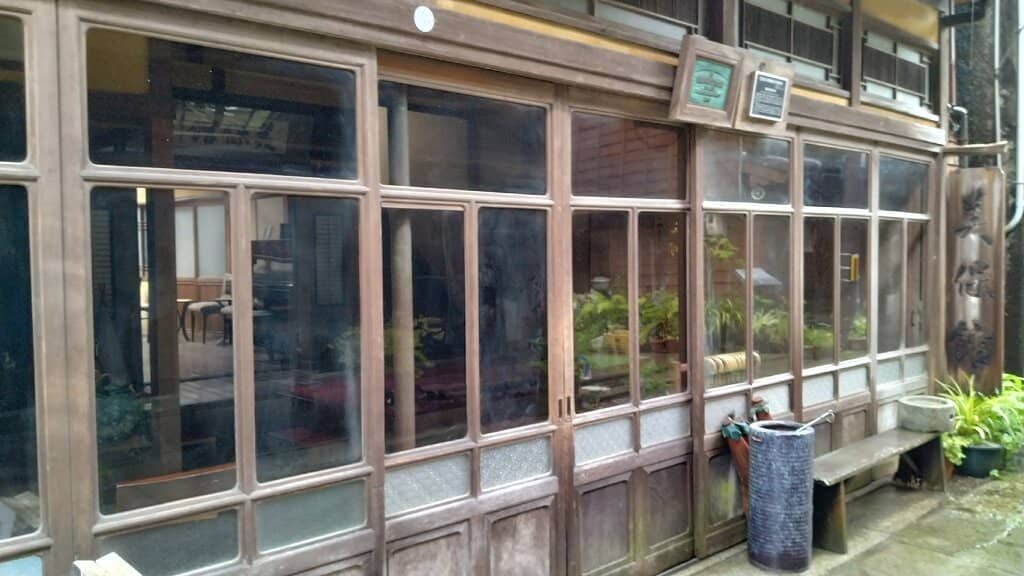
Charming old inns and traditional wooden houses line the street, preserving the retro atmosphere of a former port town.
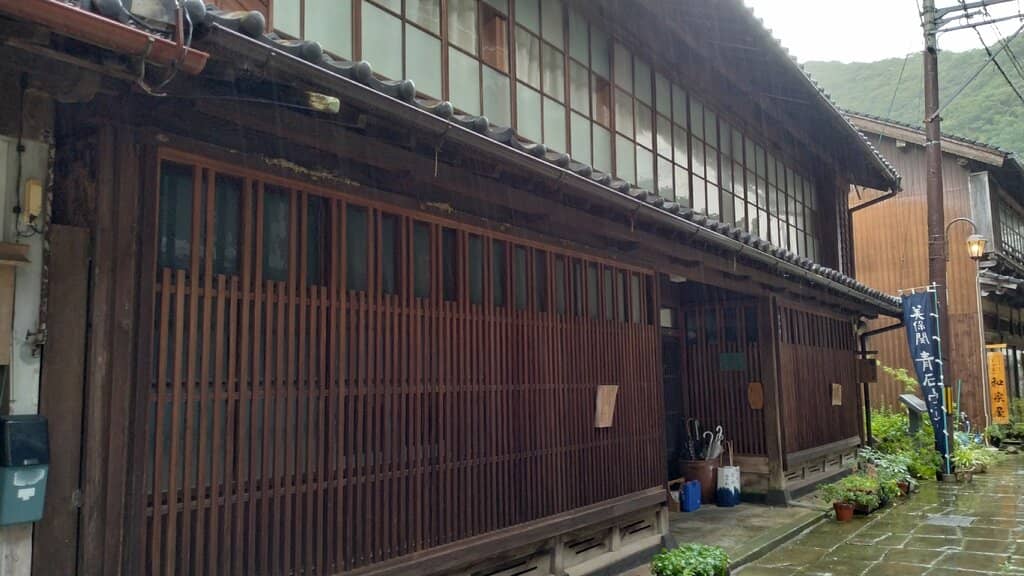
Proximity to Miho Shrine
Adjacent to Aoishidatami-dori
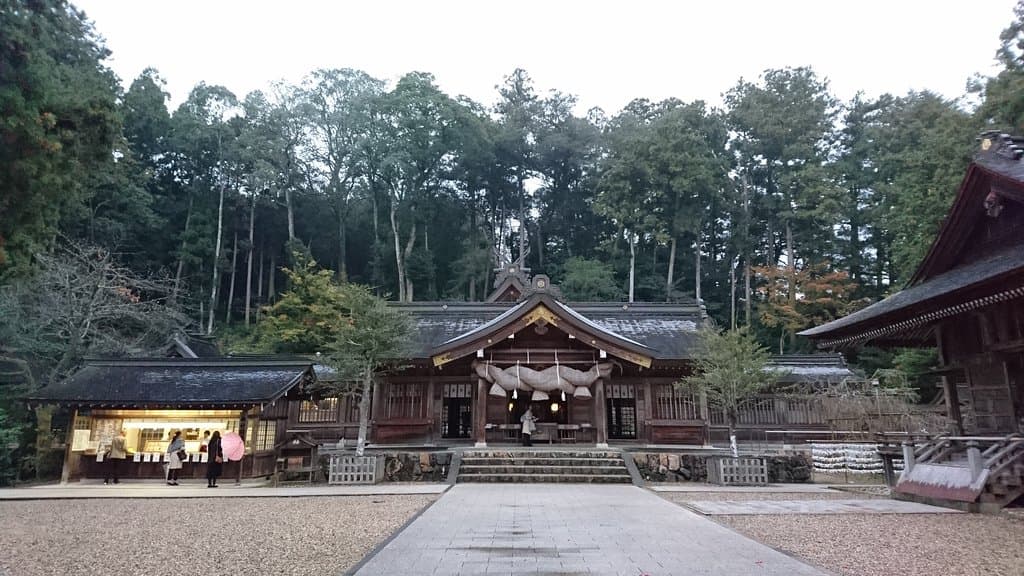
This atmospheric street leads to the beloved Miho Shrine, a place frequented by literary and historical figures.
Plans like a pro.
Thinks like you
Planning Your Visit
Embrace the Atmosphere
Best Footwear for Cobblestones
Best Times
Insider Tips
from TikTok, Instagram & Reddit
👟 Wear Comfortable Shoes
The stone pavement can be uneven. Sturdy, comfortable footwear is essential for exploring this historic street.
☔ Check Weather Forecast
The blue stones truly shine when wet, offering a unique visual experience after rain.
🕰️ Verify Opening Hours
Some shops and establishments may have limited hours, especially on weekdays. Check in advance if you plan to visit specific places.
🚶♀️ Explore Beyond the Street
The surrounding area is rich with old townscapes and cultural relics, including Miho Shrine.
Tips
from all over the internet
👟 Wear Comfortable Shoes
The stone pavement can be uneven. Sturdy, comfortable footwear is essential for exploring this historic street.
☔ Check Weather Forecast
The blue stones truly shine when wet, offering a unique visual experience after rain.
🕰️ Verify Opening Hours
Some shops and establishments may have limited hours, especially on weekdays. Check in advance if you plan to visit specific places.
🚶♀️ Explore Beyond the Street
The surrounding area is rich with old townscapes and cultural relics, including Miho Shrine.
📸 Capture the Retro Vibe
The historic wooden buildings and stone street offer fantastic photo opportunities.
What Travellers Say
Reviews Summary
Visitors praise Aoishidatami-dori for its beautiful, historic blue stone pavement and the charming retro atmosphere created by the surrounding old wooden buildings. It's seen as a peaceful, atmospheric walk, especially when wet, and a lovely approach to Miho Shrine. However, some travelers have noted that many establishments can be closed, particularly on weekdays, leading to a less vibrant experience than anticipated.
"This historic approach to the shrine, about 500 meters long, was laid out in the Edo period and is a reminder of the port town that flourished as a port of call for the trading ships of Kitamae-bune. The path, paved with natural stone, glistens blue in the rain, and the surrounding area is dotted with old townscapes and cultural relics. It is a tourist destination full of history and culture, with monuments to literary figures and other such features."
T. GeBrim
"I realize it's my fault for coming on a rainy weekday, but EVERYTHING was closed."
Nikolai Konovalenko
"The narrow stone-paved alley near Miho Shrine has a lovely atmosphere, but surprisingly, many people don't seem to notice it. The old wooden houses lining both sides of the stone pavement also add to the atmosphere."
6no1 hai
What People Like
What People Dislike
Frequently Asked Questions
🚇 🗺️ Getting There
The easiest way to reach Aoishidatami-dori is by taking the Mihonoseki Community Bus. The street is just a 1-minute walk from the Mihonoseki Community Bus stop. This makes it quite accessible for visitors using public transport.
While specific parking details aren't widely shared, it's common for historic port towns to have limited parking. The community bus is a reliable option if you're concerned about parking availability.
Yes, the street is located in front of Miho Shrine, making it a natural part of exploring the shrine area. The walk is short and pleasant.
The street is a well-known approach to Miho Shrine. Look for the distinctive blue stone pavement leading towards the shrine; it's hard to miss once you're in the vicinity.
For exploring Mihonoseki and reaching Aoishidatami-dori, the Mihonoseki Community Bus is a convenient and recommended option. It connects key points within the town.
🎫 🎫 Tickets & Entry
No, Aoishidatami-dori is a public street and there is no entrance fee. You can stroll along the historic pavement and admire the surroundings free of charge.
As a public street, Aoishidatami-dori is accessible at all times. However, individual shops and establishments along the street may have their own operating hours, which can vary.
Reservations are not required to visit Aoishidatami-dori. It's a place you can visit spontaneously as part of your exploration of Mihonoseki.
While specific guided tours for just the street might be rare, local tourist information centers or guides for the wider Mihonoseki area may offer insights into its history.
Visiting on a weekday morning, especially outside of peak tourist seasons, is generally recommended to experience the street with fewer people.
📸 📸 Photography
The entire length of the blue stone pavement is photogenic, especially when wet. Capture the historic wooden buildings lining the street and the approach to Miho Shrine for classic shots.
Absolutely. The retro atmosphere, traditional architecture, and unique cobblestones provide a rich backdrop for street photography, capturing the essence of old Japan.
Early morning light can be beautiful for capturing the street's atmosphere without many people. After rain, the blue stones have a unique sheen that's perfect for photography.
Photography policies vary for individual establishments. It's best to ask permission before taking photos inside private businesses or inns.
Drone usage is generally restricted in populated areas and near cultural sites. It's advisable to check local regulations before flying a drone.
🎫 🚶♀️ Onsite Experience
Stroll along the historic blue stone pavement, admire the traditional wooden architecture, and soak in the nostalgic atmosphere of this former port town. It's a perfect spot for a leisurely walk.
Yes, the street is lined with historic wooden buildings, some of which are still operating as inns or shops. However, as noted by visitors, some may have limited hours.
The stone pavement can be uneven, which might pose challenges for strollers or wheelchairs. Visitors recommend wearing sturdy shoes for comfort and safety.
This street was laid out in the Edo period and served as a key approach to Miho Shrine. It's a reminder of Mihonoseki's past as a flourishing port town for Kitamae-bune trading ships.
The historic stone-paved path is approximately 250 meters long, making it a pleasant and manageable walk.


Social
from TikTok, Instagram & Reddit