Boso Flower Line Chiba
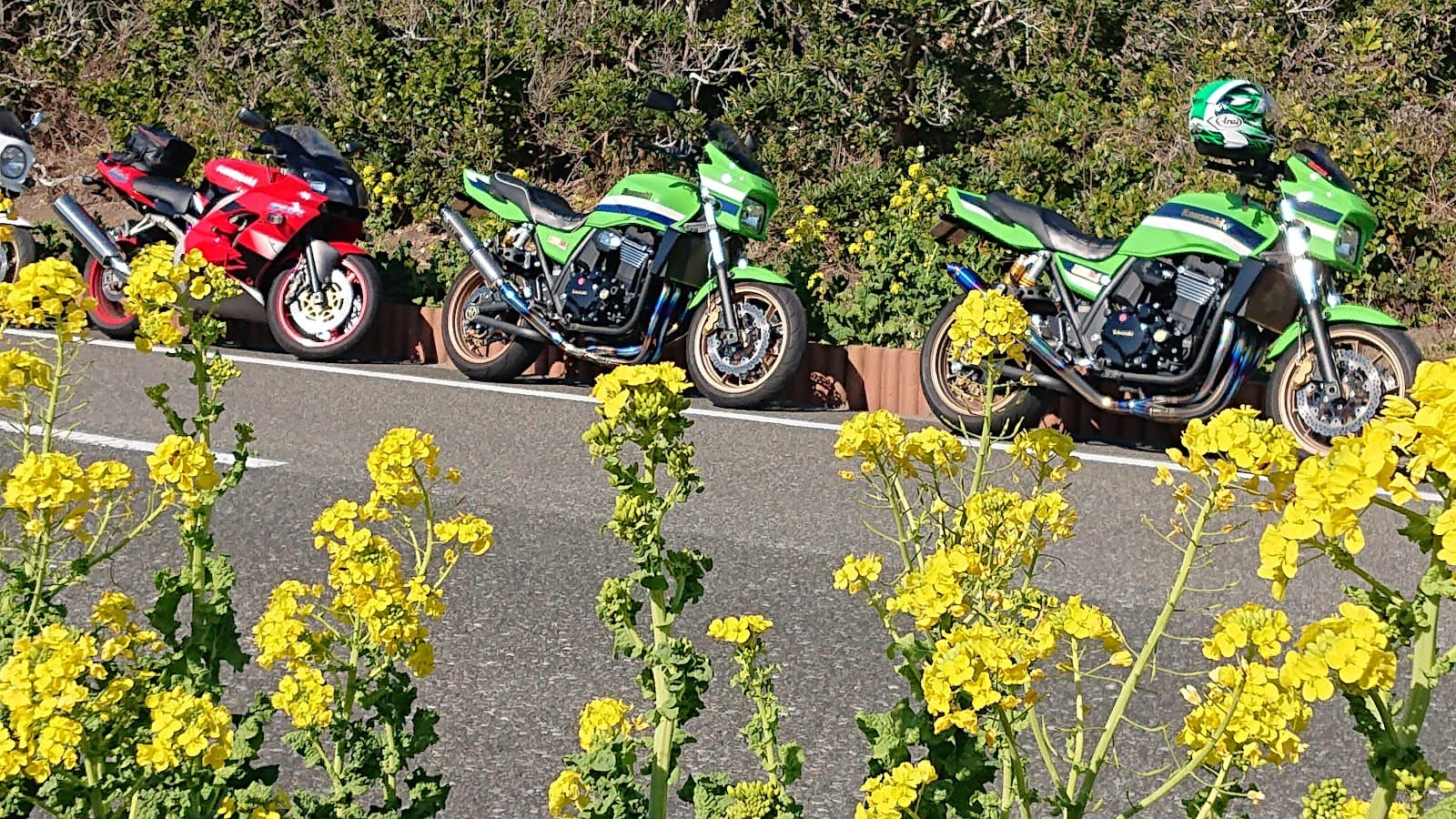
A scenic route on the Boso Peninsula, famous for its stunning seasonal flower fields, offering vibrant colors and coastal views.
Highlights
Must-see attractions

Social
From TikTok & Reddit
Best Time
Vibrant tulips & nemophila bloom
Boso Flower Line Chiba
Best Time
Vibrant tulips & nemophila bloom
Highlights
Must-see attractions
A scenic route on the Boso Peninsula, famous for its stunning seasonal flower fields, offering vibrant colors and coastal views.

🚗 Rent a Car for Freedom
Driving offers the best way to explore the dispersed flower fields. Book in advance during peak seasons! 🚗
🌸 Check Bloom Reports
Flower bloom times vary. Check local tourism sites for the latest updates before your visit. 📅

Quick Facts
Highlights
Discover the most iconic attractions and experiences
Nemophila Fields
Various locations along the line
Vast carpets of vibrant blue nemophila create a breathtaking, otherworldly landscape. A must-see for photographers!

Kochia Hills
Various locations along the line
These fluffy, spherical plants turn a stunning crimson in autumn, creating a unique and colorful spectacle.
Seasonal Flower Festivals
Various towns and parks
Experience local culture with vibrant festivals celebrating the blooming flowers, often featuring food and crafts.
Plans like a pro.
Thinks like you
Planning Your Visit
Timing is Everything
Getting Around
Best Times
Insider Tips
from TikTok, Instagram & Reddit
🚗 Rent a Car for Freedom
Driving offers the best way to explore the dispersed flower fields. Book in advance during peak seasons! 🚗
🌸 Check Bloom Reports
Flower bloom times vary. Check local tourism sites for the latest updates before your visit. 📅
📸 Golden Hour is Magic
Visit during sunrise or sunset for the most stunning light and fewer people. :camerawithflash:
👟 Wear Comfortable Shoes
You'll be walking through fields and potentially uneven terrain. :athletic_shoe:
Tips
from all over the internet
🚗 Rent a Car for Freedom
Driving offers the best way to explore the dispersed flower fields. Book in advance during peak seasons! 🚗
🌸 Check Bloom Reports
Flower bloom times vary. Check local tourism sites for the latest updates before your visit. 📅
📸 Golden Hour is Magic
Visit during sunrise or sunset for the most stunning light and fewer people. :camerawithflash:
👟 Wear Comfortable Shoes
You'll be walking through fields and potentially uneven terrain. :athletic_shoe:
What Travellers Say
Reviews Summary
Visitors rave about the stunning, vibrant floral displays that transform the Boso Peninsula into a colorful paradise, especially during spring and autumn. The scenic drives and opportunities for photography are major highlights. However, some find navigating between dispersed locations challenging without a car, and crowds can be significant during peak bloom periods.
What People Like
What People Dislike
Frequently Asked Questions
🚇 🗺️ Getting There
The most convenient way is by car, taking about 1.5-2 hours from Tokyo. Alternatively, you can take a train to Kisarazu or Tateyama Station and then use local buses or taxis to access different flower viewing spots. Some visitors opt for organized bus tours from Tokyo for a hassle-free experience.
While possible, public transport can be challenging due to the dispersed nature of the flower fields. Buses run along the main routes, but schedules might be infrequent, especially outside peak seasons. Renting a car or joining a tour is generally recommended for easier access.
Car rental agencies are available at major train stations like Kisarazu and Tateyama, as well as at Haneda and Narita airports. It's advisable to book your rental car in advance, especially if you plan to visit during popular flower seasons.
The Boso Flower Line stretches along the southern coast of the Boso Peninsula. Key towns and areas to access different flower viewing spots include Kisarazu, Sodegaura, Kimitsu, Futtsu, and Tateyama. Each area offers unique floral displays.
Yes, most popular flower viewing spots have dedicated parking areas. However, these can fill up quickly during weekends and holidays. Arriving early is recommended to secure a parking spot.
🎫 🎫 Tickets & Entry
The Boso Flower Line itself is a scenic route, and driving along it is free. However, individual flower parks or specific viewing areas may charge an admission fee. It's best to check the specific locations you plan to visit for their entry requirements.
Admission fees vary depending on the park and the season. Generally, expect to pay anywhere from ¥300 to ¥1,000 per person for entry into dedicated flower gardens or parks. Some areas might offer free viewing.
While there isn't a single pass for the entire Boso Flower Line, some local tourism associations might offer regional passes or discounts for multiple attractions. Keep an eye out for local event promotions.
Most flower parks have specific operating hours, typically from morning to late afternoon. It's crucial to check the opening and closing times for each location you intend to visit, as these can vary seasonally.
While spring and autumn are peak seasons, different flowers bloom throughout the year. For instance, some areas might have early spring flowers or late autumn blooms. Checking a detailed seasonal flower calendar for Chiba is recommended.
📸 📸 Photography
Anywhere with vast fields of colorful flowers! The nemophila fields in spring and the kochia hills in autumn are particularly photogenic. Look for spots with scenic coastal backdrops for added beauty. Many visitors capture stunning shots from elevated viewpoints.
The 'golden hours' – shortly after sunrise and before sunset – offer the most beautiful, soft light for photography. Midday sun can be harsh and create strong shadows. Weekday mornings are also ideal for fewer crowds and clearer shots.
Drone usage is often restricted in public parks and natural areas to ensure the safety and enjoyment of all visitors. Always check local regulations and obtain necessary permissions before flying a drone.
A wide-angle lens is great for capturing expansive flower fields. A telephoto lens can be useful for isolating details or capturing distant coastal views. Don't forget a polarizing filter to enhance colors and reduce glare.
Be mindful of other visitors and avoid stepping on flowers or entering restricted areas. Respect the natural environment and practice responsible photography. Patience is key to getting that perfect shot without photobombers.
🍽️ 🍽️ Food & Dining
Chiba is known for its fresh seafood, especially oysters and sashimi. Look for local restaurants serving 'kaisen-don' (seafood rice bowls) or grilled oysters. Sweet potatoes and local fruits are also popular treats.
Yes, you'll find a variety of dining options ranging from casual cafes and roadside rest stops to more formal seafood restaurants, particularly in coastal towns like Tateyama. Many offer scenic views.
Some parks may have designated picnic areas. However, it's important to check the rules of each specific location. Always clean up after yourself and dispose of trash properly to preserve the beauty of the area.
Options might be limited in smaller towns, but larger restaurants or those catering to tourists may offer vegetarian dishes. It's often best to inquire directly with the restaurant about their offerings.
Tateyama offers numerous seafood restaurants near the port and along the coast. Look for places specializing in fresh catch of the day, sushi, or local delicacies like 'chirashi-zushi'. Many offer ocean views.
Social
from TikTok, Instagram & Reddit