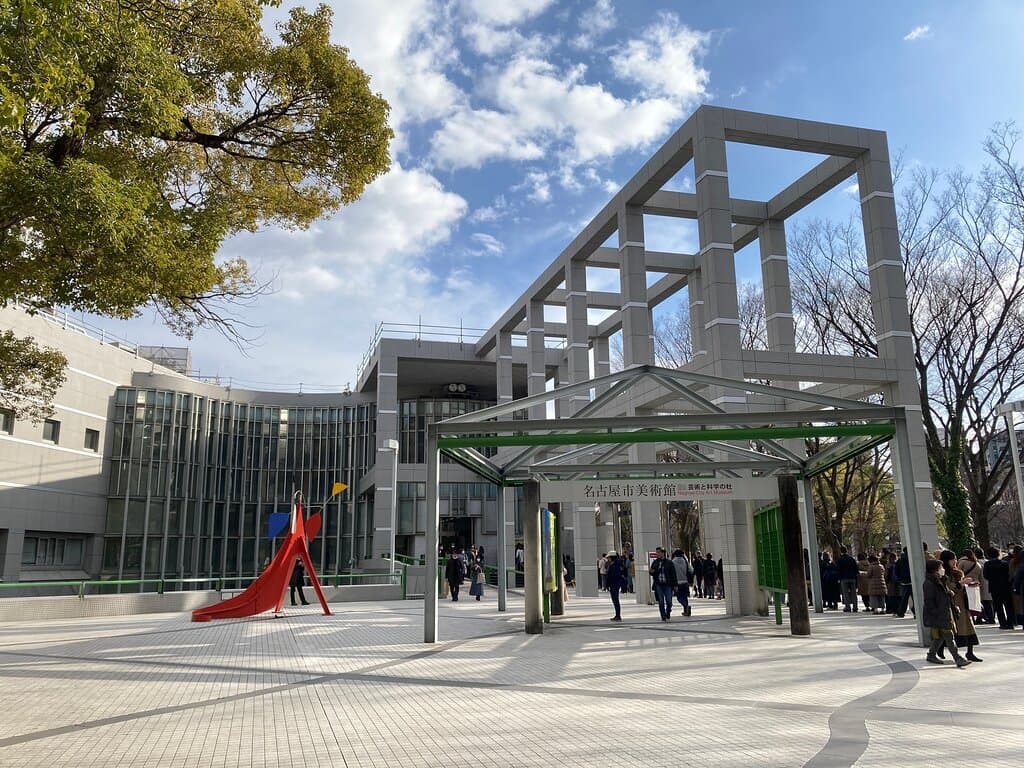
Nagoya City Museum
Explore the cosmos in the world's largest planetarium and marvel at modernist architecture and diverse art collections.
Highlights
Must-see attractions

Social
From TikTok & Reddit
Best Time
Fewer crowds, easier planetarium booking
Nagoya City Museum
Best Time
Fewer crowds, easier planetarium booking
Highlights
Must-see attractions
Explore the cosmos in the world's largest planetarium and marvel at modernist architecture and diverse art collections.
"A must-visit for its world's largest planetarium and impressive art collections!"
🎯 Book Planetarium ASAP
Head straight to the planetarium ticket counter upon arrival to secure your spot for shows.
👟 Wear Comfy Shoes
You'll be doing a lot of walking and standing to explore the vast exhibits.
Quick Facts
Rating
4.1 · 2,892 reviews
Type
Art museum
Website
art-museum.city.nagoya.jpHighlights
Discover the most iconic attractions and experiences
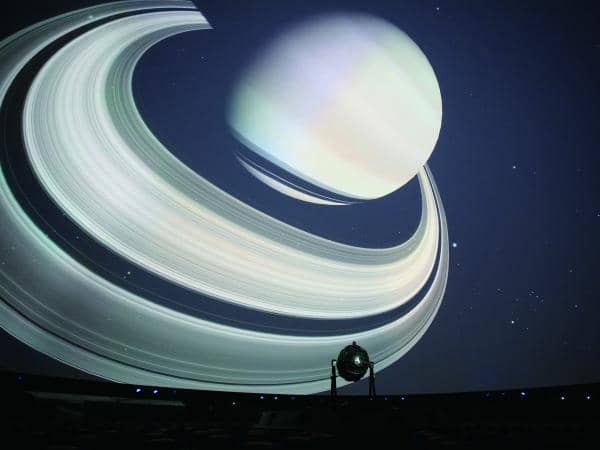
World's Largest Planetarium
Planetarium Dome
Experience the cosmos in the world's largest planetarium dome for an awe-inspiring celestial show.
 +1
+1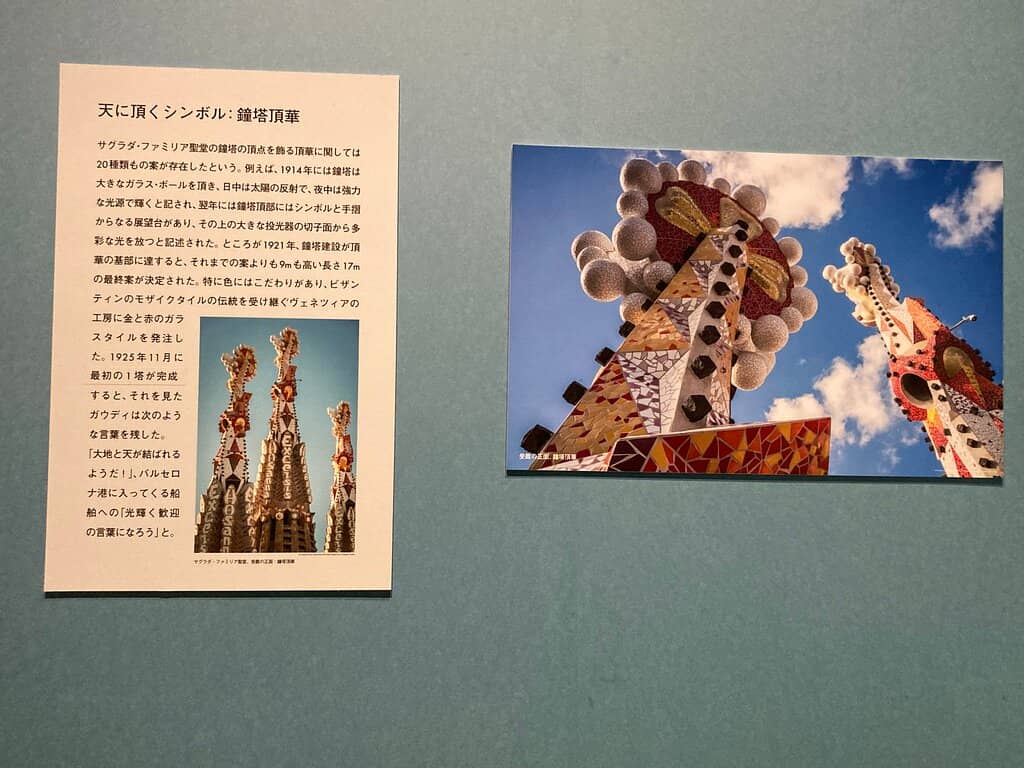
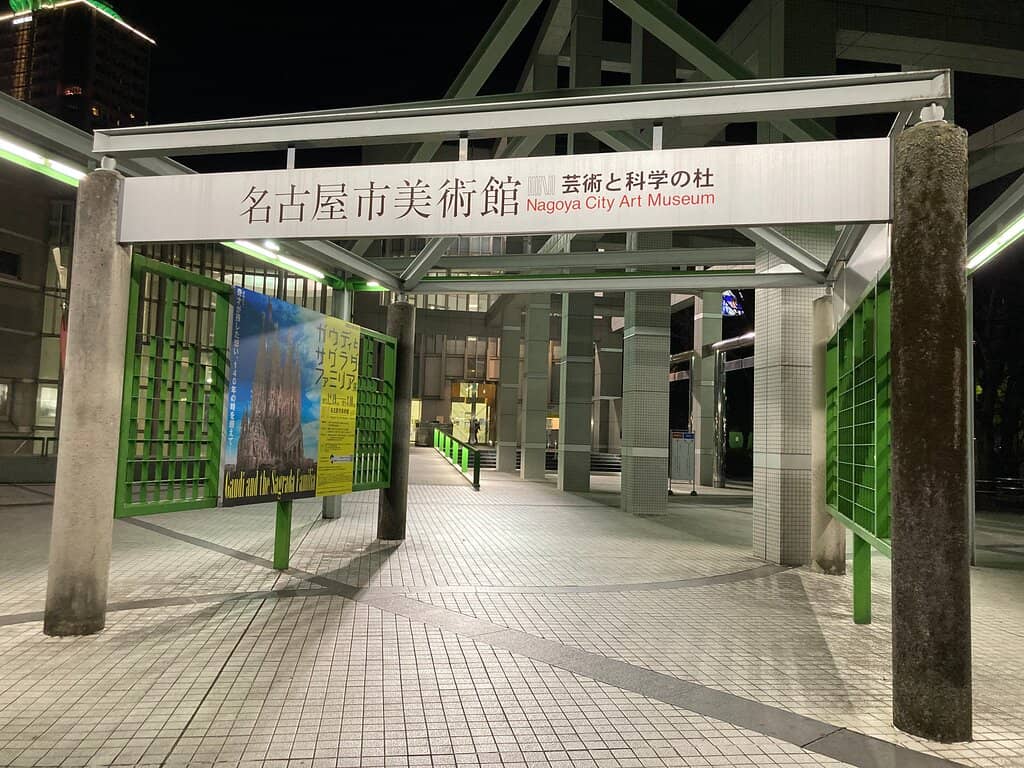
Modernist Architecture
Exterior and Interior
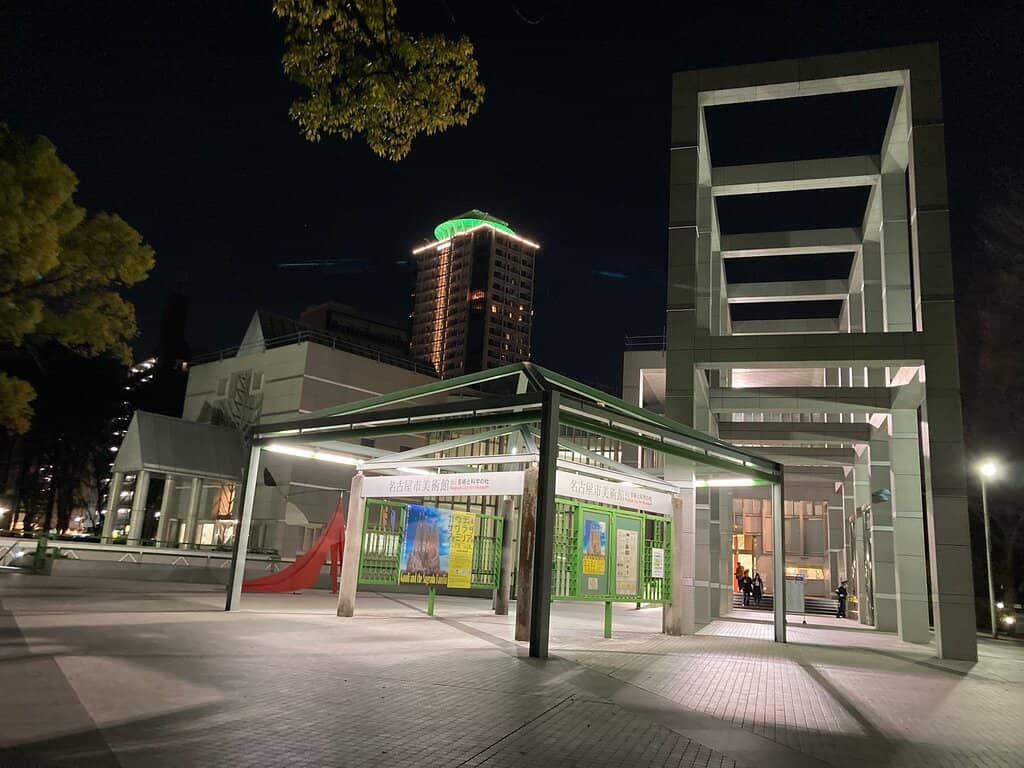
Admire the striking modernist architecture of the building, a notable work by Kisho Kurokawa.
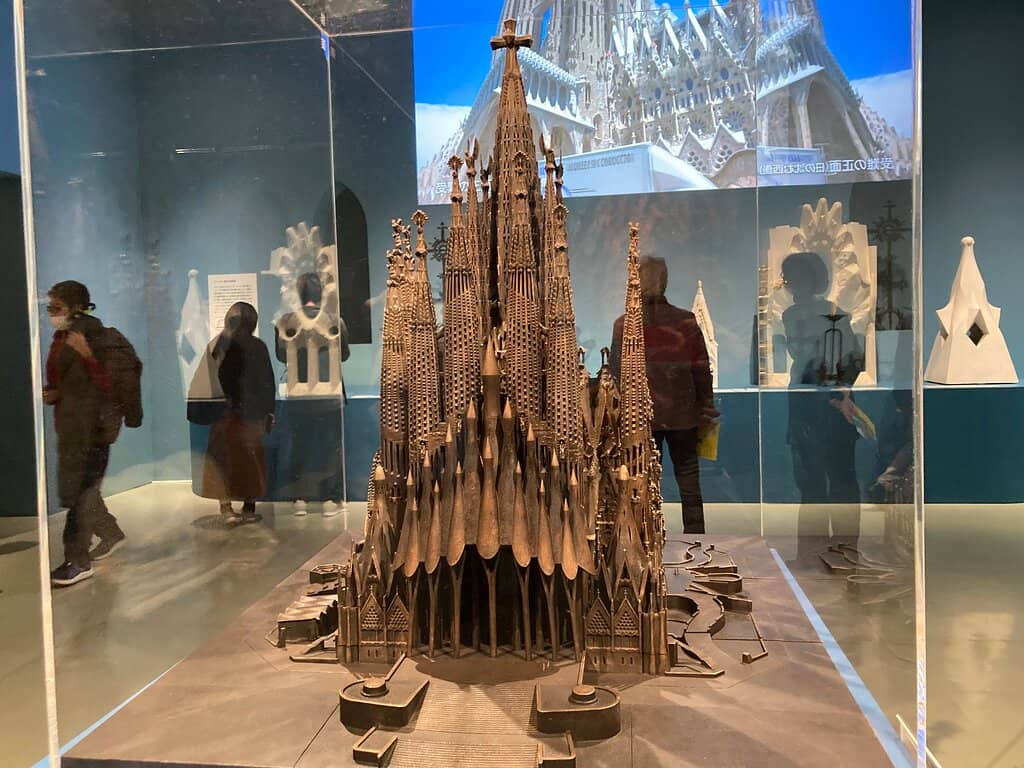
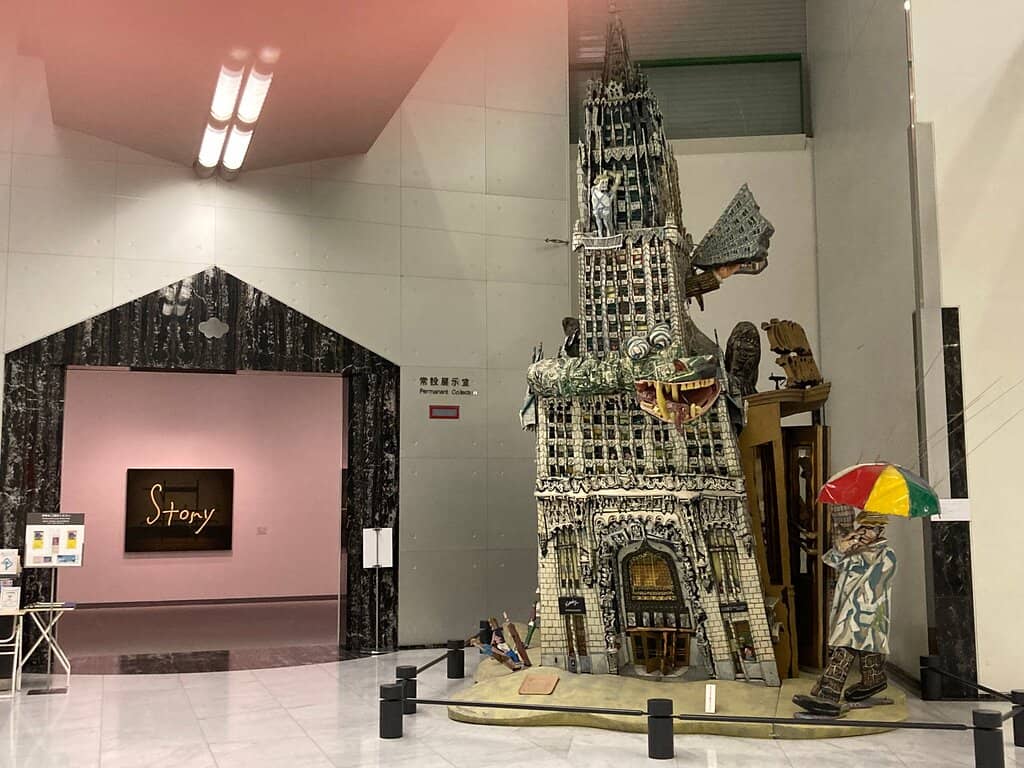
Diverse Art Collections
Art Galleries
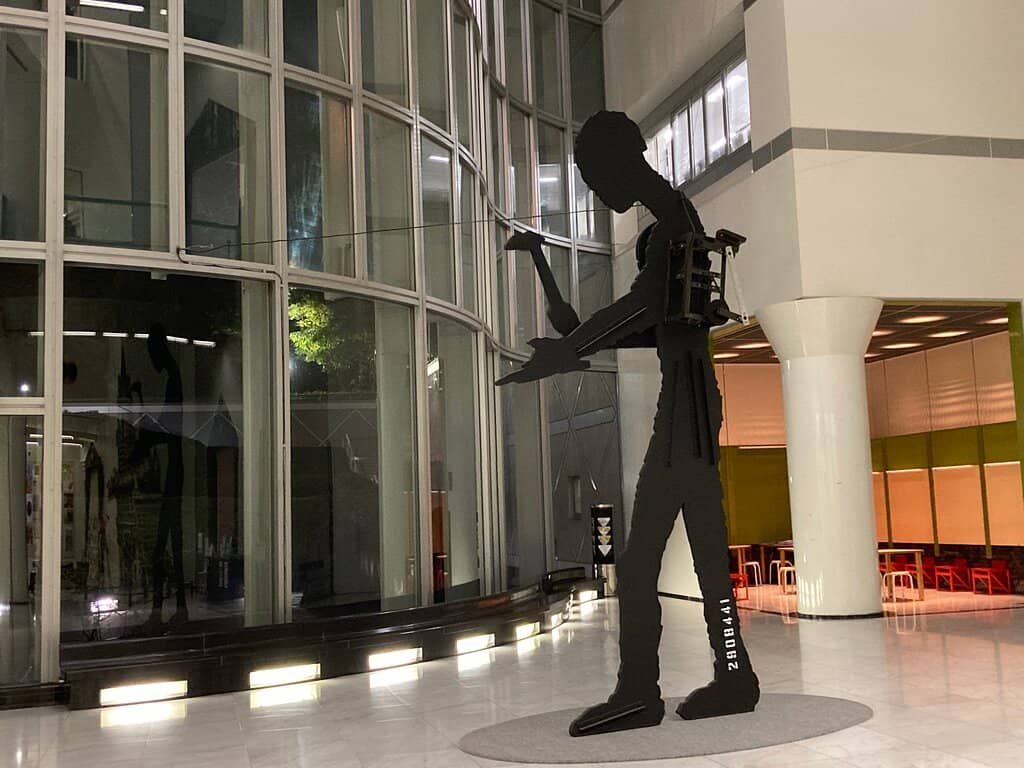
Explore a range of art, from famous masters in the permanent collection to captivating temporary exhibitions.
Interactive Science Exhibits
Science Exhibition Halls
Engage with hands-on displays covering technology, life sciences, and general science for all ages.
+1Plans like a pro.
Thinks like you
Planning Your Visit
Book Planetarium Shows Early
+1Art Exhibits & Entry Fees
Best Times
Insider Tips
from TikTok, Instagram & Reddit
🎯 Book Planetarium ASAP
Head straight to the planetarium ticket counter upon arrival to secure your spot for shows.
👟 Wear Comfy Shoes
You'll be doing a lot of walking and standing to explore the vast exhibits.
📱 Check Exhibit Schedules
Temporary art exhibitions can be a highlight, but check their availability and cost.
💰 Affordable Permanent Art
The permanent art collection is very reasonably priced, offering great value.
Tips
from all over the internet
🎯 Book Planetarium ASAP
Head straight to the planetarium ticket counter upon arrival to secure your spot for shows.
👟 Wear Comfy Shoes
You'll be doing a lot of walking and standing to explore the vast exhibits.
📱 Check Exhibit Schedules
Temporary art exhibitions can be a highlight, but check their availability and cost.
💰 Affordable Permanent Art
The permanent art collection is very reasonably priced, offering great value.
🚫 No Photos in Art Galleries
Remember that photography is generally not allowed in the art exhibition areas.
What Travellers Say
Reviews Summary
Visitors praise the Nagoya City Science Museum for its impressive modernist architecture and the awe-inspiring, world's largest planetarium. The art collections, both permanent and temporary, are highly regarded for their quality and value, though photography is restricted in art galleries. Some find the science exhibits engaging, while others note limited food options on-site.
"Came here to see the architecture (Kisho Kurokawa) of this modernist building. The art exhibits are quite amazing too. There are 2 ticket prices, one for regular entry and one if you want to see the special exhibit."
Michael Chan
"It had a nice permanent exhibition. Included are Modigliani, Chagall, Diego Rivera and so on, those who are even famous to the public. It was old building but it was maintained so cleanly. I couldn’t find one single hair in the restroom."
Little L
"Interesting contemporary art masterpiece, from Mexico, Via Japan, to Europe. And considering that the permanent exhibition is only 300 yen… (2500 if you go to the temporary too) is reallg worth the price"
Giulio Toscani
What People Like
What People Dislike
Frequently Asked Questions
🚇 🗺️ Getting There
The Nagoya City Science Museum is easily accessible via public transport. Take the subway to Fushimi Station (Higashiyama and Tsurumai lines), and it's a short walk from there.
Yes, there is paid parking available at the museum. However, it can fill up quickly, especially on busy days. Public transport is often recommended.
Fushimi Station is the most convenient, offering direct access to the museum via a short walk.
While the museum itself is a prominent landmark, some visitors have noted that specific addresses can be tricky to find on navigation apps, especially if relying on Japanese addresses.
Yes, you can take the subway from Nagoya Station to Fushimi Station, which is a direct and quick connection.
🎫 🎫 Tickets & Entry
General admission for adults is around ¥800. High school students and university students pay ¥400, and children up to junior high school students are free. Special exhibitions may have additional fees.
It's highly recommended to book planetarium tickets as soon as you arrive at the museum, as they can sell out quickly.
Yes, if you have a 'donichikippu' (weekend/holiday pass), you can get a discount of ¥80 on your ticket price.
The museum is typically open from 9:00 AM to 5:00 PM, but it's always best to check the official website for the most current hours and any special closures.
While the planetarium has its own showtimes and seating, it's usually part of the general admission or requires a separate booking upon entry. Check at the ticket counter for current package options.
🎫 🔬 Onsite Experience
The museum features the world's largest planetarium, interactive science exhibits on technology, life sciences, and general science, and art galleries with permanent and temporary collections. +1
Absolutely! It's a fantastic educational and fun experience for children, with many interactive exhibits designed to engage young minds.
Photography is generally allowed in the science exhibition areas and for the building's architecture. However, it is typically prohibited in the art galleries.
To fully enjoy the science exhibits and potentially catch a planetarium show, plan for at least 3-4 hours. If you're also interested in the art, allocate more time.
The building is a notable example of modernist architecture, designed by Kisho Kurokawa, and is an attraction in itself.
🍽️ 🍽️ Food & Dining
The museum itself does not have extensive dining facilities. It's recommended to bring your own food or purchase it nearby.
Muslim-friendly onigiri can be found after exiting Fushimi Station. It's advisable to bring your own halal food as options within the museum are limited.
While there might be designated areas, it's generally best to consume outside food in areas away from the main exhibits. Check with staff for specific guidelines.
Fushimi Station and the surrounding Sakae area offer a wide variety of restaurants, cafes, and eateries catering to different tastes and budgets.
Information on an on-site cafe is limited, but it's safer to assume options are minimal and plan accordingly.
📸 📸 Photography
Photography is generally permitted in the science exhibition halls and for the building's architecture. However, it is strictly prohibited in the art galleries.
The exterior of the modernist building, the vast planetarium dome from the outside, and the interactive science displays offer great photo opportunities.
Drone photography is not permitted inside or around the museum premises. Always adhere to local regulations regarding drone usage.
The main restriction is within the art exhibition areas. Always look for signage indicating photography rules.
Late afternoon or early morning can offer softer light for capturing the building's modernist lines.




Social
from TikTok, Instagram & Reddit