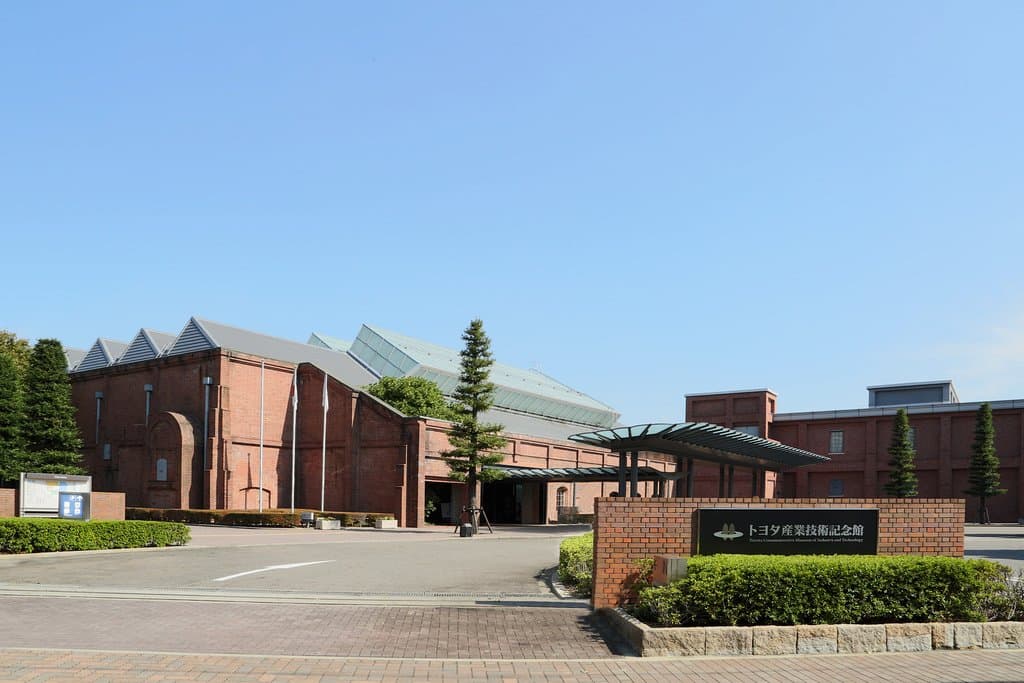
Toyota Commemorative Museum of Industry and Technology
Explore Toyota's journey from textile looms to automotive giant through interactive exhibits and live manufacturing demonstrations.
Highlights
Must-see attractions

Social
From TikTok & Reddit
Best Time
Fewer crowds, more space to explore
Toyota Commemorative Museum of Industry and Technology
Best Time
Fewer crowds, more space to explore
Highlights
Must-see attractions
Explore Toyota's journey from textile looms to automotive giant through interactive exhibits and live manufacturing demonstrations.
"An outstanding place, full of fascinating history and hands-on demonstrations; a must-visit in Nagoya!"
Free Audio Guide is Key
Don't miss the free audio guide! It greatly enhances understanding of exhibits. 🔊
Plan for 4+ Hours
You'll need ample time to see everything; many visitors stay for 4-7 hours. 🕐
Quick Facts
Hours
Rating
4.6 · 14,036 reviews
Type
Museum
Website
tcmit.orgHighlights
Discover the most iconic attractions and experiences
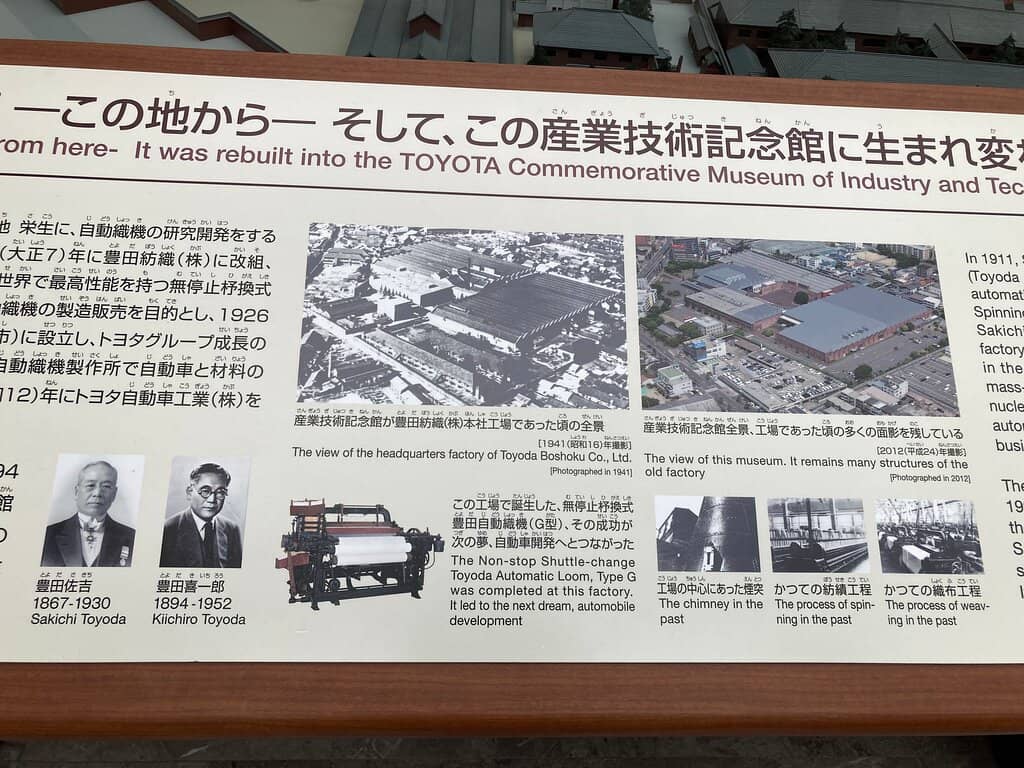
Textile Machinery Exhibits
Textile Industry Section
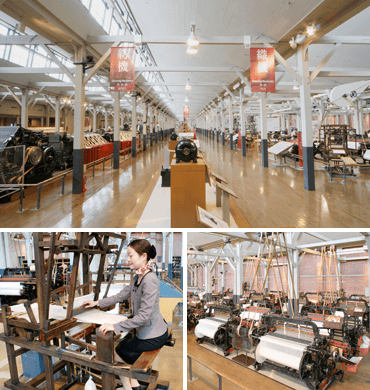
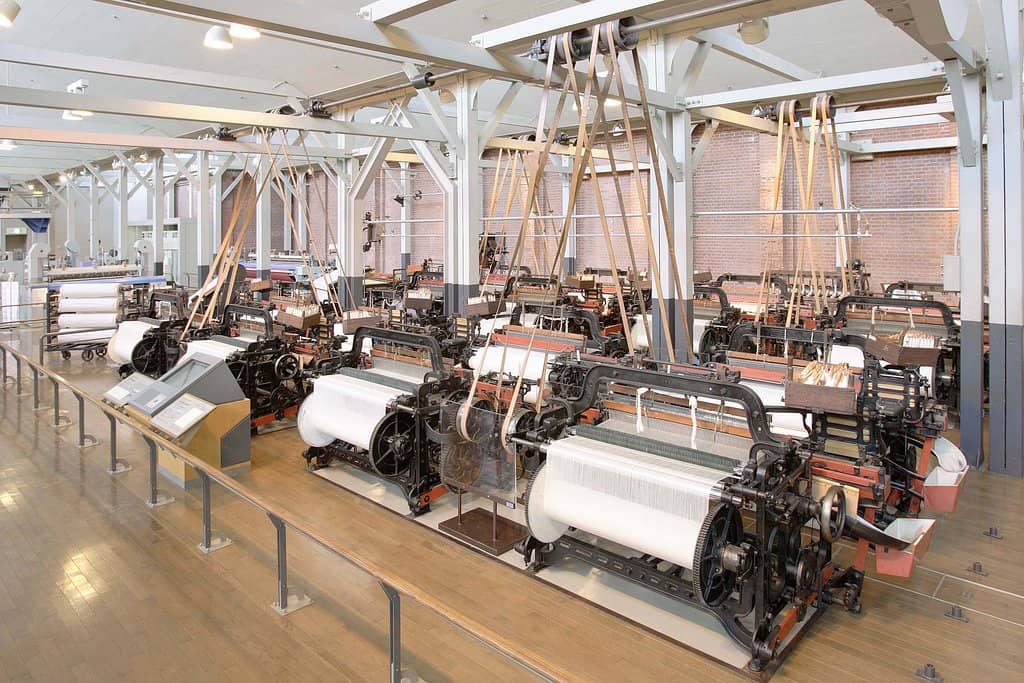
Witness the ingenious looms that started Toyota's journey, showcasing Japan's early industrial innovation.
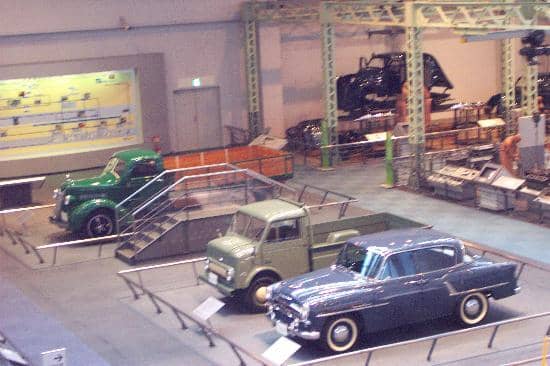
Automotive Manufacturing Demos
Automobile Industry Section
See live demonstrations of car assembly lines and robotics, offering a fascinating look at manufacturing.
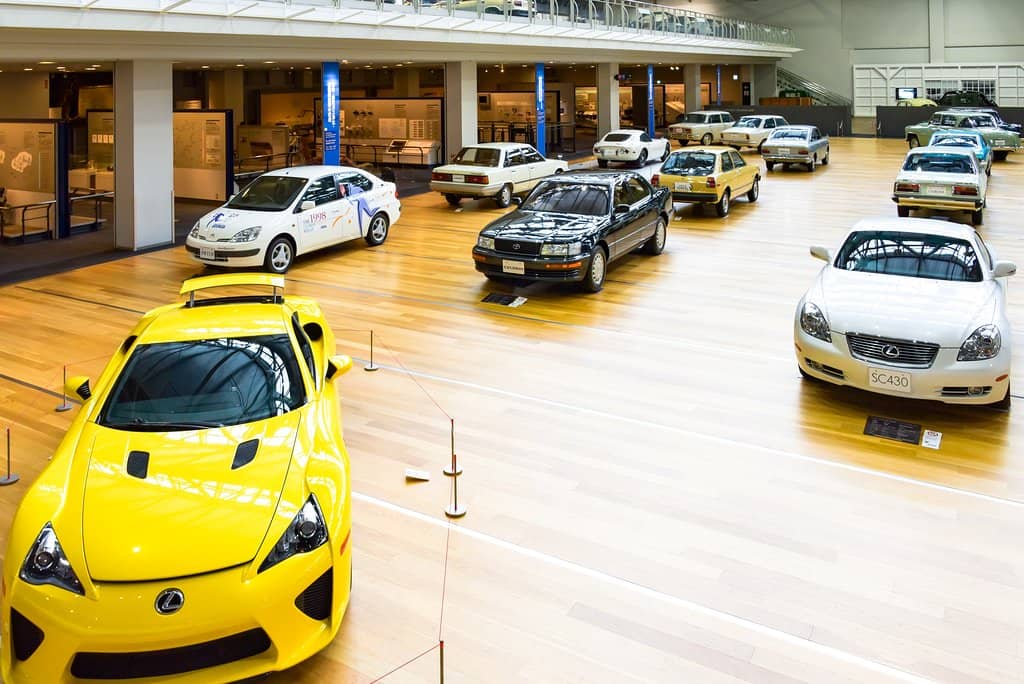
Historical Car Displays
Automobile Industry Section
Explore a timeline of Toyota's iconic vehicles, from early models to modern marvels.
Plans like a pro.
Thinks like you
Planning Your Visit
Allocate Ample Time
Embrace the Audio Guide
Best Times
Insider Tips
from TikTok, Instagram & Reddit
Free Audio Guide is Key
Don't miss the free audio guide! It greatly enhances understanding of exhibits. 🔊
Plan for 4+ Hours
You'll need ample time to see everything; many visitors stay for 4-7 hours. 🕐
English Labels Available
All exhibit labels are translated into English, making it easy to follow along. :flag_gb:
Live Demos are a Must
Catch the scheduled live demonstrations of looms and robots; they're very engaging. :performing_arts:
Tips
from all over the internet
Free Audio Guide is Key
Don't miss the free audio guide! It greatly enhances understanding of exhibits. 🔊
Plan for 4+ Hours
You'll need ample time to see everything; many visitors stay for 4-7 hours. 🕐
English Labels Available
All exhibit labels are translated into English, making it easy to follow along. :flag_gb:
Live Demos are a Must
Catch the scheduled live demonstrations of looms and robots; they're very engaging. :performing_arts:
Kid-Friendly Zone
There's a dedicated kids' area with hands-on activities for younger visitors. :child:
Affordable Entry Fee
The entrance fee is only 1,000 yen, offering incredible value for the experience. :moneybag:
Gift Shop Surprises
Check out the gift shop for unique Toyota-themed items, including car-shaped curry! 🎁
What Travellers Say
Reviews Summary
Visitors rave about the Toyota Commemorative Museum of Industry and Technology, calling it outstanding, fascinating, and a must-visit in Nagoya. The blend of historical textile machinery and automotive evolution, coupled with engaging live demonstrations and a free audio guide, makes for an enriching experience. While some could spend days exploring, even a few hours offer immense value for the affordable entry fee.
"We visited the Toyota Commemorative Museum in Nagoya, and despite being an unplanned stop, it turned out to be one of the highlights of the trip. The museum offers two guided tours, textile and automobile history, but I was only able to join the automobile tour. It was absolutely worth it.
The tour walks you through the company’s early days, including its origins as Toyoda and the story behind the name change to Toyota. You also get to see some of the company’s first inventions up close. The guide was very fluent in English and explained each detail clearly, which made the entire experience engaging and easy to follow.
One of the unique attractions is the Toyota Partner Robot, which performs songs like Canon in D at scheduled times. Some demonstrations throughout the museum also follow specific time slots, so it’s best to keep an eye on the schedule to avoid missing them.
Overall, the museum is informative, interactive, and definitely worth a visit, planned or not."
Sherwin Binarao
"The deeper I sit with 10 August 2025 visit, the more it feels like I walked through the personal diary of two men whose courage reshaped an entire nation: Sakichi Toyoda and his son Kiichiro Toyoda. Their presence is everywhere in the museum—not through statues or grand tributes, but through the quiet conviction embedded in every machine, every brick wall, every experiment that survived because they refused to give up.
The journey began for me in the Textile Machinery Pavilion, and I didn’t expect it to be so emotional. Seeing Sakichi’s looms up close—the wooden frames, the ingenious automatic mechanisms—made me realise how much of his innovation was rooted in empathy. He wanted to free his mother and the women of Japan from exhausting manual spinning. That simple human intention became the seed of his life’s work. Standing in front of the “Will of Sakichi” display, reading his belief that one should “always improve, always innovate for the benefit of society,” I could almost feel the energy that pushed him forward. It wasn’t just engineering; it was purpose.
And then came Kiichiro, who inherited not just his father’s intellect, but that same spirit of restlessness. Watching the transition from textile machines to the first experimental engines displayed in the Automobile Pavilion 2F, I felt the weight of Kiichiro’s decision. Everyone around him thought it was madness to abandon a thriving loom business in pursuit of automobiles—an industry dominated by Western giants. Japan had no expertise, no supply chain, not even proper roads. Yet Kiichiro insisted, “We must develop our own passenger car.” Walking along the exhibits of early engines, drive systems, and car bodies, I kept thinking how tremendous that courage was.
Against all odds, Kiichiro pushed forward. The struggles planted the seeds of what later became the Toyota Production System. They learned to minimise waste, maximise efficiency, and value every worker because they simply had no other choice.
Down on Automobile Pavilion 1F, the mood shifts completely. It’s like stepping into the future that Sakichi and Kiichiro dreamed of. There were engines sliced open like works of art, showing off decades of refinement. Aerodynamic experiments, catalytic converters, suspension systems, universal design principles—the sheer thoughtfulness in each progression is stunning. Even noise-vibration-harshness (NVH) displays reminded me that comfort wasn’t an afterthought; it was engineered deliberately, with the same empathy that Sakichi poured into his first loom.
Then something unexpected: I stumbled into the robot band—a cheerful little surprise in the midst of all the engineering intensity. Watching the robots play music felt symbolic, as if the museum wanted to remind visitors that innovation isn’t just mechanical precision—it’s creativity, playfulness, and imagination. If Sakichi were alive today, I think this blend of art and technology would have made him smile.
Before leaving, I found the prayer room—a small, humble space tucked away quietly, yet present and welcoming. Something about it touched me deeply. It felt like a gentle reminder that in the midst of all this technological achievement, there is still room for spiritual grounding.
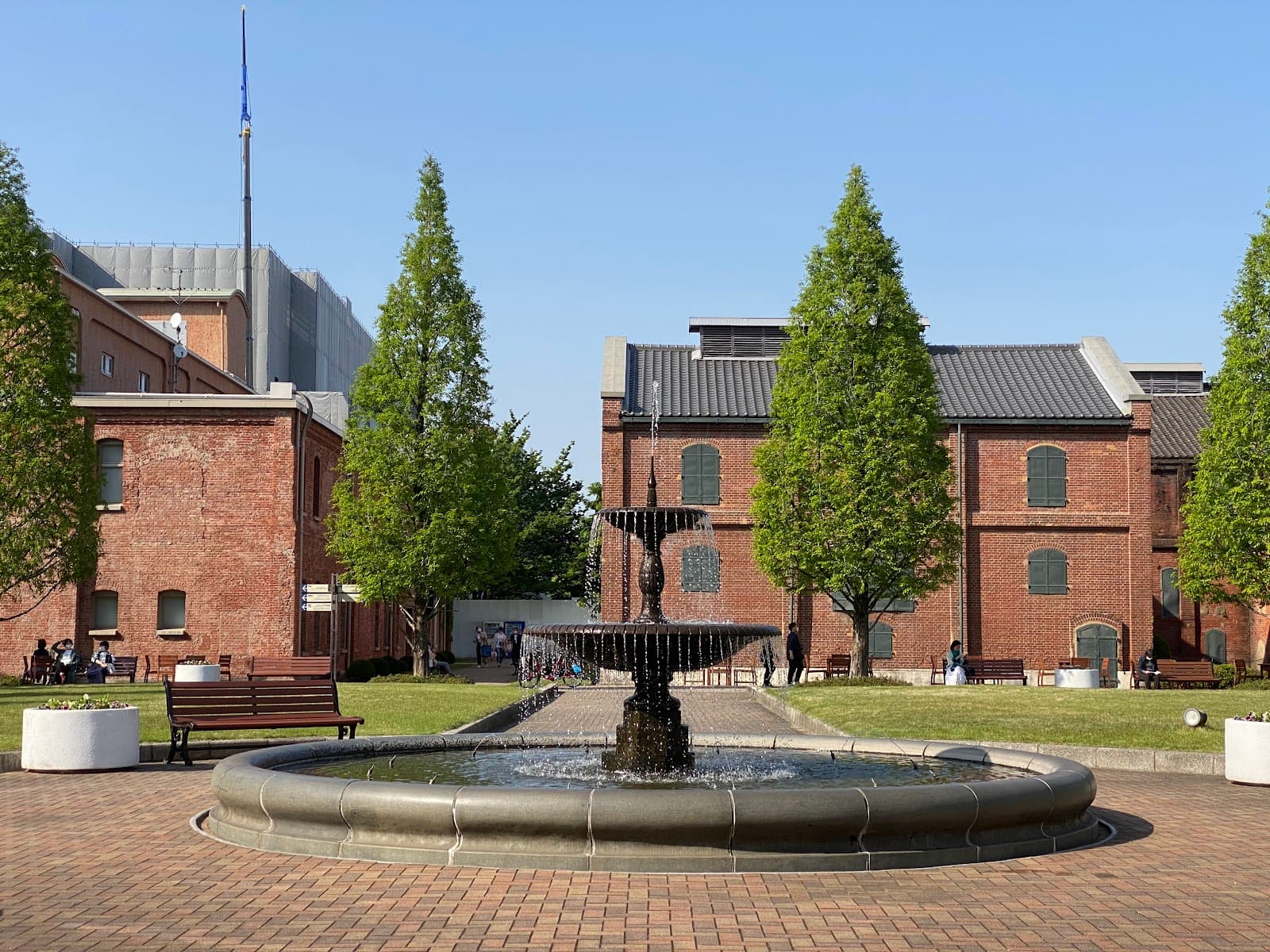
And finally, walking outside along the old brick factory original walls—preserved like a memory—I felt as if I was retracing the footsteps of those early Toyoda workers. These walls witnessed the shift from textiles to automobiles, from uncertainty to global leadership. Today, Toyota is a world-dominant force not because of a single breakthrough, but because of a century of discipline, humility, and relentless improvement.
What moves me most is realising that all of this—every robot, every hybrid engine, every global success—started with one man’s will to improve a loom, and another man’s fearless decision to build a car in a time when it seemed impossible. Their courage still echoes through every hall of the museum.
And today, I felt it."
Azmi Mahamad
"The Toyota Commemorative Museum is an outstanding place, full of fascinating history and hands-on demonstrations. We spent about 4 hours here and easily could have stayed longer—there’s so much to see and learn. The entrance fee is just 1,000 yen, and it’s worth every yen.
One of the best parts is the free audio guide, which I can’t recommend enough—it makes the experience much richer and more engaging. The museum takes you through Toyota’s beginnings in textile machinery to its evolution into the world-leading automobile company it is today. The exhibitions are beautifully arranged, and the live demonstrations really bring the history and engineering to life.
This is not just for car enthusiasts—it’s a cultural and historical experience that shows Japan’s spirit of innovation. If you’re in Nagoya, this is a must-visit!"
Olga Lonska
What People Like
What People Dislike
Frequently Asked Questions
🚇 🗺️ Getting There
The museum is conveniently located just one stop away from Nagoya Station via train. It's also within walking distance for many, or a short taxi ride. Many visitors find it easily accessible as part of their Nagoya itinerary.
Yes, the museum is well-signposted and a prominent landmark in Nagoya. Its location is often mentioned in travel guides and by locals.
Taking the train one stop from Nagoya Station is the quickest and most direct method. Alternatively, a pleasant walk or a short taxi ride are also viable options.
Absolutely! Public transport, particularly the train system from Nagoya Station, is the most common and recommended way to access the museum.
While specific parking details aren't widely emphasized, public transport is the primary recommendation. It's best to check the official website for the most current parking information if driving is your only option.
🎫 🎫 Tickets & Entry
The entrance fee is very affordable at just 1,000 yen, making it an excellent value for the extensive exhibits and demonstrations offered.
Advance booking is generally not required for the Toyota Commemorative Museum of Industry and Technology. Tickets can typically be purchased upon arrival.
The museum is usually open from 9:30 AM to 5:00 PM, with the last admission typically around 4:30 PM. It's always a good idea to check the official website for any seasonal changes or holiday closures.
Information on specific discounts for children or seniors isn't widely detailed, but the general admission price is quite low. The museum does have a dedicated kids' area.
The Japan Rail Pass covers travel on JR lines. If you take a JR train from Nagoya Station to the nearest station to the museum, it would be covered. However, the museum itself is not a JR facility.
🎫 🧭 Onsite Experience
You'll explore Toyota's history from textile machinery to car manufacturing, with live demonstrations of looms and automotive assembly, plus historical car displays.
Yes, the museum features many interactive exhibits and live demonstrations that bring the history of industry and technology to life. +1
Most visitors recommend allocating at least 4 hours, with many staying 7 hours or more to fully appreciate the depth of the exhibits and demonstrations.
Yes, the museum has a dedicated kids' area with hands-on activities designed to teach basic science and engineering concepts.
Absolutely! A free audio guide is available and highly recommended to enhance your understanding of the exhibits and Toyota's history.
📸 📸 Photography
Photography is generally allowed inside the museum, but it's always best to check for any specific restrictions on certain exhibits or during demonstrations.
The historical car displays and the operational textile machinery offer unique photographic opportunities. The overall industrial aesthetic of the former factory is also very photogenic. 
Visitors often capture shots of the vintage cars, the intricate workings of the looms, and the impressive scale of the manufacturing exhibits.
Yes, while it can be busy, you can often get great shots of the live demonstrations. Be mindful of other visitors and any safety guidelines.
Specific flash photography restrictions are not widely mentioned, but it's a good practice to avoid flash when photographing machinery or in crowded areas to respect other visitors and preserve exhibit integrity.






Social
from TikTok, Instagram & Reddit