Okinawa Prefectural Museum and Art Museum
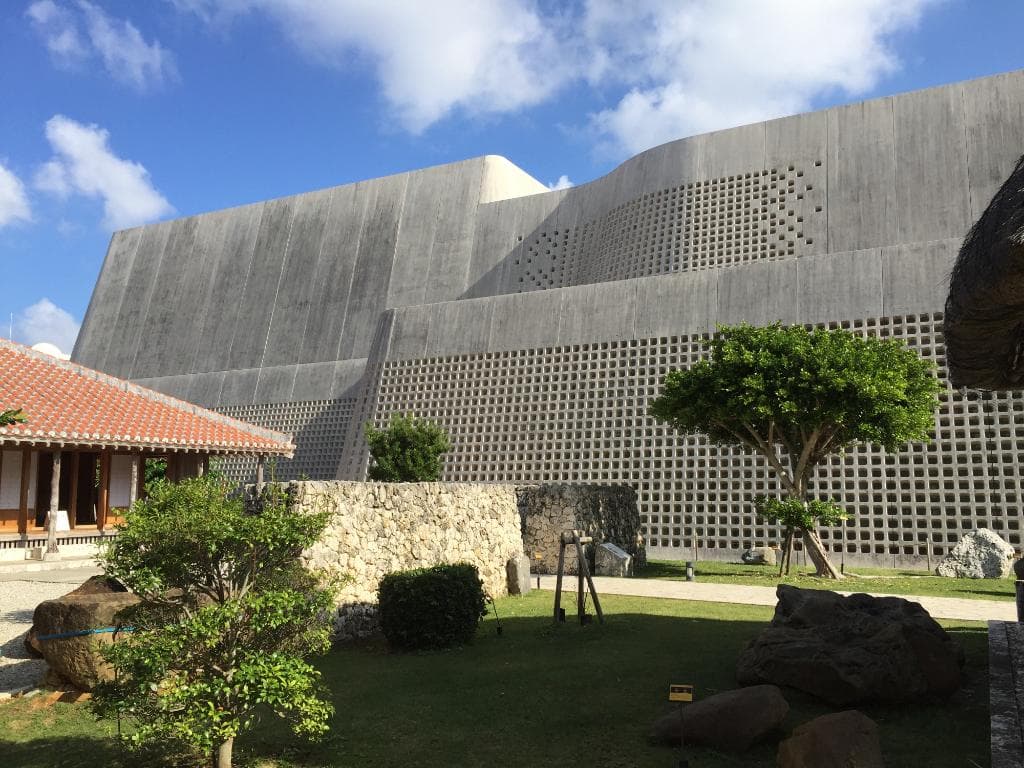
Explore Okinawa's rich history, vibrant art, and unique natural world in a stunning, fortress-inspired museum.
Highlights
Must-see attractions

Social
From TikTok & Reddit
Best Time
Fewer crowds, more peaceful exploration
Okinawa Prefectural Museum and Art Museum
Best Time
Fewer crowds, more peaceful exploration
Highlights
Must-see attractions
Explore Okinawa's rich history, vibrant art, and unique natural world in a stunning, fortress-inspired museum.
"A must-visit for anyone interested in the history and culture of this unique region of Japan."
🎟️ Check for Special Exhibitions
Some temporary exhibitions, like the 'Black Jack' anime exhibit, may have separate fees. 💴
🚗 Free Parking Available
Visitors can enjoy complimentary parking, making it a convenient stop in Naha. 🚗
Quick Facts
Hours
Rating
4.3 · 5,550 reviews
Type
Museum
Highlights
Discover the most iconic attractions and experiences
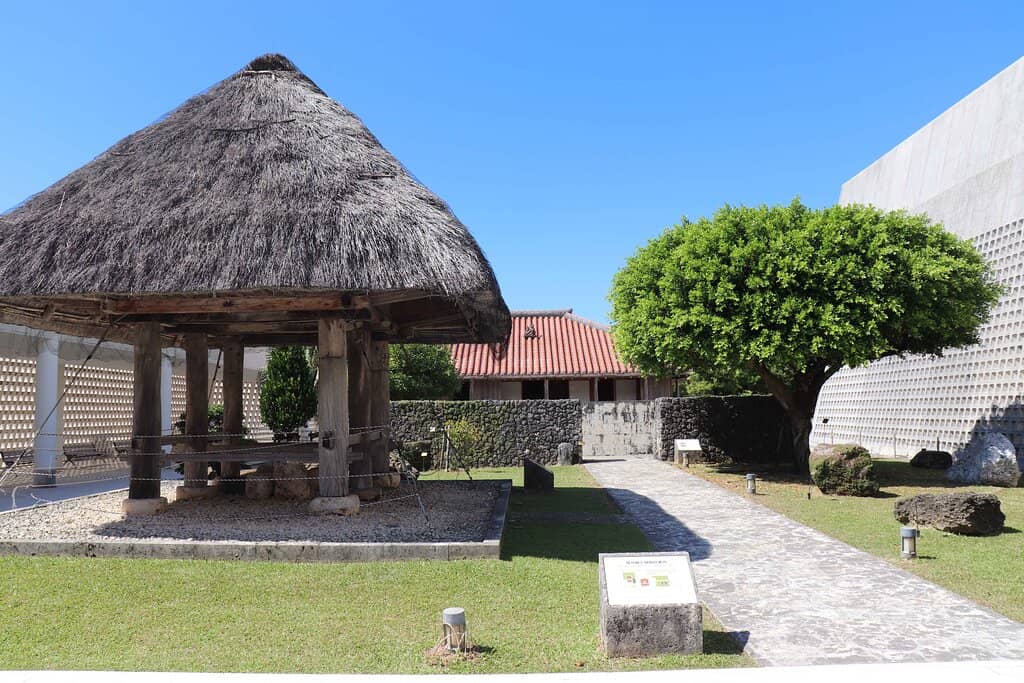
Ryukyu Kingdom History
History Exhibition Hall
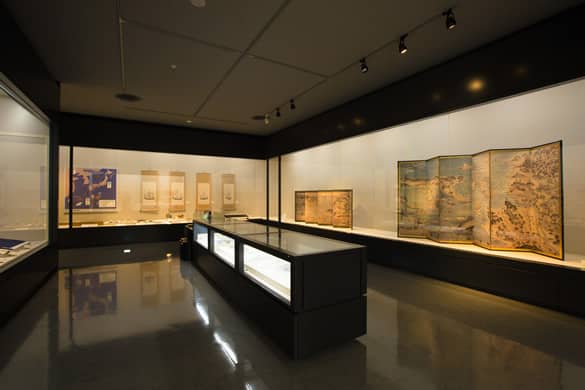
Uncover the fascinating past of the Ryukyu Kingdom, its international relations, and cultural evolution.
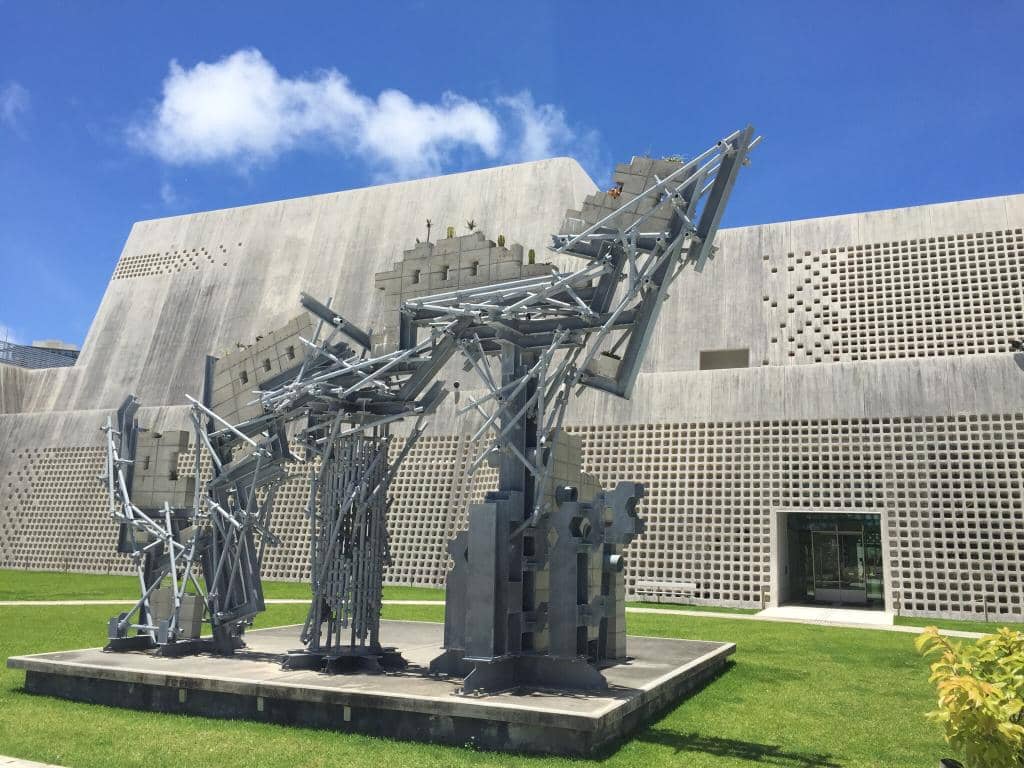
Okinawan Art Collection
Art Exhibition Hall
Experience a diverse range of Okinawan art, from traditional crafts to contemporary masterpieces.

Natural History of Okinawa
Natural History Exhibition Hall
Explore Okinawa's unique flora, fauna, and geological history, including fossilized coral.
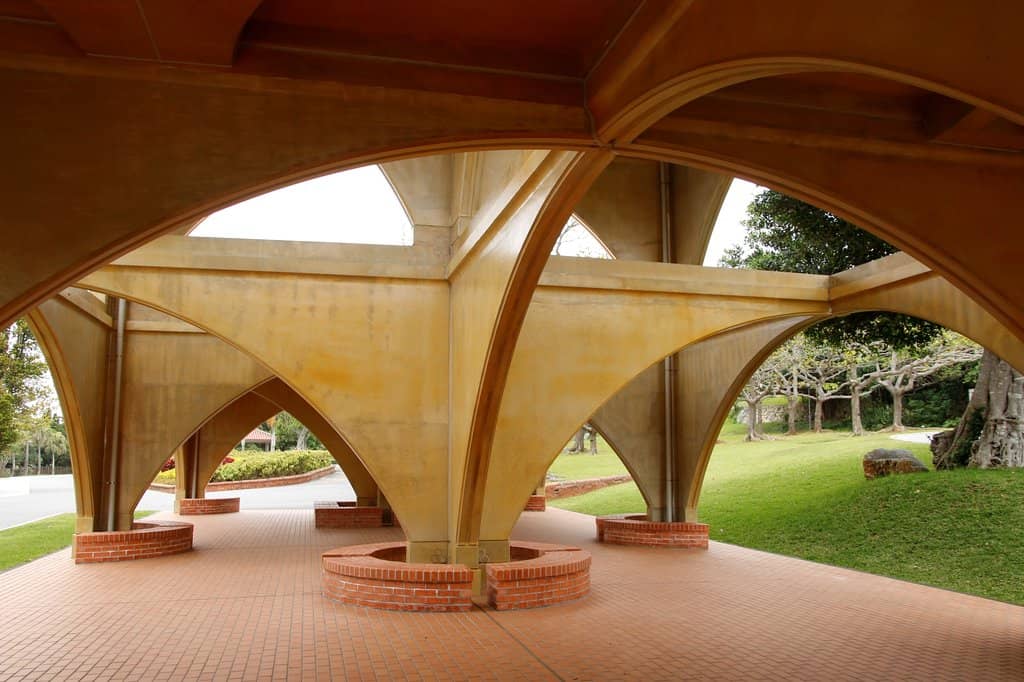
Architectural Design
Exterior and Gardens
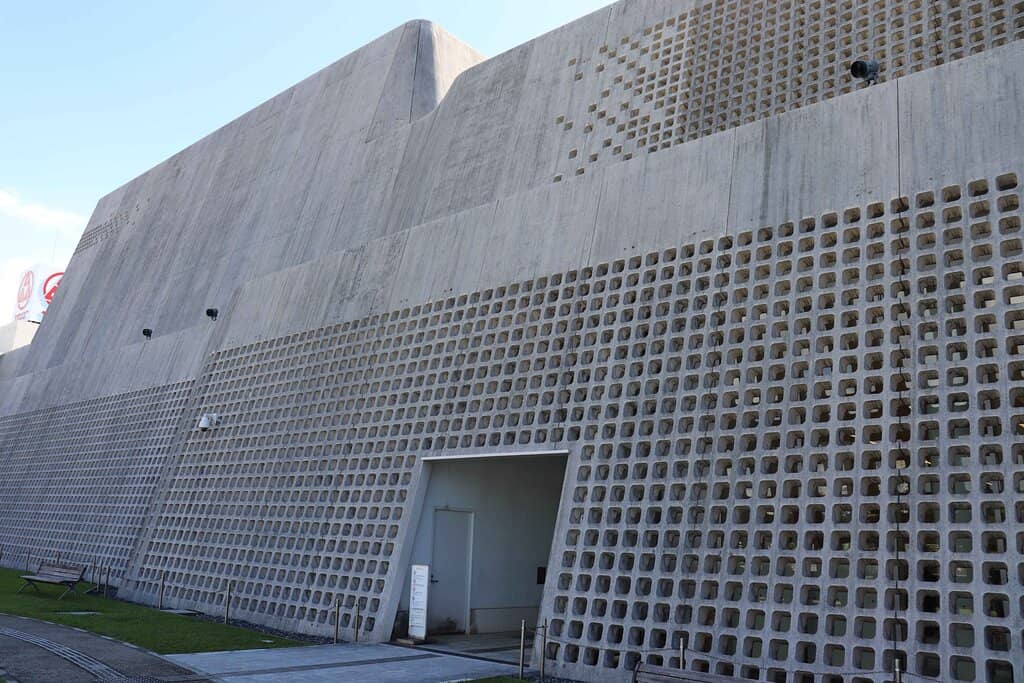
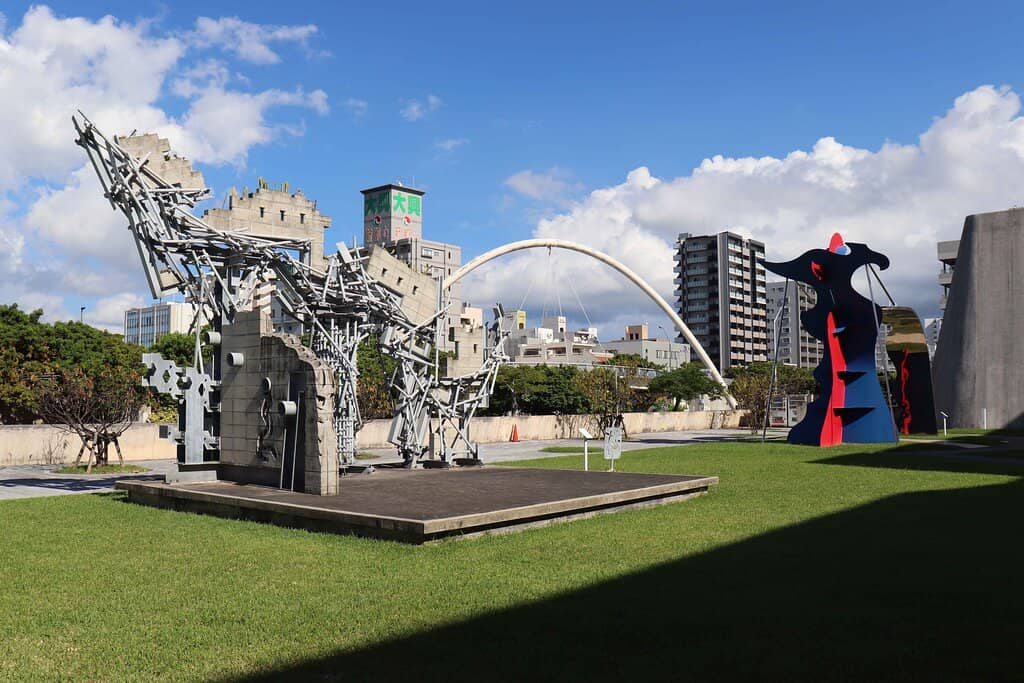
Admire the museum's modern design, inspired by ancient Okinawan stone fortresses.
Plans like a pro.
Thinks like you
Planning Your Visit
Immerse Yourself in Okinawan Heritage
Architectural Marvel & Cultural Hub
Best Times
Insider Tips
from TikTok, Instagram & Reddit
🎟️ Check for Special Exhibitions
Some temporary exhibitions, like the 'Black Jack' anime exhibit, may have separate fees. 💴
🚗 Free Parking Available
Visitors can enjoy complimentary parking, making it a convenient stop in Naha. 🚗
🗣️ Multilingual Signage
While English descriptions are available, some signage might be primarily in Japanese. :flag_jp:
☕ Relax at the Cafe
Unwind at the museum's delightful cafe after your visit. ☕
Tips
from all over the internet
🎟️ Check for Special Exhibitions
Some temporary exhibitions, like the 'Black Jack' anime exhibit, may have separate fees. 💴
🚗 Free Parking Available
Visitors can enjoy complimentary parking, making it a convenient stop in Naha. 🚗
🗣️ Multilingual Signage
While English descriptions are available, some signage might be primarily in Japanese. :flag_jp:
☕ Relax at the Cafe
Unwind at the museum's delightful cafe after your visit. ☕
🏛️ Admire the Architecture
The building itself, inspired by Okinawan fortresses, is a must-see. :camerawithflash: 
What Travellers Say
Reviews Summary
Visitors praise the Okinawa Prefectural Museum and Art Museum for its comprehensive and engaging exhibits on Okinawan history, art, and nature. The striking architecture, inspired by ancient fortresses, is a significant highlight. While most exhibits are well-translated, some visitors noted that additional language translations would be beneficial.
"Decent museum and exhibitions.
There is a free parking for visitors, admission fee is reasonable so you can spend bit of a time in museum and explore the history.
There is a permanent exhibition and also non-permanent one so you can check in advance, especially when you need different tickets for both."
Michal H.
"A very interesting place to look at the history of Okinawa, from the wildlife, geography, to its original settlers. There is both English and Japanese descriptions underneath the different exhibits so there is no need to worry about not being able to read. If you are interested in the history of Okinawa or just like museums this is a nice place to visit."
Andrew
"The museum does an amazing job of showcasing the rich history and culture of the Ryukyu Kingdom. From the moment I walked in, I was impressed by the well-designed exhibits and the wealth of information on display.
The museum's collection includes everything from ancient artifacts and pottery to royal regalia and traditional Okinawan crafts. I particularly enjoyed the exhibits on the Ryukyu Kingdom's history, including its relationships with China and Japan. The displays were engaging, informative, and beautifully presented.
One of the highlights of my visit was the museum's attention to detail in recreating traditional Okinawan scenes and environments. The exhibits on traditional Okinawan clothing, food, and architecture were fascinating, and I loved the interactive elements that allowed me to learn more about the local culture.
The museum also offers a range of temporary exhibitions, which I've heard are always worth checking out. My only criticism is that some of the signage could be translated into more languages, as I noticed some tourists struggling to understand the Japanese text.
Overall, I would highly recommend the Okinawa Prefectural Museum to anyone interested in learning more about this unique and fascinating region of Japan. It's a must-visit destination for anyone traveling to Naha!"
harby nanad
What People Like
What People Dislike
Frequently Asked Questions
🚇 🗺️ Getting There
The museum is located in the Omoro-machi area of Naha. It's accessible by public transport, including the Yui Rail (monorail) to Omoromachi Station, followed by a short walk. Taxis are also readily available.
Yes, there is free parking available for visitors. This makes it a convenient option if you're traveling by car.
The museum is situated in a modern district of Naha and is generally easy to locate. Its distinctive architecture also makes it a landmark.
Depending on your starting point, walking might be an option, but it's best to check distances. The Yui Rail is a very efficient way to connect to other parts of Naha.
From Naha Airport, you can take the Yui Rail directly to Omoromachi Station, which is a short walk from the museum.
🎫 🎫 Tickets & Entry
The general admission ticket is approximately 540 yen. However, special exhibitions may have different pricing.
While not explicitly mentioned, it's always worth inquiring about potential discounts for students, seniors, or group visits at the ticket counter.
For general admission, advance booking is usually not required. However, for popular special exhibitions, it might be advisable to check their official website.
Opening hours can vary, so it's best to check the official website for the most up-to-date information before your visit.
The museum typically offers a combined ticket for all its sections, including art, history, and natural history. Separate entry for individual sections is usually not an option.
🎫 🏛️ Onsite Experience
The museum features exhibits on Okinawan history (including the Ryukyu Kingdom), art (traditional and contemporary), and natural history, showcasing the island's unique environment.
Absolutely! The architecture is a major draw, designed to resemble ancient Okinawan stone fortresses. The building and its gardens are worth exploring. +1
Most exhibits have descriptions in both Japanese and English, making them accessible to international visitors.
To fully appreciate the exhibits, it's recommended to allocate at least 2-3 hours. If there's a special exhibition, you might need more time.
The museum aims to be engaging, and some exhibits may incorporate interactive elements to enhance the learning experience about Okinawan culture and history.
🍽️ 🍽️ Food & Dining
Yes, there is a delightful cafe within the museum where you can relax and enjoy refreshments after your visit.
The cafe typically offers light meals, snacks, and beverages. It's a good spot to take a break and savor the moment.
The Omoro-machi area has several dining establishments, offering various cuisines. You can find restaurants and eateries within walking distance.
Generally, outside food and drinks are not permitted inside the exhibition halls. It's best to consume them in designated areas or before entering.
In Naha, you can try Okinawan soba, goya champuru (bitter melon stir-fry), and rafute (braised pork belly).
📸 📸 Photography
Photography policies can vary by exhibit. Generally, non-flash photography is permitted in most areas, but it's always best to check for specific restrictions.
The museum's exterior architecture, inspired by fortresses, offers great photo opportunities. The gardens also provide scenic backdrops.
For art exhibits, especially those with delicate pieces or copyright restrictions, flash photography is usually prohibited, and sometimes photography itself might be restricted.
The exhibits on traditional Okinawan clothing, food, and architecture offer insights that can inspire unique photographs.
Morning light can be beautiful for capturing the exterior architecture. The interior lighting is designed for the exhibits, so focus on capturing the displays themselves.
Social
from TikTok, Instagram & Reddit