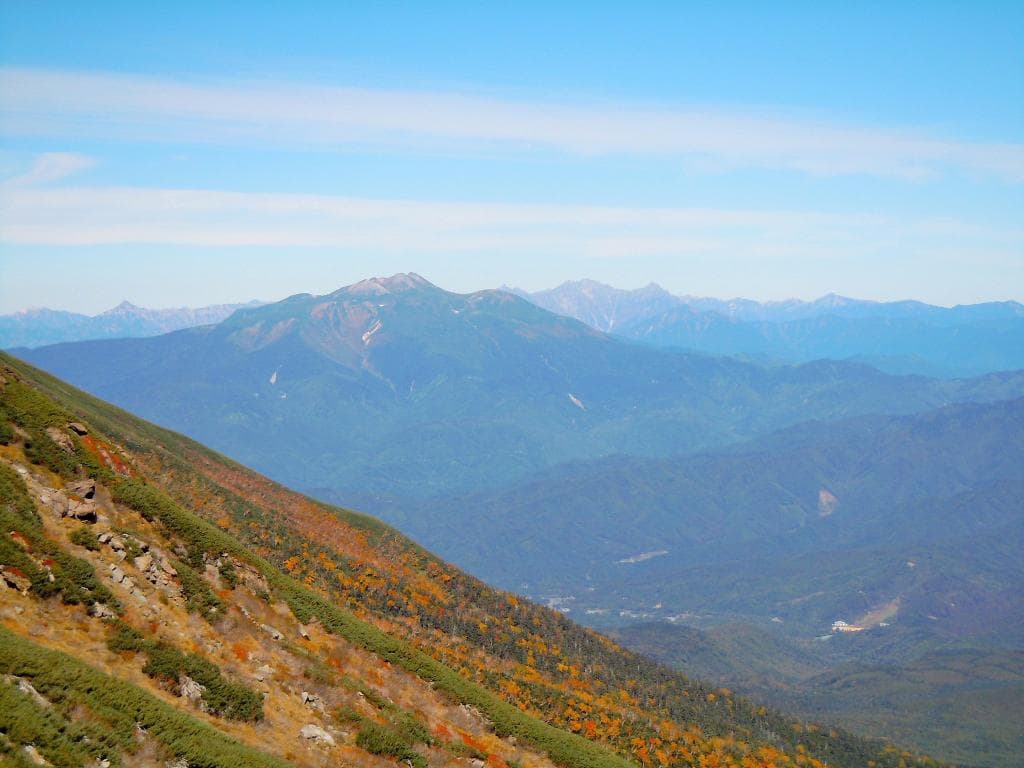
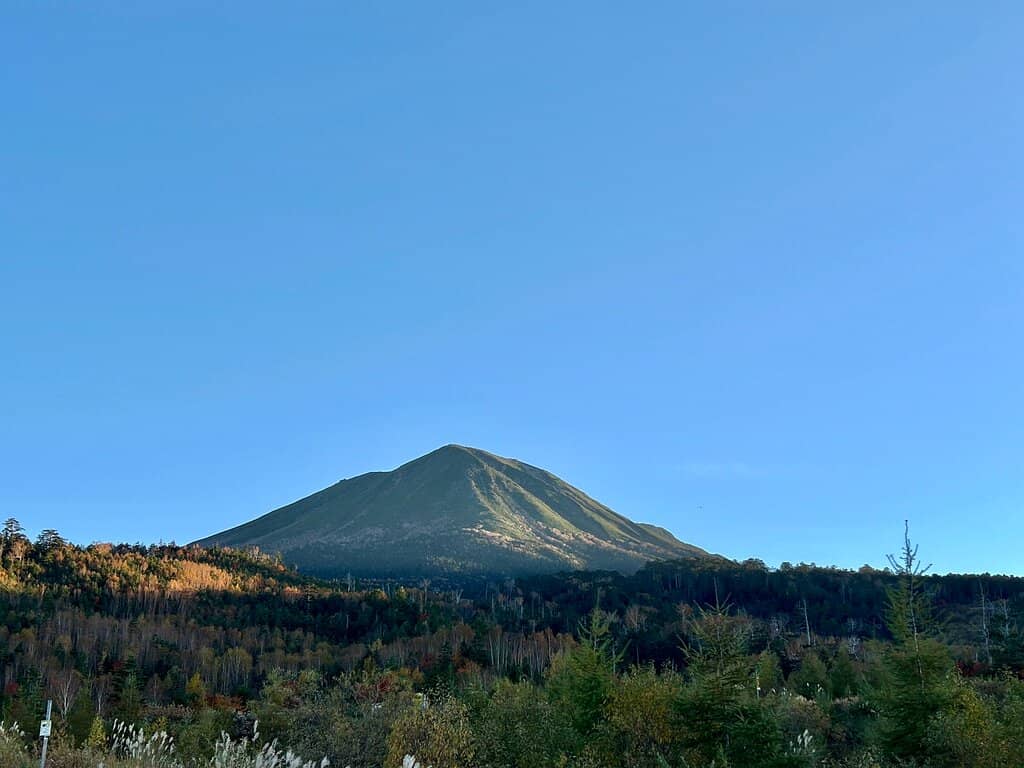
Mount Ontake
Sacred volcanic peak with stunning crater lakes and panoramic views, offering a spiritual journey amidst dramatic landscapes.
Highlights
Must-see attractions

Social
From TikTok & Reddit
Best Time
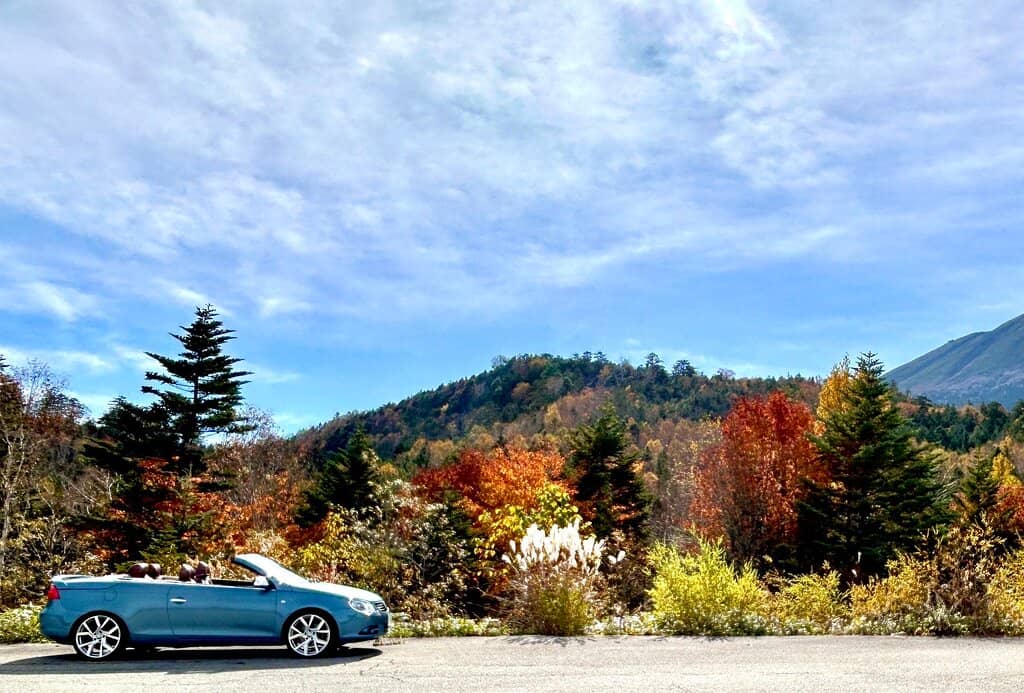
Vibrant fall colors, crisp air
Mount Ontake
Best Time
Vibrant fall colors, crisp air
Highlights
Must-see attractions
Sacred volcanic peak with stunning crater lakes and panoramic views, offering a spiritual journey amidst dramatic landscapes.
"The scenery is amazing once you leave the forest. Absolutely recommended."
Check Volcanic Alert Level
Always verify current access and safety before visiting due to its active volcanic status . ⚠️
Start Early for Lakes
Aim for an 8 AM start to see the crater lakes and enjoy views before the cable car closes . 🕐
Quick Facts
Rating
4.5 · 311 reviews
Type
Mountain Peak
Highlights
Discover the most iconic attractions and experiences
Crater Lakes
Upper slopes of Mount Ontake
Discover serene crater lakes offering breathtaking reflections and a sense of spiritual tranquility.
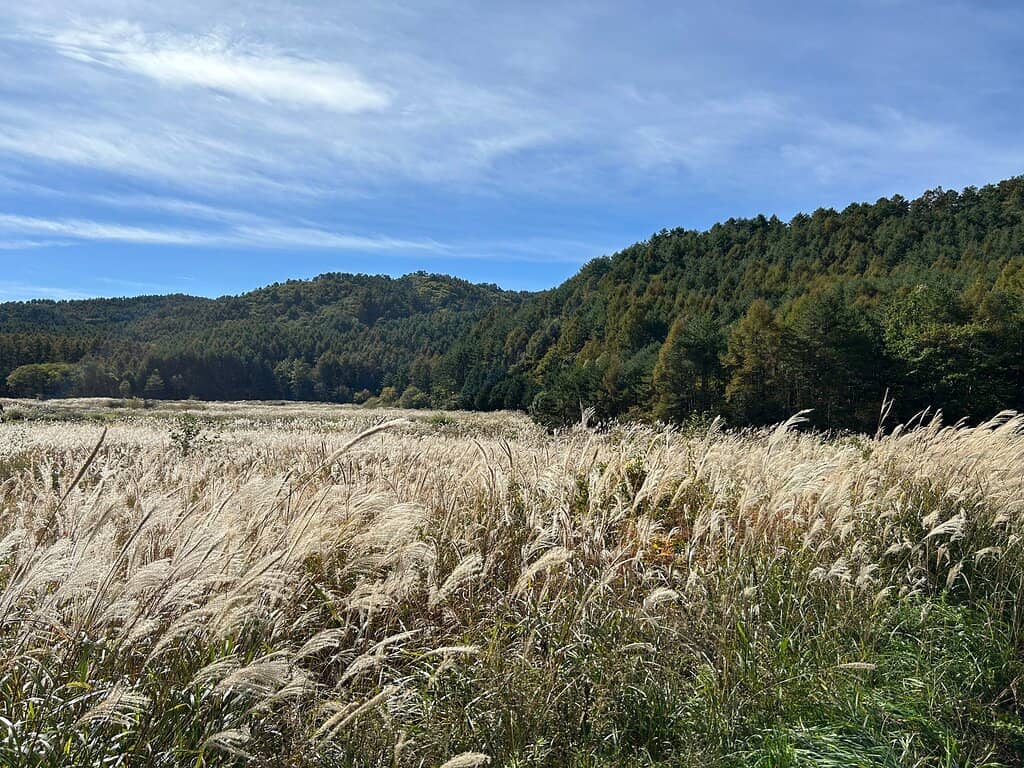
Panoramic Summit Views
Near the summit (access permitting)
Experience awe-inspiring vistas of the surrounding Kiso Ontake mountain range and beyond.
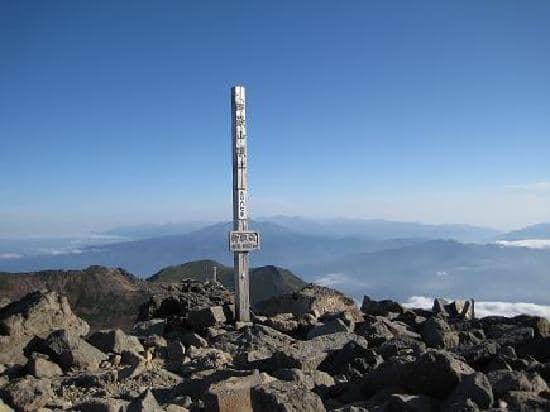
Ontake Kodo Pilgrimage Trail
Lower slopes of Mount Ontake
Walk the ancient pilgrimage route, a place of deep spiritual significance and natural beauty.
Plans like a pro.
Thinks like you
Planning Your Visit
Volcanic Activity & Access
Timing is Crucial for Views
Best Times
Insider Tips
from TikTok, Instagram & Reddit
Check Volcanic Alert Level
Always verify current access and safety before visiting due to its active volcanic status. ⚠️
Start Early for Lakes
Aim for an 8 AM start to see the crater lakes and enjoy views before the cable car closes. 🕐
Prepare for Sun Exposure
The upper slopes have no trees, so wear sun protection, especially in summer. :sunwithface:
Ropeway Timing is Key
The ropeway operates from 8 AM to 4:30 PM; plan your ascent and descent accordingly. 🎟️
Tips
from all over the internet
Check Volcanic Alert Level
Always verify current access and safety before visiting due to its active volcanic status. ⚠️
Start Early for Lakes
Aim for an 8 AM start to see the crater lakes and enjoy views before the cable car closes. 🕐
Prepare for Sun Exposure
The upper slopes have no trees, so wear sun protection, especially in summer. :sunwithface:
Ropeway Timing is Key
The ropeway operates from 8 AM to 4:30 PM; plan your ascent and descent accordingly. 🎟️
Free Coffee Incentive
Sign in at the ropeway building for a free coffee voucher to enjoy on your ride up. ☕
What Travellers Say
Reviews Summary
Mount Ontake is praised for its breathtaking volcanic landscapes, serene crater lakes, and profound spiritual atmosphere. Visitors appreciate the stunning panoramic views and the unique experience of hiking an active, sacred mountain. However, access limitations due to volcanic activity and the physical demands of the hike are noted drawbacks.
"A beautiful mountain on the border of Gifu & Nagano prefectures, Mt Ontake is awesome!
Seen from afar Ontake-san is brilliant white for most of the year, and since October 2014, a plume of steam has been visible when the volcano erupted killing 63 people.
It is still on volcanic alert level 2 (lowered from level 1 in August 2017), so it is still closed for hiking. Lower areas are still accessible but the peak and surrounds are off limits."
Hiking Gifu
"We've been here in late september 2017. The vegetaton in the higher altitudes were already turning into red.
We parked our car in the parking lot of the cable car. Then we took to it to the base point of the climb. Th climb is not that easy and you need to be in a relatively good shape. Alternatively, you can just climb it very slowly :-). As for safety, the trail is safe with no obvious obstacles.
After 1-1.5 hours of climb you'll reach a resting point. From here the view starts to be amazig. From the resting point to the mountain top is about 1 hour or less. Just before the mountain top (which was closed and you could only see it from the first pond) there is a hut.
The first pond was not that beutiful. Looked like a muddy construction site. Unfortunatley for us, we started the climb around noon so we did not have sufficient time to see the other ponds.
Make sure to start the climb around 8AM so you'll sufficient time for the entire journey, as the cable car closes around 4PM.
The scenery is amazig once you leave the forest. Absolutley recommended."
Eyal Gur
"I pray for the souls of the people who died by the eruption.
Mountain climbing is prohibited as of January 2019.
Since there is no forest from the hilly side, the view while climbing is good,
but summer it is hot in the sunlight.
My recommendation is the snowfall period.
In the morning, you can climb the large slope of tight snow freely.
It is an independent peak and there are no forests,
so there is no place to avoid avoiding blowing in the wind.
I want to climb the sunny and calm day.
If you climb up from Ropeway Top station you can go and back in one day.
More preferably, if you wear skiing, or if you climb taking it,
When descending the mountain you can skiing freely on a wonderful large slope.
It is a very long course of about 3 km to the top of the station and more than 4 km in total to the foot station.
It is unthinkable to walk down this course during the snowfall period.
Skiing climbing is the best."
Hank Hogawa
What People Like
What People Dislike
Frequently Asked Questions
🚇 🗺️ Getting There
The most common access point is via the Ontake Ropeway. From major cities like Nagoya or Matsumoto, you can take a train to Kiso-Fukushima Station, then a bus to the ropeway base station. Some visitors also access it from the Gifu side.
Public transport is available, but schedules can be infrequent, especially for buses to the ropeway. It's advisable to check timetables in advance, particularly if traveling outside peak season.
Yes, driving is an option, and there are parking facilities available at the ropeway base station. This offers more flexibility for timing your visit.
The Ontake Ropeway significantly shortens the ascent, taking you closer to the higher trails and viewpoints. Hiking from the ropeway's upper station is a popular choice.
Yes, some local operators offer guided tours, especially for the Ontake Kodo pilgrimage trail, which can enhance the experience and provide historical context.

🎫 🎫 Tickets & Entry
While the mountain itself is free to access, there is a fee for the Ontake Ropeway, which is essential for reaching the higher hiking areas.
The ropeway typically operates from 8:00 AM to 4:30 PM. It's crucial to be aware of these hours to ensure you have enough time for your hike and descent.
Yes, it's possible to hike from the base, but it's a much longer and more strenuous undertaking. The ropeway is recommended for most visitors to access the main attractions efficiently.
Due to its status as an active volcano, hiking to the summit or certain areas may be prohibited. Always check the latest volcanic alert level and official advisories before your visit.
For the ropeway, advance booking is generally not required, but it's always a good idea to check their official website for any updates or special circumstances, especially during peak seasons.
🎫 🥾 Onsite Experience
The hike from the ropeway's upper station to the accessible crater lakes is moderately challenging, requiring good physical condition. The terrain can be steep in parts.
Wear sturdy hiking boots, layers of clothing for changing weather, and sun protection. In winter, appropriate snow gear is essential.
There are huts at various stations (like the 8th and 9th) offering refreshments and water. Basic facilities are available at the ropeway stations.
The areas around the crater lakes offer stunning views. The higher you ascend (within permitted areas), the more expansive the panoramas of the surrounding Kiso Ontake mountain range become.
While the lower parts and ropeway ride can be enjoyed by families, the strenuous hike and potential volcanic activity might make it less suitable for very young children. Assess your family's fitness and comfort levels.
📸 📸 Photography
The crater lakes, especially with reflections, are prime subjects. The sweeping mountain vistas and the unique volcanic landscape also offer incredible photographic potential.
Early morning offers soft light and fewer crowds, ideal for capturing the serene beauty of the lakes. Golden hour in the late afternoon can also provide dramatic lighting.
A wide-angle lens is great for landscapes, while a telephoto lens can capture distant peaks. A sturdy tripod is useful for low-light conditions or capturing reflections.
The viewpoints overlooking the crater lakes are highly recommended. The trail itself offers many scenic spots as you ascend.
Drone usage is often restricted in national parks and around active volcanoes for safety and environmental reasons. It's best to check local regulations before flying a drone.
Social
from TikTok, Instagram & Reddit