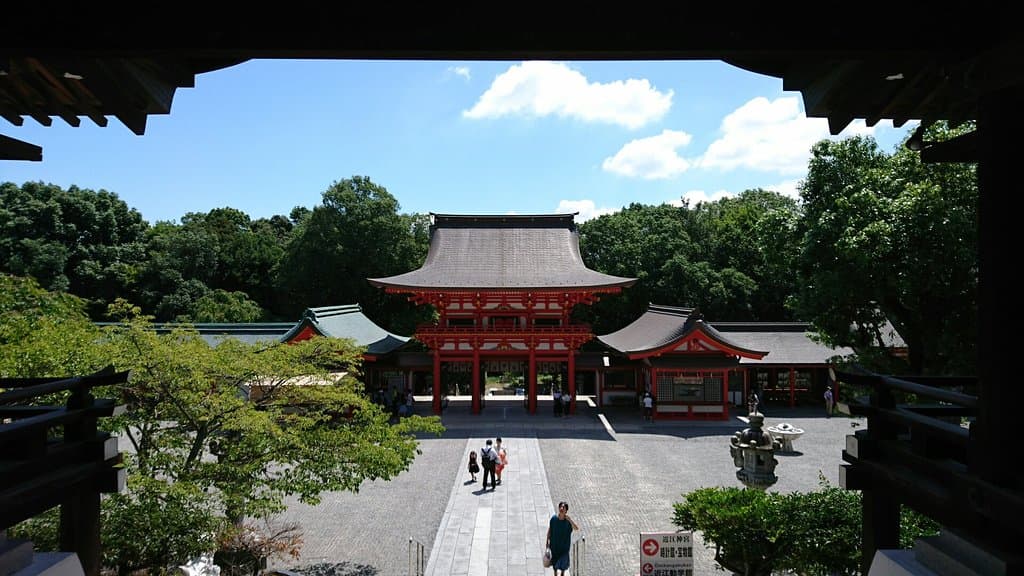
Omi Jingu
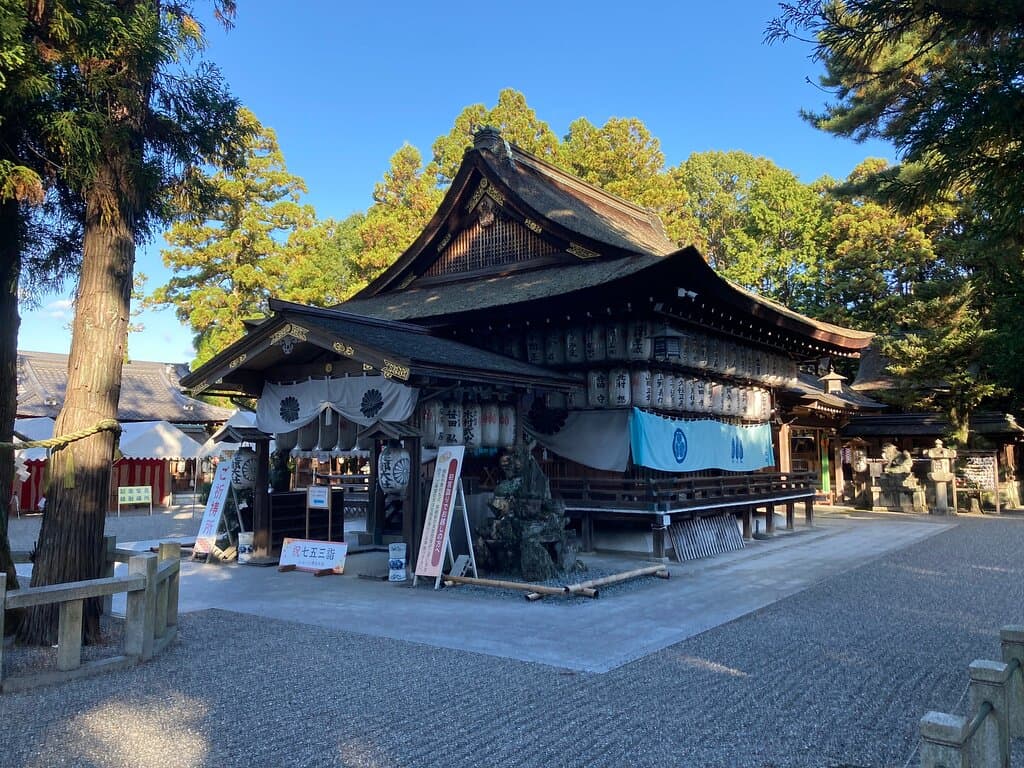
A serene Shinto shrine dedicated to Emperor Tenji, famous as the 'sacred ground for Karuta' and a pilgrimage site for Chihayafuru fans.
Highlights
Must-see attractions

Social
From TikTok & Reddit
Best Time
Fewer crowds, more peaceful
Omi Jingu
Best Time
Fewer crowds, more peaceful
Highlights
Must-see attractions
A serene Shinto shrine dedicated to Emperor Tenji, famous as the 'sacred ground for Karuta' and a pilgrimage site for Chihayafuru fans.
"It's a place where even the wind seems to whisper, offering a profound sense of peace and timeless grace."

🎯 Anime Pilgrimage Spot
Fans of Chihayafuru will recognize many spots! Feel like you're walking in the characters' footsteps.
🚶♀️ Peaceful Forest Walk
Enjoy a serene stroll through the surrounding forest, a welcome escape from city bustle.
Quick Facts
Hours
Rating
4.3 · 4,633 reviews
Type
Shinto Shrine
Website
oumijingu.orgHighlights
Discover the most iconic attractions and experiences
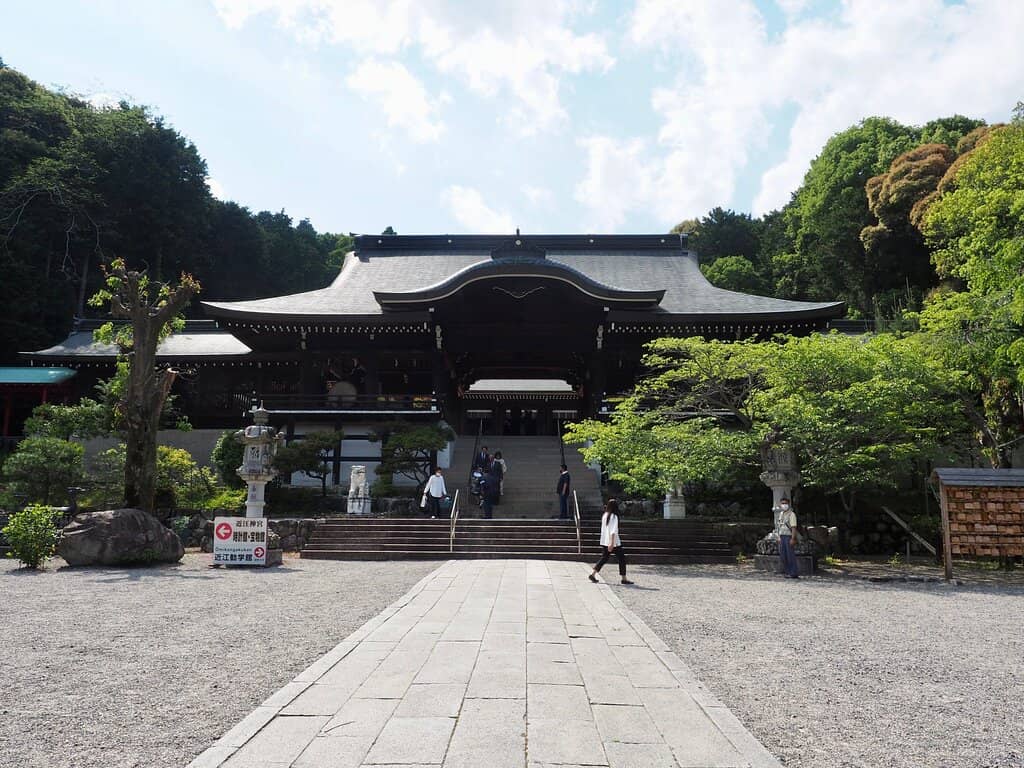
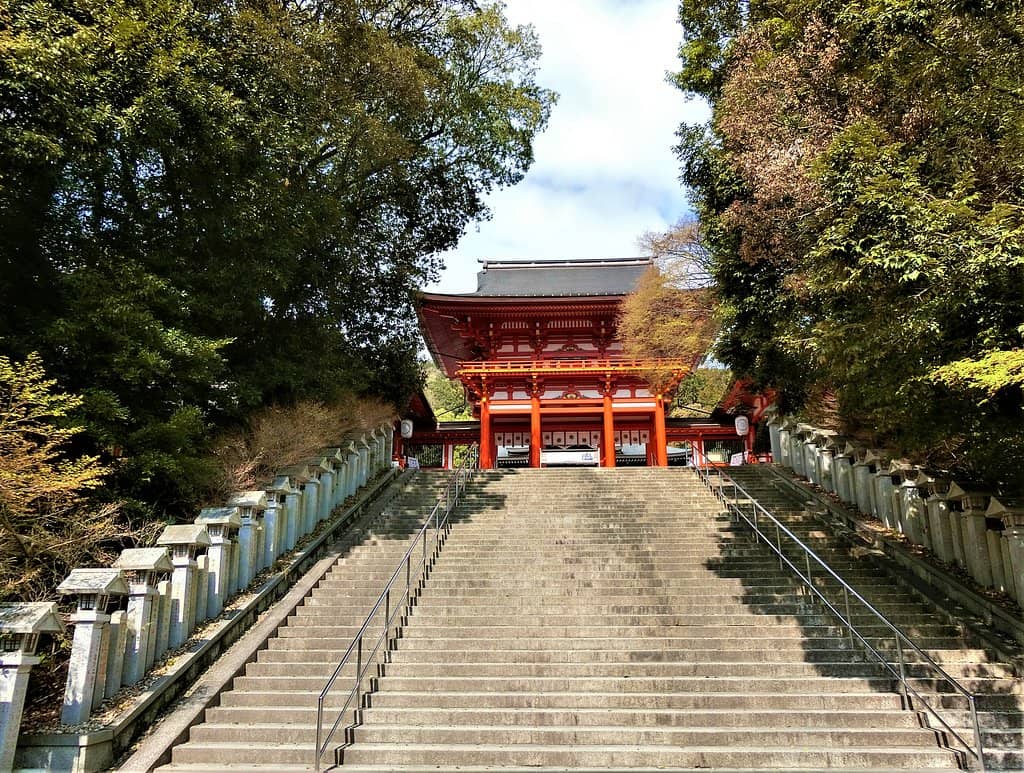
The Grand Staircase
Main entrance
Ascend the iconic vermilion-lacquered stairs, a memorable scene from Chihayafuru.
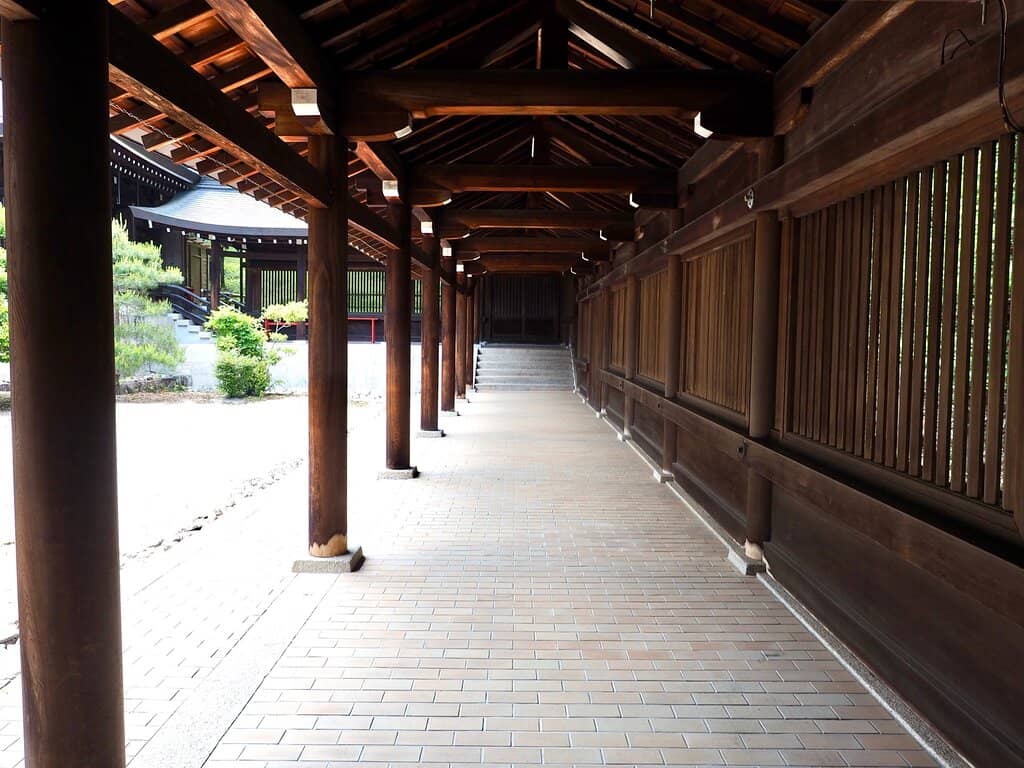
Karuta Community Hall
Adjacent to the main shrine
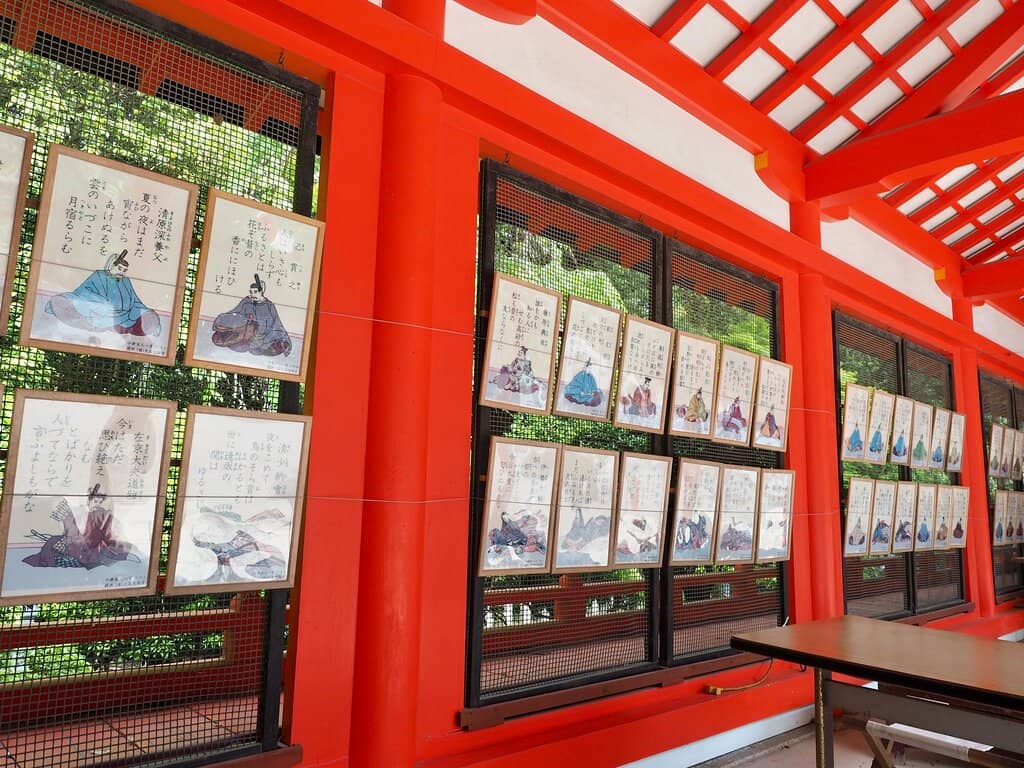
Explore exhibits and purchase Chihayafuru merchandise, a must for fans.
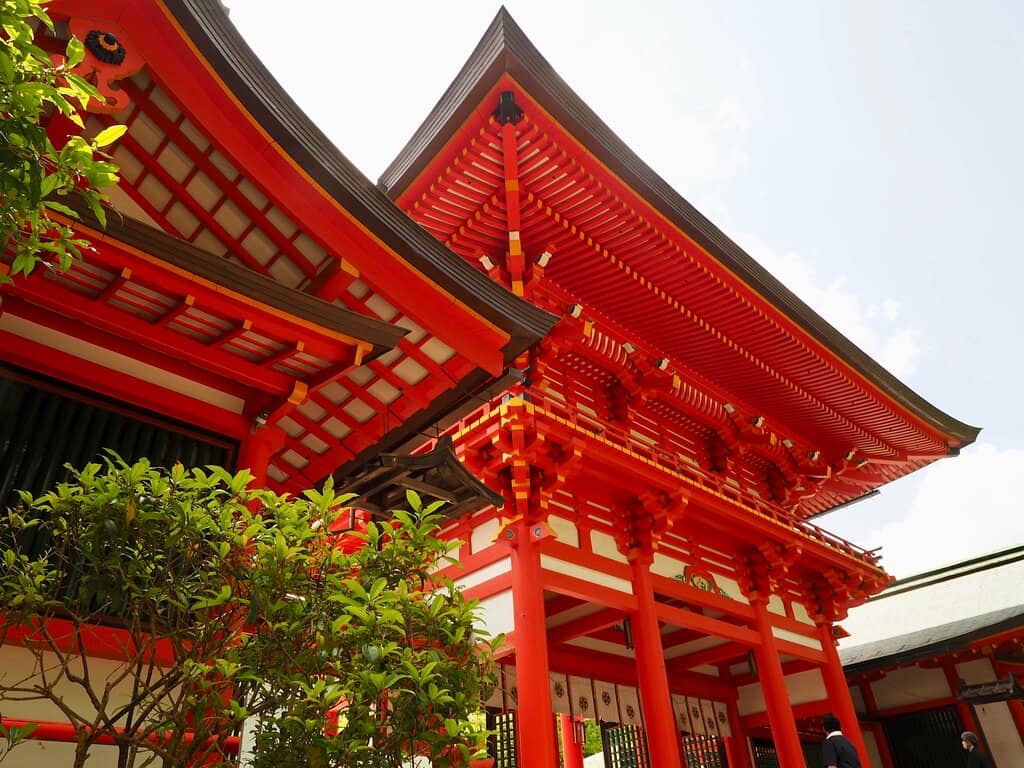
Emperor Tenji's Legacy
Main shrine hall
Discover the shrine dedicated to Emperor Tenji, credited with Japan's first water clock.
Yabusame (Samurai Horseback Archery)
Shrine grounds (event dependent)
Witness the thrilling samurai martial art and Shinto ritual, a rare and powerful spectacle.
Plans like a pro.
Thinks like you
Planning Your Visit
Embrace the Karuta Connection
Timing is Key for Serenity
Best Times
Insider Tips
from TikTok, Instagram & Reddit
🎯 Anime Pilgrimage Spot
Fans of Chihayafuru will recognize many spots! Feel like you're walking in the characters' footsteps.
🚶♀️ Peaceful Forest Walk
Enjoy a serene stroll through the surrounding forest, a welcome escape from city bustle.
⏰ Clock Museum Nearby
Visit the adjacent clock museum for a small fee to see historical timepieces.
🌸 Check for Events
Look out for special events like Yabusame (horseback archery) for a unique cultural experience.
Tips
from all over the internet
🎯 Anime Pilgrimage Spot
Fans of Chihayafuru will recognize many spots! Feel like you're walking in the characters' footsteps.
🚶♀️ Peaceful Forest Walk
Enjoy a serene stroll through the surrounding forest, a welcome escape from city bustle.
⏰ Clock Museum Nearby
Visit the adjacent clock museum for a small fee to see historical timepieces.
🌸 Check for Events
Look out for special events like Yabusame (horseback archery) for a unique cultural experience.
🛍️ Souvenir Shopping
The Karuta Community Hall offers Chihayafuru merchandise and local crafts.
What Travellers Say
Reviews Summary
Visitors praise Omi Jingu for its serene forest setting, striking vermilion architecture, and deep cultural significance, especially for fans of Chihayafuru and karuta. The peaceful atmosphere and historical connection to Emperor Tenji are frequently highlighted as major draws. Some note it's a bit of a detour from major tourist hubs but consider it worthwhile for its unique charm.
"Omi Jingu is a shrine in a forest, which doubles as an anime pilgrimage destination. It was an iconic place in popular anime & manga Chihayafuru, which I followed religiously during my high school years.
I visited on a weekday afternoon and there were only a few people around. The building was vibrantly vermillion and displayed many karuta-related exhibits such as the Hyakunin Isshu cards. My entire visit was so serene. Strolling the lush forest, taking the famous stairs, and exploring the hall felt like retracing Chihaya's footsteps before a tournament. I could almost hear poem no. 17 being recited in my head.
They also have a karuta community hall that sells Chihayafuru merchandise. It's Omi Kangakukan on Google Maps and only a short walk from the shrine main building."
Janice Lin
"Tucked into the quiet hills of Otsu, Ōmi Jingu is more than a shrine — it’s a place where even the wind seems to whisper.
There were no cicadas crying. Just stillness. A hush so deep it felt sacred. The vermilion torii stood tall against a canvas of green, and the shrine itself shimmered with a timeless grace. Each step on the gravel path echoed like a soft footnote in a story written centuries ago.
Here, tradition lives not in grand gestures, but in silence — in the worn wood of the prayer plaques, the gentle ripples of the water basin, the breath you didn’t realize you were holding.
Ōmi Jingu doesn’t shout. It doesn’t need to.
It simply lets you feel — and in that quiet, you remember who you are."
KOYO
"If you are a fan of karuta or the anime Chihayafuru, then this shrine is a great place to visit. The vibrate red stands out, and you see the places the show visits. If you are not aware of karuta, it is still a nice sight, but a bit of a detour compared to the rest of the shrines in Kyoto.
The shrine is free. There's a clock museum at the same spot, which costs about 300yen to visit. Not much there unless you want to see some old clocks."
Tommy On
What People Like
What People Dislike
Frequently Asked Questions
🚇 🗺️ Getting There
From Kyoto Station, take the JR Kosei Line to Otsu Station (approx. 10-15 minutes). From Otsu Station, Omi Jingu is a short taxi ride or a pleasant walk (about 20-25 minutes). Some visitors also mention it's a 4-minute drive from Biwa Lake.
Yes, Omi Jingu is accessible via public transport. The nearest train station is Otsu Station on the JR Kosei Line. From there, you can take a bus or taxi, or enjoy a walk.
From Otsu Station, you can take a local bus heading towards the shrine, or a taxi for a quicker journey. Walking is also an option if you enjoy a scenic route.
While specific parking details aren't widely advertised, it's advisable to check with local tourist information upon arrival or consider public transport to avoid parking hassles.
Yes, Omi Jingu can be visited as a day trip from Osaka. It involves taking a train to Kyoto and then transferring to the JR Kosei Line to Otsu Station. The total travel time is manageable for a day excursion.
🎫 🎫 Tickets & Entry
No, the Omi Jingu Shrine itself is free to enter and explore. This makes it an accessible cultural experience for all visitors.
The shrine grounds are generally open from morning until late afternoon. Specific hours can vary, so it's best to check locally or online closer to your visit.
Since there is no entrance fee for the shrine, advance booking is not required. You can visit spontaneously.
While the shrine is free, the adjacent Clock Museum has a small admission fee (around 300 yen). Special events like Yabusame may have separate viewing arrangements or fees.
Omi Jingu is open during holidays, but expect larger crowds, especially if there are special ceremonies or events scheduled. Weekday visits are recommended for a more tranquil experience.
🎫 🧭 Onsite Experience
Omi Jingu is renowned as the 'sacred ground for Karuta,' a traditional Japanese card game, and is a significant location in the anime and manga Chihayafuru. It's also dedicated to Emperor Tenji, who introduced the first water clock in Japan. 
You can explore the main shrine buildings, walk through the serene forest, ascend the iconic vermilion staircase, and visit the Karuta Community Hall for merchandise. If you're lucky, you might witness Yabusame (horseback archery).
Yes, Omi Jingu offers beautiful photographic opportunities, especially the vermilion gate, the main hall, and the surrounding natural scenery. The atmosphere is particularly serene.
Emperor Tenji, enshrined at Omi Jingu, is credited with creating Japan's first water clock. A water clock and sundial are displayed at the shrine, commemorating this innovation.
While there are no specific playgrounds, the peaceful forest setting and the cultural exhibits can be engaging for children. The Karuta Community Hall might also appeal to younger fans of Chihayafuru.
📸 📸 Photography
The grand vermilion staircase leading up to the shrine is a must-capture. The main shrine buildings, the surrounding forest, and the torii gates also offer picturesque scenes.
Photography rules can vary. Generally, it's permitted in outdoor areas and common spaces, but it's always respectful to check for any signage or ask staff before photographing inside sacred or restricted areas.
Early morning or late afternoon can offer softer light and fewer crowds, enhancing the serene atmosphere for photography. Weekday visits are also ideal for unobstructed shots.
Drone usage is typically prohibited at shrines and temples in Japan to maintain peace and respect. It's best to assume drones are not allowed unless explicitly stated otherwise.
A versatile lens (like a 24-70mm) is useful for capturing both wide shots of the architecture and details. A wide-angle lens can be great for the grand staircase and surrounding nature.

Social
from TikTok, Instagram & Reddit