National Museum of Japanese History
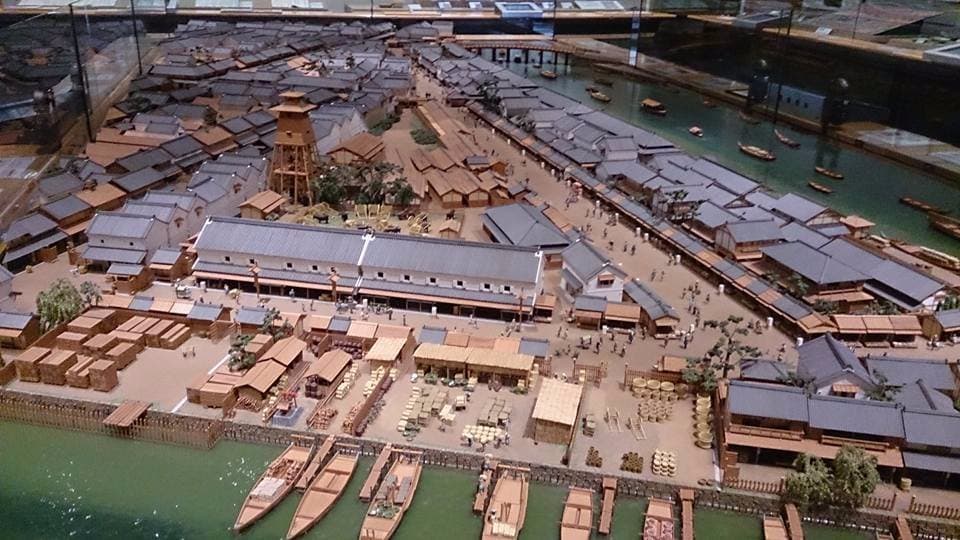
Explore Japan's rich past through detailed dioramas, original artifacts, and a serene botanical garden.
Highlights
Must-see attractions

Social
From TikTok & Reddit
Best Time
Fewer crowds, more peaceful exploration.
National Museum of Japanese History
Best Time
Fewer crowds, more peaceful exploration.
Highlights
Must-see attractions
Explore Japan's rich past through detailed dioramas, original artifacts, and a serene botanical garden.
"A great place to get to know and appreciate Japanese history through clear panels and models."
📱 Translation App Essential
Use your phone's translation app on Japanese captions for deeper understanding.
🧳 Luggage Storage Options
Deposit luggage at Keisei Sakura station or inquire about museum storage.
Quick Facts
Hours
Rating
4.4 · 3,693 reviews
Type
Museum
Highlights
Discover the most iconic attractions and experiences
Dioramas of Past Eras
Galleries
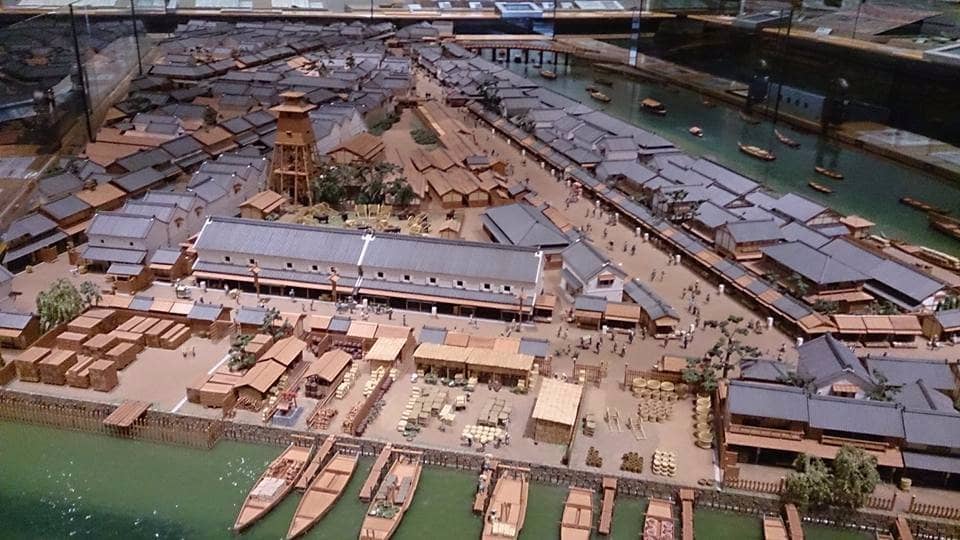
Detailed dioramas vividly recreate historical events and daily life, sparking imagination.
Original Artifacts
Galleries
Discover a vast collection of original artifacts offering a tangible connection to Japan's history.
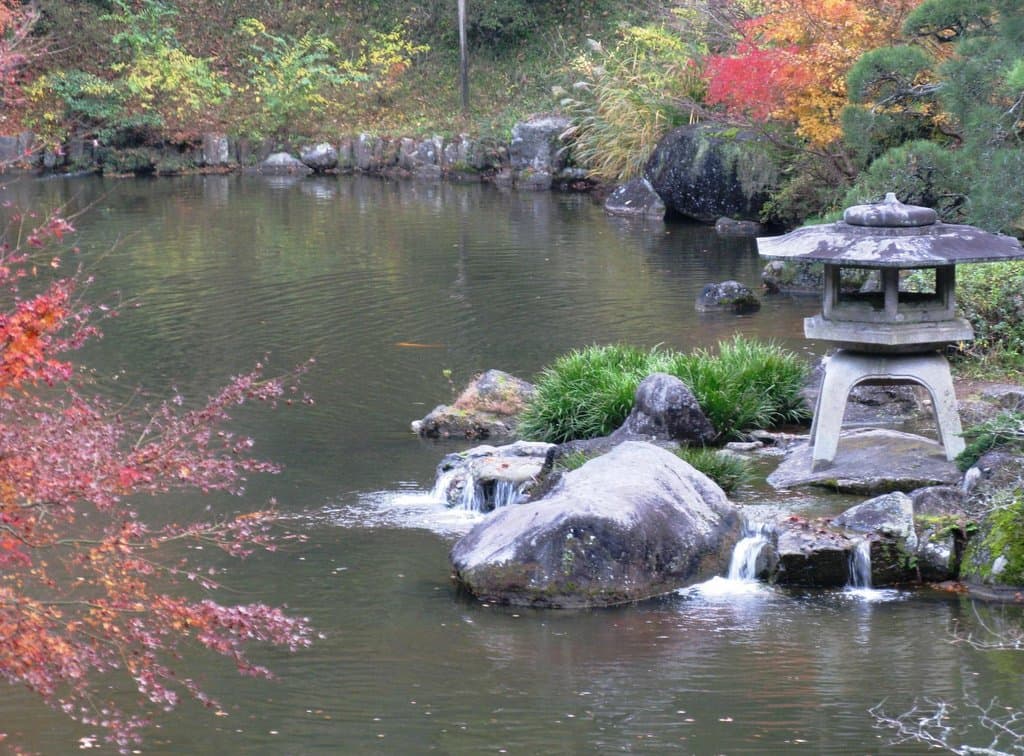
Themed Botanical Garden
Outdoor Area
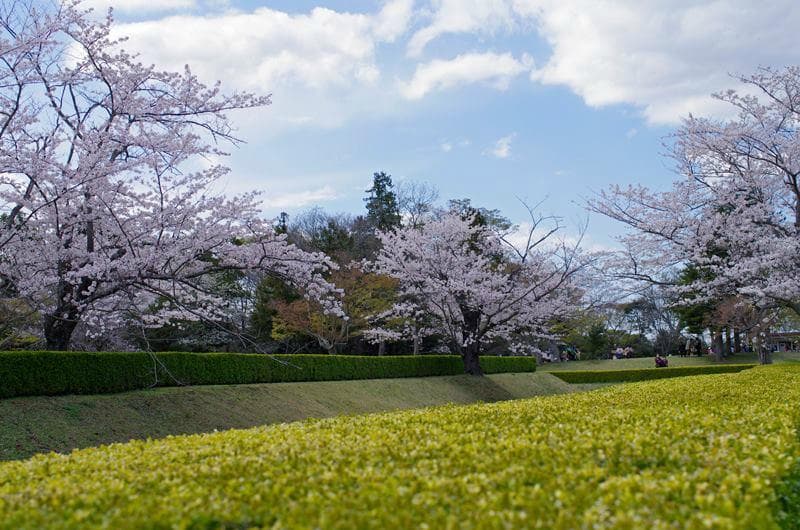
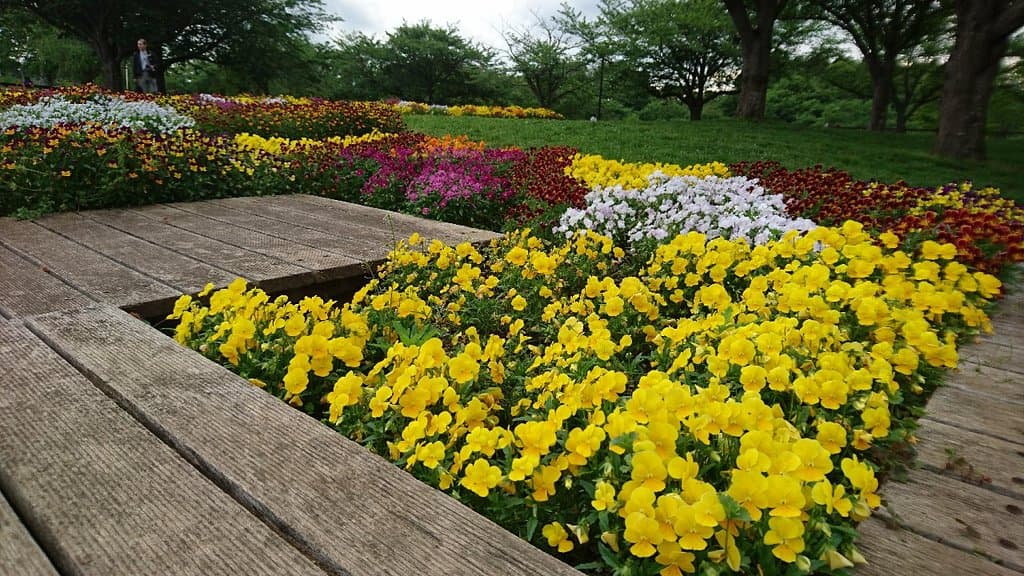
A serene garden offering a peaceful escape and a glimpse into traditional Japanese flora.
Plans like a pro.
Thinks like you
Planning Your Visit
Navigating the Museum
Getting There & Luggage
Best Times
Insider Tips
from TikTok, Instagram & Reddit
📱 Translation App Essential
Use your phone's translation app on Japanese captions for deeper understanding.
🧳 Luggage Storage Options
Deposit luggage at Keisei Sakura station or inquire about museum storage.
🎧 Audio Guide Check
Verify audio guide app availability in your region before your visit.
🚶♀️ Comfortable Shoes Recommended
Be prepared for a short hike to the entrance and extensive walking inside.
Tips
from all over the internet
📱 Translation App Essential
Use your phone's translation app on Japanese captions for deeper understanding.
🧳 Luggage Storage Options
Deposit luggage at Keisei Sakura station or inquire about museum storage.
🎧 Audio Guide Check
Verify audio guide app availability in your region before your visit.
🚶♀️ Comfortable Shoes Recommended
Be prepared for a short hike to the entrance and extensive walking inside.
📸 Photography Friendly
Many areas allow photography, so capture those Japanese captions!
What Travellers Say
Reviews Summary
Visitors praise the museum's detailed dioramas and extensive collection of original artifacts, offering a comprehensive look at Japanese history. While the primary language is Japanese, the availability of an audio guide app and the option to use translation apps are helpful. Some visitors note the hike to the entrance and the potential for crowds during peak times.
"A large, very well presented, detailed and informative museum of Japanese history and culture from prehistoric times to modern Japan. Beautiful permanent exhibits in 6 large halls (hall 5 closed for renovation during our visit). Often Special Exhibitions too. Most narrative in Japanese but titles in English too which is enough. There is a lot so you could spend hours if you want to. I was there for 1,5hours which was too quick!"
Vincent Oliver
"What an incredible museum. Extensively covers the rich history of Japan with some truly amazing displays. The dioramas are a sight to behold. Cheap entry price too. Check it out!!"
Robert “Astrorob27”
"Beautiful museum, if you want to be adventurous you can try squatting toilets there but they have regular toilets too.
Incredibly nice staff, they have school experience there, lady there was super nice and explained for us how school used to look. You can also try calligraphy there."
Aleksandra Weraksa
What People Like
What People Dislike
Frequently Asked Questions
🚇 🗺️ Getting There
The museum is accessible via a short hike from the main street. For those with luggage, coin lockers at Keisei Sakura station are a good option. Museum staff may also assist with luggage storage. Ample parking is available for visitors arriving by car.
Yes, there is a significant amount of parking space available for visitors at the National Museum of Japanese History.
It's recommended to use coin lockers at Keisei Sakura station for luggage storage, or inquire with museum staff upon arrival about potential storage options.
While accessible by public transport to the general area, the final approach to the museum involves a short hike from the nearest station or main street.
Taxis can likely take you to the vicinity, but confirm with the driver about the closest drop-off point, as the final approach may involve walking.
🎫 🎫 Tickets & Entry
Adult admission is 600 yen. Chiba University students, high school students, and junior high school students enjoy free entry.
Yes, students from Chiba University, high school students, and junior high school students receive free admission.
Advance booking is generally not required, but it's always a good idea to check the museum's official website for any updates or special exhibition requirements.
Opening hours can vary, so it's best to check the official website for the most current information before your visit.
An audio guide app is available, but its availability in your country should be verified before your visit.
🎫 🏛️ Onsite Experience
While many exhibits are in Japanese, an audio guide app and translation apps can greatly enhance the experience for international visitors.
Photography is permitted in many areas, allowing you to capture exhibit details and Japanese captions for later translation.
Visitors often praise the detailed dioramas that recreate historical scenes and the extensive collection of original artifacts.
Yes, restrooms are available. While some may be squat toilets, regular Western-style toilets are also provided.
The museum has offered school experiences, including calligraphy practice and explanations of past school life, which may be available to visitors.
🍽️ 🍽️ Food & Dining
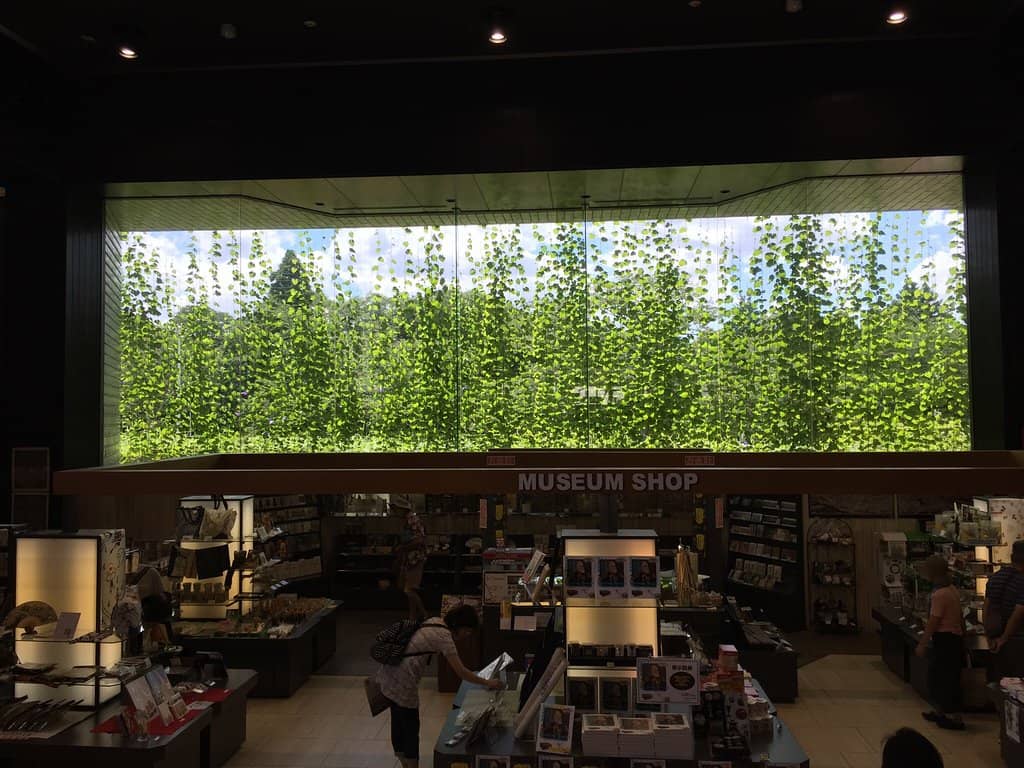
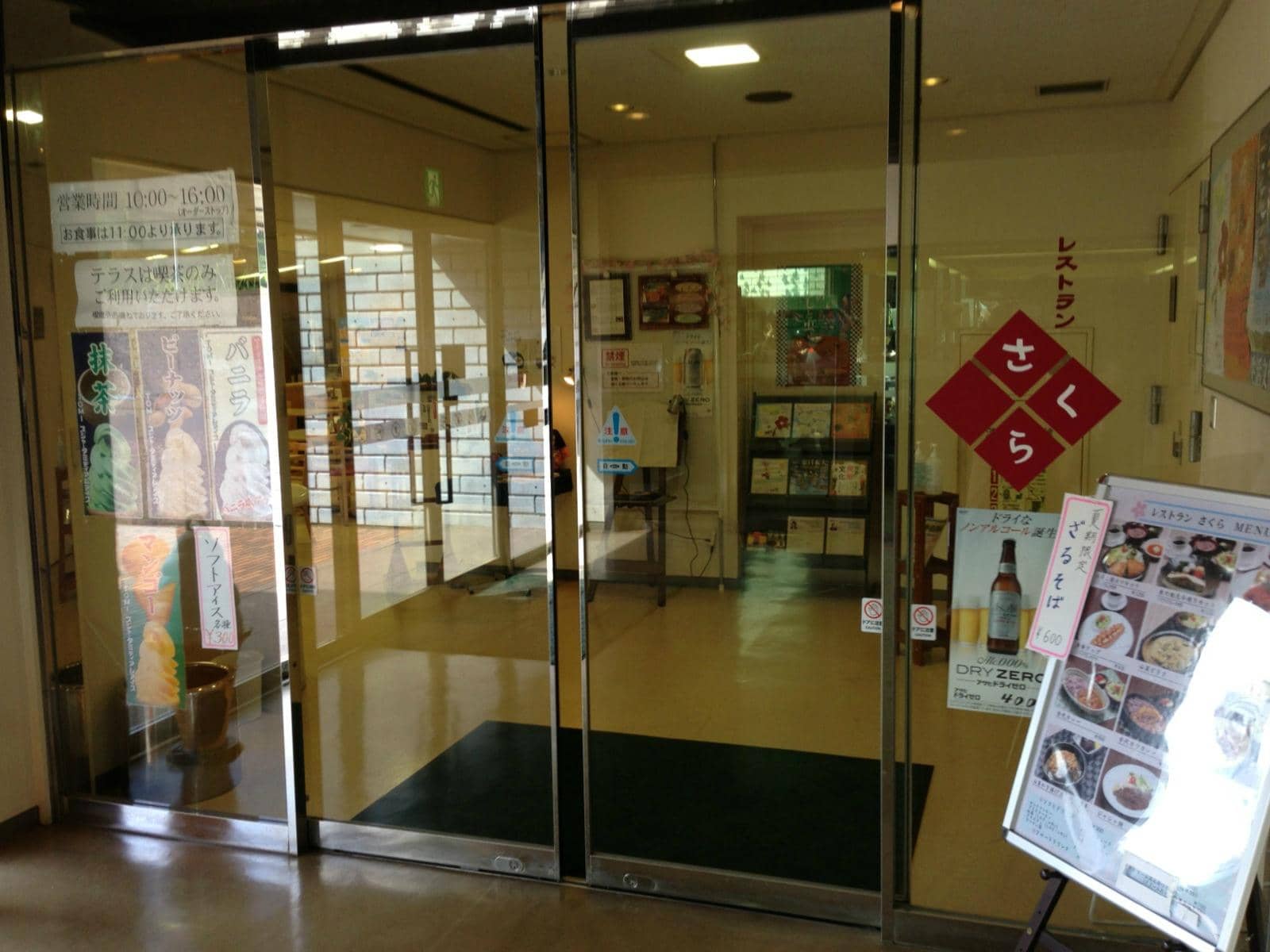
Yes, the museum features a restaurant and a shop, offering dining options and souvenirs.
The restaurant typically offers a selection of Japanese cuisine, complementing the cultural experience.
The museum is located near a main street, suggesting that there are likely various dining establishments in the vicinity.
It's advisable to check the museum's specific policies on outside food and beverages, though generally, eating is restricted to designated areas.
Information on specific dietary options is not readily available, so it's best to inquire directly with the restaurant staff upon arrival.
📸 📸 Photography
Yes, photography is allowed in many sections of the museum, allowing visitors to capture details and captions.
While generally permitted, it's always wise to look for any posted signs indicating areas where photography might be restricted, especially for specific artifacts.
The detailed dioramas and the themed botanical garden are often highlighted as visually appealing areas for photography.
Flash photography is typically discouraged or prohibited in museums to protect artifacts from light damage. Check for signage.
Use your smartphone to take clear pictures of the Japanese captions, which you can then use with a translation app.

Social
from TikTok, Instagram & Reddit