Hibara Shrine
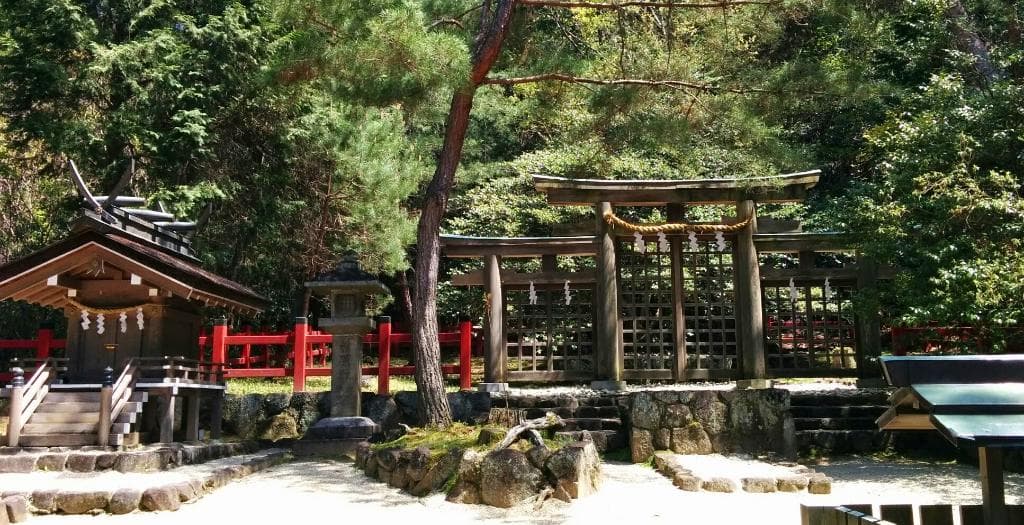
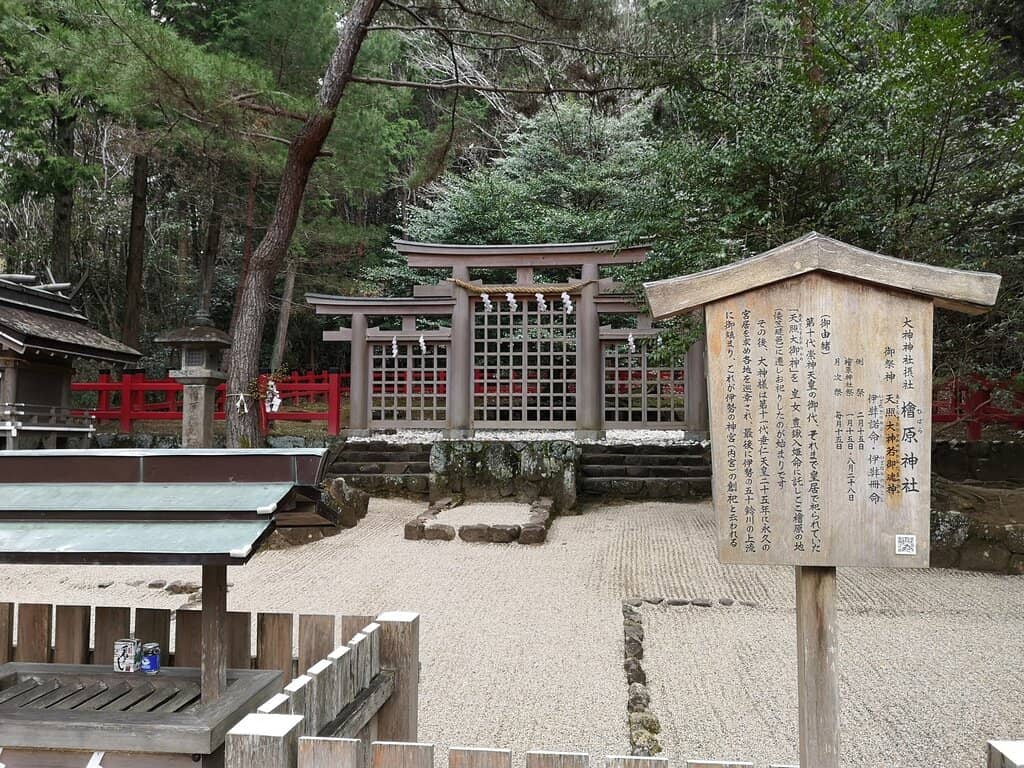
Discover Hibara Shrine, a serene sanctuary in Nara featuring unique triple torii gates and a peaceful path connecting to Omiwa Shrine.
Highlights
Must-see attractions

Social
From TikTok & Reddit
Best Time
Peaceful atmosphere
Hibara Shrine
Best Time
Peaceful atmosphere
Highlights
Must-see attractions
Discover Hibara Shrine, a serene sanctuary in Nara featuring unique triple torii gates and a peaceful path connecting to Omiwa Shrine.
"The sunset viewed from the torii gate is exceptional."
👟 Wear Comfortable Shoes
The Yamanobe no Michi path can be slippery, especially after rain. Sneakers are recommended for a safe and enjoyable walk.
🚶♀️ Walk to Omiwa Shrine
Enjoy a scenic 30-minute walk via Yamanobe no Michi to connect with Omiwa Shrine.
Quick Facts
Hours
Rating
4.4 · 827 reviews
Type
Place of Worship
Highlights
Discover the most iconic attractions and experiences
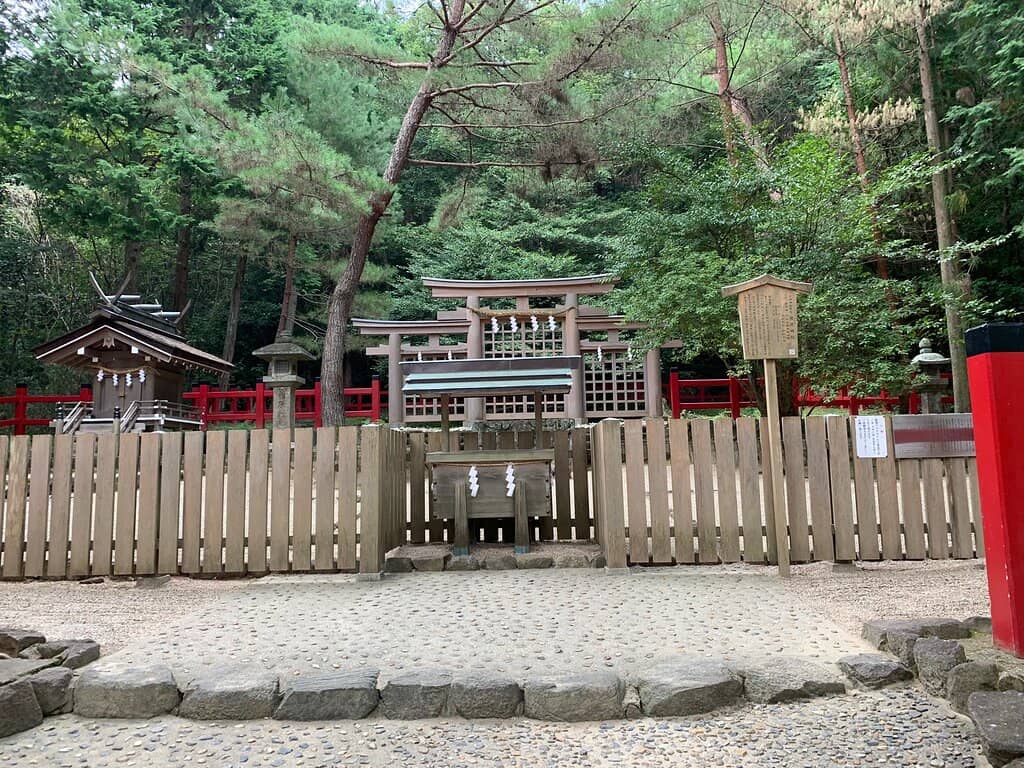
Triple Torii Gates
Main Shrine Area
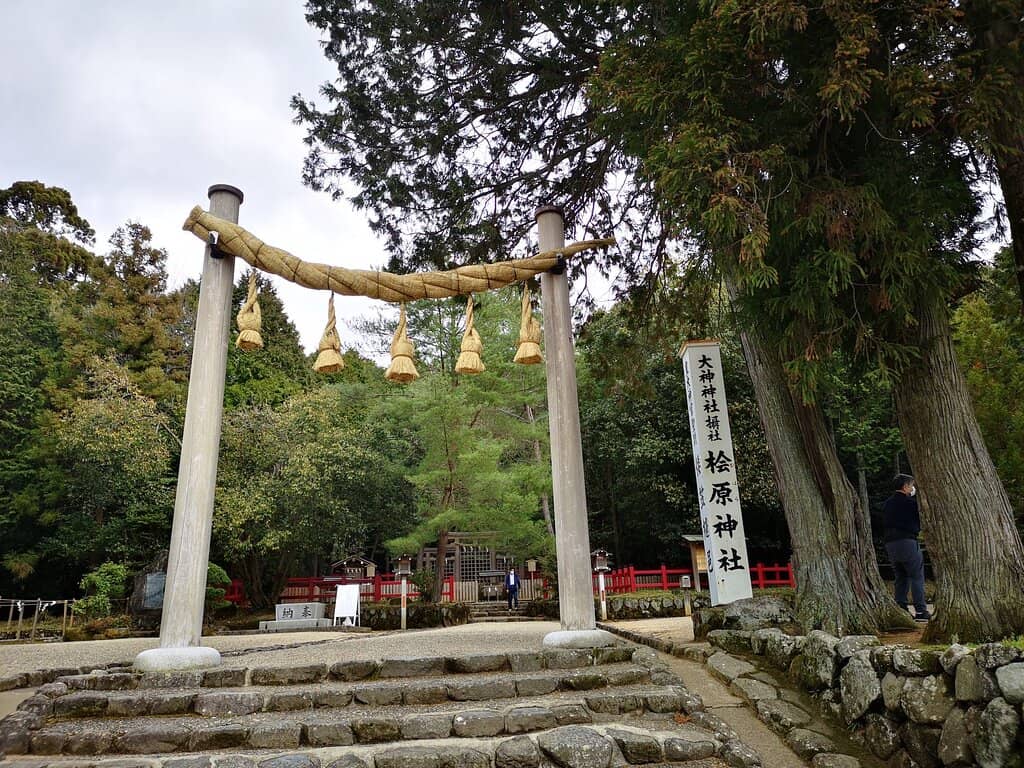
Unique triple torii gates stand as a distinctive feature, offering a visually striking and spiritual focal point.
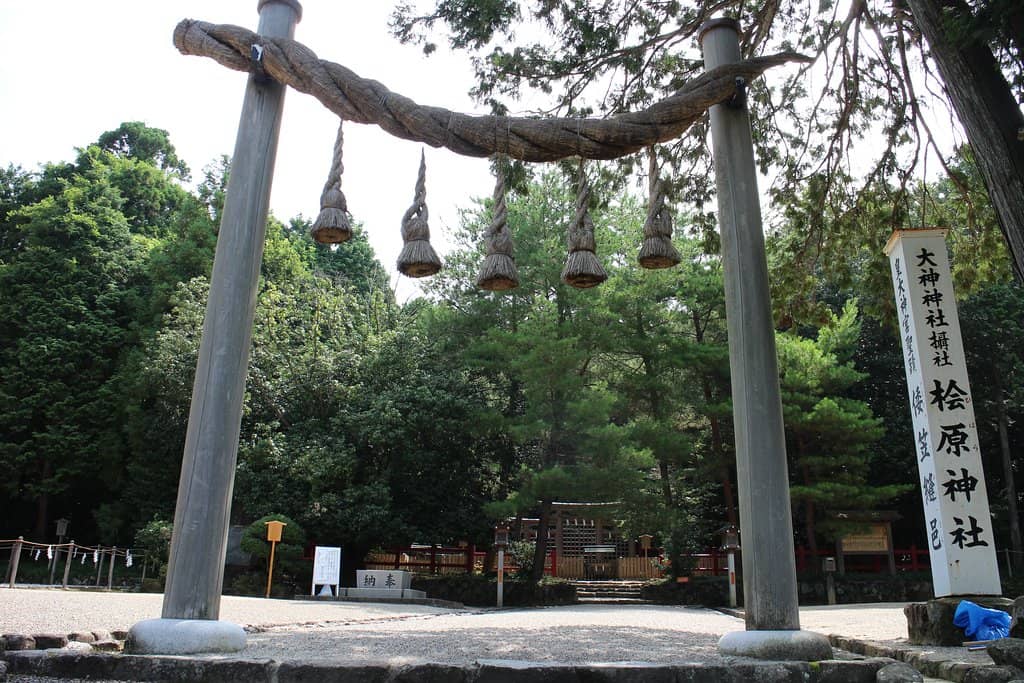
Yamanobe no Michi Path
Connecting path to Omiwa Shrine
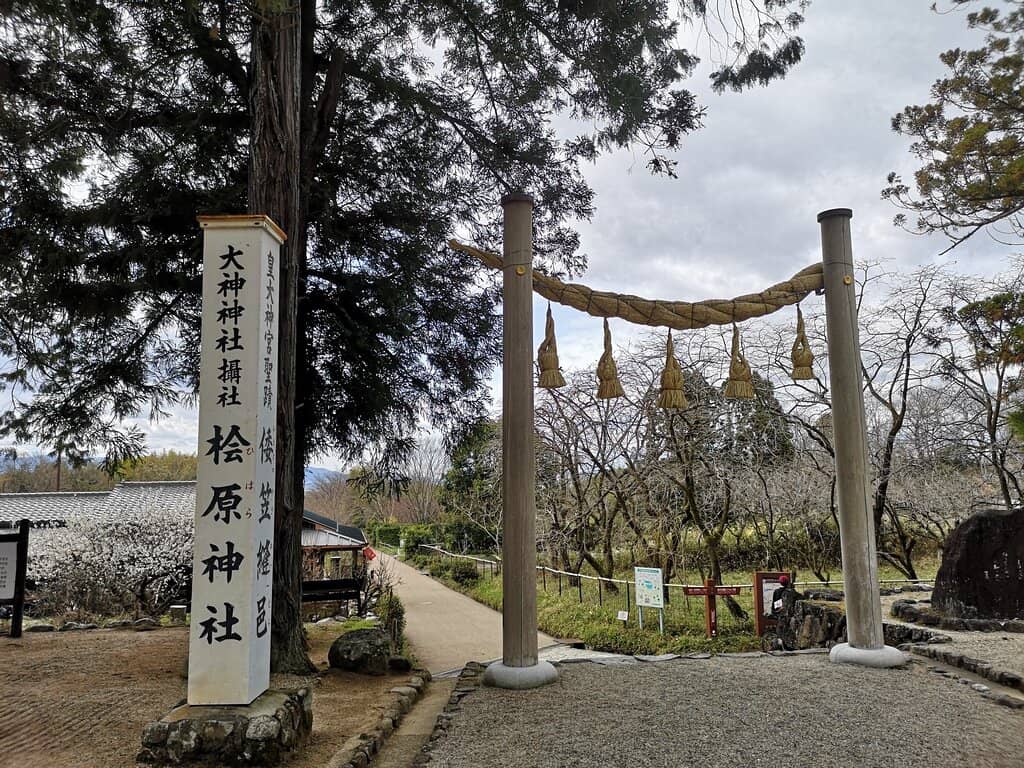
A serene walking path, perfect for a peaceful stroll between Hibara and Omiwa Shrines, offering scenic views.
Sunset Views
From the Torii Gates
Experience a breathtaking sunset from the torii gate area, a truly exceptional and memorable sight.
Plans like a pro.
Thinks like you
Planning Your Visit
Embrace the Serenity
Connect with Omiwa Shrine
Best Times
Insider Tips
from TikTok, Instagram & Reddit
👟 Wear Comfortable Shoes
The Yamanobe no Michi path can be slippery, especially after rain. Sneakers are recommended for a safe and enjoyable walk.
🚶♀️ Walk to Omiwa Shrine
Enjoy a scenic 30-minute walk via Yamanobe no Michi to connect with Omiwa Shrine.
🌅 Catch the Sunset
The sunset viewed from the torii gates is described as exceptional and a must-see.
🗣️ English Assistance Available
Even if you don't speak Japanese, local guides are noted for being helpful and accommodating.
Tips
from all over the internet
👟 Wear Comfortable Shoes
The Yamanobe no Michi path can be slippery, especially after rain. Sneakers are recommended for a safe and enjoyable walk.
🚶♀️ Walk to Omiwa Shrine
Enjoy a scenic 30-minute walk via Yamanobe no Michi to connect with Omiwa Shrine.
🌅 Catch the Sunset
The sunset viewed from the torii gates is described as exceptional and a must-see.
🗣️ English Assistance Available
Even if you don't speak Japanese, local guides are noted for being helpful and accommodating.
🌳 Embrace Nature
The shrine is surrounded by nature, with ancient trees like the 100-year-old Katsura tree adding to its charm.
What Travellers Say
Reviews Summary
Visitors praise Hibara Shrine for its unique triple torii gates and the serene atmosphere, especially when combined with a walk along the Yamanobe no Michi. The helpfulness of local guides and the beauty of the sunset views are frequently mentioned positives. Some find the walking path narrow and potentially slippery after rain.
"A big shrine of Shinto (cmiiw), where the local guides are really nice. Although some of us cannot speak Japanese, they were not hesitating to help us in English. This is her first time visiting shrine on outside world."
Anemone
"The path (Yama-no-be no Michi) to the shrine is great for walking, not suited for cycling."
Ant ManBee
"Nice place"
Gustavo Calderon
What People Like
What People Dislike
Frequently Asked Questions
🚇 🗺️ Getting There
Hibara Shrine is accessible by car, taking about 25 minutes from Izukushima Port. It's also a pleasant 30-minute walk from Omiwa Shrine via the Yamanobe no Michi path.
The Yamanobe no Michi path is described as great for walking but not suited for cycling due to its narrow sections.
Many visitors enjoy the scenic 30-minute walk along the Yamanobe no Michi path connecting the two shrines.
While specific details on public transport are limited, driving from nearby areas like Izukushima Port is a common method.
Hibara Shrine is located in Sakurai City, Nara. Walking from the city center might be feasible depending on your starting point and preference for longer walks.
🎫 🎫 Tickets & Entry
Information regarding entrance fees is not readily available, suggesting it may be free to enter, as is common for many shrines in Japan.
Specific opening hours are not widely published, but shrines are generally accessible during daylight hours. It's best to visit during the day to experience its full beauty.
Advance booking is typically not required for visiting shrines like Hibara. You can usually visit spontaneously.
Hibara Shrine is a subsidiary shrine of Omiwa Shrine and is known for its unique triple torii gates and serene atmosphere.
Historical walking tours connecting to Omiwa Shrine have been mentioned, suggesting potential for guided experiences. 
📸 📸 Photography
The triple torii gates are a standout feature for photography. The sunset views from the torii gates are also highly recommended.
Photography is generally permitted at shrines, but it's always respectful to be mindful of ongoing rituals or prayers.
Yes, the Yamanobe no Michi path offers beautiful scenery and is a great subject for photography, especially during different seasons.
Early mornings and late afternoons, especially during the golden hour, offer beautiful lighting for capturing the shrine and its surroundings.
Specific drone regulations are not mentioned, but it's advisable to check local rules and be considerate of other visitors and the sacred nature of the site.
🎫 🌳 Nature & Scenery
Hibara Shrine is noted for its ancient trees, including a Katsura tree over 100 years old, and its serene natural setting.
There is an Oyamazumi shrine located in Lake Hibara in Urabandai, Fukushima, which is a different location from the Hibara Shrine in Nara.
This path is known for its historical significance and its role in connecting important shrines, offering a peaceful walking experience.
While not explicitly stated for Hibara Shrine, the surrounding nature suggests that spring blossoms or autumn foliage could enhance the visit.
The shrine is home to ancient trees, notably a Katsura tree that is over 100 years old, contributing to the sacred atmosphere.


Social
from TikTok, Instagram & Reddit