
Kamasaki Onsen
Discover the tranquil beauty of Kamasaki Onsen, a traditional Japanese hot spring resort town known for its therapeutic waters and serene atmosphere.

Highlights
Must-see attractions

Social
From TikTok & Reddit
Best Time
Fewer crowds, serene atmosphere
Kamasaki Onsen
Best Time
Fewer crowds, serene atmosphere
Highlights
Must-see attractions
Discover the tranquil beauty of Kamasaki Onsen, a traditional Japanese hot spring resort town known for its therapeutic waters and serene atmosphere.

🧳 Pack Light for Day Trips
Bring a small bag for your yukata, towel, and toiletries if visiting public baths. Many places offer rentals too.
📱 Download a Translation App
While some staff speak English, a translation app can be helpful for menus and local interactions.

Quick Facts
Highlights
Discover the most iconic attractions and experiences
Outdoor Rotenburo
Various ryokans and public baths
Immerse yourself in nature while soaking in open-air hot springs. The scenic views are breathtaking.

Traditional Ryokan Stay
Throughout Kamasaki Onsen town
Experience authentic Japanese hospitality with tatami rooms, kaiseki dinners, and onsen access.

Local Foot Baths (Ashiyu)
Town center and along the river
Relax your tired feet with free public foot baths scattered throughout the town. Perfect for a quick break.
Plans like a pro.
Thinks like you
Planning Your Visit
Book Ahead for Peak Times
Understand Onsen Etiquette
Best Times
Insider Tips
from TikTok, Instagram & Reddit
🧳 Pack Light for Day Trips
Bring a small bag for your yukata, towel, and toiletries if visiting public baths. Many places offer rentals too.
📱 Download a Translation App
While some staff speak English, a translation app can be helpful for menus and local interactions.
👟 Comfortable Walking Shoes
You'll be doing a lot of walking around the charming town. Prioritize comfort for exploring.
💰 Bring Cash for Small Shops
Some smaller shops and eateries might not accept cards, so having some yen on hand is wise.
Tips
from all over the internet
🧳 Pack Light for Day Trips
Bring a small bag for your yukata, towel, and toiletries if visiting public baths. Many places offer rentals too.
📱 Download a Translation App
While some staff speak English, a translation app can be helpful for menus and local interactions.
👟 Comfortable Walking Shoes
You'll be doing a lot of walking around the charming town. Prioritize comfort for exploring.
💰 Bring Cash for Small Shops
Some smaller shops and eateries might not accept cards, so having some yen on hand is wise.
What Travellers Say
Reviews Summary
Visitors rave about the authentic Japanese experience at Kamasaki Onsen, particularly the rejuvenating hot springs and the serene atmosphere. The traditional ryokan stays, complete with kaiseki meals and attentive service, are frequently highlighted as a major draw. While some find the onsen etiquette a bit daunting, most agree the overall experience is deeply relaxing and culturally enriching.
What People Like
What People Dislike
Frequently Asked Questions
🚇 🗺️ Getting There
The most common route is to take the Shinkansen (bullet train) from Tokyo Station to Shin-Kobe Station, then transfer to a local train or bus heading towards Kamasaki Onsen. The entire journey typically takes around 3-4 hours.
Yes, most ryokans and public onsen facilities offer parking for guests. If you're visiting for the day, there are also public parking lots available, though they can fill up during peak season.
Absolutely! Kamasaki Onsen is well-connected by public transport. Buses run regularly from nearby major train stations, making it accessible even without a car.
The town is quite walkable, and many visitors enjoy strolling. For longer distances or if you have mobility issues, local buses or taxis are available.
While direct airport transfers aren't common, you can easily reach Kamasaki Onsen from Kansai International Airport (KIX) by taking a train to Shin-Kobe and then continuing your journey.
🎫 🎫 Tickets & Entry
For public onsen, walk-ins are often accepted, but booking ahead is recommended, especially for popular times or specific bathing areas. Ryokan stays always require advance booking.
Public onsen usually open in the morning (around 10 AM) and close in the evening (around 9-10 PM). Ryokan guests have access to their private onsen facilities at more flexible times.
Day-use entry fees for public onsen typically range from ¥1,000 to ¥2,500. Ryokan stays include onsen access and meals, with prices varying significantly.
Some facilities offer day passes or multi-visit passes. It's worth checking the specific onsen you plan to visit for any special offers or packages.
Yes, most public onsen and ryokans provide towel and yukata rentals for a small fee. This is convenient if you're traveling light.
🎫 🏞️ Onsite Experience
Always wash your body thoroughly before entering the bath. Do not wear swimwear, and keep your small towel out of the water. Relax and enjoy the therapeutic waters.
Yes, many ryokans offer private onsen rooms (kashikiri buro) that you can book for a set period, providing a more intimate experience.
Bring your personal toiletries if you prefer them, a small towel for washing, and a larger towel for drying. Many places provide these, but personal preference matters.
Historically, tattoos were associated with yakuza, so some onsen may prohibit them. However, many modern establishments are more accepting. It's best to check with the specific onsen beforehand or cover them discreetly.
The mineral-rich waters are known for their therapeutic properties, helping to relieve muscle aches, improve circulation, and promote relaxation.
🍽️ 🍽️ Food & Dining
Ryokans typically serve exquisite multi-course kaiseki dinners featuring seasonal local ingredients. Many also offer traditional Japanese breakfasts.
Yes, the town has several restaurants offering local specialties, from soba noodles to fresh river fish. Exploring the town will reveal many dining options.
While traditional Japanese cuisine can be meat and fish-heavy, some restaurants are becoming more accommodating. It's advisable to inquire in advance about vegetarian or vegan choices.
Look for dishes featuring local river fish, mountain vegetables, and regional sake. Many ryokans pride themselves on showcasing these local flavors.
Yes, there are usually a few convenience stores (konbini) and small local shops where you can buy snacks, drinks, and basic necessities.
📸 📸 Photography
Capture the charming streets, traditional architecture, and especially the scenic outdoor onsen (rotenburo) with surrounding nature.
Generally, photography is strictly prohibited inside the bathing areas for privacy reasons. Always respect the rules and other bathers.
Early mornings or late afternoons offer beautiful soft light and fewer crowds, ideal for capturing the serene atmosphere of the onsen town.
Look for the iconic red bridges, traditional wooden buildings, and the steam rising from the hot springs, especially during autumn or winter.

You can usually take photos in your room and common areas, but always ask permission before photographing staff or other guests.

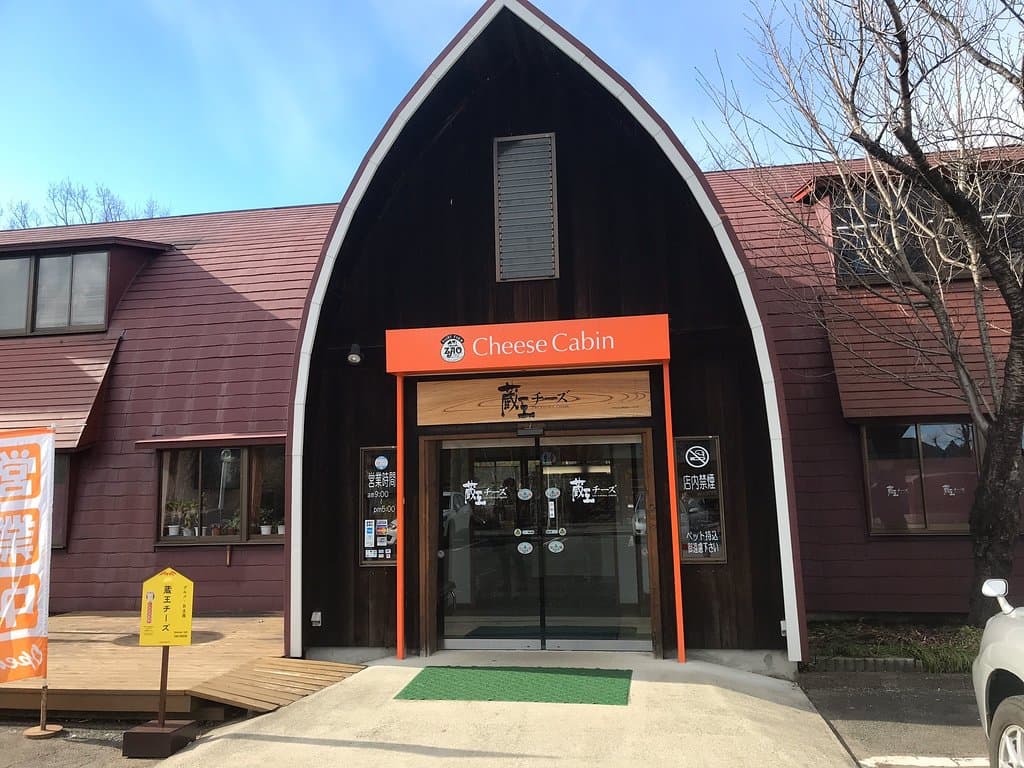
Social
from TikTok, Instagram & Reddit