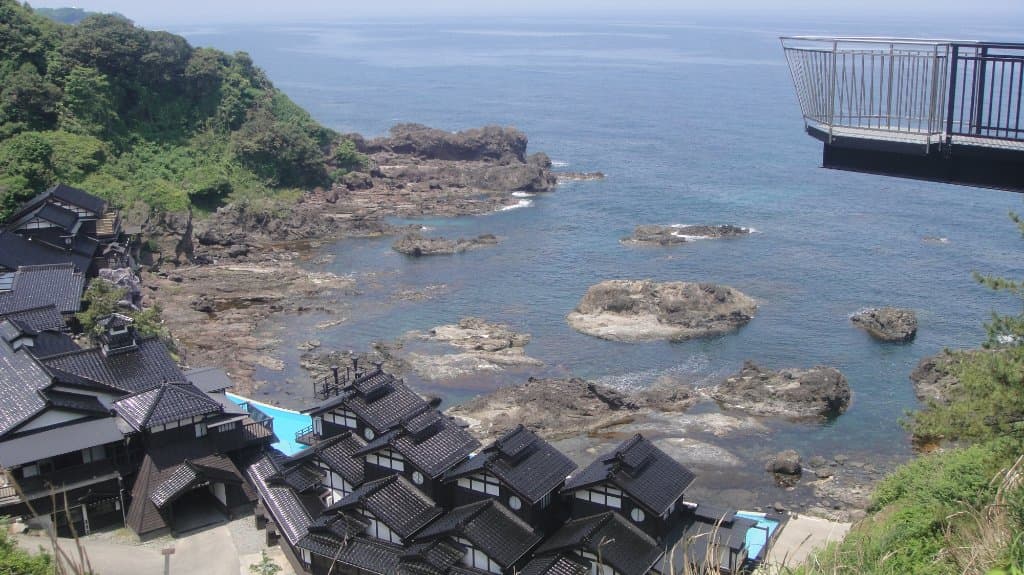
Hachigasaki Coast Japan
Discover the magical Blue Cave and dramatic coastal vistas at Hachigasaki Coast, a resilient gem on Japan's Noto Peninsula.
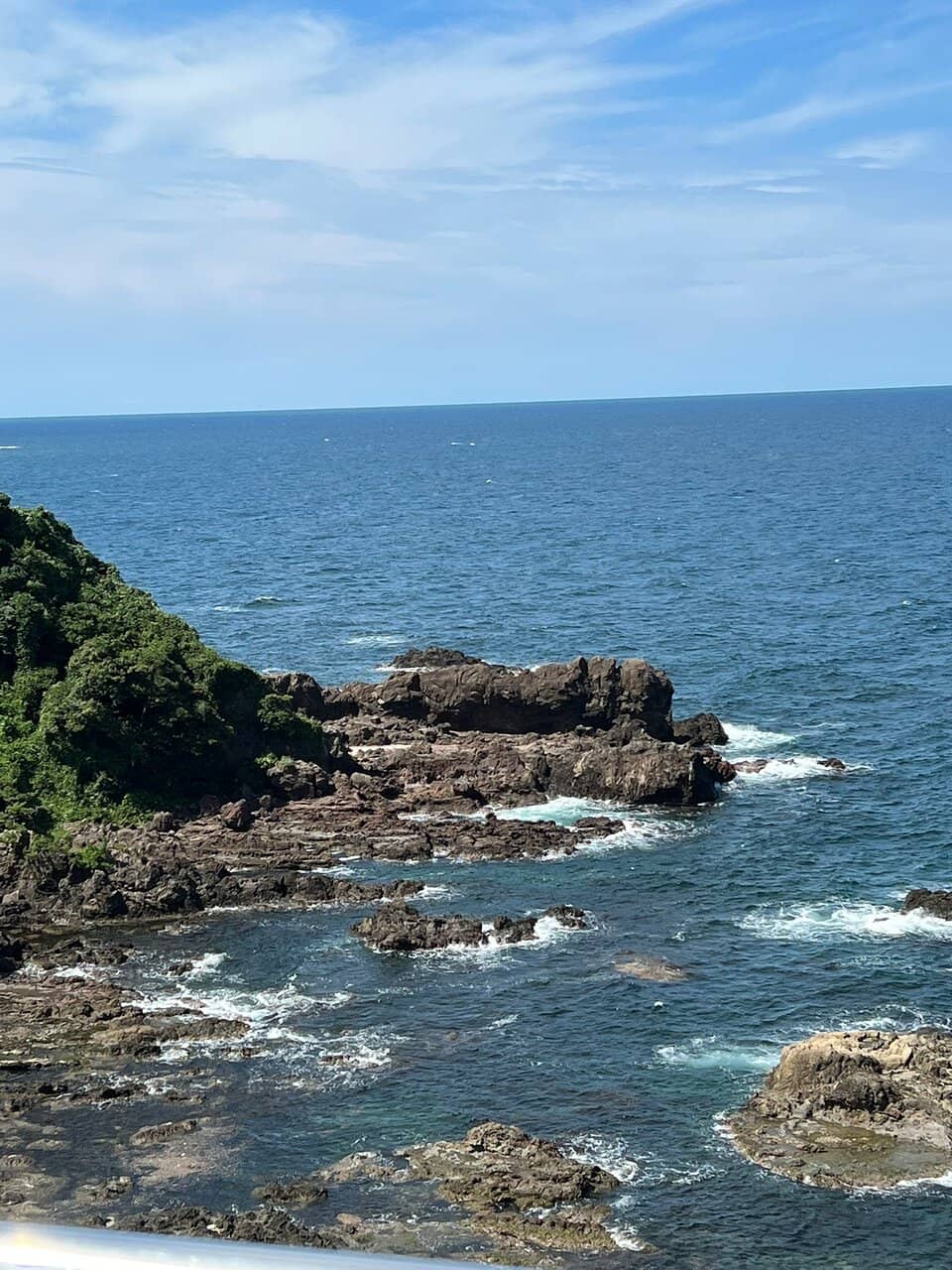
Highlights
Must-see attractions

Social
From TikTok & Reddit
Best Time
Best access to the Blue Cave
Hachigasaki Coast Japan
Best Time
Best access to the Blue Cave
Highlights
Must-see attractions
Discover the magical Blue Cave and dramatic coastal vistas at Hachigasaki Coast, a resilient gem on Japan's Noto Peninsula.
"The Blue Cave is a must-see, but drive with extreme caution due to earthquake-damaged roads."
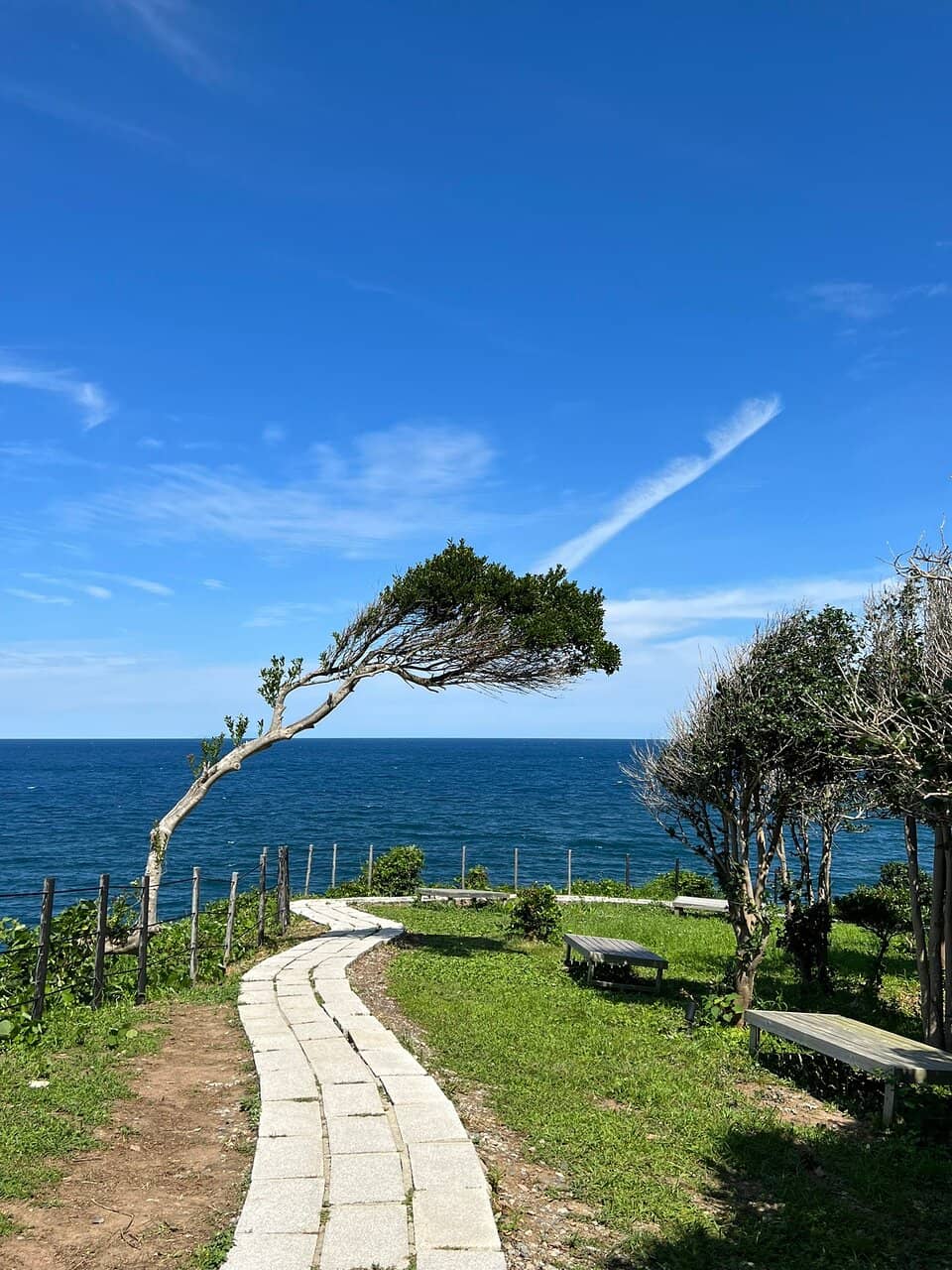
🚗 Drive Cautiously on Damaged Roads
Roads are rough post-earthquake. Watch for potholes and uneven surfaces to avoid car trouble .
🌊 Check Tide Levels for Cave Access
Earthquakes affected water levels. Low tide offers better access to the Blue Cave's interior .
Quick Facts
Hours
Rating
3.8 · 90 reviews
Highlights
Discover the most iconic attractions and experiences
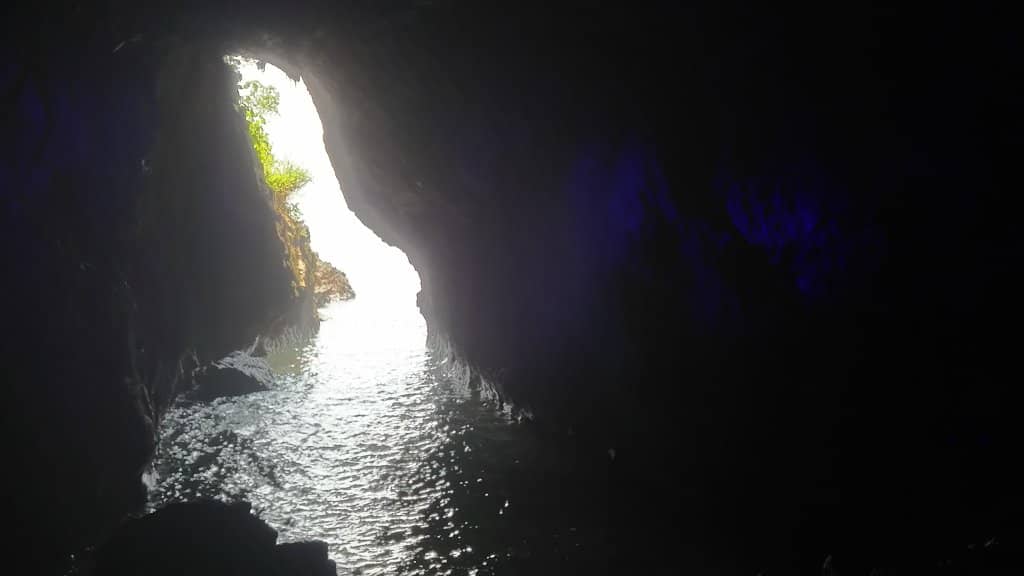
The Blue Cave
Cape Suzu
A stunning natural cave illuminated with ethereal blue light, offering a magical experience.
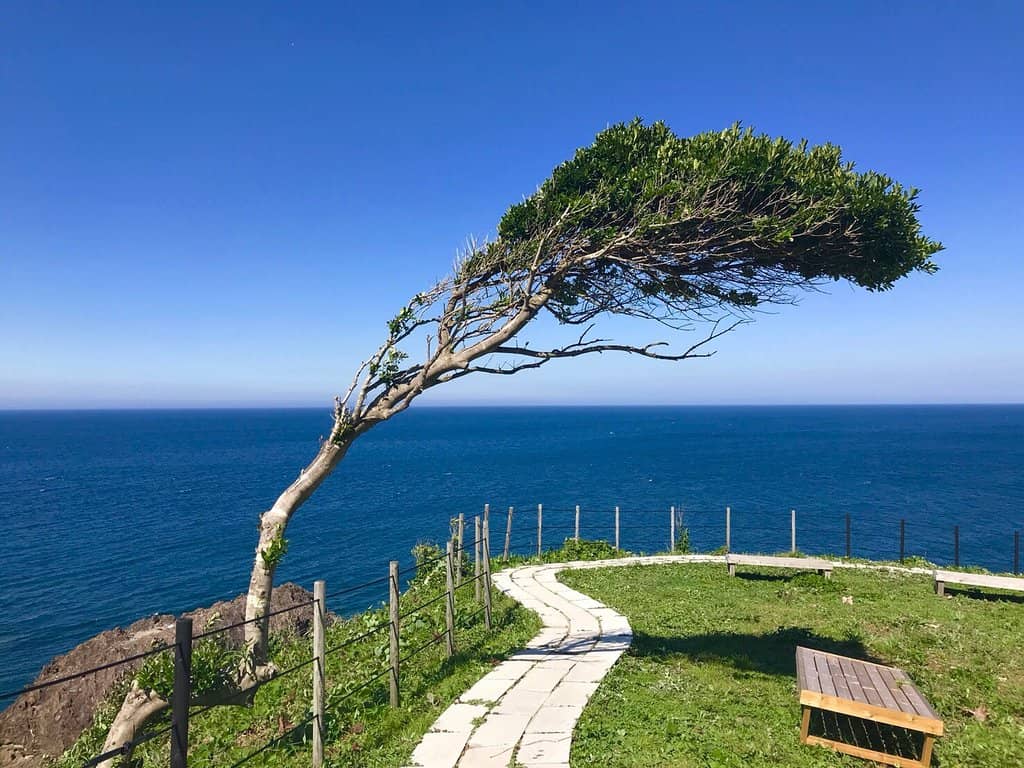
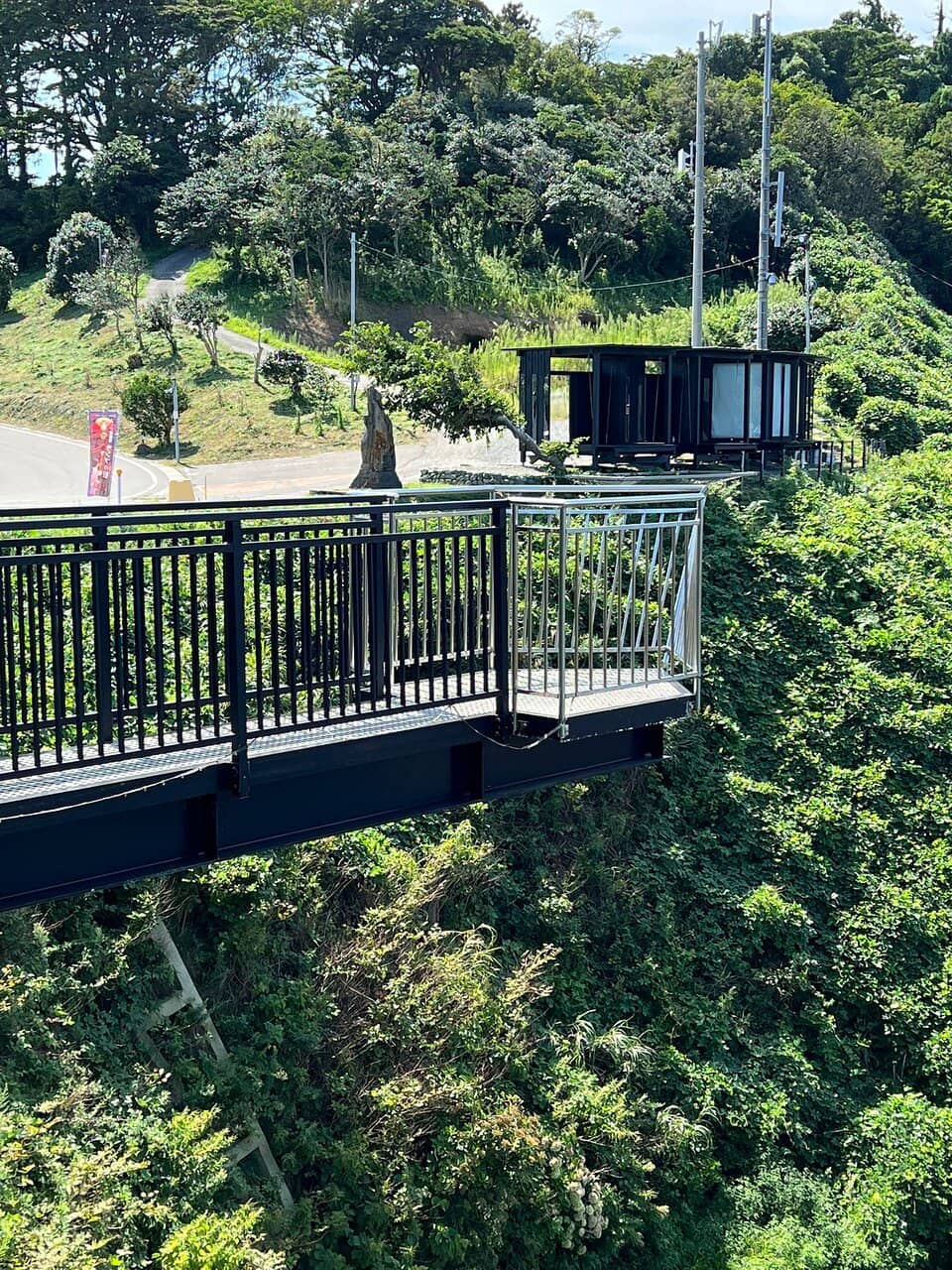
Cape Suzu Observation Deck
Tip of Noto Peninsula
Panoramic ocean views and a sense of being at the edge of the world.
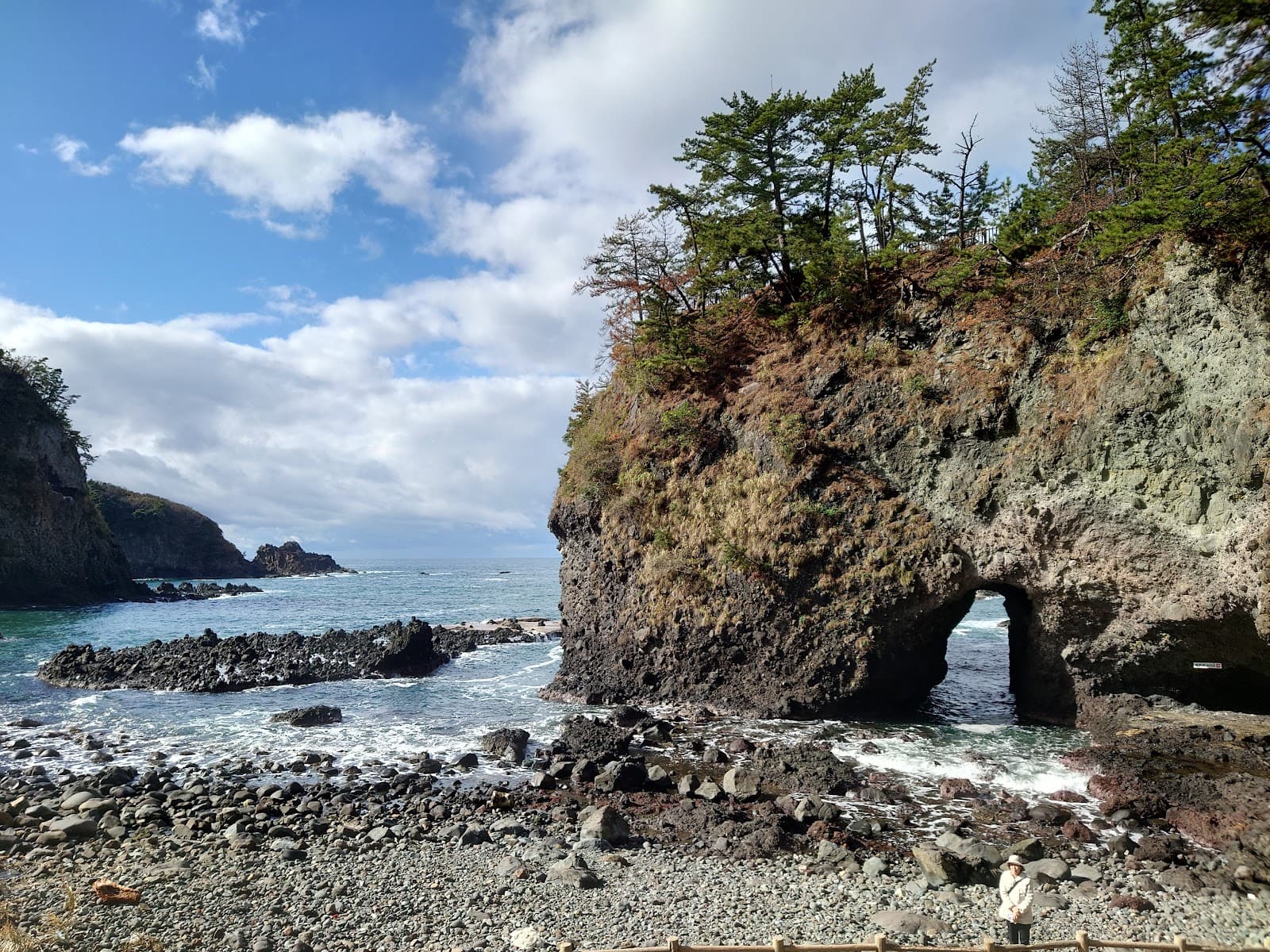
Hachigasaki Beach
Below the observation deck
A scenic beach accessible via a slope, perfect for a stroll with ocean vistas.
Plans like a pro.
Thinks like you
Planning Your Visit
Navigating Post-Earthquake Roads
Timing Your Visit for the Blue Cave
Best Times
Insider Tips
from TikTok, Instagram & Reddit
🚗 Drive Cautiously on Damaged Roads
Roads are rough post-earthquake. Watch for potholes and uneven surfaces to avoid car trouble.
🌊 Check Tide Levels for Cave Access
Earthquakes affected water levels. Low tide offers better access to the Blue Cave's interior.
🎟️ Purchase Tickets in Advance
Tickets are available from machines opposite the parking lot; use QR code for unmanned gates.
🚶♀️ Explore Beyond the Deck
Descend the slope to the beach and explore the cave area for a fuller experience.
Tips
from all over the internet
🚗 Drive Cautiously on Damaged Roads
Roads are rough post-earthquake. Watch for potholes and uneven surfaces to avoid car trouble.
🌊 Check Tide Levels for Cave Access
Earthquakes affected water levels. Low tide offers better access to the Blue Cave's interior.
🎟️ Purchase Tickets in Advance
Tickets are available from machines opposite the parking lot; use QR code for unmanned gates.
🚶♀️ Explore Beyond the Deck
Descend the slope to the beach and explore the cave area for a fuller experience.
💡 Blue Cave Lighting
The cave is naturally illuminated with blue lights, creating a unique ambiance.+1
What Travellers Say
Reviews Summary
Visitors find Hachigasaki Coast's Blue Cave visually stunning, offering a unique natural spectacle. However, the journey is significantly impacted by earthquake-damaged roads, requiring extreme caution. While the scenery is appreciated, some question the admission fees given the current recovery status of the region.
"We were here on unfortunate circumstances due to our car receiving a flat tire. We were here for about 4-5 hours in total. The view is nice and there is a beach side down a hill and an ocean view area. All in all, it is a nice stop if you are in the area but nothing spectacular. The road condition is not good due to earthquake damage. Be very careful and avoid potholes and other road damages to the best of your ability. We received a flat because the road going to Cape Suzu was treacherous."
Vinny F
"Cool place to visit."
Carlos Sheppard
"The road to Cape Suzu is uneven and there are many unrepaired sections of pavement, so driving is a bit tricky.
The parking lot is large, and you can see Lamp no Yado without entering the paid area.
Tickets can be purchased from the ticket machine in the building opposite the parking lot, and you can enter by scanning the QR code at the unmanned gate.
We spent around 15 minutes looking out at the end of the cape and descending the slope into the cave.
The water level had apparently dropped due to the earthquake, so we were able to go down to the rocks inside the cave.
The cave is illuminated with blue lights.
The souvenir shop sells a variety of power spot-related goods."
cai kt
What People Like
What People Dislike
Frequently Asked Questions
🚇 🗺️ Getting There
The Hachigasaki Coast is located on the Noto Peninsula in Ishikawa Prefecture. Driving is the most common way to access it, but be aware that roads, especially leading to Cape Suzu, have sustained significant damage from recent earthquakes. Travelers report treacherous conditions with potholes and unrepaired sections. Public transport options are limited in this remote area, so renting a car is often recommended, but ensure your vehicle is suitable for potentially rough terrain. Plan your route carefully and check for any temporary closures or advisories before you go.
Driving to Cape Suzu requires extreme caution due to earthquake damage. Many sections of the road are uneven and unrepaired, increasing the risk of flat tires or other vehicle issues. Some visitors suggest waiting until recovery efforts have progressed further before attempting the drive. If you do drive, go slowly, be vigilant for hazards, and consider a vehicle with higher clearance if possible.
Road conditions are variable and have been significantly impacted by the earthquake. While some main routes might be passable, the roads leading to more remote spots like Cape Suzu can be challenging. Expect uneven pavement, potholes, and potential debris. Travelers have noted that the road condition is not good and requires careful navigation.
Public transportation to Hachigasaki Coast is very limited due to its remote location on the Noto Peninsula. While buses may serve the broader Suzu area, reaching the specific coast and Cape Suzu often requires a car. It's advisable to check local bus schedules in advance, but be prepared for infrequent services and potentially long travel times.
Yes, there is a large parking lot available at Cape Suzu. This is convenient for visitors arriving by car. From the parking area, you can access the observation deck and the path leading down towards the Blue Cave and beach.
🎫 🎫 Tickets & Entry
There is an admission fee to access the Blue Cave area at Cape Suzu. Tickets can be purchased from a ticket machine located in the building opposite the parking lot. Entry to the unmanned gate is then done by scanning a QR code. Some visitors have questioned the fee, especially given the current recovery situation, but it grants access to the cave and surrounding viewpoints.
Specific operating hours for the Blue Cave are not always clearly stated and can be influenced by natural conditions like tide levels and weather. It's best to visit during daylight hours when the blue illumination is most effective and safe to access the cave. Some reviews suggest visiting around noon.
Tickets for the Blue Cave are typically purchased on-site from a ticket machine. Advance booking is generally not required, but it's always a good idea to check for any updates or changes in procedure, especially given the ongoing recovery efforts in the region.
Accessing the Blue Cave involves descending a slope from the observation deck area. While there are steps and pathways, the terrain can be uneven, especially after the earthquake. Visitors with mobility issues may find it challenging to reach the cave itself. The observation deck offers good views without needing to descend.
While the observation deck itself offers views, the primary fee is for accessing the Blue Cave area. Visitors can see Lamp no Yado from the parking lot without entering the paid area. The admission fee covers the path to the cave and the illuminated viewing points within the cave.
📸 📸 Photography
The Blue Cave is a prime photography subject, especially when illuminated with its signature blue light.+1 Capture the ethereal glow inside the cave and the dramatic rock formations. The Cape Suzu observation deck provides stunning panoramic shots of the coastline and the vast Pacific Ocean.
Don't miss the opportunity to photograph the rugged beauty of the Noto Peninsula landscape, even with the visible signs of earthquake damage, which can add a poignant element to your photos.
For the Blue Cave, a tripod is highly recommended to capture the best shots in the low light conditions. Use a wider aperture (lower f-number) to let in more light and a slower shutter speed to compensate. Experiment with ISO settings to balance noise and brightness. Many visitors use their smartphones and find success by holding steady or using a small portable tripod.
Drone usage regulations can vary by location in Japan. It's essential to check local rules and obtain any necessary permits before flying a drone over Hachigasaki Coast or Cape Suzu. Be mindful of privacy concerns for other visitors and the sensitive natural environment. Currently, there are no specific mentions of drone restrictions in traveler feedback, but it's always best to be informed.
The Blue Cave is best photographed during daylight hours when the natural blue illumination is most vibrant. Midday, when the sun is higher, can provide good light. For the coastal views from Cape Suzu, sunrise or sunset can offer dramatic lighting, but consider the accessibility and road conditions during those times.
Landscape photography is very popular, capturing the dramatic coastline and the unique Blue Cave. Many visitors also focus on the power spot elements often associated with the area, as mentioned in souvenir shop offerings. The raw beauty of the Noto Peninsula, even in its post-earthquake state, is a compelling subject for many photographers.
🎫 🌊 Nature & Scenery
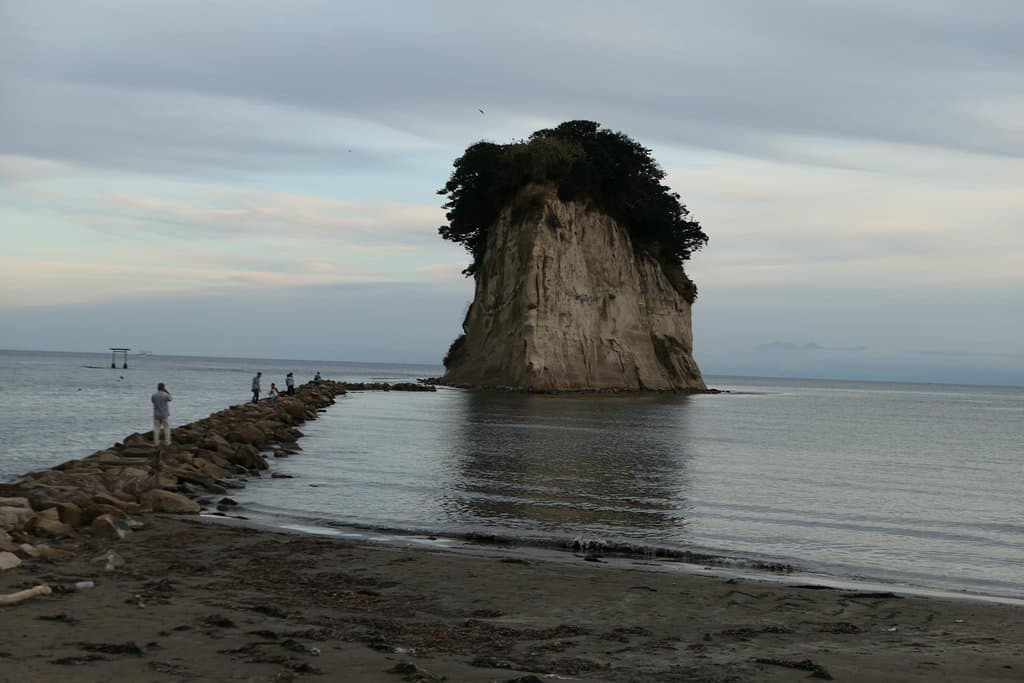
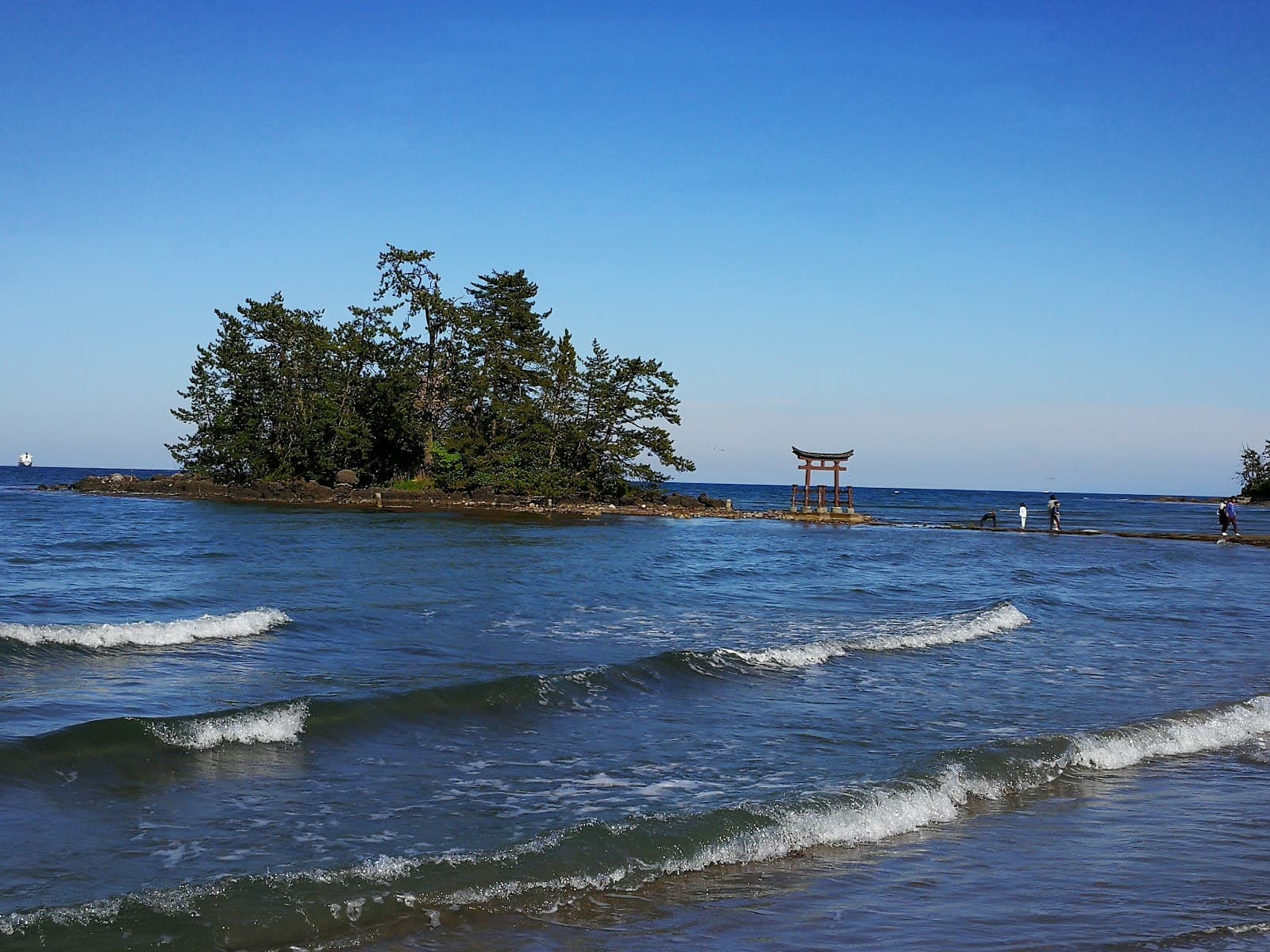
Hachigasaki Coast offers dramatic coastal scenery characterized by rugged cliffs, the vast Pacific Ocean, and the unique Blue Cave. The Noto Peninsula itself is known for its natural beauty, with rolling hills meeting the sea. Even with the visible impact of the earthquake, the raw, untamed landscape retains its allure.+1
The earthquake has caused significant damage, including landslides and changes to the coastline. Some visitors have noted that the water level in the Blue Cave has dropped, allowing for greater exploration of the cave floor. While the damage is evident, the underlying natural beauty of the area remains, though it's presented in a more raw and resilient state.
There is a path that leads down from the Cape Suzu observation deck to the Blue Cave and the beach area. This involves descending a slope and navigating some rocky terrain. While not extensive hiking trails, these paths allow visitors to experience the coastal environment up close.
As a coastal area, you might observe seabirds. The marine life in the waters around the Blue Cave is also a significant part of the ecosystem, though direct observation of marine wildlife from the shore is limited. The focus is primarily on the geological formations and the ocean views.
While the Noto Peninsula coastline offers beautiful ocean views, Hachigasaki Coast is not specifically known as a prime whale-watching spot. Whale watching tours typically operate from different locations along the Japanese coast. The main attractions here are the Blue Cave and the dramatic coastal landscapes.
🎫 💡 Local Culture & History
Cape Suzu is situated at the very tip of the Noto Peninsula, making it a geographically significant point. It's known for its dramatic coastal views and the natural wonder of the Blue Cave. Historically, it's part of the Oku-Noto region, which has its own unique cultural identity and traditions, though the focus for most visitors is the natural beauty and the recent impact of the earthquake.
While Hachigasaki Coast itself is primarily a natural attraction, the broader Noto Peninsula has a rich history. Nearby, you might find traditional villages and cultural sites, though many may have also been affected by the earthquake. The area is also known for its 'power spot' related goods sold in souvenir shops, hinting at local beliefs and traditions.
'Lamp no Yado' (ランプの宿) is a well-known inn located near Cape Suzu. Visitors can see it from the parking lot without entering the paid area of the Blue Cave attraction. It's a historic guesthouse famous for its scenic location and traditional Japanese hospitality.
The earthquake has had a profound impact on the local community, with significant damage to infrastructure and homes. Travelers have expressed concern and sympathy for the region's recovery. While visiting, it's important to be respectful of the ongoing efforts and the challenges faced by residents. Some visitors feel that reconstruction budgets might be better allocated elsewhere, highlighting the scale of the damage.
The souvenir shop at the Blue Cave attraction sells various goods, including items related to 'power spots,' which are believed to bring good fortune or energy. The Noto Peninsula is also known for its traditional crafts like Wajima lacquerware, though access to these might be in other towns on the peninsula. Supporting local businesses, where possible, is encouraged during the recovery period.
Social
from TikTok, Instagram & Reddit