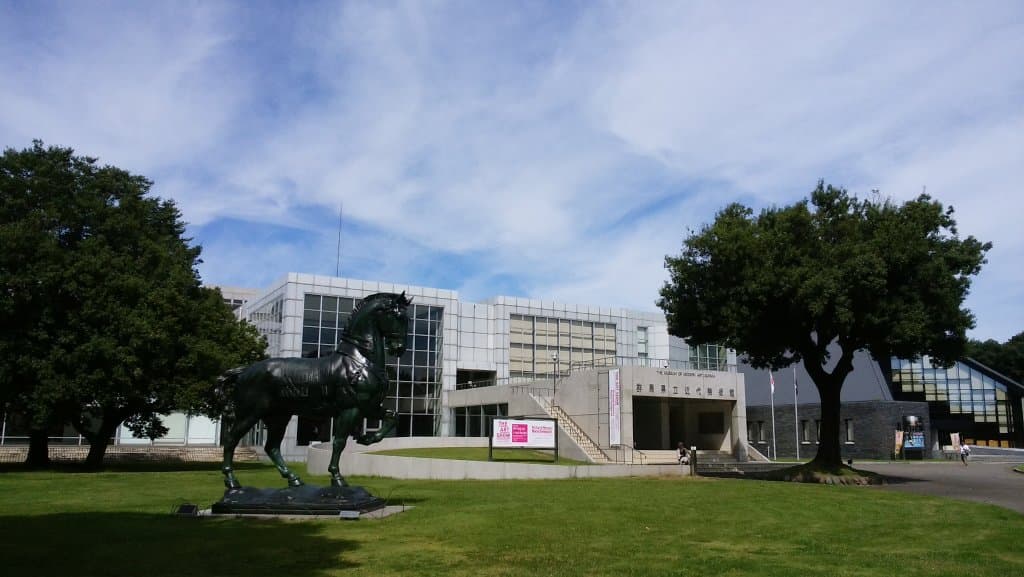
Museum of Modern Art Gunma
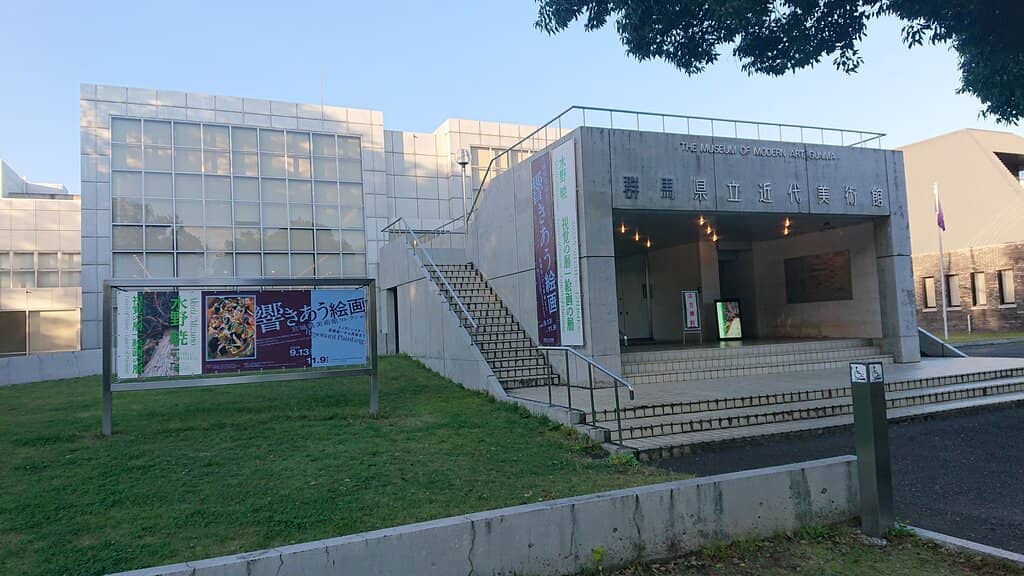
A stunning architectural marvel by Arata Isozaki, showcasing modern art and Asian antiquities in a serene, light-filled environment.
Highlights
Must-see attractions

Social
From TikTok & Reddit
Best Time
Fewer crowds, more serene
Museum of Modern Art Gunma
Best Time
Fewer crowds, more serene
Highlights
Must-see attractions
A stunning architectural marvel by Arata Isozaki, showcasing modern art and Asian antiquities in a serene, light-filled environment.
"This building is among my favorite in Japan; it's an underrated architectural treasure."
📸 Respect the No-Photo Rule
Strictly no photos allowed, even for placards. Keep your phone away to avoid staff intervention.
🚶♂️ Appreciate the Architecture
The building itself is a major draw. Take time to soak in Isozaki's design and the unique atmosphere.
Quick Facts
Hours
Rating
4.1 · 681 reviews
Type
Museum
Highlights
Discover the most iconic attractions and experiences
Arata Isozaki's Architectural Design
Entire Museum
A masterpiece of modern architecture, with dynamic spaces and masterful lighting that enhance the art.
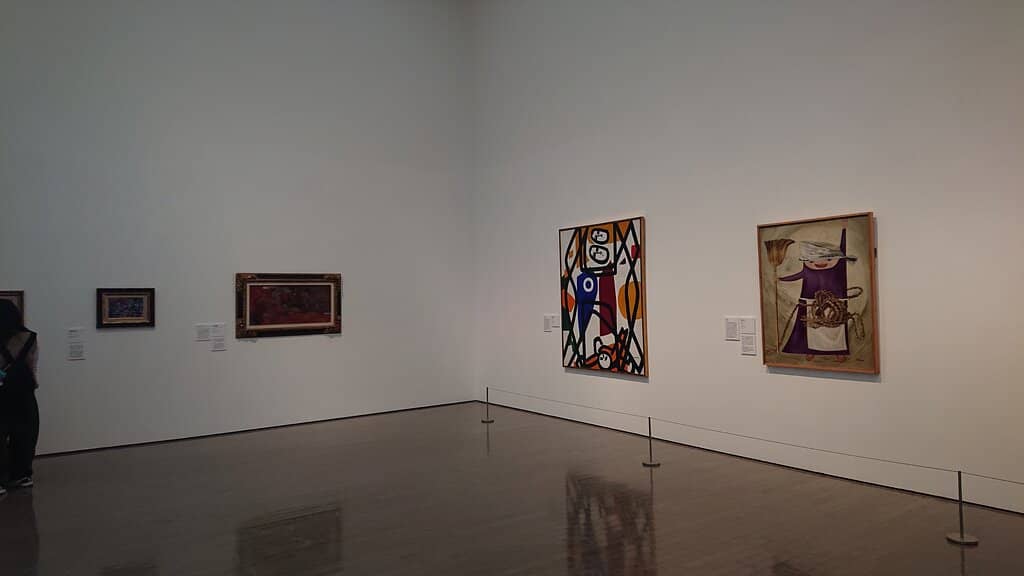
Innovative Art Exhibitions
Exhibition Halls
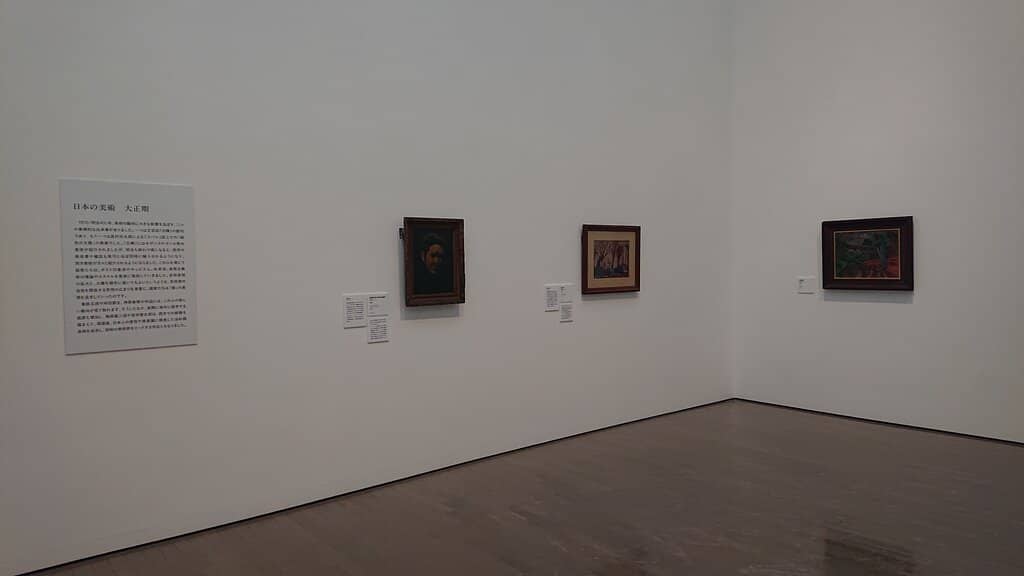
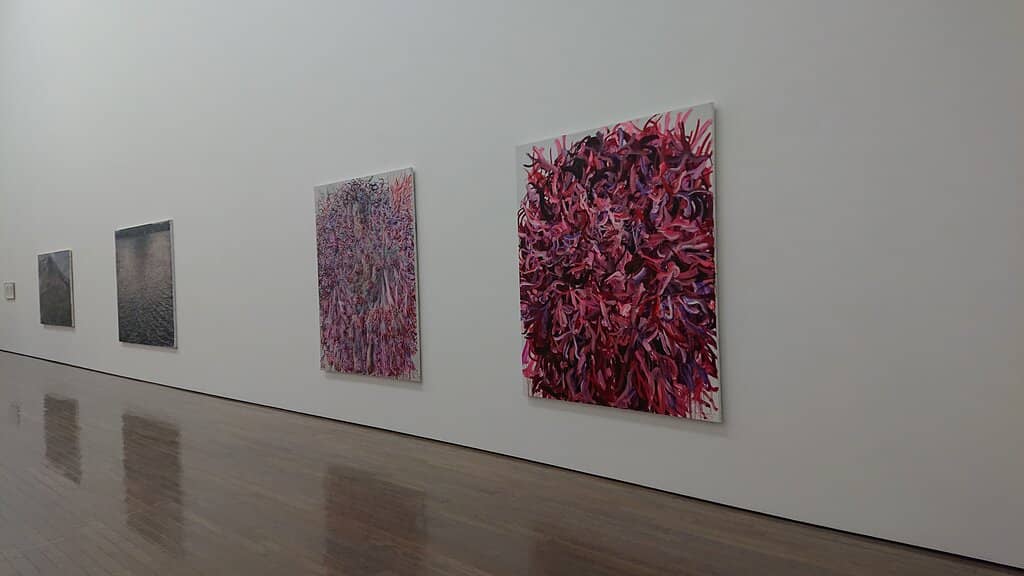
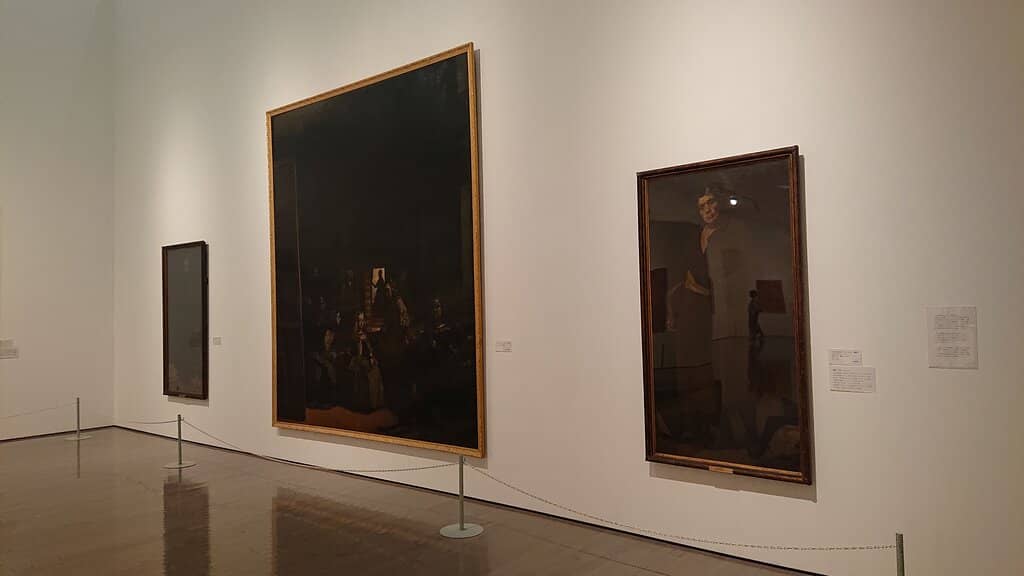
Discover a consistently impressive collection of contemporary and classic artworks, plus rotating special exhibitions.
Asian Antiquities Collection
Specific Galleries
Explore a fascinating display of ancient artifacts, offering a historical counterpoint to modern art.
Plans like a pro.
Thinks like you
Planning Your Visit
Embrace the Architecture
Photography & Staff Etiquette
Best Times
Insider Tips
from TikTok, Instagram & Reddit
📸 Respect the No-Photo Rule
Strictly no photos allowed, even for placards. Keep your phone away to avoid staff intervention.
🚶♂️ Appreciate the Architecture
The building itself is a major draw. Take time to soak in Isozaki's design and the unique atmosphere.

[CHUBU ART & Architecture] 2024 March
We are not well-versed with this area and have only been visiting here and there for a single night if any. We think of doing the following itinerary from Tokyo. 1 Night Takasaki Hara Museum ARC 2 Night Tokamachi House of Light, Echigo-Tsumari…
🤫 Quiet Contemplation
The museum is often quiet, enhancing the art experience. Enjoy the peaceful ambiance.
🗣️ Staff Vigilance
Staff are attentive. Follow instructions closely to ensure a smooth visit.
Where should I spend 5 days solo (but NOT Tokyo, Kyoto, Osaka, Hiroshima or Okayama) before meeting up with friends in Tokyo in November?
At the end of this year I will be going on a Japan trip with some friends (late November through all of December and a bit of early January). We are each arriving in the country via our own separate routes, and then eventually meeting up at our shared accommodation in Tokyo at…
Tips
from all over the internet
📸 Respect the No-Photo Rule
Strictly no photos allowed, even for placards. Keep your phone away to avoid staff intervention.
🚶♂️ Appreciate the Architecture
The building itself is a major draw. Take time to soak in Isozaki's design and the unique atmosphere.
🤫 Quiet Contemplation
The museum is often quiet, enhancing the art experience. Enjoy the peaceful ambiance.
🗣️ Staff Vigilance
Staff are attentive. Follow instructions closely to ensure a smooth visit.
💡 Natural & Designed Light
Experience how light shapes the art and spaces, creating a unique, immersive environment.
What Travellers Say
Reviews Summary
Visitors rave about the Museum of Modern Art, Gunma, for its stunning Arata Isozaki architecture and the serene atmosphere, often calling it an underrated gem. While the art collections are impressive, the strict no-photo policy and vigilant staff are frequently cited as drawbacks, though many find the overall experience highly rewarding despite these points.
"I hesitate to write this review because I love this museum so much, and part of that love comes from how quiet it usually is—crowds appear occasionally, but not often. The architecture alone is worth the visit. Each space transitions into the next with a sense of dynamism and deliberation, heightened by lighting—both natural and designed—that deepens the experience.
Even the acoustics are remarkable. Each room seems to carry its own weight or pressure, shaped by light intensity, sharply contrasting volumes and geometries, and sound. At times I can feel subtle shifts of pressure in my ears as I move from one space to another. The light sources are diffuse and soft, with entire ceilings often casting a gentle, even luminance downward.
The vast spaces amplify and reverberate every footstep, punctuating the journey with a surreal, otherworldly sense of transition.
The rotating collection and traveling exhibitions are consistently impressive, but honestly, the building itself is reason enough to come. I’ve visited five times or more, and every time I leave amazed. While I deeply admire the National Museum of Western Art in Ueno (Le Corbusier’s design is a masterpiece), I think I prefer moving through this building’s interior spaces—they’re stunning in a different way. This building is among my favorite in Japan.
Some negative reviews seem disconnected from the reality of the venue itself and, in my opinion, can safely be ignored. For me, this is one of Japan’s most underrated architectural treasures, easily rivaling the country’s better-known institutions. If you care about architecture, art, or simply atmosphere, it’s a must-see—and remarkably inexpensive.
*Some notes of annoyance: the staff are vigilantly over-reactive and a bit stalky, to the point of irksome distraction—something echoed by other guests in reviews across various platforms. I can understand why this might be, but it still feels excessive. A strict no-photo rule is enforced even for the informational placards beside the works. Since these are provided only in Japanese, digital translation is effectively impossible, except during the occasional temporary exhibition when photos are permitted. The staff also tend to follow guests closely and will intervene the moment a phone appears or at the slightest hint of a minor transgression.
That said, if you keep your phone in your pocket and bear in mind that the staff are simply carrying out their instructions, the experience remains highly rewarding. A small silver lining to these strict policies is that the galleries are free from the constant shutter sounds that so often disrupt the atmosphere elsewhere."
Francis Kanai
"This museum is a must-visit for art lovers in Gunma, or even those from neighbouring prefectures! They had a spectacular collection of classic and contemporary art, and the building itself is beautiful, both inside and out. The price is reasonable as well, but I'm detracting one star for their regrettable no-photo policy."
P
"Closed for no reason!"
MD G
What People Like
What People Dislike
Frequently Asked Questions
🚇 🗺️ Getting There
From Tokyo, take the JR Shinkansen (bullet train) to Takasaki Station. From Takasaki Station, you can take a local bus or taxi to the museum. The journey typically takes around 1.5 to 2 hours.
Yes, there is parking available for visitors. It's recommended to check the museum's official website for any specific details or fees associated with parking.
While public transport is available, renting a car can offer more flexibility for exploring Gunma and reaching attractions like the museum, especially if you plan to visit other sites in the region.
The closest major station is Takasaki Station. From there, you'll need to use local transportation to reach the museum directly.
Yes, it's possible to visit as a day trip from Tokyo, but it will be a long day. Consider an overnight stay in Takasaki to fully enjoy the museum and the surrounding area.
🎫 🎫 Tickets & Entry
The museum is typically open from 9:30 AM to 5:00 PM, but it's always best to check the official website for the most up-to-date hours, as they can vary seasonally or for special events.
Admission is generally considered inexpensive and reasonable. Specific prices for permanent collections and special exhibitions can be found on the museum's official website.
For the permanent collection, advance booking is usually not required. However, for popular special exhibitions, it's advisable to check if advance tickets are recommended or necessary.
The museum is typically closed on Mondays and during the New Year holidays. Always verify the closure schedule on their official website before your visit.
Information on discounts for students, seniors, or group visits is usually available on the museum's website. It's worth checking for any applicable offers.
📸 📸 Photography
No, there is a strict no-photo policy enforced throughout the museum, even for informational placards. This is a point of contention for some visitors.
The exact reasons are not always clear, but it's common in some Japanese museums to protect artworks from flash photography and to maintain a specific viewing atmosphere.
Occasionally, temporary exhibitions may permit photography. Always look for signage or ask staff if photography is allowed for a specific exhibition.
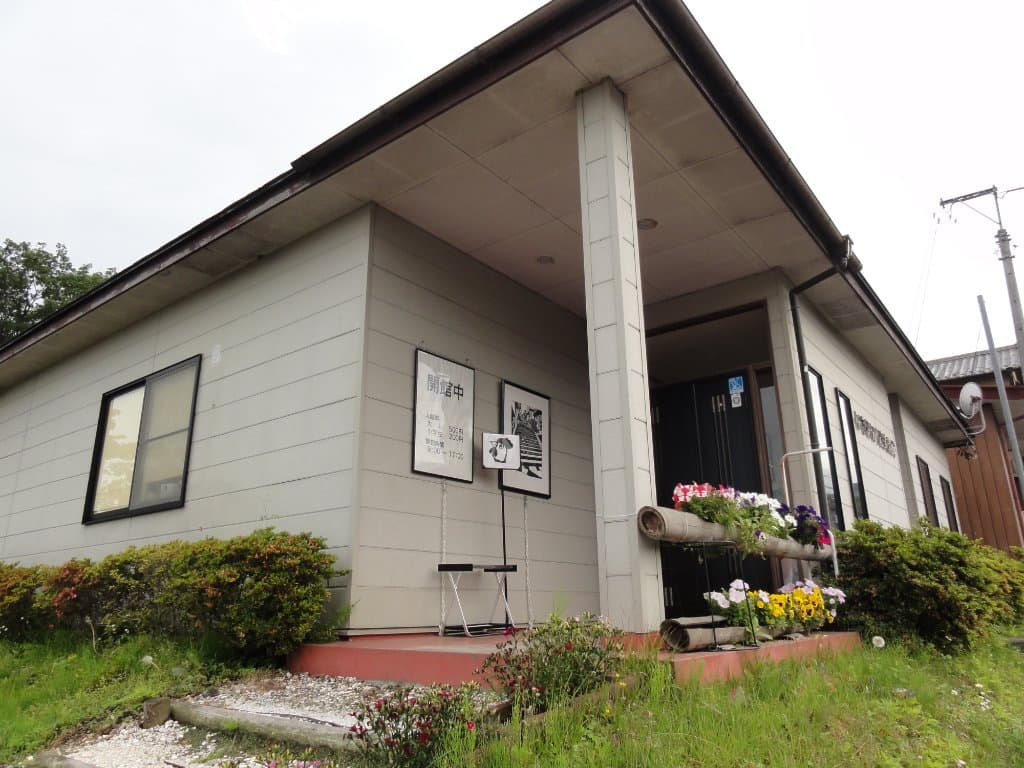
Generally, photography of the exterior is permitted, allowing you to capture the impressive Arata Isozaki design.
Consider sketching in a notebook or taking detailed notes. The lack of photos can encourage a more focused, in-person appreciation of the art.
🎫 🏛️ Onsite Experience
Designed by Arata Isozaki, the museum is renowned for its innovative and dynamic spaces, masterful use of natural and artificial light, and unique acoustic properties. It's often described as an architectural masterpiece.
While the art itself might appeal to older children, the strict no-photo policy and quiet atmosphere might be challenging for very young ones. It's best suited for those who can appreciate art and architecture calmly.
The museum features a collection of modern and contemporary art, including works by Japanese and international artists, as well as Asian antiquities. They also host rotating special exhibitions.
To fully appreciate both the art and the architecture, plan for at least 2-3 hours. If you're an architecture enthusiast, you might want to spend even longer.
Information on guided tours, if available, would be on the museum's official website. These can offer deeper insights into the art and architecture.

Social
from TikTok, Instagram & Reddit