Tomioka Silk Mill
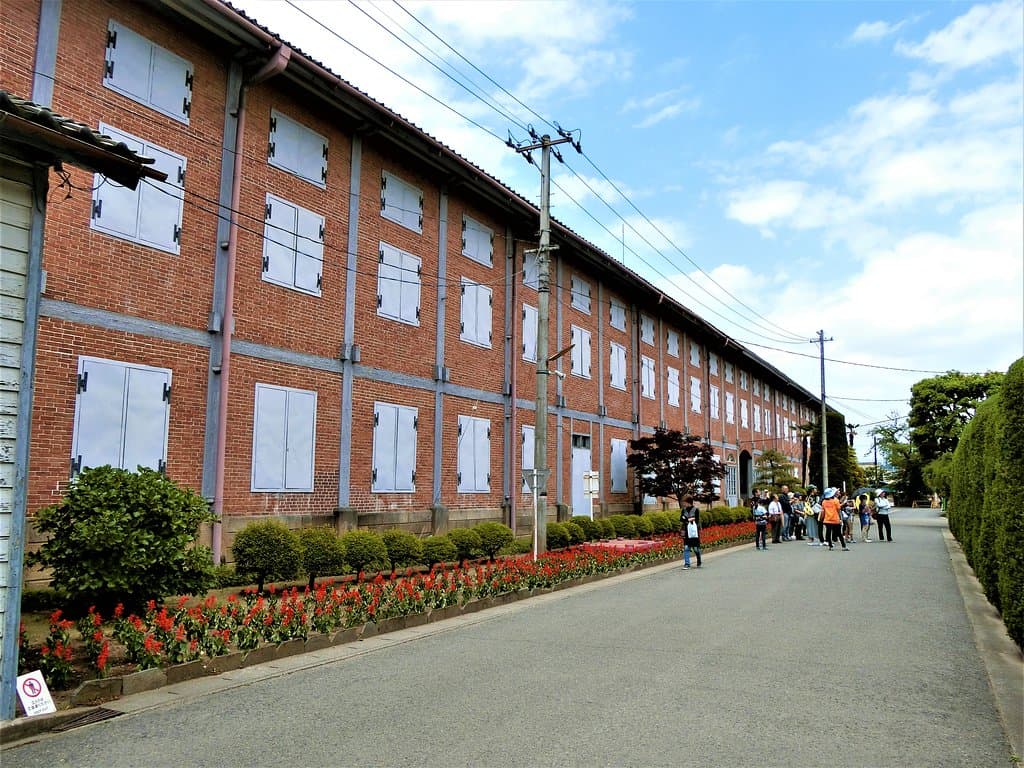
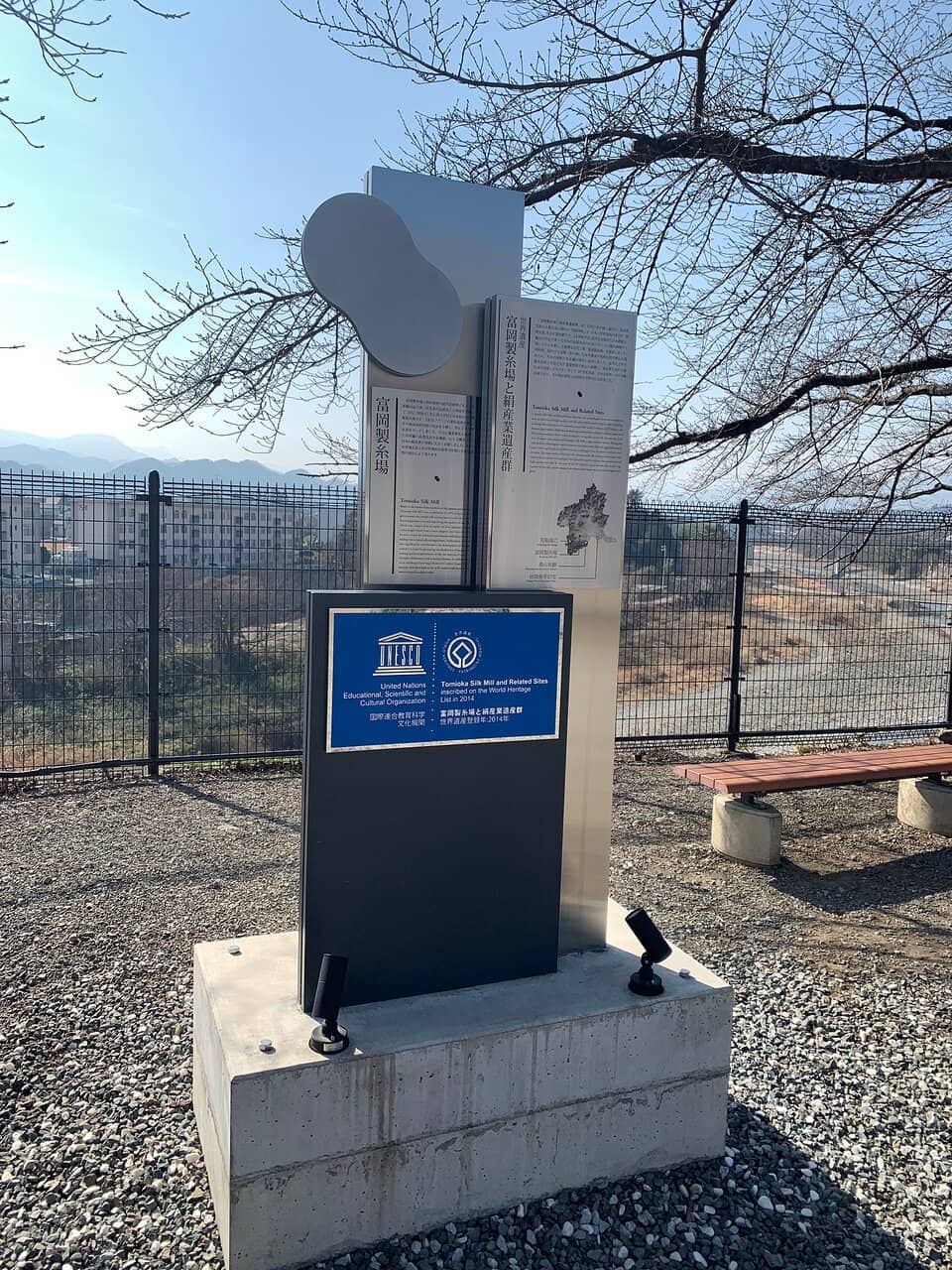
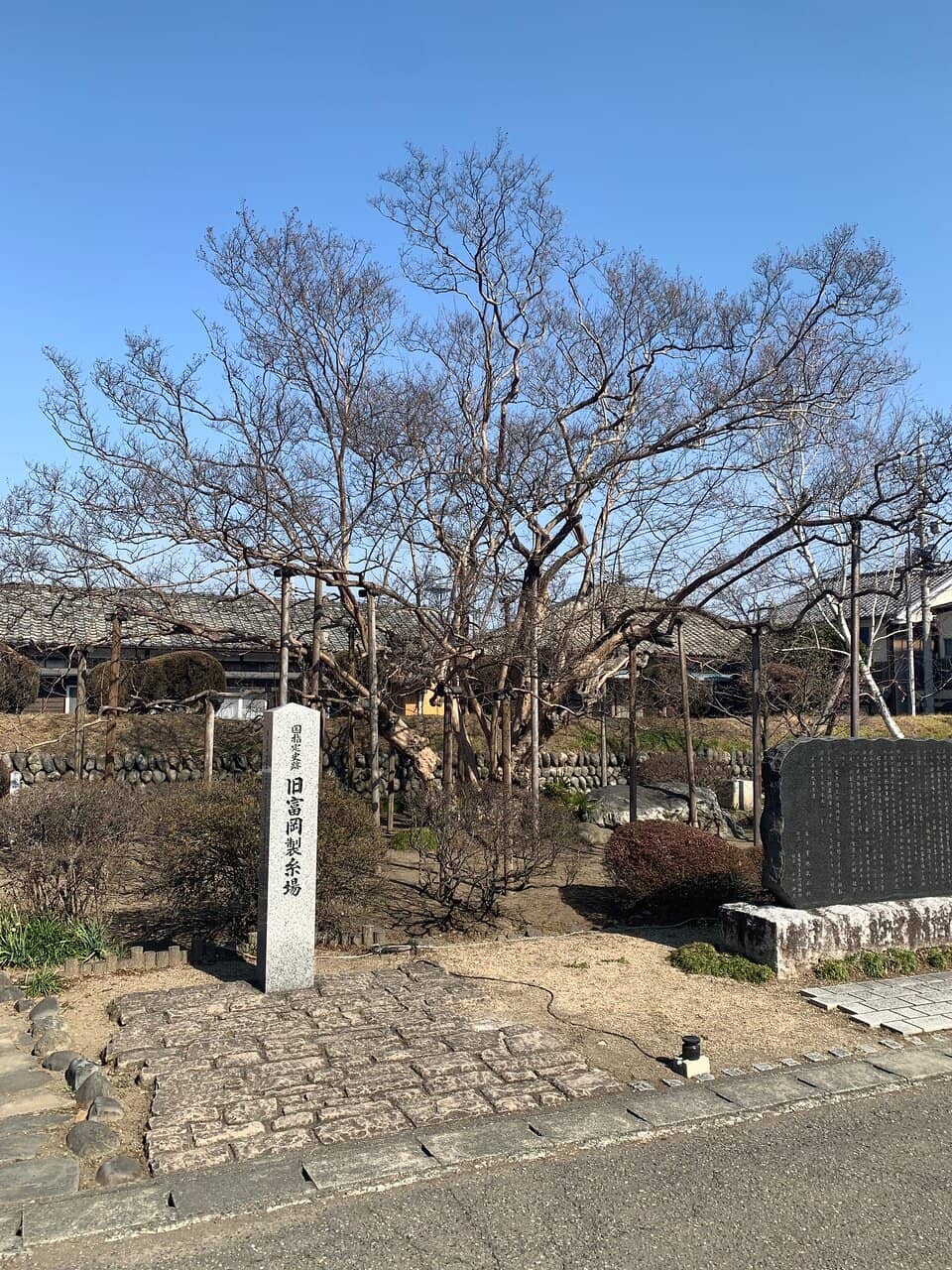
Japan's first modern silk factory, a UNESCO World Heritage site showcasing industrial history and silk production.
Highlights
Must-see attractions

Social
From TikTok & Reddit
Best Time
Fewer crowds, better photos
Tomioka Silk Mill
Best Time
Fewer crowds, better photos
Highlights
Must-see attractions
Japan's first modern silk factory, a UNESCO World Heritage site showcasing industrial history and silk production.
"Underrated World Culture Heritage location, surprisingly little known to international tourists."
Book a Guide! 🗣️
Highly recommended for a deeper understanding. Deaf guides are available!
Wear Comfy Shoes 👟
You'll be walking through historic buildings and grounds.
Quick Facts
Hours
Rating
3.9 · 10,715 reviews
Type
Historical Landmark
Highlights
Discover the most iconic attractions and experiences
The Grand Silk Mill
Main factory buildings
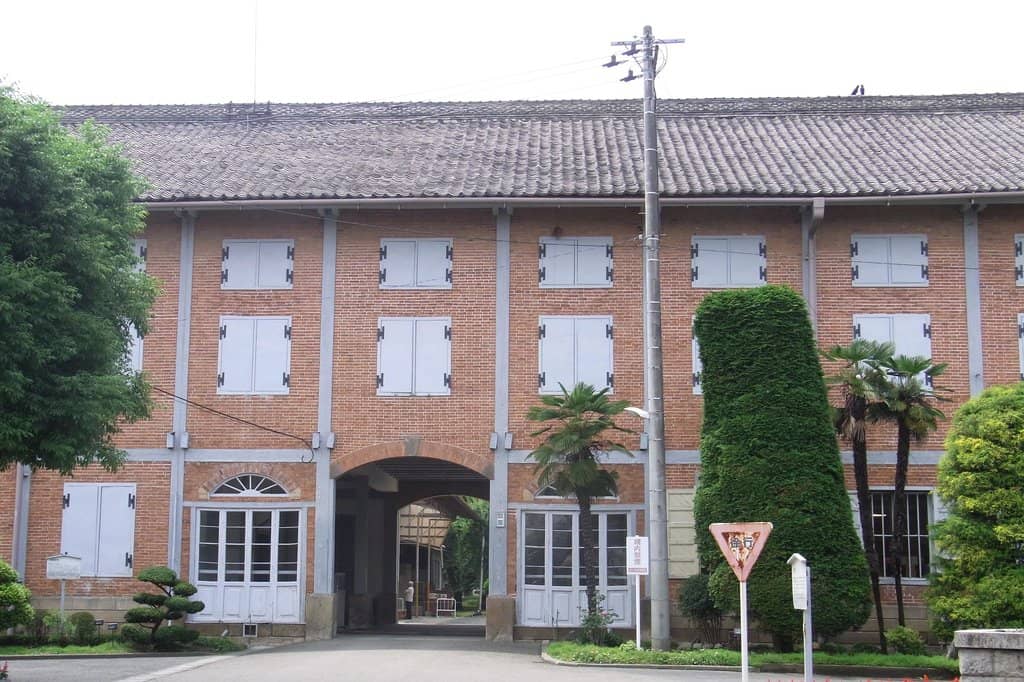
Explore the historic buildings of Japan's first modern silk factory, a UNESCO World Heritage site. Witness the machinery and learn about its pivotal role in Japan's industrial history.

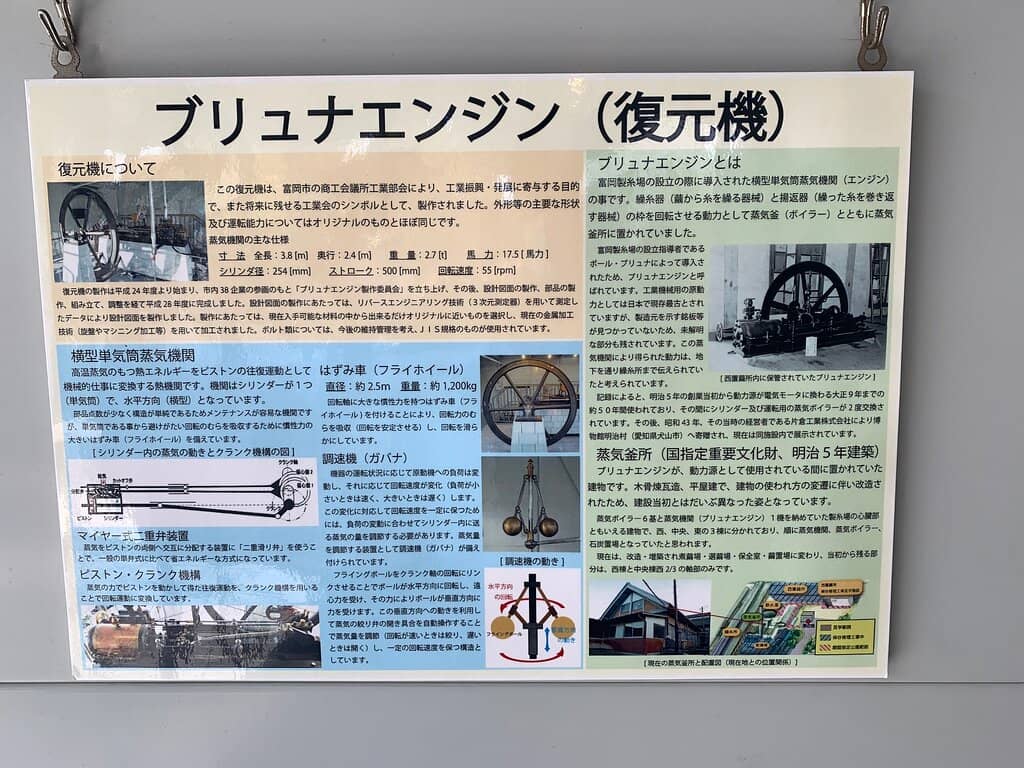
Silk Production Exhibits
Inside accessible buildings
Discover exhibits detailing the silk production process, from cocoon to cloth. Understand the modernization of silk manufacturing and its global impact.
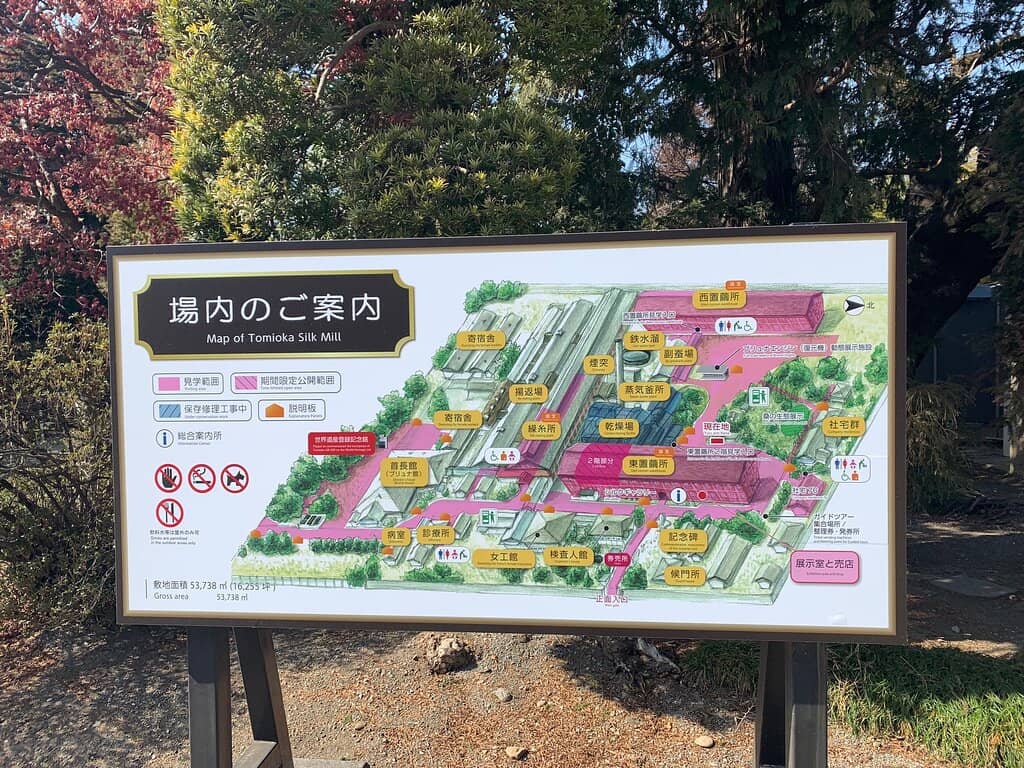
Architectural Heritage
Entire site
Appreciate the well-preserved architecture that showcases 19th-century industrial design and its blend with French influences.
Plans like a pro.
Thinks like you
Planning Your Visit
Book Your Guided Tour
Plan Your Visit Logistics
Best Times
Insider Tips
from TikTok, Instagram & Reddit
Book a Guide! 🗣️
Highly recommended for a deeper understanding. Deaf guides are available!
Wear Comfy Shoes 👟
You'll be walking through historic buildings and grounds.
Check Building Access 🚶
Some buildings may only be viewable from the outside.
Parking in Town 🚗
No dedicated parking, but lots are available around town.
Tips
from all over the internet
Book a Guide! 🗣️
Highly recommended for a deeper understanding. Deaf guides are available!
Wear Comfy Shoes 👟
You'll be walking through historic buildings and grounds.
Check Building Access 🚶
Some buildings may only be viewable from the outside.
Parking in Town 🚗
No dedicated parking, but lots are available around town.
Learn About Silk History 📜
It's a key part of Japan's industrial past.
What Travellers Say
Reviews Summary
Visitors often praise Tomioka Silk Mill as an underrated UNESCO World Heritage site, offering a fascinating glimpse into Japan's industrial past and silk production history. While some find certain buildings inaccessible, the educational value and historical preservation are highly appreciated. The site is considered a significant stop for understanding Japan's industrial transformation.
"Underrated World Culture Heritage location. You'll be surprised on how little known to the International tourists. Maybe not everyone is interested in silk mills or textile history. Good job in preserving such an important era of human history."
Jason Hung
"This former silk factory let people to feel the term of industrial change in Japanese history. Very educational even for Japanese."
Futoshi Comiendo
"The most visited place of Gunma prefecture. The most attractive tourist spot of Tomioka City. It's a world heritage place that demonstrates the ancient Silk production and processing system of Japan. Moreover it's a model Silk factory that foster machines and modern system of silk factory across the country..."
subasish
What People Like
What People Dislike
Frequently Asked Questions
🚇 🗺️ Getting There
Access to Tomioka Silk Mill can be inconvenient without a car. If traveling by public transport, you'll likely need to take a train to a nearby station and then a bus or taxi. Parking is available in town for those driving, with rates around 500 yen for a full day.
Yes, you can reach Tomioka City by train, but it's not directly at the mill. From the station, you'll need to arrange further transport.
There isn't dedicated parking for the mill itself. Instead, you'll find several small parking lots spread around Tomioka City, typically costing around 500 yen for the day.
Yes, it's possible to visit Tomioka Silk Mill as a day trip from Tokyo, though it requires some travel time. Many visitors combine it with other attractions in Gunma Prefecture.
While the mill itself is compact, getting to it might require some planning. Having a car makes exploring the surrounding area much easier.
🎫 🎫 Tickets & Entry
Admission fees are around 1,000 yen per person, with discounted rates available for children.
Opening hours can vary, so it's best to check the official website before your visit. Generally, it's open during daytime hours.
While not always mandatory, booking a guided tour in advance is highly recommended, especially for specialized tours like those with Deaf guides.
Yes, discounted rates are typically offered for children. It's worth checking for any group or special discounts.
Filming and photography are generally permitted within the Tomioka Silk Mill, making it a great spot for capturing historical moments.
🎫 🧭 Onsite Experience
You can explore the historic factory buildings, view preserved machinery, and learn about the silk production process through exhibits. Guided tours offer deeper insights.
While the primary focus is on historical preservation and education, some exhibits may offer a more engaging experience. The opportunity to learn about the process itself is highly interactive.
The museum is quite small, so a visit can be relatively short, perhaps an hour or two, depending on your interest level and whether you take a guided tour.
Yes, guided tours are available and highly recommended. Notably, there are options for Deaf guides, enhancing accessibility.
It's Japan's first modern government-run silk factory, established in 1872, and a UNESCO World Heritage site that modernized silk production and boosted Japan's global exports.
🍽️ 🍽️ Food & Dining
While there are no extensive dining facilities within the mill itself, you can find several places outside the museum offering small snacks and light meals.
Information on bringing outside food isn't widely available, but it's generally advisable to consume food and drinks outside the historical buildings to preserve them.
The area around the mill offers options for snacks and light meals. Exploring Tomioka City will reveal more local dining choices.
Yes, there are several eateries located outside the museum grounds within walking distance, offering various light meal options.
It's a good idea to have a meal or snacks before or after your visit, as dining options directly at the mill are limited.
📸 📸 Photography
Yes, photography is permitted at Tomioka Silk Mill, allowing visitors to capture the historical architecture and exhibits.
The well-preserved buildings, the interior machinery, and the overall industrial aesthetic offer numerous picturesque opportunities. Consider the exterior shots during different times of day for varied lighting.
Tripod usage policies can vary. It's advisable to check with the site management or look for signage regarding professional equipment.
Drone usage is typically restricted at historical and cultural sites to ensure preservation and visitor safety. It's best to assume drones are not allowed.
Mornings often offer fewer crowds for unobstructed shots, while late afternoons can provide beautiful golden hour lighting on the historic structures.
Social
from TikTok, Instagram & Reddit