Echigo-Tsumari Art Field
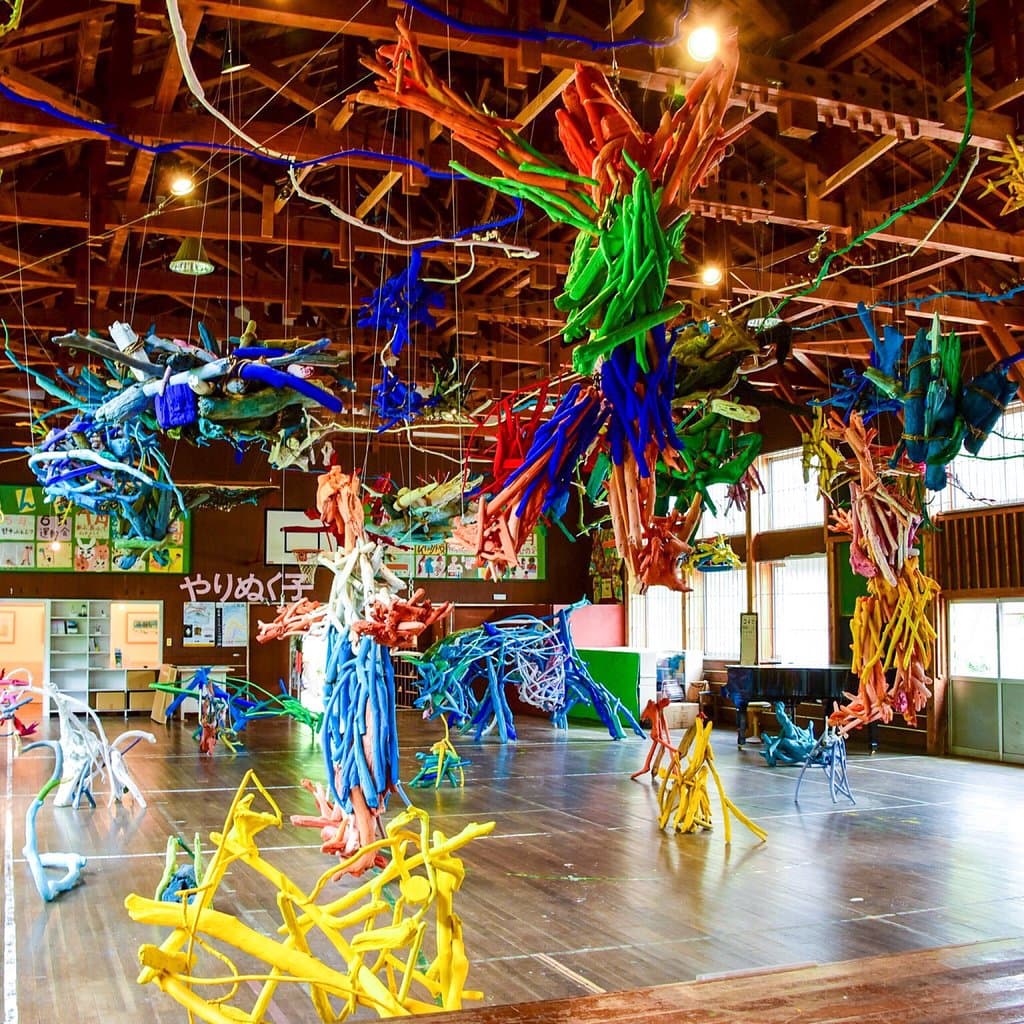
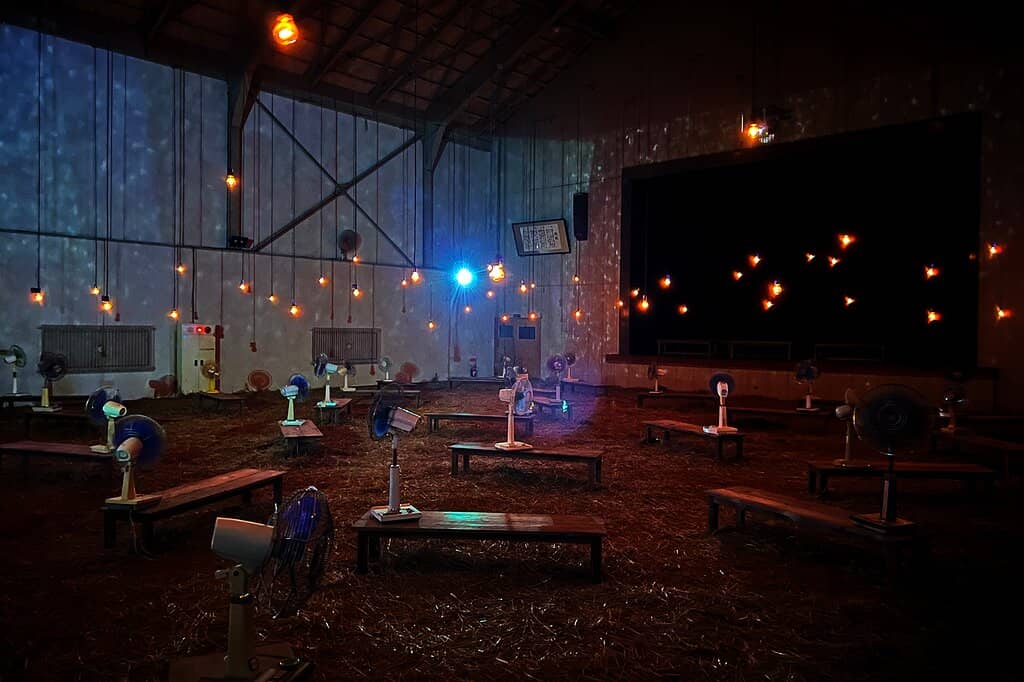
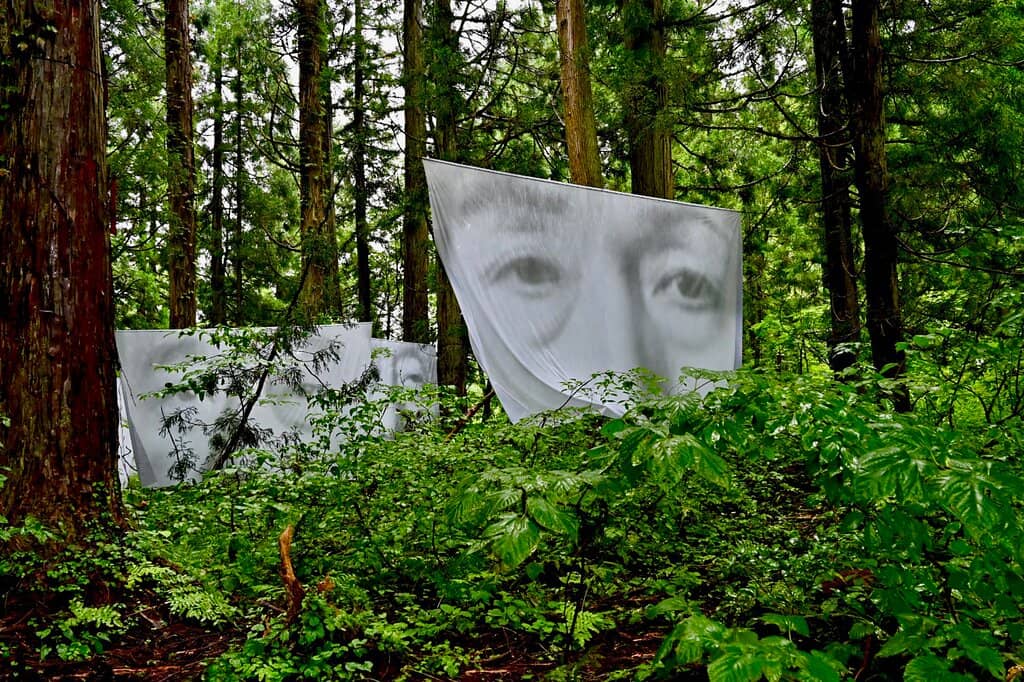
A vast outdoor art museum scattered across rural Niigata, blending contemporary installations with nature and local culture.
Highlights
Must-see attractions

Social
From TikTok & Reddit
Best Time
All installations are open
Echigo-Tsumari Art Field
Best Time
All installations are open
Highlights
Must-see attractions
A vast outdoor art museum scattered across rural Niigata, blending contemporary installations with nature and local culture.
"It was so cool to see everything. We’ve never been to anything like this and it was so cool."
🚗 Rent a Car is Key
Public transport is limited; a car is essential for exploring the vast art field .
🎟️ Get Your Passport
Purchase a passport for access to all art sites and a map of installations .
Quick Facts
Hours
Rating
4.2 · 57 reviews
Type
Art museum
Highlights
Discover the most iconic attractions and experiences
Tunnel of Light
Kiyotsukyo Onsen
An iconic, immersive art installation that transforms a tunnel into a dazzling, kaleidoscopic experience.
Yayoi Kusama's Polka Dot Sculptures
Various locations
Discover the vibrant and instantly recognizable polka dot art by the world-renowned artist scattered across the field.
Matsudai Castle
Matsudai
Explore art installations within this historic castle, offering a unique blend of culture, history, and contemporary art.
For Lots of Lost Windows
Niigata Prefecture
An intriguing installation by Utsumi Akiko, featuring numerous windows that invite contemplation and interaction.
Plans like a pro.
Thinks like you
Planning Your Visit
Embrace the Journey: Getting Around
Timing is Everything: Beat the Crowds

Best Times
Insider Tips
from TikTok, Instagram & Reddit
🚗 Rent a Car is Key
Public transport is limited; a car is essential for exploring the vast art field.
🎟️ Get Your Passport
Purchase a passport for access to all art sites and a map of installations.
👟 Wear Comfortable Shoes
You'll be doing a lot of walking between art pieces, often on uneven terrain.
⏰ Check Opening Hours
Some locations, like Matsudai Castle, have strict closing times.
Tips
from all over the internet
🚗 Rent a Car is Key
Public transport is limited; a car is essential for exploring the vast art field.
🎟️ Get Your Passport
Purchase a passport for access to all art sites and a map of installations.
👟 Wear Comfortable Shoes
You'll be doing a lot of walking between art pieces, often on uneven terrain.
⏰ Check Opening Hours
Some locations, like Matsudai Castle, have strict closing times.
📱 Download Offline Maps
Cell service can be spotty in rural areas, so offline maps are a lifesaver.
What Travellers Say
Reviews Summary
Visitors rave about the Echigo-Tsumari Art Field's unique concept of integrating art into the natural rural landscape, calling it a 'great outdoor museum.' The sheer scale and diversity of installations, including iconic pieces like the Tunnel of Light, are highly praised. However, the vast distances between artworks mean a car is essential, and some visitors note that not all installations are accessible year-round.
"We arrived 15.30 and after buying tickets we had to hurry and start from the castle (drove the car up hill then walked) which closes at 16.00. Then drove down passing other outdoor arts before visiting the main building art the follows by another smaller building near by exhibiting traditional stories."
Nareerat Chiumenti
"Very fun museum for families and everyone can be involved, kitchens food are so yummy! Can’t think we can get such nice heart warmed food out in the mountain! Thank you! 😊"
SiQi Sun
"We took a road trip to Nagano and Niigata. We enjoyed all the places we visited and the highlight of our trip was visiting the Echigo-Tsumari Art Field. This was an outdoor art exhibit. We bought our tickets online then when we got there we received a passport that showed all the places where the art was located all over Niigata. We only saw maybe a quarter of the exhibits but it was so cool to see everything. Some of the exhibits were art pieces others were interact houses/museum type exhibits. We’ve never been to anything like this and it was so cool.
Note you do need a car because the exhibits are very spread out."
Liz W
What People Like
What People Dislike
Frequently Asked Questions
🚇 🗺️ Getting There
The most convenient way to reach and explore the Echigo-Tsumari Art Field is by car, as the art installations are spread across a large rural area. If you're relying on public transport, you can take a Shinkansen to Echigo-Yuzawa Station and then use local buses, but be aware that these are infrequent and may limit your ability to see many sites.
While challenging, it is possible to visit using public transportation and taxis, especially if you focus on specific clusters of art. However, many visitors find a car essential for a comprehensive experience due to the vast distances between artworks.
A rental car is highly recommended for navigating the expansive Echigo-Tsumari Art Field. This allows you the flexibility to visit multiple sites at your own pace and access more remote installations.
While not always readily advertised, some local tour operators or the official art field may offer guided tours, especially during the Triennale. It's worth checking their official website for any available options.
From Tokyo, you can take the Joetsu Shinkansen to Echigo-Yuzawa Station, which takes approximately 1.5 to 2 hours. From there, you'll need to arrange further transportation to the art field itself.
🎫 🎫 Tickets & Entry
Tickets can typically be purchased online in advance or at designated visitor centers and some art sites upon arrival. Purchasing a 'passport' is often recommended for access to multiple locations.
Admission tickets usually grant access to a majority of the outdoor art installations and some indoor venues. Specific exhibitions or special events might require separate tickets.
Yes, there are often different ticket options, including day passes, multi-day passes, and sometimes family or group discounts. The 'passport' system is a popular way to access numerous sites.
Opening hours vary significantly by installation and season. Outdoor art is generally accessible during daylight hours, while indoor venues have specific operating times. Some locations, like Matsudai Castle, have early closing times.
Most of the outdoor art installations are accessible with a general admission ticket or passport. However, some specific venues or special exhibitions might have separate entrance fees.
🎫 📍 Onsite Experience
Don't miss the iconic 'Tunnel of Light',
Yes, it's a great destination for families! Many installations are interactive and engaging for children, and the open spaces allow for exploration. The food at some venues is also noted as being 'heart-warmed' and delicious.
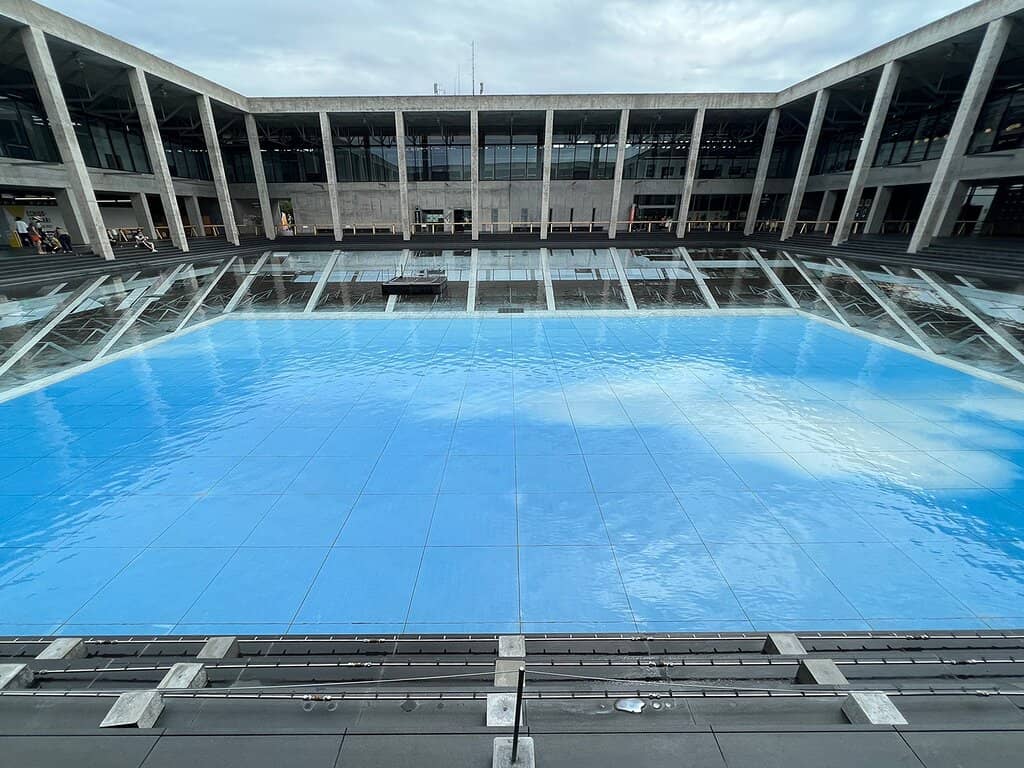
The field features a diverse range of site-specific installations, sculptures, and art environments by international and Japanese artists, often integrated into the natural landscape and rural architecture.
Be prepared for a significant amount of walking, often on uneven terrain, as art pieces are spread out across the countryside. Comfortable footwear is essential.
Yes, you can visit in winter, but many outdoor installations may be covered by snow or inaccessible. The landscape itself offers a different, beautiful perspective.
🍽️ 🍽️ Food & Dining
Yes, several art sites and visitor centers offer dining options, ranging from cafes to restaurants. Some are praised for serving delicious, 'heart-warmed' food in a mountain setting.
You can find local Japanese cuisine, including regional specialties. Some venues offer simple cafe fare, while others provide more substantial meals.
Bringing your own snacks and drinks is generally a good idea, especially for longer days exploring more remote areas where dining options might be limited.
Options can vary greatly by location. It's advisable to check with individual restaurants or cafes in advance if you have specific dietary needs.
The dining experience at Matsudai Castle has been highlighted as particularly enjoyable and 'heart-warming'. Other visitor centers and main art hubs also offer food services.
📸 📸 Photography
The 'Tunnel of Light' offers incredible opportunities for unique light and color photography. The vast rural landscapes, rice fields, and the integration of art into nature provide stunning backdrops throughout the field.
Generally, photography is allowed for personal use, but flash photography might be restricted inside certain indoor installations to protect the artwork. Always check for signage.
A wide-angle lens is useful for capturing the scale of the landscape and installations. A tripod can be beneficial for low-light conditions, especially in the 'Tunnel of Light'.
Drone usage is typically restricted in most art fields and natural parks to ensure the safety of visitors and the preservation of the artworks and environment. Always check local regulations.
Golden hour (early morning and late afternoon) offers beautiful lighting for the landscapes and outdoor art. The 'Tunnel of Light' is visually striking at any time, but can be particularly atmospheric when less crowded.


Social
from TikTok, Instagram & Reddit