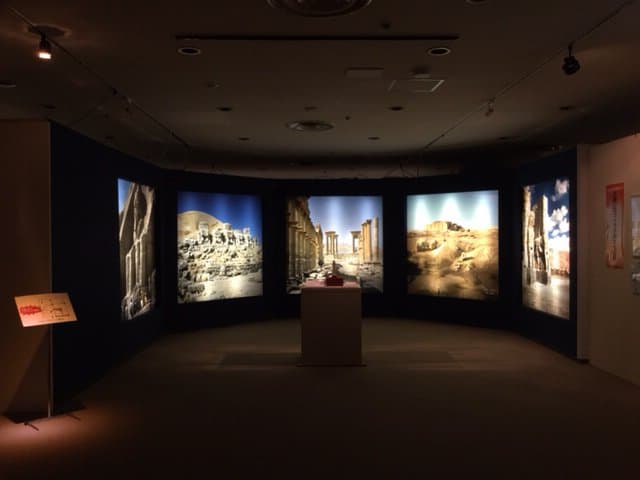
Ancient Orient Museum
Discover ancient Mesopotamia, Egypt, and Persia through a curated collection of artifacts. A hidden gem on the 7th floor.
Highlights
Must-see attractions

Social
From TikTok & Reddit
Best Time
Fewer crowds, more focus
Ancient Orient Museum
Best Time
Fewer crowds, more focus
Highlights
Must-see attractions
Discover ancient Mesopotamia, Egypt, and Persia through a curated collection of artifacts. A hidden gem on the 7th floor.
"This museum can really inspire people to learn. At age 40, I became curious about the world again."
🎯 Elevator Access is Key
The museum is on the 7th floor! Use the elevator to reach the entrance.
📱 Audio Guide App
Utilize the audio guide app for detailed explanations of outstanding exhibits in multiple languages.
Quick Facts
Hours
Rating
4.2 · 477 reviews
Type
Museum
Website
aom-tokyo.comHighlights
Discover the most iconic attractions and experiences
City of Uruk Collection
Mesopotamia Section
Discover artifacts from the ancient Mesopotamian city of Uruk, offering a unique glimpse into early urban civilization.
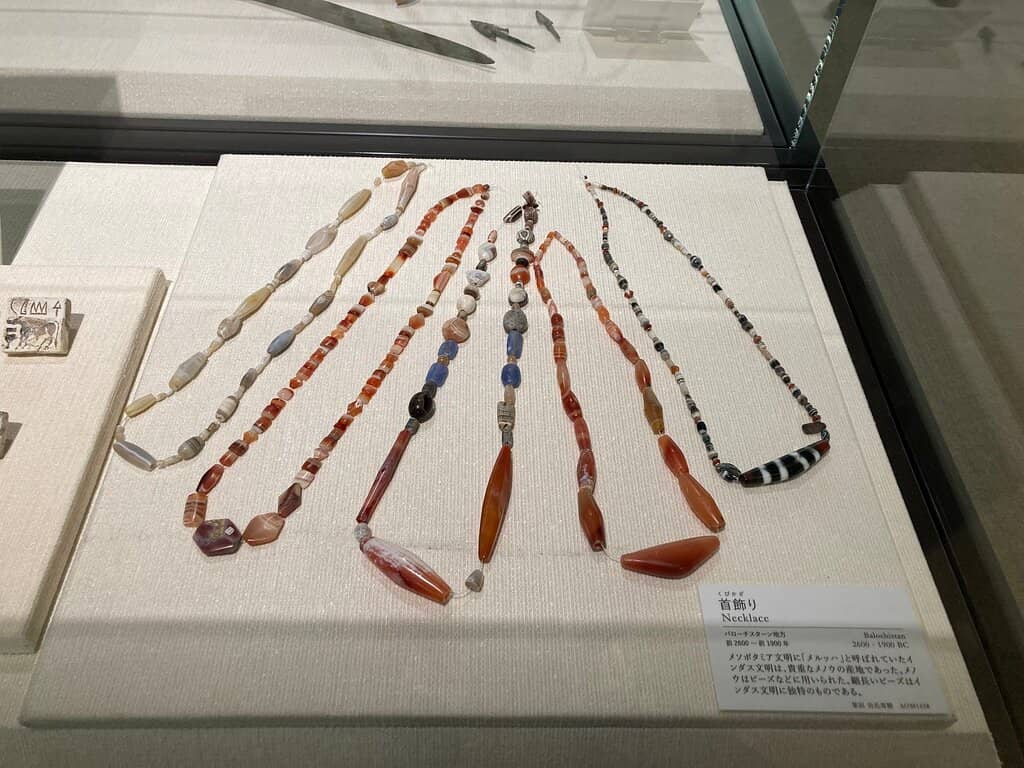
Egyptian Antiquities
Egypt Section
Explore fascinating relics from ancient Egypt, including pottery and other historical items that tell stories of the Nile.
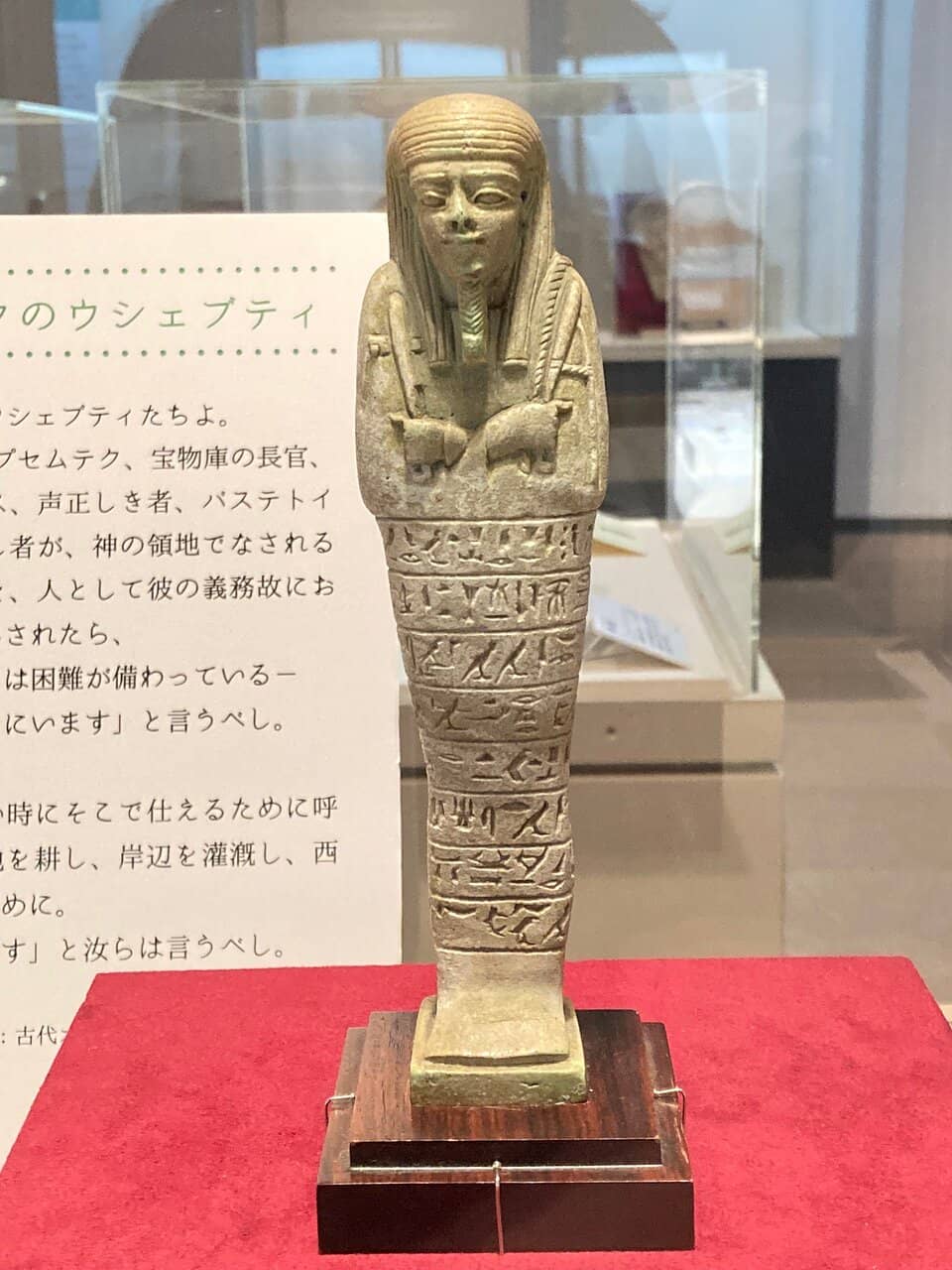
Persian Art and Culture
Persia Section
Delve into the rich artistic heritage of Persia with intricate pieces that showcase its historical significance.
Plans like a pro.
Thinks like you
Planning Your Visit
Navigate to the 7th Floor
Embrace the Intimate Scale
Best Times
Insider Tips
from TikTok, Instagram & Reddit
🎯 Elevator Access is Key
The museum is on the 7th floor! Use the elevator to reach the entrance.
📱 Audio Guide App
Utilize the audio guide app for detailed explanations of outstanding exhibits in multiple languages.
⏳ Allow Ample Time
Though small, take your time to appreciate each piece; 2 hours is recommended.
🎬 Watch the Intro Video
The well-made introductory video has English subtitles and plays hourly.
Tips
from all over the internet
🎯 Elevator Access is Key
The museum is on the 7th floor! Use the elevator to reach the entrance.
📱 Audio Guide App
Utilize the audio guide app for detailed explanations of outstanding exhibits in multiple languages.
⏳ Allow Ample Time
Though small, take your time to appreciate each piece; 2 hours is recommended.
🎬 Watch the Intro Video
The well-made introductory video has English subtitles and plays hourly.
👶 Baby Changing Facilities
Finding baby changing facilities can be challenging inside; plan accordingly.
What Travellers Say
Reviews Summary
The Ancient Orient Museum is praised as a hidden gem offering a focused and insightful journey into ancient civilizations. Visitors appreciate its well-curated exhibits, especially the Uruk and Egyptian collections, and the helpful audio guide. While some find the ¥700 entry fee a bit steep for its size, most agree it's a worthwhile and inspiring experience for history lovers and families alike.
"The Ancient Orient Museum is a hidden gem in Ikebukuro, offering a fascinating journey through history and culture. The collection showcases artifacts from ancient civilizations like Mesopotamia, Egypt, and Persia, providing a glimpse into their art, religion, and daily life. The museum's well-curated exhibits, detailed explanations, and interactive displays make the visit even more engaging. Whether you're a history buff or simply curious about the past, this museum is a must-visit for anyone interested in exploring the wonders of the ancient world."
Ry Pen
"This is a small museum about Egypt and the Mesopotamia region little to see but if you just want to learn about some history and culture it is worth."
Morrison Mou
"I used to be bored by museums and history. What's with damaged clay vases, alien-looking statues, and drawings or writing that nobody understands? However, as they are the favorite destinations of my husband and daughter, I am always forced to come along. I just go around following the route and try to get out of the place as fast as possible.
I've had this experience many times. When we were in the Vatican museum and the Louvre, I got lost in the gigantic collection. Don't get me wrong; the exhibits were amazing but they were just simply too overwhelming. Based on my past experiences, I thought that perhaps museums are just not my thing.
I've visited Tokyo more than 5 times and when my husband showed me another museum to visit, I hesitated. Still, he assured me that this would be different: it was some small exhibition which tourists hardly go to.
When we got there, I realized immediately that because of the small size of the collection, we were able to pay more attention to specific and important pieces and really learn what they were about. I got to really know the artifacts' backstories and realize how important they are to human history. It inspired me to know more and develop my critical thinking skills. I started wondering, "why did this happen?” At age 40, I became curious about the world again. This museum can really inspire people to learn.
- Fang"
Ponterra English Academy
What People Like
What People Dislike
Frequently Asked Questions
🚇 🗺️ Getting There
The museum is located on the 7th floor of a building. You'll need to use the elevator to reach the entrance. It's a bit of a hidden gem, so keep an eye out for signage once you're in the building.
Yes, it's generally accessible via Tokyo's extensive public transport network. Ikebukuro Station is a major hub, offering connections to various train and subway lines.
Look for the elevator within the building. The museum itself is not at street level, so the elevator is your key to access.
Ikebukuro offers a variety of shopping, dining, and entertainment options. You can explore the area before or after your museum visit.
Ikebukuro Station is a large station with multiple exits. It's advisable to use a navigation app or check signs for the specific building the museum is located in.
🎫 🎫 Tickets & Entry
The entry fee is ¥700. Some visitors feel it's a bit high for the museum's size, but others find it reasonable for the quality of exhibits.
Advance booking is generally not required, but it's always a good idea to check the museum's official website for any updates or special exhibition requirements.
Opening hours can vary, so it's best to check the museum's official website or a reliable travel guide for the most current information.
Yes, the museum has interactive exhibits and information designed for younger children to enjoy and learn.
Information on discounts is not widely available. It's recommended to inquire directly with the museum or check their website for any potential offers.
🎫 🧭 Onsite Experience
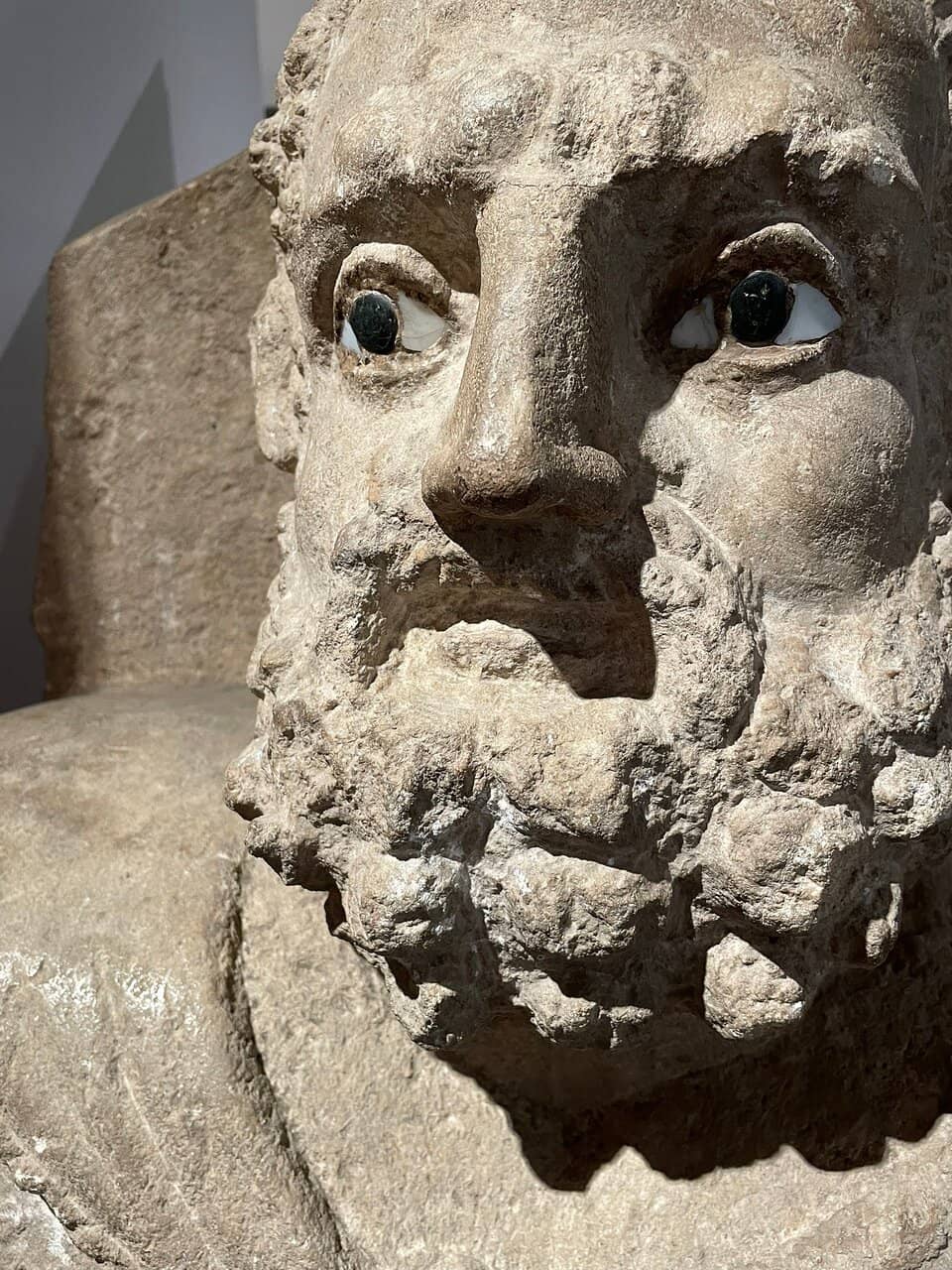
The museum houses a private collection of ancient artifacts from Egypt, Mesopotamia (including the city of Uruk), and Persia, covering art, religion, and daily life. +1
Yes, the museum offers excellent audio guidance through an app, covering many of the outstanding exhibits.
While many signs are in Japanese, translating them using your phone works well. The introductory video also has English subtitles.
Visitors typically spend about two hours exploring the museum, allowing for a focused appreciation of the exhibits.
The museum is generally not as crowded as larger institutions, making it a more relaxing experience. Weekday mornings tend to be the least busy.
🍽️ 🍽️ Food & Dining
There are no dining facilities within the museum itself. However, the Ikebukuro area offers a vast array of restaurants and cafes to choose from.
Typically, food and drinks are not allowed inside museum exhibition areas to protect the artifacts. Please check the museum's specific policies.
Ikebukuro is known for diverse culinary options, including ramen, sushi, udon, and themed cafes. You might even find unique spots like the one mentioned for udon. +1
Look for local eateries, fast-food chains, or convenience stores (konbini) in Ikebukuro for more affordable dining options.
Yes, Tokyo has a growing number of restaurants offering vegetarian and vegan choices. Exploring local listings or asking at restaurants can help.
📸 📸 Photography
Photography policies can vary. It's essential to look for signs within the museum or ask staff if photography is permitted, especially if flash is involved.
The detailed artifacts from Uruk, Egyptian relics, and Persian art pieces offer visually interesting subjects. Focus on the intricate details and historical significance. +1
The well-lit display cases and the overall curated presentation of artifacts can make for good photographic opportunities, provided it's allowed.
Museum lighting is usually designed to protect artifacts, so it might be subdued. Be prepared to adjust your camera settings or use a tripod if allowed and necessary.
Generally, taking photos of building exteriors is permissible, but always be mindful of your surroundings and any private property signs.


Social
from TikTok, Instagram & Reddit