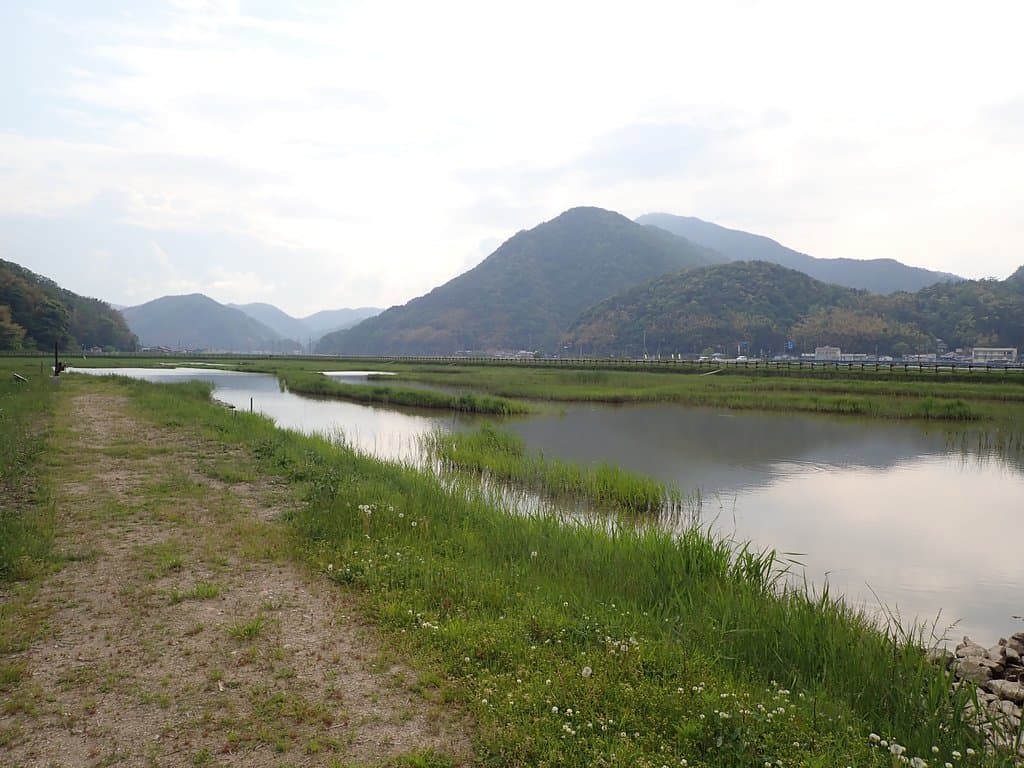
Hachigoro Toshima Wetlands
A vital sanctuary for the Oriental White Stork, offering a glimpse into successful conservation and serene wetland beauty.
Highlights
Must-see attractions

Social
From TikTok & Reddit
Best Time
Peak stork breeding season
Hachigoro Toshima Wetlands
Best Time
Peak stork breeding season
Highlights
Must-see attractions
A vital sanctuary for the Oriental White Stork, offering a glimpse into successful conservation and serene wetland beauty.
"The effort and care to create this habitat is admirable; a highly recommended stop!"
🔭 Bring Binoculars!
Enhance your stork spotting experience with binoculars for closer views of nests and chicks.
🚲 Bike Rental Recommended
Rent a bicycle from Kinosaki Tourist Information for an easy ride to the wetlands.
Quick Facts
Hours
Rating
4.4 · 96 reviews
Type
Park
Highlights
Discover the most iconic attractions and experiences
Oriental White Stork Nesting
Observatory platforms
Witness the majestic Oriental White Storks in their natural habitat, often with active nests and chicks.
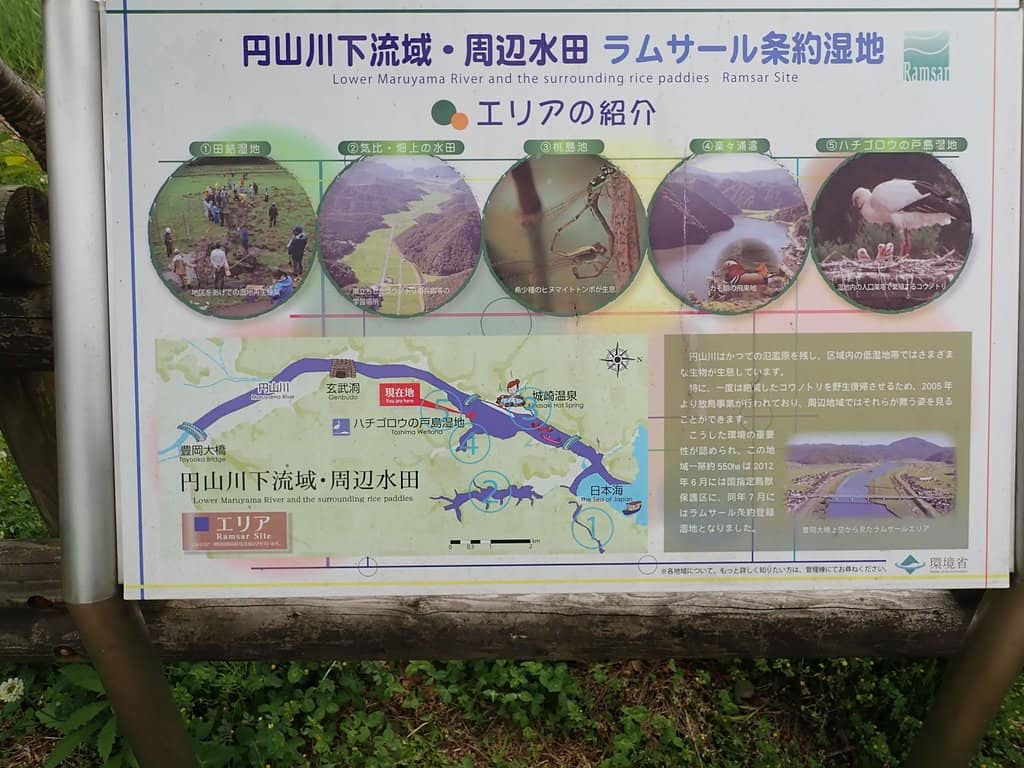
Stork Conservation Center
Information center
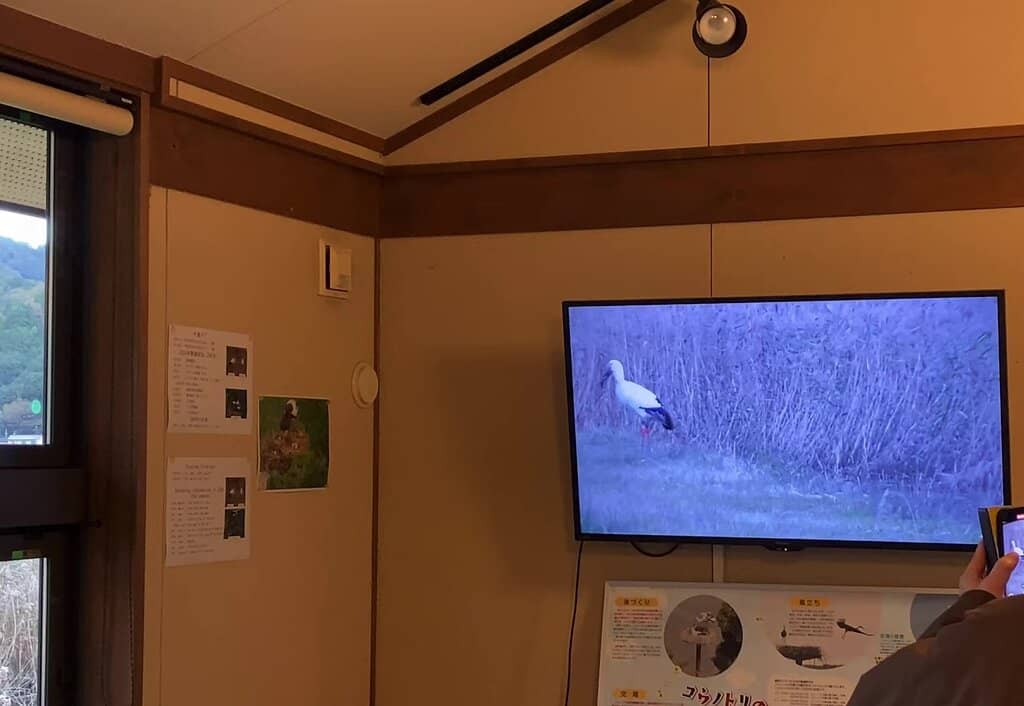
Learn about vital conservation efforts for the Oriental White Stork and local wildlife.
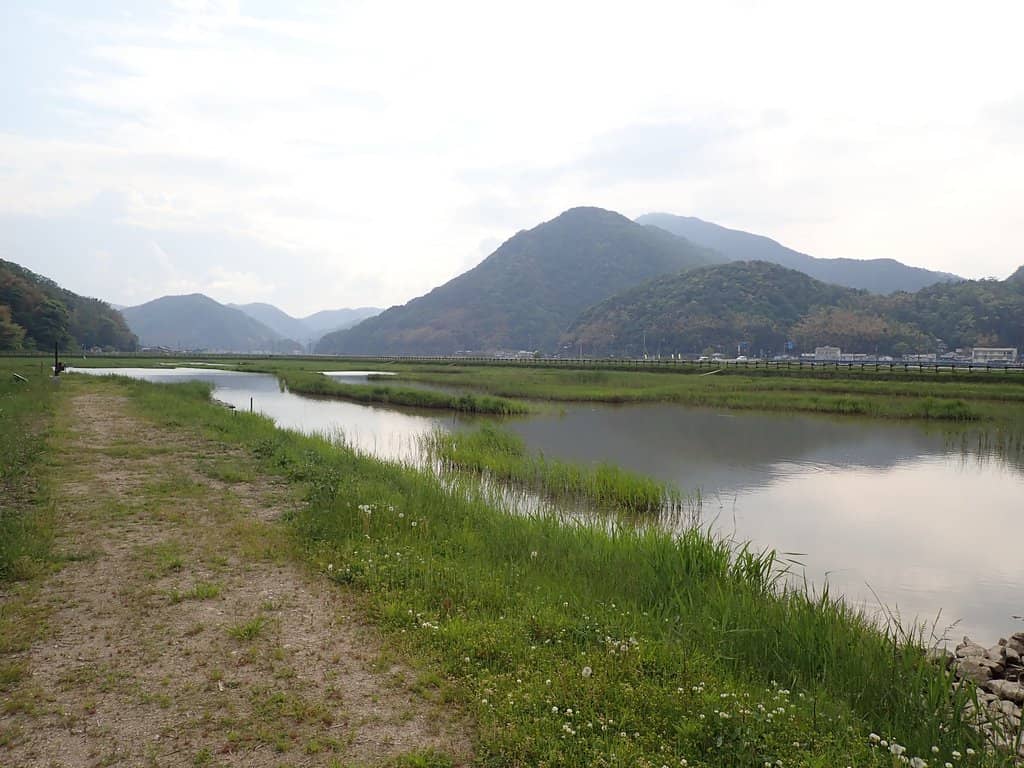
Peaceful Wetland Scenery
Surrounding wetlands
Enjoy the serene beauty of the wetlands, a haven for various bird species.
Plans like a pro.
Thinks like you
Planning Your Visit
Timing is Key for Stork Sightings
Embrace the Journey
Best Times
Insider Tips
from TikTok, Instagram & Reddit
🔭 Bring Binoculars!
Enhance your stork spotting experience with binoculars for closer views of nests and chicks.
🚲 Bike Rental Recommended
Rent a bicycle from Kinosaki Tourist Information for an easy ride to the wetlands.
🗣️ Language is No Barrier
Staff are passionate and helpful, often finding ways to communicate conservation efforts.
☀️ Check the Weather
A clear, good weather day enhances the beauty of the wetlands and birdwatching.
Tips
from all over the internet
🔭 Bring Binoculars!
Enhance your stork spotting experience with binoculars for closer views of nests and chicks.
🚲 Bike Rental Recommended
Rent a bicycle from Kinosaki Tourist Information for an easy ride to the wetlands.
🗣️ Language is No Barrier
Staff are passionate and helpful, often finding ways to communicate conservation efforts.
☀️ Check the Weather
A clear, good weather day enhances the beauty of the wetlands and birdwatching.
What Travellers Say
Reviews Summary
Visitors consistently praise Hachigoro Toshima Wetlands for its admirable stork conservation efforts and the passionate, helpful staff. The peaceful atmosphere and the chance to see Oriental White Storks in their natural habitat are major highlights. Some find navigation challenging with bikes, and weather can impact the viewing experience.
"We made an impromptu stop here and it was an absolute joy. We managed to see a Mama Stork and its babies through the pre-sighted telescopes.
The staff here are passionate and managed to teach us about the Storks and the purpose of this Wetland preserve despite the language barrier. The effort and care to create this habitat for the Oriental White Stork and the local wildlife is admirable.
We were lucky to also meet a local TV cameraman who kindly showed us the amazing shots he took of the stork nest.
Highly recommend to stop by if you’re in the area!"
Sim Gerald
"Peaceful location, but kind of hard to navigate with a bike. Better off visiting the coastal and beach areas of Kinosaki."
David Tsui
"We accidentally ended up finding out about this observatory! The lady explained us about the stork conservation program throughout Toyooka and we could see the live camera where storks were initiating their breeding season! This place is really beautiful if you pick a good weather day!"
Shivakshi Sulekh
What People Like
What People Dislike
Frequently Asked Questions
🚇 🗺️ Getting There
The wetlands are accessible by bicycle from Kinosaki Onsen, a popular option for exploring the countryside. You can rent a bike at the tourist information center next to the train station. While walkable, cycling is recommended for convenience.
While cycling is a great way to reach the wetlands, some visitors find navigating with a bike can be a bit challenging in certain areas.
Information on specific driving routes and parking is limited, but it's generally considered a countryside destination best explored at a slower pace, like cycling or walking.
Renting a bicycle from the Kinosaki Tourist Information center is a highly recommended and enjoyable way to reach the wetlands.
While direct public transport to the wetlands might be limited, the nearby Kinosaki Onsen offers train access, from where you can arrange onward travel, often by bike.
🎫 🎫 Tickets & Entry
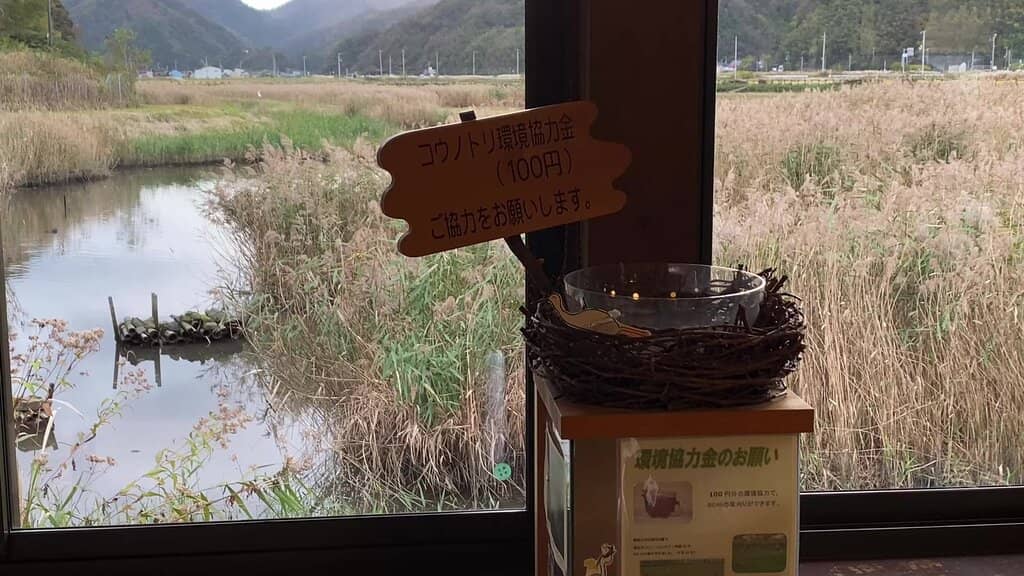
Entry to the wetlands and the information center is generally free, focusing on conservation and education.
The wetlands are best visited during daylight hours for optimal birdwatching. The information center may have specific operating hours.
Visitors generally report no admission fee for the Hachigoro Toshima Wetlands, emphasizing its role as a preserve.
Yes, you can visit in January and see Oriental storks, herons, and egrets, though the breeding season offers more activity.
No advance booking is typically required for general visits to the wetlands.
📸 📸 Photography
The observatory platforms offer excellent vantage points for photographing the stork nests and the surrounding wetland scenery.
Yes, photographing the Oriental White Storks is a highlight. Consider bringing a telephoto lens for better shots of the birds and their nests.
Generally, photography for personal use is allowed. Be mindful of the wildlife and avoid disturbing them.
A camera with a good zoom lens is recommended for capturing details of the storks. A wide-angle lens can be useful for the landscape.
Absolutely, the wetlands are a prime location for nature photography, especially for bird enthusiasts.
🎫 🐦 Birdwatching
The main attraction is the Oriental White Stork. You can also spot herons, egrets, and other local bird species.
The breeding season, typically in spring, offers the best chances to see storks actively nesting and caring for their young.
While specific guided tours aren't widely advertised, the staff at the information center are very knowledgeable and can offer insights.
The wetlands feature observation blinds and paths, making it easier to view birds without disturbing them.
Yes, visitors have reported seeing Oriental storks in January, along with herons and egrets.
Social
from TikTok, Instagram & Reddit