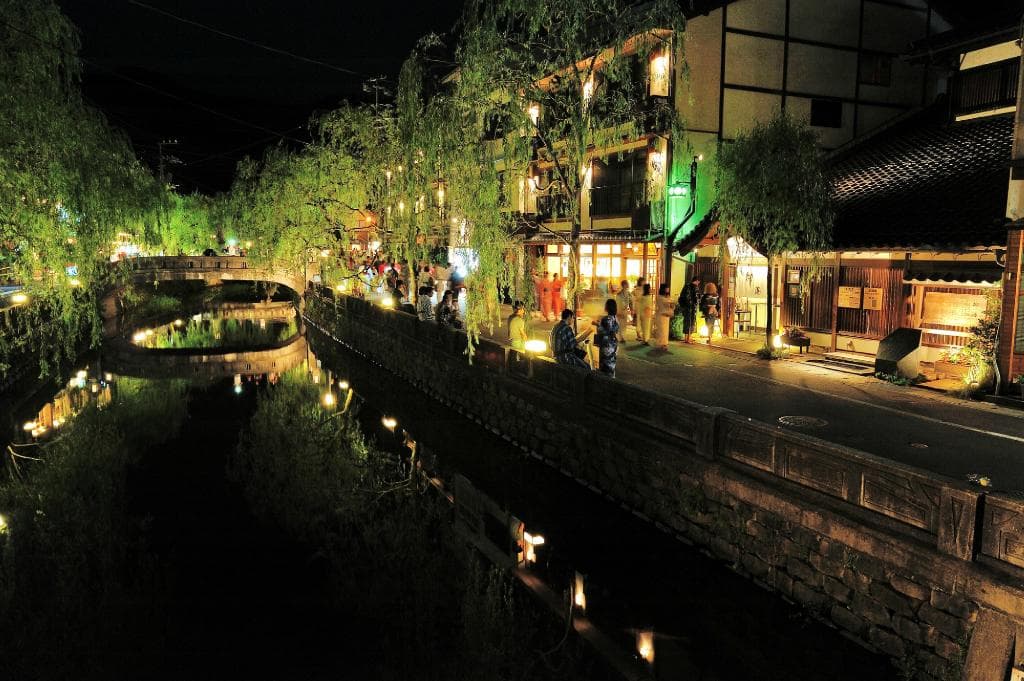
Kinosaki Onsen
A charming hot spring town where you can stroll in yukata, hop between seven historic onsen, and experience traditional Japanese hospitality.
Highlights
Must-see attractions

Social
From TikTok & Reddit
Best Time
Snowy charm & outdoor baths
Kinosaki Onsen
Best Time
Snowy charm & outdoor baths
Highlights
Must-see attractions
A charming hot spring town where you can stroll in yukata, hop between seven historic onsen, and experience traditional Japanese hospitality.
Tattoo-Friendly Onsen
Good news for inked travelers! Kinosaki Onsen is known for being tattoo-friendly, allowing more people to enjoy the hot springs.
Yukata & Getaba Rental
Enhance your onsen-hopping experience by renting a yukata and getaba to stroll through the charming streets.
Quick Facts
Highlights
Discover the most iconic attractions and experiences
The Seven Public Onsen
Throughout Kinosaki Onsen town
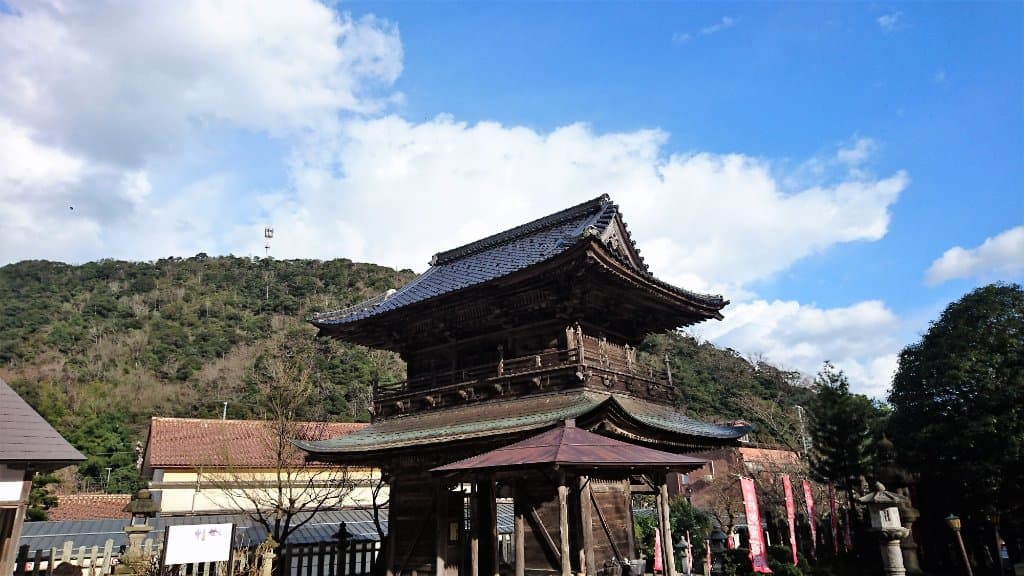
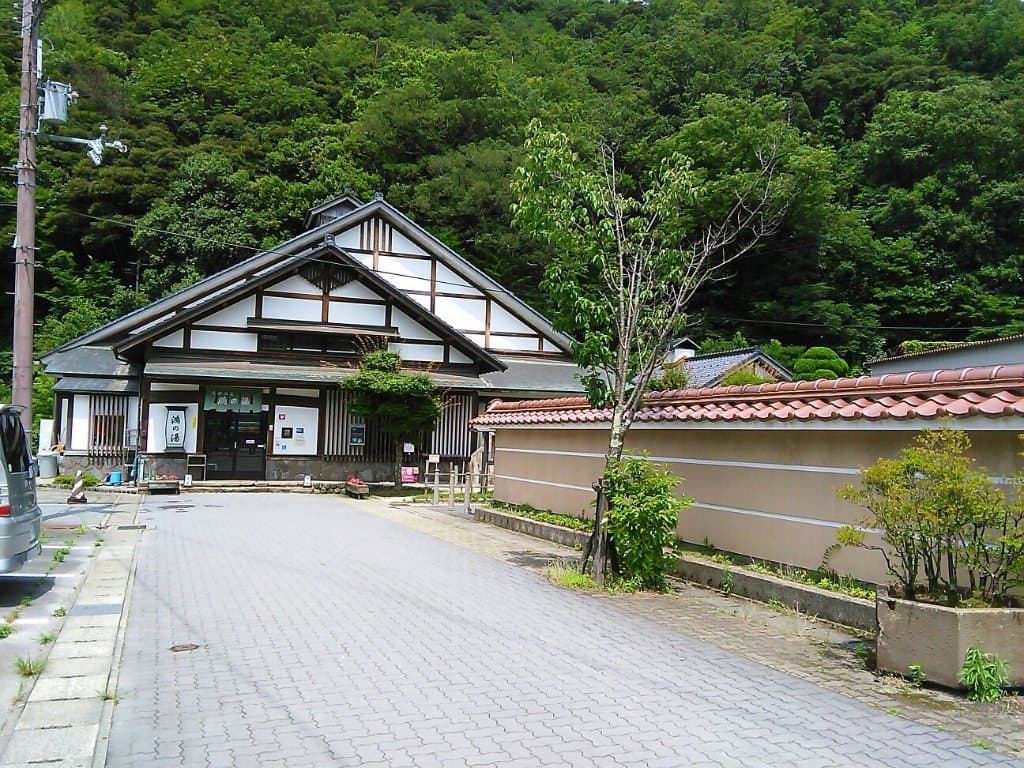
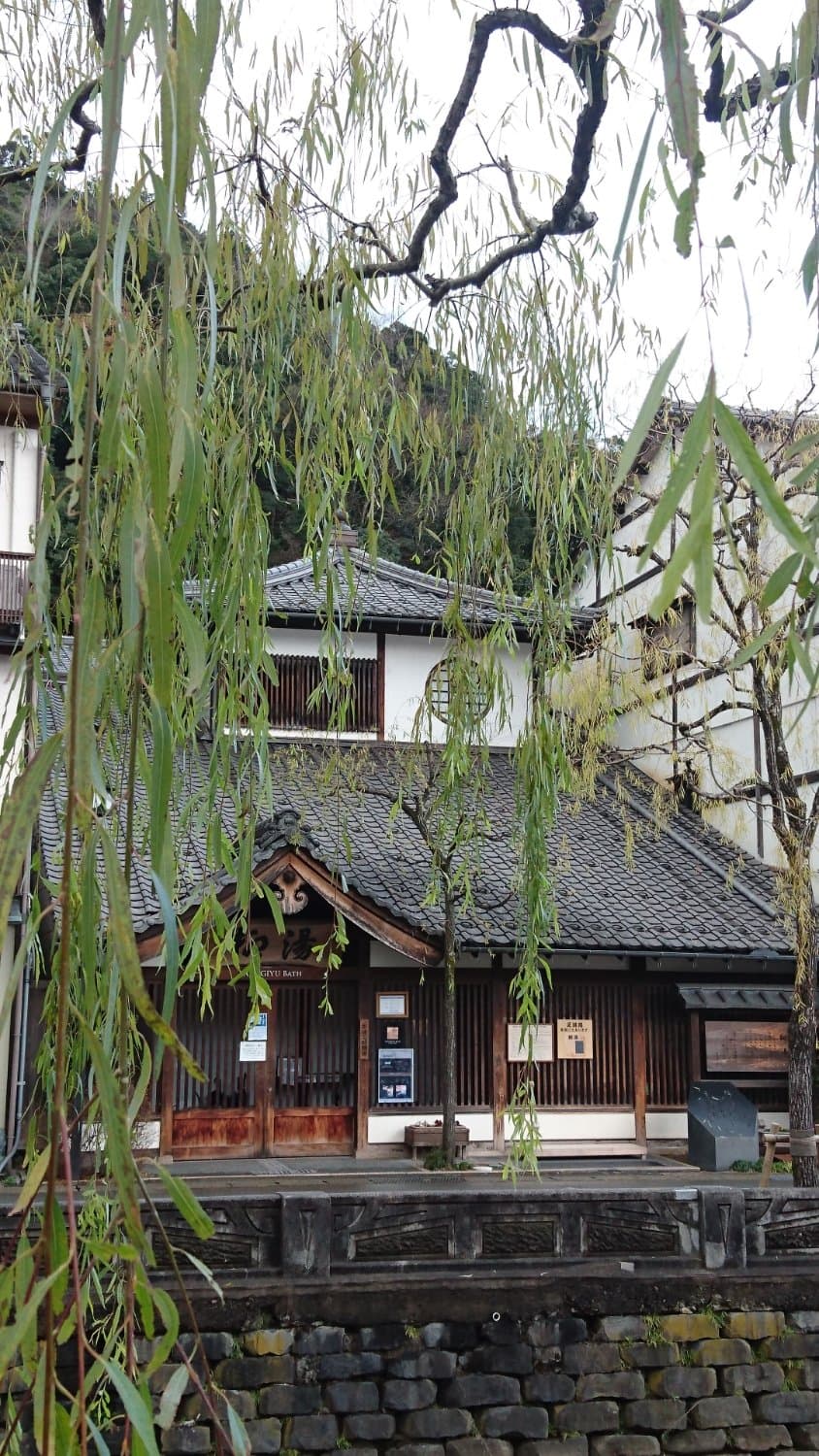
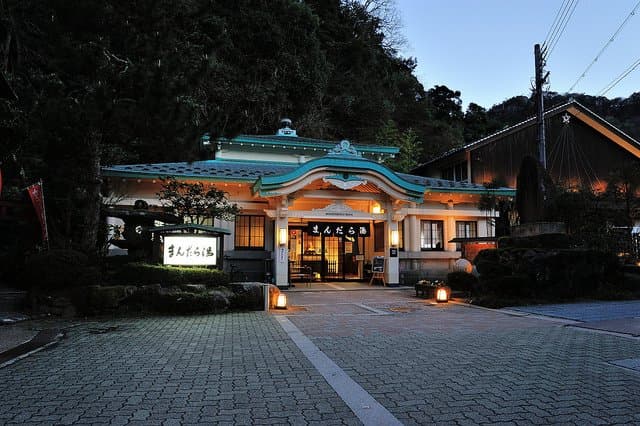
Experience the heart of Kinosaki by visiting its historic public bathhouses, each with unique healing properties.
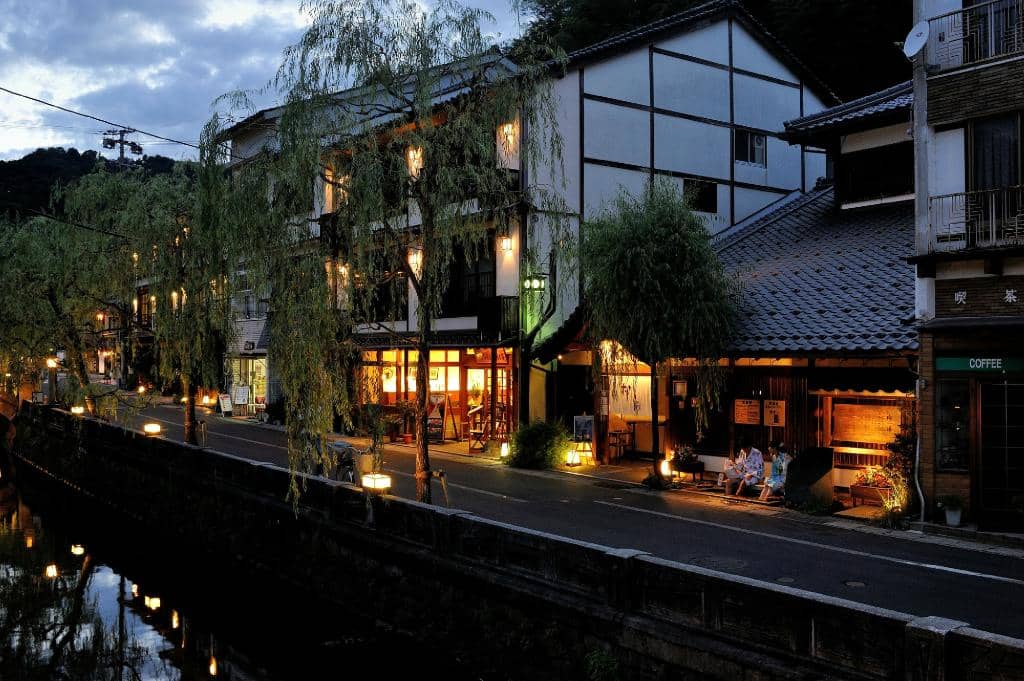
Stroll in Yukata and Getaba
Kinosaki Onsen streets
Immerse yourself in the traditional atmosphere by walking through the town in a yukata and wooden clogs.
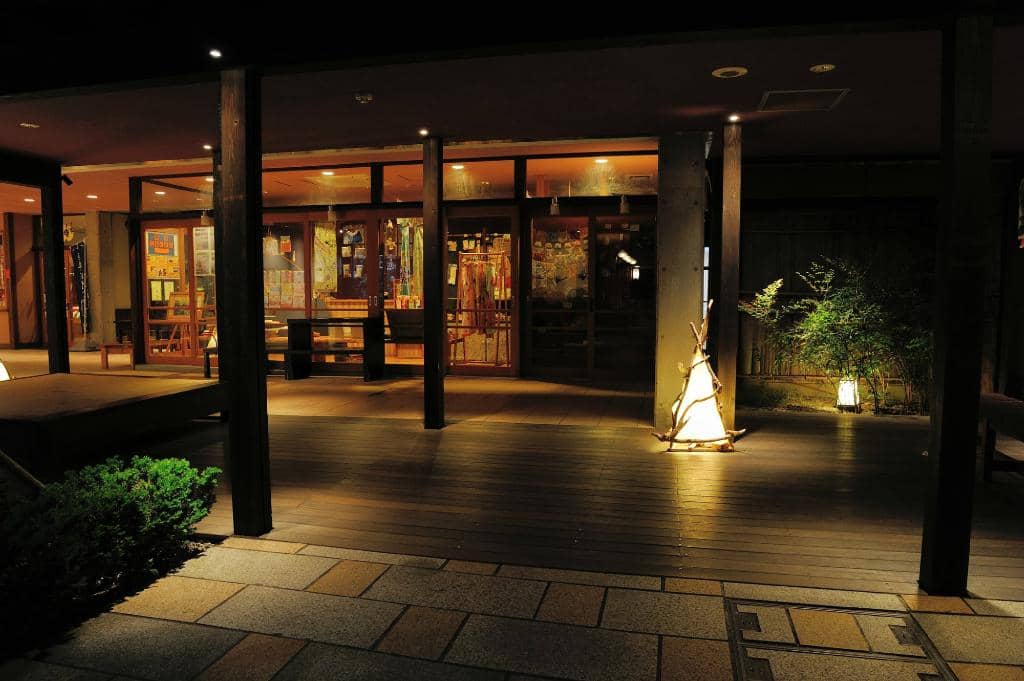
Traditional Ryokan Stay
Various ryokans in Kinosaki Onsen
Experience Japanese hospitality with a stay in a ryokan, often including exquisite kaiseki dinners.
Plans like a pro.
Thinks like you
Planning Your Visit
Embrace the Onsen-Hopping Culture

Book Your Ryokan in Advance
Best Times
Insider Tips
from TikTok, Instagram & Reddit
Tattoo-Friendly Onsen
Good news for inked travelers! Kinosaki Onsen is known for being tattoo-friendly, allowing more people to enjoy the hot springs.
Yukata & Getaba Rental
Enhance your onsen-hopping experience by renting a yukata and getaba to stroll through the charming streets.
Book Ryokan Early
Popular ryokans fill up fast, especially during peak seasons. Book well in advance to secure your ideal stay.
Travel Light
Many ryokans offer luggage forwarding services, making it easier to enjoy your onsen experience without heavy bags.
Tips
from all over the internet
Tattoo-Friendly Onsen
Good news for inked travelers! Kinosaki Onsen is known for being tattoo-friendly, allowing more people to enjoy the hot springs.
Yukata & Getaba Rental
Enhance your onsen-hopping experience by renting a yukata and getaba to stroll through the charming streets.
Book Ryokan Early
Popular ryokans fill up fast, especially during peak seasons. Book well in advance to secure your ideal stay.
Travel Light
Many ryokans offer luggage forwarding services, making it easier to enjoy your onsen experience without heavy bags.
What Travellers Say
Reviews Summary
Visitors rave about Kinosaki Onsen's authentic atmosphere, the unique 'onsen-hopping' experience, and the charm of strolling through town in yukata. The traditional ryokan stays, complete with kaiseki dinners, are a major highlight. Some find the public baths can get crowded, and the cost of ryokans can be high.
What People Like
What People Dislike
Frequently Asked Questions
🚇 🗺️ Getting There
Kinosaki Onsen is conveniently located about 2.5 to 3 hours by train from major cities like Kyoto and Osaka. Take a JR Limited Express train directly to Kinosaki Onsen Station.
Yes, Kinosaki Onsen is accessible by car. However, during winter, it's recommended to use studded tires or chains due to potential snow.
The closest major airports are Kansai International Airport (KIX) near Osaka and Itami Airport (ITM) also serving Osaka. From there, you'll take a train to Kinosaki Onsen.
Traveling from Tokyo to Kinosaki Onsen typically involves taking the Shinkansen (bullet train) to Kyoto or Shin-Osaka, and then transferring to a JR Limited Express train. This journey can take around 4 to 5 hours.
Yes, there are direct JR Limited Express trains from Osaka and Kyoto to Kinosaki Onsen Station, making it a straightforward journey.
🎫 🎫 Tickets & Entry
While you can pay per visit, many ryokan stays include access to the town's public onsen. If not staying at a ryokan, consider purchasing a 'Yumeguri Cho' (onsen hopping pass) for access to all seven.
The public onsen typically open in the afternoon and close in the evening, usually around 9 PM or 10 PM. Hours can vary slightly by bathhouse, so it's best to check locally.
No, there is no entrance fee to walk around Kinosaki Onsen town. The fees are for entering the individual onsen bathhouses.
Yes, Kinosaki Onsen is known for being tattoo-friendly, so your onsen pass should be usable regardless of tattoos.
Onsen hopping passes, often called 'Yumeguri Cho,' can usually be purchased at your ryokan, the Kinosaki Onsen Tourist Information Center, or at individual onsen bathhouses.
🎫 🏨 Accommodation & Ryokans
Highly-rated ryokans include Nishimuraya Honkan, Nishimuraya Hotel Shogetsutei, Onishiya Suishoen, and Mikuniya Ryokan. Many offer traditional kaiseki meals and access to private or public onsen.
Prices vary greatly depending on the ryokan and room type. Expect to pay anywhere from $150 to $500+ USD per night, often including dinner and breakfast.
Typically, a ryokan stay includes a traditional Japanese dinner (kaiseki), breakfast, and access to the ryokan's onsen facilities. Many also provide yukata for guests to wear around town.
Yes, while ryokans are the most traditional option, there are also modern hotels available in Kinosaki Onsen, offering different amenities and price points.
While some ryokans may have one-night availability, many prefer or require a minimum two-night stay, especially during busier periods. It's best to check individual ryokan policies.
📸 📸 Photography & Scenery
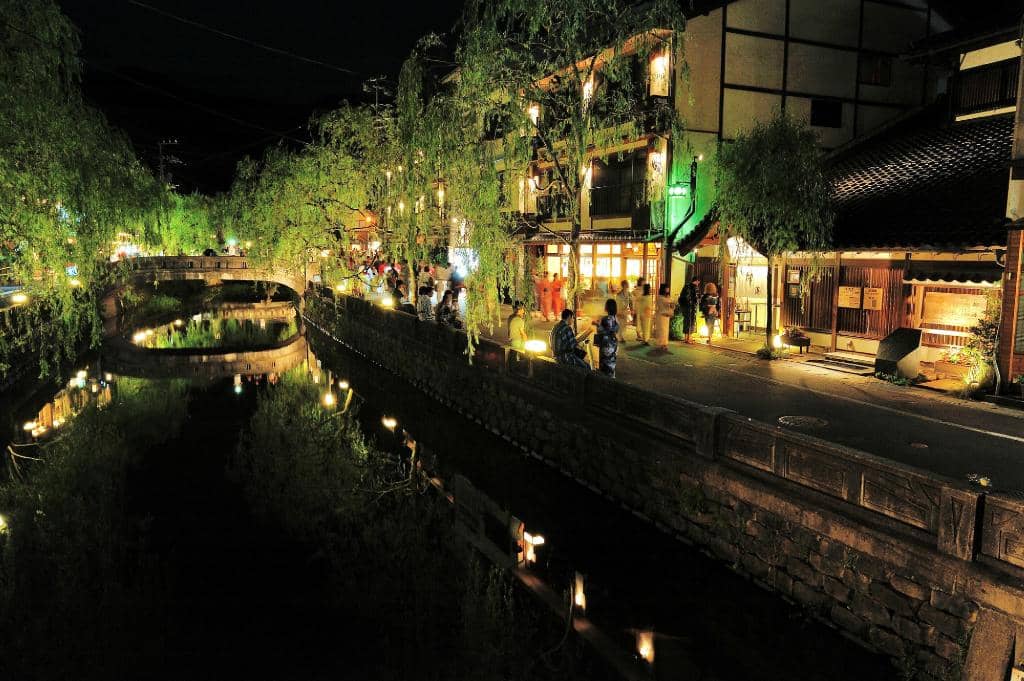
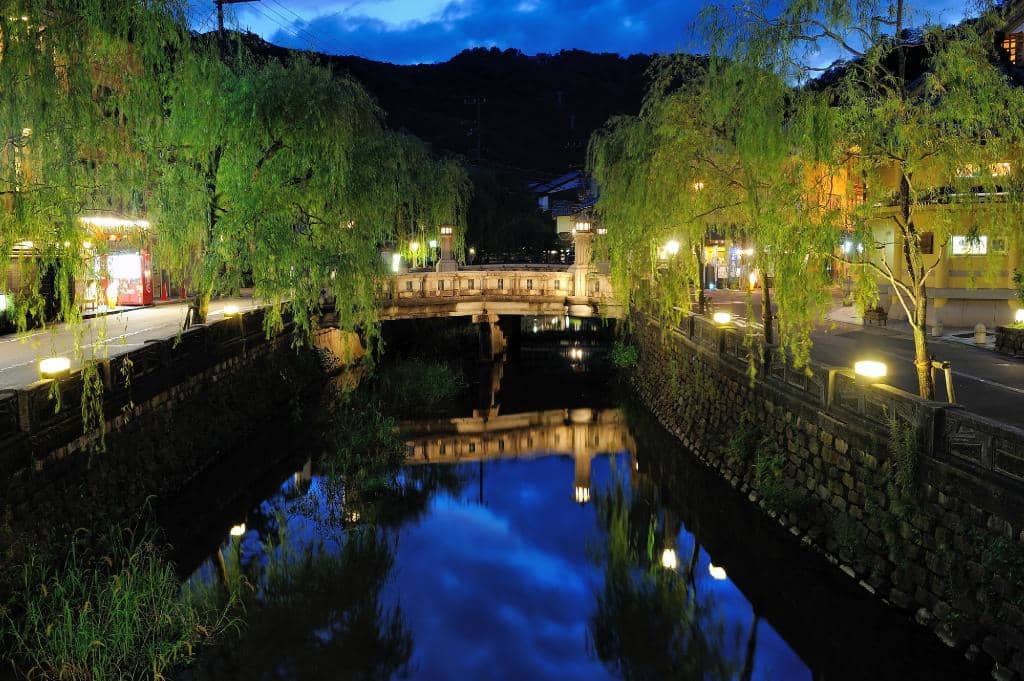
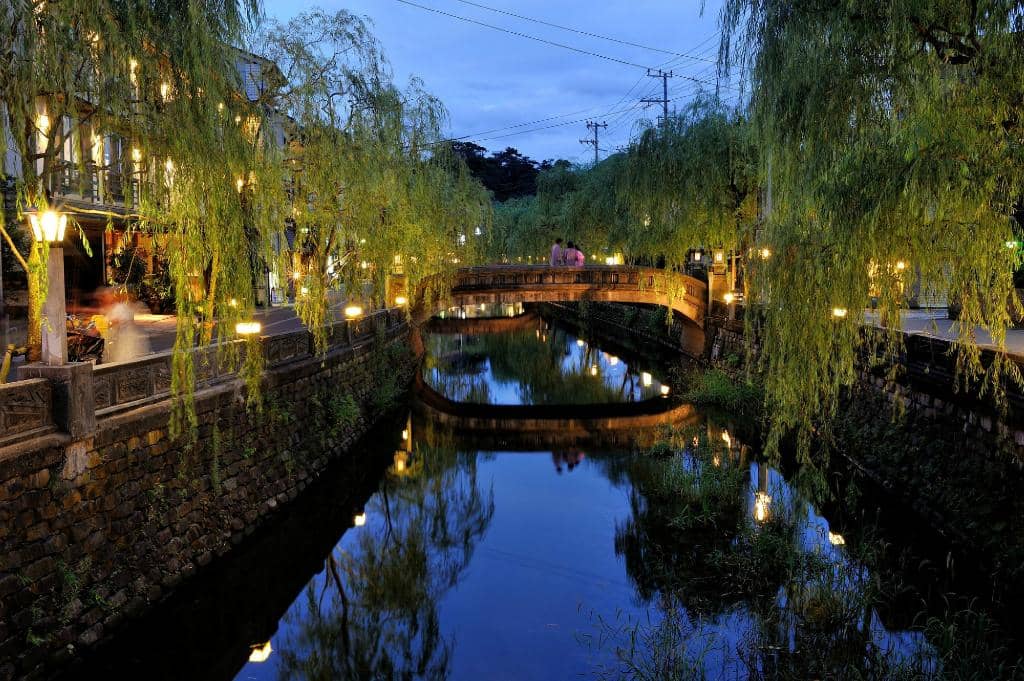
The willow-lined riverbanks, traditional wooden bridges, and the charming streets with yukata-clad visitors are incredibly picturesque. Winter snow adds a magical touch.
Absolutely! Winter transforms Kinosaki Onsen into a snowy wonderland, offering stunning photo opportunities with its snow-dusted streets and steaming onsen.
No, photography is generally not allowed inside the onsen bathhouses for privacy reasons. Focus on capturing the town's atmosphere and exterior beauty.
Early mornings or late afternoons offer softer light and fewer crowds, ideal for capturing the serene beauty of the town. Golden hour can be magical.
The Kinosaki Ropeway offers panoramic views of the town and surrounding landscape, especially beautiful during autumn foliage or winter snow.
🍽️ 🍽️ Food & Dining
Kinosaki Onsen is famous for its fresh seafood, particularly snow crab (kani) in winter. Many ryokans serve elaborate kaiseki multi-course dinners featuring local delicacies.
Yes, the town has various restaurants and izakayas offering local specialties, ramen, and other Japanese dishes. You can explore these if you're not dining at your ryokan.
Kaiseki is a traditional multi-course Japanese haute cuisine meal, emphasizing seasonal ingredients and artistic presentation. It's a highlight of many ryokan stays.
While traditional Japanese cuisine can be meat and fish-heavy, many ryokans and restaurants are accommodating if you inform them in advance of dietary restrictions. It's best to communicate your needs when booking.
Look for local sweets, senbei (rice crackers), and perhaps some regional sake. Trying the fresh seafood is a must.
Social
from TikTok, Instagram & Reddit