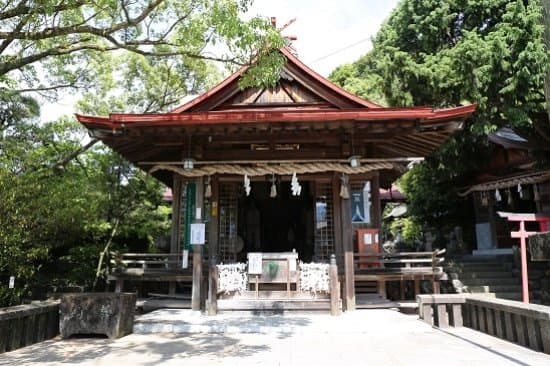
Taga Shrine Uwajima
A unique shrine in Uwajima, famous for its large wooden and stone phallic sculptures symbolizing fertility and prosperity.
Highlights
Must-see attractions

Social
From TikTok & Reddit
Best Time
Avoid mosquitoes and enjoy clear views
Taga Shrine Uwajima
Best Time
Avoid mosquitoes and enjoy clear views
Highlights
Must-see attractions
A unique shrine in Uwajima, famous for its large wooden and stone phallic sculptures symbolizing fertility and prosperity.
"This is a shrine where the main selling point is that they have a very large phallic object made of wood."
Mosquito Repellent is Key! :bug:
Many visitors warn about mosquitoes, especially during warmer, humid months. Pack repellent for a comfortable visit.
Manage Expectations 📷
This is a niche shrine focused on fertility symbols. It's a unique cultural experience, not a grand tourist site.
Quick Facts
Hours
Rating
4 · 128 reviews
Type
Place of Worship
Highlights
Discover the most iconic attractions and experiences
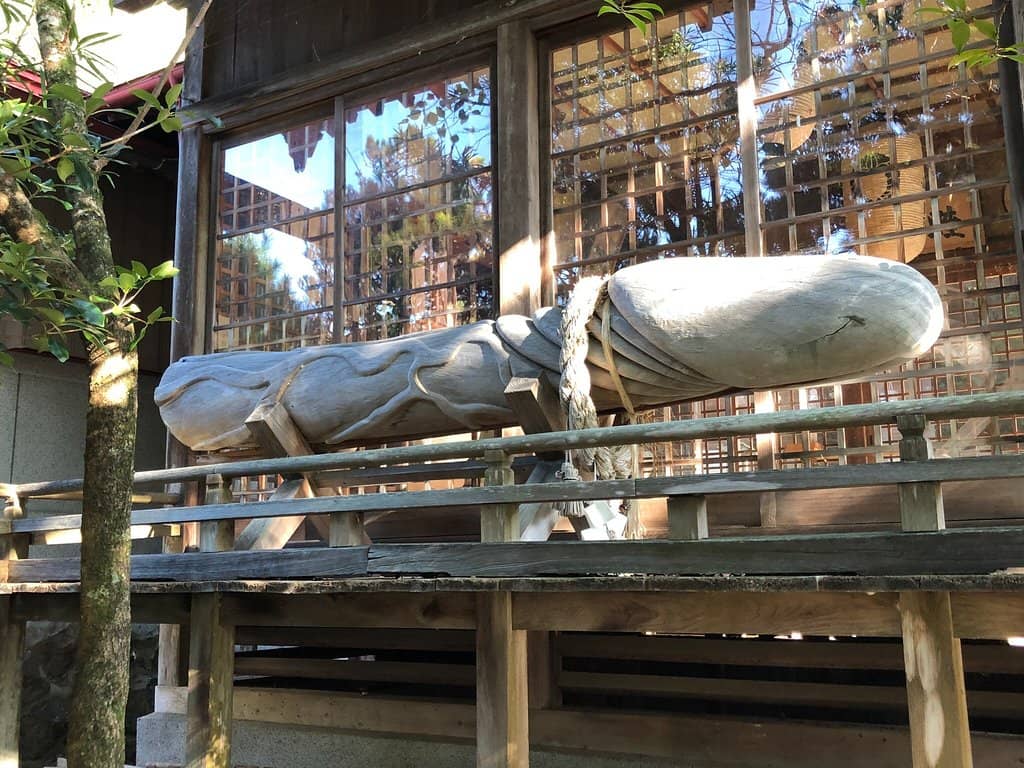
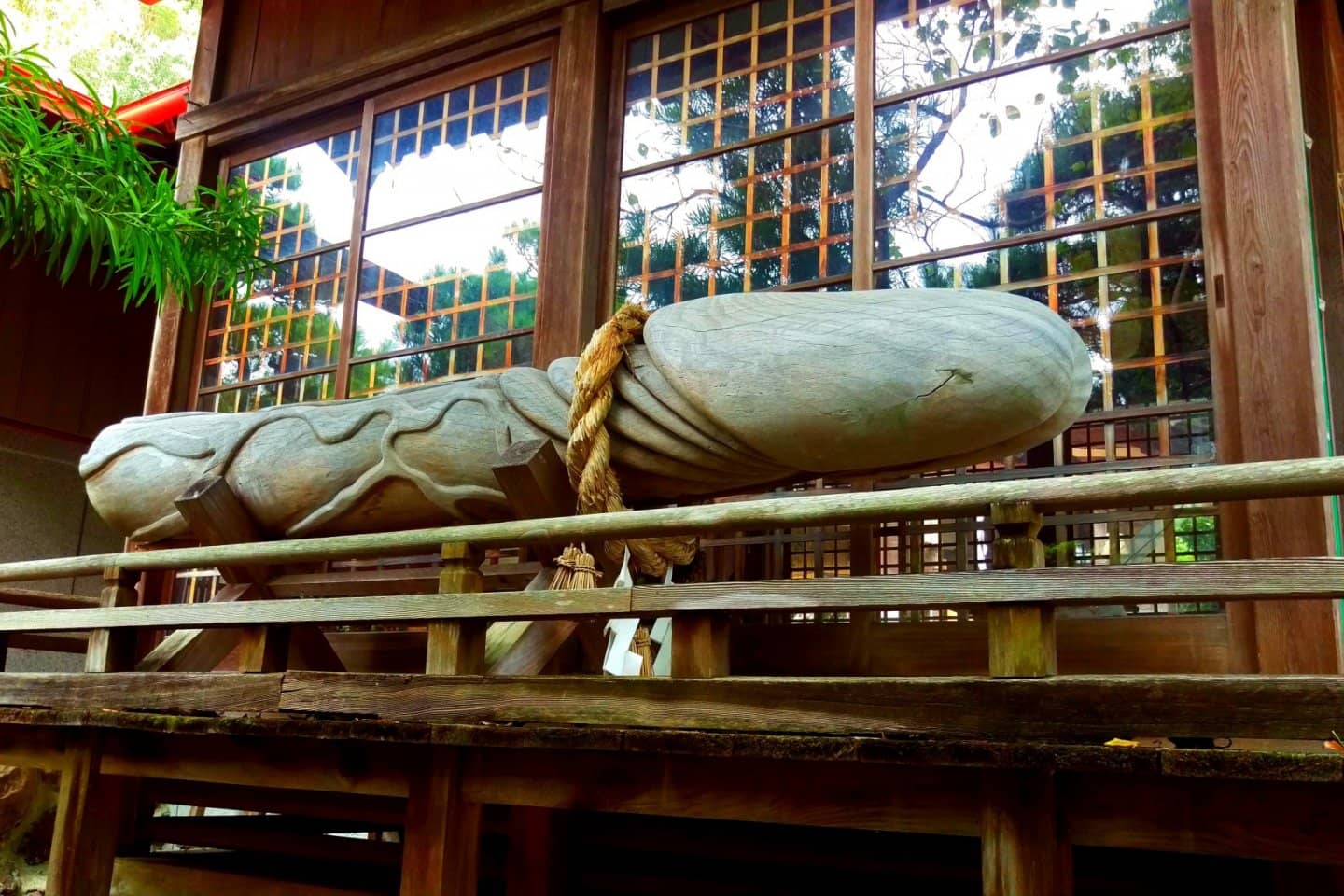
Giant Wooden Phallus Sculpture
Side of a shrine building
A massive, over two-meter-long wooden sculpture of a male reproductive organ, a central artifact of fertility worship.
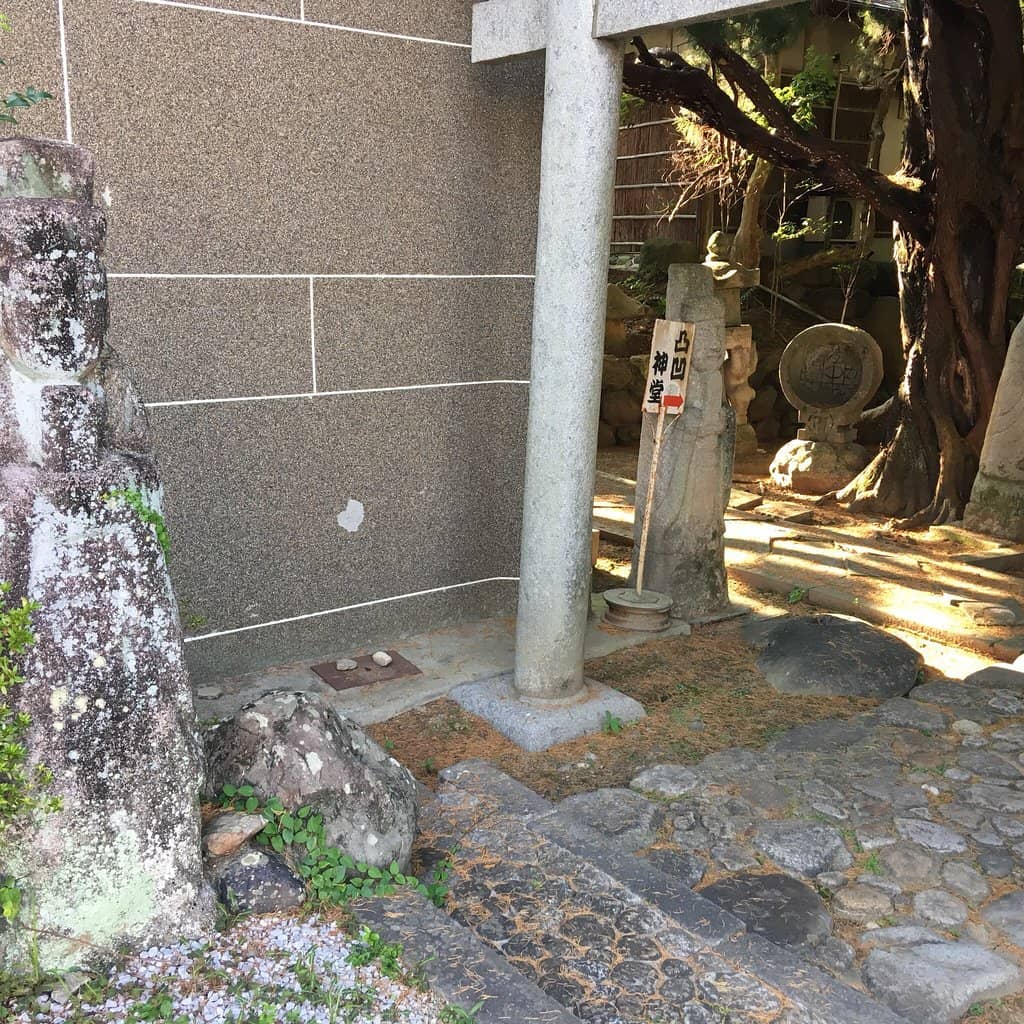
Stone Phallic Sculpture
Near the main shrine
A smaller, yet still notable, stone sculpture that adds to the shrine's unique theme of fertility and prosperity.
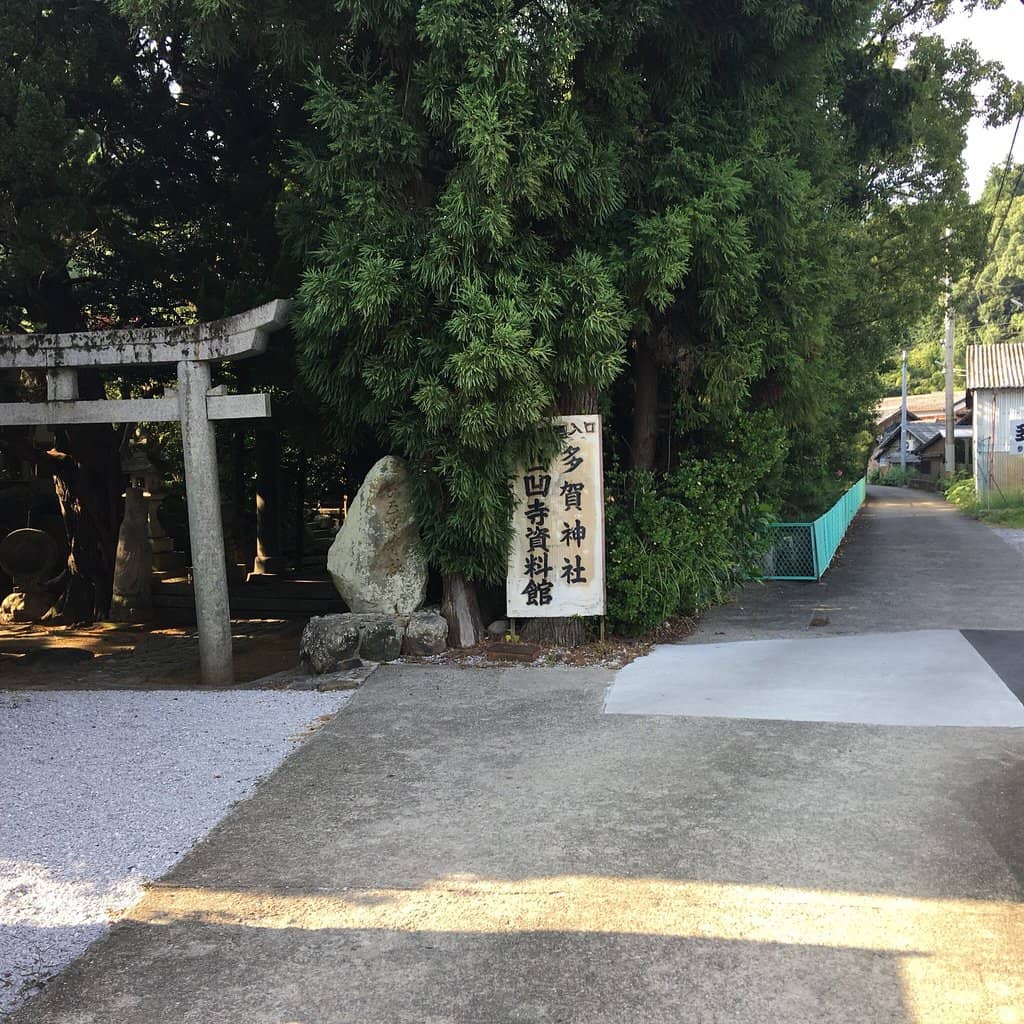
Fertility Museum (Optional)
Adjacent to the shrine
An accompanying museum that delves deeper into the cultural context and history of fertility worship in the region.
Plans like a pro.
Thinks like you
Planning Your Visit
Embrace the Unique: What to Expect
Timing and Mosquitoes
Best Times
Insider Tips
from TikTok, Instagram & Reddit
Mosquito Repellent is Key! :bug:
Many visitors warn about mosquitoes, especially during warmer, humid months. Pack repellent for a comfortable visit.
Manage Expectations 📷
This is a niche shrine focused on fertility symbols. It's a unique cultural experience, not a grand tourist site.
Advice for a departure from the usual destinations: Shikoku Island
At the end of this month I will be embarking on a 3-week group trip to Japan with the Rotary Club (if you've heard of them). We will visit Osaka, Kyoto, Nara, and Hiroshima. The trip will be structured for the first part, but for the second part we will be on Shikoku staying…
Consider the Museum 📚
The adjacent sex museum offers more context to the shrine's unique artifacts and practices.
Quick Stop :stopwatch:
The shrine itself is small. Plan for a brief visit, perhaps an hour or so, unless you explore the museum thoroughly.
Tips
from all over the internet
Mosquito Repellent is Key! :bug:
Many visitors warn about mosquitoes, especially during warmer, humid months. Pack repellent for a comfortable visit.
Manage Expectations 📷
This is a niche shrine focused on fertility symbols. It's a unique cultural experience, not a grand tourist site.
Consider the Museum 📚
The adjacent sex museum offers more context to the shrine's unique artifacts and practices.
Quick Stop :stopwatch:
The shrine itself is small. Plan for a brief visit, perhaps an hour or so, unless you explore the museum thoroughly.
What Travellers Say
Reviews Summary
Taga Shrine is a unique destination known for its distinctive fertility sculptures, particularly a large wooden phallus. While some visitors find it a fascinating cultural artifact and appreciate the adjacent museum, others note its modest scale and the potential for mosquitoes. It's a niche attraction that appeals to those seeking unusual cultural experiences.
"This is an interest shrine which I have no idea what they worship. It is know for a wooden sculpture of male reproductive organ that is over two meters long. I was expecting more but that was it. There is a smaller rock sculpture but not as amazing.
Other than that, there is a sort of a sex museum next to the shrine which I did not visit and not able to review."
Michael CHAN
"Very interesting shrine, although the scale is small, but the environment is comfortable."
朱奕豪
"This is a shrine where the main selling point is that they have a very large phallic object made of wood. Said object is displayed on the side of one of the buildings of the shrine, but is obscured by branches and leaves. I'm aware that they do have a festival where they parade it around town.
This place doesn't really make the official tourism guides. I don't think there's very much appeal to visiting this shrine. Watch out for mosquitoes!"
Eric F
What People Like
What People Dislike
Frequently Asked Questions
🚇 🗺️ Getting There
Taga Shrine is located in Uwajima, Ehime Prefecture. Access typically involves traveling to Uwajima city first, then using local transport. While specific TikToks or Instagram reels don't detail the exact route, general travel to Shikoku islands often involves trains or ferries. Check local bus routes from Uwajima Station for the most direct access to the shrine's vicinity.
Information on direct public transport to Taga Shrine is sparse. It's recommended to reach Uwajima city via train and then inquire about local bus services or consider a taxi for convenience.
From major cities like Osaka or Tokyo, you'll likely need to take a Shinkansen to Okayama, then transfer to a train bound for Shikoku and Uwajima. The journey can be long, so plan accordingly.
🎫 🎫 Tickets & Entry
There is generally no entrance fee to visit Taga Shrine itself. However, the adjacent museum may have a separate admission charge.
Shrines in Japan are typically open from dawn until dusk. Specific hours for Taga Shrine are not widely published, but it's safe to assume it's accessible during daylight hours.
No advance booking is required for Taga Shrine. It's a public place of worship, and visitors can generally enter freely during daylight hours.
The sex museum is located next to the shrine and is a separate entity, though often visited in conjunction. It may have its own admission fees and operating hours.
📸 📸 Photography
Photography is generally permitted at Taga Shrine, but always be respectful of worshippers and any posted signage. The unique sculptures are a popular subject for photos.
While not explicitly stated, it's good practice to avoid intrusive photography, especially during ceremonies or if photographing individuals. The main sculptures are the primary photo opportunities.
The most iconic photo opportunities are the large wooden and stone phallic sculptures. Capture them from various angles to showcase their scale and detail.
🎫 ❓ Understanding the Significance
Taga Shrine is most famous for its prominent wooden and stone sculptures of male reproductive organs, which are associated with fertility and prosperity worship. +1
These sculptures are part of a tradition of fertility worship found in various cultures, believed to bring good fortune, healthy offspring, and prosperity. +1
Yes, there is a festival where the large wooden phallus is paraded around town, a significant event for the local community.
The prevalence of shrines dedicated to fertility symbols like 'chin' (a euphemism for phallus) reflects a growing interest in traditional folk beliefs and unique cultural practices, often highlighted by travelers seeking off-the-beaten-path experiences.


Social
from TikTok, Instagram & Reddit