Tomori Stone Lion
Okinawa's largest & oldest shisa, a 1689 guardian scarred by WWII, offering historical depth and scenic views.
Highlights
Must-see attractions

Social
From TikTok & Reddit
Best Time
Best for views and history
Tomori Stone Lion
Best Time
Best for views and history
Highlights
Must-see attractions
Okinawa's largest & oldest shisa, a 1689 guardian scarred by WWII, offering historical depth and scenic views.
"A poignant historical site with visible bullet holes and beautiful views, a must for history buffs."

🚗 Navigate Carefully
Access involves narrow alleys; larger vehicles may find it challenging. Use the small parking lot near the stairs.
📜 Scan for English Info
Japanese plaques are present, but one has a QR code for English and other language information.
Quick Facts
Hours
Rating
4.5 · 240 reviews
Type
Historical Landmark
Highlights
Discover the most iconic attractions and experiences
The Tomori Stone Lion (Shisa)
Top of the stairs
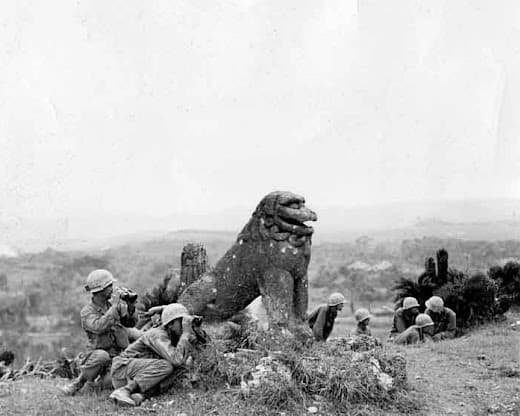
Okinawa's largest and oldest shisa, a powerful symbol of protection with visible WWII battle scars.
Historical Viewpoint
Near the lion
Stand where history unfolded, visualizing WWII combat amidst a now peaceful, lush landscape.
Scenic Overlook
Top of the hill
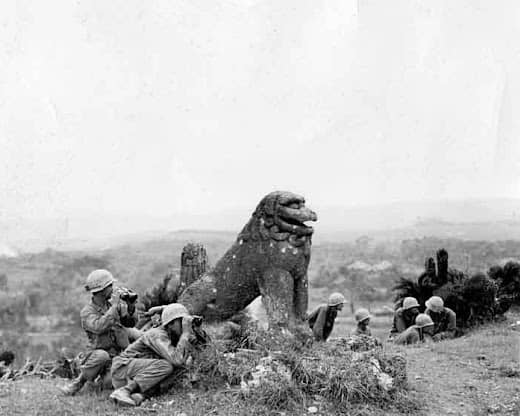
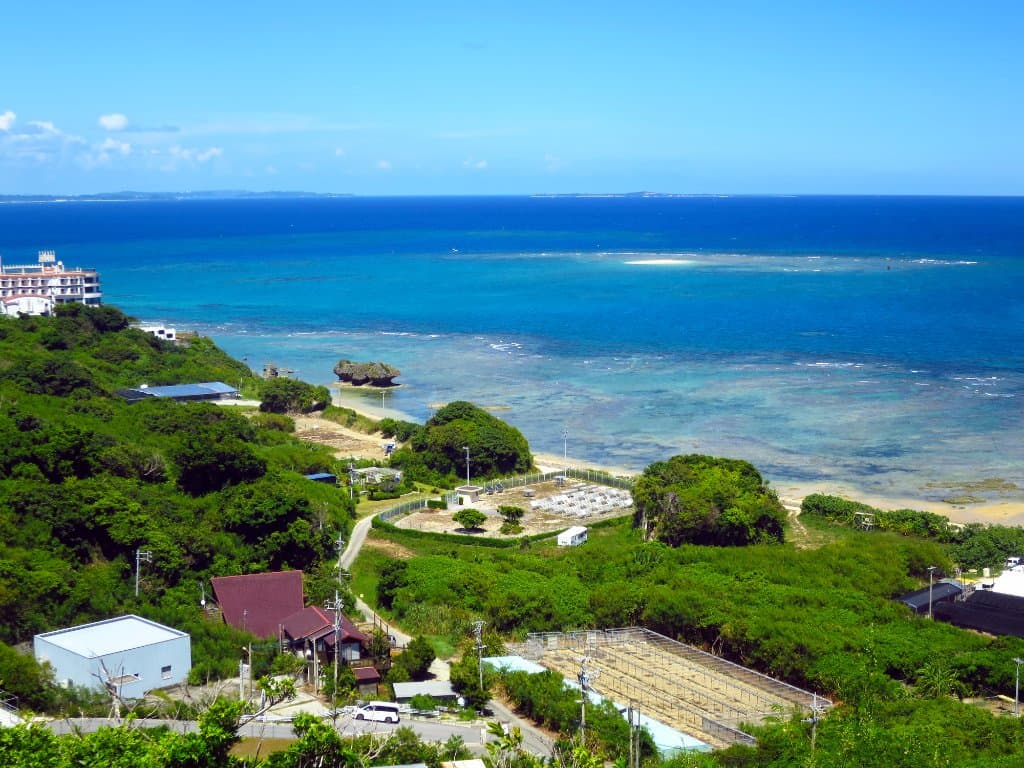
Enjoy panoramic views of the surrounding area from a pleasant lawn with seating, perfect for a picnic.
Plans like a pro.
Thinks like you
Planning Your Visit
Navigating to Tomori Stone Lion
Understanding the Significance
Best Times
Insider Tips
from TikTok, Instagram & Reddit
🚗 Navigate Carefully
Access involves narrow alleys; larger vehicles may find it challenging. Use the small parking lot near the stairs.
📜 Scan for English Info
Japanese plaques are present, but one has a QR code for English and other language information.
📸 History in Photos
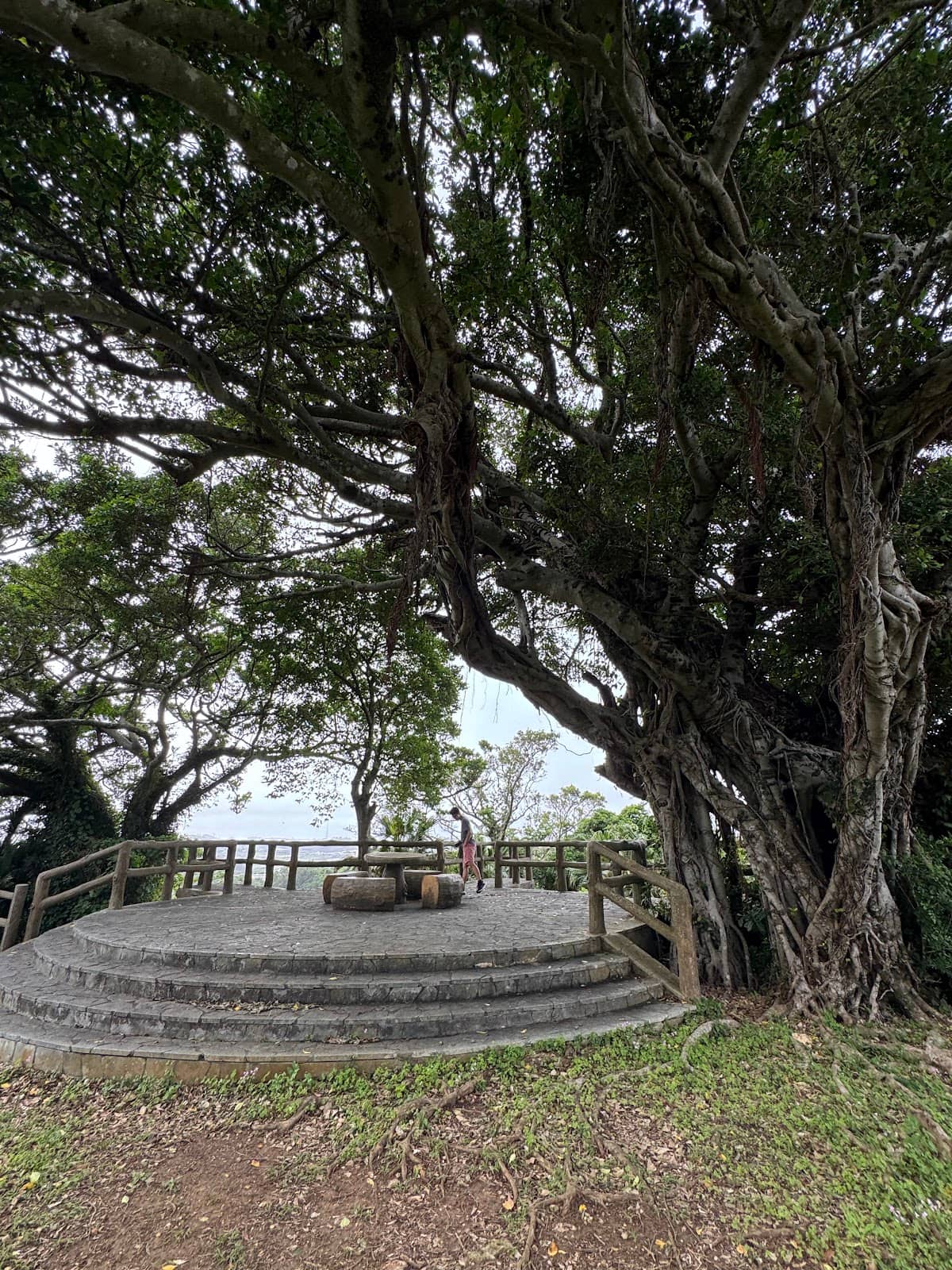
The site is famous for a WWII combat photograph; seeing it in person offers a unique historical perspective.
🧺 Picnic Spot
The top of the hill offers a nice lawn area with tables, ideal for a relaxing lunch with a view.
Tips
from all over the internet
🚗 Navigate Carefully
Access involves narrow alleys; larger vehicles may find it challenging. Use the small parking lot near the stairs.
📜 Scan for English Info
Japanese plaques are present, but one has a QR code for English and other language information.
📸 History in Photos
The site is famous for a WWII combat photograph; seeing it in person offers a unique historical perspective.
🧺 Picnic Spot
The top of the hill offers a nice lawn area with tables, ideal for a relaxing lunch with a view.
What Travellers Say
Reviews Summary
Visitors find the Tomori Stone Lion a historically significant and visually interesting site, particularly for its age and connection to WWII. While the journey there can be challenging due to narrow roads, the reward is a unique monument with visible battle scars and a peaceful hilltop setting offering nice views. The availability of English information via QR code is a plus for international visitors.
"Had to drive through a few small, narrow alleys to get there. There’s a small parking lot right next to the stairs.
Head up the stairs and you will see the stone lion. Only 1 there. Beautiful sculpture and rich with history.
Other than that, some nice greenery with seats around and nice view. So If you are not into the history, I think it’s ok to give this place a miss"
Ginny Toh
"It's kind of difficult to navigate to in a larger vehicle, but it is pretty neat to see with the historical significance it has. There is a read board that has some of the history of the stone lion which has some interesting information."
Michael Wesolowski
"Visiting the Tomori Stone Lion was a fascinating experience. This centuries-old shisa is the largest and oldest of its kind in Okinawa, originally carved in 1689 to protect the village from misfortune. However, it became widely known due to a famous WWII combat photograph taken here during the Battle of Okinawa. Seeing it in person, with its bullet holes still visible, really puts into perspective the intense fighting that once took place in this now-peaceful area.
I always enjoy visiting historical sites that appear in old photographs—it’s a unique feeling to stand in the exact spot where history unfolded and visualize the moment captured in time. The contrast between the war-torn past and the lush landscape today makes this a powerful place to visit. If you’re interested in Okinawan history or WWII sites, this is definitely worth the trip."
B
What People Like
What People Dislike
Frequently Asked Questions
🚇 🗺️ Getting There
The Tomori Stone Lion is accessible via narrow alleys, which can be difficult for larger vehicles. There is a small parking lot located near the stairs leading up to the site. It's recommended to use GPS and be prepared for tight turns.
Yes, there is a small parking lot available right next to the stairs that lead up to the stone lion.
Using a GPS is advised, but be aware that the final approach involves driving through small, narrow alleys. Plan your route in advance to avoid getting lost.
Information on public transport accessibility is limited, but given the narrow alleyways, it's likely more convenient to visit by car or taxi.
While the site itself is straightforward once you're there, navigating the surrounding narrow streets can be a bit challenging.
🎫 🎫 Tickets & Entry
There is no entrance fee to visit the Tomori Stone Lion. It is a historical site open to the public.
The Tomori Stone Lion is an outdoor historical monument and is generally accessible at any time. However, visiting during daylight hours is recommended for the best experience and safety.
No, booking tickets in advance is not necessary as there is no admission fee. You can visit at your leisure.
There are no specific restrictions mentioned, but it's a historical site, so visitors are expected to be respectful of the monument and its surroundings.
While the exact management details aren't always clear, it's a recognized historical landmark in Okinawa, with informational plaques provided.
🎫 🧭 Onsite Experience
The main attraction is the Tomori Stone Lion (Shisa), Okinawa's largest and oldest. You can also see visible bullet holes from WWII, enjoy the greenery, and take in the nice views from the hilltop. +1
A visit to the Tomori Stone Lion typically takes about 30 minutes to an hour, depending on how much time you spend admiring the views and reading the historical information.
Yes, there is a readable board with historical information about the stone lion. Additionally, one of the Japanese plaques has a QR code that links to a website with English and other language details.
Yes, photography is permitted. The site offers unique photo opportunities, especially with the historical context and the scenic views.
Information about restroom facilities is not readily available, so it's advisable to use facilities before arriving.
📸 📸 Photography
The best photo spots include the stone lion itself, the area with visible bullet holes, and the panoramic views from the hilltop. Capturing the contrast between the historical monument and the lush surroundings is highly recommended.
Absolutely. The site is famous for a WWII combat photograph, and standing in that exact spot to recreate or capture the historical significance is a powerful photographic experience.
A standard camera or smartphone is sufficient. Consider a wide-angle lens for the scenic views and a telephoto lens if you want to capture details from a distance.
No specific photography restrictions are mentioned, but always be respectful of the historical monument and any other visitors.
Daylight hours are best for clear photos. Early morning or late afternoon can offer softer light and fewer crowds.


Social
from TikTok, Instagram & Reddit