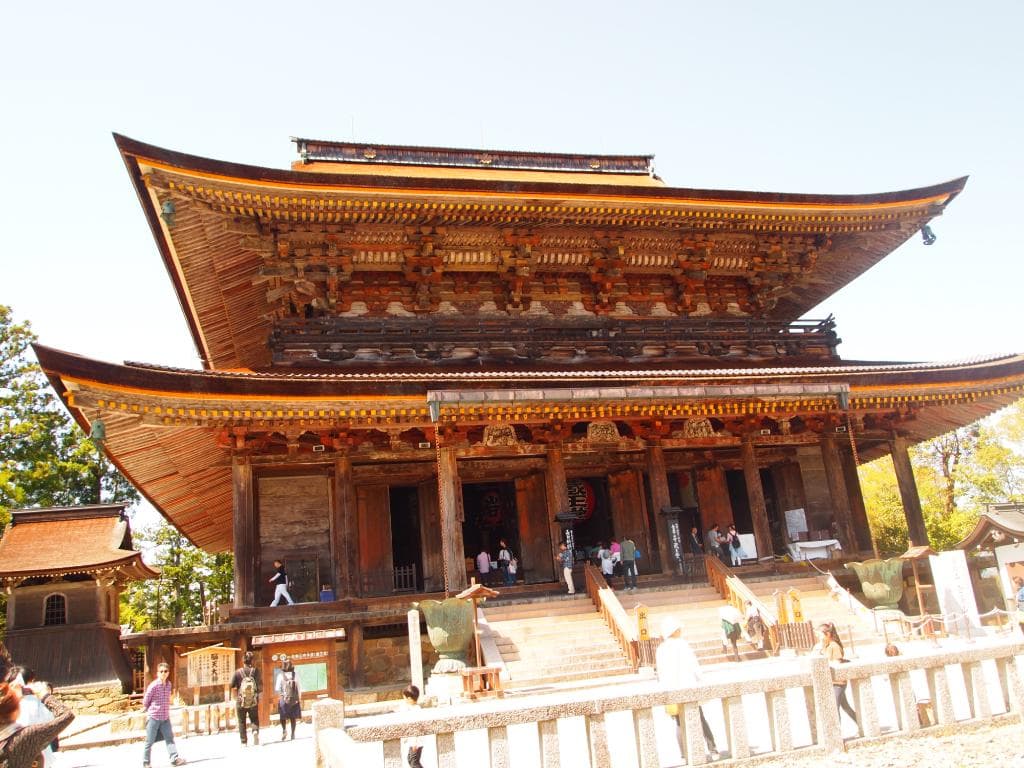
Kinpusen-ji Temple
Head temple of Shugendo, boasting Japan's second-largest wooden structure and a UNESCO World Heritage site.
Highlights
Must-see attractions

Social
From TikTok & Reddit
Best Time
Statue viewing & fewer crowds
Kinpusen-ji Temple
Best Time
Statue viewing & fewer crowds
Highlights
Must-see attractions
Head temple of Shugendo, boasting Japan's second-largest wooden structure and a UNESCO World Heritage site.
"The majestic design of the main hall is unlike anything else in Japan—it has a truly overwhelming presence."
Plan Your Journey
Getting here takes time; allow for multiple transfers and consider bus/hike. Wear comfy shoes! :athletic_shoe:
Check Statue Viewing Dates
The Zao Gongen statues are rarely displayed. Check official schedules for spring/autumn viewing periods. 📅
Quick Facts
Hours
Rating
4.5 · 3,891 reviews
Type
Place of Worship
Highlights
Discover the most iconic attractions and experiences
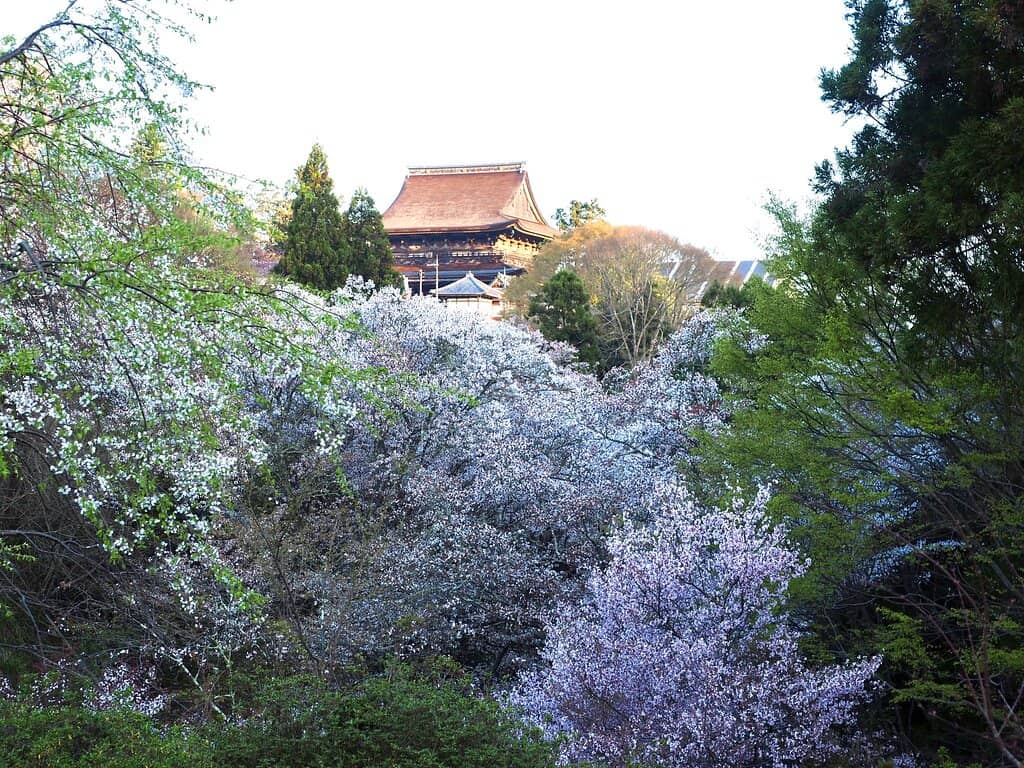
Zao-do Hall (Main Hall)
Main temple building
Japan's second-largest wooden structure, boasting awe-inspiring woodworking and a profound sense of history.
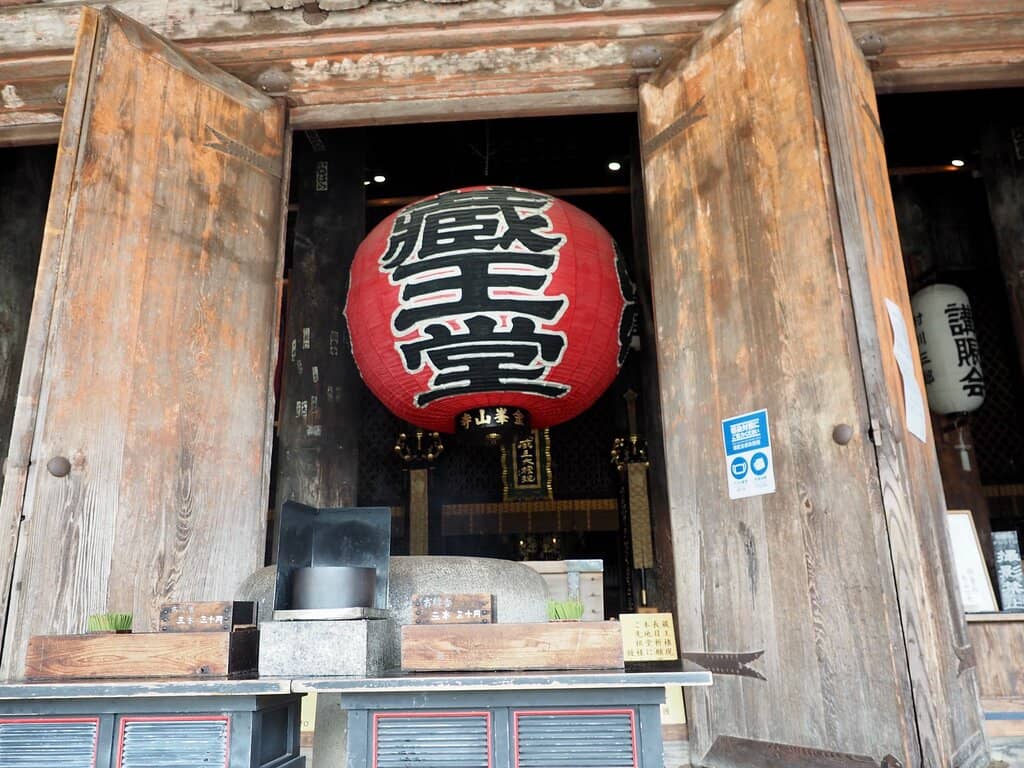
Zao Gongen Statues
Inside Zao-do Hall (limited viewing)
Three colossal statues of the principal deities, rarely on public display, offering a glimpse into Shugendo's mountain worship.
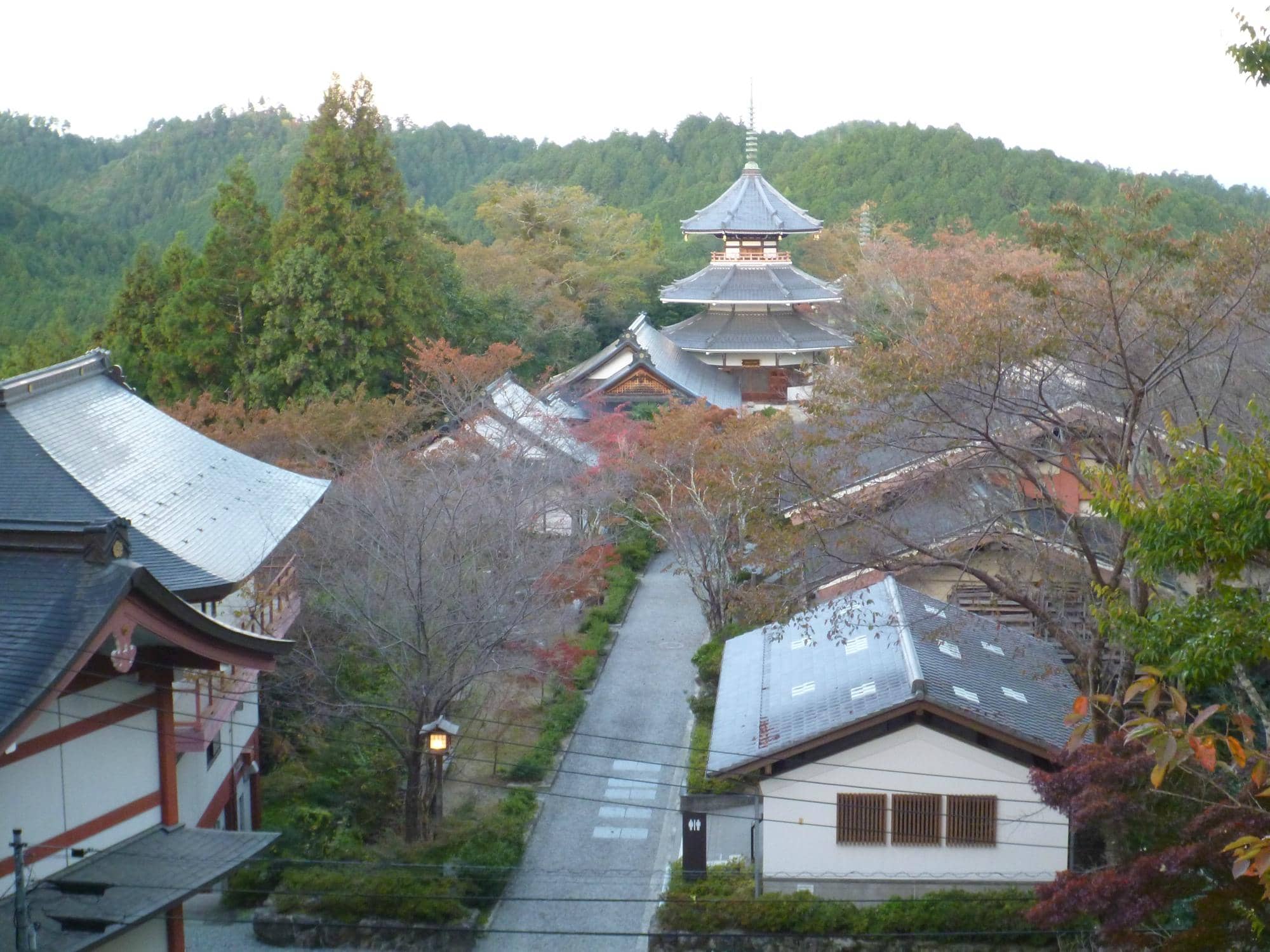
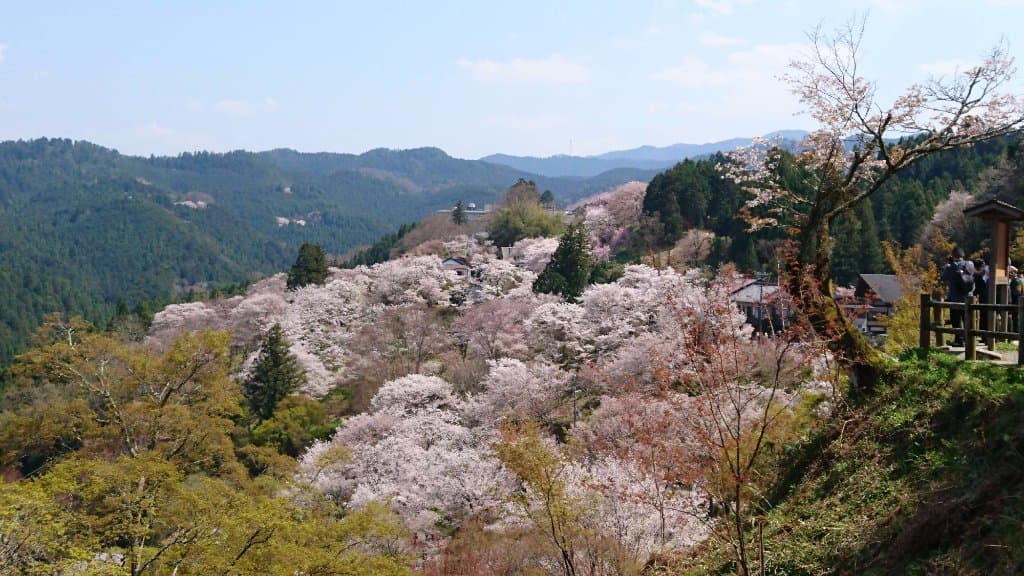
Cherry Blossoms
Temple grounds and surrounding Yoshinoyama
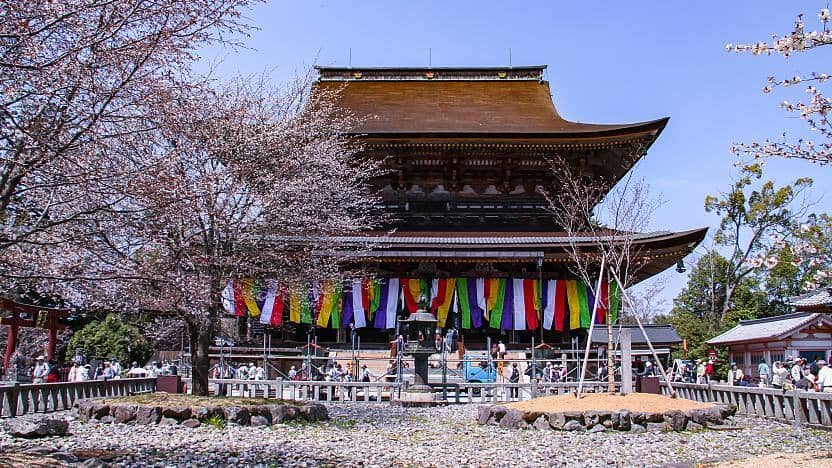
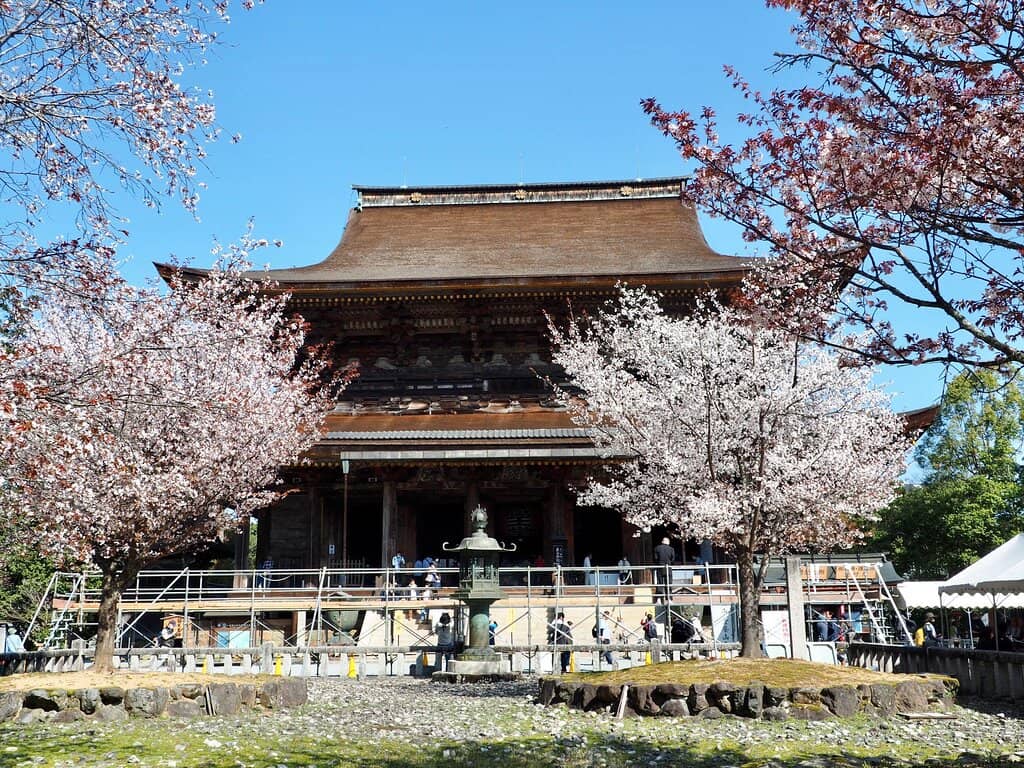
When in bloom, the vibrant cherry blossoms create a breathtaking spectacle, enhancing the temple's sacred beauty.
Plans like a pro.
Thinks like you
Planning Your Visit
Timing Your Visit for Tranquility
Journey to the Sacred Mountain
Best Times
Insider Tips
from TikTok, Instagram & Reddit
Plan Your Journey
Getting here takes time; allow for multiple transfers and consider bus/hike. Wear comfy shoes! :athletic_shoe:
Check Statue Viewing Dates
The Zao Gongen statues are rarely displayed. Check official schedules for spring/autumn viewing periods. 📅
Respect Photography Rules
No photos are allowed inside the main hall. Be mindful of the sacred space. :noentrysign:
Embrace the History
Feel the 1300 years of history in this UNESCO site. It's a national treasure! 📜
Tips
from all over the internet
Plan Your Journey
Getting here takes time; allow for multiple transfers and consider bus/hike. Wear comfy shoes! :athletic_shoe:
Check Statue Viewing Dates
The Zao Gongen statues are rarely displayed. Check official schedules for spring/autumn viewing periods. 📅
Respect Photography Rules
No photos are allowed inside the main hall. Be mindful of the sacred space. :noentrysign:
Embrace the History
Feel the 1300 years of history in this UNESCO site. It's a national treasure! 📜
What Travellers Say
Reviews Summary
Visitors are consistently awestruck by the sheer scale and majestic beauty of Kinpusen-ji Temple, particularly its Zao-do Hall, often described as one of Japan's most beautiful structures. The historical significance as a UNESCO World Heritage site and the unique Shugendo religion are highly appreciated. While the journey can be long, most find the experience profoundly rewarding and recommend it highly.
"It takes quite a long time to get there, but it is absolutely worth the effort.
The majestic design of the main hall is unlike anything else in Japan—it has a truly overwhelming presence.
(In fact, it’s an enormous wooden structure and a temple of very high status.)
You can feel the weight of history in every pillar and wooden component.
The principal deities are three gigantic statues of Zaō Gongen, each standing about seven meters tall.
However, they are rarely on display, only being open to the public during limited periods in spring and autumn."
ying chong
"It might be the most beautiful structure in Yoshinoyama town. The main hall was huge with amazing decoration and sculptures. Cherry trees were blooming made it even more beautiful. It was not crowded even we were there on Saturday. Highly recommended!"
Lê Quang Kiệt
"Kinpusenji (金峯山寺) is the leading temple in Yoshino and one of the most important temples of Shugendo, a religion based on mountain worship that combines tenets of both Buddhism and Shinto. The temple is listed among the UNESCO World Heritage sites of Yoshino, and its main hall, the 34 meter high Zao-do Hall, is claimed to be the second largest wooden structure in Japan behind Nara's Todaiji Temple."
Supakorn Jaroenwongtrakoon
What People Like
What People Dislike
Frequently Asked Questions
🚇 🗺️ Getting There
The journey from Osaka to Kinpusen-ji Temple typically involves taking a JR train to Yamato-Yagi Station, then transferring to the Kintetsu Railway for Yoshino Station. From Yoshino Station, you can take a bus or enjoy a scenic hike up to the temple. Allow at least 2-3 hours for travel.
While there are parking options in Yoshinoyama, driving directly to the temple can be challenging due to narrow roads and limited parking. It's generally recommended to use public transportation and then walk or take a local bus.
From Yoshino Station, you can take a local bus that stops near the temple, or embark on a pleasant uphill walk. Many visitors enjoy the walk as it allows them to soak in the atmosphere of the mountain village.
Traveling from Kyoto to Kinpusen-ji Temple is similar to the Osaka route, often involving a JR train to Yamato-Yagi and then Kintetsu Railway to Yoshino. The total travel time can be around 2.5 to 3.5 hours.
Local buses operate from Yoshino Station and within the Yoshinoyama area, serving as the primary public transport to reach the temple. There aren't typically dedicated shuttle services directly to the temple itself.
🎫 🎫 Tickets & Entry
Entry to the temple grounds is generally free. However, there might be separate admission fees for specific buildings or special exhibitions, such as the Zao-do Hall during certain periods. It's advisable to check on-site for any applicable charges.
The temple grounds are typically open from morning until late afternoon. Specific building hours, especially for the Zao-do Hall, can vary. It's best to confirm the exact opening and closing times closer to your visit.
The three gigantic statues of Zaō Gongen are rarely on public display, typically only open during limited periods in spring and autumn. These special viewing opportunities are highly anticipated, so check the temple's official announcements for exact dates.
While the temple grounds are free to enter, there is usually a fee to enter the Zao-do Hall to see its impressive interior and historical significance. The exact cost can vary, so it's good to be prepared.
Yes, Kinpusen-ji Temple is open year-round. However, the experience can differ significantly with the seasons, from the vibrant cherry blossoms in spring to the autumn foliage, and the serene snow-covered landscape in winter.
📸 📸 Photography
Photography is strictly prohibited inside the main hall (Zao-do Hall) and other sacred areas within Kinpusen-ji Temple. This is to preserve the sanctity of the religious site. You can take photos of the exterior and the surrounding grounds.
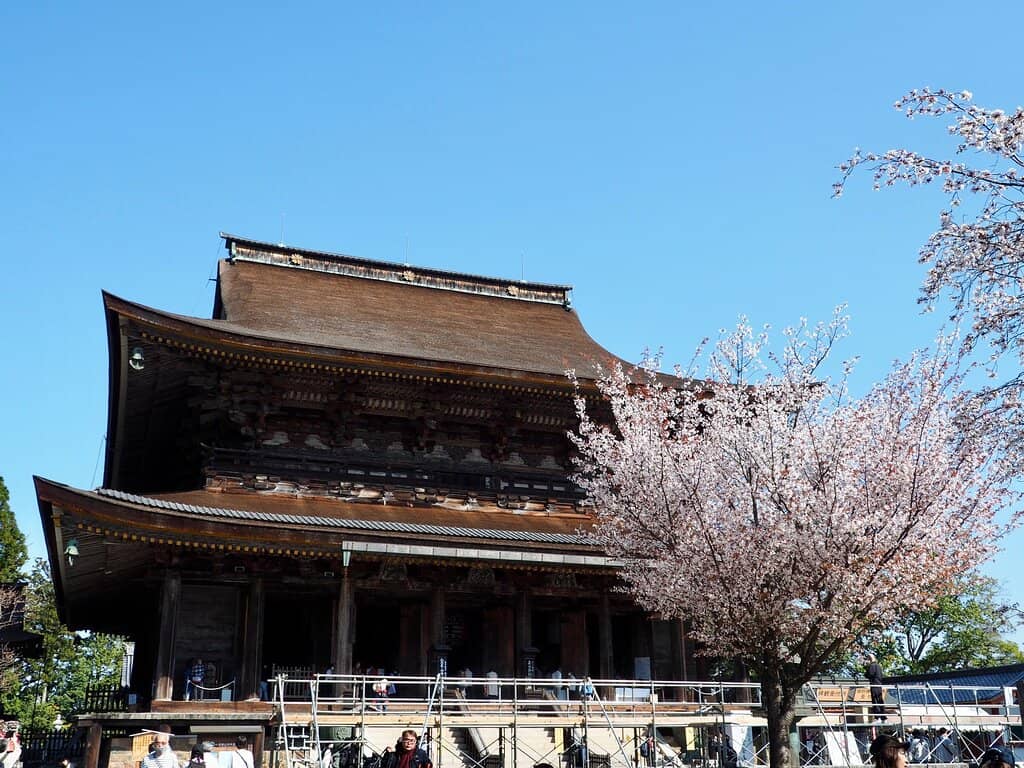
The exterior of the Zao-do Hall, especially with the backdrop of seasonal foliage (cherry blossoms or autumn leaves), offers stunning photographic opportunities. The temple's approach and surrounding mountain scenery are also picturesque.
Drone usage is generally not permitted at religious sites like Kinpusen-ji Temple due to privacy concerns and potential disturbance to visitors and the sacred atmosphere. Always check local regulations before flying a drone.
Early morning or late afternoon light can provide beautiful, soft lighting for exterior shots of the Zao-do Hall. During cherry blossom season, visiting during these times can also help you avoid the largest crowds.
Typically, photography is not allowed even when the Zao Gongen statues are on public display. These are sacred objects, and the temple enforces strict rules to maintain their reverence. Always adhere to the signage and staff instructions.
🎫 🏛️ History & Significance
Kinpusen-ji Temple is the head temple of Shugendo, a unique Japanese religion blending Buddhism and Shinto mountain worship. Founded over 1300 years ago, it's a UNESCO World Heritage site and a national treasure, historically visited by emperors and samurai.
Shugendo is a syncretic religion that originated in Japan, emphasizing mountain asceticism and shamanistic practices. It combines elements of Buddhism, Shinto, and Taoism, with practitioners, known as Shugenja, seeking spiritual enlightenment through rigorous mountain training.
The Zao-do Hall is the main hall of Kinpusen-ji and is renowned for being the second-largest wooden structure in Japan, after Todai-ji Temple in Nara. Its immense size and intricate woodworking are testaments to ancient craftsmanship and architectural prowess.
Zaō Gongen are the principal deities enshrined at Kinpusen-ji Temple. They are fierce, wrathful deities associated with mountain spirits and are believed to possess protective powers and grant wishes to devoted followers.
Yes, Kinpusen-ji Temple is a key component of the UNESCO World Heritage site 'Sacred Sites and Pilgrimage Routes in the Kii Mountain Range.' It represents the spiritual heart of the Yoshino region within this larger cultural landscape.
Social
from TikTok, Instagram & Reddit