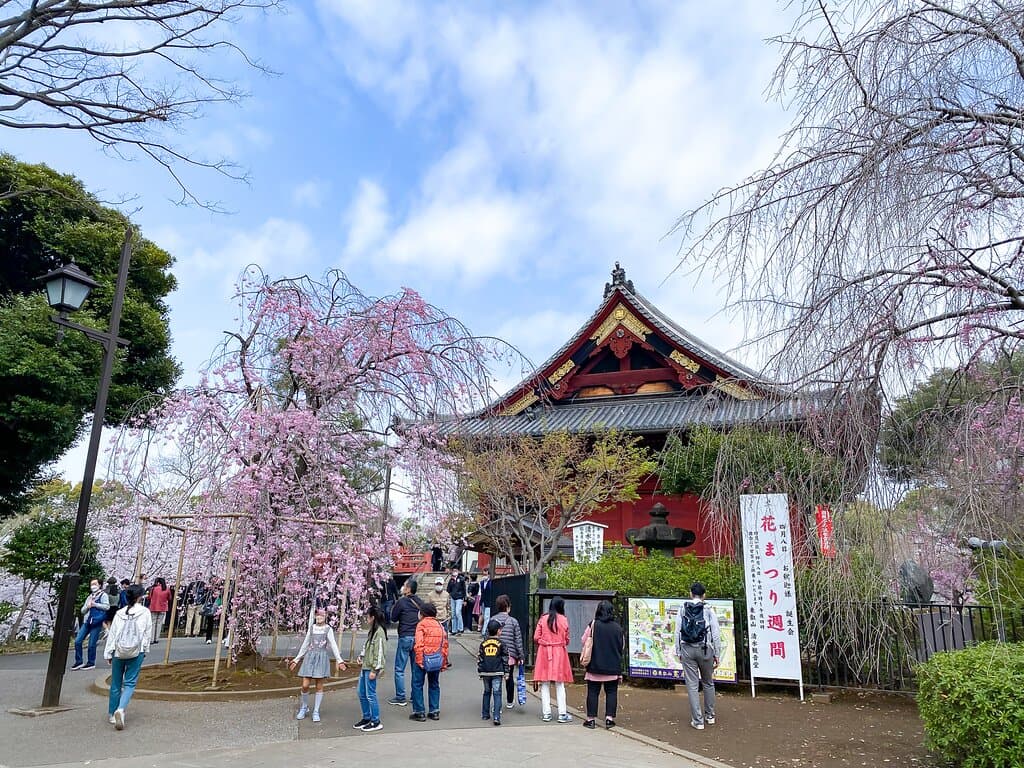
Kiyomizu Kannon-do Kaneiji
A historic Buddhist temple in Ueno Park, offering a tranquil escape with a rich past and a unique Moon Pine framing its path.
Highlights
Must-see attractions

Social
From TikTok & Reddit
Best Time
Quieter, more serene atmosphere
Kiyomizu Kannon-do Kaneiji
Best Time
Quieter, more serene atmosphere
Highlights
Must-see attractions
A historic Buddhist temple in Ueno Park, offering a tranquil escape with a rich past and a unique Moon Pine framing its path.
"This was the first shrine we visited, the oldest in Japan, built in 1632. Almost 400 years ago!"
🎯 Early Bird Gets the Peace
Visit first thing in the morning to avoid crowds and enjoy the temple's tranquil ambiance .
📜 Goshuin: Manage Expectations
While available, some visitors find the goshuin rushed and poorly done. Inspect before buying .
Quick Facts
Hours
Rating
4.2 · 1,413 reviews
Type
Place of Worship
Highlights
Discover the most iconic attractions and experiences
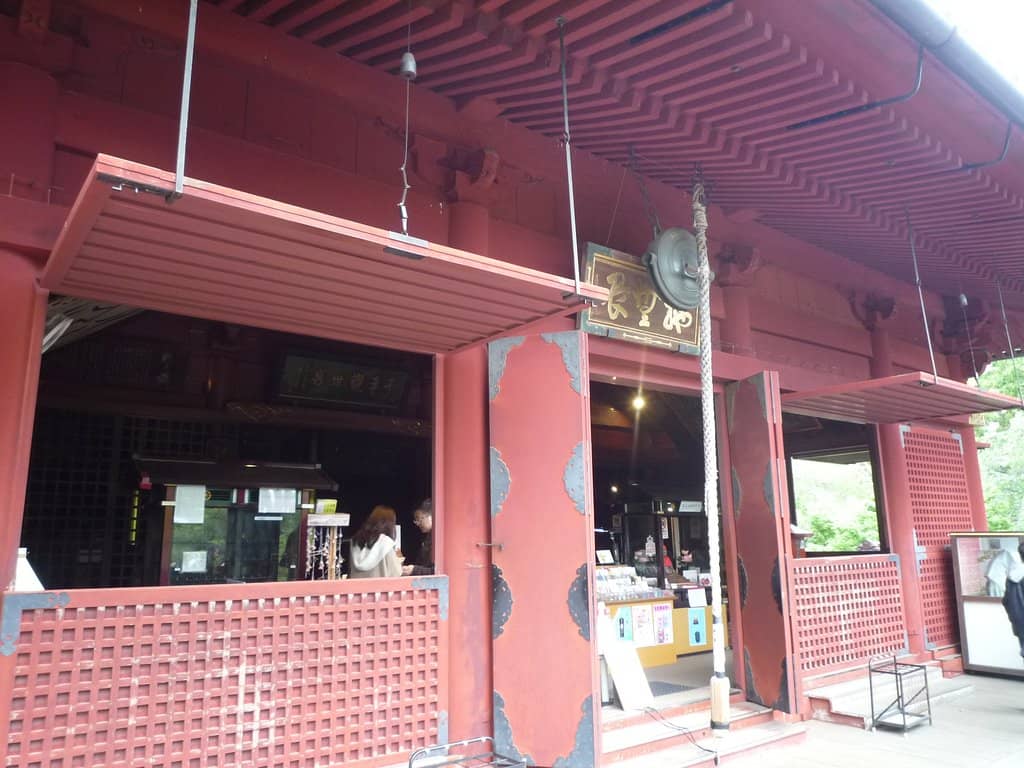
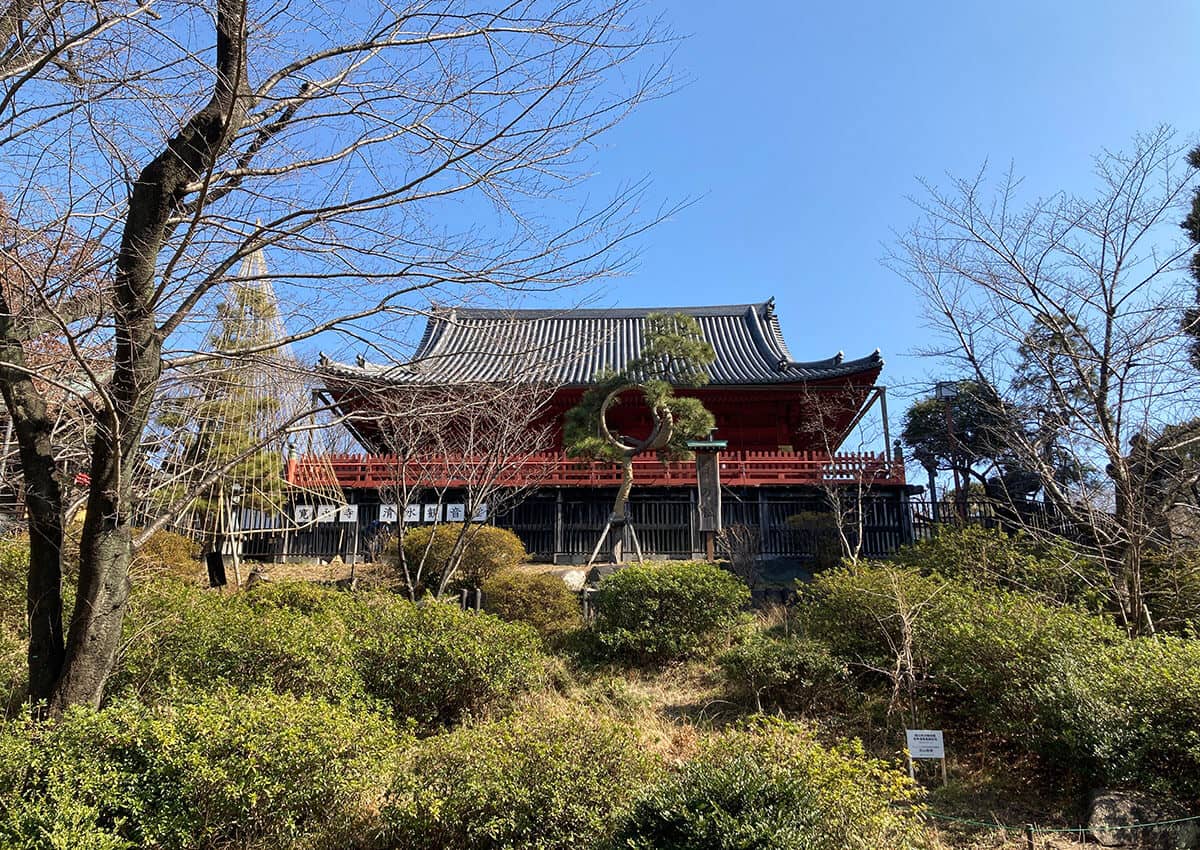
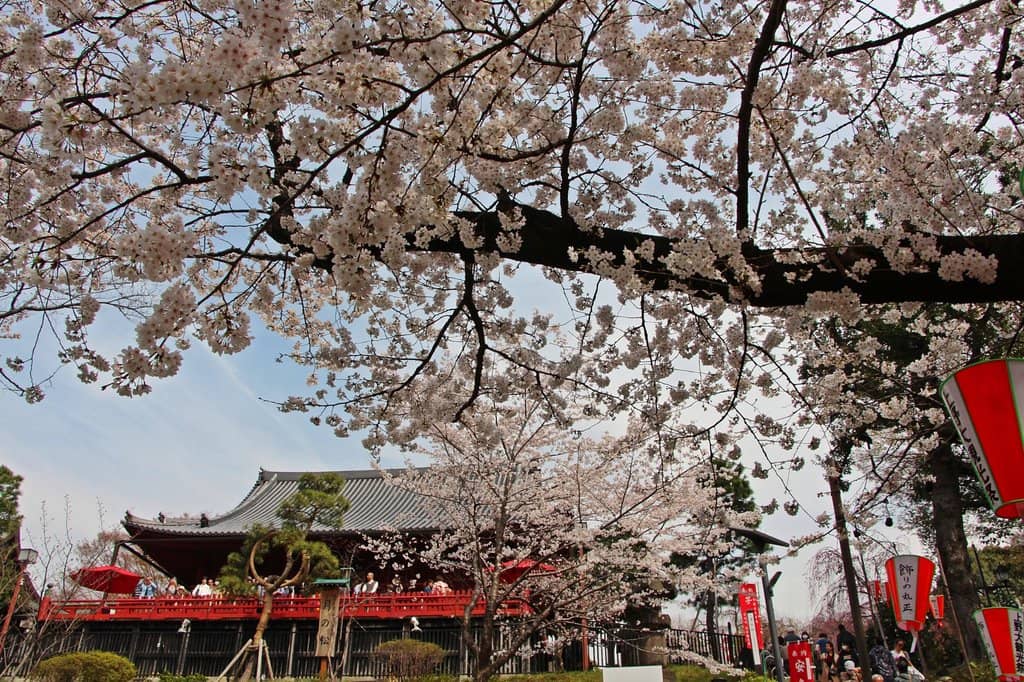
The Moon Pine
Path to Shinobazu Pond
A beautifully restored pine tree framing the path, offering a picturesque view towards the pond.
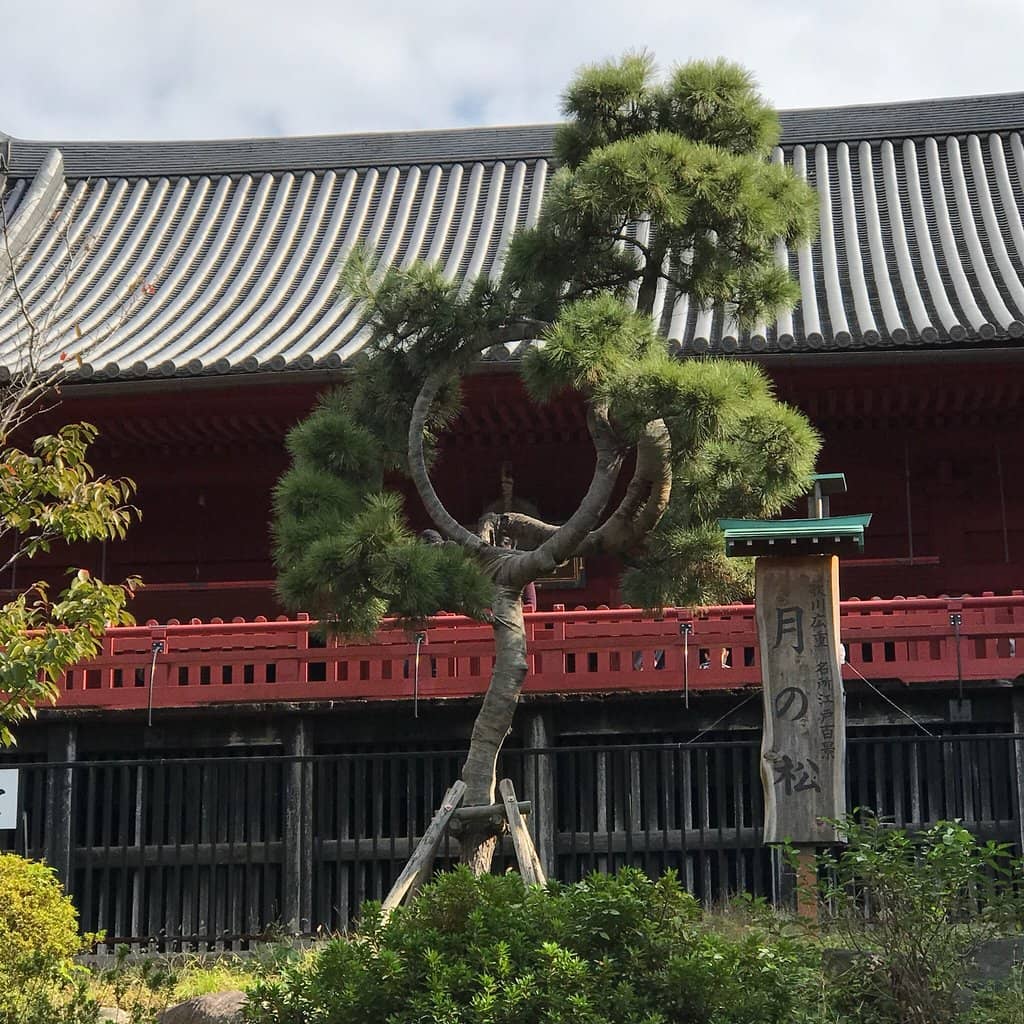
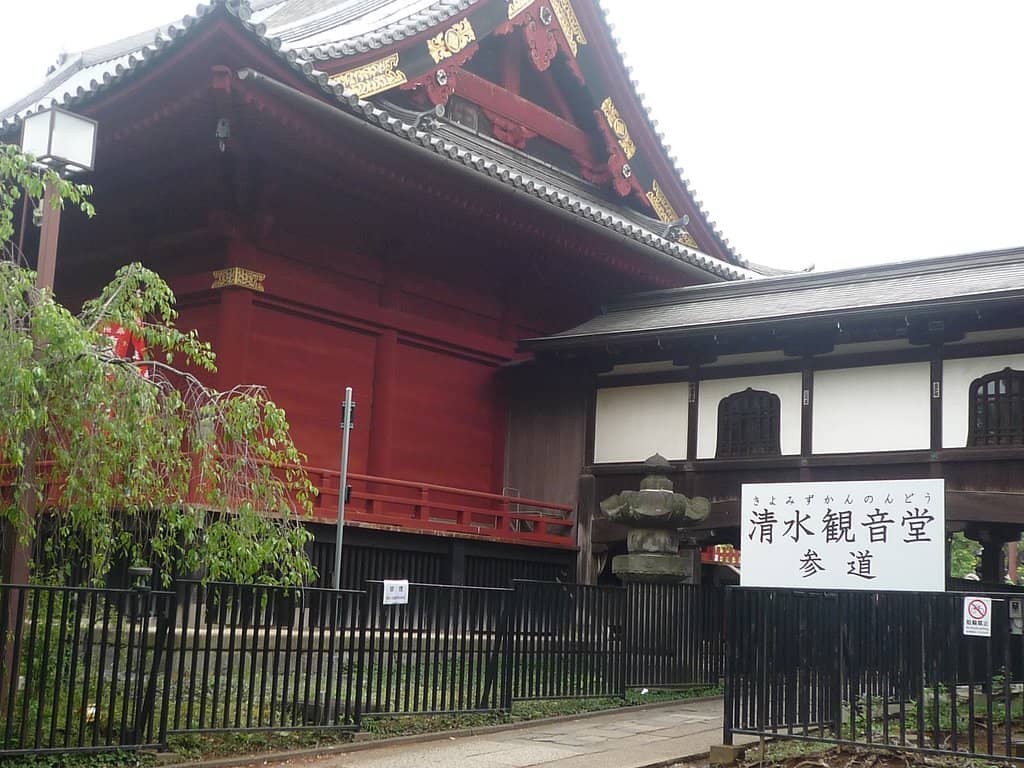
Ueno Park's Oldest Temple
Ueno Park
Experience nearly 400 years of history in this revered Buddhist worship center.
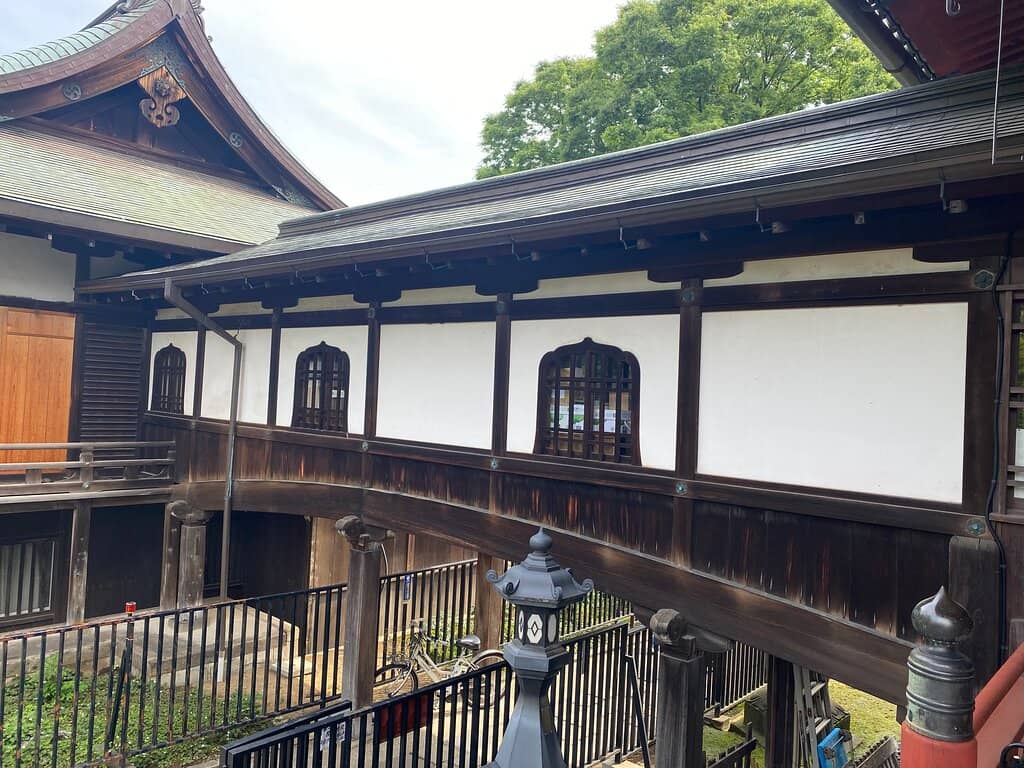
Battle of Ueno Painting
Temple Interior
A historical painting from 1878 depicting a significant local battle, adding depth to the temple's past.
Plans like a pro.
Thinks like you
Planning Your Visit
Beat the Crowds for Serenity
Goshuin Notebooks: A Collector's Caution
Best Times
Insider Tips
from TikTok, Instagram & Reddit
🎯 Early Bird Gets the Peace
Visit first thing in the morning to avoid crowds and enjoy the temple's tranquil ambiance.
📜 Goshuin: Manage Expectations
While available, some visitors find the goshuin rushed and poorly done. Inspect before buying.
🌳 Ueno Park Gem
Located within Ueno Park, it's a peaceful spot amidst a larger, popular attraction.
👃 Savor the Scent
The interior is noted for its distinct smell of old wood, adding to the historic feel.
Tips
from all over the internet
🎯 Early Bird Gets the Peace
Visit first thing in the morning to avoid crowds and enjoy the temple's tranquil ambiance.
📜 Goshuin: Manage Expectations
While available, some visitors find the goshuin rushed and poorly done. Inspect before buying.
🌳 Ueno Park Gem
Located within Ueno Park, it's a peaceful spot amidst a larger, popular attraction.
👃 Savor the Scent
The interior is noted for its distinct smell of old wood, adding to the historic feel.
What Travellers Say
Reviews Summary
Kiyomizu Kannon-do Kaneiji is appreciated for its historical significance and tranquil setting within Ueno Park, offering a glimpse into Japan's past with its old wood interior and the picturesque Moon Pine. However, some visitors have expressed disappointment with the quality and speed of the goshuin service, finding it rushed and poorly executed.
"Nice temple, and the view through the circular tree is very cool. They offer goshuin. It was a little quieter than the nearby temple surrounded by ponds, but it's a little less impressive."
Hercules Wyvern
"This was the first shrine we visited, the oldest in Japan, built in 1632. Almost 400 years ago! I was captivated by its dark, quiet interior, with a noticeable smell of old wood. One of the walls had a painting from 1878 depicting the Battle of Ueno, which took place ten years earlier in the same place.
Here we also got our first goshuinchō, which are notebooks for collecting stamps (goshuin) from different temples and shrines.
Outside, the The Moon Pine, restored in 2012, frames the path to Shinobazu Pond."
Ariel Cabrera Foix
"Great twmple place currently under renovation but you can still take photo"
Cyril BECKER
What People Like
What People Dislike
Frequently Asked Questions
🚇 🗺️ Getting There
Kiyomizu Kannon-do Kaneiji is located within Ueno Park, which is easily accessible. The nearest station is Ueno Station, served by JR lines and Tokyo Metro. From the station, it's a short walk into the park and to the temple.
Ueno Park is a large public space with various attractions. While the temple itself is relatively easy to find, volunteers who speak multiple languages are available to assist visitors if needed.
Ueno Station is a major hub, offering access via JR Yamanote Line, JR Keihin-Tohoku Line, Tokyo Metro Ginza Line, Tokyo Metro Hibiya Line, and more. This makes it very convenient to reach from various parts of Tokyo.
🎫 🎫 Tickets & Entry
Entry to Kiyomizu Kannon-do Kaneiji itself is generally free, as it's a temple within a public park. However, specific areas or events might have separate admission fees, though this is uncommon for the main temple grounds.
As it's located within Ueno Park, the temple grounds are typically accessible during park hours, which are generally from early morning until late evening. Specific temple building hours might vary, but the exterior and surrounding area are usually open.
Ueno Park is a public park and does not have an entrance fee. You can freely explore the grounds, including the areas around Kiyomizu Kannon-do Kaneiji.
Yes, Kiyomizu Kannon-do Kaneiji offers goshuin. However, be aware that some visitors have reported the calligraphy to be rushed and of lower quality compared to other temples.
While some reviews mention ongoing renovations, it's often still possible to visit and take photos. It's advisable to check for any specific closure notices closer to your visit date.
📸 📸 Photography
The Moon Pine, which frames the path to Shinobazu Pond, is a popular and picturesque spot. The temple's historic architecture and the surrounding tranquil landscaping also offer great photographic opportunities.
Photography rules can vary at temples. While exterior shots are generally fine, it's best to look for signage or ask temple staff regarding photography inside the main temple buildings to ensure you're following their guidelines.
You can certainly take photos of your goshuin, but be mindful of the temple's policies on photography within the premises. Some visitors have shared photos of their goshuin online, highlighting the quality concerns.
🎫 📜 Goshuin & Souvenirs
Goshuin are typically available from a designated counter or office within the temple grounds. Look for signs indicating where to purchase these temple stamps.
A goshuin notebook (goshuinchō) is a special book where visitors collect unique stamps and calligraphy from different temples and shrines across Japan. It's a popular way to commemorate a pilgrimage or visit.
While the goshuin is a notable item, temples often sell other small souvenirs like amulets (omamori) or charms. It's worth checking if there's a small shop or stall on site.
Reviews suggest that the goshuin calligraphy here can be rushed and may not meet the expectations of serious collectors. Some visitors have expressed disappointment with the quality.




Social
from TikTok, Instagram & Reddit