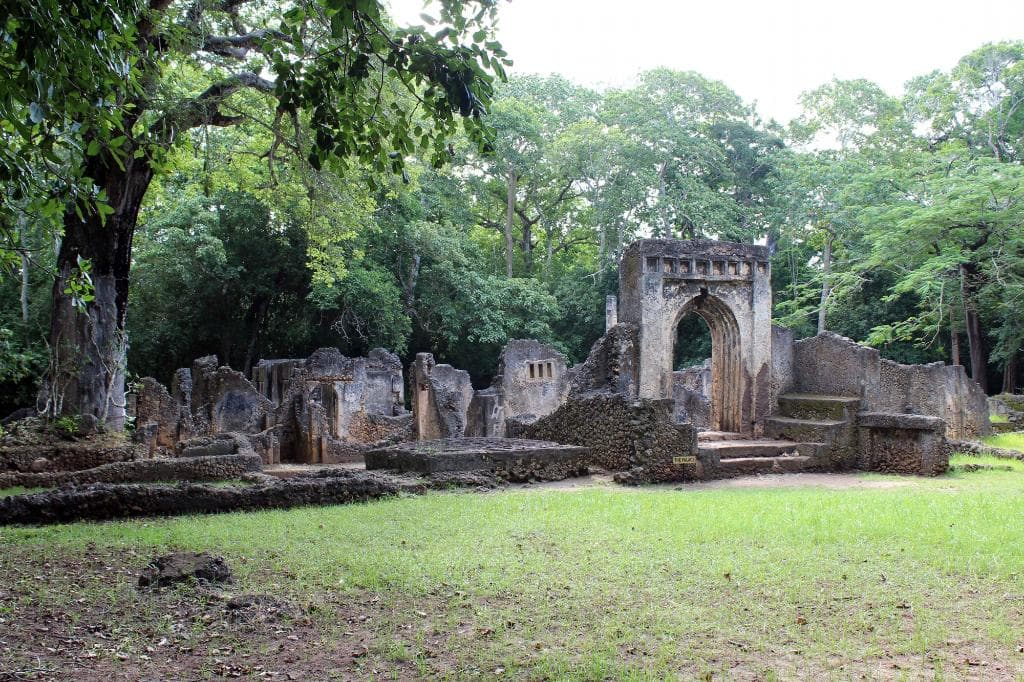
Gede Ruins
Explore the hauntingly beautiful remnants of a 12th-century Swahili town, where history and nature intertwine.
Highlights
Must-see attractions

Social
From TikTok & Reddit
Best Time
Beat the heat and crowds
Gede Ruins
Best Time
Beat the heat and crowds
Highlights
Must-see attractions
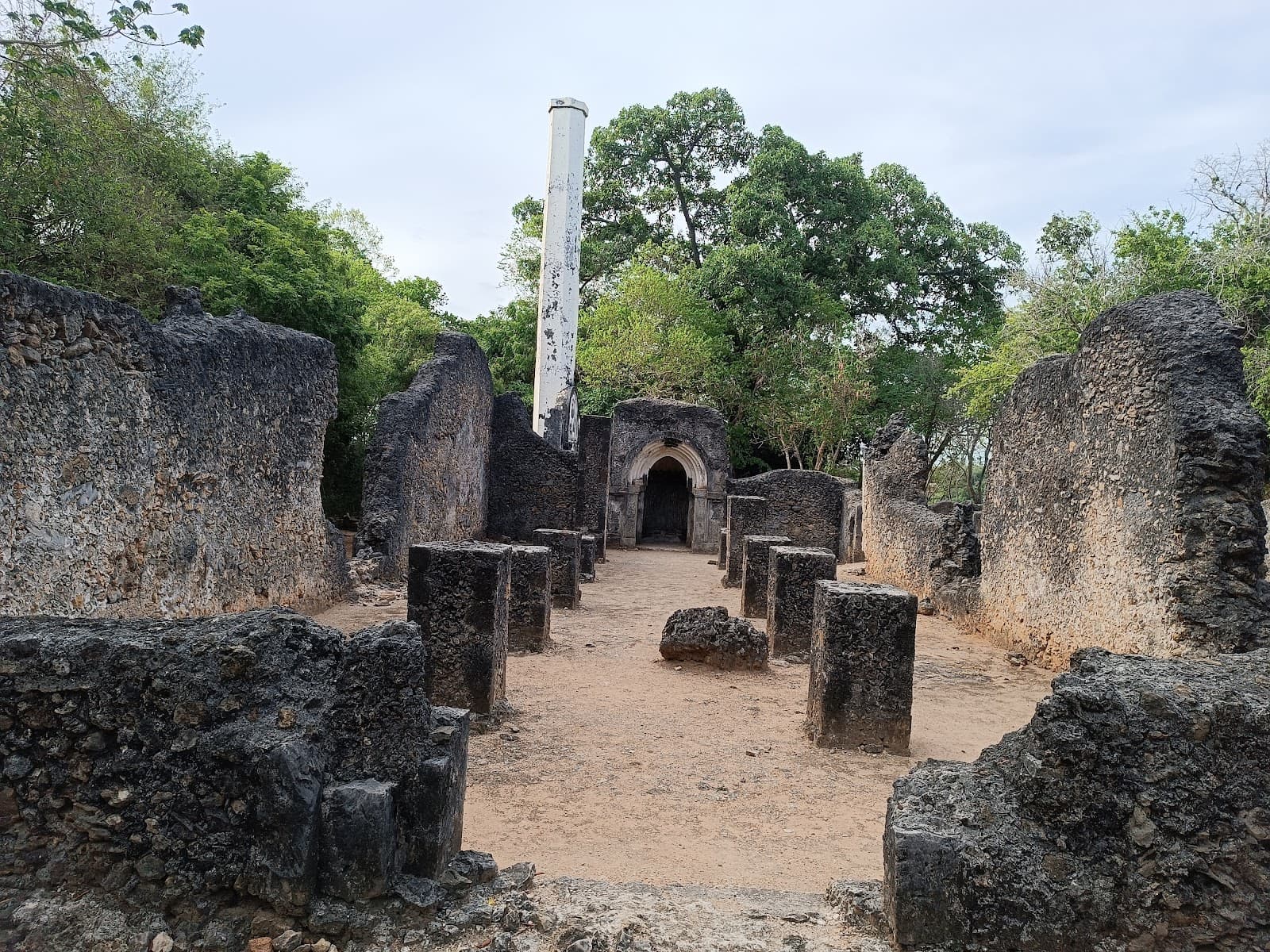
Explore the hauntingly beautiful remnants of a 12th-century Swahili town, where history and nature intertwine.
"A must-see if you ever step your feet in Watamu! The history here is deep, the energy is different."
Hire a Local Guide
Enhance your visit with a knowledgeable guide for historical insights and storytelling. :bustsinsilhouette:
Wear Comfortable Shoes
Explore the ruins with ease on uneven terrain. :athletic_shoe:

Quick Facts
Hours
Rating
4.5 · 1,267 reviews
Type
Museum
Address
Website
tsofakelvins.comHighlights
Discover the most iconic attractions and experiences
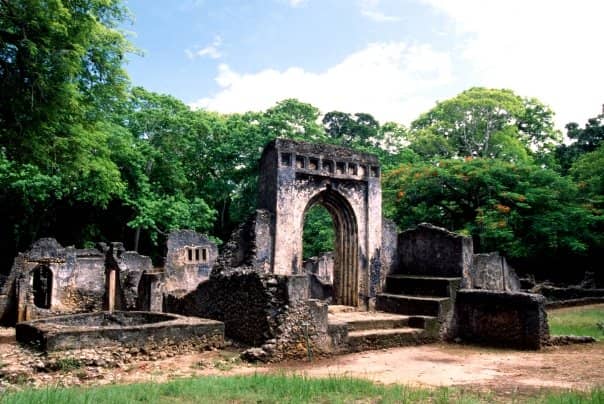
Ancient Swahili Town
Main ruins area
Explore the fascinating remnants of a 12th-century Swahili town, a testament to coastal African history.
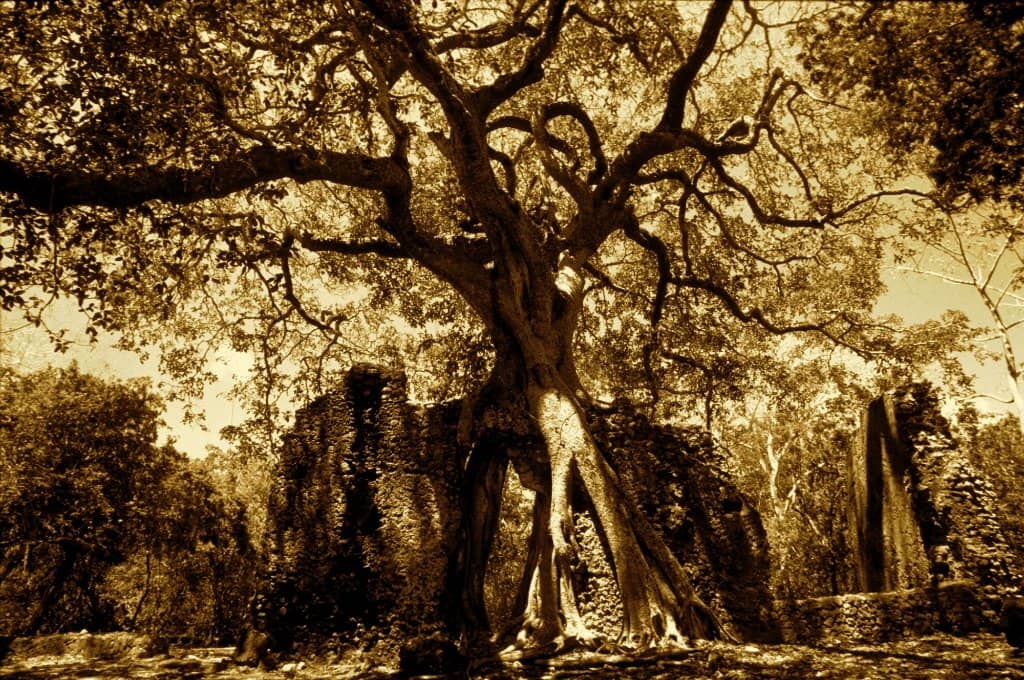
Encroaching Nature
Throughout the ruins
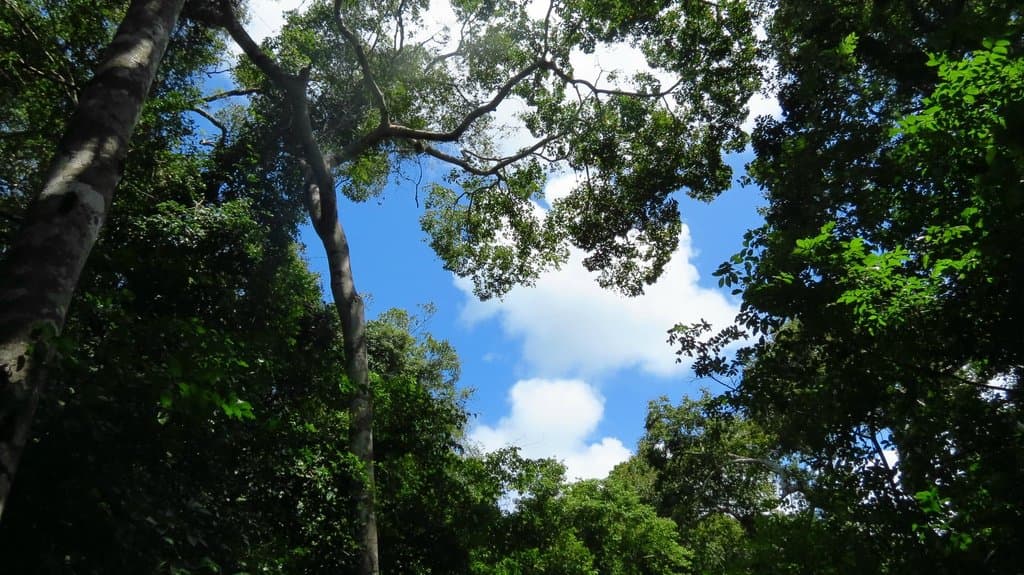
Witness nature reclaiming the ancient structures, creating a unique and atmospheric landscape.

Local Wildlife Encounters
Around the ruins
Encounter playful monkeys and other local wildlife amidst the historical setting.

Community Hub & Honey
Near the entrance
Support the local community and purchase high-quality honey from the hub.
Plans like a pro.
Thinks like you
Planning Your Visit
Embrace the History & Nature
Guides & Getting Around

Best Times
Insider Tips
from TikTok, Instagram & Reddit
Hire a Local Guide
Enhance your visit with a knowledgeable guide for historical insights and storytelling. :bustsinsilhouette:
Wear Comfortable Shoes
Explore the ruins with ease on uneven terrain. :athletic_shoe:
Charge Your MPESA
Essential for payments at the site, as advised by recent visitors. :iphone:
Stay Hydrated
Carry water, especially during warmer parts of the day. :droplet:
Tips
from all over the internet
Hire a Local Guide
Enhance your visit with a knowledgeable guide for historical insights and storytelling. :bustsinsilhouette:
Wear Comfortable Shoes
Explore the ruins with ease on uneven terrain. :athletic_shoe:
Charge Your MPESA
Essential for payments at the site, as advised by recent visitors. :iphone:
Stay Hydrated
Carry water, especially during warmer parts of the day. :droplet:
Respect Wildlife
Observe monkeys from a distance and avoid feeding them unless guided. :monkey_face:
What Travellers Say
Reviews Summary
Visitors consistently praise Gede Ruins for its deep history and unique atmosphere, where nature is reclaiming ancient Swahili structures. The opportunity to learn from knowledgeable guides and the chance to see local wildlife are major highlights. Some minor points of improvement include ensuring payment methods are clear and accessible.
"Gede is a Must See If you ever step your feet in Watamu! The history here is deep, the energy is different. You explore this beautiful old city which is slowly being overtaken by nature."
Ms. Winnie
"Learning about the history of the site was the most interesting thing. Like how smart our forefathers were and their great interventions. I got a great tour guide who is well versed with the history. I also bought some very good quality Honey from the community hub."
Wangechi Mwangi
"Great place to learn about an ancient town. Really interesting facts. You can get a guide assigned to you upon arrival."
Zoher Anjari
What People Like
What People Dislike
Frequently Asked Questions
🚇 🗺️ Getting There
From Mombasa, you can take a tuk-tuk or an Uber to reach Gede Ruins. The journey offers a glimpse of the local landscape. If you're coming from Malindi or Watamu, it's a short and accessible trip.
Tuk-tuks are a popular and convenient option for getting around the coast, including to Gede Ruins. Ubers are also readily available in the area.
Yes, Gede Ruins is well-known and located between Malindi and Watamu, making it relatively easy to find with local transport.
Many visitors opt for tuk-tuks for their local charm and accessibility. Instruct your driver to take you directly to the Gede Ruins site.
The nearest major towns are Malindi and Watamu, both offering access to the Gede Ruins. It's a common stop on tours of the region.
🎫 🎫 Tickets & Entry
Entry fees are typically managed at the site. Your guide can assist with the payment process, but it's advisable to have MPESA ready.
Advance booking is generally not required for Gede Ruins. Tickets can usually be purchased upon arrival at the site.
Gede Ruins is typically open daily, but it's always a good idea to check for the most current opening hours before your visit.
While cash might be accepted, it's strongly recommended to have MPESA charged, as this is the preferred payment method mentioned by visitors.
Information on discounts is not widely available, but it's worth inquiring at the ticket counter upon arrival.
🎫 🧭 Onsite Experience
Absolutely! Guides provide invaluable historical context and stories, bringing the ruins to life. Many visitors praise their guides for enriching the experience.
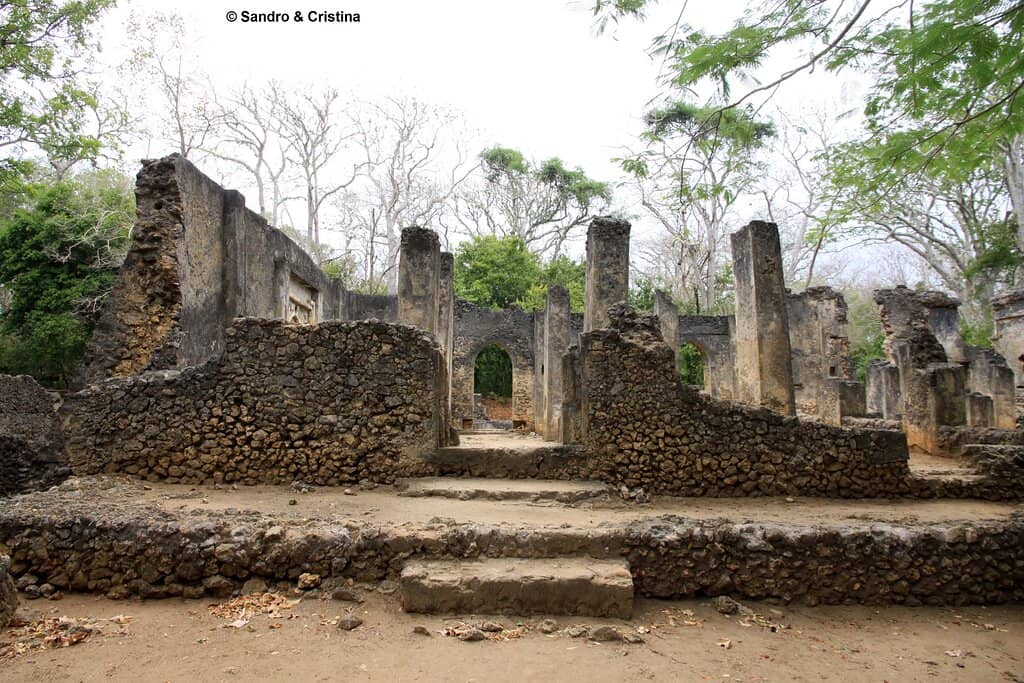
You'll explore the remains of a 12th-century Swahili town, including houses, a mosque, and defensive walls, all being reclaimed by nature.
Yes, monkeys are a common sight at Gede Ruins. Visitors can sometimes feed them bananas, but it's best to observe them respectfully.+1
A visit typically takes 1-2 hours, depending on your interest in history and how much time you spend with a guide.
Comfortable walking shoes are essential due to the terrain. Light, breathable clothing is recommended for the coastal climate.
🍽️ 🍯 Food & Dining
There are no dining facilities directly within the ruins themselves. However, there is a community hub near the entrance where you can purchase local honey.
It's generally advisable to bring your own water. Food options are limited within the immediate vicinity of the ruins.
The nearby towns of Malindi and Watamu offer a variety of restaurants serving local and international cuisine.
While not directly at the ruins, the coast is known for its fresh seafood and Swahili dishes. You can also purchase local honey from the community hub.
Designated picnic areas are not a prominent feature. It's best to enjoy meals in the nearby towns or at your accommodation.
📸 📸 Photography
Capture the atmospheric blend of ancient architecture and lush vegetation. The interplay of light and shadow through the ruins is particularly photogenic.
Yes, photography is generally allowed. However, always be respectful of the historical site and other visitors.
Early morning or late afternoon offers softer light, ideal for capturing the textures and mood of the ruins without harsh shadows.
Drone usage regulations can vary. It's best to check with local authorities or the site management before flying a drone.
Explore different angles within the ruins. The areas where nature is most visibly reclaiming the structures often provide the most dramatic shots.







Social
from TikTok, Instagram & Reddit