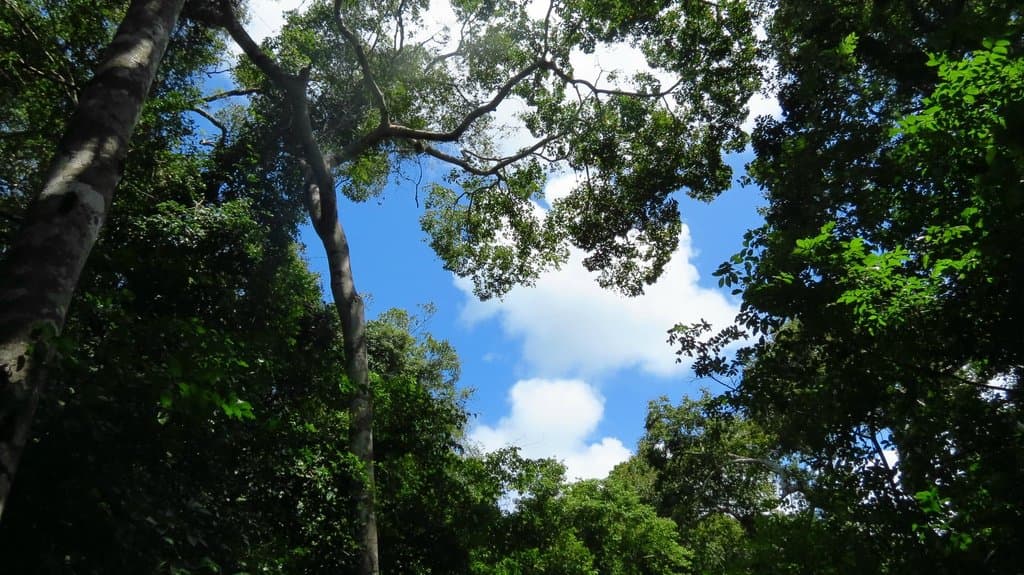
Arabuko-Sokoke Forest
A vital coastal dry forest, teeming with unique birds and wildlife. Explore ancient trails and discover Kenya's rich biodiversity.
Highlights
Must-see attractions

Social
From TikTok & Reddit
Best Time
Best for wildlife & cooler temps
Arabuko-Sokoke Forest
Best Time
Best for wildlife & cooler temps
Highlights
Must-see attractions
A vital coastal dry forest, teeming with unique birds and wildlife. Explore ancient trails and discover Kenya's rich biodiversity.
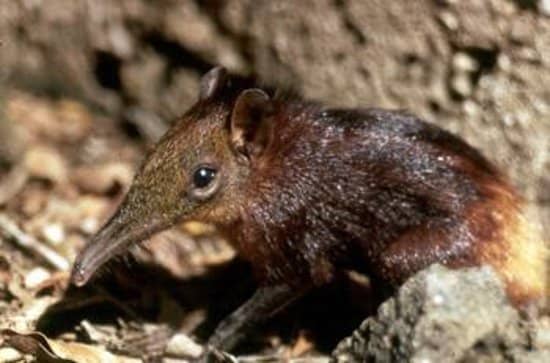
"A precious coastal dry forest, a bird paradise and best place to spot the Golden-rumped elephant shrew."
Book a Local Guide
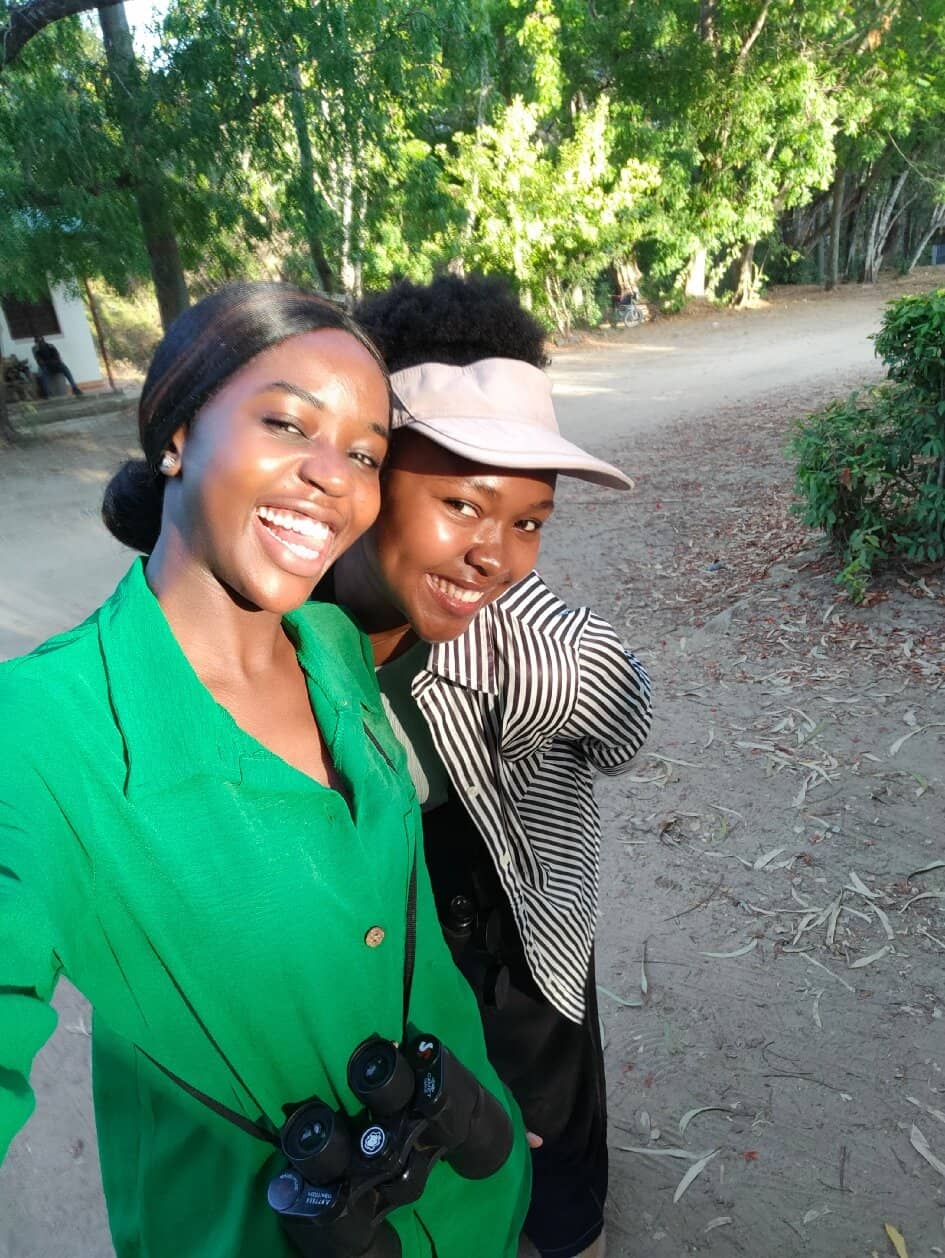
Enhance wildlife spotting & forest knowledge. Ask for Apollo for birds!
Stay Hydrated!
The coastal heat is no joke. Carry plenty of water.
Quick Facts
Highlights
Discover the most iconic attractions and experiences
Birdwatcher's Paradise
Home to over 200 bird species, including rare endemic ones. A must-see for avian enthusiasts!

Golden-Rumped Elephant Shrew
Spot this unique 'small five' creature, a highlight for many visitors. Look for its distinctive tracks!
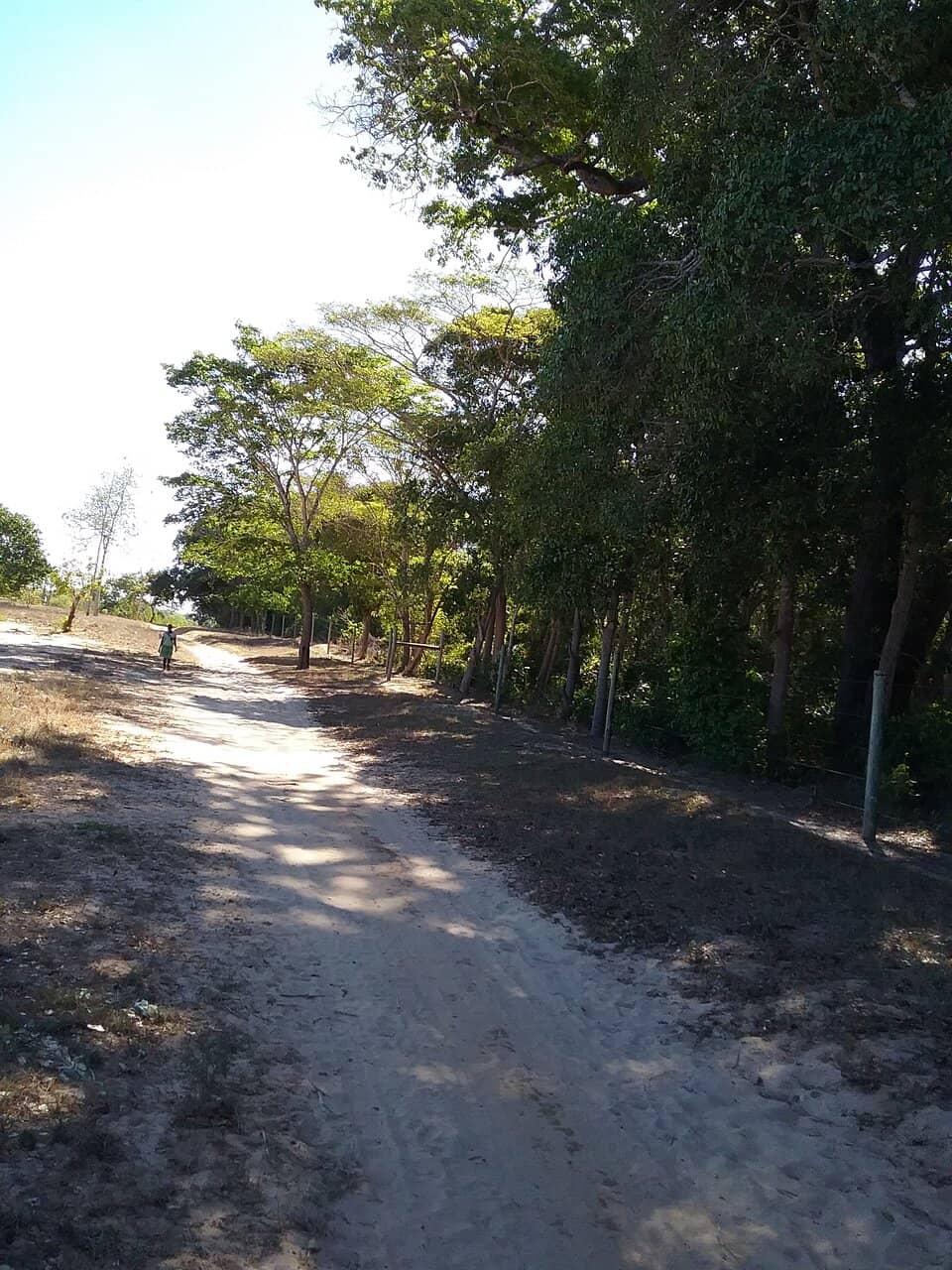
Majestic Elephant Sightings
Witness herds of elephants, especially magical at sunset. A truly unforgettable experience.
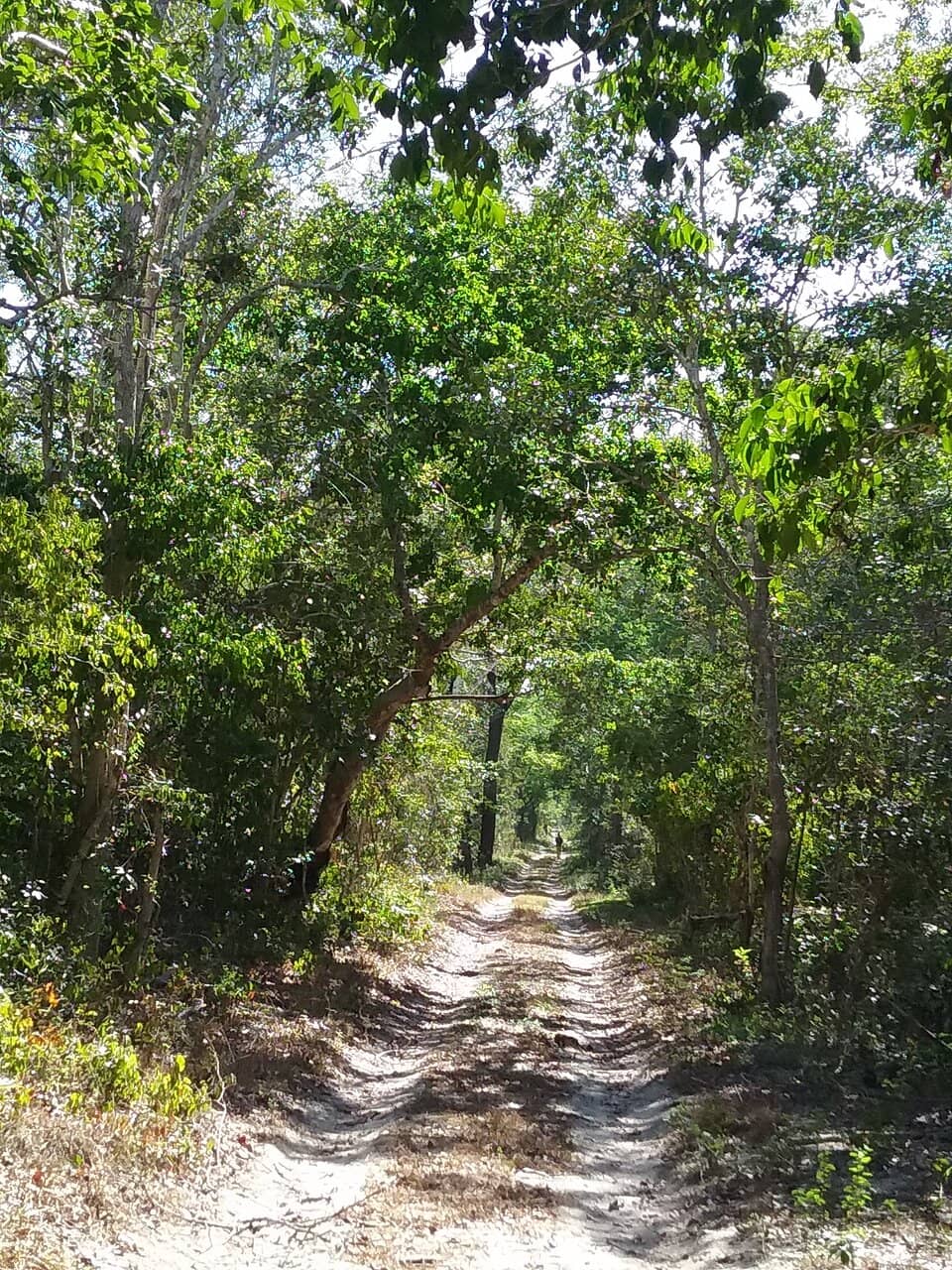
Ancient Coastal Dry Forest
Explore the unique flora and fauna of this precious, ancient coastal ecosystem.
Plans like a pro.
Thinks like you
Planning Your Visit
Embrace the Coastal Heat
Guide is Key for Wildlife
Best Times
Insider Tips
from TikTok, Instagram & Reddit
Book a Local Guide
Enhance wildlife spotting & forest knowledge. Ask for Apollo for birds!
Stay Hydrated!
The coastal heat is no joke. Carry plenty of water.
Wear Comfortable Shoes
You'll be hiking! Sturdy walking shoes are essential for forest trails.
Respect Wildlife
Maintain a safe distance and never feed the animals.
Tips
from all over the internet
Book a Local Guide
Enhance wildlife spotting & forest knowledge. Ask for Apollo for birds!
Stay Hydrated!
The coastal heat is no joke. Carry plenty of water.
Wear Comfortable Shoes
You'll be hiking! Sturdy walking shoes are essential for forest trails.
Respect Wildlife
Maintain a safe distance and never feed the animals.
Be Snake Aware
The forest has venomous snakes; always stay with your guide.
What Travellers Say
Reviews Summary
Visitors praise Arabuko-Sokoke Forest for its incredible biodiversity, especially for birdwatchers and those seeking unique wildlife like the Golden-rumped Elephant Shrew. The ancient coastal dry forest ecosystem is a significant draw, offering a peaceful escape. However, some find the park fees relatively high, and the limited sightings of large mammals can be a slight disappointment for some.
"The highlight of the visit was having a chance to have an awesome hike in the bush with a group of friends. A time away from the hustle and buzzle of the urban life. Of course the number of large wild animals is limited an scattered so despite looking forward to that, it was limited to an elephant and a herd of bufallos. However, the monkeys were everywhere not mentioning the different bird species. I believe that's why it is the preference of bird enthusiasts. The whole experience was wonderful, tiring and hot( don't joke with the coastal heat)"
RoamingNomads254 (Roaming Nomad254)
"I did a three hour walking tour with Johnathan, who I found through the Friends of Arabzko-Sokoke Forest website. He was very good with spotting and knowing where the animals were. I got to see African Wood Owl, Golden Rumped Elephant Shrew, Baboons, lots of different butterflies, and about 30 elephants coming out to a swamp just before the sunset. That was very magical! The park fee was 746 Ksh for non resident (the walking guide with Johnathan was another 2400 Ksh). This is a very precious costal dry forest :)"
Shasha Wang
"Not to scare you but this forest has some of the most venomous snakes in the world. I enjoyed getting lost in the forest with the guide, beautiful canopies, and birds. We loved our walk, the fees are relatively high compared to other parks even for the Kenyans but you hope it all goes to good use."
Gloria Justin
What People Like
What People Dislike
Frequently Asked Questions
🚇 🗺️ Getting There
Arabuko-Sokoke Forest is located near Malindi. You can hire a taxi or arrange transport through your accommodation. Many visitors combine a visit with nearby attractions like Marafa Hell's Kitchen.
The main entrance is usually well-marked. It's advisable to have your driver or guide confirm the exact location beforehand to avoid any confusion.
The primary way to explore is on foot via designated trails. Guided walking tours are highly recommended for the best experience.
While some areas might be accessible by vehicle, walking is the preferred and most rewarding way to experience the forest's biodiversity. Check with park authorities for specific vehicle access rules.
Public transport directly to the forest entrance is limited. Hiring a private taxi or arranging a tour from Malindi or Watamu is the most common and convenient method.
🎫 🎫 Tickets & Entry
Park fees can vary. For non-residents, it was around 746 Ksh, and for Kenyan citizens, it might be less. It's always best to check the latest fees upon arrival or through official park channels.
Guided tours can add to the cost. A walking guide might cost around 2400 Ksh, but prices can vary. Booking a specialized bird guide like Apollo is highly recommended for birdwatchers. +1
While not always mandatory, booking a guide in advance, especially a specialist like a bird guide, is highly recommended to secure their services.
The forest is typically open during daylight hours. Early mornings and late afternoons are best for wildlife viewing. Confirm exact hours with park management.
Fees usually cover park entry. Additional charges may apply for specialized guides or specific activities. Inquire at the entrance or with the forest authority.
🎫 🧭 Onsite Experience
You can spot various animals including elephants, buffalos, baboons, and numerous bird species. The Golden-rumped elephant shrew is a unique find. +1
It's generally safe when accompanied by a guide. Be aware of your surroundings, especially regarding snakes, and follow your guide's instructions.
There are several trails catering to different lengths and interests. Your guide will recommend the best ones based on your preferences and what wildlife is active.
Yes, photography is allowed. However, avoid using flash photography that might disturb wildlife. Capture the natural beauty responsibly.
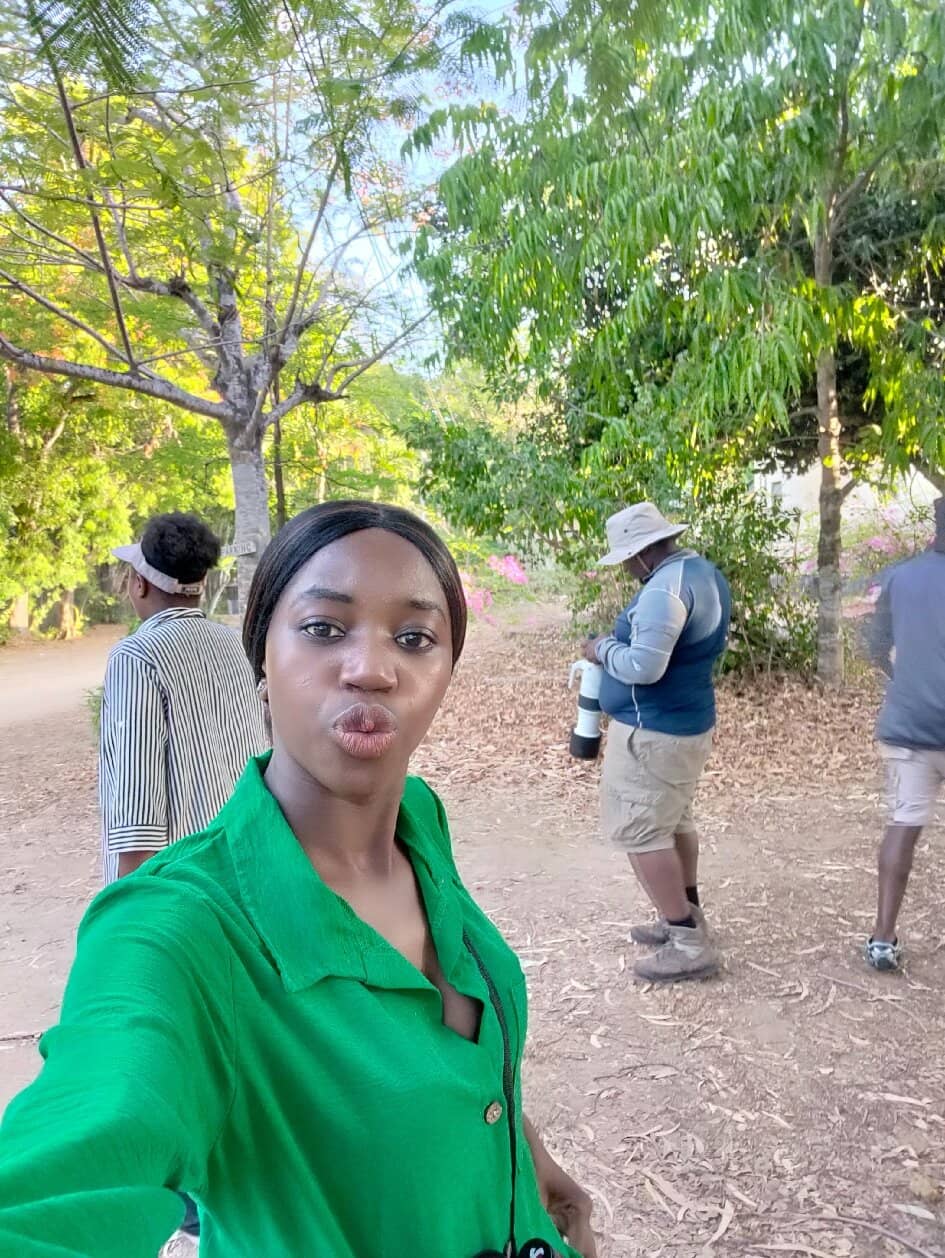
Wear light, breathable clothing, comfortable walking shoes or hiking boots, and a hat. Long sleeves and trousers can protect against insects and the sun.
📸 📸 Photography
Anywhere with good light and wildlife! The canopy views, elephant herds at sunset, and diverse birdlife offer fantastic photo opportunities.
Absolutely! With a skilled bird guide like Apollo, you have a great chance of spotting and photographing rare species like the Sokoko Scops Owl.
A telephoto lens is useful for capturing distant animals. A wide-angle lens can be great for landscapes and forest scenes. Don't forget extra batteries and memory cards.
Avoid disturbing wildlife with excessive noise or flash. Respect the natural environment and focus on capturing its beauty ethically.
Drone usage is typically restricted in national parks and forests to protect wildlife and maintain a peaceful environment. Check with park authorities for specific regulations.





Social
from TikTok, Instagram & Reddit