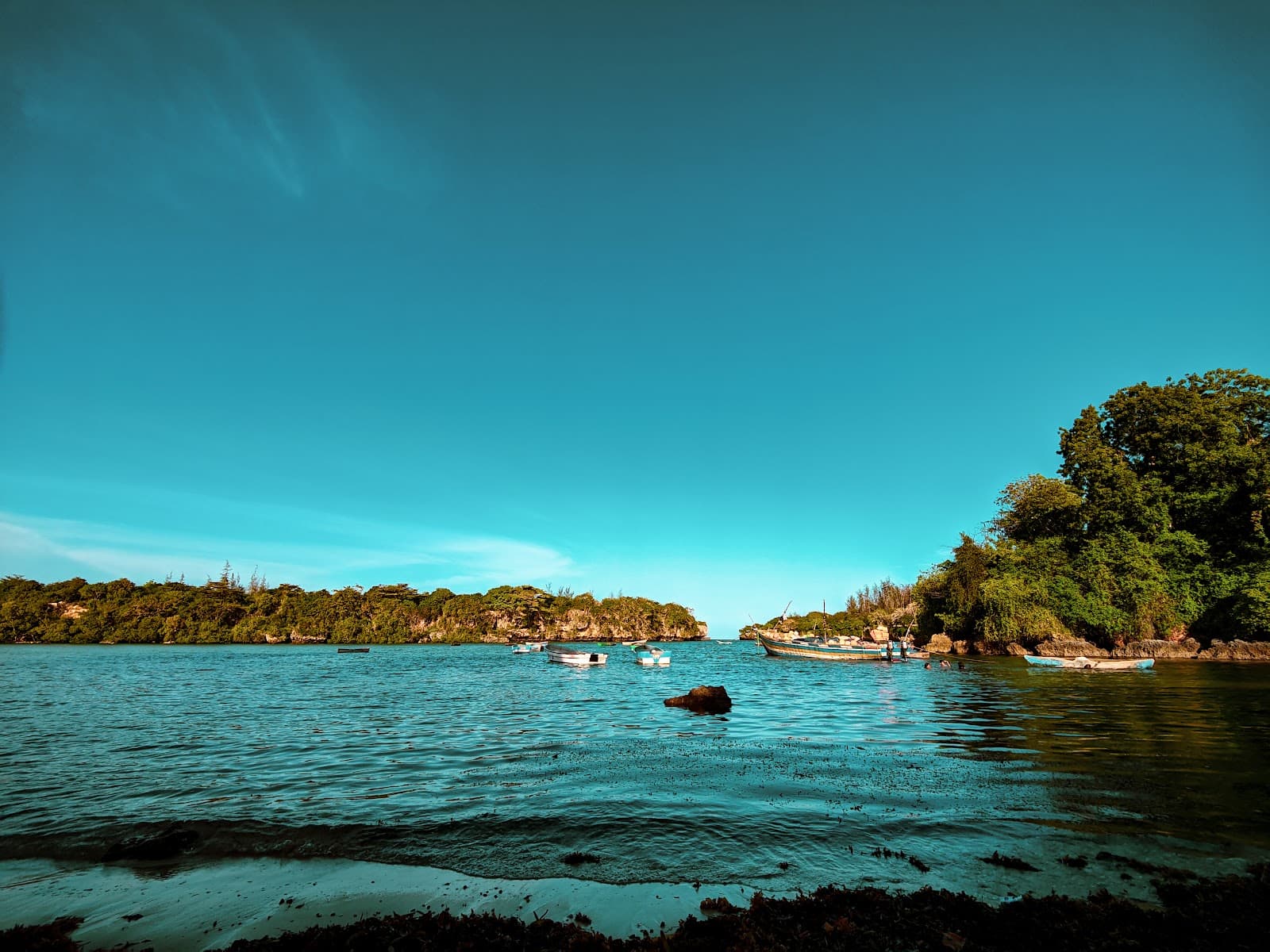
Takaungu Village
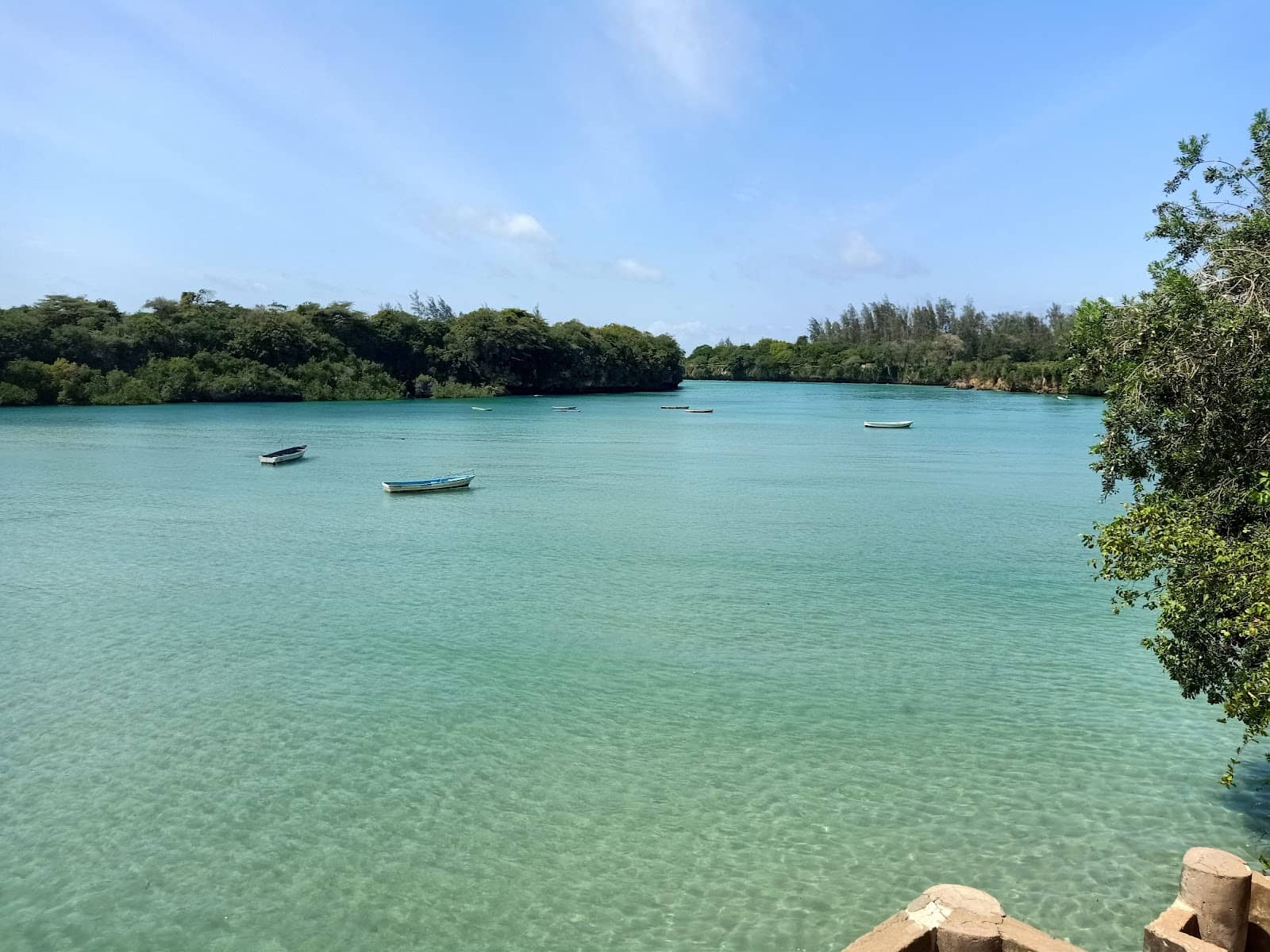
A serene Swahili fishing village on Kenya's coast, offering pristine beaches, authentic culture, and a peaceful escape from the crowds.
Highlights
Must-see attractions

Social
From TikTok & Reddit
Best Time
Sunny skies, calm seas
Takaungu Village
Best Time
Sunny skies, calm seas
Highlights
Must-see attractions
A serene Swahili fishing village on Kenya's coast, offering pristine beaches, authentic culture, and a peaceful escape from the crowds.
Pack Light & Smart
Bring light clothing, swimwear, sunscreen, insect repellent, and a hat. Cash is king here! :moneybag:
Respectful Attire
Dress modestly when walking through the village. Beachwear is fine on the sand, but cover up elsewhere. :abaya:
Quick Facts
Address
Highlights
Discover the most iconic attractions and experiences
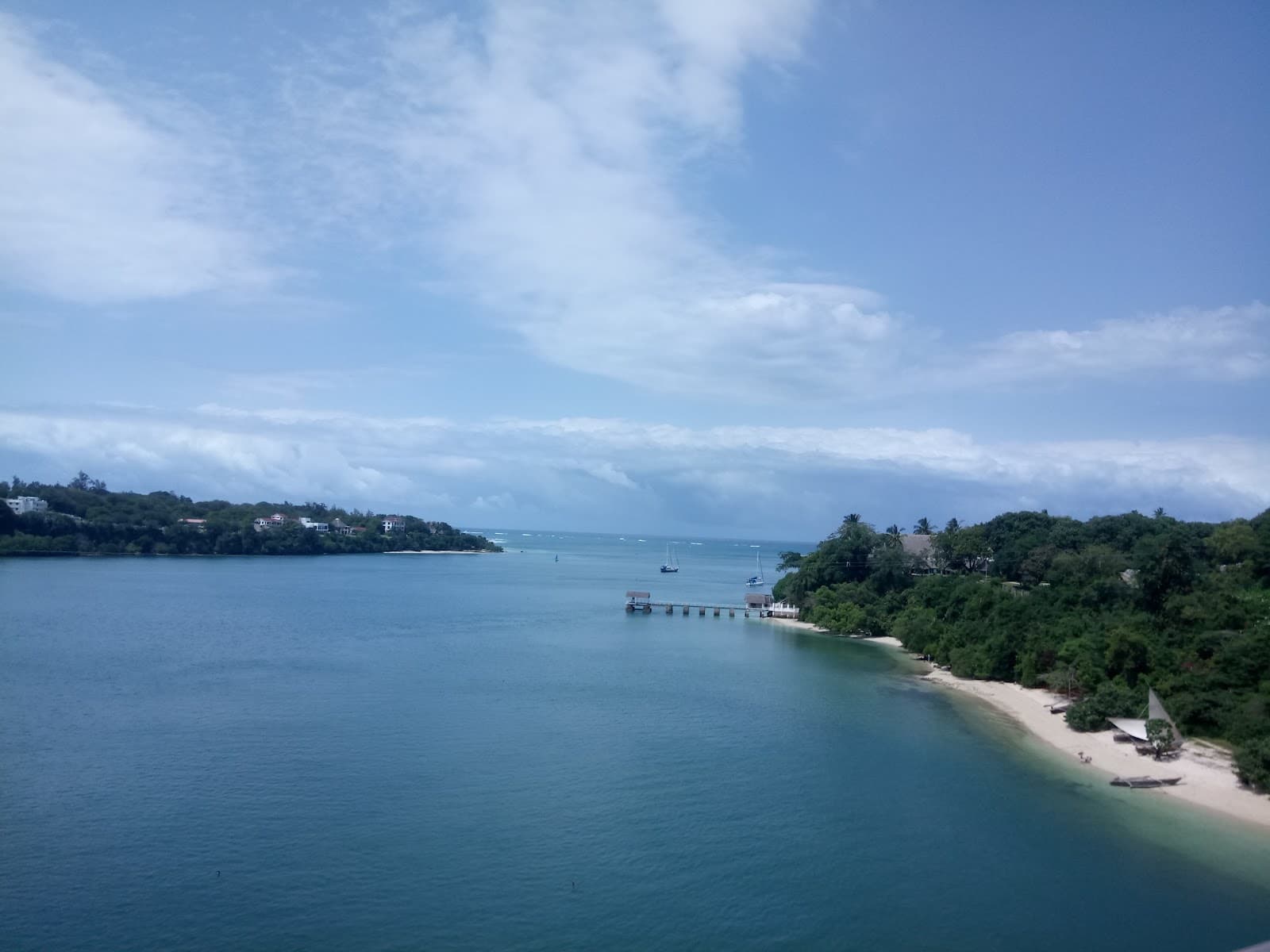
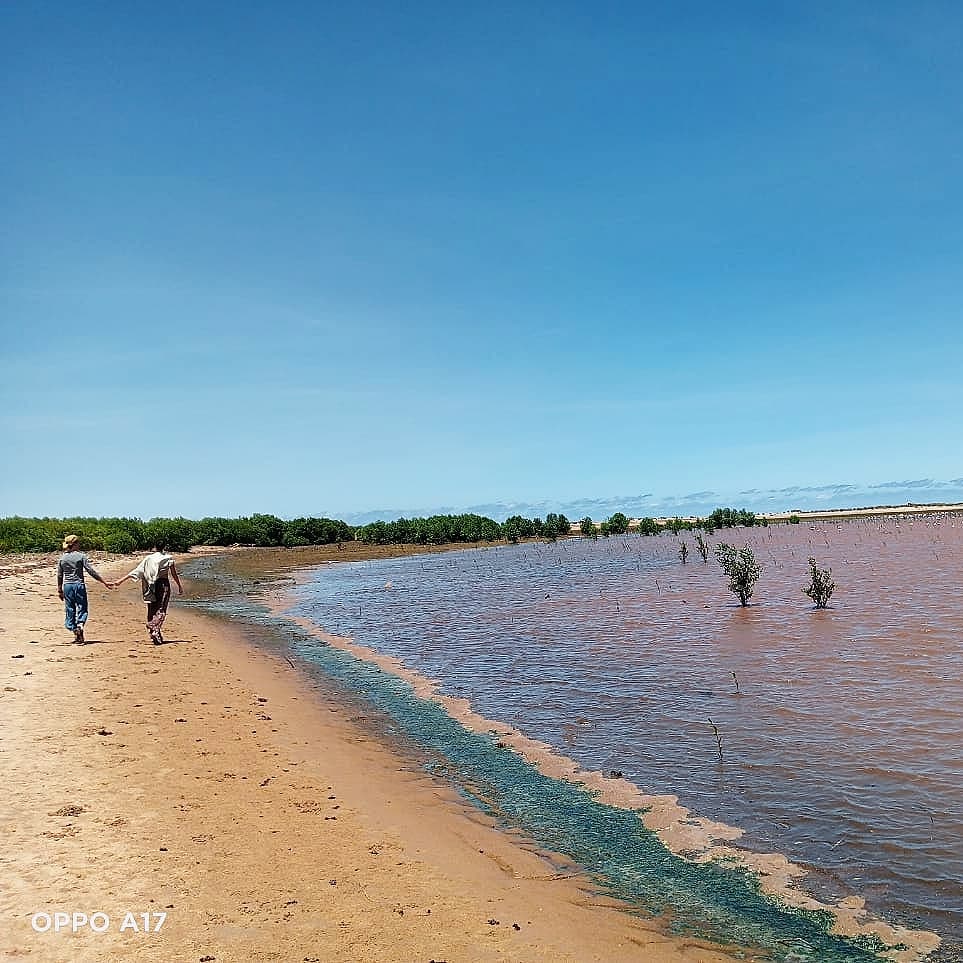
Takaungu Beach Serenity
Coastal stretch
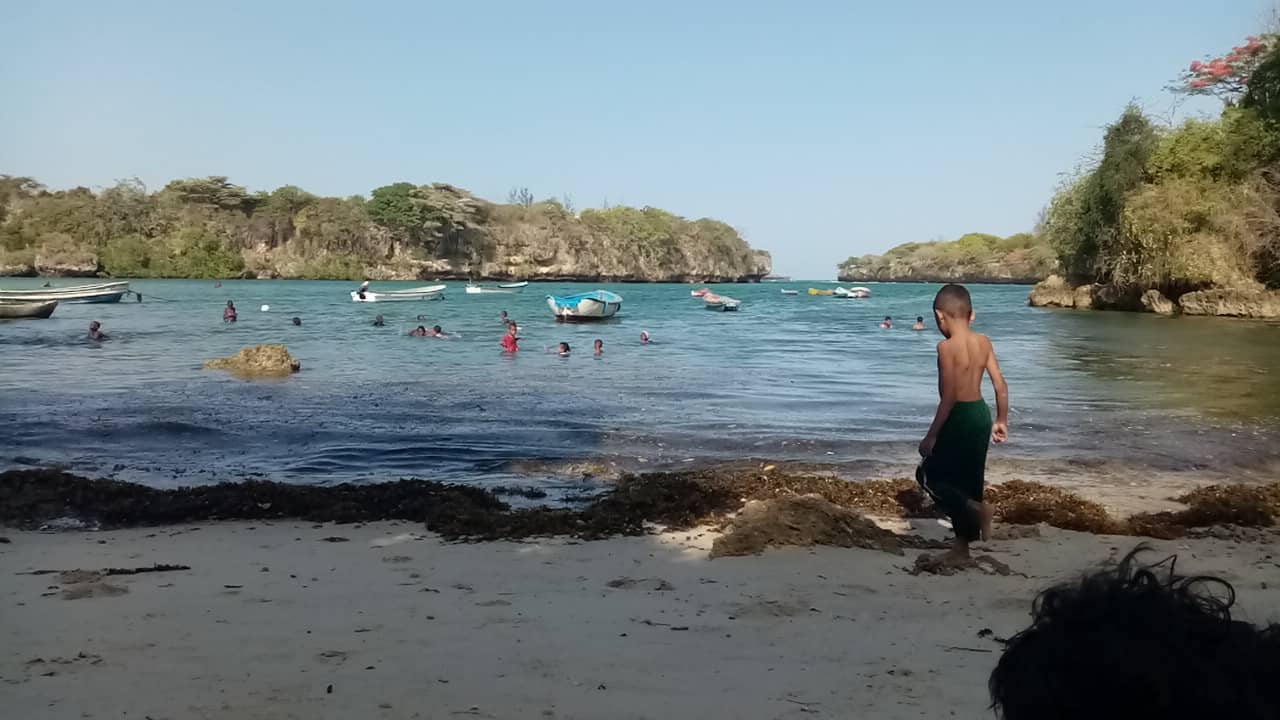
Miles of pristine, uncrowded white sand perfect for long walks and quiet contemplation. Feel the gentle ocean breeze.
Local Dhow Fishing Trips
Village harbor
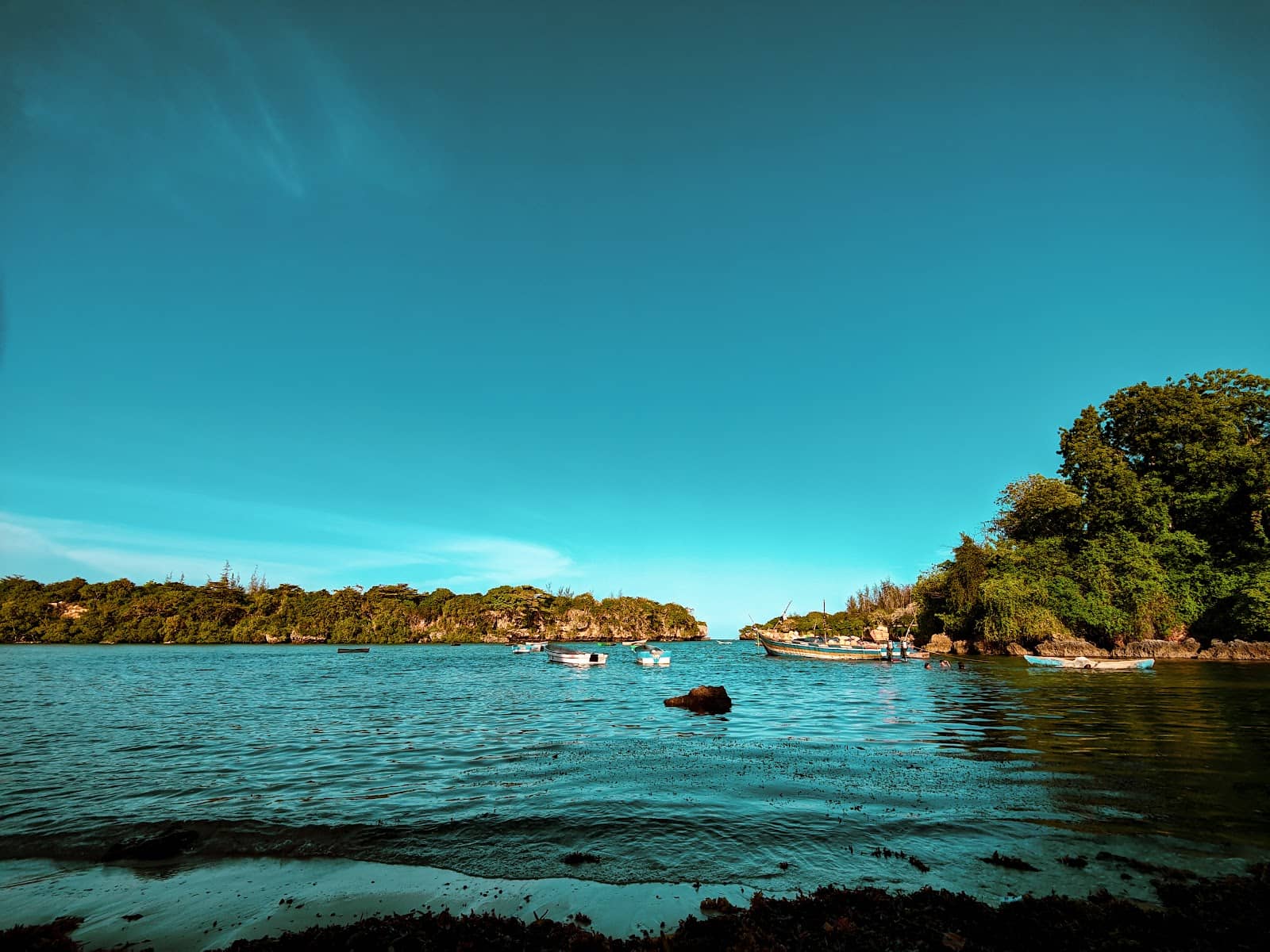
Experience traditional fishing methods on a wooden dhow. Witness the vibrant local maritime culture firsthand.
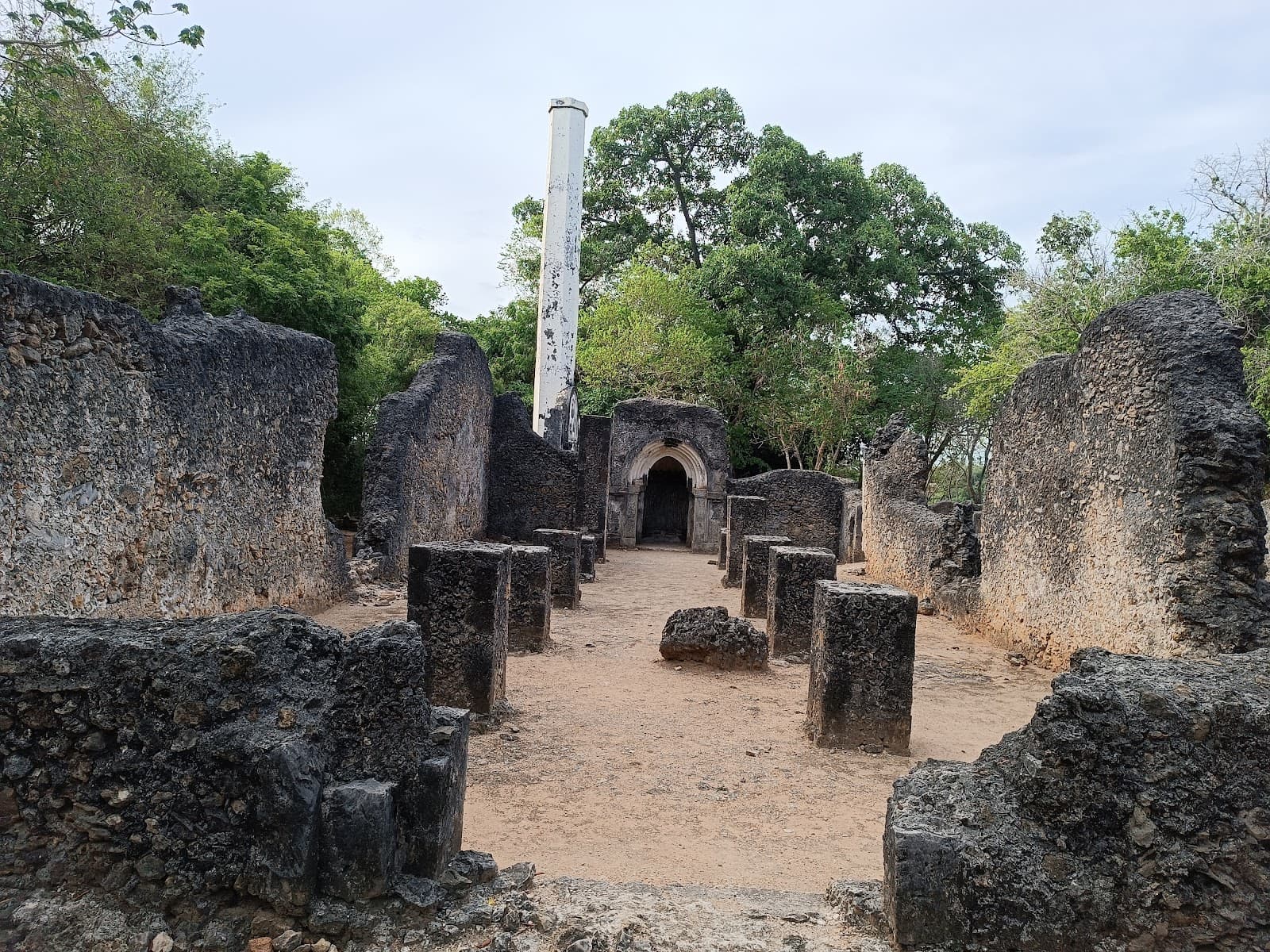
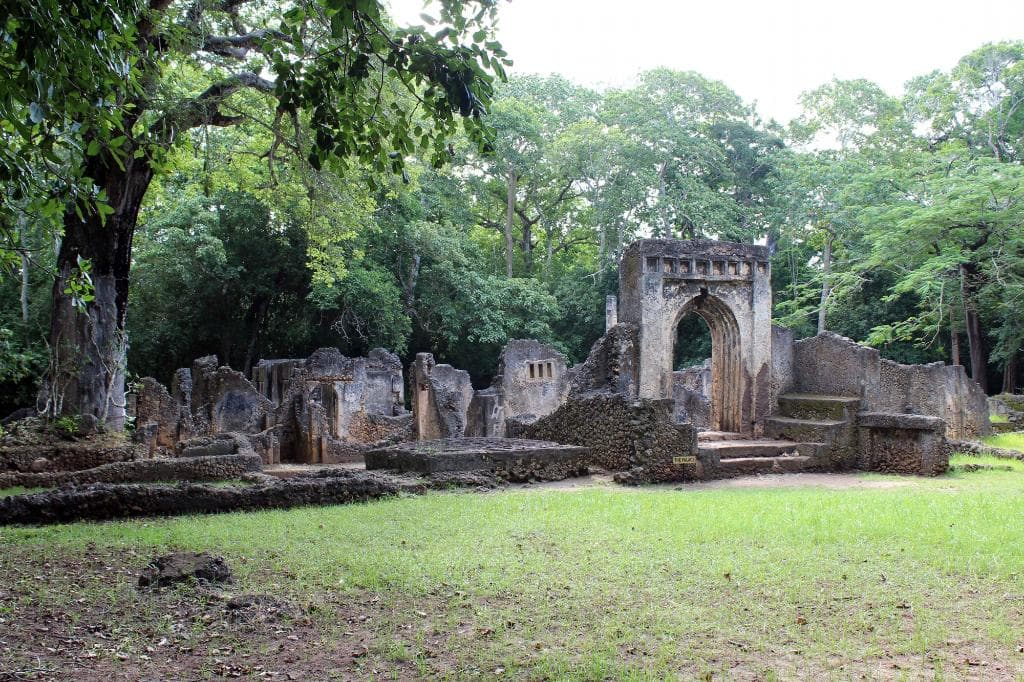
Historic Takaungu Ruins
Near the village
Explore remnants of ancient Swahili architecture, whispering tales of a rich past. A glimpse into history.
Plans like a pro.
Thinks like you
Planning Your Visit
Embrace the Local Pace
Respect Local Culture
Best Times
Insider Tips
from TikTok, Instagram & Reddit
Pack Light & Smart
Bring light clothing, swimwear, sunscreen, insect repellent, and a hat. Cash is king here! :moneybag:
Respectful Attire
Dress modestly when walking through the village. Beachwear is fine on the sand, but cover up elsewhere. :abaya:
Hydration is Key
Drink plenty of bottled water. The coastal heat can be intense, so stay hydrated. :droplet:
Learn Basic Swahili
A few phrases like 'Jambo' (hello) and 'Asante' (thank you) go a long way. :speech_balloon:
Tips
from all over the internet
Pack Light & Smart
Bring light clothing, swimwear, sunscreen, insect repellent, and a hat. Cash is king here! :moneybag:
Respectful Attire
Dress modestly when walking through the village. Beachwear is fine on the sand, but cover up elsewhere. :abaya:
Hydration is Key
Drink plenty of bottled water. The coastal heat can be intense, so stay hydrated. :droplet:
Learn Basic Swahili
A few phrases like 'Jambo' (hello) and 'Asante' (thank you) go a long way. :speech_balloon:
Embrace the Slow Life
Don't expect fast-paced activities. Relax, read, walk, and enjoy the tranquility. :palm_tree:
What Travellers Say
Reviews Summary
Visitors praise Takaungu for its stunning, uncrowded beaches and authentic, peaceful atmosphere. It's a haven for those seeking a quiet escape and a genuine glimpse into Swahili coastal life. However, some find the limited amenities and basic infrastructure a drawback, requiring a willingness to embrace simplicity.
What People Like
What People Dislike
Frequently Asked Questions
🚇 🗺️ Getting There
The most common way to reach Takaungu Village from Mombasa is by taxi or private car, which takes about 1.5 to 2 hours. Alternatively, you can take a matatu (minibus taxi) towards Kilifi and ask to be dropped off at the Takaungu turn-off, then take a boda-boda (motorcycle taxi) the rest of the way. Be prepared for a bumpy ride on the final stretch.
Yes, but it requires a few transfers. You can take a matatu from Mombasa to Kilifi, and then another local matatu or boda-boda towards Takaungu. It's a more adventurous and budget-friendly option, but less direct and comfortable than a private taxi.
For short distances between Takaungu and Kilifi, boda-bodas are readily available and offer a quick, albeit thrilling, ride. For more comfort or if you have luggage, hiring a taxi is also an option, though it will be more expensive.
Car rentals are typically found in larger towns like Mombasa or Malindi. If you plan to rent a car, it's best to arrange this before arriving in Takaungu to have the freedom to explore the surrounding coastal areas at your own pace.
The main road from Mombasa to the Takaungu turn-off is generally paved. However, the final stretch leading into the village can be unpaved and bumpy, especially after rain. A 4x4 vehicle is not strictly necessary but can offer a smoother ride.
🎫 🎫 Tickets & Entry
There is no specific entrance fee to enter Takaungu Village itself. It's a living community. However, some local activities, like boat trips or guided tours of ruins, may have associated costs.
While Takaungu is not a major tourist destination, booking accommodation in advance is recommended, especially during peak seasons or if you have specific lodging preferences. This ensures availability.
Yes, local guides can often be arranged through your accommodation or by asking around in the village. They can provide insights into the history, culture, and local life. It's good to agree on a price beforehand.
Local shops and small markets generally operate during daylight hours, often closing for a few hours in the afternoon and reopening until early evening. Friday is a significant day for prayer, so some businesses might have adjusted hours.
You can visit the Takaungu ruins independently, but a local guide can significantly enhance your experience by sharing historical context and pointing out details you might otherwise miss. It's also a way to support the local community.
🎫 🧭 Onsite Experience
Takaungu offers a peaceful escape. Enjoy relaxing on the beach, swimming in the ocean, taking a dhow fishing trip, exploring the historic ruins, and experiencing the local Swahili culture. It's ideal for unwinding.
Yes, Takaungu can be suitable for families seeking a quiet beach holiday. The calm waters are good for swimming, and the village offers a safe, relaxed environment. However, amenities are basic, so plan accordingly.
Exploring Takaungu is best done on foot to truly soak in the atmosphere. For longer distances or to visit nearby areas, boda-bodas or hiring a taxi are convenient options. Renting a bicycle can also be a pleasant way to get around.
While Takaungu is more about relaxation, you can arrange for dhow trips that might include snorkeling opportunities. Dedicated water sports centers are not common here; the focus is on natural beach activities and traditional fishing.
For a day trip, pack essentials like sunscreen, a hat, swimwear, a towel, water, snacks, and cash. Comfortable walking shoes are also advisable if you plan to explore the village or ruins.
🍽️ 🍽️ Food & Dining
Dining in Takaungu is primarily centered around fresh seafood. Expect simple, local eateries and restaurants often attached to guesthouses, serving Swahili dishes, grilled fish, and rice. Options are limited but authentic.
Vegetarian options are usually available, often featuring rice, beans, and vegetable stews. Vegan options might require specific requests, as many dishes use coconut milk or ghee. Communicate your dietary needs clearly.
Don't miss out on freshly grilled fish, pilau (spiced rice with meat or vegetables), and chapati (flatbread). Coconut-based curries and seafood stews are also popular and delicious.
Takaungu has small local shops where you can buy basic necessities like bottled water, snacks, and some local produce. For a wider selection, you would need to travel to nearby Kilifi.
While street food can be tempting, it's generally advisable to eat at established local eateries or restaurants to minimize the risk of foodborne illnesses. Ensure food is cooked thoroughly and served hot.
📸 📸 Photography
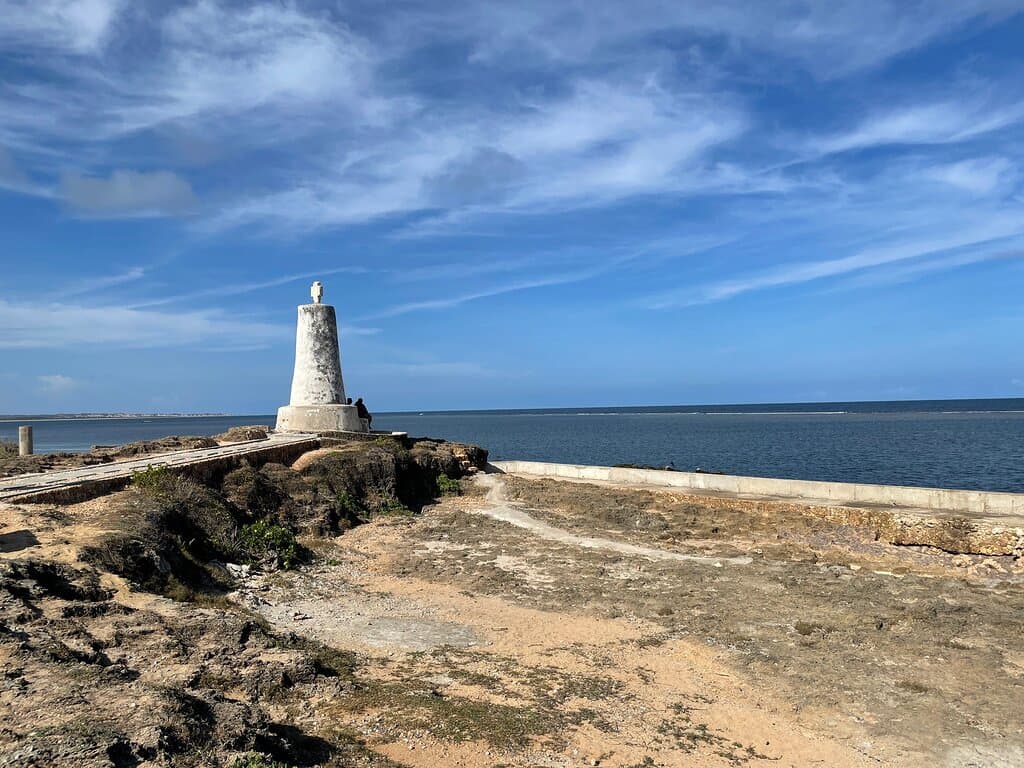
Capture the stunning Takaungu Beach at sunrise or sunset, traditional dhows in the harbor, local fishermen at work, the ancient ruins, and the vibrant daily life of the village. The natural light is beautiful here.
Always ask for permission before taking photos of people, especially women and children. A smile and a gesture can go a long way. Respecting privacy is crucial in this conservative community.
The 'golden hours' around sunrise and sunset offer the most dramatic and beautiful light for landscape and portrait photography. Midday sun can be harsh, but it's good for capturing the details of the ruins.
No special permit is required for general photography in Takaungu Village or on the beach. However, if you plan to do professional or commercial photography, it's always best to inquire locally about any potential requirements.
A versatile camera with a good zoom lens is ideal for capturing both landscapes and details of village life. A wide-angle lens is great for the expansive beach. Consider a waterproof bag for beach photography.

Social
from TikTok, Instagram & Reddit