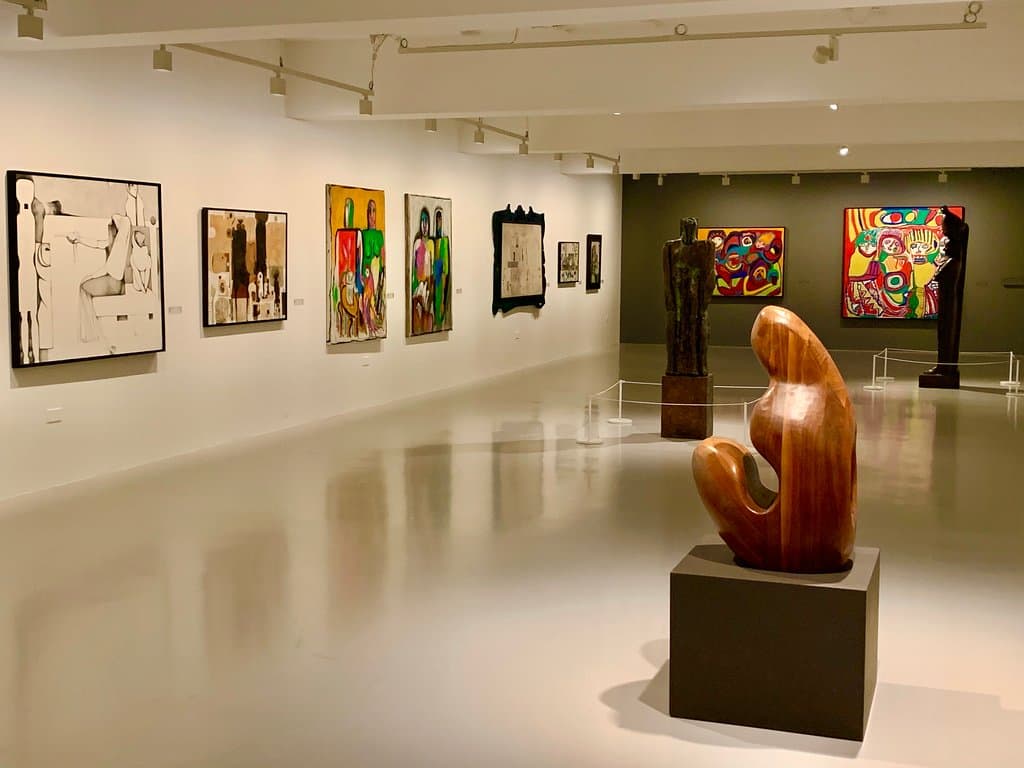
Mathaf Museum Roundabout
Discover Lebanon's ancient past through a stunning collection of artifacts, from prehistoric times to the Ottoman era. Free entry!
Highlights
Must-see attractions

Social
From TikTok & Reddit
Best Time
Fewer crowds, more space
Mathaf Museum Roundabout
Best Time
Fewer crowds, more space
Highlights
Must-see attractions
Discover Lebanon's ancient past through a stunning collection of artifacts, from prehistoric times to the Ottoman era. Free entry!
"A cultural treasure that beautifully showcases Lebanon’s rich and diverse history."
🎯 Download the Museum App
Enhance your visit with detailed stories and historical context for each artifact. :iphone:
💰 Pay in Lebanese Lira
Tickets can only be purchased with Lebanese Lira; be prepared for this payment method. :moneybag:
Quick Facts
Rating
4.5 · 2,799 reviews
Type
Museum
Highlights
Discover the most iconic attractions and experiences
Ancient Sarcophagi
Main Exhibition Hall
Marvel at intricately carved sarcophagi, showcasing Lebanon's ancient burial practices and artistic prowess.
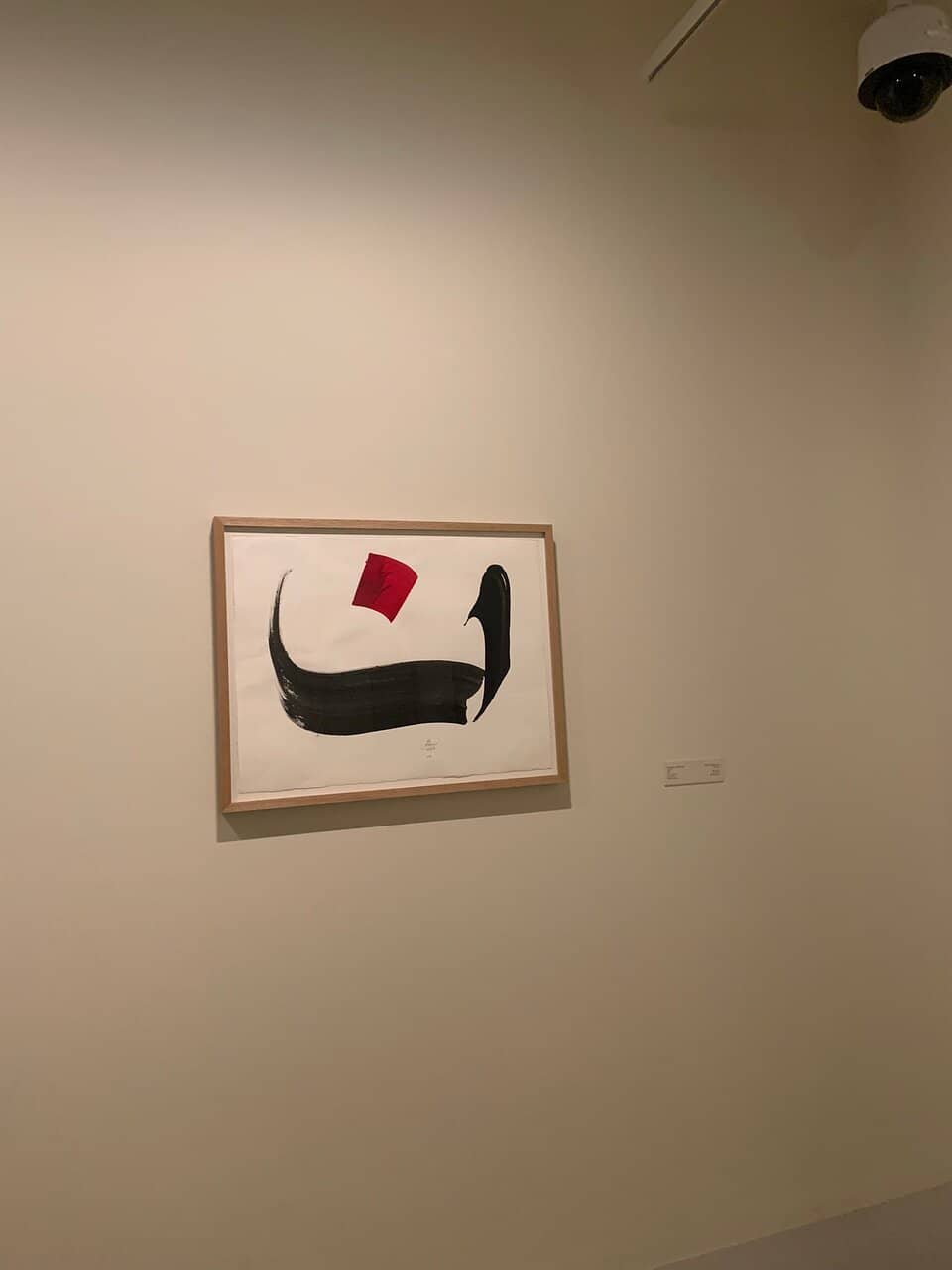
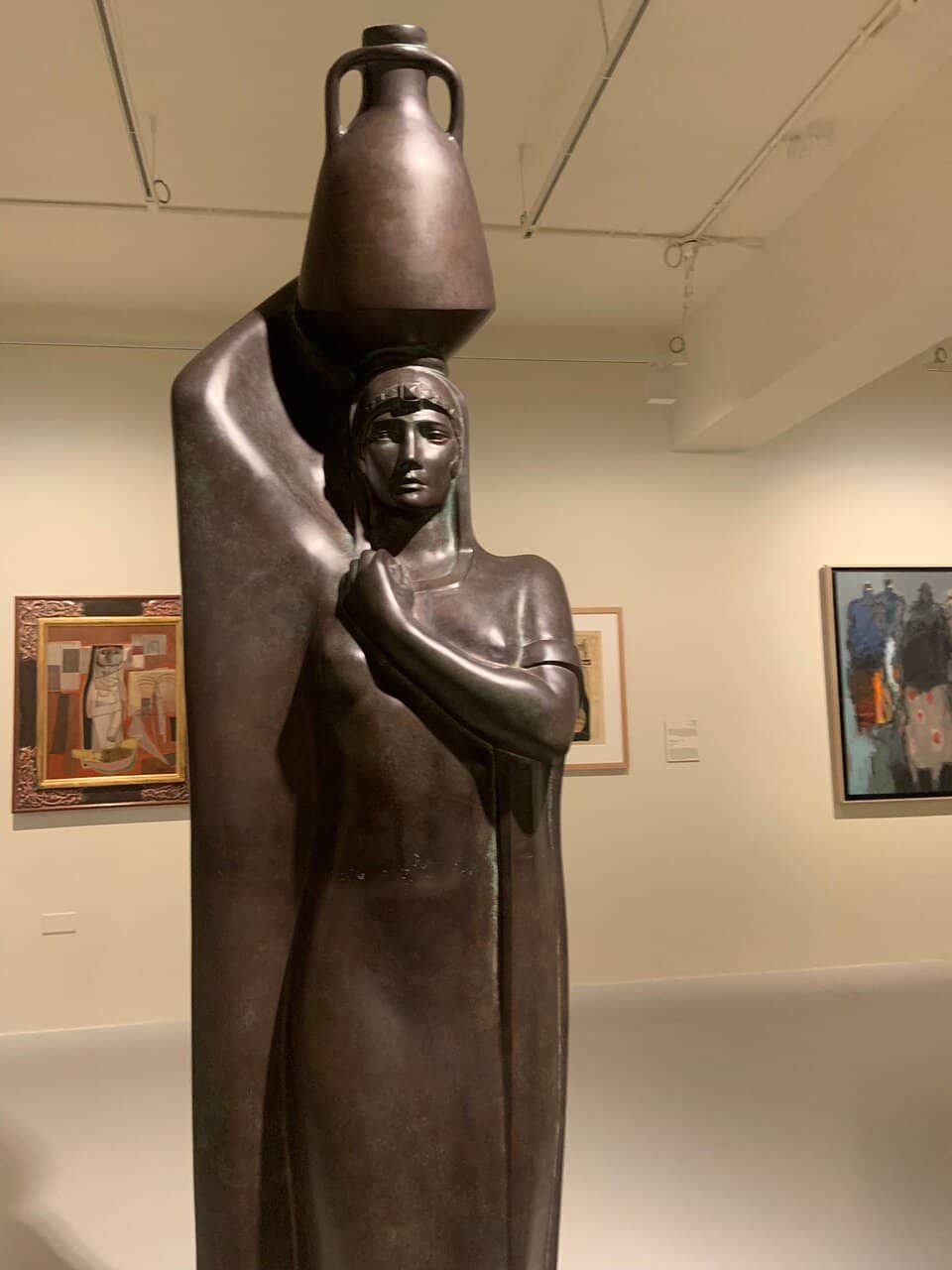
Mosaics and Statues
Various Galleries
Discover stunning ancient mosaics and statues that reflect the influence of civilizations like Greece and Rome.
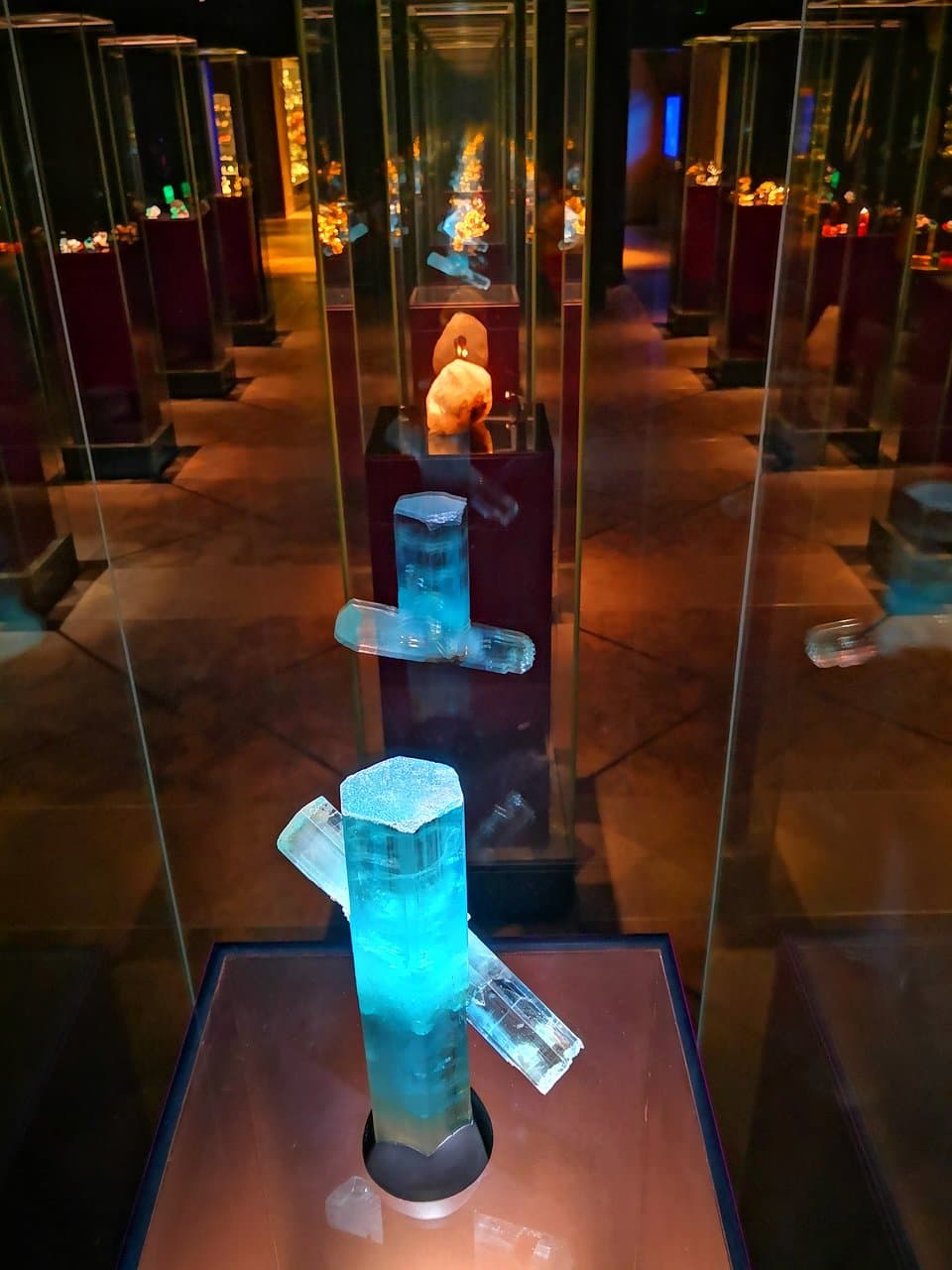
Mineral Collection
Dedicated Gallery
Explore a vast collection of over 2,000 minerals from around the globe, a unique display of Earth's treasures.
Plans like a pro.
Thinks like you
Planning Your Visit
Free Entry, Big Impact
Understand Lebanon's Story
Best Times
Insider Tips
from TikTok, Instagram & Reddit
🎯 Download the Museum App
Enhance your visit with detailed stories and historical context for each artifact. :iphone:
💰 Pay in Lebanese Lira
Tickets can only be purchased with Lebanese Lira; be prepared for this payment method. :moneybag:
🚶♀️ Allow ample time
Give yourself at least 2-3 hours to fully explore the museum's extensive collections. 🕐
📸 Respect photo policy
Be mindful of restrictions on photography, especially in sensitive areas like the mummy room. :camerawithflash:
Tips
from all over the internet
🎯 Download the Museum App
Enhance your visit with detailed stories and historical context for each artifact. :iphone:
💰 Pay in Lebanese Lira
Tickets can only be purchased with Lebanese Lira; be prepared for this payment method. :moneybag:
🚶♀️ Allow ample time
Give yourself at least 2-3 hours to fully explore the museum's extensive collections. 🕐
📸 Respect photo policy
Be mindful of restrictions on photography, especially in sensitive areas like the mummy room. :camerawithflash:
What Travellers Say
Reviews Summary
The National Museum of Beirut is widely praised as a cultural treasure, offering a well-organized and educational journey through Lebanon's rich history. Visitors appreciate the free entry and the impressive collection of artifacts, though some note that explanations could be more detailed and staff friendlier. Despite minor drawbacks, it's considered a must-visit for understanding the soul of Beirut. +1
"The National Museum of Beirut is a cultural treasure that beautifully showcases Lebanon’s rich and diverse history. The museum is well-organized, with a fascinating collection of artifacts spanning prehistoric times to the Ottoman era. Highlights include ancient statues, mosaics, and sarcophagi, all displayed in a modern, well-lit space. The restoration after the civil war is impressive, and the museum offers both historical depth and visual beauty. A must-visit for history lovers."
Khaled Mohammad
"Whenever you visit a new city.. especially a capital city.. you should always visit the National Museum. It’s the best way to understand the history and soul of the place. In Beirut, the National Museum is exactly that: a window into Lebanon’s rich past.
This was honestly an awesome experience. The entry price was affordable, and everything inside was well-organized and full of deep history.
One of the best parts was the official museum app.. I downloaded it, and it guided me through the museum with detailed stories about every statue, artifact, and ancient stone. It even explained the history of the museum itself, including how it was damaged during the Lebanese Civil War, and how they restored it and brought it back to life.
You can feel the resilience and beauty of Lebanese history as you walk through it. The whole experience was rich, moving, and very well done.
✅ Affordable
✅ Educational
✅ Emotional and powerful
✅ Must-visit if you’re in Beirut"
Eng Ahmed Qays
"Fine museum that shows the which showcases Lebanon’s long and remarkable history. It’s an impressive collection of sarcophagi, sphinxes, and ancient artifacts reflecting Lebanon’s coexistence with ancient Egypt and Greece. One could only wish the museum offered more explanations to place these remarkable finds in a broader context."
August Vigen Smolarz
What People Like
What People Dislike
Frequently Asked Questions
🚇 🗺️ Getting There
The Mathaf Museum Roundabout, also known as the National Museum of Beirut, is centrally located. You can reach it by taxi or ride-sharing services. Public transportation options might be available, but taxis are a common and convenient choice for tourists.
Parking can be challenging in Beirut. It's advisable to use a taxi or ride-sharing service to avoid the hassle of finding parking. If you do drive, look for designated parking areas or garages nearby.
Yes, some city sightseeing tours, like hop-on-hop-off buses, may include the National Museum of Beirut as a stop. This can be a convenient way to get around and visit multiple attractions.
Taxis and ride-sharing apps are popular for navigating Beirut. The museum is a well-known landmark, so most drivers will be familiar with its location.
While specific accessibility details can vary, many modern museums strive to be accessible. It's recommended to contact the museum directly for the most up-to-date information on ramps, elevators, and accessible restrooms.
🎫 🎫 Tickets & Entry
No, the Mathaf Museum Roundabout (National Museum of Beirut) offers free entrance, making it a fantastic and accessible cultural experience for all visitors. +1
Opening hours can vary, so it's best to check the official museum website or contact them directly for the most current information. Generally, museums are open during daytime hours on weekdays and weekends.
Since the museum offers free entry, online ticket purchase is not necessary. You can simply walk in during their operating hours. +1
While entry is free, if there are any special exhibitions or gift shop purchases, be aware that payment is primarily accepted in Lebanese Lira.
The museum occasionally hosts special exhibitions and events. It's advisable to check their official website or social media for announcements regarding upcoming events. 
🎫 🧭 Onsite Experience
Don't miss the impressive collection of ancient sarcophagi, intricate mosaics, and statues that highlight Lebanon's historical connections. The mineral collection is also a unique highlight.
To fully appreciate the exhibits, allocate at least 2-3 hours for your visit. The museum's collection is extensive and rich in history.
While official guided tours might not always be available, the museum's app provides detailed information that can serve as a self-guided tour.
Photography policies can vary. Generally, non-flash photography is permitted in most areas, but it's crucial to respect any signage or staff instructions, especially in sensitive areas like the mummy room.
Visitors often describe the atmosphere as educational, emotional, and powerful, reflecting the resilience and beauty of Lebanese history.
🍽️ 🍽️ Food & Dining
Typically, museums of this nature do not have extensive dining facilities within the premises. It's recommended to explore the surrounding areas of Beirut for a wide range of culinary options.
The area around the museum offers various cafes and restaurants. You can find traditional Lebanese cuisine or international options depending on your preference.
It's generally not permitted to consume outside food and drinks inside museum galleries to protect the artifacts. Check the museum's specific policies upon arrival.
For an authentic Lebanese dining experience, consider restaurants like Enab or Al Falamanki, which are popular spots in Beirut.
While not directly at the museum, you might find public spaces or parks in Beirut where a picnic could be enjoyed before or after your visit.
📸 📸 Photography
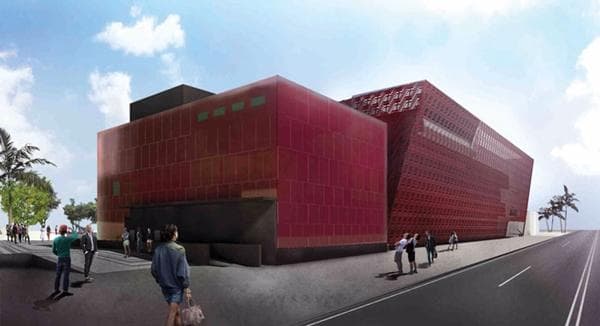
The ancient sarcophagi and the detailed mosaics offer excellent photographic opportunities. The architecture of the museum itself can also be quite photogenic.
Flash photography is generally discouraged or prohibited inside museums to protect delicate artifacts from damage. Always check for signs or ask staff.
Yes, some exhibits, like the mummies, may have strict no-photography rules to preserve them. Be sure to adhere to these guidelines.
Selfies are usually permitted as long as they don't disrupt other visitors or violate photography rules (e.g., no flash). Be mindful of your surroundings.
A camera with good low-light performance and a fast lens is ideal for museum interiors. However, most smartphone cameras can capture good images if lighting conditions are adequate.




Social
from TikTok, Instagram & Reddit