
Palace of the Grand Dukes of Lithuania
A reconstructed palace showcasing the history and grandeur of the Grand Duchy of Lithuania, featuring art, archaeology, and historical exhibits.

Highlights
Must-see attractions

Social
From TikTok & Reddit
Best Time
Fewer crowds, more peaceful exploration
Palace of the Grand Dukes of Lithuania
Best Time
Fewer crowds, more peaceful exploration
Highlights
Must-see attractions
A reconstructed palace showcasing the history and grandeur of the Grand Duchy of Lithuania, featuring art, archaeology, and historical exhibits.
"Nice museum with detailed history & plenty ancient artifacts. Built on top of old castle ruins."
Allocate Enough Time
Plan for at least 2-3 hours to explore thoroughly; more if you want a comprehensive visit. :clock1:
Check for Free Days
Many museums in Lithuania are free on the last Sunday of the month. :moneywithwings:
Quick Facts
Hours
Rating
4.7 · 7,426 reviews
Type
Museum
Website
valdovurumai.ltHighlights
Discover the most iconic attractions and experiences
The Great Hall
Main exhibition route
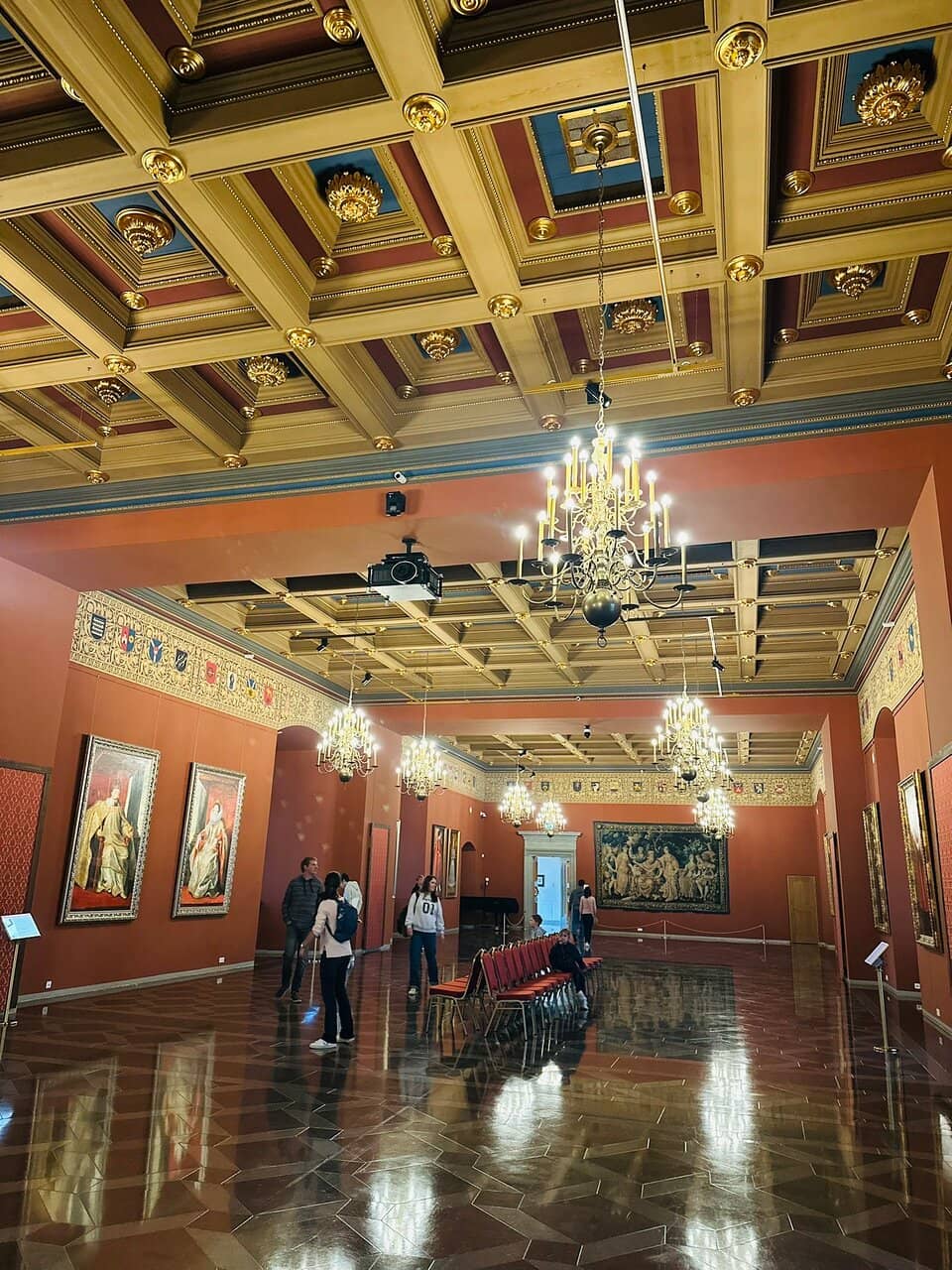
Experience the grandeur of the reconstructed Great Hall, a centerpiece of ducal life and ceremonies.

Royal Chapel
Exhibition route
Explore the solemn beauty of the Royal Chapel, a space for prayer and reflection for the Grand Dukes.

Historical Artifacts
Various exhibition halls
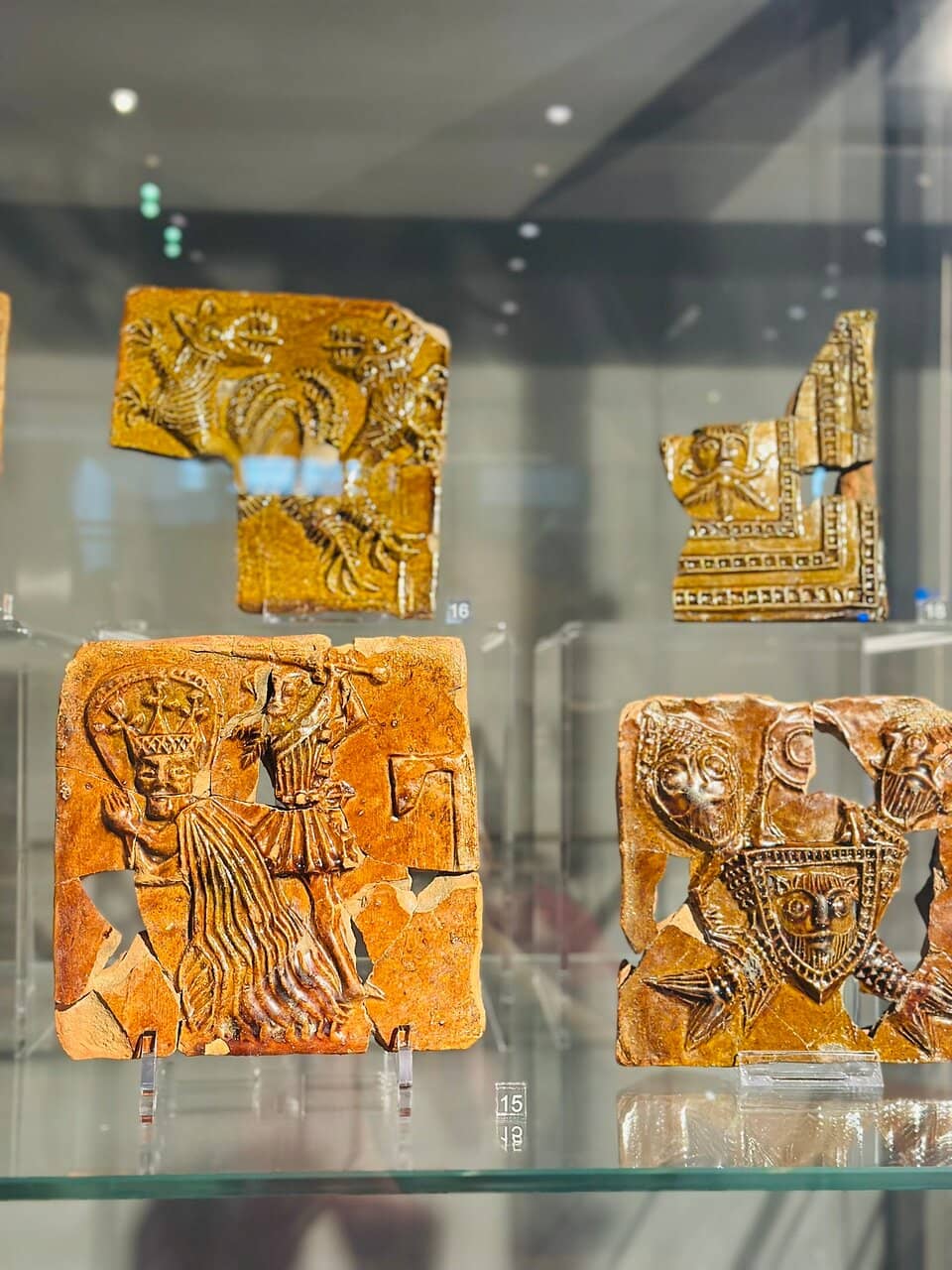
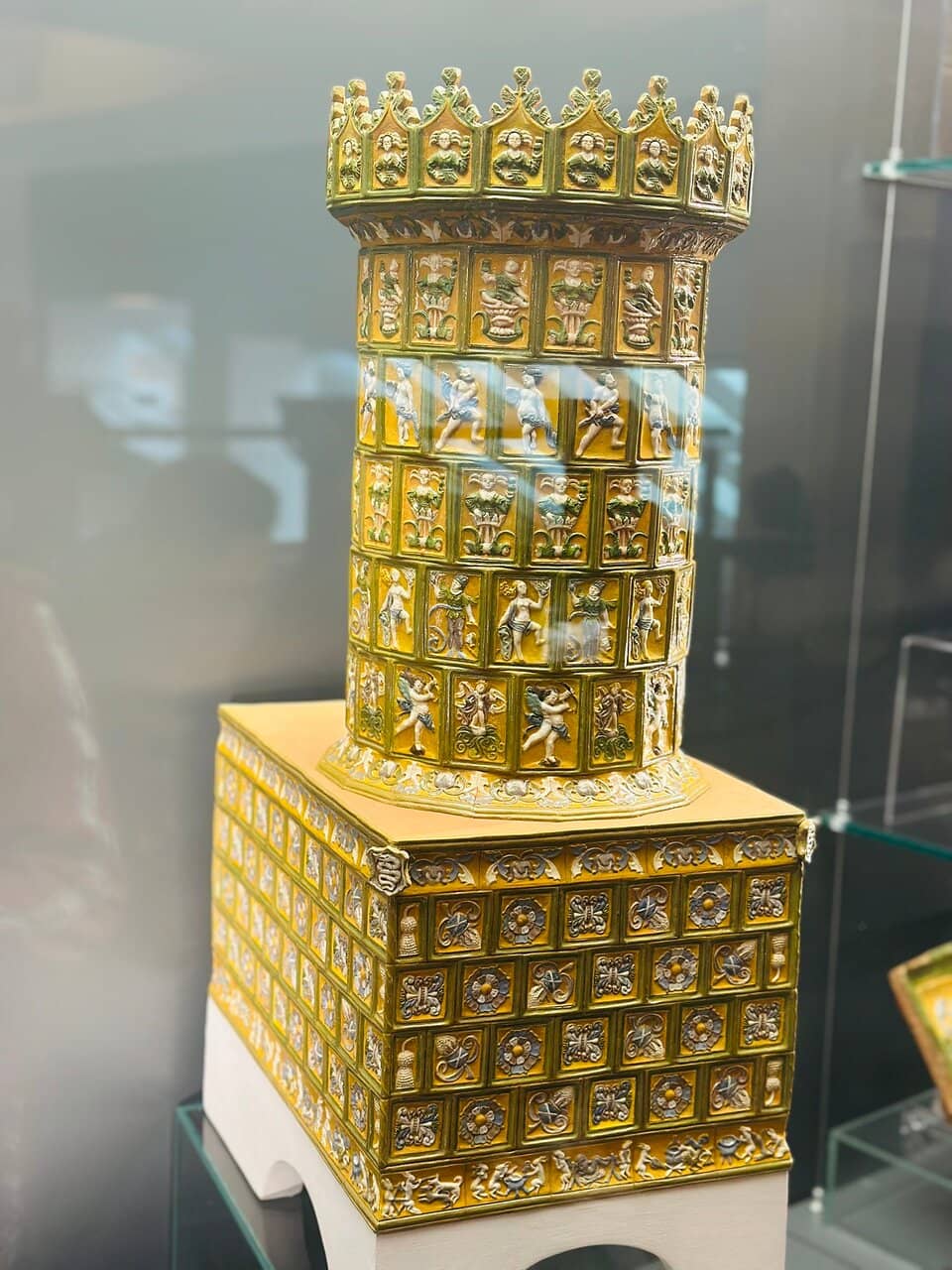
Discover ancient artifacts and exhibits detailing the rich history of the Grand Duchy of Lithuania.
Pidhirtsi Castle Collection
Temporary exhibition space
See unique pieces from Ukraine's Pidhirtsi Castle, showcasing a special cross-cultural exhibition.
Plans like a pro.
Thinks like you
Planning Your Visit
Timing Your Visit
Understanding the Reconstruction
Best Times
Insider Tips
from TikTok, Instagram & Reddit
Allocate Enough Time
Plan for at least 2-3 hours to explore thoroughly; more if you want a comprehensive visit. :clock1:
Check for Free Days
Many museums in Lithuania are free on the last Sunday of the month. :moneywithwings:
Audio Guides Available
Enhance your visit with an audio guide for deeper historical context. 🎤
Explore Different Routes
Consider the route dedicated to old Lithuanian history for a focused experience. 🗺️
Tips
from all over the internet
Allocate Enough Time
Plan for at least 2-3 hours to explore thoroughly; more if you want a comprehensive visit. :clock1:
Check for Free Days
Many museums in Lithuania are free on the last Sunday of the month. :moneywithwings:
Audio Guides Available
Enhance your visit with an audio guide for deeper historical context. 🎤
Explore Different Routes
Consider the route dedicated to old Lithuanian history for a focused experience. 🗺️
Great Views from Gediminas Tower
The palace is visible from Gediminas Tower, offering a scenic perspective. :camerawithflash:
What Travellers Say
Reviews Summary
Visitors generally find the Palace of the Grand Dukes of Lithuania to be an interesting and well-presented museum, offering a detailed look into Lithuania's history. While some note the reconstructed nature of the building, the historical artifacts and the grandeur of the restored halls are widely appreciated. The opportunity for free admission on certain days is a significant draw, though it can lead to larger crowds.
"Large museum divided in different routes (to our taste route number I dedicated to old Lithuanian history) would have sufficed. Very interesting 3D experience ! Consider a couple of hours minimum to read through the key points , much more for a truly comprehensive visit"
Tony B
"Many museums in Lithuania are free on the last Sunday of the month. We were in the Palace of the Rulers. This is a restored building. You can see the remains of the basement, where the ideal masonry, Gothic corners, arches have been preserved. There were no guides anymore, we read the information on the stands (English, Lithuanian), an audio guide. It takes 2-3 hours."
Olga Andriukhova
"Brand new history. Already in the 13th/14th century there was a wooden or stone palace here, but after the great fire of 1419 a two-storey Gothic stone palace was built here. In the decades that followed, the palace was renovated and expanded (a fourth wing and a third storey were added) and the style of the building was adapted to the architectural fashion of the time: from Gothic to Renaissance to Baroque. After the palace was badly damaged by the Russians in 1655, it was not restored and the decline began, which, after 1795, resulted in the demolition of almost the entire palace. The Jewish merchant Abraham Schlossberg incorporated the remains into his house and this "Schlossberg House" was incorporated into the completely rebuilt grand ducal building between 2002 and 2018. The palace now also houses the National Museum of Lithuania, which makes a visit to this very skillfully rebuilt palace even more attractive!"
Koen
What People Like
What People Dislike
Frequently Asked Questions
🚇 🗺️ Getting There
The Palace is centrally located in Vilnius's Old Town, right next to the Cathedral. It's easily accessible on foot from most central locations. Public transport options are also available, with bus stops nearby. 🚌
Parking in Vilnius's Old Town can be challenging and expensive. It's recommended to use public transport or walk if staying nearby. There are paid parking lots a short distance away. 🚗
No, the airport is several kilometers from the city center. You'll need to take a bus, taxi, or ride-sharing service to reach the Palace. ✈️
While the main exhibition areas are generally accessible, it's advisable to check with the museum directly for specific accessibility details, especially concerning older parts of the building or temporary exhibitions. ♿
Walking is the most convenient and enjoyable way to reach the Palace if you're staying in the Old Town. It allows you to soak in the atmosphere of Vilnius. 🚶
🎫 🎫 Tickets & Entry
Ticket prices vary depending on the exhibition and any special offers. It's best to check the official website for current pricing. Many museums in Lithuania offer free admission on the last Sunday of the month. 🎟️
Yes, purchasing tickets online in advance is highly recommended to save time and potentially secure your entry, especially during peak seasons or free admission days. 💻
Opening hours can vary seasonally and may differ for specific exhibitions. Always consult the official website for the most up-to-date information before your visit. :clock10:
There is no strict dress code, but visitors are expected to dress respectfully. Comfortable shoes are recommended as you'll be doing a lot of walking. 👟
Yes, guided tours are often available, and audio guides can be rented to enhance your understanding of the exhibits. Check the museum's offerings for tour schedules and languages. 🎤
🎫 🏛️ Onsite Experience
You can explore various rooms like the Great Hall and Royal Chapel, view historical artifacts, and learn about the Grand Duchy's history. Some exhibits feature art, including paintings by Botticelli. 🎨
A comprehensive visit can take 2-3 hours, but you could easily spend more time if you wish to read all the information and explore every detail. :stopwatch:
The Palace often hosts temporary exhibitions, such as the collection from Pidhirtsi Castle (Ukraine). Check the museum's website for current special events. 📅
Photography policies can vary. Generally, non-flash photography for personal use is permitted in most areas, but it's best to look for signage or ask staff for confirmation. 📷
The Palace is a modern reconstruction built on historical foundations, aiming to recreate the grandeur of the original ducal residence and serve as a national museum. :flag_lt:
🍽️ 🍽️ Food & Dining
While there might be limited refreshment options within the museum, the surrounding Old Town of Vilnius is filled with numerous cafes and restaurants offering diverse cuisines. ☕
You'll find a wide range of dining options, from traditional Lithuanian dishes to international cuisine, in the vicinity of the Palace. 🍴
Yes, you can find more affordable eateries and bakeries in the streets branching off from the main tourist areas. Look for local 'kavinė' (cafe) for simpler meals. 🍞
It's generally not permitted to consume food or drinks inside museum exhibition halls. There may be designated areas for breaks. :water_wave:
Try cepelinai (potato dumplings), šaltibarščiai (cold beet soup), and kibinai (karaite pastries). :potato:
📸 📸 Photography
The exterior of the Palace, especially its facade next to the Cathedral, offers great photo opportunities. Views from Gediminas Tower also provide a stunning panorama including the Palace. :camerawithflash:
No, flash photography is typically prohibited inside museums to protect the artifacts. Always check for signage or ask staff. :no_flash:
A versatile lens (like a 24-70mm) is useful for interior shots. For exteriors, a wide-angle lens can capture the grandeur. A tripod is usually not allowed inside. :dslr:
Look for the intricate details of the reconstructed facade, the arches, and the preserved Gothic corners in the basement remains. :building_construction:
Non-flash photography for personal use is often allowed, but some exhibits or specific artworks may have restrictions. Be mindful of others and the exhibits. :iphone:


Social
from TikTok, Instagram & Reddit