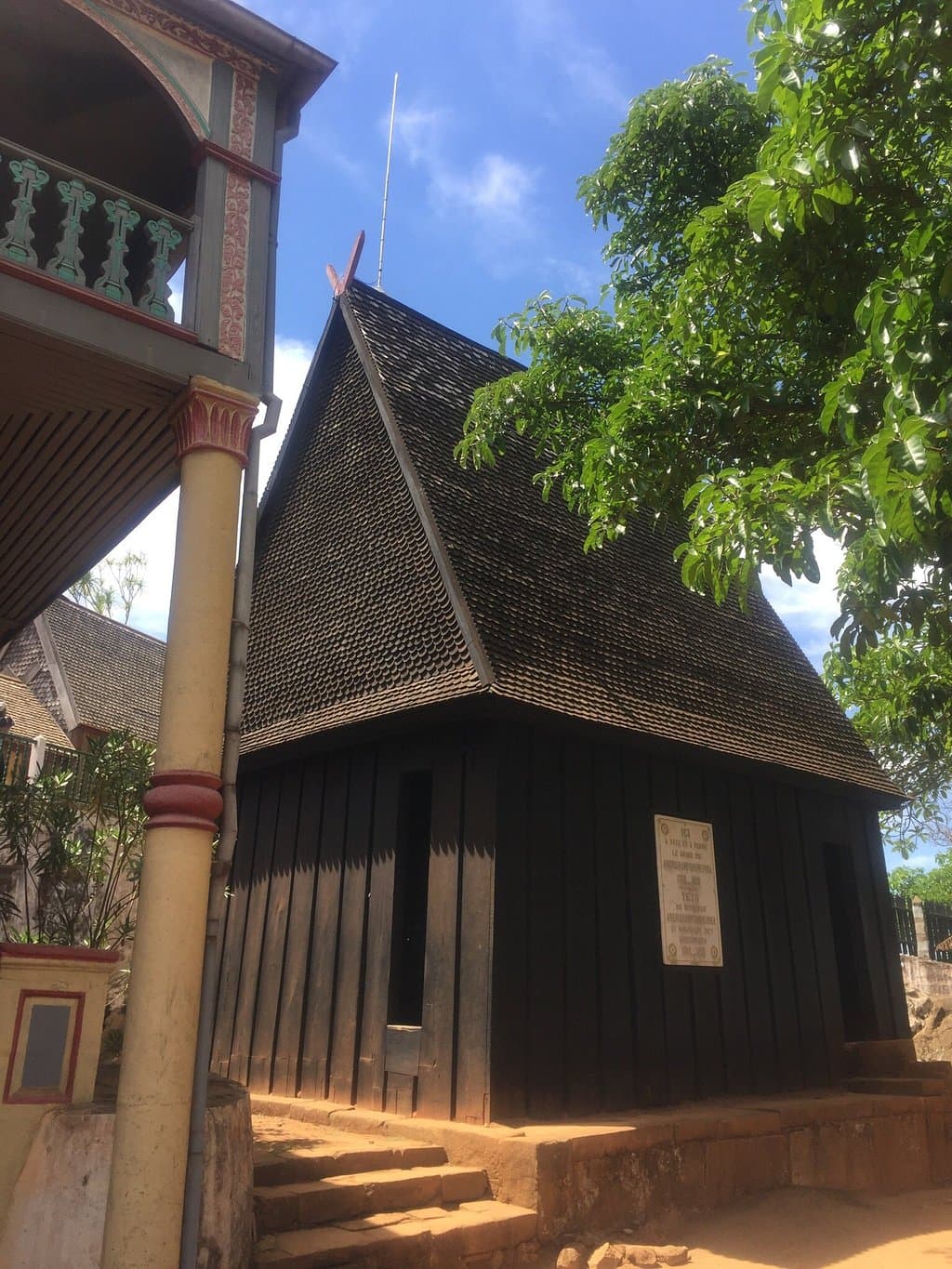
Ambohimanga Antananarivo
A UNESCO World Heritage royal city and sacred burial ground, offering a glimpse into Madagascar's pre-colonial history and traditions.
Highlights
Must-see attractions

Social
From TikTok & Reddit
Best Time
Fewer crowds, cooler temps
Ambohimanga Antananarivo
Best Time
Fewer crowds, cooler temps
Highlights
Must-see attractions
A UNESCO World Heritage royal city and sacred burial ground, offering a glimpse into Madagascar's pre-colonial history and traditions.
"A must visit if you are near the capital. UNESCO heritage protected. Amazing experience."
Hire a Local Guide
Essential for understanding the history & spiritual significance. Guides are available on-site.
Respect Sacred Sites
Dress modestly and be mindful of local customs, especially in sacred areas.
Quick Facts
Hours
Rating
4.3 · 303 reviews
Type
Historical Landmark
Highlights
Discover the most iconic attractions and experiences
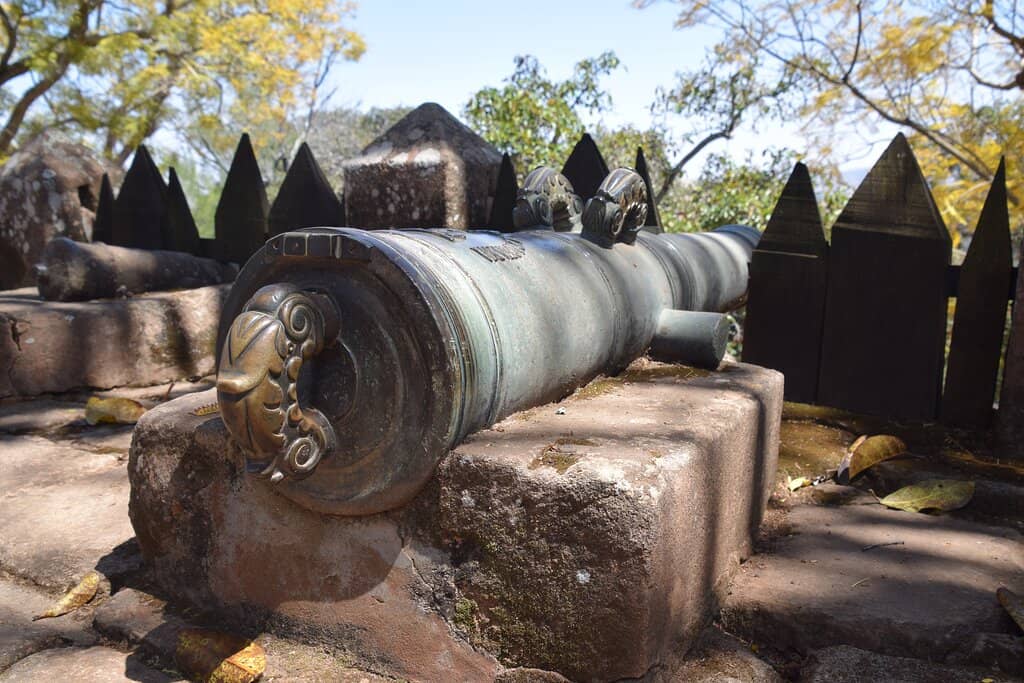
The Royal Hill
Ambohimanga Rova
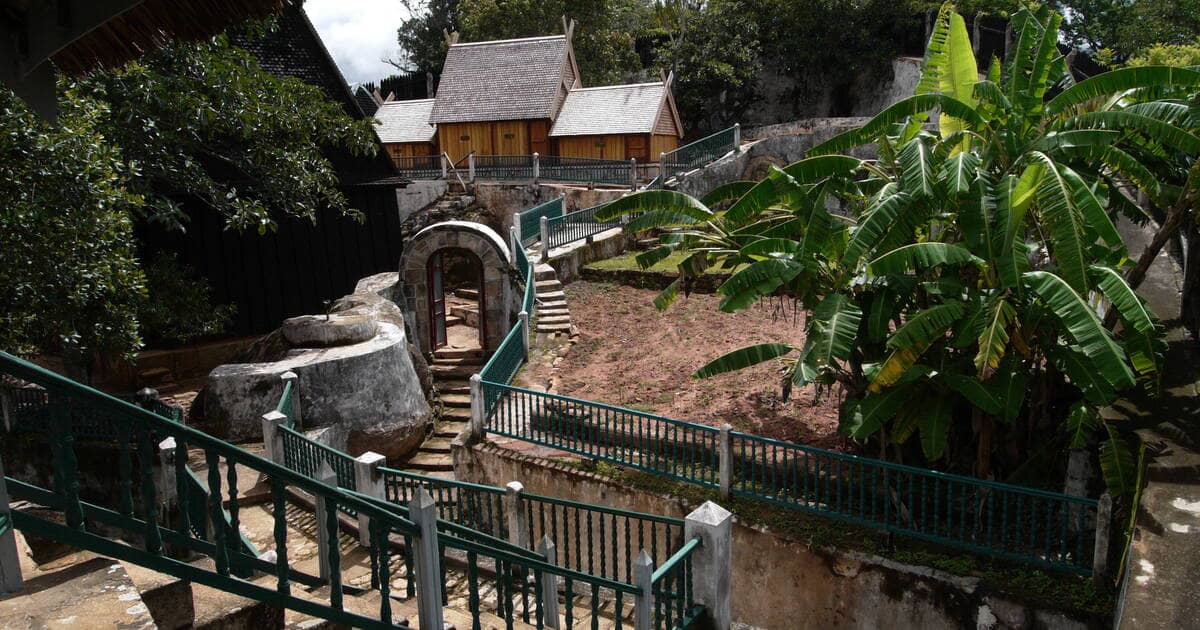
Explore the ancient fortified royal city, a UNESCO site steeped in history and spiritual significance.
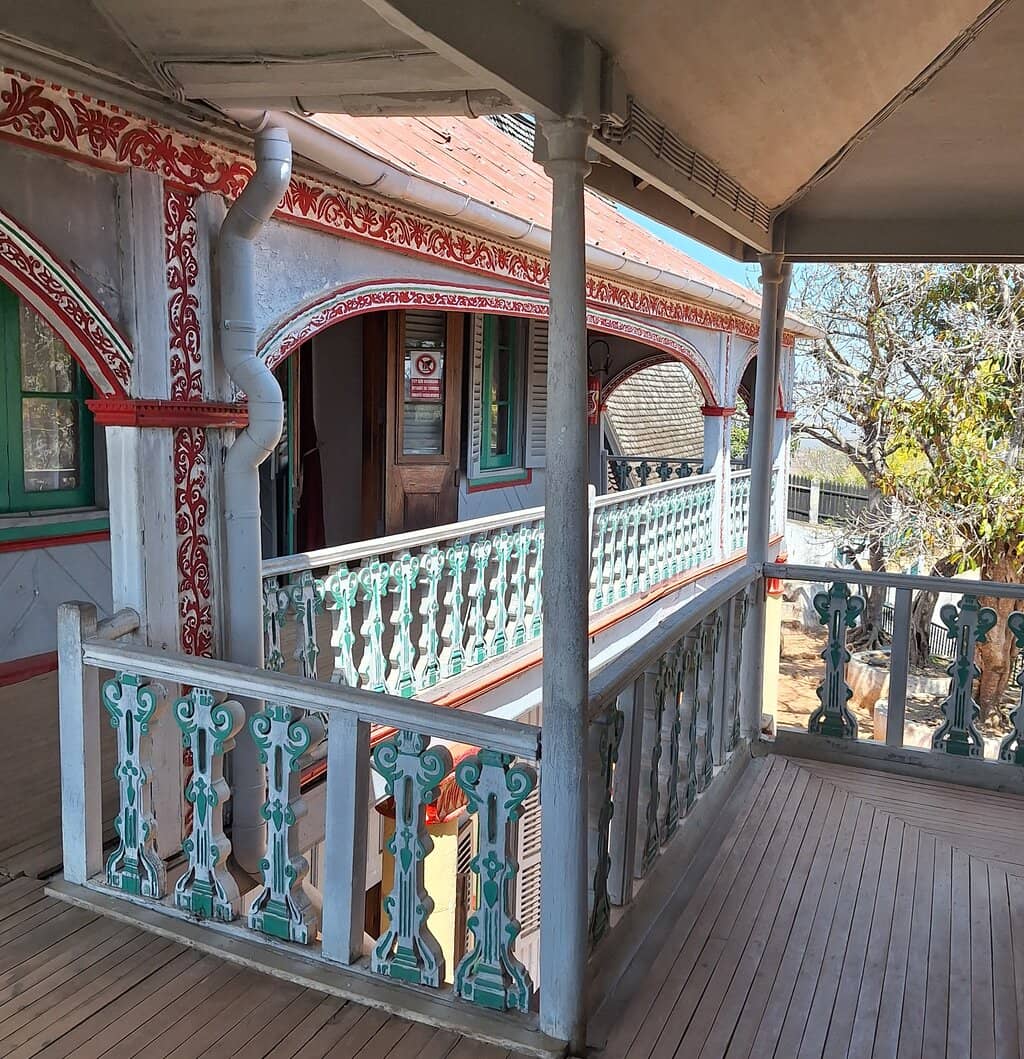
Panoramic Views
Summit of the Royal Hill
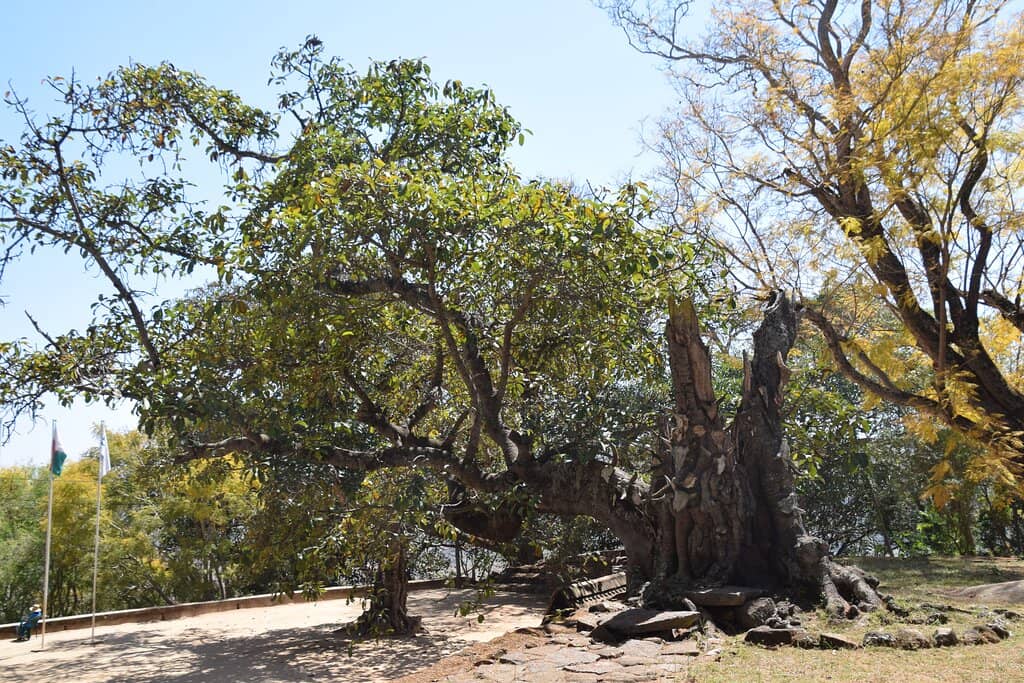
Enjoy breathtaking vistas of Antananarivo and the surrounding countryside from this elevated vantage point.
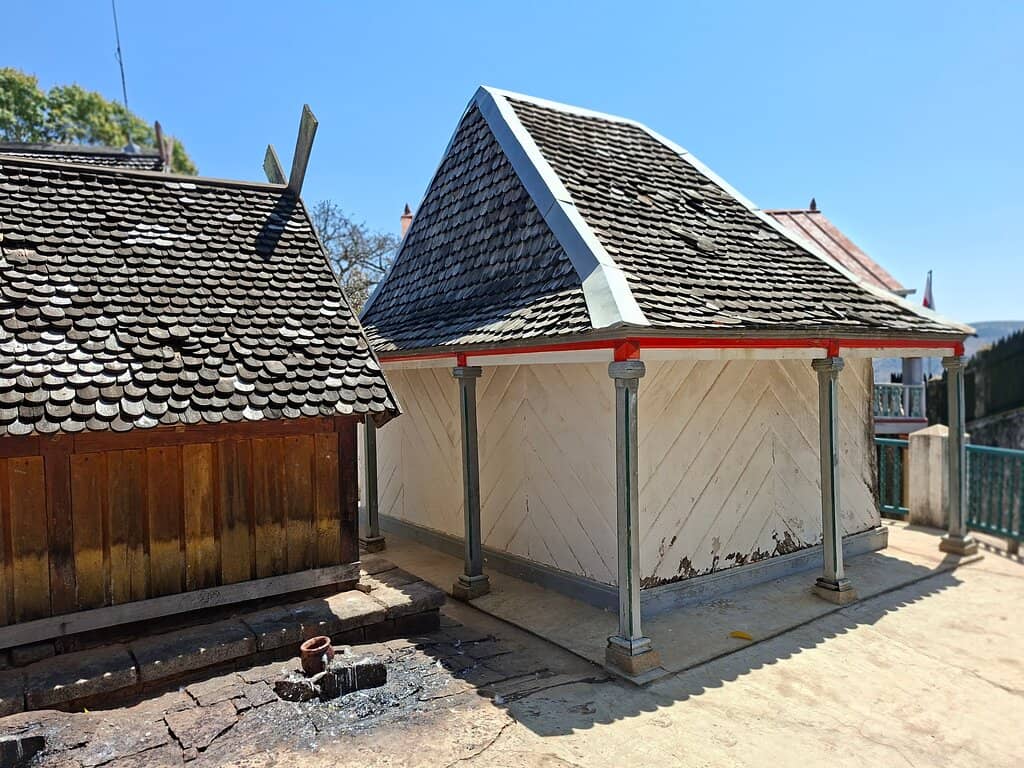
Sacred Sites & Tombs
Within the Ambohimanga complex
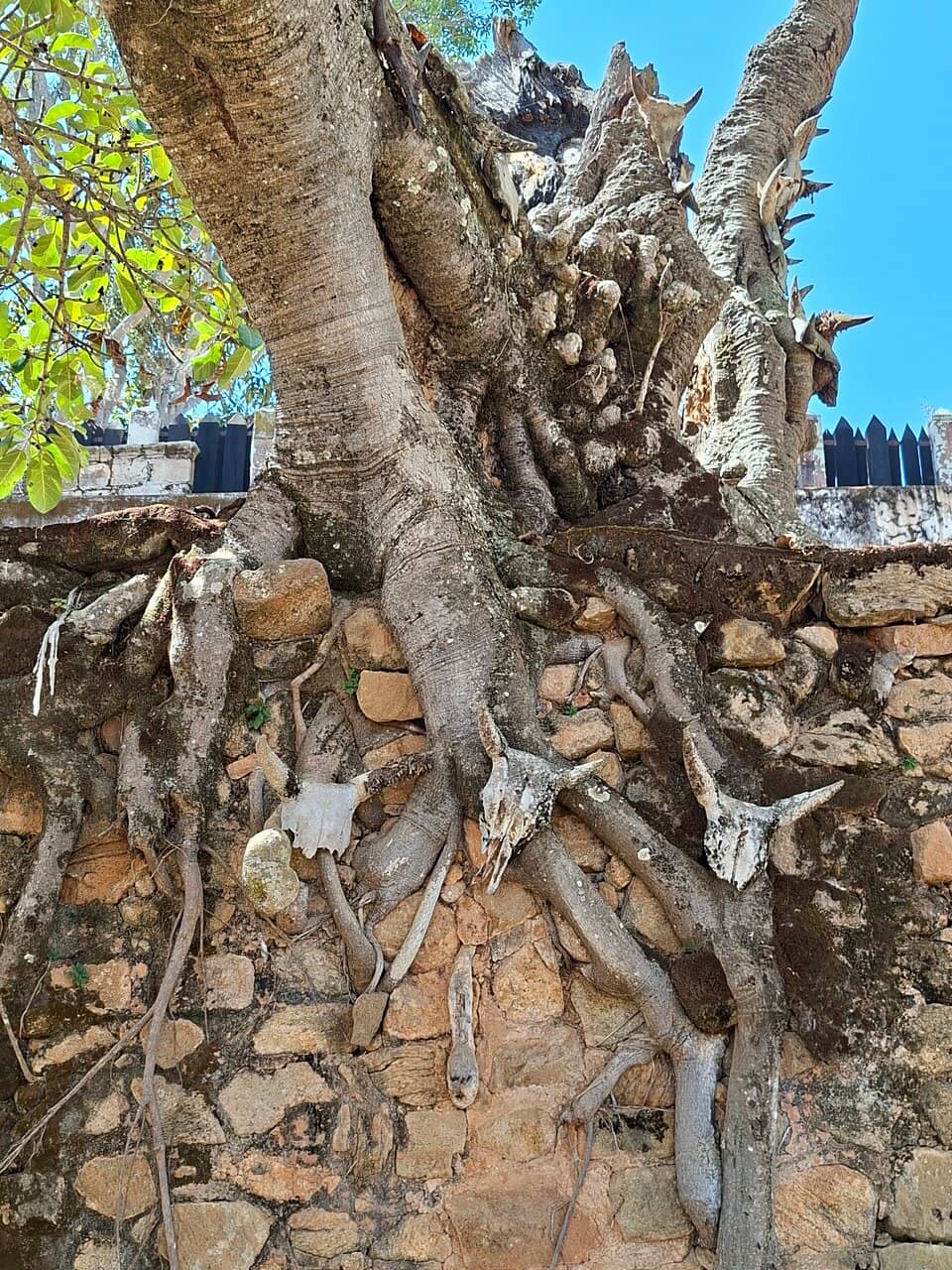
Witness the burial grounds of sovereigns and sacred places, central to Malagasy traditional religion.
Plans like a pro.
Thinks like you
Planning Your Visit
Timing Your Visit to Ambohimanga
Understanding Ambohimanga's Significance
Best Times
Insider Tips
from TikTok, Instagram & Reddit
Hire a Local Guide
Essential for understanding the history & spiritual significance. Guides are available on-site.
Respect Sacred Sites
Dress modestly and be mindful of local customs, especially in sacred areas.
Photo Restrictions
Photography is often restricted inside buildings. Check rules before snapping pics.
Comfortable Footwear
You'll be doing a lot of walking on uneven terrain. Wear sturdy shoes!
Tips
from all over the internet
Hire a Local Guide
Essential for understanding the history & spiritual significance. Guides are available on-site.
Respect Sacred Sites
Dress modestly and be mindful of local customs, especially in sacred areas.
Photo Restrictions
Photography is often restricted inside buildings. Check rules before snapping pics.
Comfortable Footwear
You'll be doing a lot of walking on uneven terrain. Wear sturdy shoes!
Entrance Fees
Foreigner fees are higher than local rates. Be prepared for the cost.
What Travellers Say
Reviews Summary
Ambohimanga Rova is a highly recommended UNESCO World Heritage site, praised for its historical significance and stunning panoramic views. Visitors emphasize the crucial role of local guides in understanding its cultural and spiritual depth, though some find the site itself simpler than expected. Be prepared for entrance fees and photography restrictions.
"A must visit if you are near the capital. UNESCO heritage protected. Traditional kings building next to more modern (18c) queens palace. Still favourite with the followers of the old traditional religion where one wants to talk to ancestors and offer a sacrifice! Amazing experience. The entry gate to the sacred hill is worth a visit too"
Irina Sonich
"It is a UNESCO world heritage. It is the king's palace from 1800s and has queen's summer house from 1900s. The summer house has gifts from different countries such as mirrors from Queen Victoria of England, french cristal ware and wallpaper from Japan. The ticket for foreigners costs 10000 and for local costs 400. I recommend visiting the place with a guide as there are not many written explanation. Has nice panoramik view at the top."
Berfin Karaman
"A surprisingly simple Palace, in tact from before the French Colonozation and thankfully kept. UNESCO sites are always great. No pics allowed inside buildings"
Colleen Zematis
What People Like
What People Dislike
Frequently Asked Questions
🚇 🗺️ Getting There
Ambohimanga Rova is located about 20 km northeast of Antananarivo. Taxis or private car hire are the most common ways to get there. Some travelers mention the road can be part of scenic routes. 
While public transport options might exist, they are often less direct and can be time-consuming. Hiring a taxi or arranging a private car is generally more convenient for tourists.
The journey from Antananarivo typically takes around 45 minutes to an hour, depending on traffic conditions.
Yes, many tour operators in Antananarivo offer day trips to Ambohimanga, which can include transportation and a guide.
For the adventurous, cycling is an option, especially if you enjoy scenic routes. However, be prepared for potential hills and traffic.
🎫 🎫 Tickets & Entry
Entrance fees vary for foreigners and locals. Foreigners typically pay around 10,000 Malagasy Ariary, while locals pay significantly less. There may also be a separate fee for photography.
Generally, advance booking is not required for Ambohimanga. Tickets can be purchased upon arrival at the site.
Ambohimanga Rova is typically open daily, but it's advisable to check the most current opening hours before your visit, as they can sometimes vary.
While there are no strict restrictions on general items, be mindful of food and drinks, and always respect the sacred nature of the site.
Yes, there is often a separate fee for taking photos, particularly outside the buildings. Photography inside the royal residences is usually prohibited.
🎫 🧭 Onsite Experience
Ambohimanga Rova features a royal city, burial sites, sacred places, and traditional homes. The site offers panoramic views of the surrounding landscape.
Absolutely. Guides are crucial for understanding the deep historical and cultural significance of Ambohimanga, as written explanations are limited.
Plan for at least 2-3 hours to explore the site thoroughly, especially if you hire a guide and take time to appreciate the views.
Basic facilities are usually available, but it's always a good idea to use restrooms before you arrive or be prepared for simple amenities.
The complex is best explored on foot. Wear comfortable shoes as there are inclines and uneven paths.
📸 📸 Photography
No, photography is generally prohibited inside the royal residences and buildings within the Ambohimanga complex to preserve the artifacts and atmosphere.
Yes, there is typically a separate fee for taking photographs, especially for exterior shots. Ensure you pay this fee if you plan to take pictures.
The panoramic views from the top of the Royal Hill offer excellent photo opportunities. The exterior architecture and the sacred sites also make for compelling shots.
Early morning or late afternoon provides the best natural light for photography, avoiding harsh midday sun and creating a more atmospheric feel.
Drone usage is generally not permitted at historical and sacred sites like Ambohimanga due to regulations and respect for the location.
Social
from TikTok, Instagram & Reddit