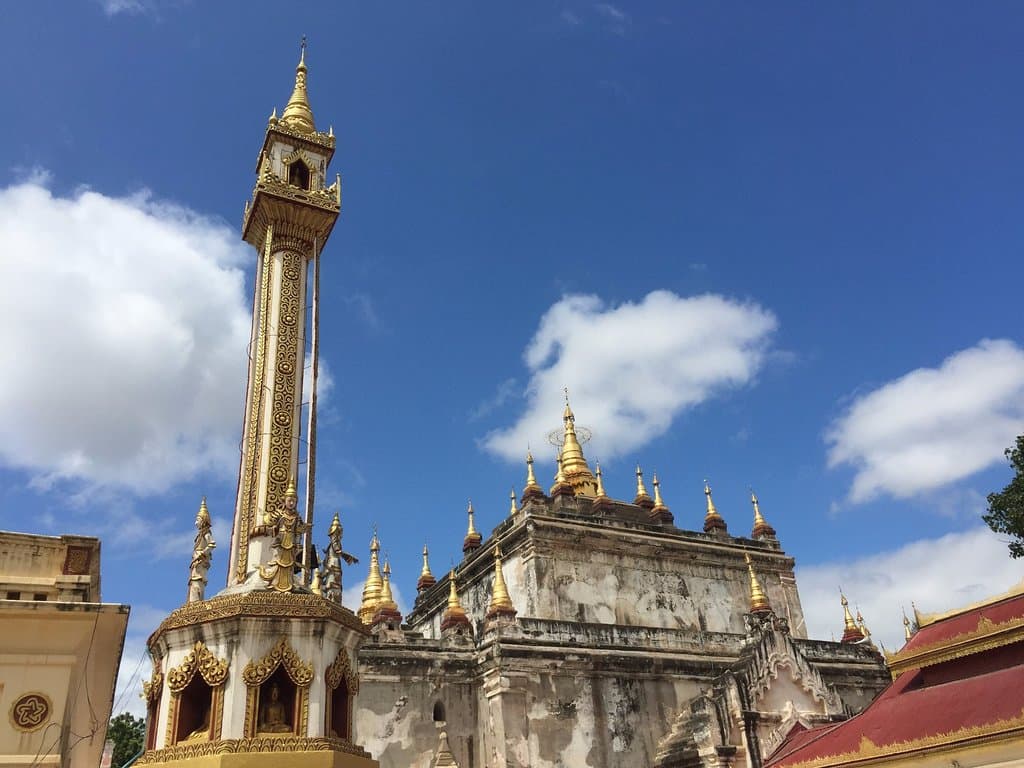
Manuha Temple
A 1067 Buddhist temple where colossal Buddha statues are dramatically housed within a narrow, symbolic structure, reflecting King Manuha's captivity.

Highlights
Must-see attractions

Social
From TikTok & Reddit
Best Time
Peaceful atmosphere
Manuha Temple
Best Time
Peaceful atmosphere
Highlights
Must-see attractions
A 1067 Buddhist temple where colossal Buddha statues are dramatically housed within a narrow, symbolic structure, reflecting King Manuha's captivity.
"The sheer scale of the Buddhas crammed into this ancient temple is breathtaking and deeply moving."
Feel the King's Grievance
Walk the narrow passages to truly grasp the discomfort symbolized by the cramped Buddha statues. It's a powerful historical narrative. :statueofliberty:
Photography Challenges
Capturing the full scale of the Buddhas inside the narrow temple is difficult. Focus on details and the sense of enclosure. :camerawithflash:
Quick Facts
Hours
Rating
4.5 · 807 reviews
Type
Place of Worship
Highlights
Discover the most iconic attractions and experiences
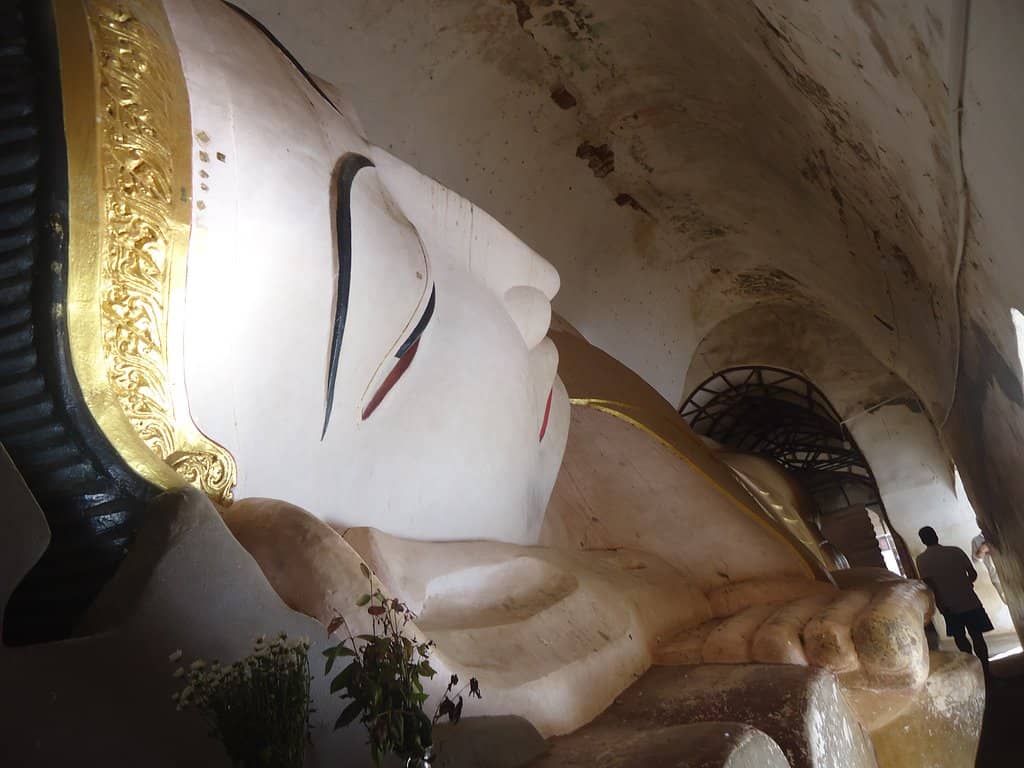
Enormous Reclining Buddha
Rear Chamber
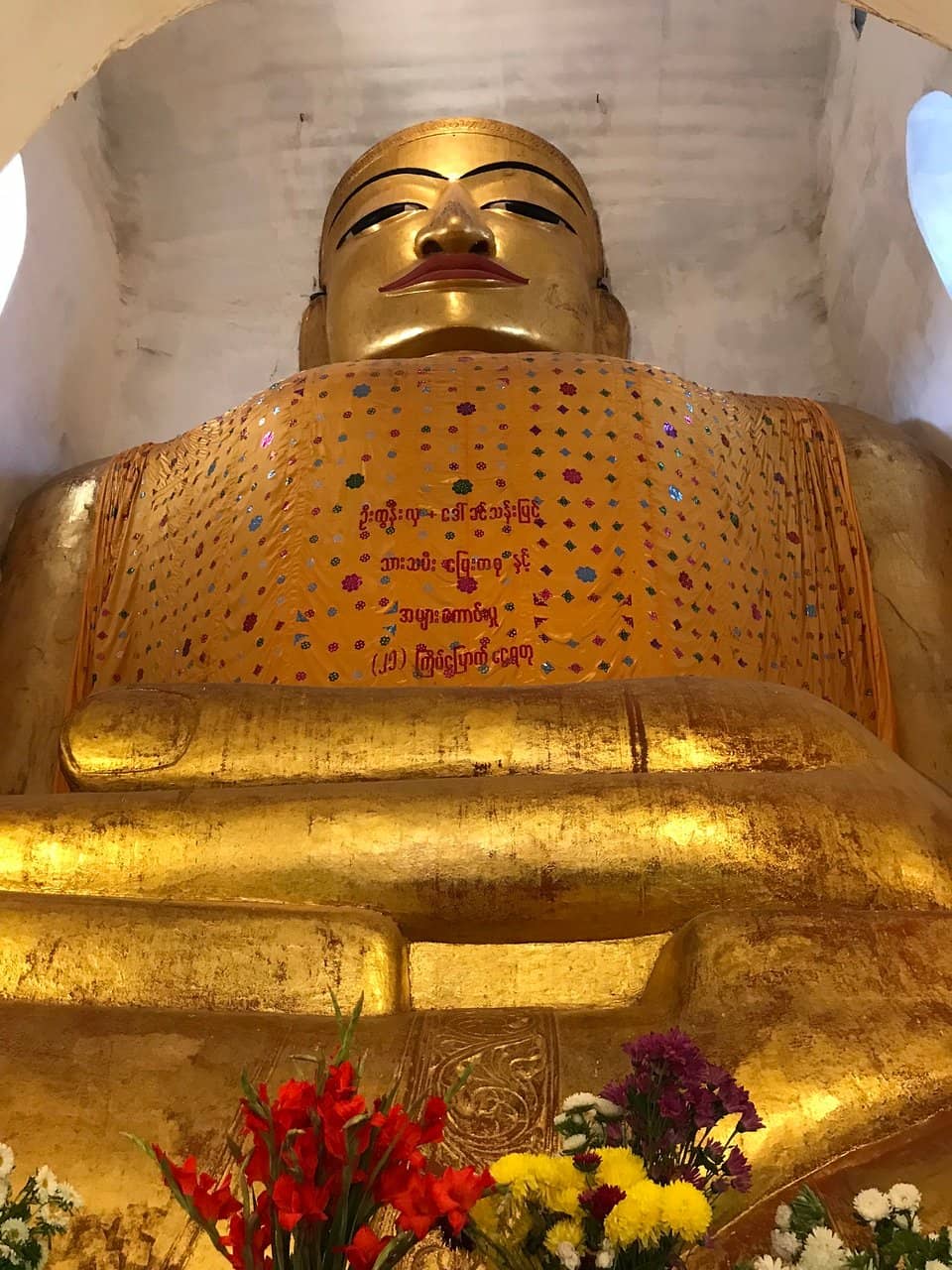
A colossal 30-meter reclining Buddha, symbolizing Nirvana, dominates the rear chamber.
Cramped Seated Buddhas
Main Chamber
Three massive seated Buddha figures are squeezed into a narrow space, a powerful representation of King Manuha's plight.
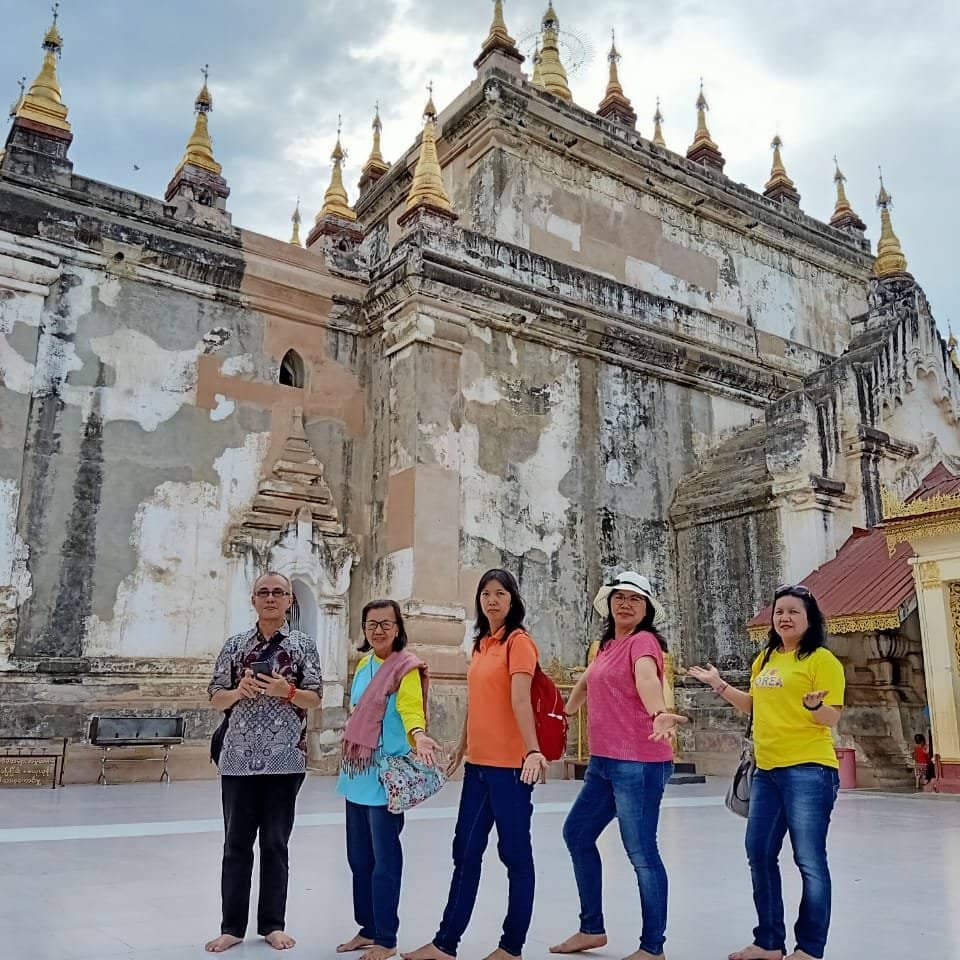
Allegorical Architecture
Entire Temple Structure
The temple's pyramid-like structure and tight interior are a deliberate architectural statement of the captive king's suffering.
Plans like a pro.
Thinks like you
Planning Your Visit
Understand the King's Discomfort
Timing is Key for Atmosphere
Best Times
Insider Tips
from TikTok, Instagram & Reddit
Feel the King's Grievance
Walk the narrow passages to truly grasp the discomfort symbolized by the cramped Buddha statues. It's a powerful historical narrative. :statueofliberty:
Photography Challenges
Capturing the full scale of the Buddhas inside the narrow temple is difficult. Focus on details and the sense of enclosure. :camerawithflash:
Respectful Attire
Dress modestly, covering shoulders and knees, as it's an active place of worship. 🙏
Learn the History
Understanding King Manuha's story enhances the experience. Read up beforehand or look for informational signs. 📜
Tips
from all over the internet
Feel the King's Grievance
Walk the narrow passages to truly grasp the discomfort symbolized by the cramped Buddha statues. It's a powerful historical narrative. :statueofliberty:
Photography Challenges
Capturing the full scale of the Buddhas inside the narrow temple is difficult. Focus on details and the sense of enclosure. :camerawithflash:
Respectful Attire
Dress modestly, covering shoulders and knees, as it's an active place of worship. 🙏
Learn the History
Understanding King Manuha's story enhances the experience. Read up beforehand or look for informational signs. 📜
What Travellers Say
Reviews Summary
Visitors are consistently struck by the immense scale of the Buddha statues, particularly the seated figures crammed into the narrow temple structure and the colossal reclining Buddha. The temple's unique architecture, designed to symbolize King Manuha's captivity and distress, is frequently highlighted as a powerful and moving aspect of the visit. While some find the cramped conditions challenging, most appreciate the historical narrative and the profound emotional impact.
"This is one of the oldest temples of Bagan, from 1067, named after Manuha, King of a Mon Kingdom in lower Burma. There are 4 HUGE Buddah statues inside - quite startling when you enter and too big to fit in a photo! Three are seated and in the back section is a 30m reclining Buddah. It is still a very active temple for worship with several other buildings and icons in worth seeing."
Vincent Oliver
"It was built by Manuha, the captive king of Thaton, in 1059 A.D. It is a reduplicated square structure with a battlemented terrace, the upper storey being smaller than the lower, so that the entire building appears to assume the form of a pyramid. It contains three images of seated Buddhas and a recumbent image of gigantic proportions representing the Buddha in the act of entering Nirvana.
The temple is an allegorical representation of the physical discomfort and mental distress the captive king had to endure. The builder’s grievance is graphically demonstrated by the uncomfortably seated and sleeping Buddhas."
Dharmendra Kumar
"Very big buddha statues inside small building. As you walk along the narrow passage of the building, you will soon understand the depressed feeling of the captive Mon King."
Ceci T
What People Like
What People Dislike
Frequently Asked Questions
🚇 🗺️ Getting There
Manuha Temple is located in the southern part of Bagan. You can reach it by e-bike, horse cart, or taxi from most accommodations in Bagan. Many visitors combine it with other temples in the vicinity as part of a temple tour. 🛵
While it's possible to walk between some temples, Manuha Temple is a bit further south. It's more practical to use an e-bike or horse cart for efficient exploration of multiple sites. 🚶
Renting an e-bike is a popular and flexible option for exploring Bagan's temples. Horse carts offer a more traditional experience. :horse_racing:
🎫 🎫 Tickets & Entry
Yes, entry to the Bagan archaeological zone, which includes Manuha Temple, requires a purchased ticket. This ticket is valid for multiple days, allowing you to explore various temples. 🎟️
Manuha Temple is generally open from sunrise to sunset. It's advisable to check current local timings upon arrival, as hours can sometimes vary. :clock10:
The entrance fee is for the entire Bagan archaeological zone, not for individual temples like Manuha. Once you have your zone ticket, you can enter Manuha Temple without additional charge. :moneybag:
Currently, tickets for the Bagan archaeological zone are typically purchased in person at designated ticket booths upon entering the zone. 💳
📸 📸 Photography
The most striking photo opportunities are the massive seated Buddhas crammed into the narrow space and the immense reclining Buddha. Capturing the scale within the confined architecture is key. :camerawithflash:
Photography is generally allowed inside Manuha Temple, but always be respectful of worshippers. Avoid using flash directly on the statues. :iphone:
Try using a wide-angle lens to fit more of the statues into the frame. Focus on the details and the feeling of being enclosed. :widecameralens:
Early morning or late afternoon light can create a more dramatic atmosphere. However, the interior lighting can be challenging due to the enclosed nature. 🌅
🎫 🏛️ History & Significance
Built in 1067 by the captive Mon King Manuha, the temple is a powerful allegorical representation of his suffering and distress during his imprisonment. 📜
The disproportionate size of the Buddhas within the narrow structure is a deliberate architectural choice to symbolize King Manuha's feelings of confinement and oppression. :thinking_face:
The enormous reclining Buddha signifies the Buddha's final moments and entry into Nirvana, a state of ultimate peace and liberation. :lotus_flower:
Yes, Manuha Temple remains an active Buddhist temple. You will often see local devotees offering prayers and making donations. 🙏


Social
from TikTok, Instagram & Reddit