
Bungamati Village
A living museum of Newari culture, Bungamati enchants with its ancient temples, intricate woodcarvings, and timeless village charm.
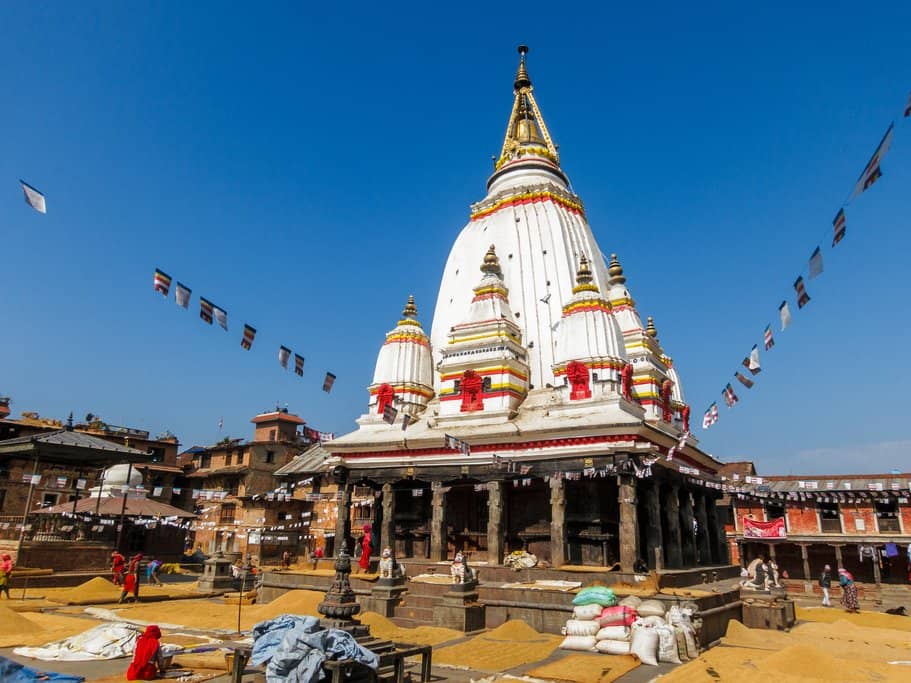
Highlights
Must-see attractions

Social
From TikTok & Reddit
Best Time
Experience local life
Bungamati Village
Best Time
Experience local life
Highlights
Must-see attractions
A living museum of Newari culture, Bungamati enchants with its ancient temples, intricate woodcarvings, and timeless village charm.
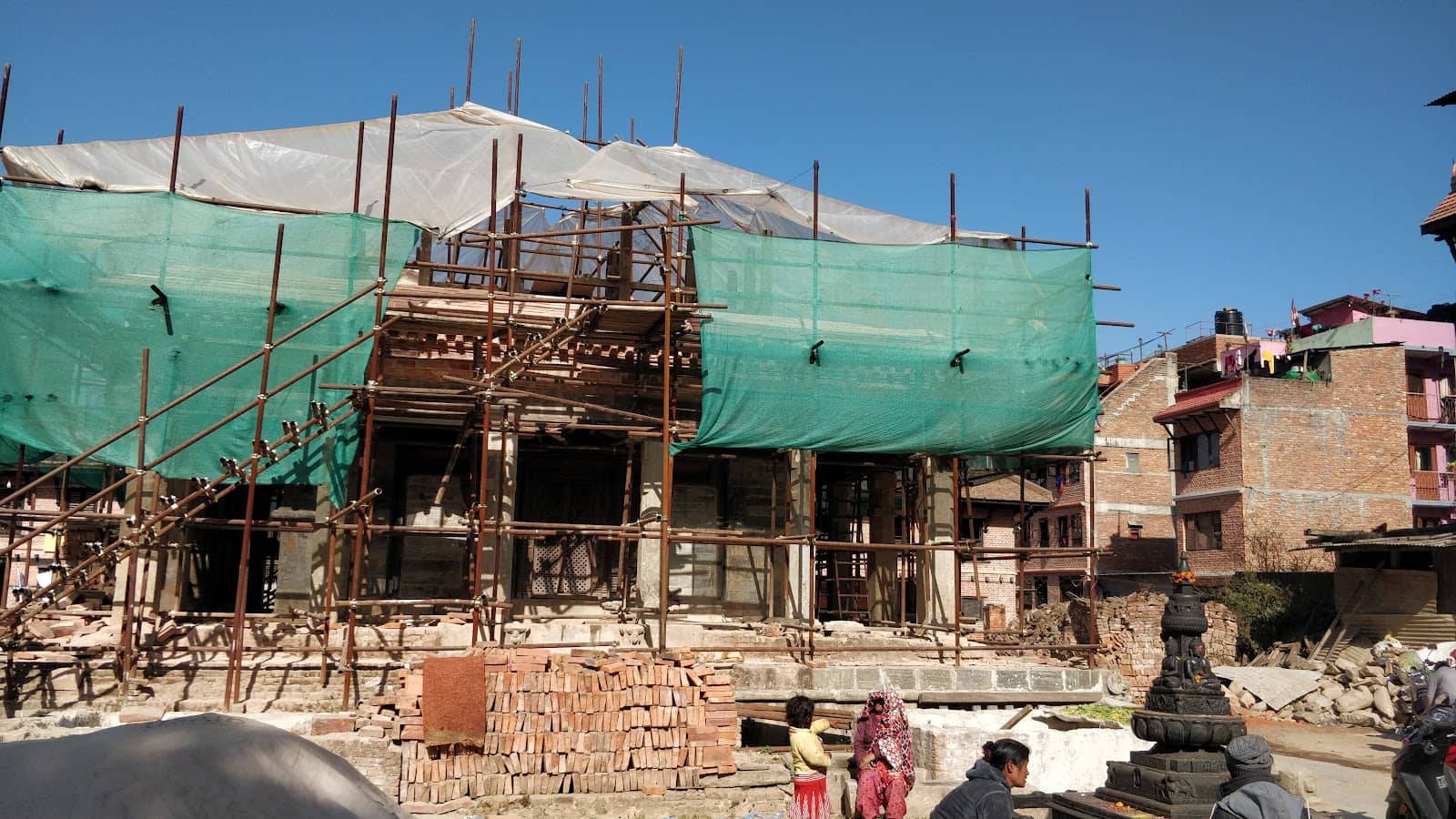
🚗 Road to Bungamati
Roads are a mix of paved & unpaved. Small cars can manage, but expect some rough patches.
👟 Wear Comfortable Shoes
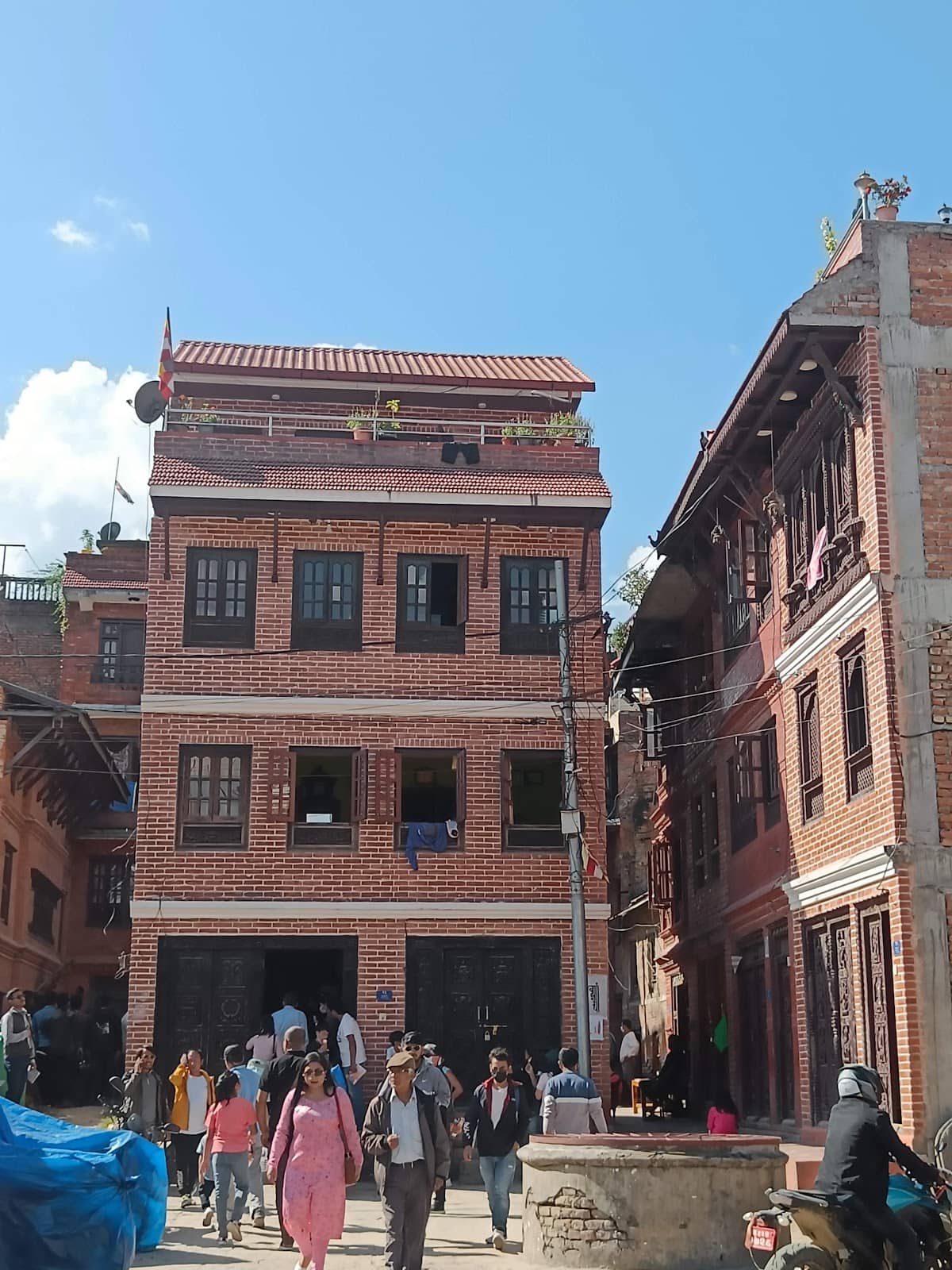
You'll be walking on uneven ancient streets. Good footwear is essential for exploring.
Quick Facts
Address
Highlights
Discover the most iconic attractions and experiences
Bungamati's Ancient Temples
Central Courtyard
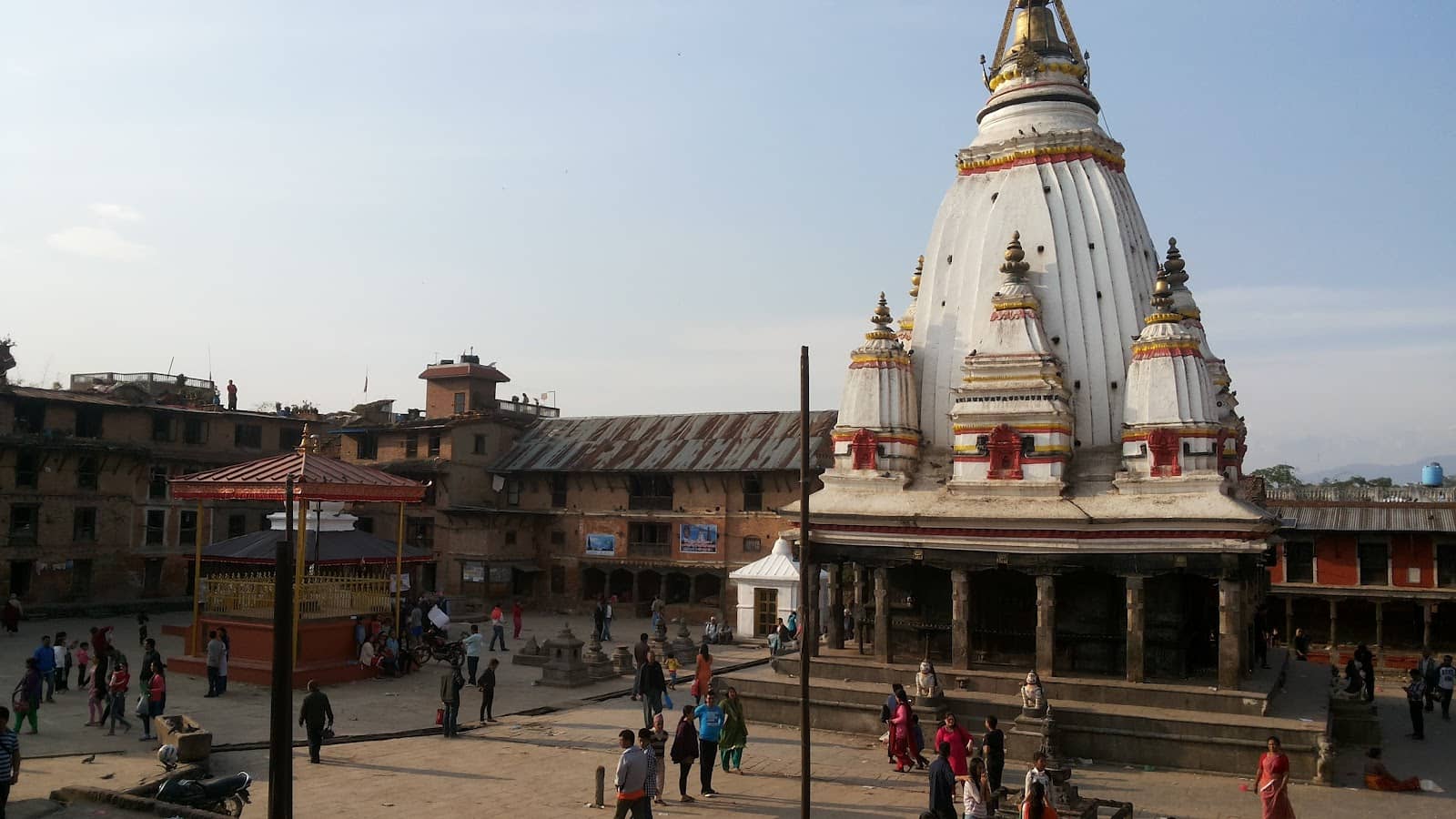
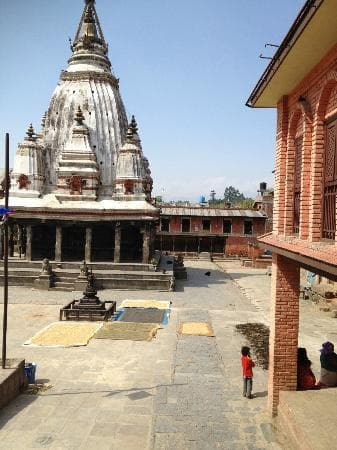
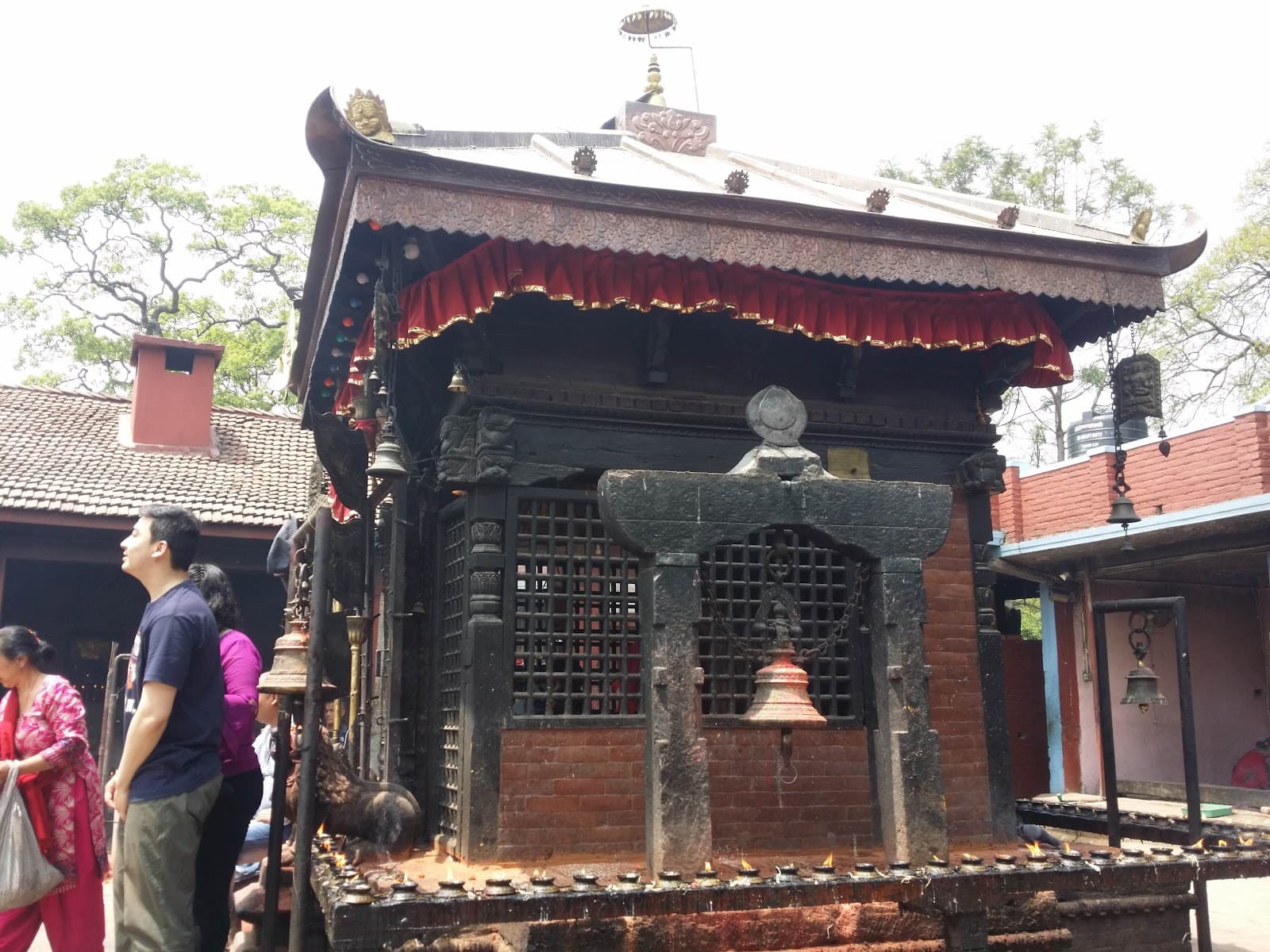
Marvel at the intricate Newari architecture of temples like Machhendranath, a spiritual heart of the village.
Woodcarving Workshops
Various workshops throughout the village
Witness skilled artisans crafting intricate wooden masterpieces, a tradition passed down through generations.
Machhendranath Temple
Main Square
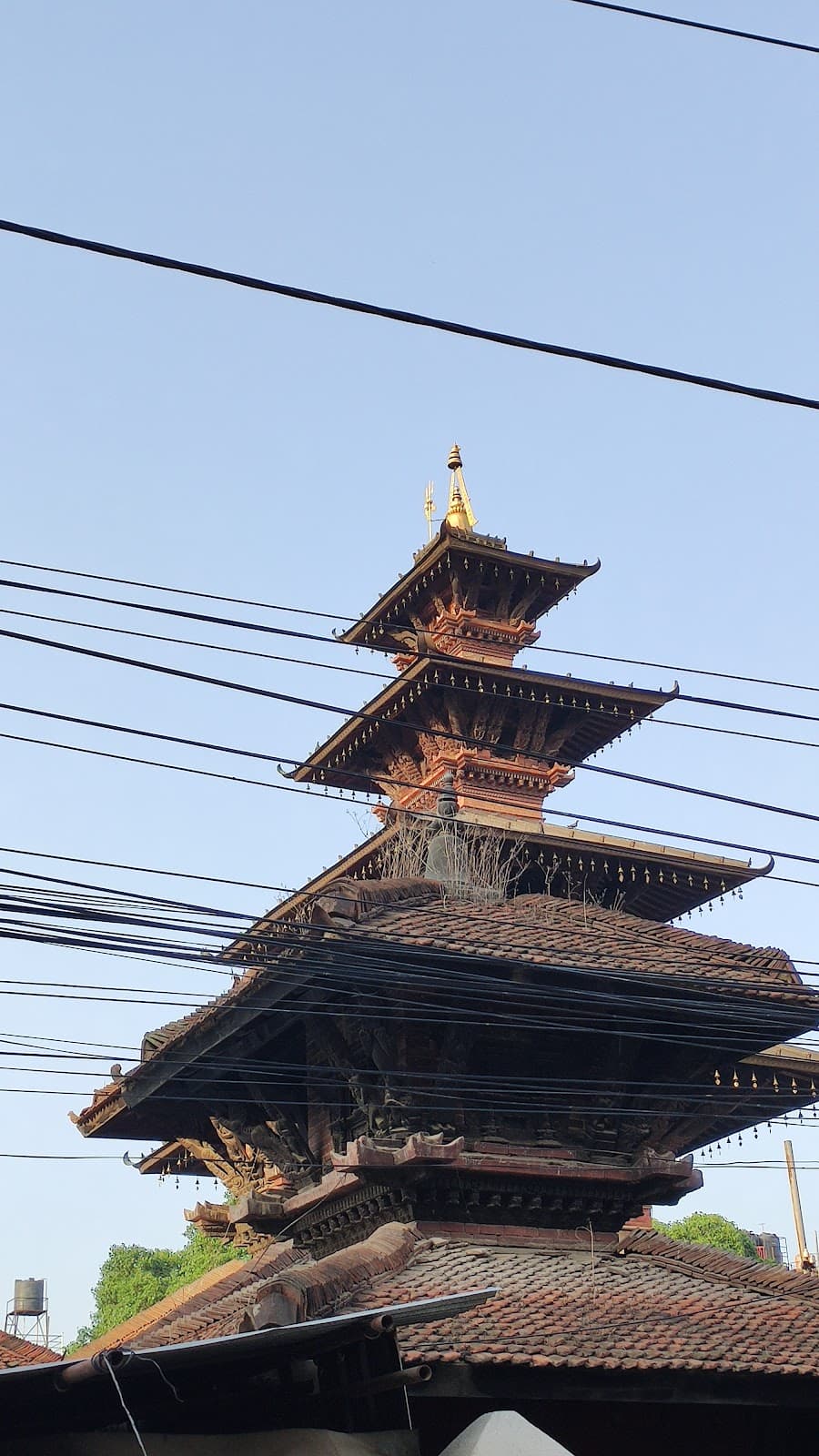
The iconic pagoda-style temple dedicated to the god of rain and compassion, a focal point of village life.
Plans like a pro.
Thinks like you
Planning Your Visit
Road Conditions to Bungamati
Cultural Event Preparedness
Best Times
Insider Tips
from TikTok, Instagram & Reddit
🚗 Road to Bungamati
Roads are a mix of paved & unpaved. Small cars can manage, but expect some rough patches.
👟 Wear Comfortable Shoes
You'll be walking on uneven ancient streets. Good footwear is essential for exploring.
🕰️ Arrive Early for Events
To fully enjoy cultural events, get there ahead of time and soak in the village vibe.
📸 Capture the Details
Bungamati is rich in visual details, from carvings to daily life. Keep your camera ready!
Tips
from all over the internet
🚗 Road to Bungamati
Roads are a mix of paved & unpaved. Small cars can manage, but expect some rough patches.
👟 Wear Comfortable Shoes
You'll be walking on uneven ancient streets. Good footwear is essential for exploring.
🕰️ Arrive Early for Events
To fully enjoy cultural events, get there ahead of time and soak in the village vibe.
📸 Capture the Details
Bungamati is rich in visual details, from carvings to daily life. Keep your camera ready!
What Travellers Say
Reviews Summary
Visitors praise Bungamati for its authentic cultural experience and traditional Newari architecture, particularly the woodcarving artistry. The village offers a peaceful escape and a glimpse into a slower pace of life. However, some find the road conditions challenging, and dining options are limited.
What People Like
What People Dislike
Frequently Asked Questions
🚇 🗺️ Getting There
The road to Bungamati is a mix of paved and unpaved sections. While generally manageable, a small car like a Hyundai Eon can make the journey, but be prepared for some rough patches. It's advisable to check recent conditions, especially after rain.
You can hire a taxi or a private car from Kathmandu. Local buses also ply the route, offering a more budget-friendly option, though they might be more crowded and make more stops.
Yes, cycling to Bungamati is a popular option for many. The route offers scenic views, but be mindful of the road conditions and traffic, especially on weekends.
The travel time from Patan Durbar Square to Bungamati is typically around 30-45 minutes by car, depending on traffic conditions.
While the main road is generally the most direct, some smaller unpaved paths can be challenging. Stick to the primary route for a smoother experience.
🎫 🎫 Tickets & Entry
Currently, there is no specific entry fee to enter Bungamati village itself. However, if you are attending a special event, separate ticket charges may apply.
Bungamati is a living village and is accessible throughout the day. However, shops and workshops might have specific operating hours, typically closing by early evening.
For specific cultural events like 'Echoes in the Valley,' it is highly recommended to book tickets in advance to secure your spot, as they can sell out.
Generally, photography is allowed in public areas. However, always be respectful and ask permission before taking photos of individuals or inside private workshops.
Yes, Bungamati can be visited on public holidays. It might be busier with local visitors, offering a vibrant atmosphere.
🎫 🧭 Onsite Experience
Don't miss the ancient temples, especially the Machhendranath Temple, and observe the traditional woodcarving workshops. The village's ancient architecture and layout are attractions in themselves.
Bungamati is known for its rich Newari culture, traditional crafts like woodcarving, and religious festivals. Attending local events or simply observing daily life offers a deep cultural immersion.
Absolutely. Bungamati makes for an excellent day trip from Kathmandu or Patan, offering a glimpse into traditional Nepali village life without requiring an overnight stay.
The best way to explore Bungamati is on foot. Wander through its narrow alleys, discover hidden courtyards, and interact with the locals.
Local guides can often be found near the main temple square. Hiring a guide can enhance your understanding of the village's history and cultural significance.
🍽️ 🍽️ Food & Dining
There are a few local eateries and tea houses in Bungamati offering traditional Nepali snacks and meals. For more options, you might consider dining in nearby Patan or Kathmandu.
Look for local specialties like 'Samay Baji' (a traditional Newari platter) or 'Chatamari' (Newari pizza) if available at local eateries.
Yes, most local eateries will have vegetarian options, as vegetarianism is common in Nepali cuisine. Dal bhat (lentil soup with rice) is a staple.
Bottled water is generally available at local shops and eateries. It's always a good idea to carry your own reusable water bottle.
Food prices are generally affordable, reflecting the local economy. Expect to pay a modest amount for snacks and meals.
📸 📸 Photography
Capture the intricate wood carvings, the ancient temples, the daily life of villagers, and the panoramic views of the surrounding valley. The narrow alleys and traditional courtyards are also very photogenic.
Early morning or late afternoon offers the best light for photography, creating beautiful shadows and warm tones. Midday sun can be harsh.
Always be respectful. Ask for permission before photographing individuals, especially women and children, and avoid intrusive photography during religious ceremonies.
A versatile lens like a 24-70mm is useful for capturing both wider village scenes and details. A prime lens can be great for portraits. A wide-angle lens is good for architecture.
Drone usage is generally restricted in residential and culturally sensitive areas in Nepal. It's best to check local regulations and obtain necessary permits if considering drone photography.


Social
from TikTok, Instagram & Reddit