
Khokana Village
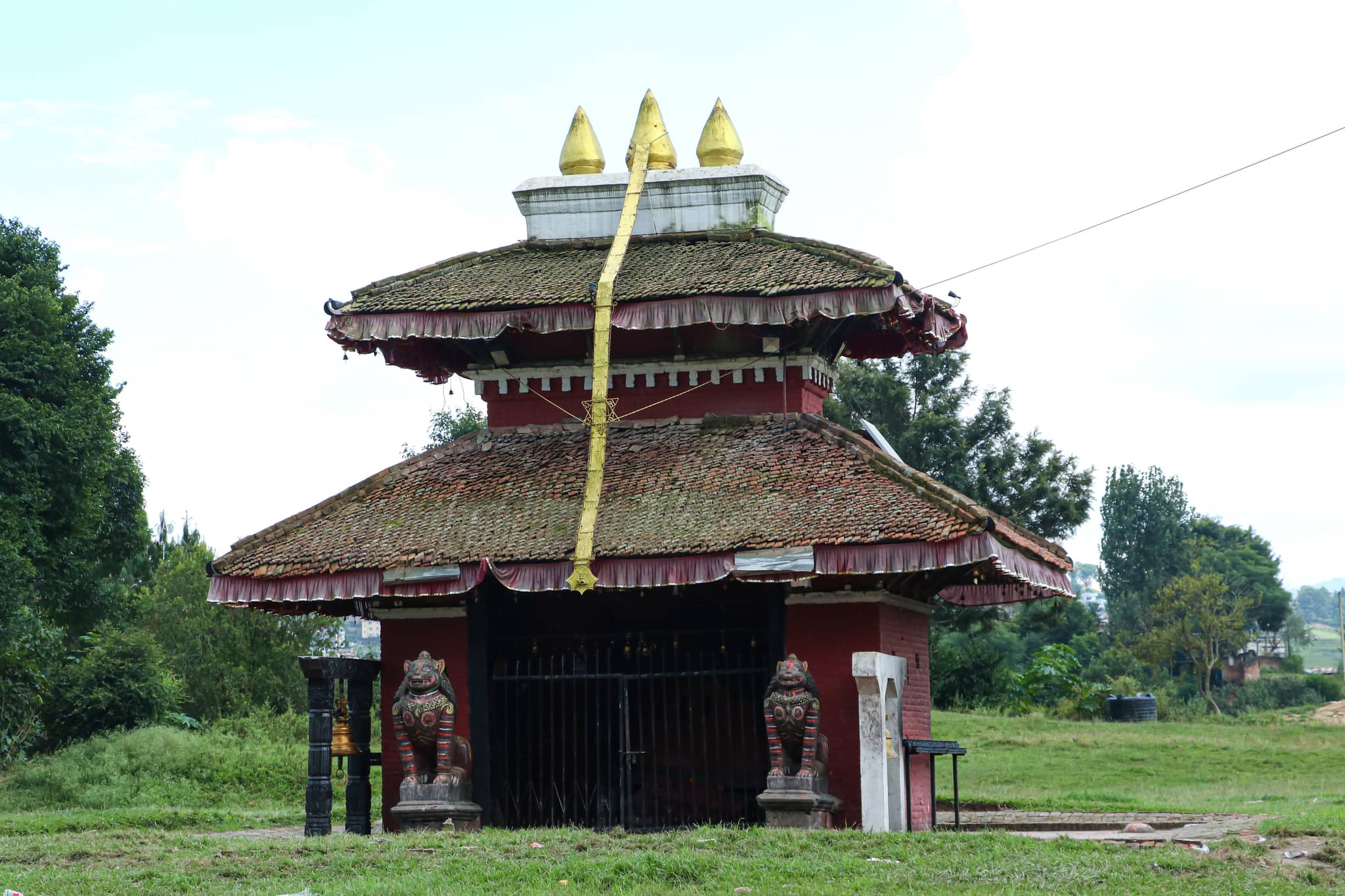
Khokana: A living Newari village showcasing ancient architecture, traditional crafts like mustard oil making, and the spiritual heart of Sikali Temple...
Highlights
Must-see attractions

Social
From TikTok & Reddit
Best Time
Pleasant weather, fewer crowds
Khokana Village
Best Time
Pleasant weather, fewer crowds
Highlights
Must-see attractions
Khokana: A living Newari village showcasing ancient architecture, traditional crafts like mustard oil making, and the spiritual heart of Sikali Temple.
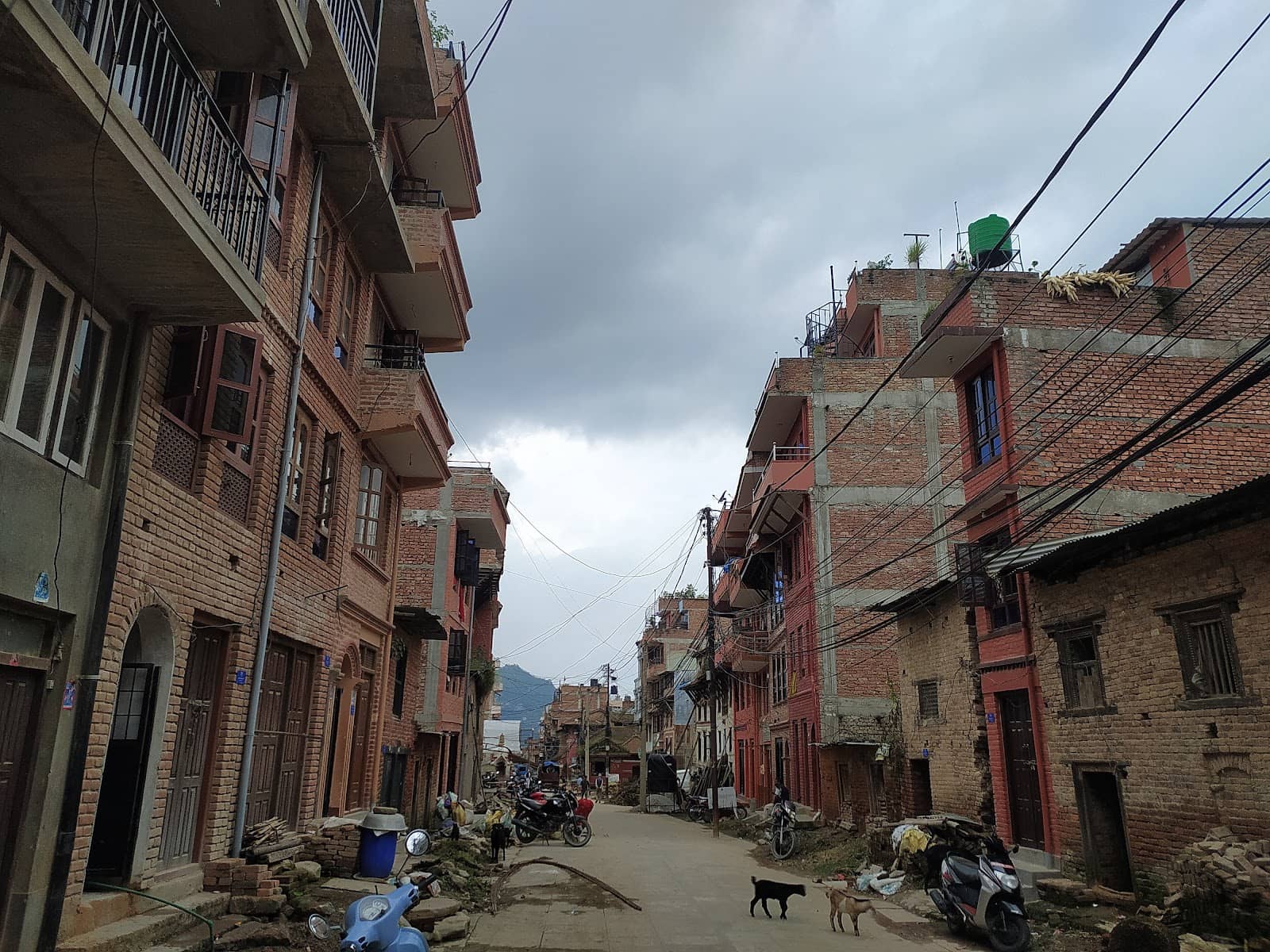
🚶♀️ Wander the alleys
Get lost in the charming narrow streets and discover hidden courtyards.
🛺 Local transport advice
Buses from Ekantakuna are a budget-friendly option to reach Khokana.
Quick Facts
Address
Highlights
Discover the most iconic attractions and experiences
Sikali Temple
Central Khokana
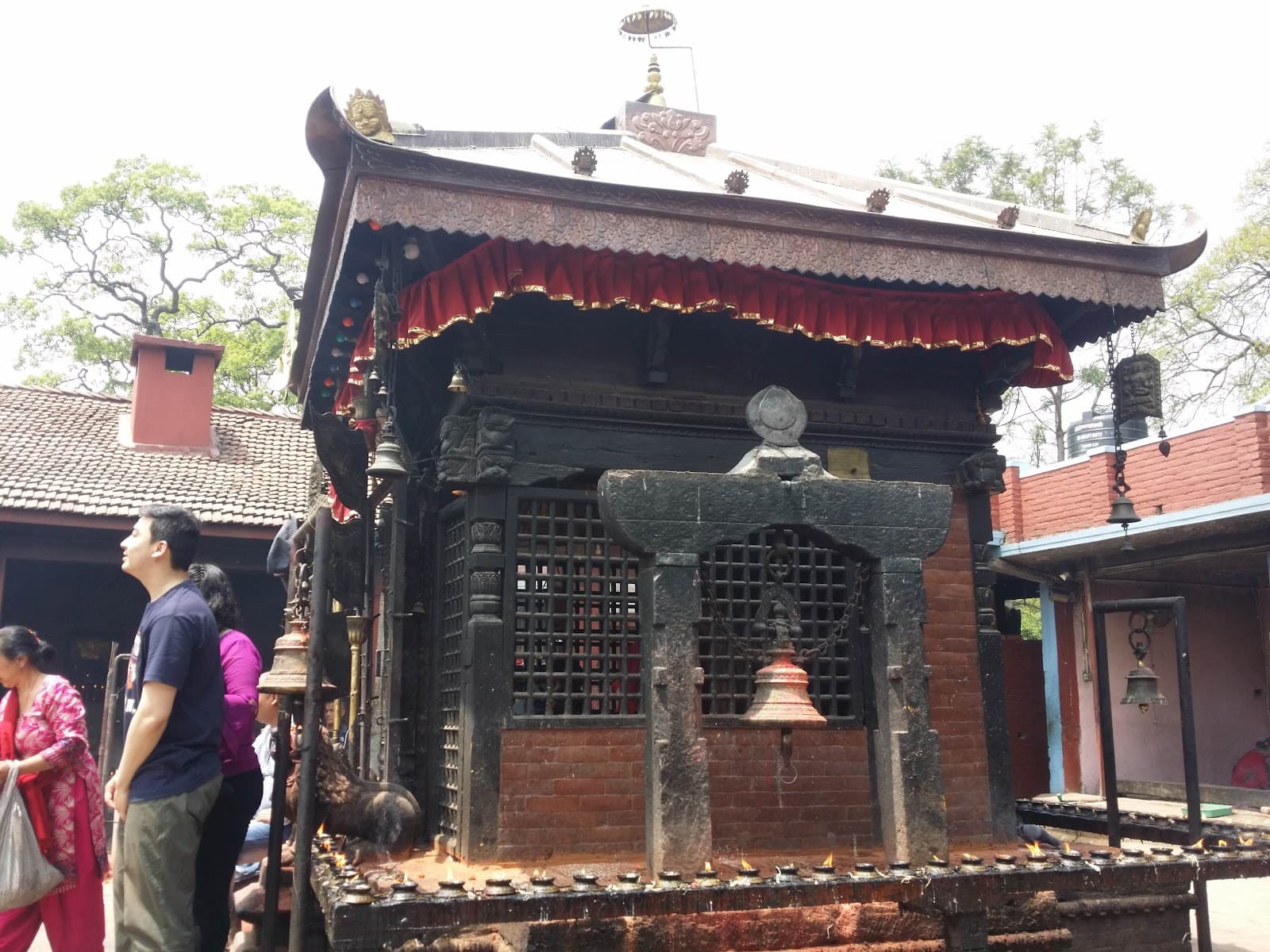
A sacred Hindu temple dedicated to Goddess Shikali, a spiritual heart of the village.
Traditional Newari Architecture
Throughout the village
Wander through narrow alleys and admire ancient, intricately carved wooden houses.
Mustard Oil Mills
Village outskirts
Witness the traditional method of extracting mustard oil, a unique local craft.
Plans like a pro.
Thinks like you
Planning Your Visit
Getting to Khokana
Best Time to Explore
Best Times
Insider Tips
from TikTok, Instagram & Reddit
🚶♀️ Wander the alleys
Get lost in the charming narrow streets and discover hidden courtyards.
🛺 Local transport advice
Buses from Ekantakuna are a budget-friendly option to reach Khokana.
📸 Capture the essence
Mornings offer beautiful light for photos of daily life.
Tips
from all over the internet
🚶♀️ Wander the alleys
Get lost in the charming narrow streets and discover hidden courtyards.
🛺 Local transport advice
Buses from Ekantakuna are a budget-friendly option to reach Khokana.
📸 Capture the essence
Mornings offer beautiful light for photos of daily life.
What Travellers Say
Reviews Summary
Visitors praise Khokana for its authentic Newari charm, well-preserved architecture, and the unique experience of witnessing traditional mustard oil extraction. It's a peaceful escape offering a glimpse into rural Nepali life. Some find the transport options a bit basic, and dining choices limited within the village itself.
What People Like
What People Dislike
Frequently Asked Questions
🚇 🗺️ Getting There
You can take a local bus from Kathmandu towards Lalitpur, then transfer to another bus heading to Khokana. Taxis are also readily available. For a more direct route from Thankot, consider heading towards Ekantakuna and then taking a bus to Khokana.
From Khokana, you can take a local bus or taxi back towards Satdobato and then catch a bus or taxi to Godawari.
Khokana is a walkable village. For longer distances or to reach nearby areas, local buses and taxis are available at the village entrance.
Local buses from Ekantakuna in Lalitpur frequently go towards Khokana. It's advisable to ask locals for the most current route information.
Yes, hiring a private car is a convenient option, especially if you plan to visit multiple sites like Bungamati and Godawari in one day.
🎫 🎫 Tickets & Entry
Generally, there is no specific entrance fee to wander through Khokana village itself. However, some temples or specific sites within the village might have small donation boxes or separate entry requirements.
Sikali Temple is usually open from early morning until evening. It's best to visit during daylight hours to fully appreciate the surroundings.
No advance booking is required for visiting Khokana village. It's an open-access area for exploration.
While not always formally advertised, local guides can often be found near the main temple area, offering insights into the village's history and culture.
Early mornings offer beautiful soft light and fewer people, making it ideal for capturing the village's charm and daily life.
📸 📸 Photography
The narrow alleys with traditional Newari houses, the Sikali Temple complex, and the mustard oil mills offer fantastic photographic opportunities.
Photography is generally permitted in the temple courtyards, but it's always respectful to check for any specific restrictions inside the main shrine.
A versatile lens like a 24-70mm is great for capturing both street scenes and architectural details. A wide-angle lens can be useful for the narrow alleys.
While not common, you might find local photographers offering informal tours or workshops. Inquire locally for possibilities.
Mid-morning can be good as the process is usually underway, and the light is suitable for capturing the action.


Social
from TikTok, Instagram & Reddit