
Ashoka Stupa South
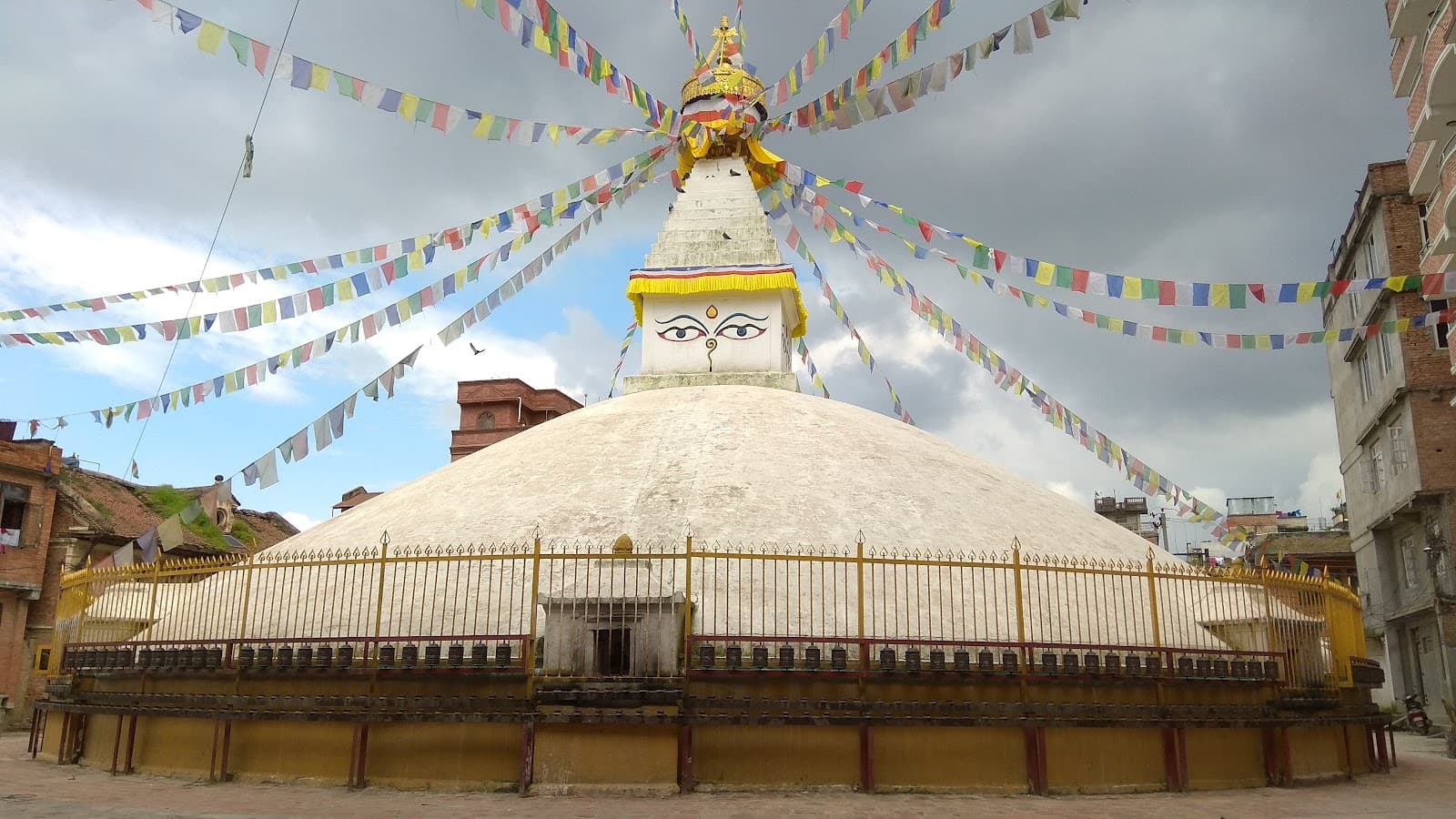
Discover the largest of Patan's four Ashoka Stupas, a historical landmark defining ancient city limits and showcasing unique Buddhist architecture.
Highlights
Must-see attractions

Social
From TikTok & Reddit
Best Time
Experience vibrant cultural worship
Ashoka Stupa South
Best Time
Experience vibrant cultural worship
Highlights
Must-see attractions
Discover the largest of Patan's four Ashoka Stupas, a historical landmark defining ancient city limits and showcasing unique Buddhist architecture.
"A significant historical and religious site marking ancient Patan's boundaries with traditional Buddhist architecture."

🎯 Explore All Four Stupas
Discover the historical significance of all four Ashoka Stupas that define ancient Patan's boundaries.
🚶♀️ Wander the Gardens
Enjoy the peaceful green gardens surrounding the stupas, perfect for a moment of reflection.

Quick Facts
Hours
Rating
4.4 · 108 reviews
Type
Place of Worship
Highlights
Discover the most iconic attractions and experiences
The Grand Southern Stupa
Lagankhel
The largest of the four Ashoka Stupas, featuring traditional Buddhist architecture and a serene garden setting.
Ancient Architectural Marvel
Patan
Witness the unique circular base and hemispherical dome, a testament to ancient Buddhist architectural traditions.

Historical Significance
Patan
Explore the site where King Ashoka is believed to have established these stupas, marking the ancient city's boundaries.
Plans like a pro.
Thinks like you
Planning Your Visit
Understand the History
Best Time for a Peaceful Visit
Best Times
Insider Tips
from TikTok, Instagram & Reddit
🎯 Explore All Four Stupas
Discover the historical significance of all four Ashoka Stupas that define ancient Patan's boundaries.
🚶♀️ Wander the Gardens
Enjoy the peaceful green gardens surrounding the stupas, perfect for a moment of reflection.
📸 Capture the Architecture
Photograph the unique circular base and hemispherical dome, a key feature of these ancient structures.

🙏 Respect Religious Sites
Be mindful of devotees and maintain a respectful demeanor while visiting these sacred Buddhist sites.
Tips
from all over the internet
🎯 Explore All Four Stupas
Discover the historical significance of all four Ashoka Stupas that define ancient Patan's boundaries.
🚶♀️ Wander the Gardens
Enjoy the peaceful green gardens surrounding the stupas, perfect for a moment of reflection.
📸 Capture the Architecture
Photograph the unique circular base and hemispherical dome, a key feature of these ancient structures.
🙏 Respect Religious Sites
Be mindful of devotees and maintain a respectful demeanor while visiting these sacred Buddhist sites.
What Travellers Say
Reviews Summary
Visitors praise the Ashoka Stupa South for its historical significance and architectural beauty, noting its role in defining ancient Patan. The serene gardens and peaceful atmosphere are often highlighted as positives, offering a tranquil escape. Some mention the need for better maintenance and clearer historical context on-site.
"The Ashok Stupa in Lagankhel, the largest among the four, is a significant historical and religious site. The stupa features traditional Buddhist architectural elements, including various Buddha statues, prayer wheels around the dome, and a beautiful pond beside"
Keshab Katuwal
"This ancient Buddhist stupa known as Ashok Stupa is one among the four Buddhist stupas established in Lalitpur, during the visit of King Ashoka to Nepal in 250 BC (Some say 4th Century). These four stupas are believed to mark four corners of ancient Patan city (Yala in Newari). They are Teta Thura (East) in Imadol, Lagan Thura (South) in Lagankhel, Pucho Thura (West) in Pulchowk, and Ibahi Thura (North) in Sankhamul. These 4 stupas were built to define the limits of the ancient town & it would may be possible from the top of any one to see balance three. It is 47.40 meters in diameter and 11.80 meters in height. The mound is crowned by a recent structure. The bajra is placed near the bottom of chaitya. It occupies a larger area of green garden."
Abin Limbu
"One of the Stupa built by King Ashoka on 4 directions of Patan City.. Blessed place.."
sangay gurung
What People Like
What People Dislike
Frequently Asked Questions
🚇 🗺️ Getting There
Ashoka Stupa South, also known as Lagan Khel Stupa or Lagan Thura Stupa, is located in Lagankhel, Lalitpur. You can reach it by local bus or taxi from Kathmandu or other parts of the Kathmandu Valley. It's easily accessible within the city of Patan.
The four Ashoka Stupas are strategically placed to mark the ancient boundaries of Patan. While the Southern Stupa in Lagankhel is prominent, exploring all four might require some navigation within the city.
Walking is a great way to experience the city and discover the stupas. Alternatively, local taxis or rickshaws can be hired for convenience, especially if you're short on time.
🎫 🎫 Tickets & Entry
Generally, there is no entrance fee to visit the Ashoka Stupas. They are open public spaces, though donations are always appreciated by local communities.
The stupas are typically accessible throughout the day. However, it's best to visit during daylight hours for better visibility and a more pleasant experience.
Yes, visiting during festivals like Gunla Parva can be a unique experience, but expect larger crowds.
🎫 🧭 Onsite Experience
You'll find the largest of the four Ashoka Stupas, with its distinctive circular base and hemispherical dome. The site also features a beautiful pond and a peaceful garden area.
Basic facilities like seating areas might be available. It's advisable to carry your own water and snacks, especially during warmer months.
Absolutely! The unique architecture and serene surroundings make it a great spot for photography. Capture the details of the stupa and the surrounding landscape.
These stupas are believed to have been erected by Emperor Ashoka in 250 BC, marking the four corners of ancient Patan and serving as a testament to the spread of Buddhism.
📸 📸 Photography
The base of the stupa offers great perspectives of its scale. The surrounding gardens provide a serene backdrop, and the pond can offer reflective shots.
Generally, photography is allowed, but always be respectful of worshippers and avoid intrusive photography, especially during prayer times.
Early morning or late afternoon light can be ideal for capturing the stupa's details and creating a warm, inviting atmosphere.


Social
from TikTok, Instagram & Reddit