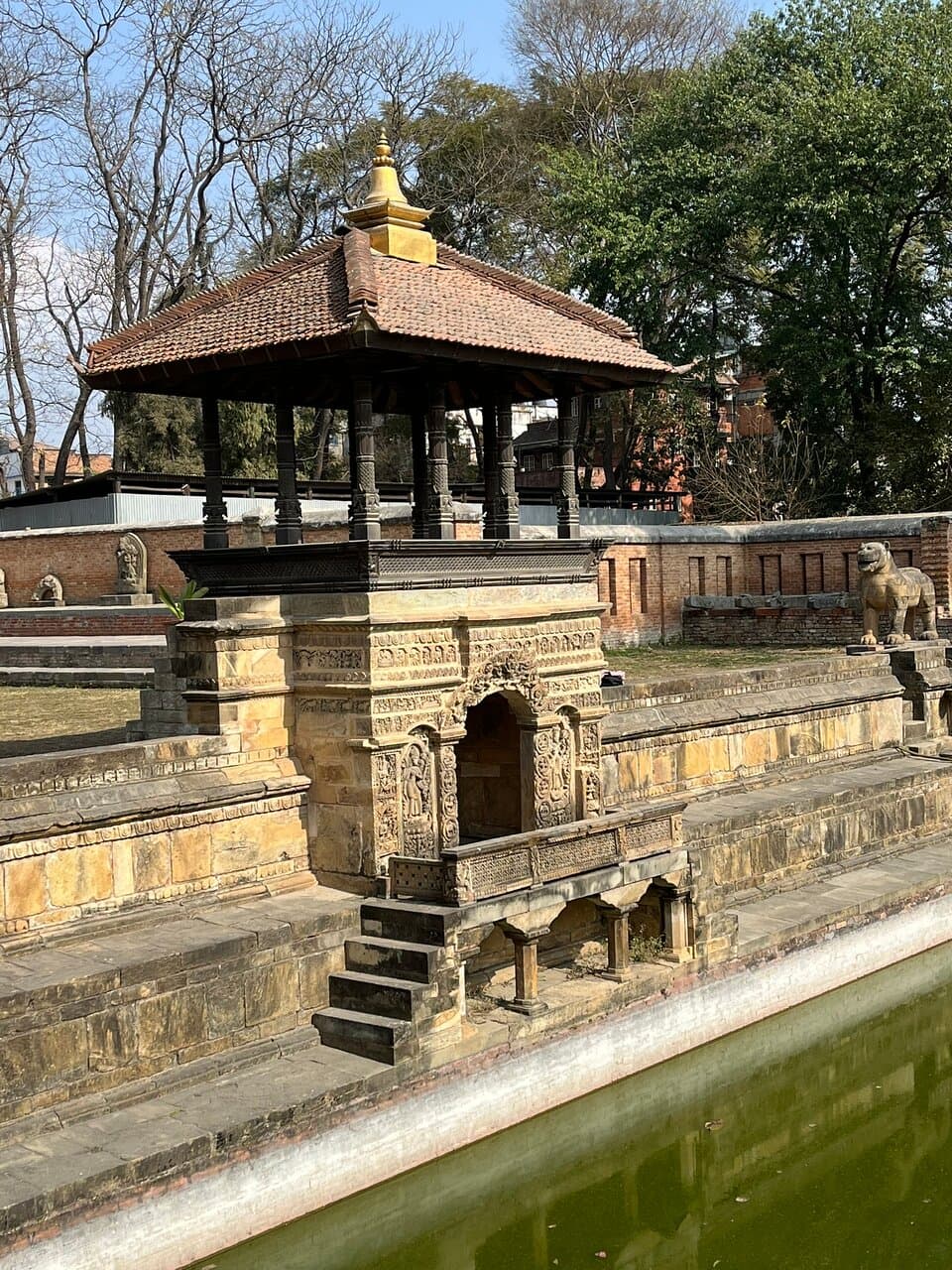
Mul Chowk
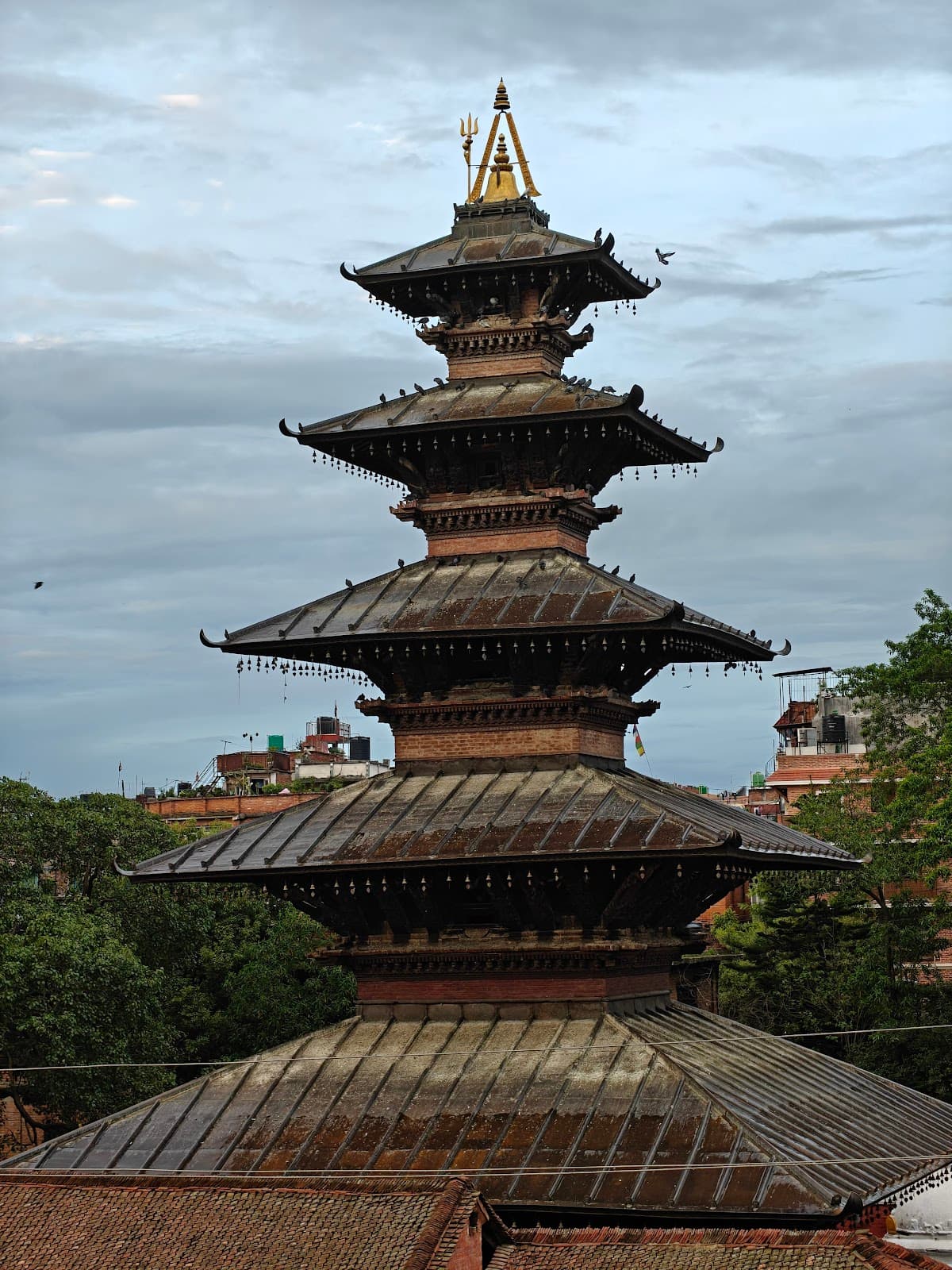
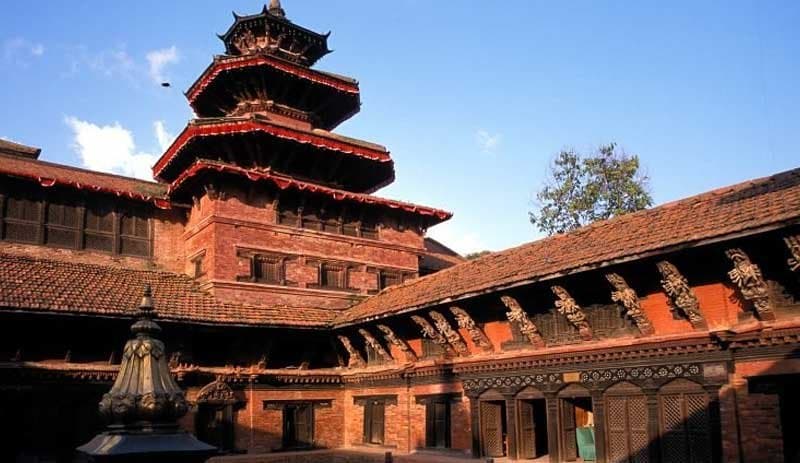
Patan's largest and oldest royal courtyard, rebuilt after 2015, featuring the sacred Taleju Bhawani temple.
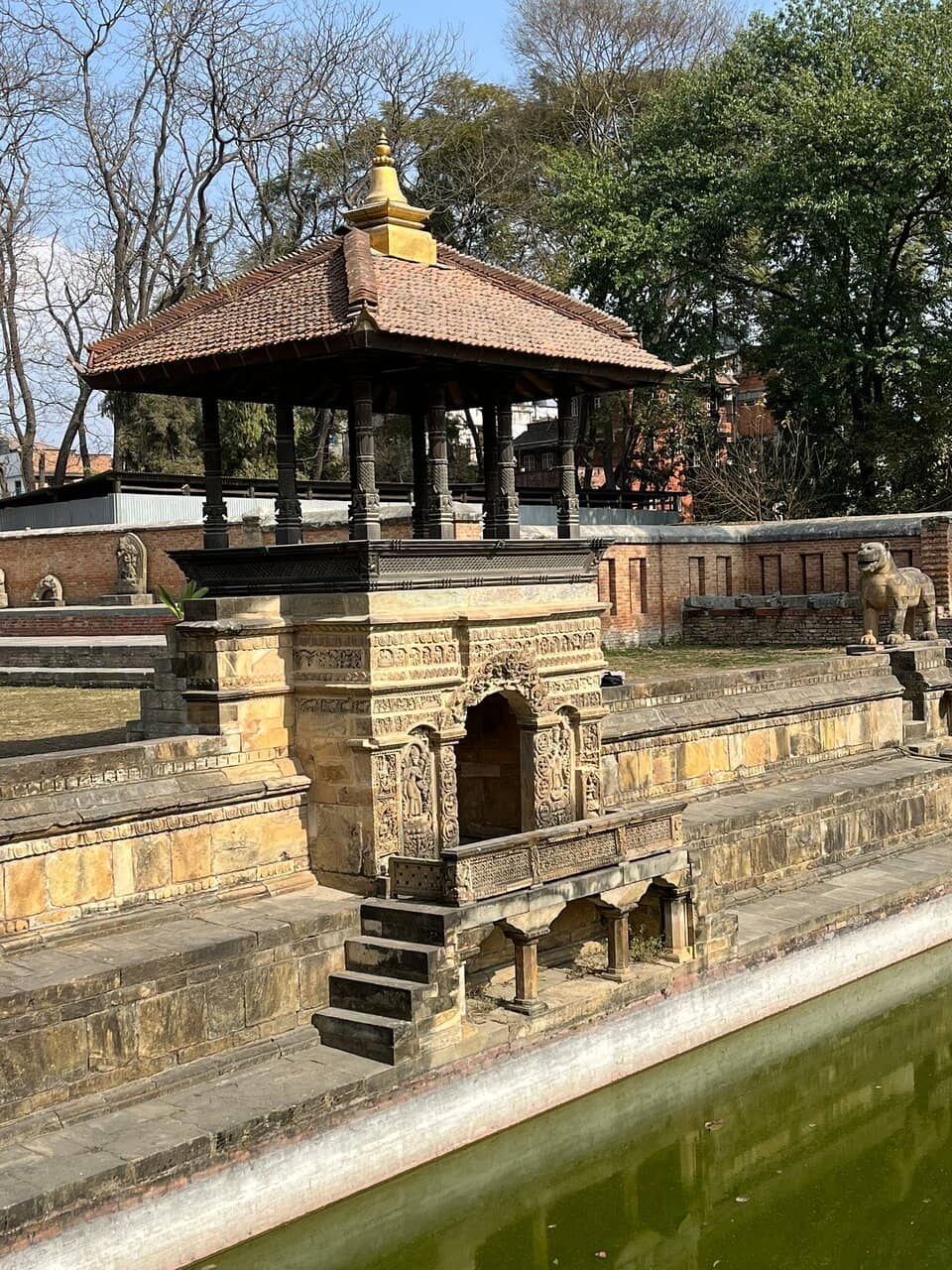
Highlights
Must-see attractions

Social
From TikTok & Reddit
Best Time
Fewer crowds, better light for photos
Mul Chowk
Best Time
Fewer crowds, better light for photos
Highlights
Must-see attractions
Patan's largest and oldest royal courtyard, rebuilt after 2015, featuring the sacred Taleju Bhawani temple.
"A beautiful historical place, the central courtyard of Patan's Royal Palace, full of history."
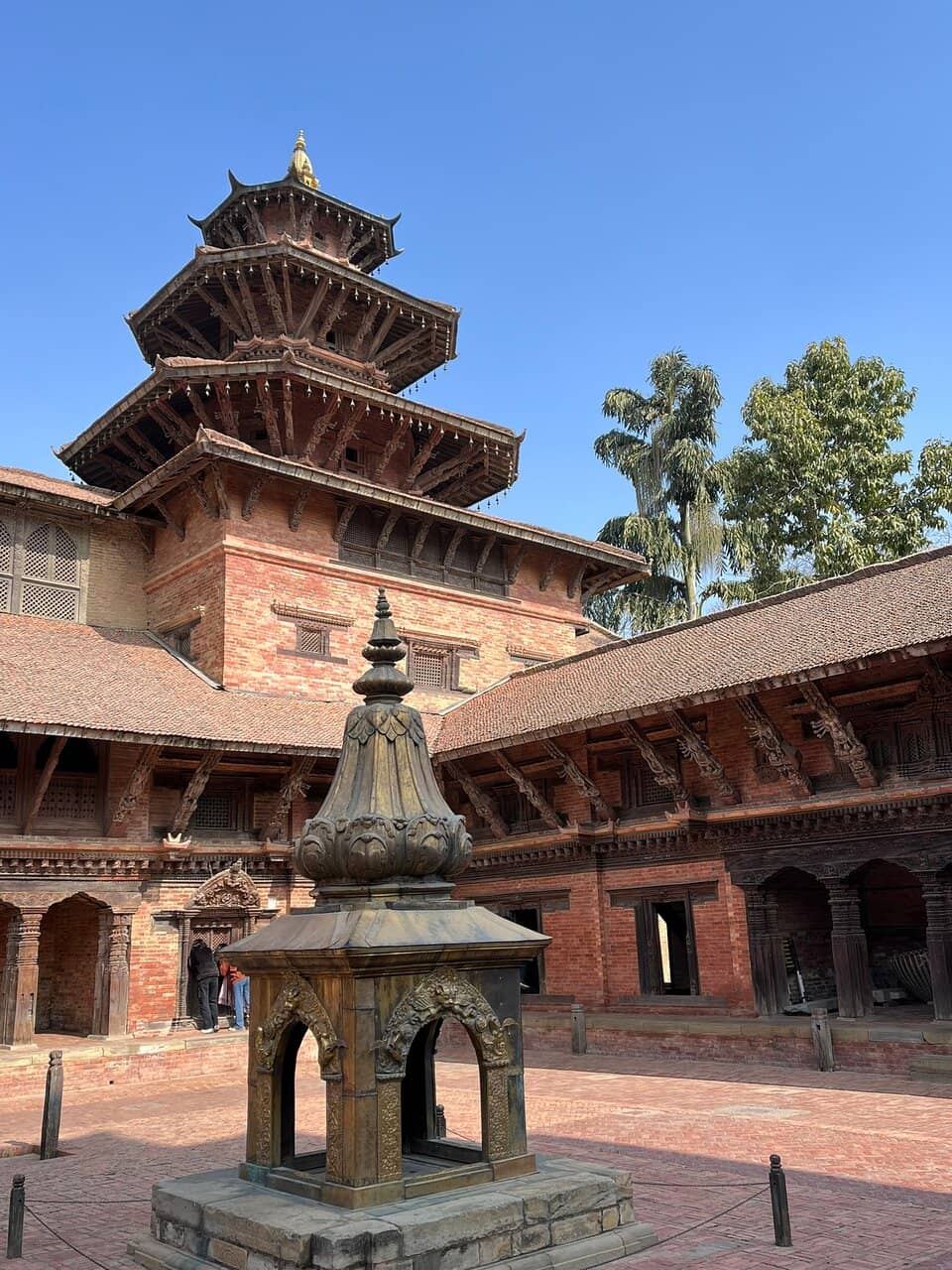
Combine with Patan Museum
Visiting the Patan Museum is highly recommended; Mul Chowk is within its vicinity. :museum_camera:
Explore the Side Streets
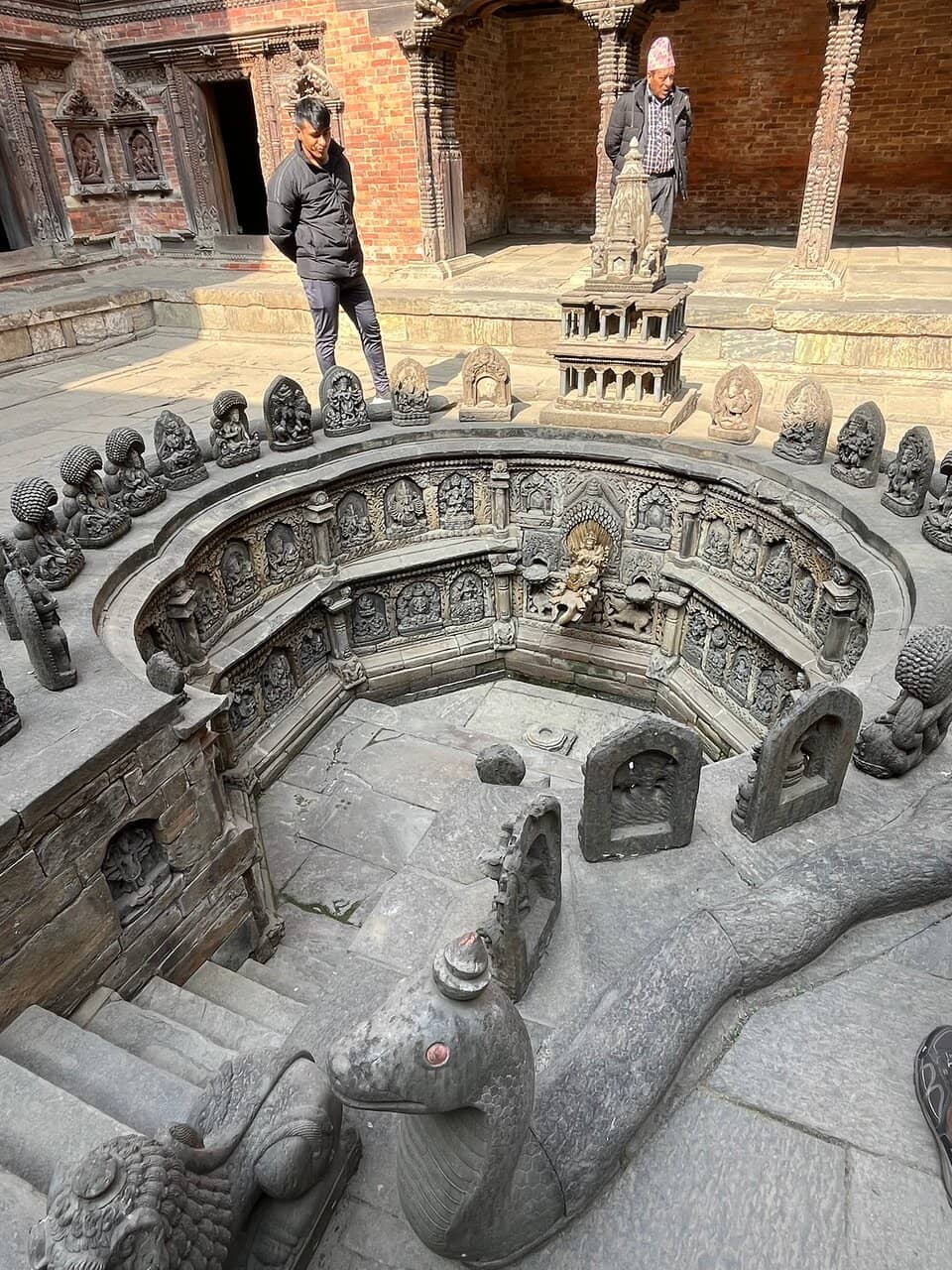
Don't miss the smaller gems like Tusha Hiti; Patan Durbar Square has many hidden corners. :world_map:
Quick Facts
Hours
Rating
4.8 · 39 reviews
Type
Historical Landmark
Highlights
Discover the most iconic attractions and experiences
Central Courtyard
Patan Royal Palace
The largest and oldest square, rebuilt after the 2015 earthquake, featuring a central temple.

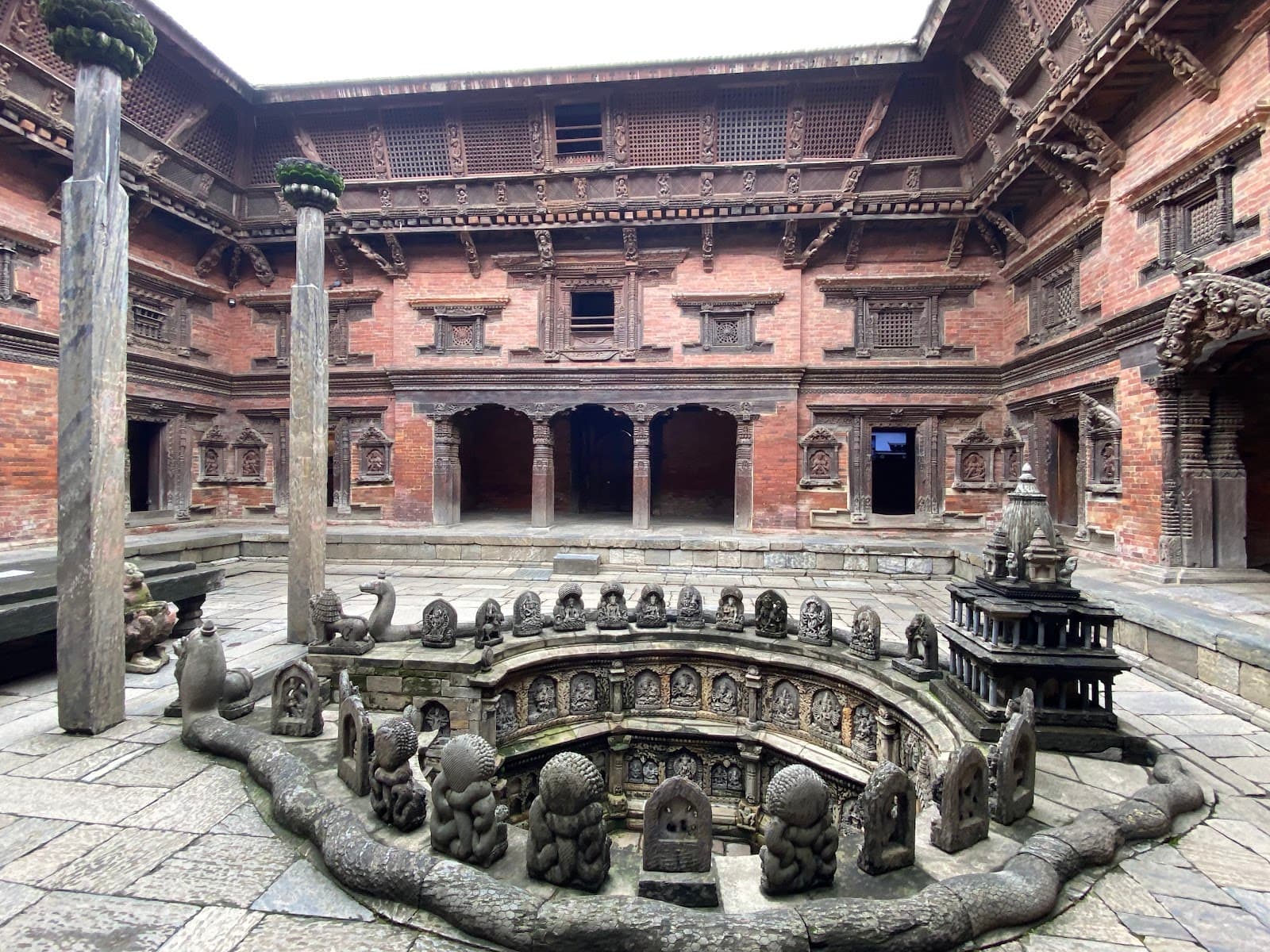
Tusha Hiti (Royal Bath)
Patan Royal Palace
An intricate and historically significant royal bath, a hidden gem within the palace complex.
Temple of Taleju Bhawani
Mul Chowk
The sacred temple where Goddess Taleju Bhawani resides, a focal point for devotees.
Plans like a pro.
Thinks like you
Planning Your Visit
Timing Your Visit to Mul Chowk
Understanding Mul Chowk's Significance
Best Times
Insider Tips
from TikTok, Instagram & Reddit
Combine with Patan Museum
Visiting the Patan Museum is highly recommended; Mul Chowk is within its vicinity. :museum_camera:
Explore the Side Streets
Don't miss the smaller gems like Tusha Hiti; Patan Durbar Square has many hidden corners. :world_map:
Respect Religious Sites
Be mindful of the religious significance, especially the Taleju Bhawani temple. 🙏
Allow ample time
Spend a full day exploring Patan Durbar Square and its numerous historical sites. :clock1:
Tips
from all over the internet
Combine with Patan Museum
Visiting the Patan Museum is highly recommended; Mul Chowk is within its vicinity. :museum_camera:
Explore the Side Streets
Don't miss the smaller gems like Tusha Hiti; Patan Durbar Square has many hidden corners. :world_map:
Respect Religious Sites
Be mindful of the religious significance, especially the Taleju Bhawani temple. 🙏
Allow ample time
Spend a full day exploring Patan Durbar Square and its numerous historical sites. :clock1:
What Travellers Say
Reviews Summary
Visitors find Mul Chowk to be a historically significant and architecturally beautiful central courtyard within the Patan Royal Palace. Its reconstruction after the 2015 earthquake is noted, and its connection to Goddess Taleju Bhawani adds to its spiritual importance. Many recommend visiting alongside the Patan Museum to fully appreciate the area's heritage.
"The biggest and oldest square in the Royal Palace. It was built in 1665 (after the original buildings burned), was badly damaged by the devastating earthquake of 2015 and required extensive reconstruction."
Gary Brazel
"This is the central of the 3 main courtyards in the royal palace. The courtyard is pretty big and there is a small temple in the middle. It is quite simple looking but full of history and rather beautiful.
Visiting the Patan Museum should be very high on your list of things to do in the Kathmandu area, and while you are at the museum, this is one of the places you should visit."
Gunnar Caya
"Beautiful historical places in Patan. Mul Chowk is the central courtyard and largest courtyard among the three main Chowks in Patan."
Boy Anupong
What People Like
What People Dislike
Frequently Asked Questions
🚇 🗺️ Getting There
Mul Chowk is located within the Patan Royal Palace complex, which is part of Patan Durbar Square. You can reach Patan Durbar Square by taxi, local bus, or ride-sharing services from Kathmandu. Once inside the square, Mul Chowk is a central and easily identifiable courtyard.
Yes, Mul Chowk is a main courtyard within the Patan Royal Palace. Access is generally straightforward once you are within the Durbar Square area. Be prepared for some walking within the complex.
The best way to explore Patan Durbar Square, including Mul Chowk, is on foot. The area is best appreciated by walking and discovering its many historical and architectural details.
🎫 🎫 Tickets & Entry
Mul Chowk is part of the Patan Royal Palace complex, which requires an entrance fee for foreign tourists. This fee typically covers access to the entire Durbar Square area, including Mul Chowk and the Patan Museum.
Mul Chowk, being part of the Patan Royal Palace and Durbar Square, generally follows the opening hours of the Patan Museum and the square itself. These are typically from around 9 AM to 5 PM or 6 PM, but it's advisable to check current timings.
The entrance fee for Patan Durbar Square, which includes access to Mul Chowk, is subject to change. Foreign tourists usually pay a fee, while Nepali citizens may have free access or a nominal charge. Check the official ticket counter for the most up-to-date prices.
Currently, tickets for Patan Durbar Square and its attractions like Mul Chowk are typically purchased on-site at the ticket counter. It's recommended to confirm if online booking options are available closer to your travel date.
🎫 🏛️ Onsite Experience
Mul Chowk is the largest and oldest courtyard, featuring a central temple dedicated to Goddess Taleju Bhawani. You can admire the historical architecture and the peaceful ambiance of this significant royal space.
Yes, Mul Chowk offers beautiful architectural details and historical significance, making it a great spot for photography. The central temple and the surrounding structures provide excellent photo opportunities.
Mul Chowk was built in 1665 and is the central and largest of the three main courtyards in Patan's Royal Palace. It's historically significant as the residence of Goddess Taleju Bhawani.
While there might not be specific tours solely for Mul Chowk, you can often hire licensed guides at Patan Durbar Square who can provide in-depth information about Mul Chowk and other historical sites within the complex.
Tusha Hiti, meaning Royal Bath, is a notable feature within the Patan Royal Palace complex, often found near Mul Chowk. It's an example of intricate water architecture and historical royal amenities.
🍽️ 🍽️ Food & Dining
Mul Chowk itself is a historical courtyard and does not have restaurants or cafes. However, you will find numerous eateries, cafes, and restaurants in and around Patan Durbar Square offering local and international cuisine.
Near Mul Chowk and within Patan Durbar Square, you can find traditional Nepali dishes like Dal Bhat, momos, and Newari specialties. Many cafes also offer snacks and beverages.
Yes, you can find budget-friendly food options in the smaller eateries and local stalls surrounding Patan Durbar Square. Look for places frequented by locals for authentic and affordable meals.
📸 📸 Photography
The central temple, the intricate carvings on the surrounding buildings, and the overall courtyard layout are excellent photo opportunities in Mul Chowk. The Tusha Hiti also offers unique photographic potential.
Generally, photography is allowed in the public areas of Mul Chowk. However, always be respectful and avoid taking photos inside temples or of people without their permission. Check for any specific signage regarding photography rules.
The early morning or late afternoon often provides the best natural light for photography in Mul Chowk, minimizing harsh shadows and creating a softer, more atmospheric look.



Social
from TikTok, Instagram & Reddit