
Orokonui Ecosanctuary
Discover New Zealand's unique wildlife in a predator-free native forest sanctuary, home to rare birds and towering trees.
Highlights
Must-see attractions

Social
From TikTok & Reddit
Best Time
Best for wildlife activity
Orokonui Ecosanctuary
Best Time
Best for wildlife activity
Highlights
Must-see attractions
Discover New Zealand's unique wildlife in a predator-free native forest sanctuary, home to rare birds and towering trees.
"A truly amazing two-hour tour that deepened our appreciation of the sanctuary's natural and cultural history."
Wear Comfy Shoes! :athletic_shoe:
Uneven terrain and walking trails mean comfy shoes are a must for exploring.
Bring Water & Sun Protection :droplet:☀️
Stay hydrated and protected, especially on warmer days. Hats and sunscreen are recommended.
Quick Facts
Hours
Rating
4.8 · 968 reviews
Type
Wildlife Refuge
Highlights
Discover the most iconic attractions and experiences
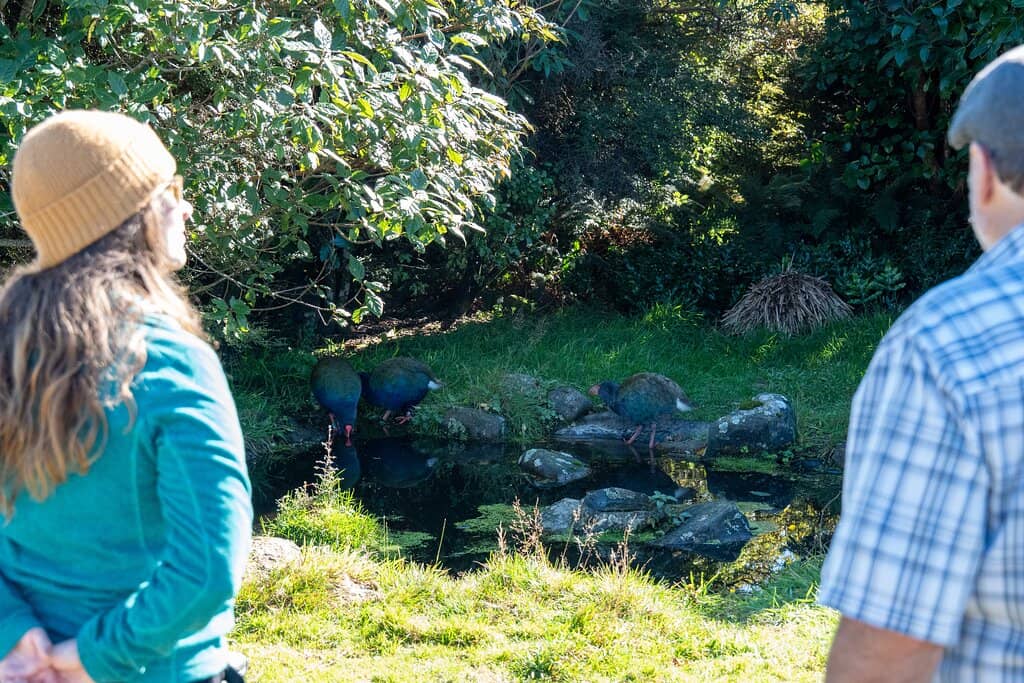
Takahē Pair and Chicks
Feeding stations
Witness the rare Takahē, a large, flightless bird, and their chicks. A truly special sight with only about 500 left in the wild.


Native Birdsong and Sightings
Walking trails
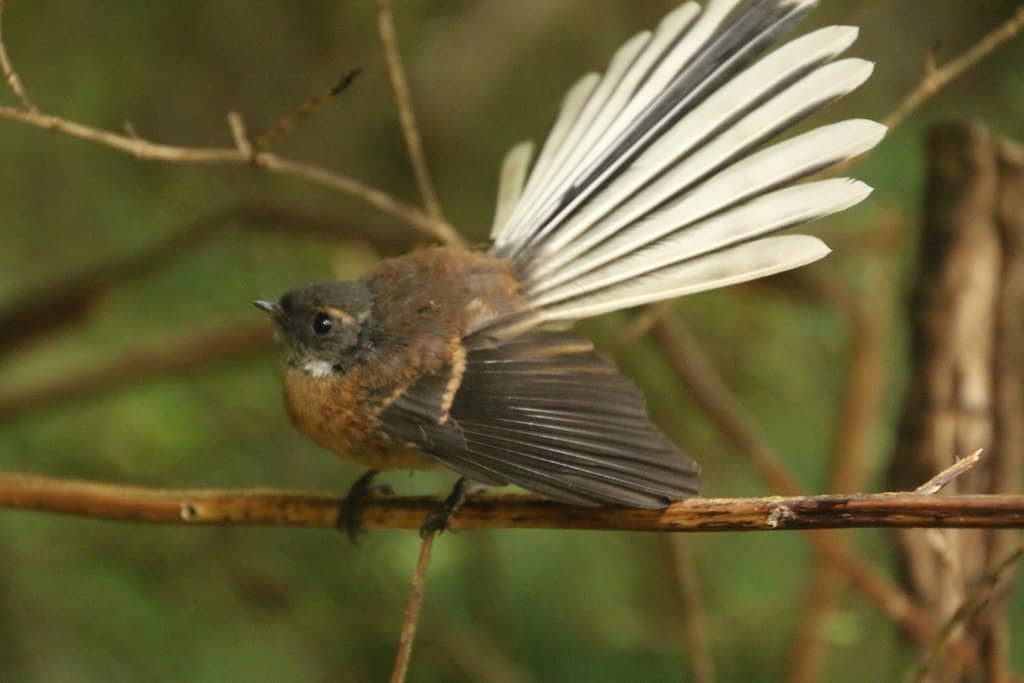
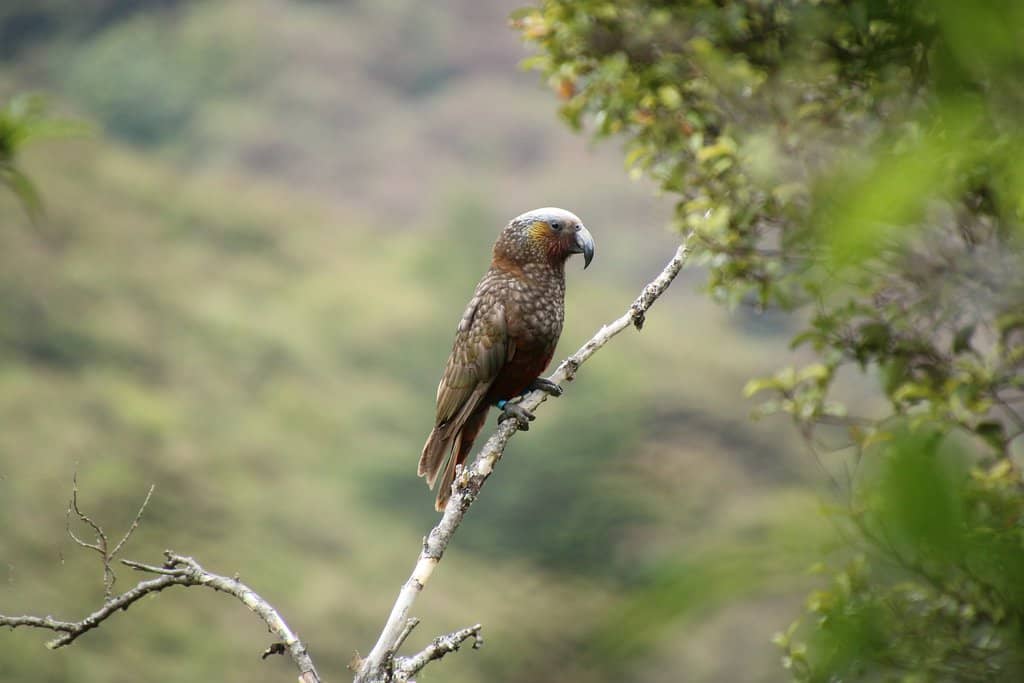
Immerse yourself in the symphony of native birdsong and spot species like Tui, Korimako, Kaka, and Kererū.
New Zealand's Tallest Tree
Visitor Centre area
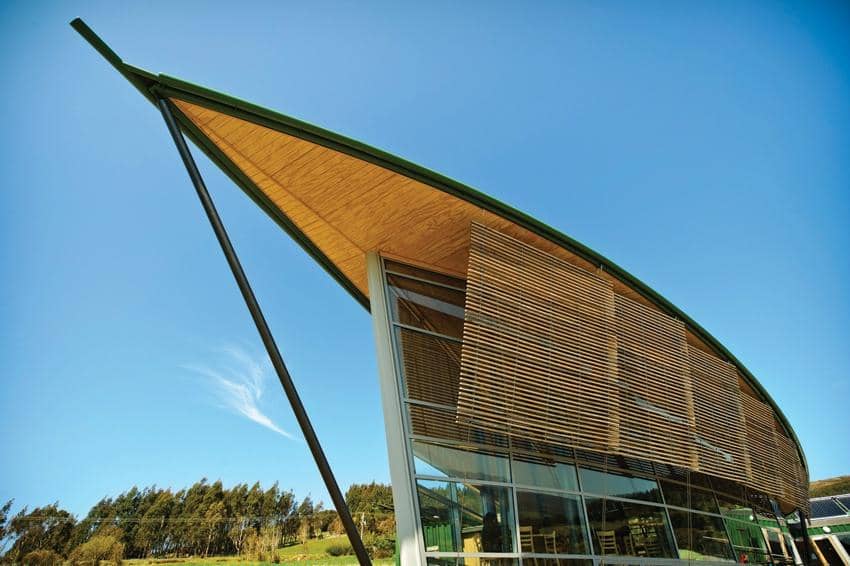
Marvel at the towering Mountain Ash (Eucalyptus regnans), an Australian native planted in the 1870s, reaching over 80 meters.
Predator-Free Forest Experience
Throughout the sanctuary
Explore the largest predator-free forest in the South Island, a safe haven for native flora and fauna.
Plans like a pro.
Thinks like you
Planning Your Visit
Timing is Key for Wildlife Spotting
Comfortable Footwear is Essential
Best Times
Insider Tips
from TikTok, Instagram & Reddit
Wear Comfy Shoes! :athletic_shoe:
Uneven terrain and walking trails mean comfy shoes are a must for exploring.
Bring Water & Sun Protection :droplet:☀️
Stay hydrated and protected, especially on warmer days. Hats and sunscreen are recommended.
Patience for Wildlife :camera_with_flash:
Be patient to spot birds and other protected wildlife up close. Feeding stations are good spots.
Guided Tours Enhance Experience :busts_in_silhouette:
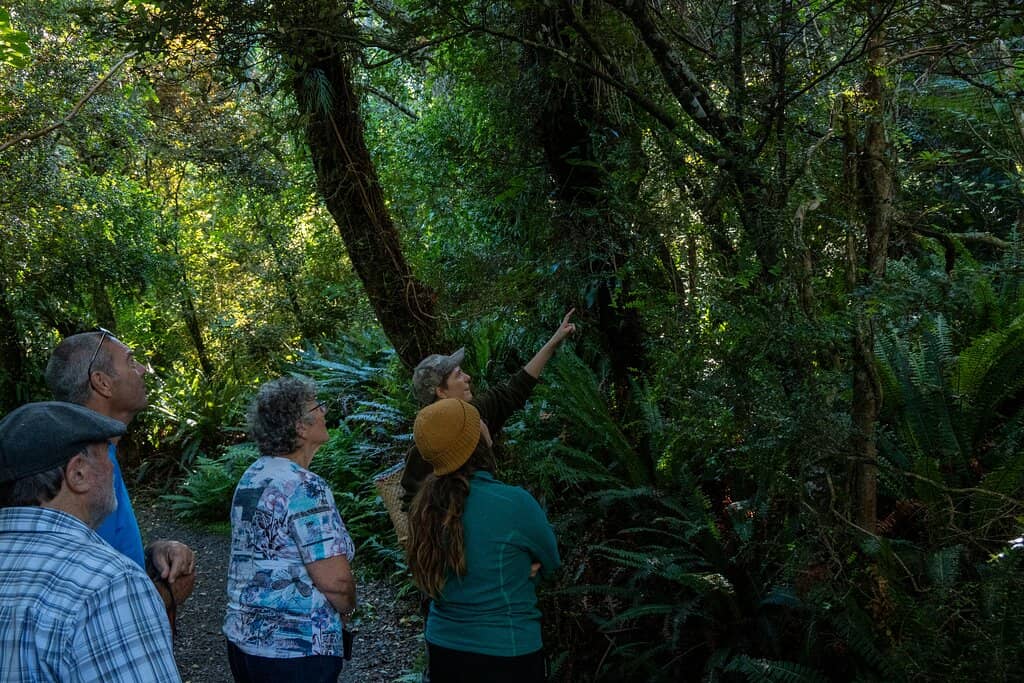
A guided tour offers deep insights into natural and cultural history.
Tips
from all over the internet
Wear Comfy Shoes! :athletic_shoe:
Uneven terrain and walking trails mean comfy shoes are a must for exploring.
Bring Water & Sun Protection :droplet:☀️
Stay hydrated and protected, especially on warmer days. Hats and sunscreen are recommended.
Patience for Wildlife :camera_with_flash:
Be patient to spot birds and other protected wildlife up close. Feeding stations are good spots.
Guided Tours Enhance Experience :busts_in_silhouette:
A guided tour offers deep insights into natural and cultural history.
Check for Special Events 📅
The sanctuary sometimes hosts unique events like Tui parties or educational climbs.
What Travellers Say
Reviews Summary
Visitors consistently praise Orokonui Ecosanctuary for its incredible biodiversity and the success of its conservation efforts. The opportunity to see rare native birds like the Takahē up close is a major highlight, alongside the immersive experience of walking through a predator-free native forest. Some note that the terrain can be uneven and recommend comfortable footwear, while others highlight the value of guided tours for deeper insights.
"It is an ecological island wildlife reserve developed by the Otago Natural History Trust in the Orokonui Valley - 20km from Dunedin. It covers about 290 ha or 720 acres of regenerating native forest. Lots of wildlife, especially birds can be seen at the feeding stations. There is a visitor and education centre. Entry fees are payable. Popular place, need to go early to avoid the heat too. Fair bit of walking around under tree shade. The terrain is uneven. Toilets available. Restaurant is available at centre. Wear comfy shoes, take water, wear hat, sunscreen. Beautiful place. Lots to see. Parking is easy. Great place for photography."
s vivekananda
"We had an amazing two-hour tour at Orokonui Ecosanctuary. As a couple, we really appreciated how our guide not only knew so much about the natural history but also shared fascinating insights into the cultural history of the area. Their enthusiasm made the experience engaging from start to finish, and it truly deepened our appreciation of the sanctuary. Highly recommend!"
Jordan Evans
"Such a great place to visit if you love nature and the outdoors. So many native birds, I’ve never seen so many Korimako-Bellbird and Tui!! We saw Takahe, Kaka, Otago skink (Mokomoko) and Jewelled Gecko as well 😃"
Wayne Naylor
What People Like
What People Dislike
Frequently Asked Questions
🚇 🗺️ Getting There
Orokonui Ecosanctuary is located about 20km north of Dunedin. Driving is the most common method, with easy parking available. Public transport options may be limited, so check local bus schedules if you're not driving.
While driving is recommended for ease, it's worth checking current Dunedin bus routes as services can change. Some visitors mention Dunedin's general accessibility for exploring.
The sanctuary is best explored on foot via its walking trails. Be prepared for uneven terrain and shaded forest paths.
Dunedin itself offers many attractions, including Tunnel Beach and Larnach Castle, which can be explored on a day trip. +1
From Dunedin, head north and follow signs for Orokonui Ecosanctuary. The drive takes approximately 20-30 minutes depending on traffic.
🎫 🎫 Tickets & Entry
Entry fees are payable for the sanctuary. It's advisable to check the official Orokonui Ecosanctuary website for the most current pricing and any potential discounts.
The sanctuary is generally open daily, but it's best to confirm the exact opening and closing times on their official website before your visit.
Yes, tickets are typically available for purchase upon arrival at the visitor centre. Arriving early is recommended, especially during peak times.
Information on discounts for students, seniors, or families is usually available on the sanctuary's website. It's always a good idea to inquire at the visitor centre.
Booking a guided tour in advance is highly recommended, especially if you want to gain deeper insights into the sanctuary's natural and cultural history.
🎫 🌿 Onsite Experience
You can see a variety of native New Zealand wildlife, including Takahē, Tui, Korimako, Kaka, Otago skink, Jewelled Gecko, and many other native birds.
The sanctuary offers a variety of walking trails, with some being more challenging due to uneven terrain. The visitor centre can provide guidance on trails suited to different fitness levels.
Yes, Orokonui Ecosanctuary is a great place for photography, with opportunities to capture native birds, unique flora, and stunning landscapes.
The visitor and education centre offers facilities including toilets, a restaurant, and information about the sanctuary.
As an ecosanctuary protecting native wildlife, pets are generally not permitted within the sanctuary grounds to ensure the safety of the animals.
🍽️ 🍽️ Food & Dining
Yes, there is a restaurant available at the visitor centre, offering refreshments and meals for visitors.
While specific picnic areas aren't always highlighted, it's generally a good idea to check with the visitor centre about designated areas for picnics.
The restaurant typically offers a range of options, often featuring local produce. It's best to check their menu for current offerings.
Most cafes and restaurants in New Zealand are increasingly offering vegetarian and vegan options. Inquiring at the visitor centre or restaurant directly is recommended.
The restaurant or cafe usually provides lighter snacks and beverages in addition to full meals.
📸 📸 Photography
Feeding stations are excellent for observing and photographing birds. Keep an eye out along the walking trails for other wildlife.
Drone usage is typically restricted in sensitive ecological areas to avoid disturbing wildlife. It's crucial to check the sanctuary's specific drone policy before flying.
A telephoto lens is highly recommended for capturing birds and other wildlife. A wide-angle lens can be useful for landscape shots of the forest.
Takahē are known to be quite approachable and not afraid of people, making them excellent subjects for close-up photography.
The forest canopy can create dappled light. Early morning and late afternoon often provide softer, more flattering light for photography.


Social
from TikTok, Instagram & Reddit