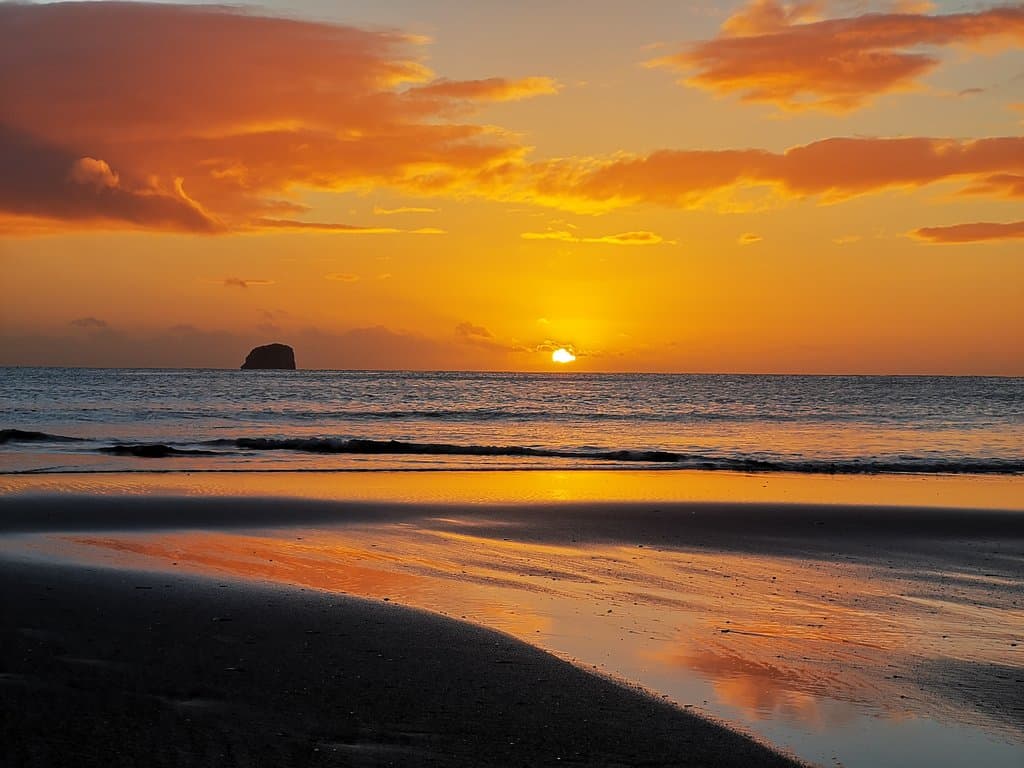
Hot Water Beach
Dig your own natural spa on this unique Coromandel beach, where geothermal springs heat the sand.
Highlights
Must-see attractions

Social
From TikTok & Reddit
Best Time
Essential for hot water pools
Hot Water Beach
Best Time
Essential for hot water pools
Highlights
Must-see attractions
Dig your own natural spa on this unique Coromandel beach, where geothermal springs heat the sand.

Check Tide Times First! ⏰
Crucial for the hot water experience. Plan your visit around low tide for the best soak.
Bring Your Own Spade 🏖️
Or rent one nearby. Essential for digging your personal hot pool.

Quick Facts
Highlights
Discover the most iconic attractions and experiences
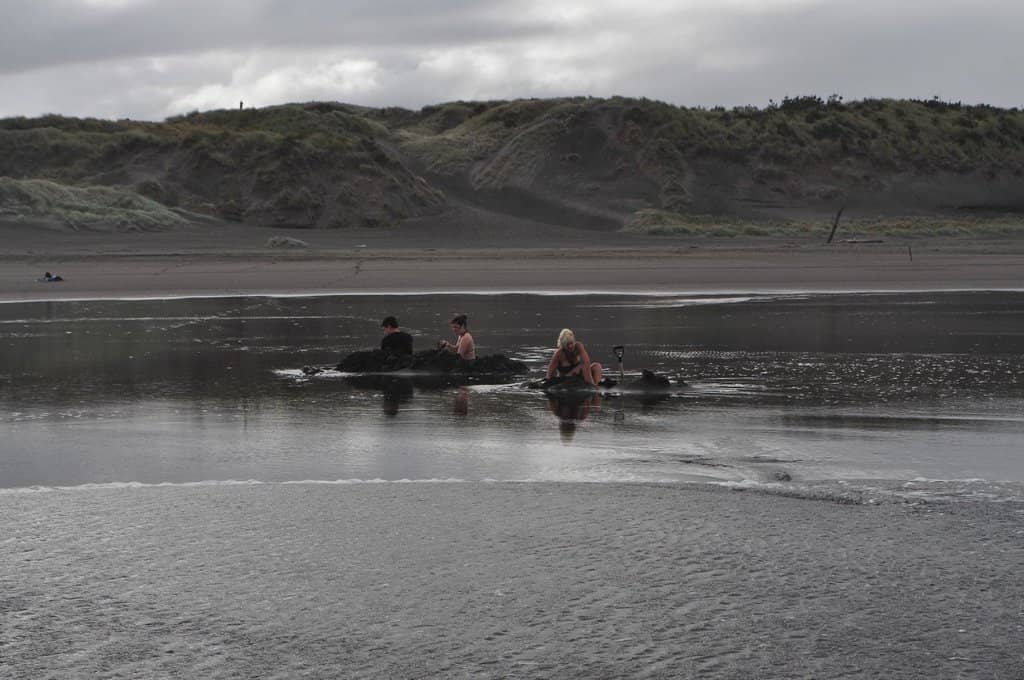
DIY Hot Pools
The main beach area
Dig your own natural spa in the sand and soak in geothermally heated water. Pure bliss!
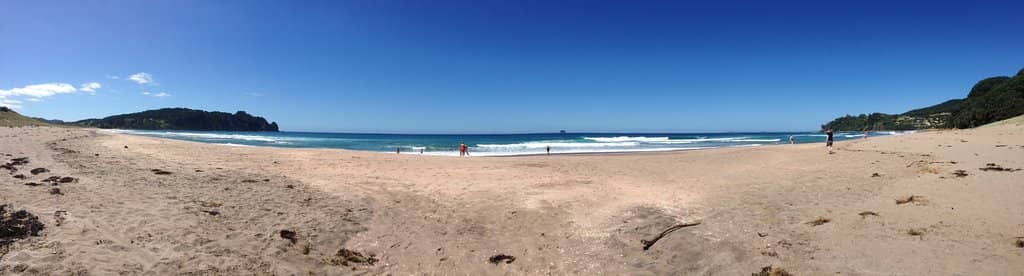
Coastal Scenery
Along the shoreline
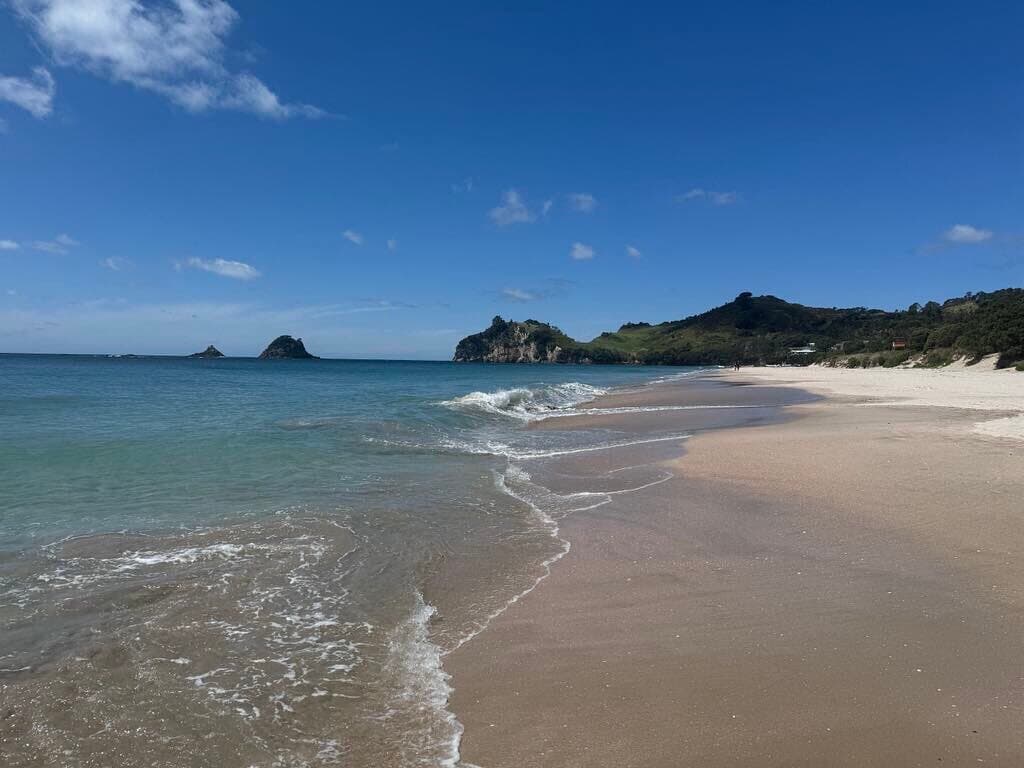
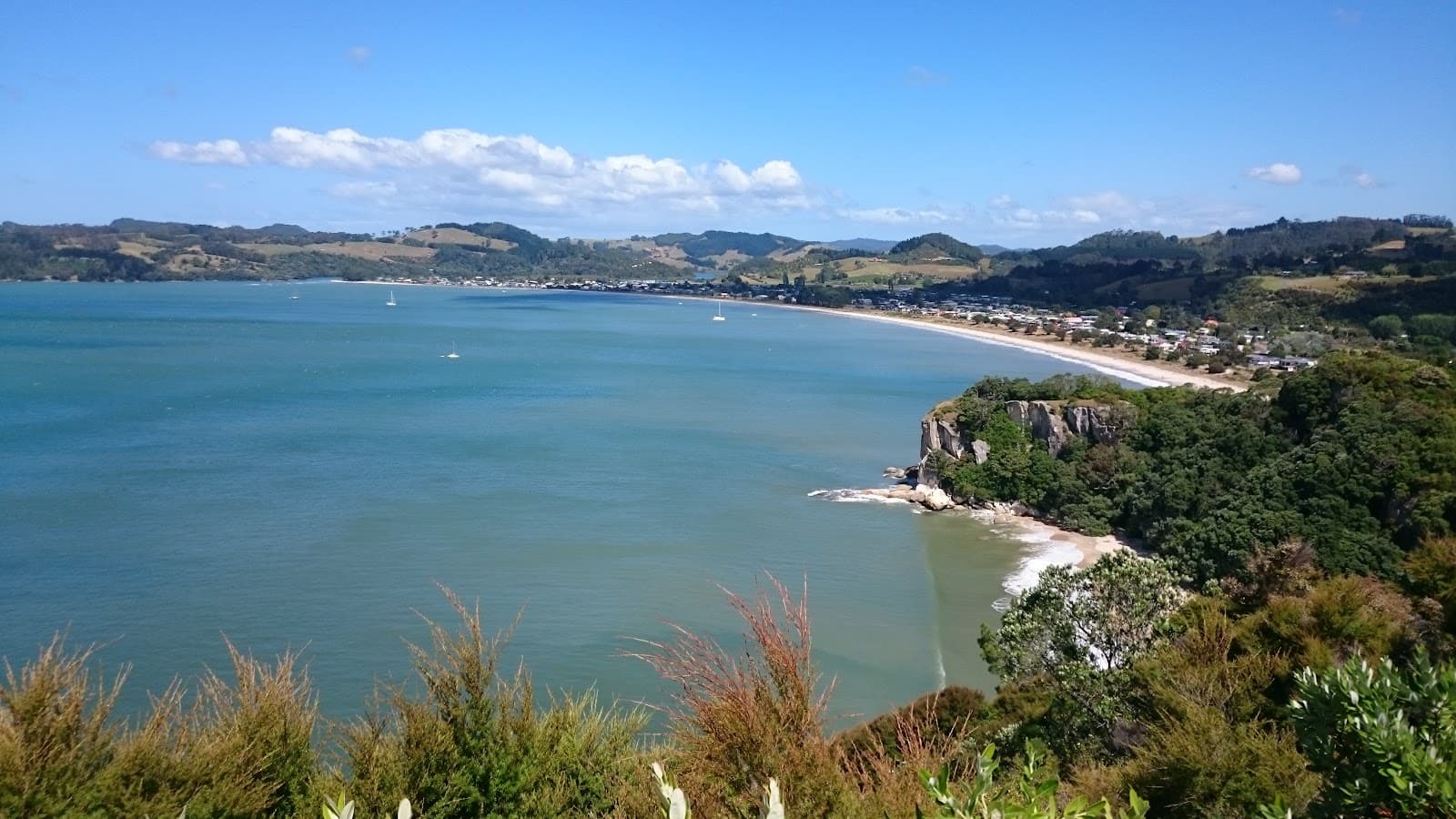
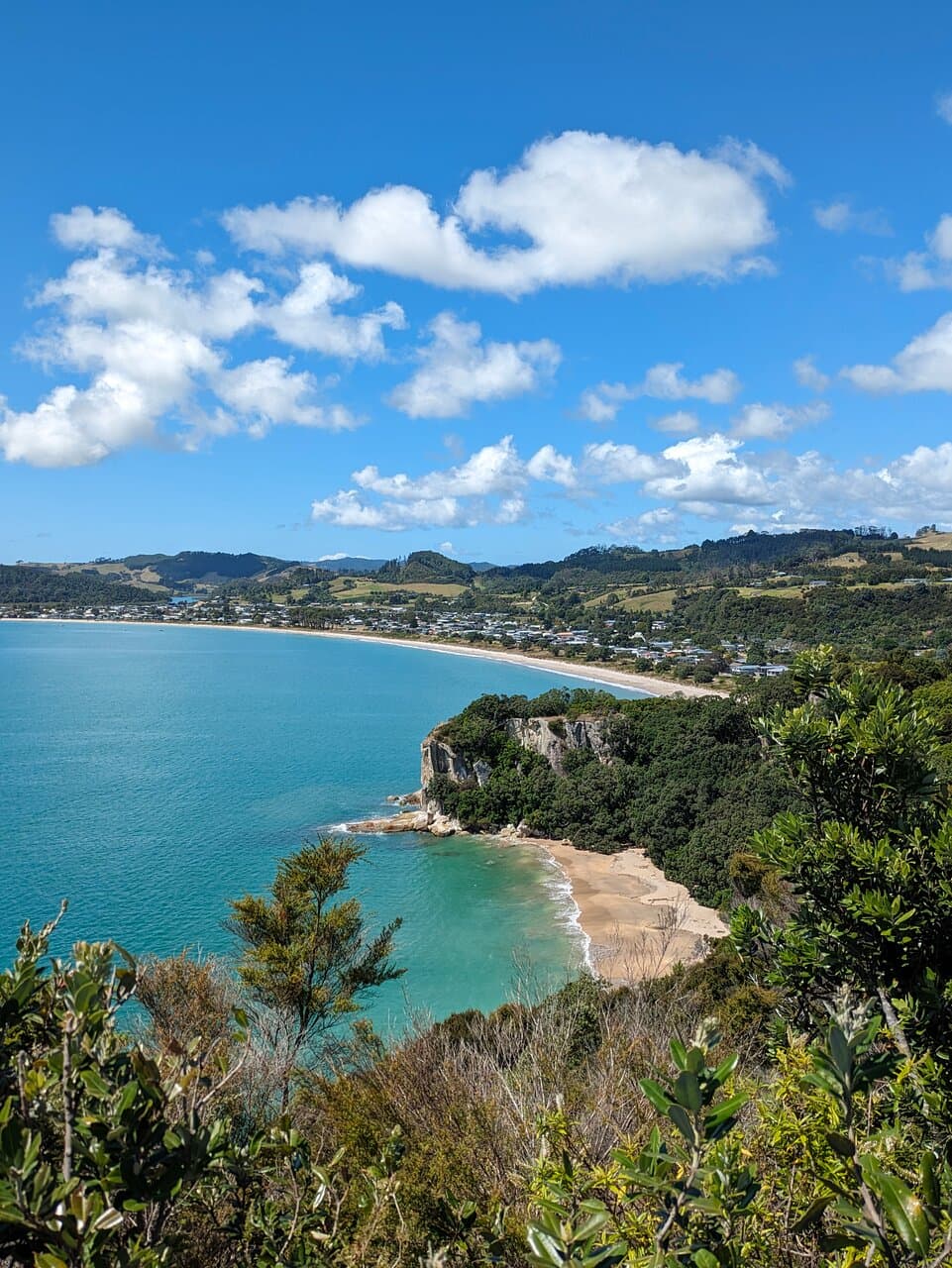
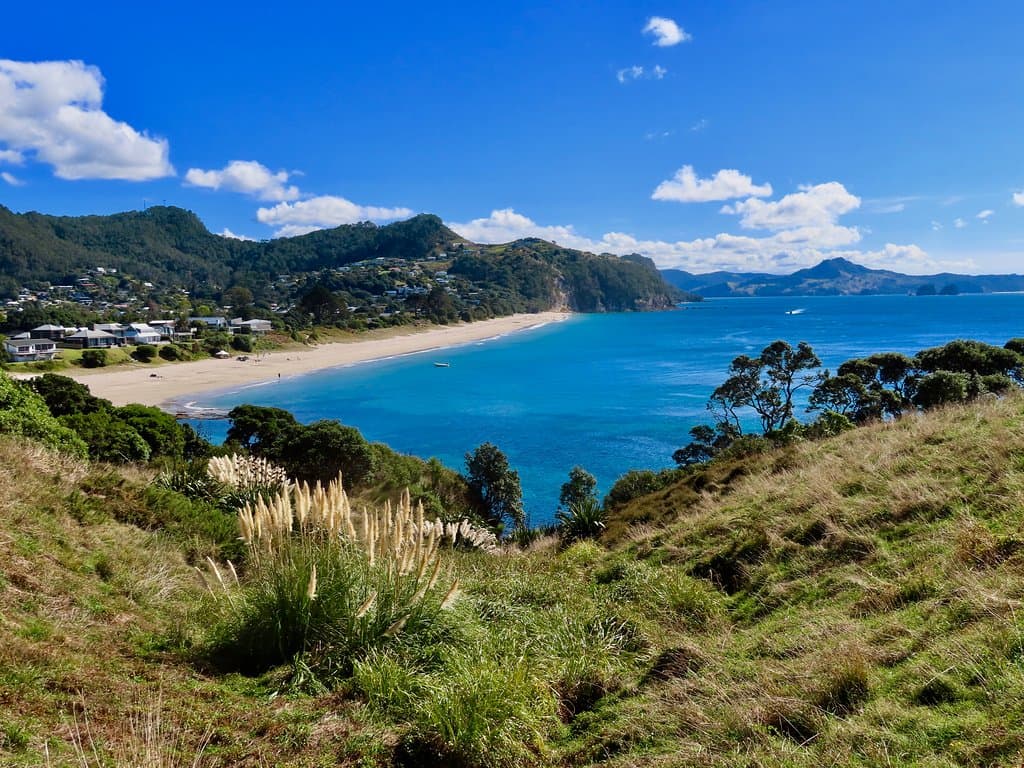
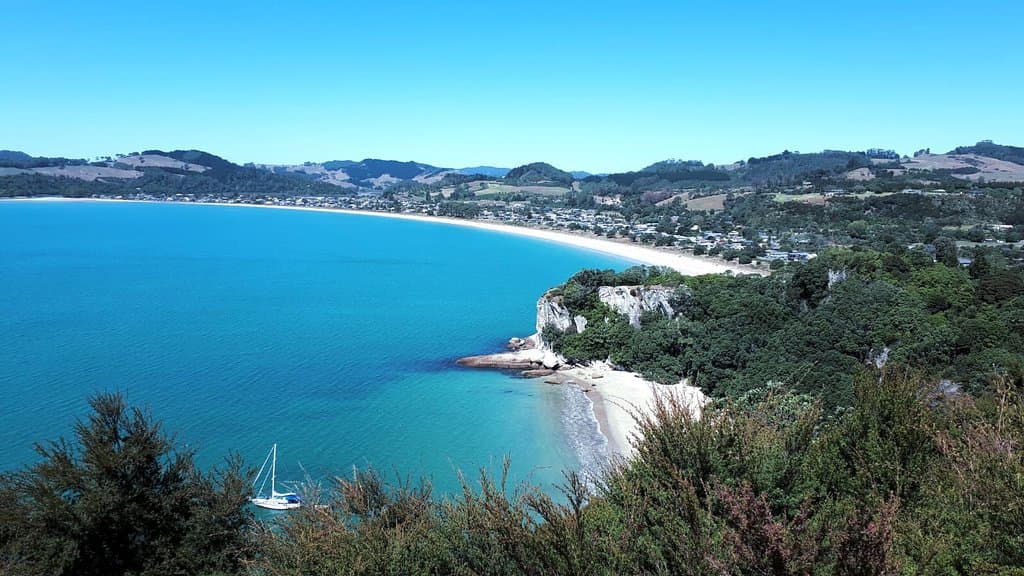
Stunning golden sands meet the Pacific Ocean, offering breathtaking views.
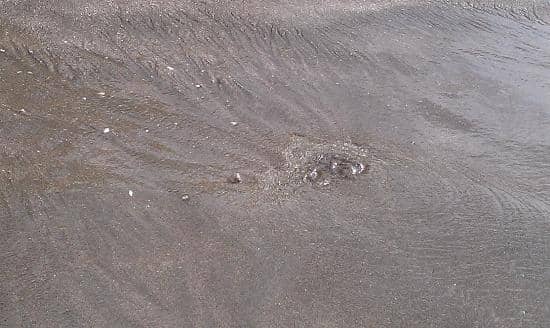
Geothermal Activity
Under the sand
Witness the unique phenomenon of hot water bubbling up from beneath the surface.
Plans like a pro.
Thinks like you
Planning Your Visit
Timing is Everything
Digging for Gold (and Warmth)
Best Times
Insider Tips
from TikTok, Instagram & Reddit
Hot Water Beach Coromandel
Been there a ton as a kid and like once or twice as an adult. As a kid I had great memories digging holes along the beach and sitting in them. As an adult my experiences consisted of ~30 people crowding round a 5Mx5M area trying to find the hot spot. What I've learned as…
Check Tide Times First! ⏰
Crucial for the hot water experience. Plan your visit around low tide for the best soak.
Bring Your Own Spade 🏖️
Or rent one nearby. Essential for digging your personal hot pool.
Would it be worth the 3-4 hour drive just to experience the Hot Water Beach?
I have a pretty good idea of how our trip to NZ (just the north island) will be. We will be taking a road-trip down to Wellington and back and stopping at many destination along the way. But we are staying 2 nights in Auckland. But due to poor planning on my part (time change…
Worth it to drive to Coromandel? (+Rate my itinerary)
We are staying in Hahei beach on April 2 - 4. Here's my itinerary so far: **Wednesday April 2** Hobbiton Tour, ends at 11:30 Quick lunch Drive to Karangahake Gorge Hike the Rail Tunnel Loop Drive to Hot Water Beach Explore Hot Water Beach Dinner Accommodations…
Pack a Towel & Change 👙
You'll get wet and sandy, so be prepared for a refresh afterwards.
Footwear for Hot Sand 👣
Sand can get very hot, wear sandals or water shoes for comfort.
Tips
from all over the internet
Check Tide Times First! ⏰
Crucial for the hot water experience. Plan your visit around low tide for the best soak.
Bring Your Own Spade 🏖️
Or rent one nearby. Essential for digging your personal hot pool.
Pack a Towel & Change 👙
You'll get wet and sandy, so be prepared for a refresh afterwards.
Footwear for Hot Sand 👣
Sand can get very hot, wear sandals or water shoes for comfort.
Respect the Environment 🙏
Fill in your holes when you're done to keep the beach safe for others.
What Travellers Say
Reviews Summary
Visitors rave about the unique experience of digging their own hot pools at Hot Water Beach, calling it a must-do on the Coromandel Peninsula. The natural geothermal phenomenon is widely praised, though some note that the experience is entirely dependent on tide times and can be crowded during peak periods. Planning is key to enjoying this unforgettable natural spa.
What People Like
What People Dislike
Frequently Asked Questions
🚇 🗺️ Getting There
The drive from Auckland to Hot Water Beach is approximately 3-4 hours. You can rent a car or join a guided tour. Many visitors combine this trip with a visit to Cathedral Cove.
Public transport options are limited. Buses run to nearby towns like Whitianga, from where you might need a taxi or local shuttle to reach Hot Water Beach. Renting a car is the most convenient way to explore the Coromandel Peninsula.
The drive from Hamilton to Hot Water Beach is around 3 hours. The most common route involves heading towards the Coromandel Peninsula via State Highway 25.
Yes, it's possible to visit Hot Water Beach as a long day trip from Auckland, but it's a significant drive. Many recommend staying overnight in the Coromandel to fully enjoy the experience and avoid rushing.
Hot Water Beach is located on the east coast of the Coromandel Peninsula, on the North Island of New Zealand. It's a popular stop for those exploring the region.
🎫 🎫 Tickets & Entry
No, entry to Hot Water Beach itself is free. You only pay for optional services like spade rentals or parking if applicable.
Hot Water Beach is accessible 24/7, but the hot water phenomenon is only present during low tide. Always check the tide times before planning your visit.
The beach is free to access. The cost comes from renting a spade, which is usually a small fee, or if you choose to stay at a nearby holiday park.
While digging is encouraged, it's important to fill in your holes when you leave to ensure the safety of other beachgoers and wildlife.
No, the hot water pools are a natural phenomenon and cannot be booked. It's first-come, first-served for the best digging spots.
🎫 🧭 Onsite Experience
Bring a spade (or rent one), towels, swimwear, sunscreen, water, and a change of clothes. Some people bring inflatable rings or mats for extra comfort in their dug pools.
The water temperature can vary but typically ranges from 40°C to 60°C (104°F to 140°F), making it wonderfully warm for soaking.
The best time is during low tide. Visiting during sunrise or sunset can offer a more serene experience with fewer crowds and beautiful lighting.
Yes, there are public toilets and outdoor showers available near the beach access points. These are essential for rinsing off after your soak.
While the hot pools are safe, the ocean can have strong currents and rips. Always swim between the flags if lifeguards are present, and be aware of the conditions.
🍽️ 🍽️ Food & Dining
There are limited dining options directly at Hot Water Beach. The nearby Hot Water Beach Top 10 Holiday Park often has a cafe or takeaway. For more choices, head to nearby towns like Hahei or Whitianga.
Yes, picnics are welcome! It's a great idea to pack your own food and drinks to enjoy on the beach, especially if you're visiting outside of peak hours when cafes might be busy.
The closest options are in Hahei, a short drive away, which has several cafes and restaurants. Whitianga, a bit further, offers a wider range of dining experiences.
There is a small store, often associated with the holiday park, that sells basic supplies, snacks, and sometimes rents out spades.
Yes, the Hot Water Beach Top 10 Holiday Park typically has a cafe or shop that sells food and drinks, as well as essential items.
📸 📸 Photography
Capture the unique hot pools being dug, the dramatic coastline, and the steam rising from the sand. Sunrise and sunset offer magical light for photography.
Low tide is essential for the hot pools. For dramatic landscapes, aim for sunrise or sunset. Overcast days can also create moody, atmospheric shots.
A wide-angle lens is great for landscapes. A polarizing filter can help manage reflections and enhance sky colors. Protect your gear from sand and saltwater.
Generally, no. However, be mindful of other visitors and avoid using drones without proper permissions or in crowded areas.
Focus on the steam rising from the sand or the water filling the dug pools. Shots of people enjoying their DIY spas are also very popular.
Social
from TikTok, Instagram & Reddit