
Whakaari / White Island
New Zealand's most active marine volcano, offering dramatic volcanic landscapes and a powerful reminder of Earth's raw geological forces.
Highlights
Must-see attractions

Social
From TikTok & Reddit
Best Time
Best visibility for views
Whakaari / White Island
Best Time
Best visibility for views
Highlights
Must-see attractions
New Zealand's most active marine volcano, offering dramatic volcanic landscapes and a powerful reminder of Earth's raw geological forces.
"An awe-inspiring, yet humbling, encounter with nature's raw power, best viewed from a safe distance."

Choose Reputable Tour Operators
Prioritize safety. Research operators with excellent safety records and clear communication about risks.
Opt for Scenic Flights
Helicopter tours offer unparalleled views and a safe way to experience the volcano's grandeur.

Highlights
Discover the most iconic attractions and experiences
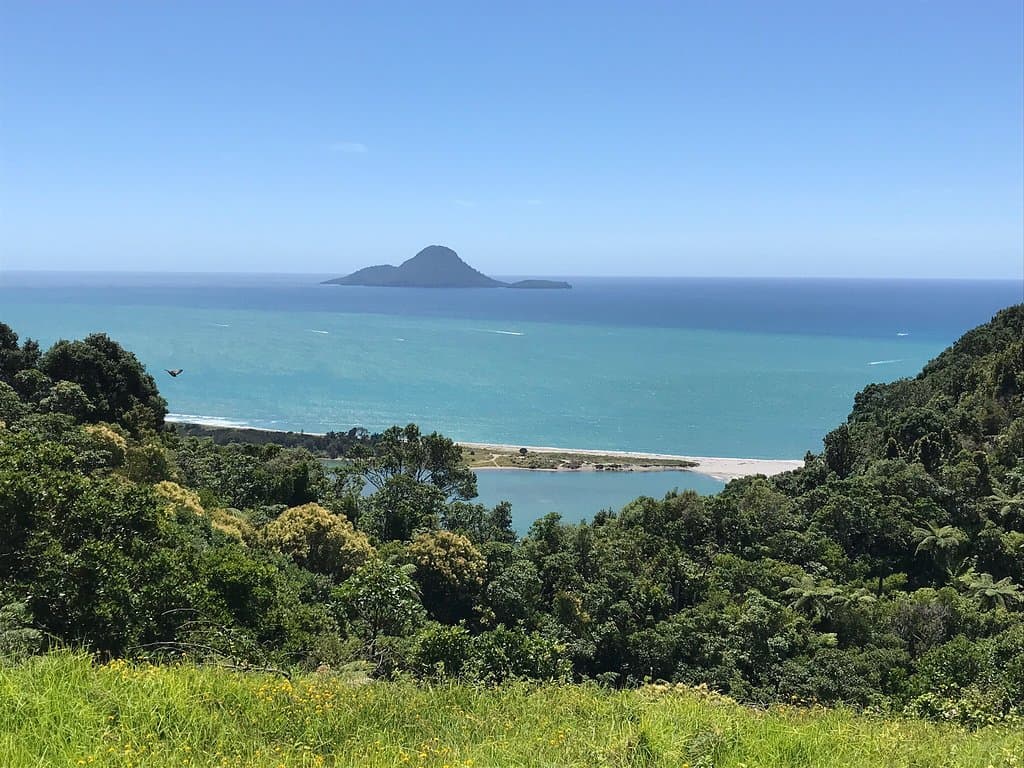
Aerial Views of the Crater
Above Whakaari / White Island
Witness the steaming vents and vibrant, acidic crater lake from above. A truly awe-inspiring perspective of Earth's raw power.
 +1
+1Volcanic Landscape from the Sea
Bay of Plenty coastline
Observe the island's dramatic, sulfur-stained shores and steaming fumaroles from the water. A powerful reminder of its active nature.

The Volcanic Crater Lake
Whakaari / White Island crater
A glimpse of the intensely colored, acidic waters that churn within the volcano's heart. A unique and striking natural phenomenon.
Plans like a pro.
Thinks like you
Planning Your Visit
Safety First: Understand the Risks
+2Access & Viewing Options
+1Best Times
Insider Tips
from TikTok, Instagram & Reddit
Choose Reputable Tour Operators
Prioritize safety. Research operators with excellent safety records and clear communication about risks. +1
Opt for Scenic Flights
Helicopter tours offer unparalleled views and a safe way to experience the volcano's grandeur.
Understand the Risks
Be aware that Whakaari is an active volcano. Tours are subject to cancellation due to volcanic activity. +1
Dress for the Elements
Wear layers and waterproofs. The weather can change quickly, and sea spray is common on boat tours.
Tips
from all over the internet
Choose Reputable Tour Operators
Prioritize safety. Research operators with excellent safety records and clear communication about risks. +1
Opt for Scenic Flights
Helicopter tours offer unparalleled views and a safe way to experience the volcano's grandeur.
Understand the Risks
Be aware that Whakaari is an active volcano. Tours are subject to cancellation due to volcanic activity. +1
Dress for the Elements
Wear layers and waterproofs. The weather can change quickly, and sea spray is common on boat tours.
What Travellers Say
Reviews Summary
Visitors often describe Whakaari / White Island as a powerful and awe-inspiring natural wonder, with aerial and sea tours offering spectacular views of its volcanic landscape. While the island's raw beauty is undeniable, the memory of the tragic 2019 eruption casts a long shadow, emphasizing the inherent risks of visiting such an active geological site. Many express relief at having visited safely in the past but acknowledge that observing from a distance is now the prudent approach. +1
"My husband and I were among the fortunate few who visited White Island in July 2018 and returned safely to mainland New Zealand. Our visit began under gloomy skies, with rain pattering against the tour boat windows throughout our journey. Miraculously, the drizzle ceased as we disembarked onto that surreal volcanic landscape. The ominous atmosphere intensified immediately - all visitors were required to wear gas masks against the throat-burning sulfur fumes that hung heavy in the air.
Guided in single file by a crew member doubling as our guide, we moved cautiously across the brittle terrain. Yellow-stained fumaroles hissed plumes of toxic steam, their sulfurous breath coloring the rocks around them. The strict warnings to stay on the narrow path felt terrifyingly justified - ghostly white vapors seeped from countless cracks in the unstable ground. Our group was permitted only a brief stop at the edge of the crater lake, its acidic waters churning an unnatural emerald green. The combination of howling winds and the lake's unknown depths created an atmosphere of primal dread.
Returning to Whakatane's safe harbor felt like emerging from another world.months later, our relief turned to horror when news broke of the catastrophic eruption. My heart still aches for those who met tragedy in that very landscape we'd nervously traversed. This disaster should never have occurred - no thrill of volcanic tourism justifies risking human lives on such an unpredictably dangerous island. The memory of those hissing fumaroles now serves as a chilling reminder that some forces of nature should be observed from afar, never courted as attractions."
Geena FromJ
"A wonderful trip travelling around NZ in 2013, saw us on a Helicopter flight from Rotorua, landing adjacent the coast on White Island. This was a must see adventure. Spectacular vistas with a colourful landscape that was truly amazing. Walking the island for about and hour or so, taking in this amazing natural wonder."
David R Linke
"I was lucky enough to be able to visit this island back in 2015 after a short helicopter ride. We walked a bit on there. I remember It was a very harsh climate, with all the sulfate getting into your face and lungs. All in all was a great visit and very unfortunate later events ruined it."
Robin de Bruin
What People Like
What People Dislike
Frequently Asked Questions
🚇 🗺️ Getting There
Access to Whakaari / White Island is primarily via organized tours departing from Whakatāne or Rotorua. These typically involve boat trips or scenic helicopter flights. Direct landings on the island are currently restricted due to safety concerns. +1
The most common departure points for tours to Whakaari / White Island are Whakatāne and Rotorua. Whakatāne offers boat tours and some helicopter options, while Rotorua is a popular hub for scenic helicopter flights.
No, independent visits to Whakaari / White Island are not permitted due to the inherent risks. Access is strictly controlled through licensed tour operators.
Boat trips from Whakatāne typically take around 1.5 to 2 hours each way. Helicopter flights are significantly shorter, offering a quicker but often more expensive way to view the island.
Tour operators may have age restrictions, especially for boat tours due to sea conditions. It's best to check with your chosen operator directly regarding any specific requirements.
🎫 🎫 Tickets & Entry
Tour prices vary significantly depending on the type of experience. Boat tours can range from NZD $200-$400, while helicopter flights are generally more expensive, often starting from NZD $500 and upwards.
Yes, booking in advance is highly recommended, especially during peak tourist seasons. Popular tours can sell out quickly.
Most tours include transportation to the island, a guided experience (if landing was permitted), and safety equipment. Helicopter tours focus on aerial views. Always confirm inclusions with your operator.
If a tour is cancelled due to volcanic activity or weather, reputable operators will offer a full refund or the option to reschedule your tour. +1
While there isn't a separate 'entry fee' in the traditional sense, the cost of the tour package covers access and the operational expenses of visiting the island.
🎫 🌋 Onsite Experience
You can expect to see a dramatic volcanic landscape with steaming vents, sulfurous deposits, and potentially a vibrant crater lake. Aerial and sea tours offer views of these features. +1
Visiting Whakaari / White Island carries inherent risks due to its active volcanic nature. While operators implement safety measures, the volcano can erupt with little warning. Direct landings are currently restricted. +1
For boat tours, wear sturdy, closed-toe shoes, waterproof clothing, and layers. If landings were permitted, gas masks and hard hats were provided. For flights, comfortable clothing is sufficient.
Photography is encouraged on tours, especially from the air or sea, to capture the island's unique geological features. Be mindful of safety instructions and avoid obstructing guides or other visitors.
Whakaari / White Island is New Zealand's most active marine volcano. It has a history of eruptions, with the most significant recent event occurring in December 2019. It was once mined for sulfur.
📸 📸 Photography
From the air, capture the vastness of the crater, the vibrant lake, and the stark volcanic terrain. Boat tours offer dramatic shots of the island's coastline and steaming vents.
Use a wide-angle lens to capture the expansive landscapes. Consider a polarizing filter to enhance the colors of the lake and sky. Protect your camera from sea spray and potential ash.
Drone usage is generally restricted around active volcanic sites and national parks for safety and environmental reasons. Always check with your tour operator and local aviation authorities.
Mid-morning or late afternoon often provides the best light for photography, with softer shadows and richer colors. However, visibility is key, so clear weather is paramount.
Direct access to active volcanic areas is restricted for safety. Tours focus on providing safe viewing points from the air or sea, allowing for impressive photographic opportunities without compromising safety.
For Different Travelers
Tailored advice for your travel style
👨👩👧 Families with Kids
+1When choosing a tour, look for operators that are experienced with family groups and can provide engaging commentary. While direct landings are not currently advised, the aerial perspective provides a memorable and educational experience that is both safe and visually spectacular. Always confirm age recommendations and safety briefings with the tour provider.
📸 Photography Enthusiasts
+2For those on boat tours, focus on the rugged coastline, the plumes of steam rising from the shore, and the overall scale of the island. The key is to be prepared for changing weather conditions and to protect your equipment from sea spray. Mid-morning or late afternoon light can enhance the dramatic textures and colors of the volcanic formations.
Deep Dives
In-depth insights and expert knowledge
The Volcanic Nature of Whakaari / White Island
Volcanologists have long monitored Whakaari due to its high level of activity. The volcano's unpredictable nature was tragically underscored by the December 2019 eruption, which occurred without significant prior warning, impacting a group of tourists and guides on the island. This event led to a significant re-evaluation of safety protocols and access to the volcano.
+3Understanding the dynamic geological forces at play is crucial for anyone considering a visit. While the island offers a unique glimpse into Earth's power, its volatile temperament means that safety must always be the paramount concern. Current access focuses on observation from a safe distance, either by air or sea, to appreciate its raw beauty without undue risk.
+1A History of Tourism and Tragedy
Companies like White Island Tours, established in the 1990s, capitalized on the island's dramatic landscape, attracting thousands of visitors annually. The allure of exploring a live volcano, complete with gas masks and hard hats, proved popular, drawing international tourists and even featuring in film productions. However, this accessibility also raised concerns among volcanologists about the inherent risks involved.
The devastating eruption in December 2019 served as a stark reminder of the volcano's power and the potential dangers of volcanic tourism. The tragedy resulted in numerous fatalities and injuries, leading to widespread investigations and a significant shift in how such natural attractions are managed. Today, the focus is on safe observation rather than direct exploration, ensuring that the awe-inspiring nature of Whakaari can still be appreciated from a secure vantage point.
+3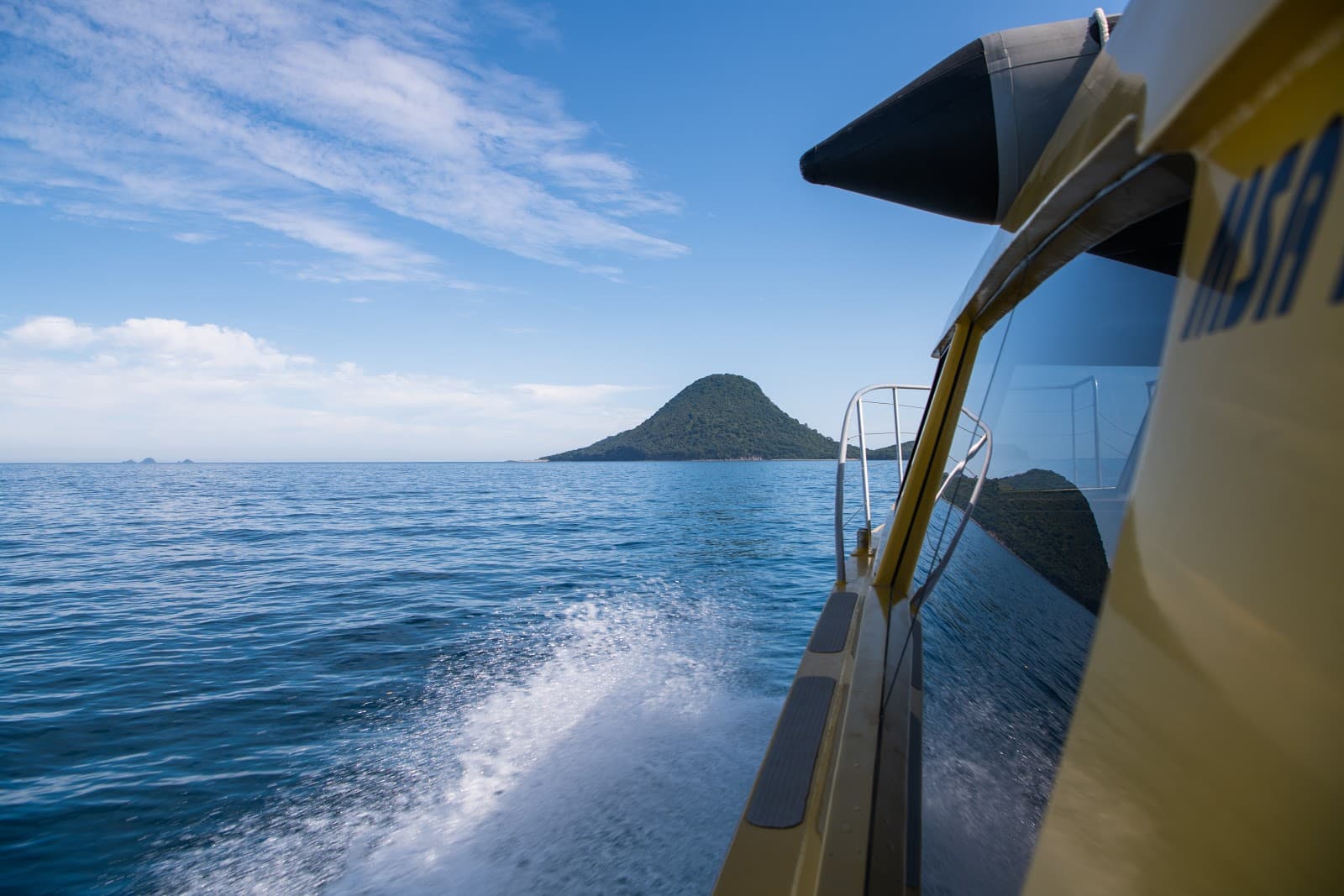


Social
from TikTok, Instagram & Reddit