Dai Anga's Tomb Lahore
A serene 17th-century Mughal tomb complex, honoring Dai Anga, Shah Jahan's wet nurse, featuring exquisite tile work and the historic Gulabi Bagh Gatew...
Highlights
Must-see attractions

Social
From TikTok & Reddit
Best Time
Fewer crowds, peaceful atmosphere
Dai Anga's Tomb Lahore
Best Time
Fewer crowds, peaceful atmosphere
Highlights
Must-see attractions
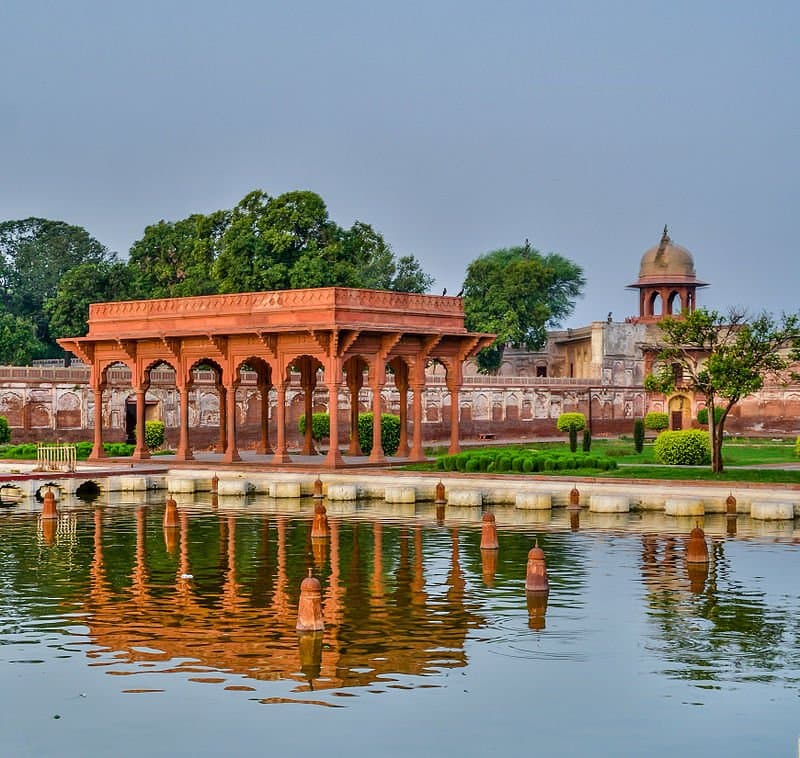
A serene 17th-century Mughal tomb complex, honoring Dai Anga, Shah Jahan's wet nurse, featuring exquisite tile work and the historic Gulabi Bagh Gateway.
"A peaceful escape into Lahore's rich Mughal history, showcasing stunning tile work and a significant gateway."
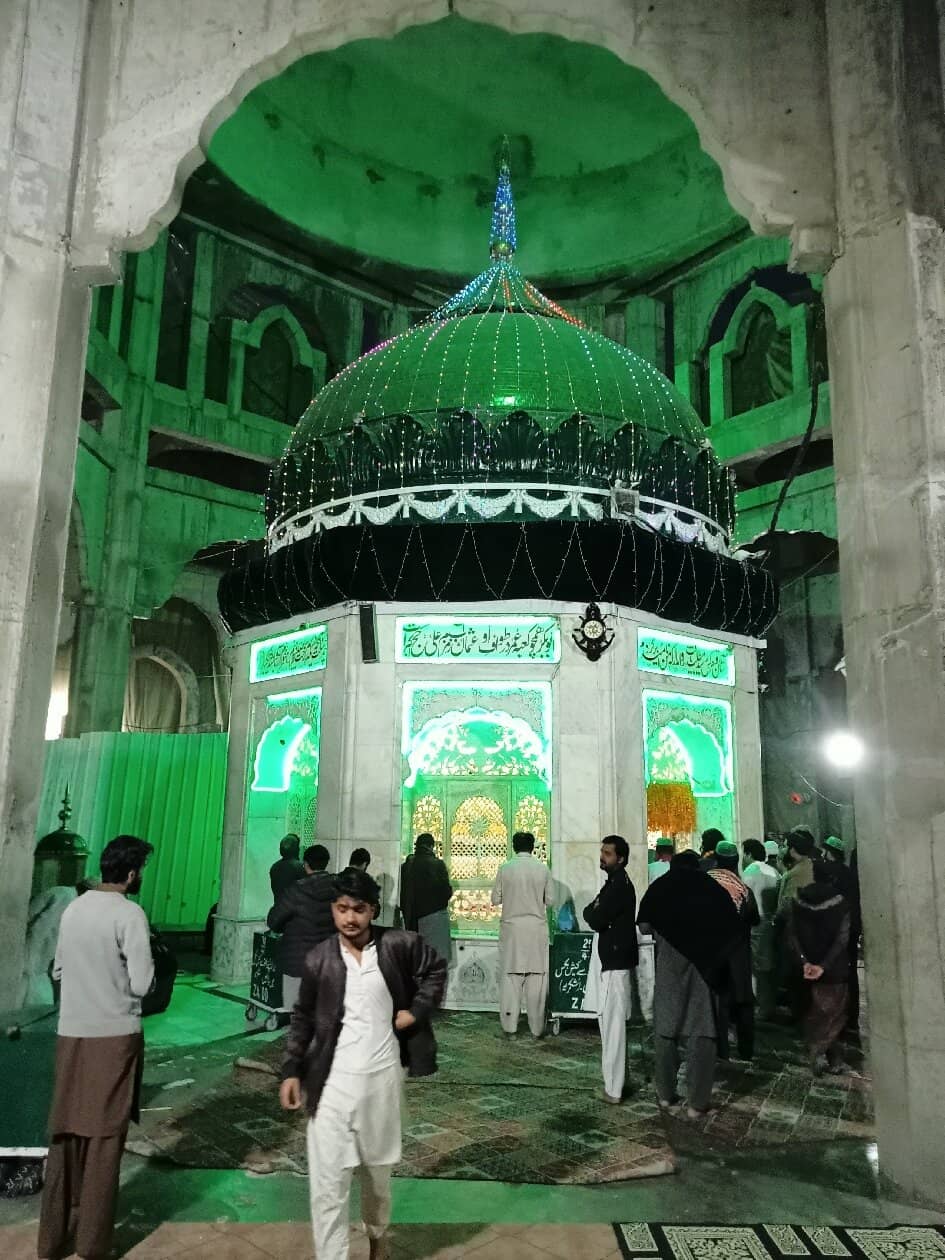
🎯 Quiet Exploration
Enjoy the peaceful ambiance; it's a great spot for quiet contemplation and appreciating history.
📸 Capture the Details
Focus on the intricate tile work and frescoes for stunning photos.
Quick Facts
Hours
Rating
4.3 · 167 reviews
Type
Place of Worship
Highlights
Discover the most iconic attractions and experiences
Mausoleum Architecture
Central chamber
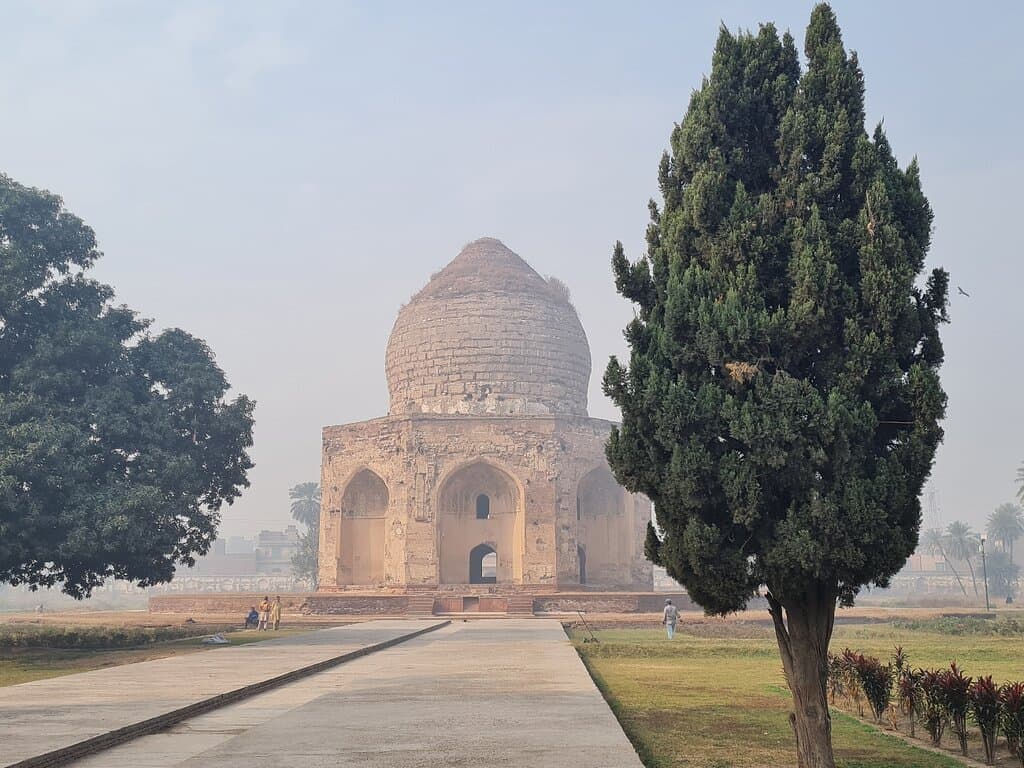
Admire the classic Mughal design, featuring decorative tile work and intricate frescoes. A testament to 17th-century artistry.
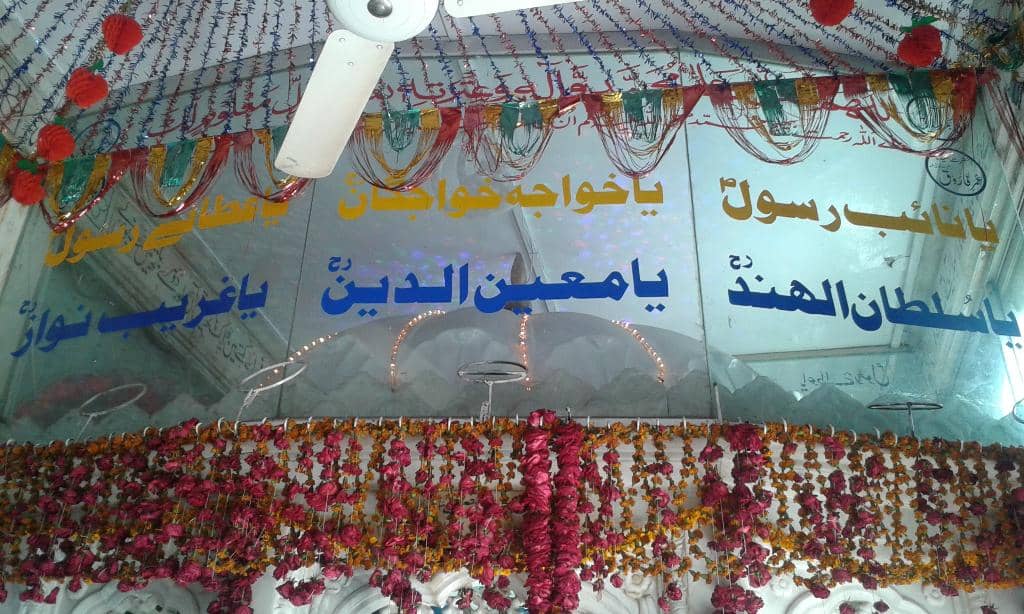
Gulabi Bagh Gateway
Entrance to the complex
This Persian nobleman's 1655 gateway predates the tomb, originally leading to a pleasure garden. A beautiful example of Mughal garden architecture.
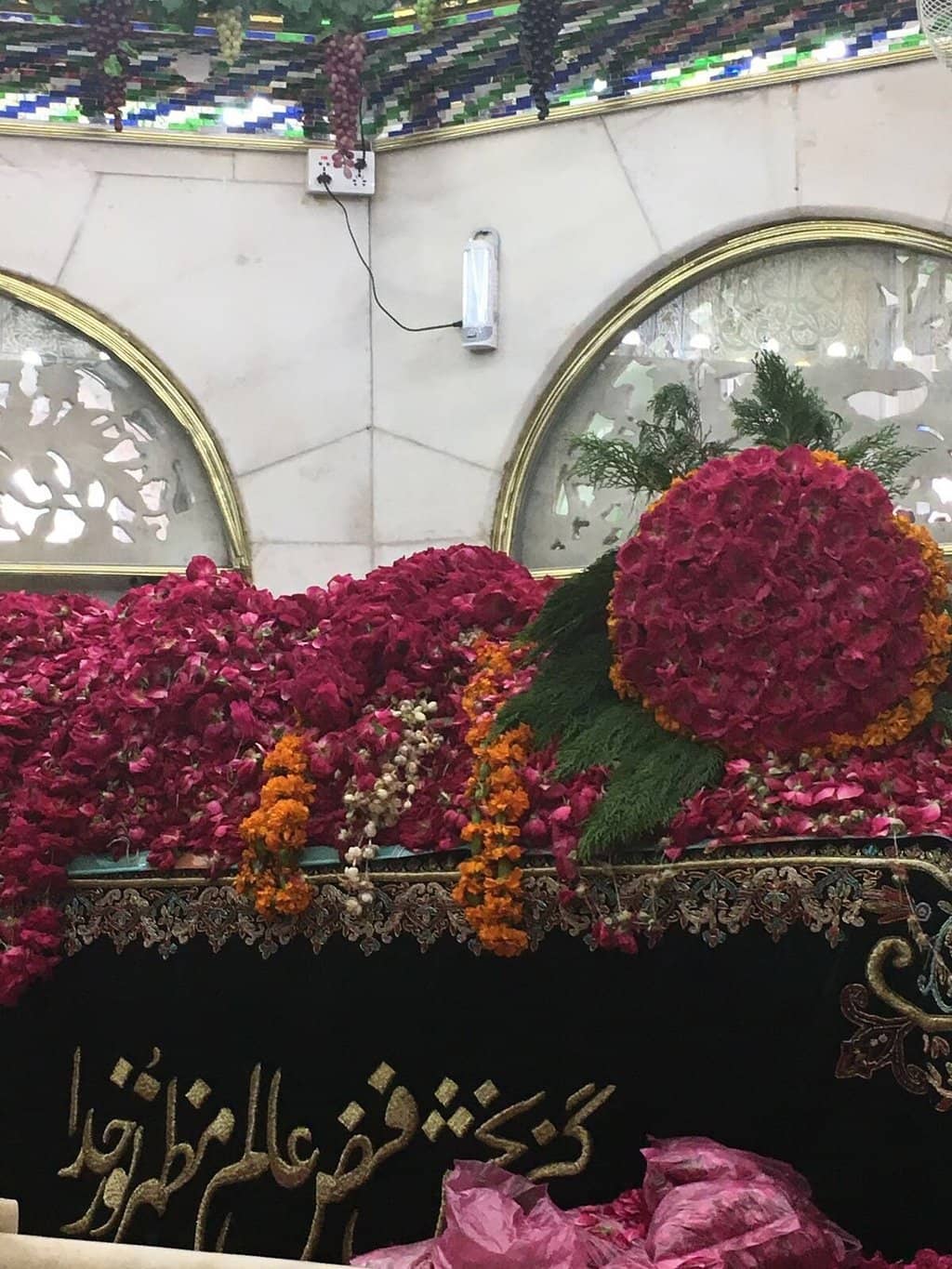
Tranquil Garden Setting
Surrounding grounds
Though the original garden is diminished, the remaining green space offers a serene atmosphere for reflection and appreciation.
Plans like a pro.
Thinks like you
Planning Your Visit
Embrace the Serenity
Historical Context is Key
Best Times
Insider Tips
from TikTok, Instagram & Reddit
🎯 Quiet Exploration
Enjoy the peaceful ambiance; it's a great spot for quiet contemplation and appreciating history.
📸 Capture the Details
Focus on the intricate tile work and frescoes for stunning photos.
Low-key Mughal era buildings
Tomb of Dai Anga near UET
🚶♂️ Near UET Lahore
Easily accessible, often visited alongside other historical sites.
📜 Understand the History
Learn about Dai Anga, Shah Jahan's wet nurse, to enrich your visit.
Tips
from all over the internet
🎯 Quiet Exploration
Enjoy the peaceful ambiance; it's a great spot for quiet contemplation and appreciating history.
📸 Capture the Details
Focus on the intricate tile work and frescoes for stunning photos.
🚶♂️ Near UET Lahore
Easily accessible, often visited alongside other historical sites.
📜 Understand the History
Learn about Dai Anga, Shah Jahan's wet nurse, to enrich your visit.
What Travellers Say
Reviews Summary
Visitors praise the Tomb of Dai Anga for its serene atmosphere and intricate Mughal architecture, particularly the tile work and the historic Gulabi Bagh Gateway. It's considered a hidden gem offering a peaceful escape and a glimpse into the lives of influential women from the Mughal era. Some note that while well-preserved, certain areas could benefit from further restoration.
"The Tomb of Dai Anga also known as the Gulabi Bagh is a 17th-century Mughal tomb complex located in the Mughal-era suburb of Begampura, outside the Walled City of Lahore, Pakistan. The mausoleum was built in honour of Dai Anga, the wet nurse of Shah Jahan, and wife of Murad Khan of Bikaner. It is located along the Grand Trunk Road on one of the former routes between Lahore and Delhi. It is also located close to the 17th century tomb of Hazrat Ishaan, and the 18th century Cypress Tomb.
The tomb of Dai Anga features a gateway that predates the tomb's construction. Built in 1655 C.E. by the Persian nobleman Mirza Sultan Baig, the gateway was originally the entrance to a pleasure garden. The original garden was square in shape, and had measured 250 Guz on each side.
In 1671 C.E., the pleasure garden was repurposed into a tomb for the wet-nurse of the Mughal Emperor Shah Jahan, and wife to Murad Khan, magistrate of Bikaner under the Emperor Jehangir. A new mausoleum was constructed in the centre of the garden, which over the centuries has been encroached upon by neighbouring structures, with only a narrow strip of garden between the tomb and gateway remaining."
Muhammad Shoaib
"Tomb of Dai Anga – Begampura, Lahore
The Tomb of Dai Anga is a hidden gem located in Begampura, near Gulabi Bagh, on GT Road, Lahore. I discovered this place during one of my casual visits and was amazed by its peaceful atmosphere and old Mughal-era charm. The structure is open to the public, and although it’s not crowded, it's a quiet place worth visiting for those interested in history and architecture.
Dai Anga, whose real name was Zeb-un-Nisa (not to be confused with Aurangzeb’s daughter), was the wet nurse of Mughal Emperor Shah Jahan. She was a respected and important figure in the royal court. This tomb was built in her memory in the 17th century and shows classic Mughal architectural elements like beautiful tile work and arched halls.
Although some parts of the tomb have been damaged over time, restoration work has helped preserve its historical value. The garden around the tomb adds to its beauty, making it a peaceful spot in the hustle of Lahore.
It’s a must-visit for anyone who loves exploring Lahore’s rich Mughal history."
Khizar Hayat
"Dai Anga, born Zeb-un-Nisa, was a prominent figure in the Mughal era, known for her strong association with the imperial family. She served as a wet nurse to Mughal Emperor Shah Jahan, establishing a deep bond with him and earning the affectionate title "Dai" (nurse). Her relationship with the royal family elevated her status within the court, and she wielded significant influence.
Though she was not of royal blood, her proximity to Shah Jahan and the Mughal household allowed her to partake in the privileges of the elite. Dai Anga's influence extended beyond her role in the imperial family; she became a philanthropist and an active participant in the cultural and religious activities of the Mughal Empire. One of her most notable contributions was the construction of a mosque in Lahore, Pakistan, known as "Dai Anga Mosque" or "Masjid Dai Anga." Built in 1635, this mosque is a testament to Mughal architecture, featuring intricate tile work and inscriptions that reflect the grandeur of the era. It stands as a symbol of her piety and deep connection to Islam.
Dai Anga was also instrumental in establishing a garden near the eastern side of Lahore, now known as the "Gulabi Bagh Gateway," another architectural marvel that showcases Mughal artistry. This gateway, initially part of a larger garden, remains a historical site, though much of the garden has faded over time.
Dai Anga’s legacy is rooted in her role as a nurturer of royalty, a patron of architecture, and a figure of moral and cultural influence in Mughal society. Her contributions to the cultural landscape of Lahore reflect her enduring significance in the history of the region."
Sameer ibn Azhar
What People Like
What People Dislike
Frequently Asked Questions
🚇 🗺️ Getting There
The Tomb of Dai Anga is located in Begampura, near Gulabi Bagh and the University of Engineering & Technology (UET) on the Grand Trunk Road. You can reach it by taxi or ride-sharing services from anywhere in Lahore. It's a well-known landmark for local drivers.
While direct public transport routes might be less straightforward, you can take a bus towards the UET area and then a short rickshaw or taxi ride to the tomb. It's often mentioned in conjunction with Wazir Khan Mosque, so combining trips is possible.
The tomb is situated along the Grand Trunk Road, a major artery. It's advisable to use a navigation app to guide your driver directly to the 'Tomb of Dai Anga' or 'Gulabi Bagh Gateway'.
Parking is generally available on the street near the entrance, especially during less busy hours. It's a good idea to confirm with your driver upon arrival.
Yes, it's often visited alongside the nearby Masjid Wazir Khan and other historical sites within or near the Walled City. The Gulabi Bagh Gateway is also part of the same complex.
🎫 🎫 Tickets & Entry
Currently, there is no admission fee to enter the Tomb of Dai Anga. It is open to the public for exploration and appreciation of its historical and architectural value.
The tomb is generally accessible during daylight hours. It's best to visit during the day to fully appreciate the architecture and surroundings.
The Gulabi Bagh Gateway is part of the same complex and is also generally accessible without an entry fee.
Yes, you can visit on weekends, but it might be slightly busier than weekdays. The peaceful atmosphere is best enjoyed during off-peak hours.
Photography is generally allowed, but it's always respectful to be mindful of other visitors and avoid intrusive flash photography, especially inside the mausoleum.
📸 📸 Photography
The intricate tile work and frescoes inside the mausoleum are stunning. The Gulabi Bagh Gateway also offers a grand perspective. The garden area provides a serene backdrop.
A standard DSLR or mirrorless camera with a versatile lens is ideal. A wide-angle lens can capture the architectural grandeur, while a prime lens is great for detailed shots of the tile work.
Yes, late afternoons offer beautiful warm light that enhances the colors of the tile work and the overall ambiance of the tomb.
Look for the decorative tile work (kashi kari), intricate frescoes, floral designs, and the arched halls. The symmetry of the Mughal architecture is also a key photographic element.
Be patient, look for unique angles, and try to capture the scale and detail. Respect the site and other visitors. Consider visiting during less crowded times for unobstructed shots.
🎫 🏛️ Onsite Experience
The tomb offers a serene and peaceful atmosphere, a quiet escape from the city's hustle. It's a place for reflection and appreciating historical architecture.
A visit typically takes about 1-2 hours, allowing time to explore the mausoleum, the gateway, and the surrounding garden area at a relaxed pace.
Basic facilities might be limited. It's advisable to use restrooms before arriving. There are usually some benches in the garden area.
While restoration efforts have been made, some parts may show signs of age. The site is generally preserved to maintain its historical integrity.
It's a significant example of Mughal funerary architecture and honors Dai Anga, the influential wet nurse of Emperor Shah Jahan, highlighting the role of women in the Mughal court.



Social
from TikTok, Instagram & Reddit