
Jandial Temple Taxila
Explore Jandial Temple, a remarkably preserved ancient Hindu temple in Taxila, showcasing Gandhara's unique Greco-Roman architectural fusion.

Highlights
Must-see attractions

Social
From TikTok & Reddit
Best Time
Cooler temperatures & fewer visitors
Jandial Temple Taxila
Best Time
Cooler temperatures & fewer visitors
Highlights
Must-see attractions
Explore Jandial Temple, a remarkably preserved ancient Hindu temple in Taxila, showcasing Gandhara's unique Greco-Roman architectural fusion.

Wear Comfortable Shoes
You'll be walking on uneven ancient ground. :athletic_shoe: Essential for exploring the ruins comfortably!
Carry Water & Sun Protection
It can get hot! Stay hydrated and protected from the sun. :droplet: :sunwithface:

Quick Facts
Highlights
Discover the most iconic attractions and experiences
The Main Temple Structure
Central ruins
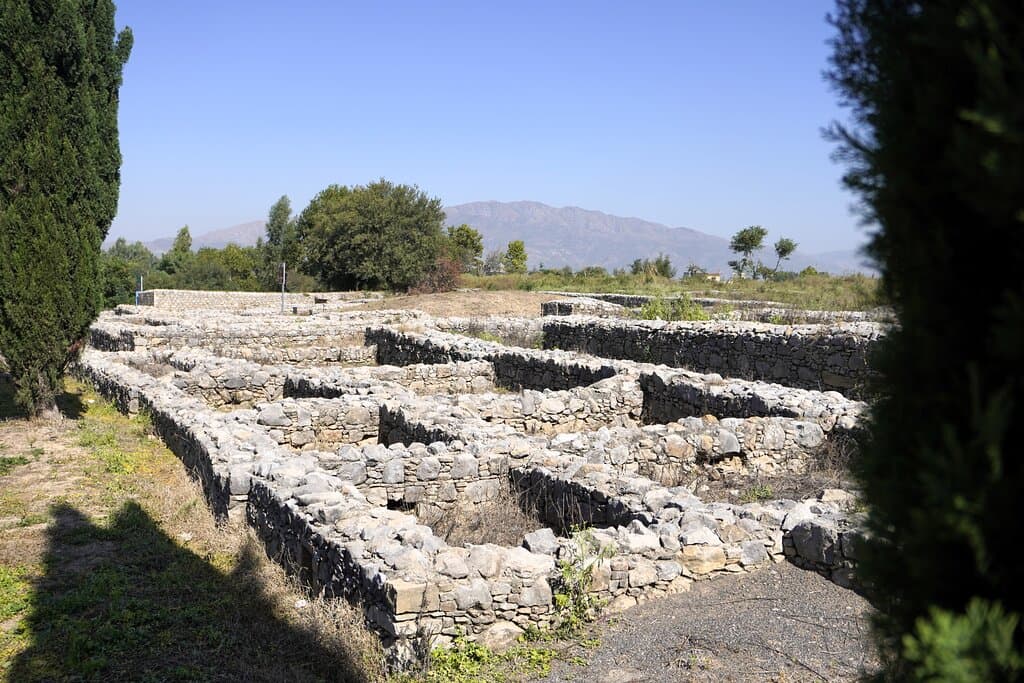
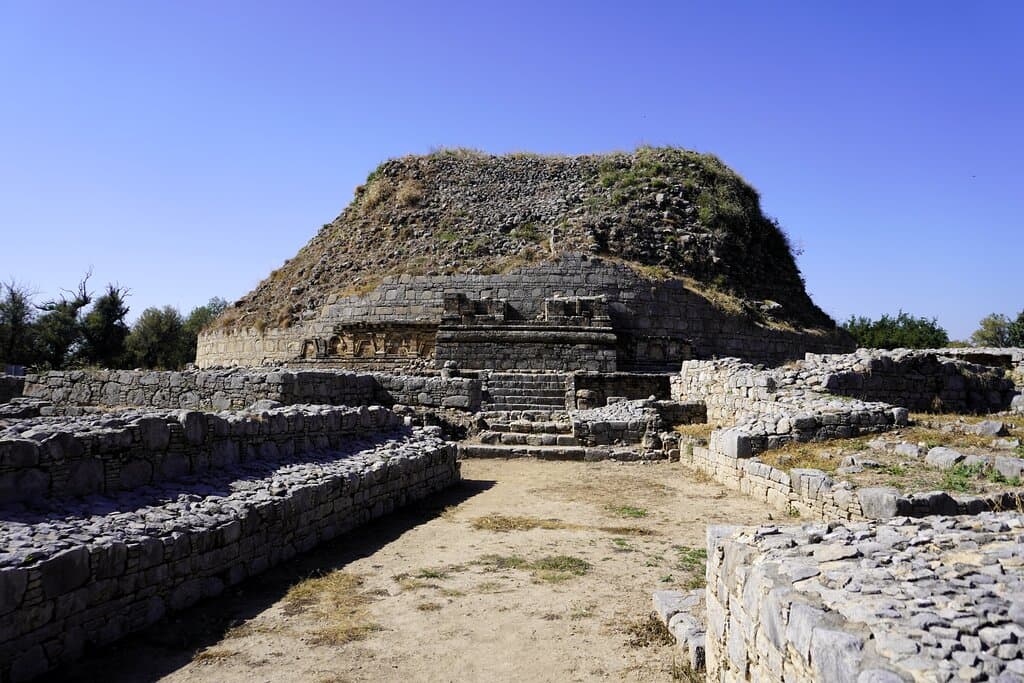
Marvel at the remarkably preserved stone structure of this ancient Hindu temple, a testament to Gandhara's architectural prowess.

The Courtyard and Peristyle
Surrounding the temple
Wander through the open courtyard and imagine the rituals performed amidst the colonnades of this historic site.

Ancient Foundations
Outer areas
Explore the remnants of ancillary buildings and pathways, offering glimpses into the temple's original layout and scale.
Plans like a pro.
Thinks like you
Planning Your Visit
Timing Your Visit to Jandial Temple
Exploring Taxila's Ancient Wonders
Best Times
Insider Tips
from TikTok, Instagram & Reddit
Wear Comfortable Shoes
You'll be walking on uneven ancient ground. :athletic_shoe: Essential for exploring the ruins comfortably!
Carry Water & Sun Protection
It can get hot! Stay hydrated and protected from the sun. :droplet: :sunwithface:
Combine with Other Sites
Jandial Temple is part of the larger Taxila archaeological complex. :world_map: Plan to see Sirkap and Dharmarajika Stupa too!
Drone Footage is Stunning
If you have a drone, the aerial views of the ruins are breathtaking. :camerawithflash:
Tips
from all over the internet
Wear Comfortable Shoes
You'll be walking on uneven ancient ground. :athletic_shoe: Essential for exploring the ruins comfortably!
Carry Water & Sun Protection
It can get hot! Stay hydrated and protected from the sun. :droplet: :sunwithface:
Combine with Other Sites
Jandial Temple is part of the larger Taxila archaeological complex. :world_map: Plan to see Sirkap and Dharmarajika Stupa too!
Drone Footage is Stunning
If you have a drone, the aerial views of the ruins are breathtaking. :camerawithflash:
What Travellers Say
Reviews Summary
Visitors praise Jandial Temple for its historical significance and well-preserved ancient architecture, offering a glimpse into the Gandhara civilization. The site is appreciated for its quiet atmosphere, especially during off-peak hours, allowing for contemplative exploration. However, some visitors note the need for better on-site facilities and clearer signage to enhance the visitor experience.
What People Like
What People Dislike
Frequently Asked Questions
🚇 🗺️ Getting There
Jandial Temple is located near Taxila city in Punjab, Pakistan. You can reach Taxila by road from Islamabad or Rawalpindi. From Taxila city, local transport like taxis or rickshaws can take you to the temple site.
While public transport can get you to Taxila city, reaching the specific temple site might require a taxi or ride-sharing service for convenience.
Hiring a local taxi for the day is a popular and efficient way to visit Jandial Temple, Sirkap, and other Taxila ruins.
While official guided tours might be limited, local guides can often be found at the main Taxila sites. It's advisable to arrange this in advance or upon arrival.
The nearest major cities are Islamabad and Rawalpindi, both of which have good road and air connectivity.
🎫 🎫 Tickets & Entry
Yes, there is an entrance fee for the Taxila archaeological sites, which typically includes access to Jandial Temple. It's best to check the latest fee structure at the site.
The archaeological sites of Taxila, including Jandial Temple, generally open in the morning and close around sunset. Specific timings can vary, so it's wise to confirm locally.
The sites are usually open on public holidays, but it's advisable to check for any special announcements or altered timings. Expect higher visitor numbers on holidays.
As a historical and religious site, modest dress is recommended. Covering shoulders and knees is a good practice.
General photography is usually allowed, but using flash or professional equipment might require special permission. Drone usage is often restricted or requires permits.
🎫 🧭 Onsite Experience
Jandial Temple is believed to be one of the oldest Hindu temples in the Taxila valley, dating back to the 2nd century BCE. It showcases the Hellenistic influence on Gandhara architecture.
You can explore the main temple structure, its courtyard, surrounding walls, and the remnants of ancillary buildings, offering a glimpse into ancient religious practices.
Allow at least 1-2 hours to explore Jandial Temple thoroughly, especially if you plan to appreciate the details and imagine its past glory.
Basic facilities might be available near the main Taxila sites, but it's best to come prepared with your own water and snacks.
Children can visit, but the uneven terrain requires supervision. It's a great opportunity to teach them about ancient history and civilizations.
📸 📸 Photography
The main temple facade, the colonnades, and the overall ruins from a slightly elevated point offer great photographic opportunities. The late afternoon light is particularly beautiful.
Tripod usage might be restricted to avoid damage to the ancient structures. It's advisable to check on-site regulations.
Any camera, from a smartphone to a DSLR, can capture the beauty of Jandial Temple. Wide-angle lenses are great for capturing the scale of the ruins.
Many visitors capture the temple entrance with its columns and the surrounding open space. Aerial shots from a drone offer a unique perspective.
Early morning or late afternoon provides the best light, with softer shadows and a warmer glow, enhancing the textures of the ancient stones.






Social
from TikTok, Instagram & Reddit