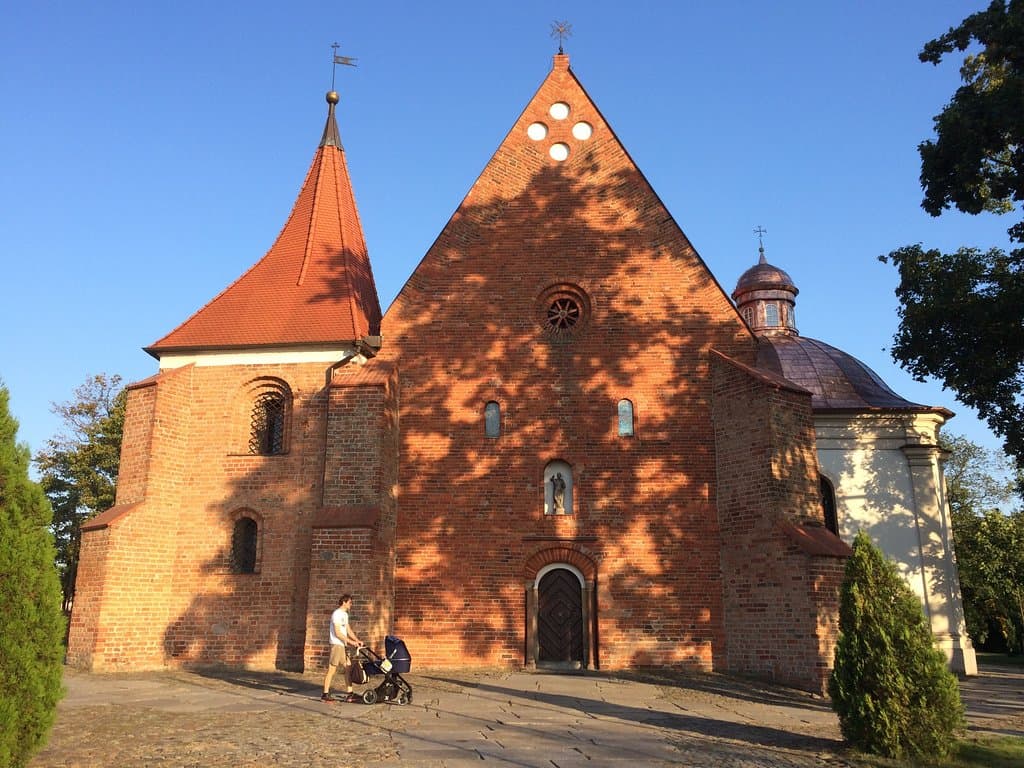
Church of St John of Jerusalem Outside the Walls
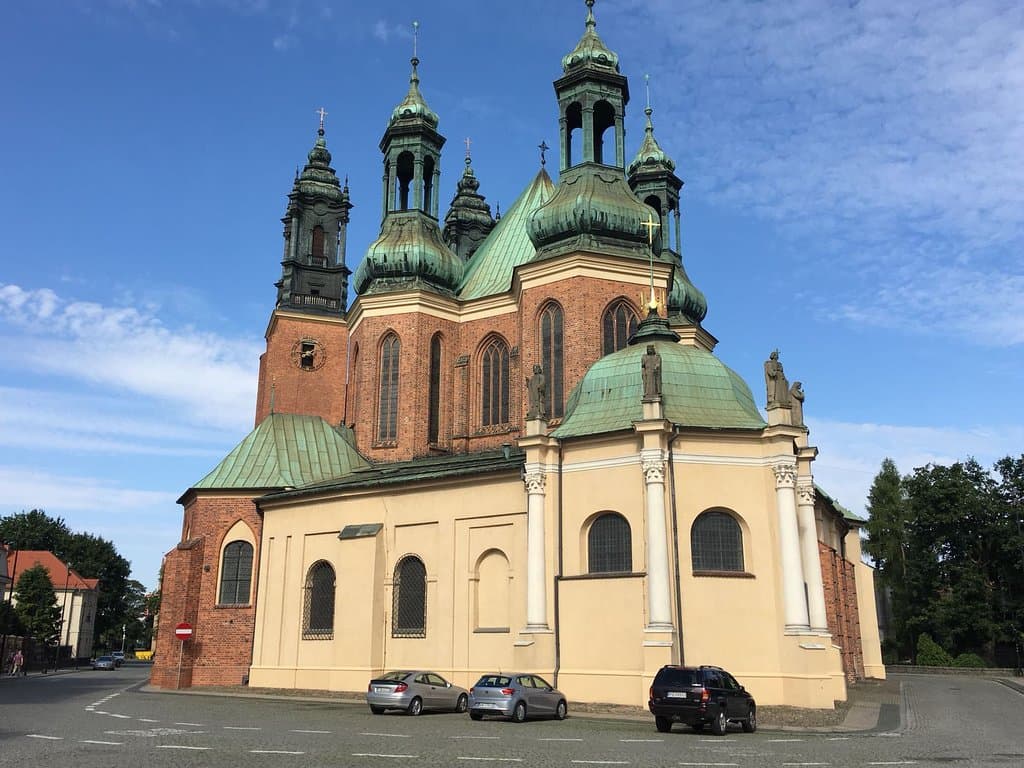
A historic landmark featuring original Roman brick walls and a unique asymmetrical tower, with a past as a traveler's hospice.

Highlights
Must-see attractions

Social
From TikTok & Reddit
Best Time
Potentially fewer crowds
Church of St John of Jerusalem Outside the Walls
Best Time
Potentially fewer crowds
Highlights
Must-see attractions
A historic landmark featuring original Roman brick walls and a unique asymmetrical tower, with a past as a traveler's hospice.
"Appreciate the original Roman brick walls and unique tower design of this historic church."
Confirm Opening Hours
Double-check if the church is open, especially on weekends, as it may be closed. :clock1:
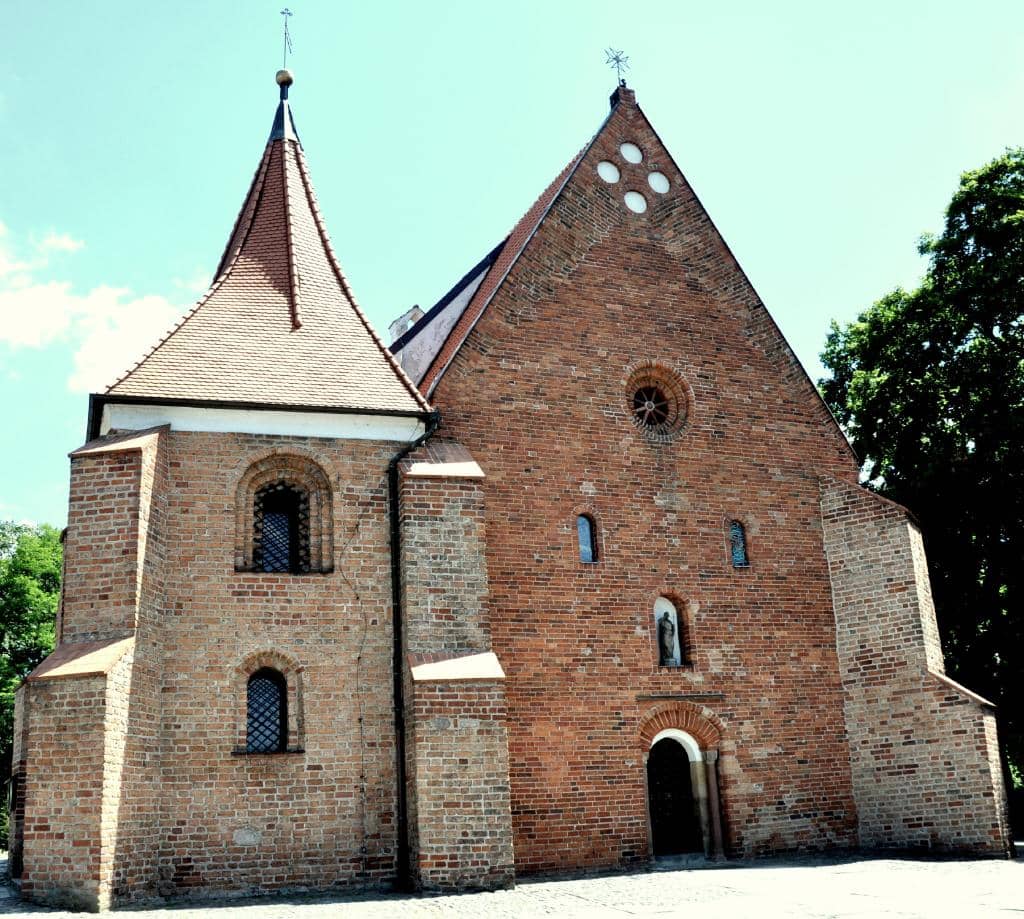
Architectural Gem
Appreciate the original Roman brick walls and unique tower design. :building_construction:
Highlights
Discover the most iconic attractions and experiences
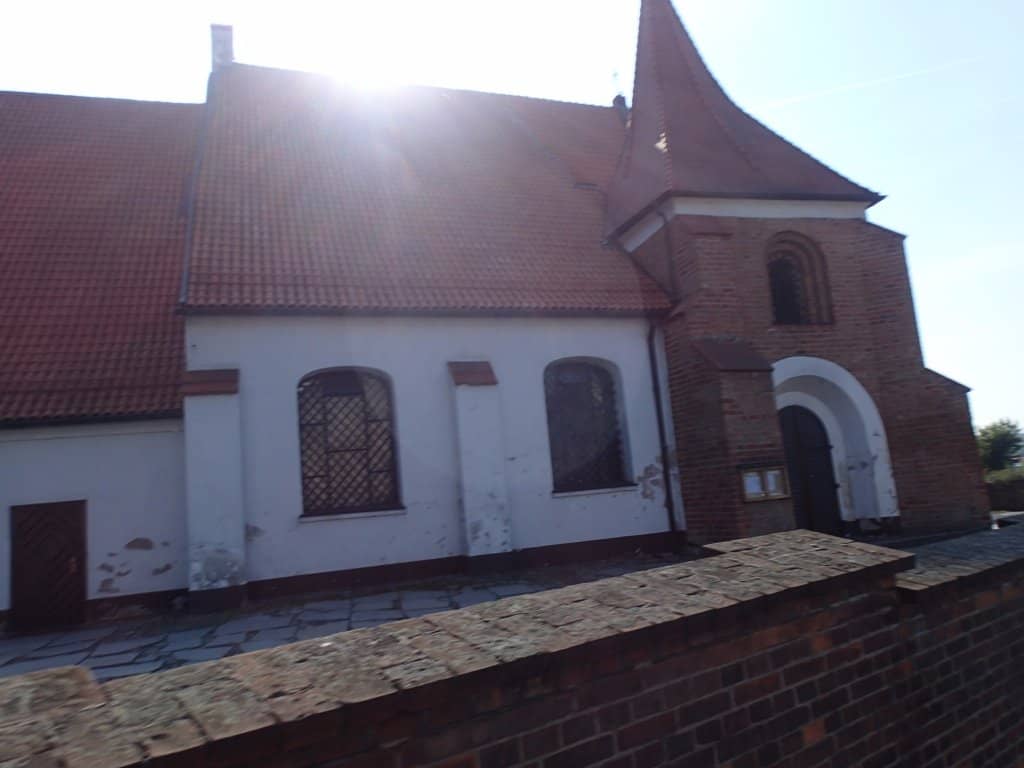
Original Roman Brick Walls
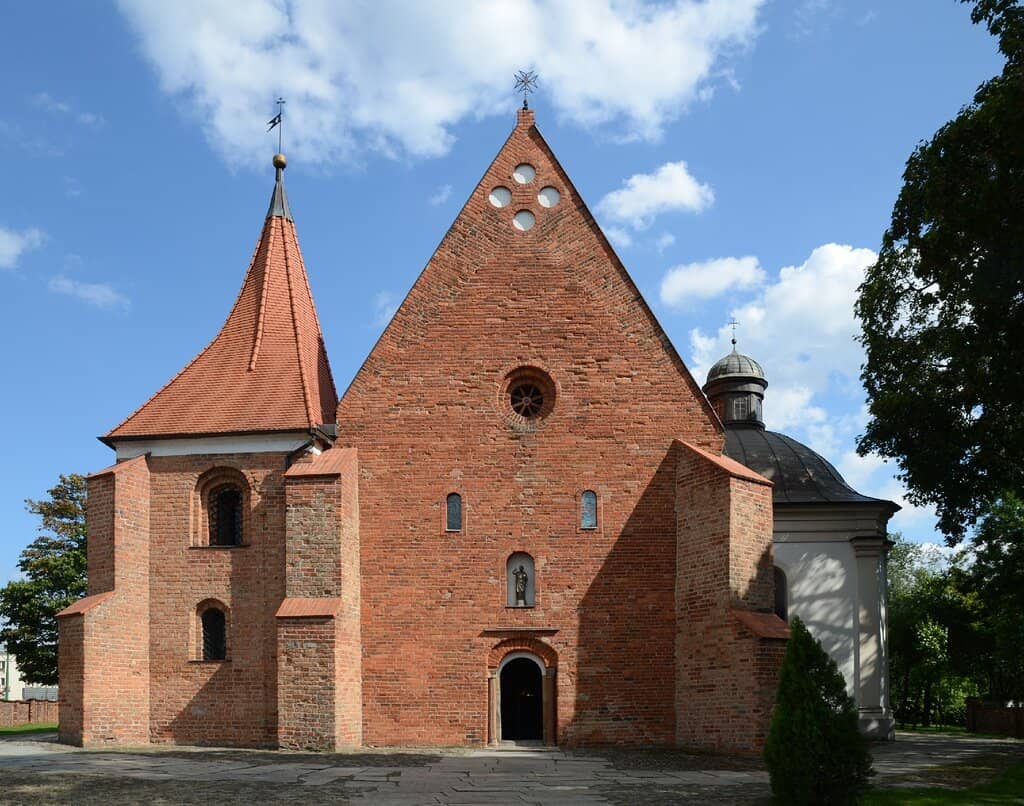
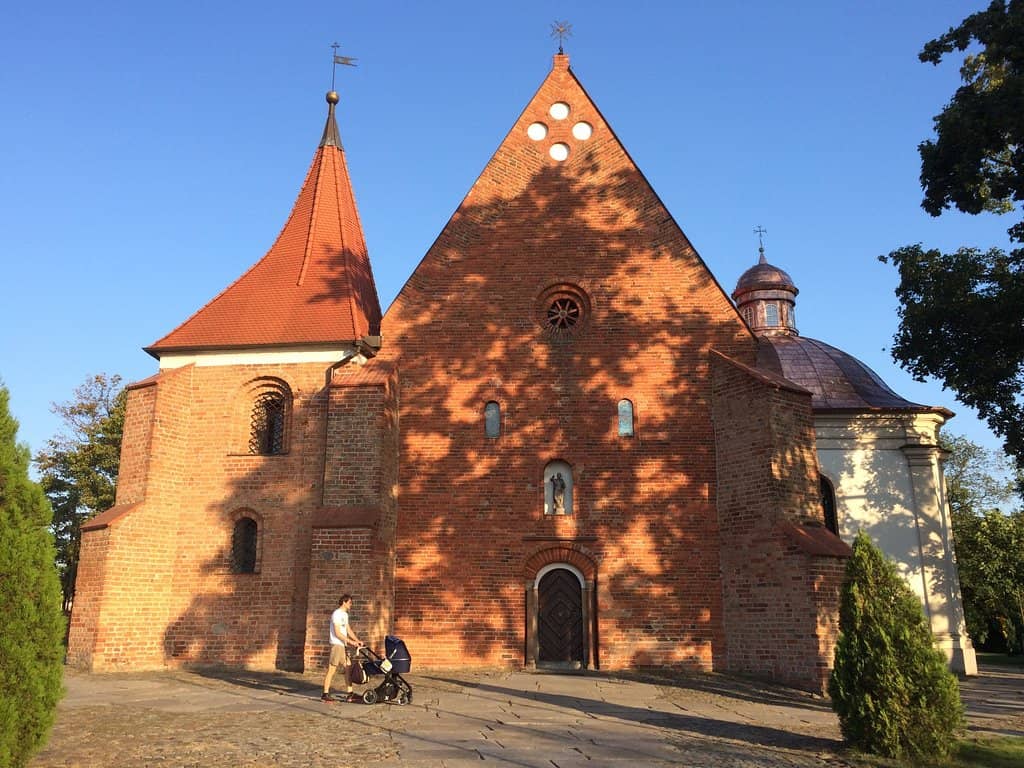
Witness the enduring beauty of 11th-century Roman brickwork, a testament to its ancient origins.
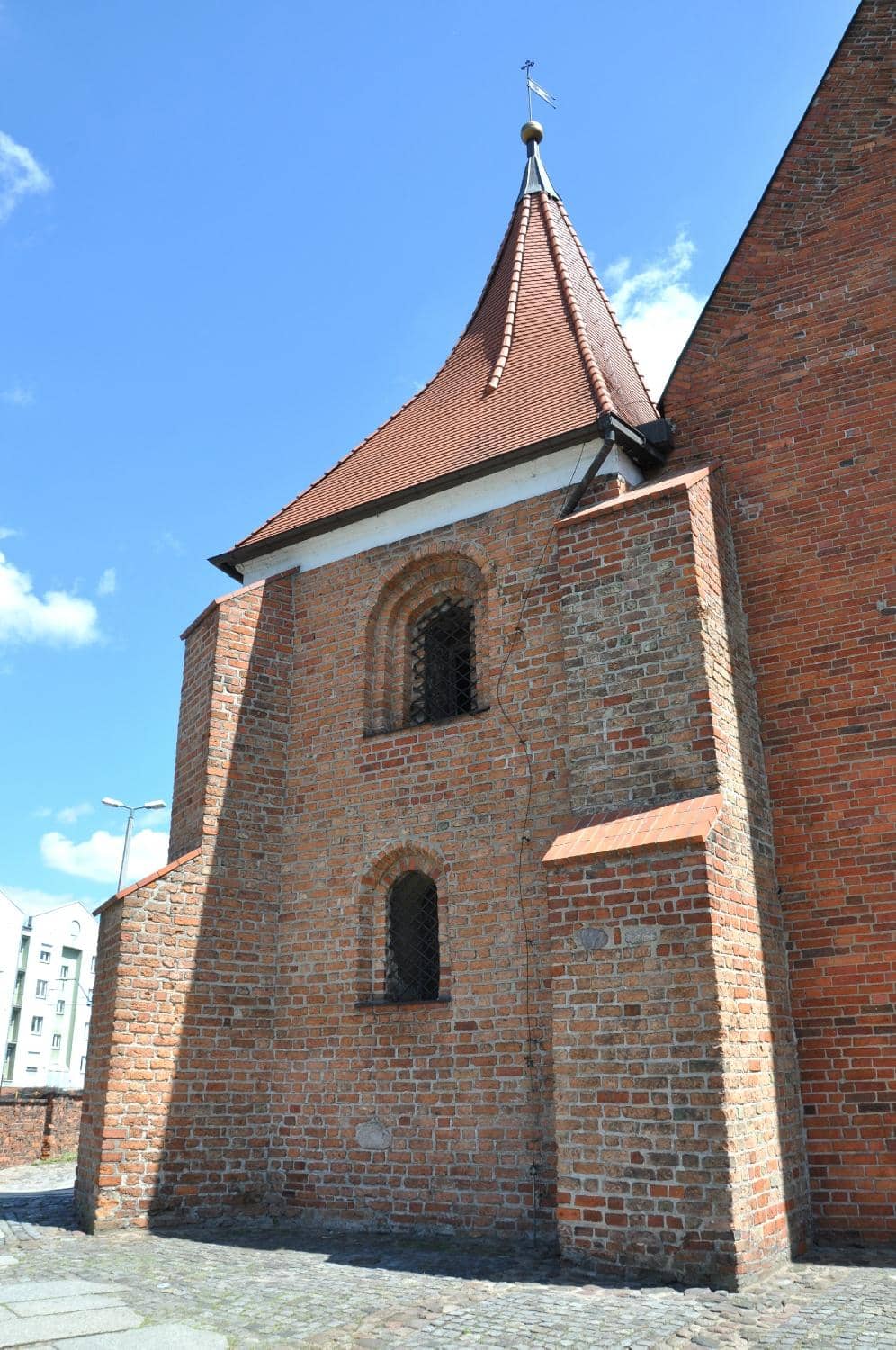
Unique Asymmetrical Tower
Admire the distinctive tower with its unusual asymmetrical roof, a striking architectural feature.
Hospice History
Learn about the church's past as a hospice for travelers and pilgrims, dating back to the 12th century.
Plans like a pro.
Thinks like you
Planning Your Visit
Timing Your Visit
Architectural Marvel
Best Times
Insider Tips
from TikTok, Instagram & Reddit
Confirm Opening Hours
Double-check if the church is open, especially on weekends, as it may be closed. :clock1:
Architectural Gem
Appreciate the original Roman brick walls and unique tower design. :building_construction:
Historical Significance
Discover its history as a hospice for travelers and pilgrims since the 12th century. :scroll:
Tips
from all over the internet
Confirm Opening Hours
Double-check if the church is open, especially on weekends, as it may be closed. :clock1:
Architectural Gem
Appreciate the original Roman brick walls and unique tower design. :building_construction:
Historical Significance
Discover its history as a hospice for travelers and pilgrims since the 12th century. :scroll:
What Travellers Say
Reviews Summary
Visitors appreciate the church's significant historical architecture, particularly its original Roman brick walls and unique asymmetrical tower. However, some have noted issues with inconsistent opening hours and potential entry fees, suggesting a need to confirm details before visiting.
"The first church in this place was built at the end of the 11th century under the invocation of Michael the Archangel near the fork in the road leading to Giecz and Śrem. Jan Długosz in his Annals states that on May 6, 1170, Duke Mieszko III the Old and Bishop Radwan founded a hospice (shelter) for travelers and pilgrims at St. Michael's Church. In 1187, Mieszko transferred the church and hospice to the Order of St. John, who provided assistance to travelers."
Tobiasz R
"I'm not really sure why we could enter the open door of this church, it was either closet or paid. Not sure what the aim of a church closed during the weekends..."
Zdenek Riha
"One of the best architecture in Poznań. Start building in 1080 AD. Original roman brick walls."
Paweł Pietras
What People Like
What People Dislike
Frequently Asked Questions
🚇 🗺️ Getting There
The church is located near the fork in the road leading to Giecz and Śrem. Public transport options to this area of Poznań should be researched based on your starting point. Consider checking local bus routes or ride-sharing services for convenient access.
Information on dedicated parking is scarce. It's advisable to check for street parking availability in the vicinity or consider public transportation to avoid parking challenges.
🎫 🎫 Tickets & Entry
It's unclear if tickets are required, as one visitor noted it was either closed or required payment. It's best to confirm entry requirements and potential fees before your visit.
Opening hours can be inconsistent. One review mentioned it might be closed on weekends, so verifying current hours is crucial to avoid disappointment.
The admission fee is not consistently stated. Some visitors suggest it might be a paid entry or donation-based. It's recommended to inquire locally or check their official channels if available.
🎫 🏛️ Onsite Experience
The church is noted for its original Roman brick walls, dating back to its construction around 1080 AD. It also features a distinctive tower with an asymmetrical roof, making it an interesting architectural site.
Founded as St. Michael's Church, it later became a hospice for travelers and pilgrims in 1170, eventually transferred to the Order of St. John in 1187. This history highlights its role in providing assistance to those on the road.
Photography policies can vary. It's always a good practice to check for signage or ask a church official if photography is permitted, especially if flash is involved.
For Different Travelers
Tailored advice for your travel style
History Enthusiasts
Pay close attention to the unique asymmetrical tower, a distinctive architectural feature that sparks curiosity. Consider researching the Order of St. John before your visit to better understand their impact on the church and the wider community. This deep dive into its past will undoubtedly enrich your appreciation for this ancient landmark.
Architecture Aficionados
Visitors often remark on the architectural integrity of the church, noting how well-preserved its ancient features are. The combination of the historical brickwork and the unconventional tower design makes it a compelling subject for photography and architectural study. It’s a site that rewards a closer look, revealing the craftsmanship and distinct aesthetic choices made centuries ago.
Deep Dives
In-depth insights and expert knowledge
Architectural Heritage
The architectural style reflects its Romanesque roots, with robust brickwork and a solid, enduring presence. The church's transformation over time, from its initial dedication to its later role as a hospice, has also shaped its physical form. Exploring this site is like stepping back in time, appreciating the craftsmanship and historical layers embedded within its walls. For those interested in historical architecture, the enduring Roman brickwork and the unusual tower design are key points of interest that make this church a noteworthy visit.
Insights from visitors highlight the appreciation for these ancient building materials and the unique aesthetic of the tower. It's a place where history is not just read about but can be seen and felt through its very structure. The architectural integrity of the church, despite its age, is a testament to its builders and the care it has received over the centuries.
Historical Role as a Hospice
In 1187, the church and its associated hospice were transferred to the Order of St. John, also known as the Knights Hospitaller. This order was renowned for its dedication to caring for the sick and poor, and their stewardship further cemented the site's purpose as a sanctuary for travelers. The presence of the Order of St. John meant that pilgrims and wayfarers could expect a higher standard of care and hospitality, making the church a vital stop on their journeys.
Understanding this historical context adds another layer of appreciation when visiting the church. It wasn't just a place of worship but a crucial center of hospitality and aid. The legacy of the Order of St. John and the original hospice continues to resonate, reminding visitors of the church's enduring commitment to serving others throughout its long history.

Social
from TikTok, Instagram & Reddit